

.svg)
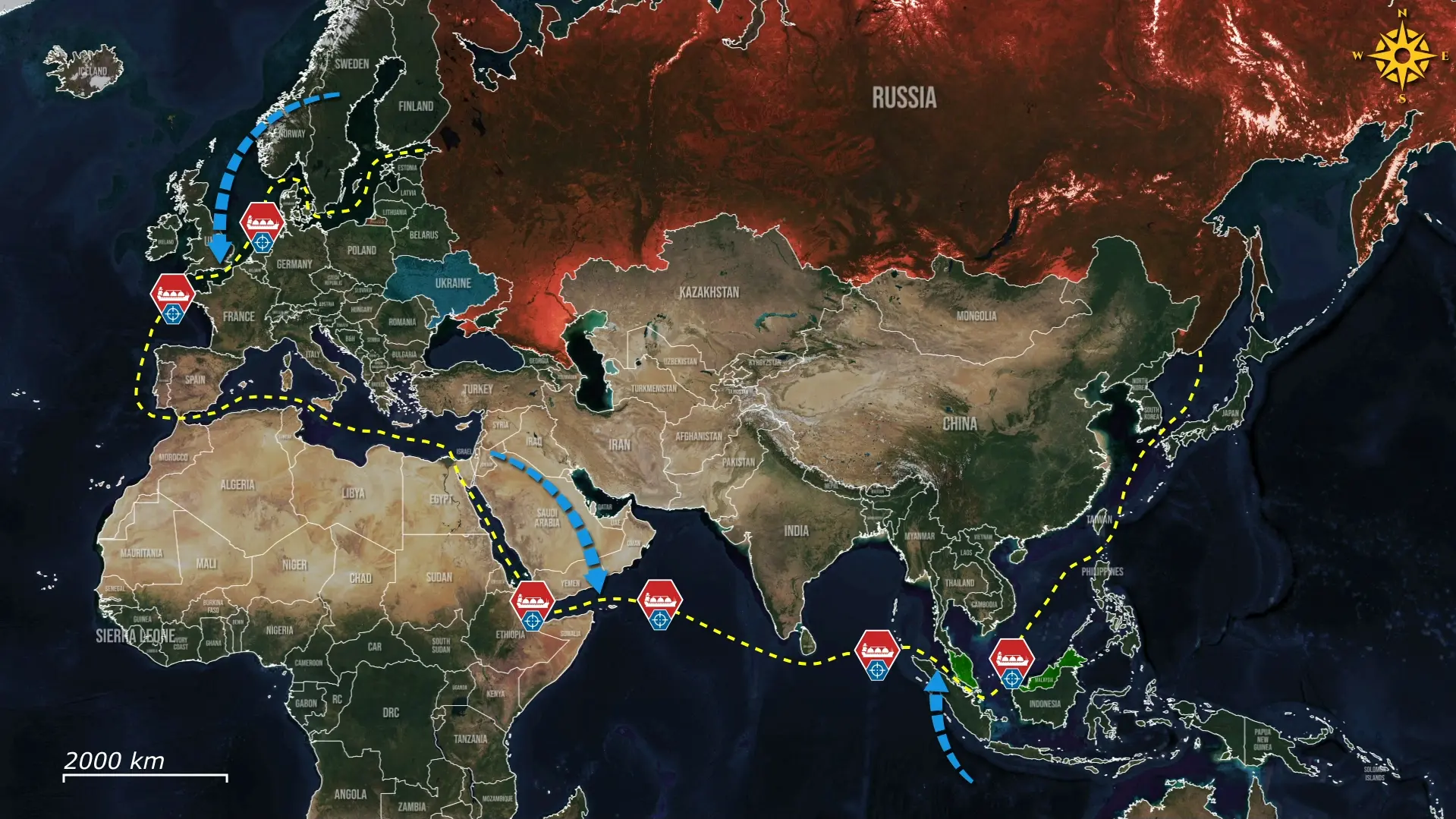
In this video, we will analyze why Russia’s shadow fleet tankers are becoming easy pickings across multiple maritime regions.
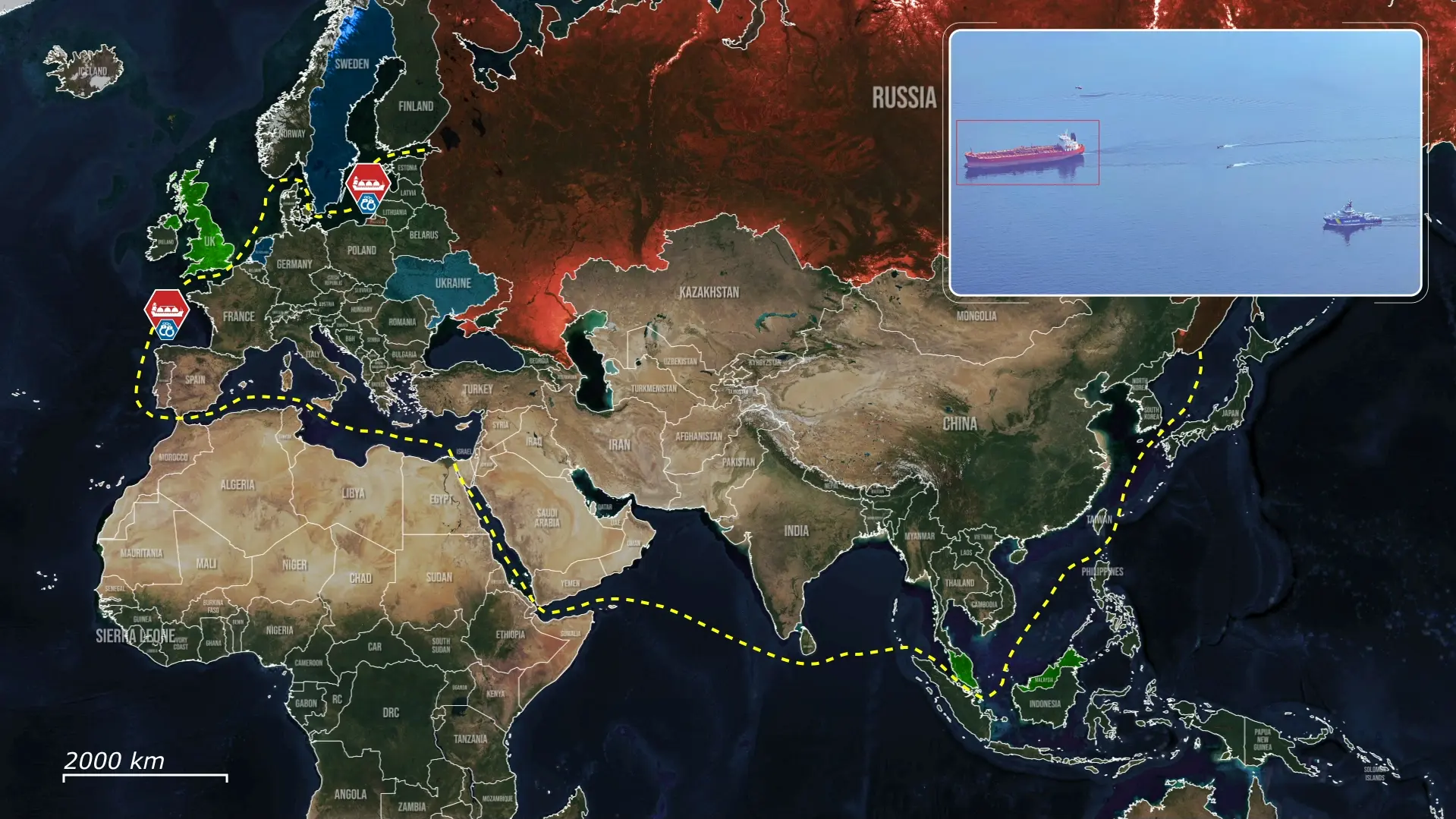
Here, along major maritime trade routes, including the Strait of Malacca, the English Channel, and the Gulf of Aden, more countries are moving against Russian oil shipments because they no longer fear a serious Russian response. What is emerging is a collapse in Russia’s ability to protect its oil traffic at sea, as more states conclude these tankers can be seized without any major consequences.
That shift became especially visible in the Strait of Malacca, where Malaysian authorities seized two Russian shadow fleet tankers near Penang during what was described as an illegal ship to ship fuel transfer. The detention was reportedly based on unauthorized coupling and suspected unlawful diesel transfer at sea, leading to the confiscation of around eight hundred thousand liters of fuel and the arrest of twenty two crew members from several countries, including Russia. The case was framed not as a geopolitical confrontation, but as an enforcement action against illicit maritime activity, giving Malaysia a practical legal basis to interfere with Russian linked oil logistics. In one of the world’s most important chokepoints, a shadow fleet operation built on offshore concealment was suddenly exposed to open intervention by the Malaysian authorities.
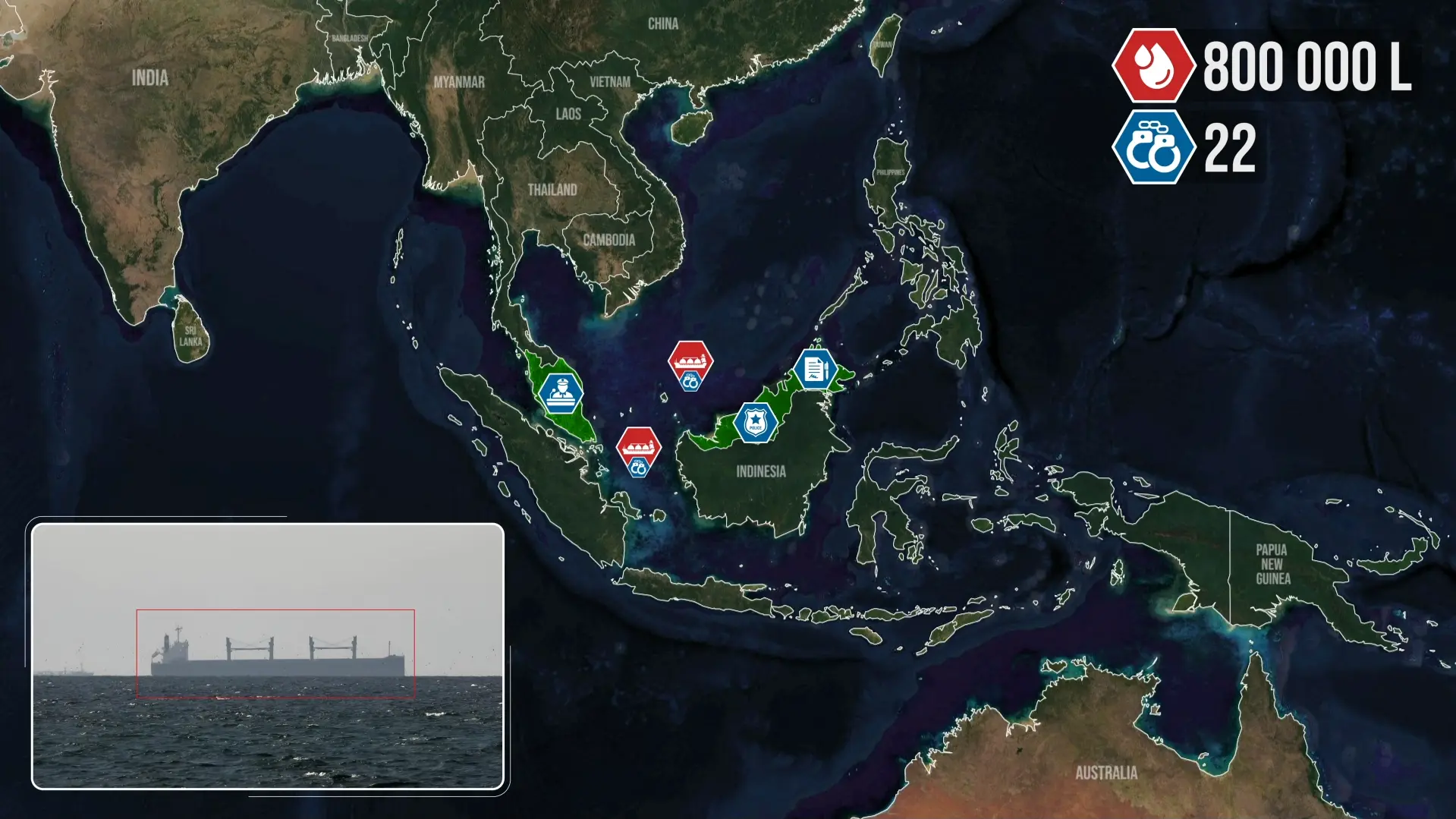
The Malaysian case matters far beyond the seizure itself, because offshore fuel transfers in these waters had been happening for years and Kuala Lumpur had usually avoided direct interference. What changed was not just the pressure created by tighter regional fuel supplies, but the growing sense that Russia could no longer make other countries pay for disrupting its oil trade. Once that became clear, stopping Russian linked tankers no longer looked like a serious escalation, but like a safe opportunity. Malaysia took that chance, and Moscow’s weak response only made the message clearer for everyone else.
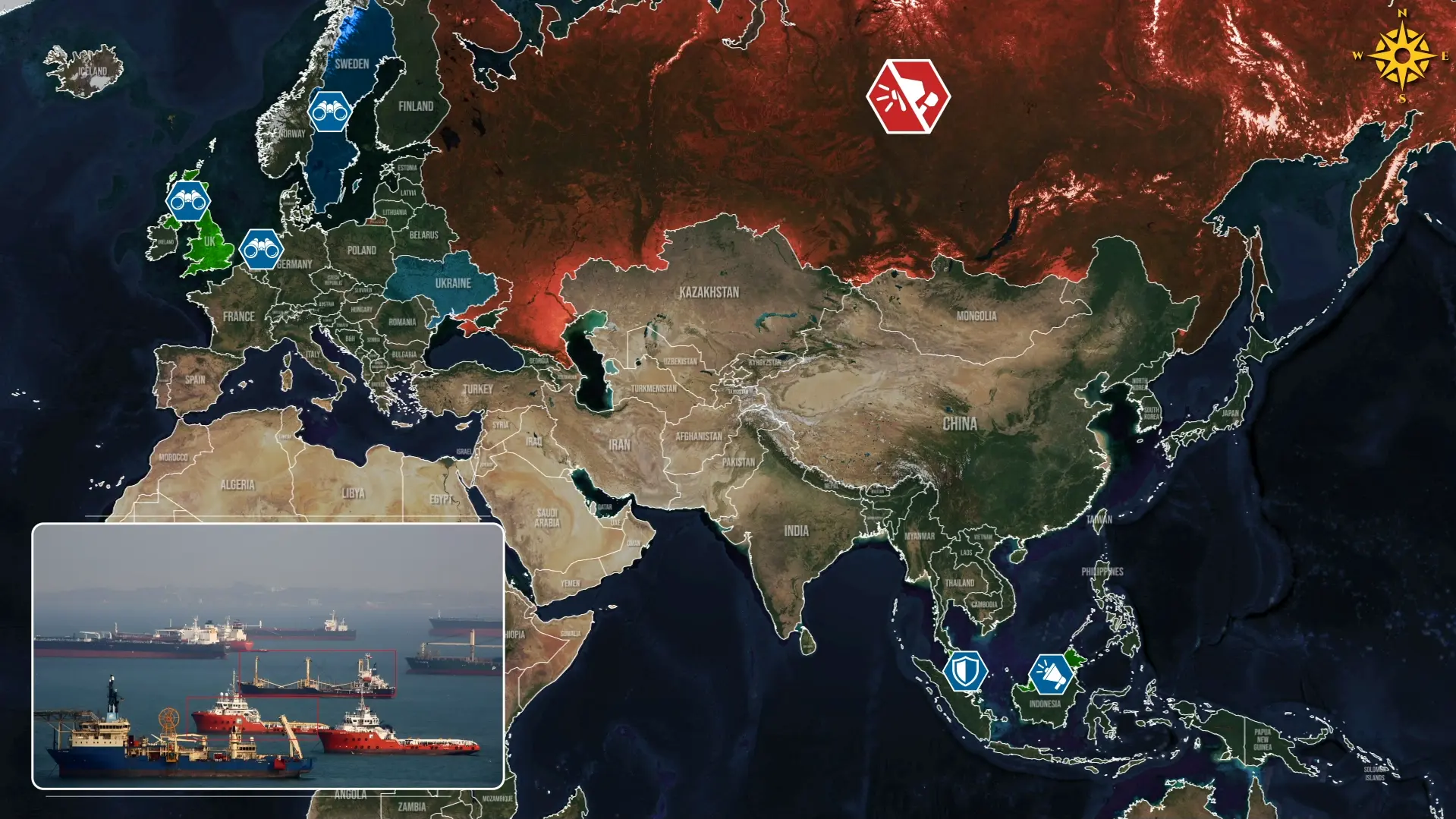
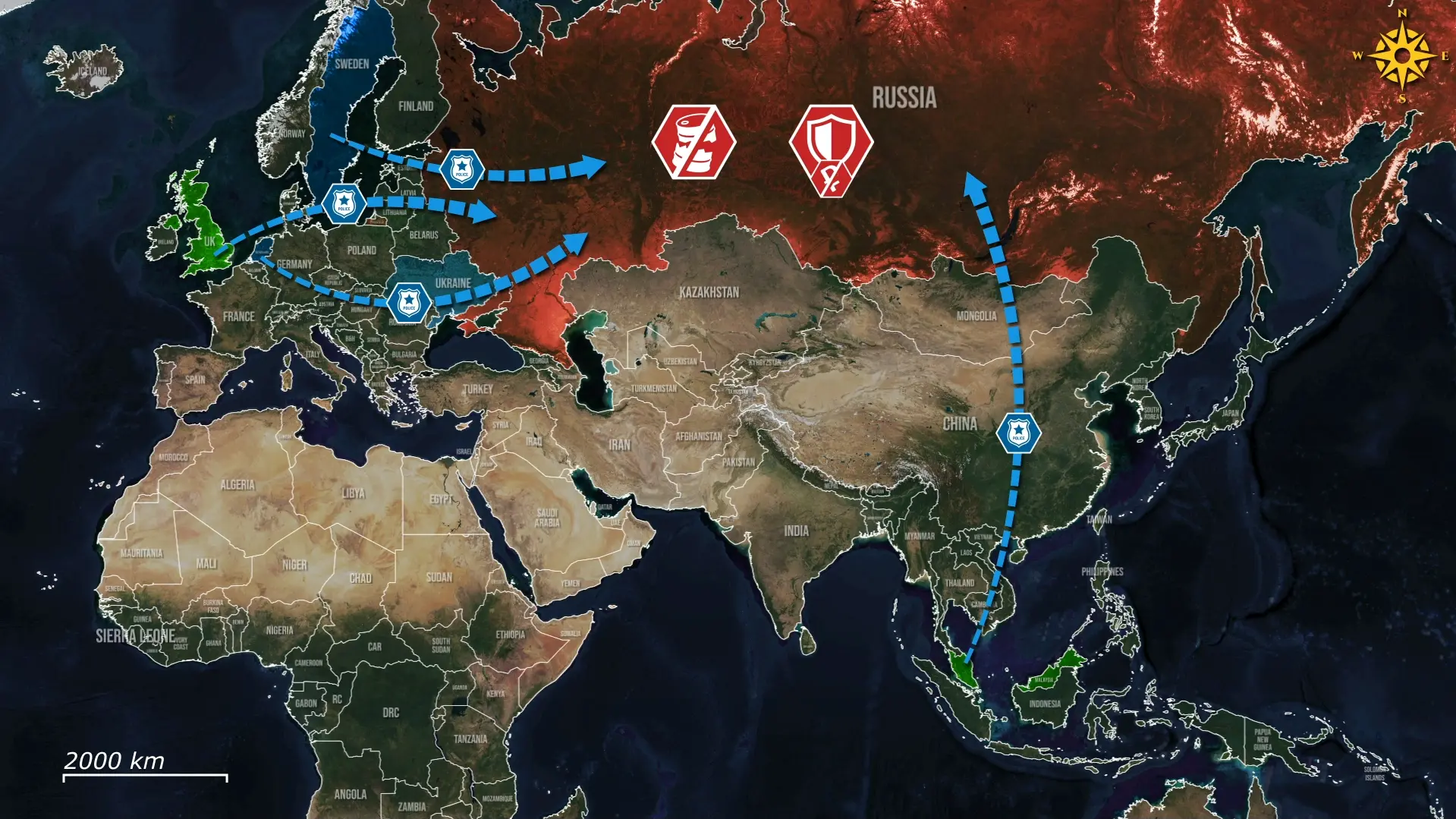
The significance of that shift goes far beyond Malaysia, because once one country acts and gets away with it, others start seeing the same opportunity. What is now emerging is a wider campaign of pressure against the shadow fleet, with Europe squeezing the network through legal and administrative pressure, while Ukraine is hitting the same export system more directly through attacks on the facilities and logistics that keep Russian oil moving. As that pressure builds across multiple theaters, the shadow fleet faces growing exposure and a much harder path to operating safely. Each seizure, detention, or disruption does not just affect one tanker, but increases the cost, uncertainty, and operational risk for the entire network moving behind it.
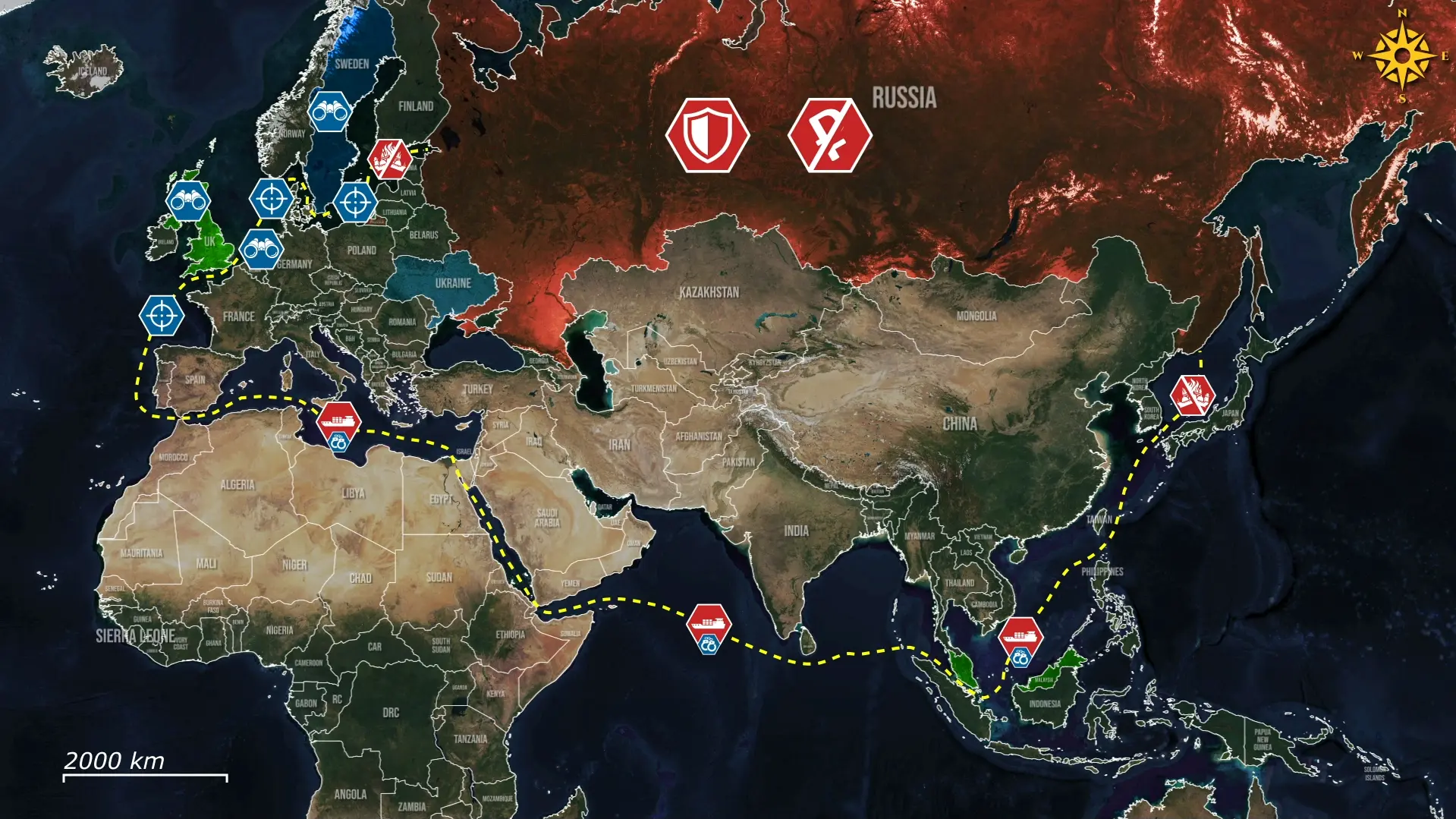
That growing exposure is now visible across several maritime routes, as in the English Channel, British Royal Marines and the National Crime Agency boarded the tanker Smyrtos and detained a vessel carrying more than one hundred thousand tons of Russian crude oil, marking Britain’s first physical capture of a shadow fleet tanker in its own waters. In the Baltic, Sweden detained the tanker Jin Hui on suspicion of sailing under a false flag and lacking proper insurance, then directed it to anchorage for further inspection under a maritime law investigation. In the North Sea, the Netherlands moved toward emergency legislation that would allow inspections, forced anchoring, and even the seizure of sanctioned Russian oil cargoes from falsely flagged ships. Near Yemen, even a sanctioned shadow fleet tanker carrying Russian crude was hit in a suspected sabotage attack, showing that Russian oil traffic is vulnerable even beyond the reach of formal Western enforcement. Taken together, these incidents show that Russian tankers are no longer being treated as protected assets, but as increasingly available targets.
Overall, this is likely to push the shadow fleet into a more fragile phase, where the real damage comes from the cumulative effect of more states testing how much Russian oil traffic they can interrupt without paying a price. As that pattern spreads, Moscow will face a worsening choice between accepting repeated losses or diverting more resources into protecting commercial routes that were supposed to remain deniable and low cost. That will steadily erode the shadow fleet’s main advantage, because once too many governments treat these tankers as available targets, the network becomes less useful for sanctions evasion and more expensive to sustain.

.jpg)

Comments