

.svg)
Today, there is dangerous news from the Russian Federation.
Here, Russia thought they found a solution after oil exports collapsed under sustained Ukrainian strikes. However, the Ukrainian drones followed the Russian oil to its new destination and brought devastation to the most critical chains of the Russian oil economy.
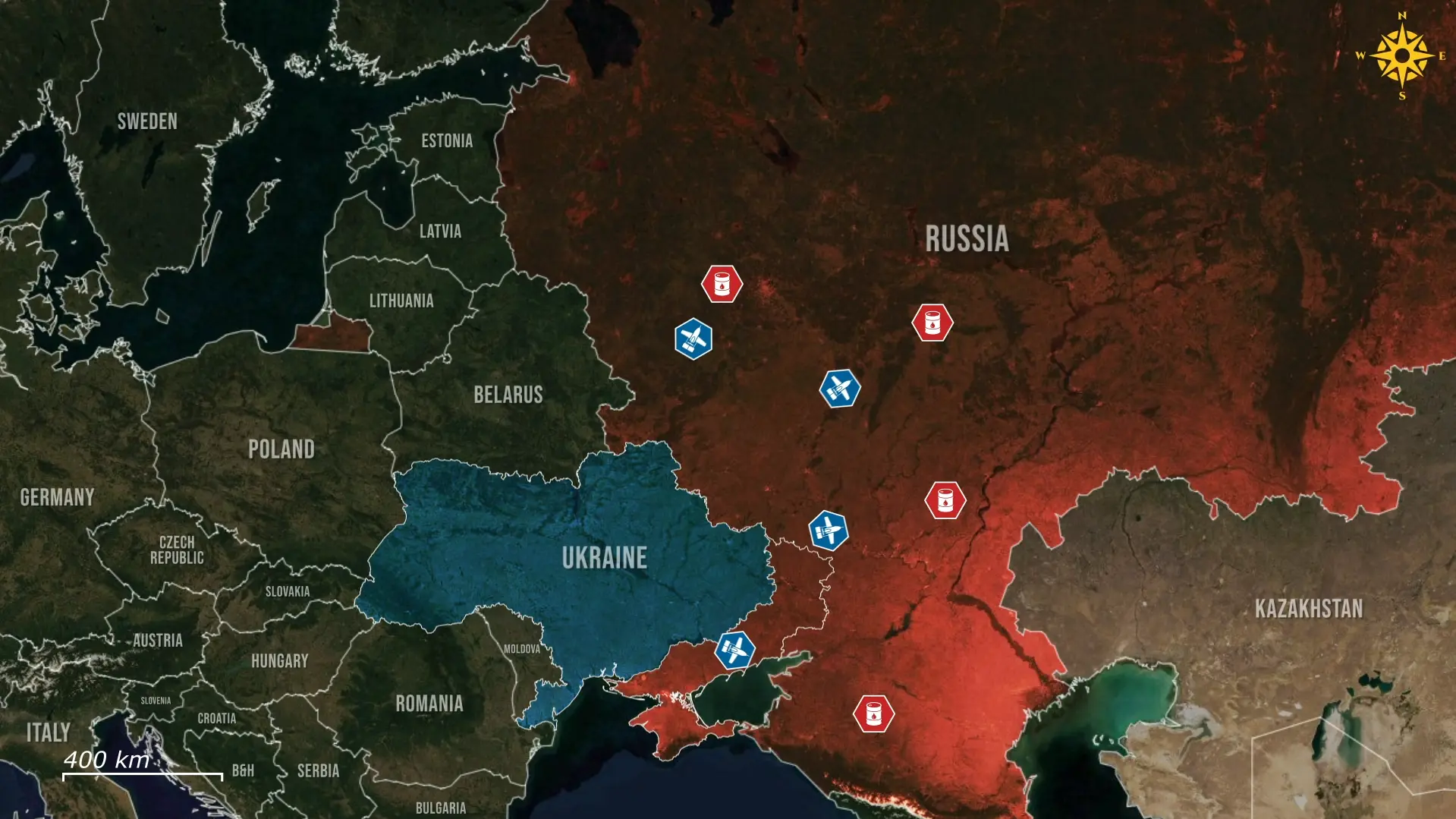
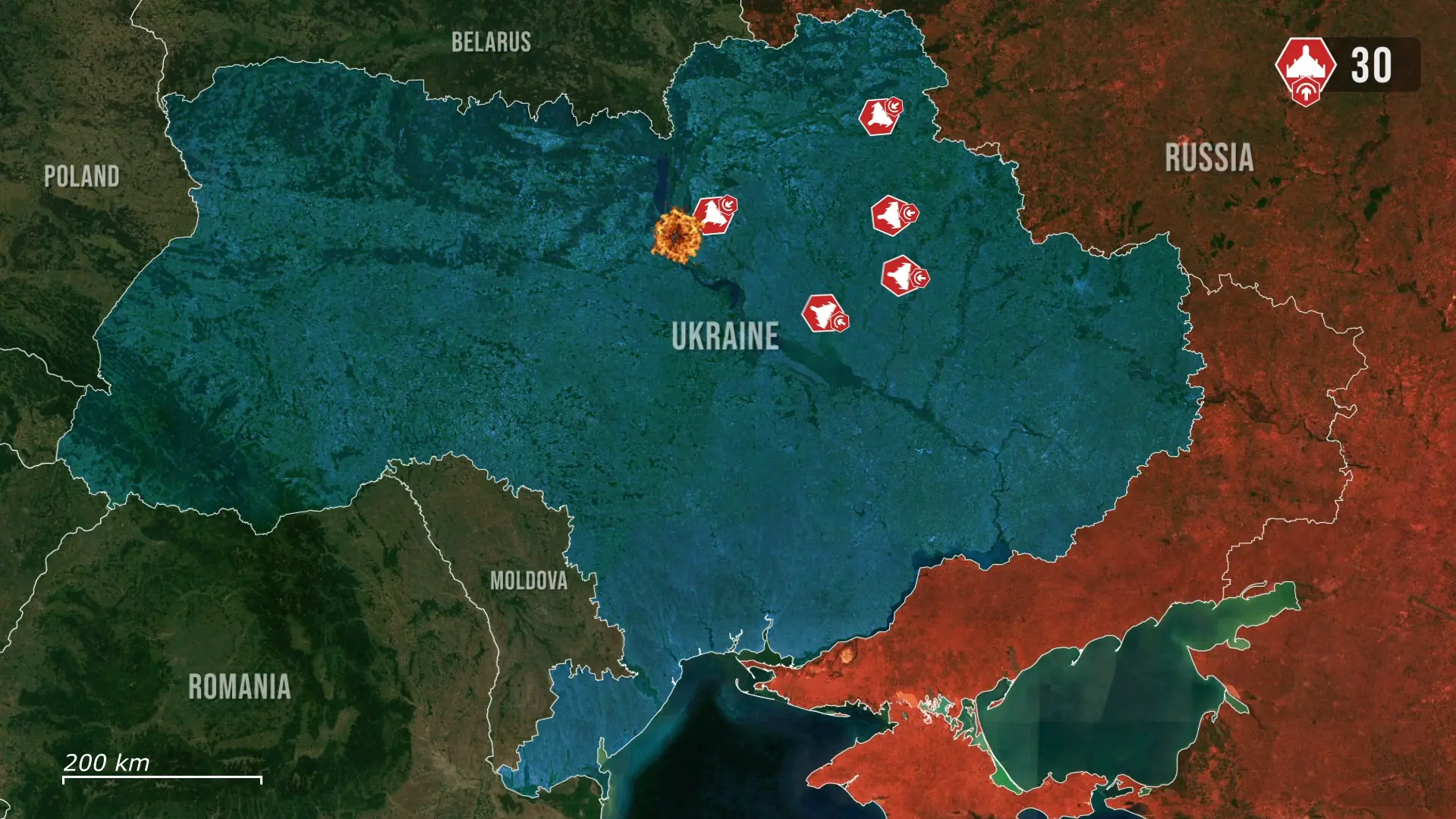
Recent Ukrainian strikes stopped roughly two-thirds of Russian oil export capacity by damaging critical infrastructure. Key Baltic ports Primorsk and Ust-Luga have been targeted multiple times in ten days, resulting in an estimated nine hundred and seventy million dollars in losses for Russian energy companies.
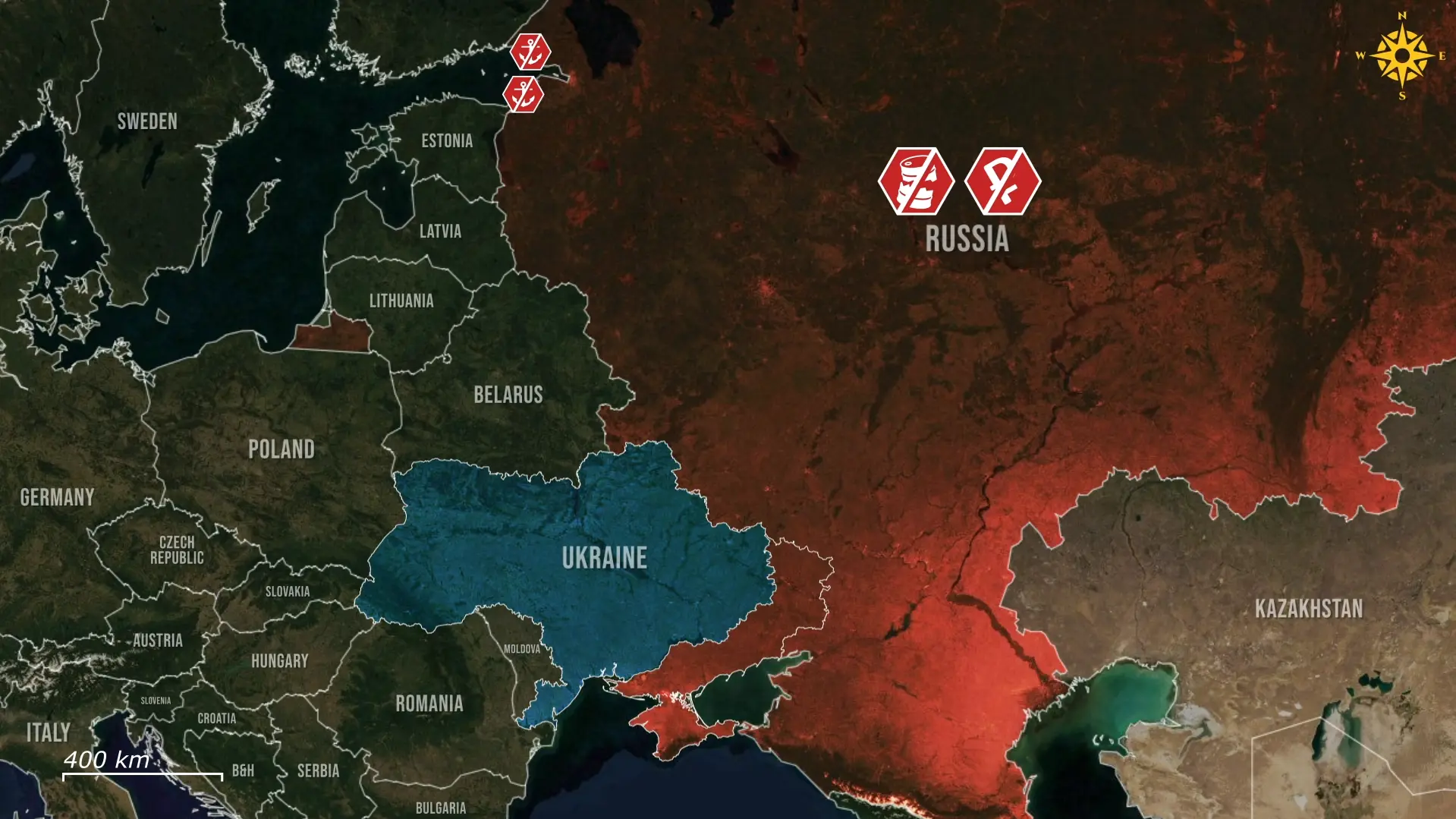
In response, Russia has begun redirecting crude oil to domestic refineries, converting it into petroleum products for internal use. However, because of the Western sanctions and heavy export dependency, Russia is forced to sell its oil domestically, which cannot absorb all the excess oil, especially at the internation market price, indicating that this is only a temporary and partial solution.
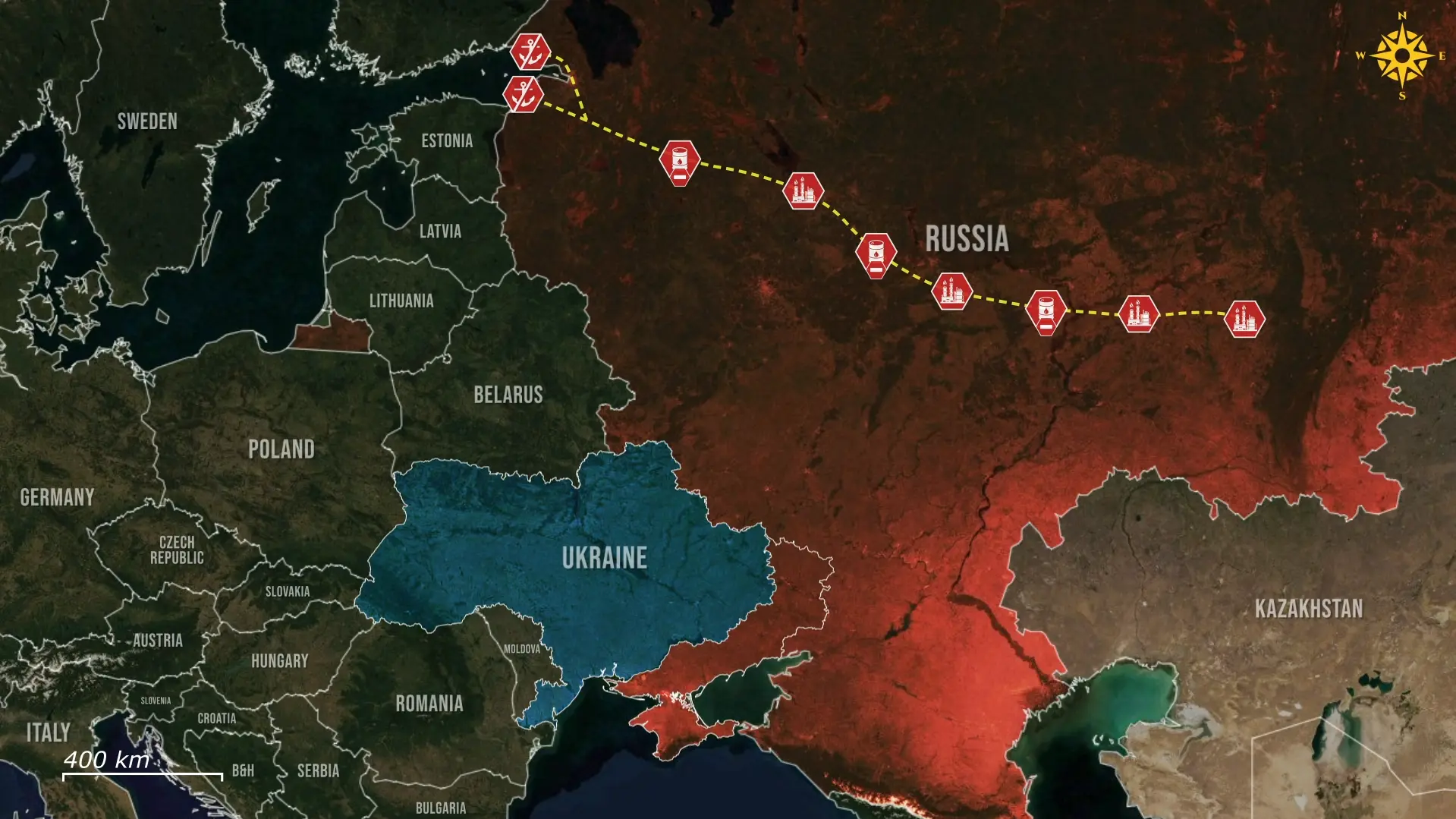
In order to disrupt the redirected oil flows, Ukraine started attacking oil refineries, and Russia's fourth-largest, Lukoil's Nizhegorod plant, halted operations after a drone strike, which disrupted fuel supplies until the end of the month. The refinery has a crude oil processing capacity of approximately seventeen million tons per year and is a critical supplier of fuel to the Moscow region, accounting for approximately thirty percent of its consumption. This creates bottlenecks and causes fuel shortages in the capital region, forcing the import of refined oil from other regions.
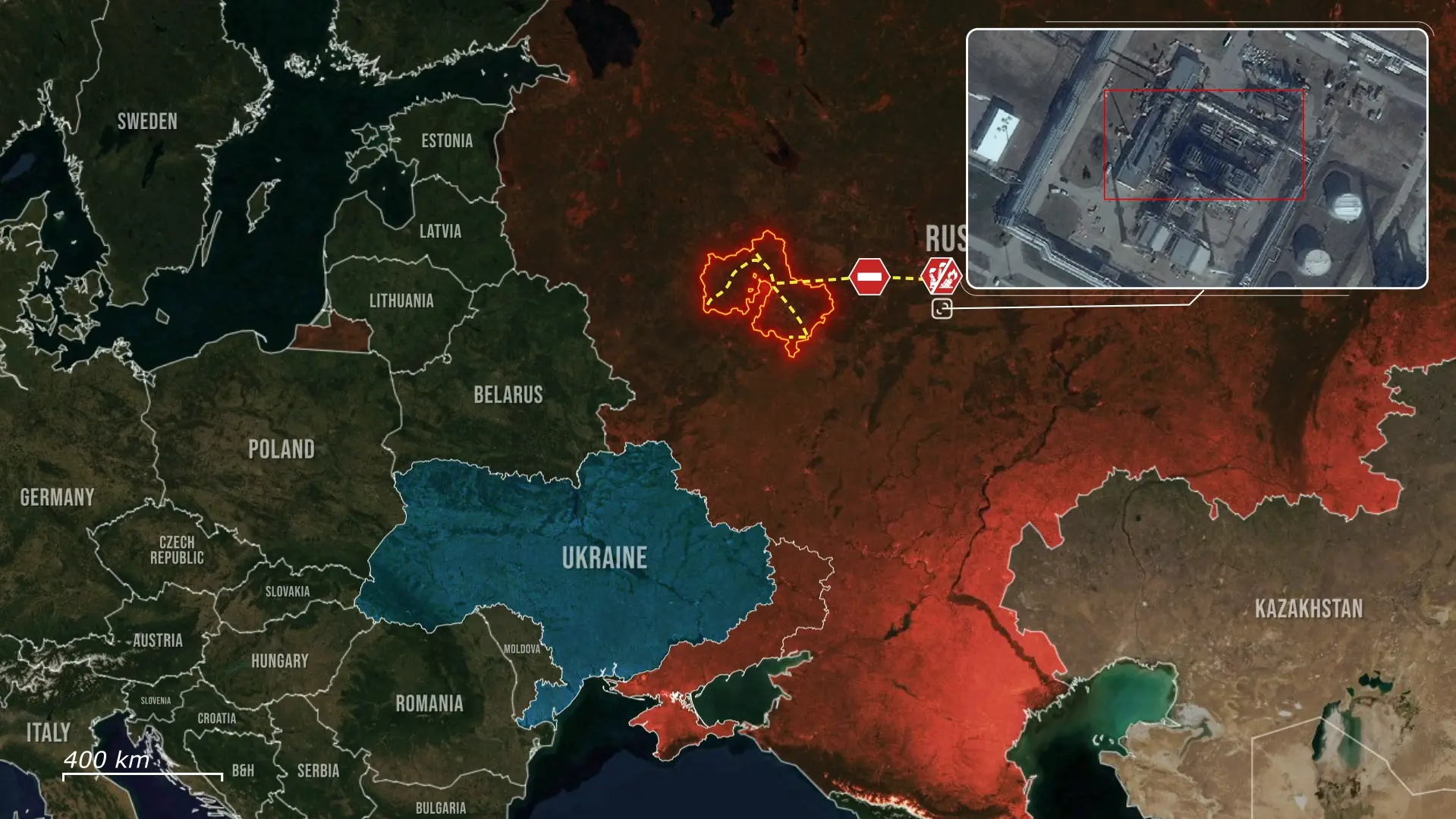
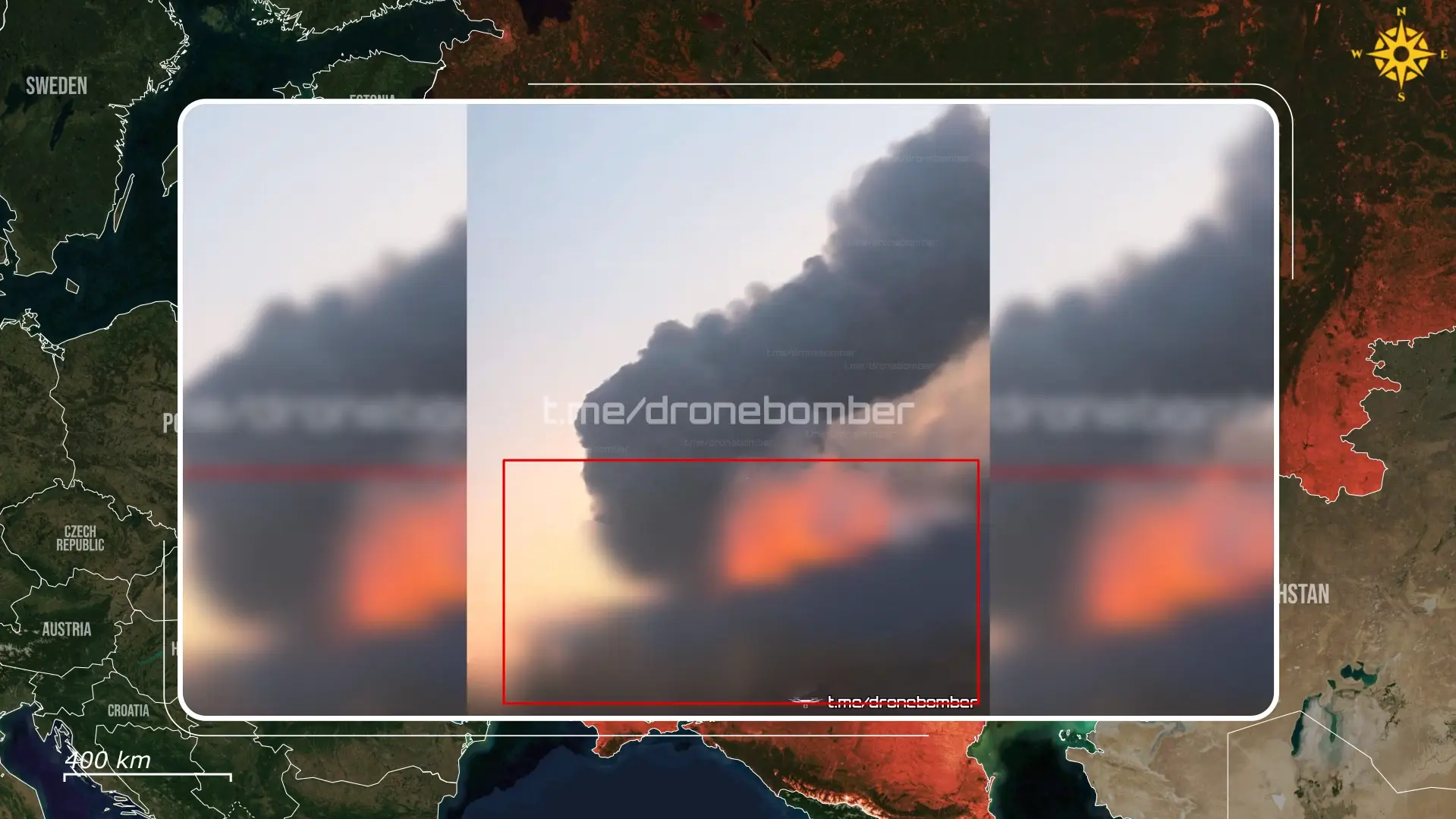
A major explosion at the Nizhnekamsk plant triggered a large-scale fire after an air dryer in the compressor system detonated, damaging pipelines and other critical equipment. Thick smoke was observed over the area, and the blast wave caused structural damage several kilometers away, damaging one of Russia’s largest petrochemical facilities and, as a result, halting production. Additionally, Ukrainian drones targeted the Kirishi oil refinery in Russia’s Leningrad region, damaging four storage tanks and destroying one, severely impacting the primary distillation unit, a crucial element for the crude processing capacity.
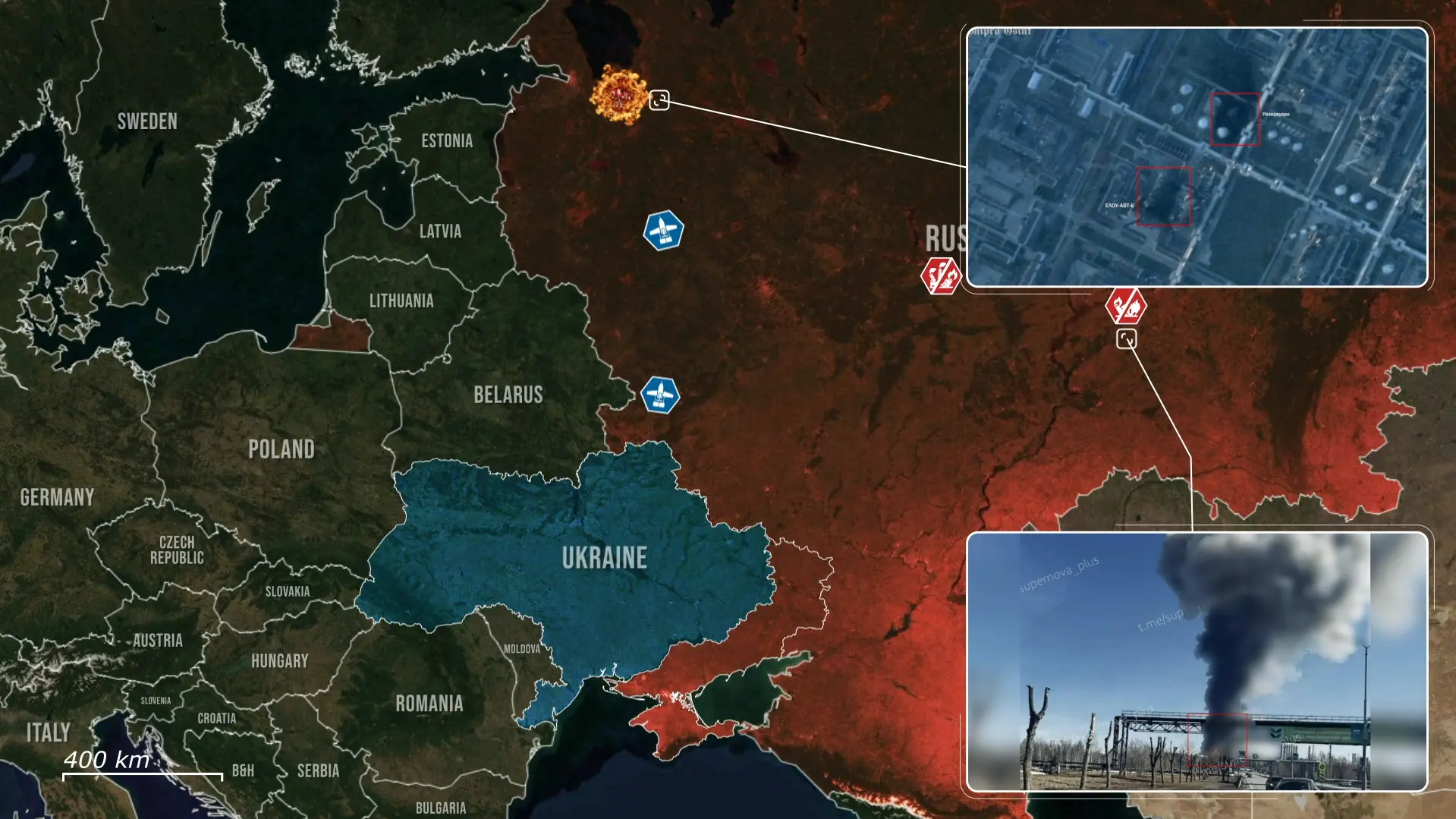
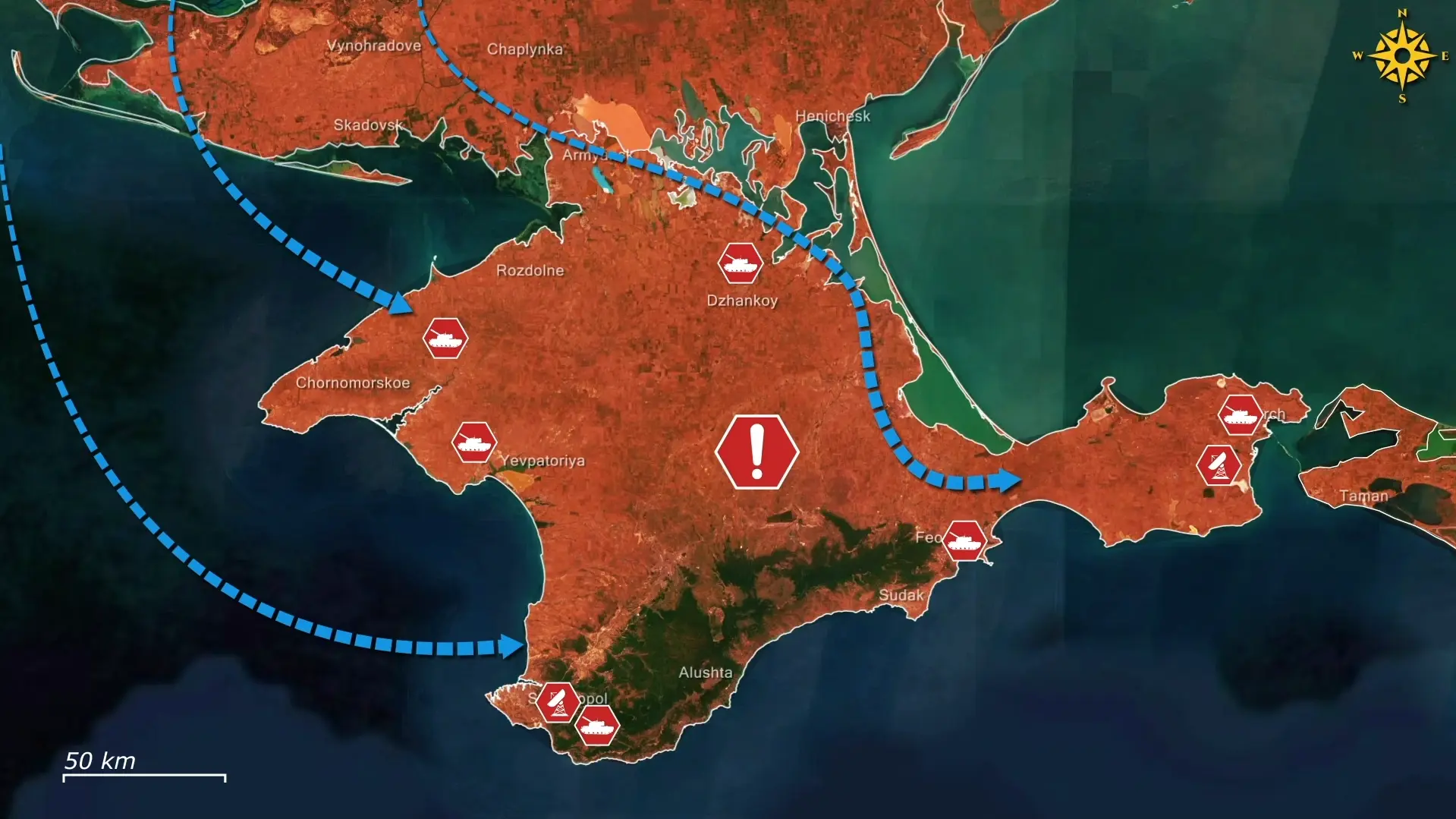
Ukrainian drones also struck the Slavneft refinery in Russia’s Yaroslavl region, destroying two fuel tanks, while several additional impacts were reported in the facility, which is among Russia’s top five refineries, processing over 15 million tons of oil per year. The oil depot in Feodosia was also targeted, and multiple fuel tanks were destroyed, despite an improvised attempt to imitate protection by installing a decoy Pantsir air defense system that proved useless.
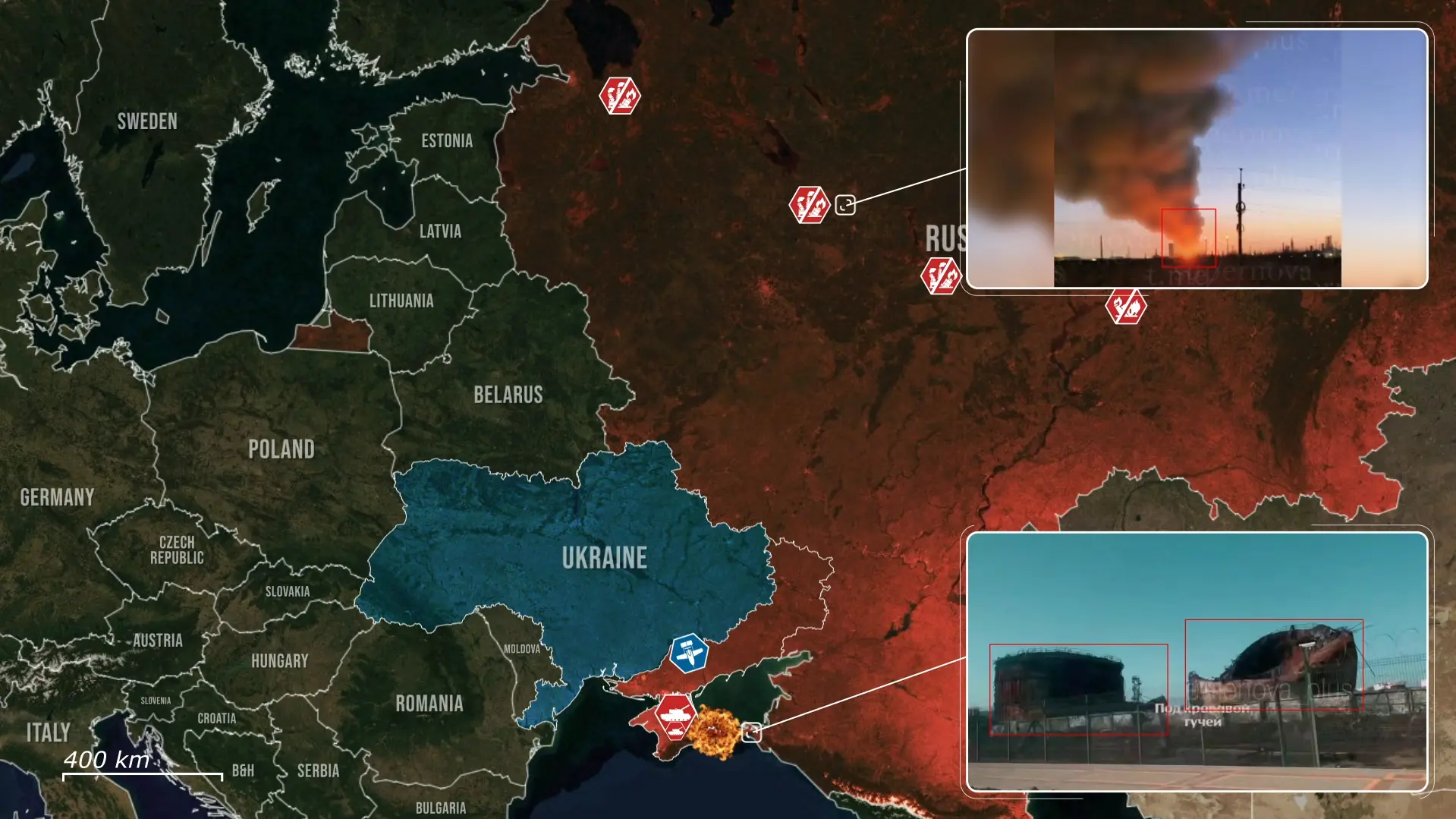
A Ukrainian drone strike caused a fire to break out at an oil facility in Yakymivka in the Zaporizhzhia region, serving as a fuel storage base for holding and handling fuel and lubricants for the Russian military. Ukrainian drones also attacked the Novogorkovskaya power plant in Kstovo, a key energy hub powering industry, including the local refinery.
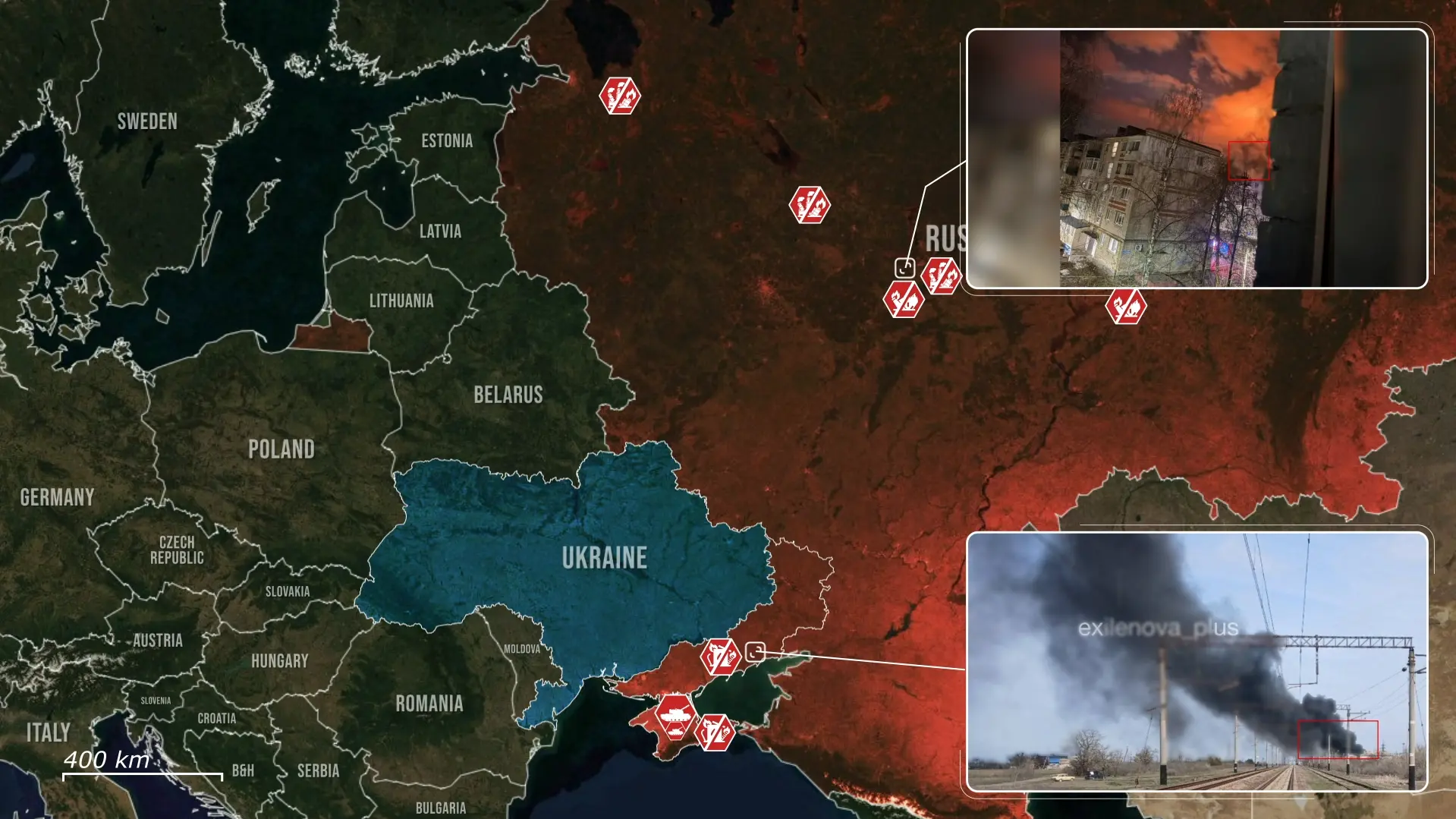
A separate Ukrainian drone strike targeted the Bashneft refinery in Ufa, damaging the distillation unit, an essential component for crude oil processing and fuel production.
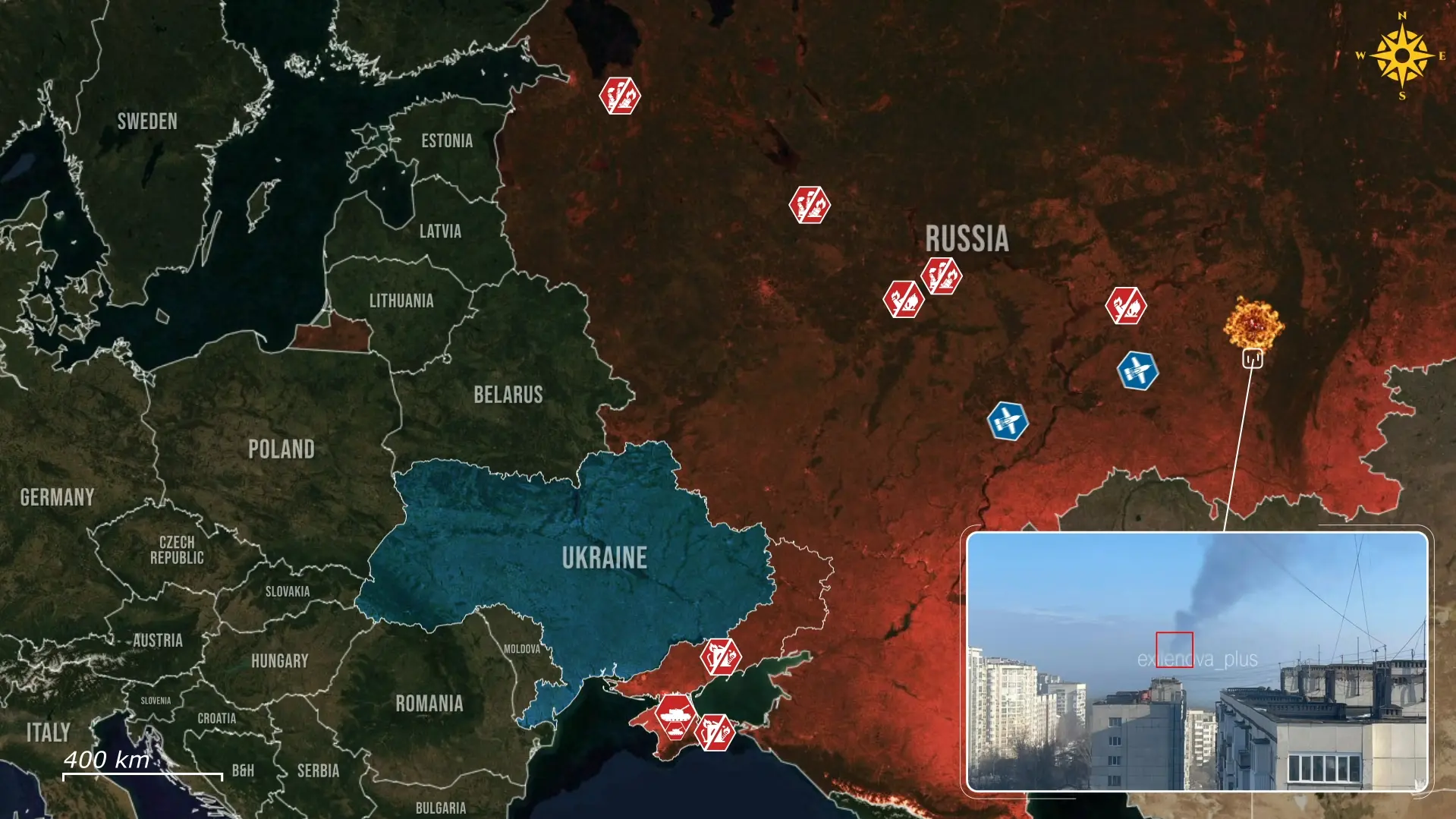
After destroying Russian oil refineries, Ukraine shifted its focus to preventing Russia from restoring and redirecting oil flows back to key export hubs. Ukrainian drones set the port of Ust-Luga ablaze again. Although Russian sources claimed that more than twenty drones were intercepted, many slipped through and damaged storage tanks at the facility. Primorsk and Ust-Luga together handle over forty percent of Russia’s seaborne oil exports, and the damage has been substantial because fires in Primorsk destroyed approximately two hundred million dollars' worth of oil and left storage tanks inoperable for months, while repairs at the Novatek terminal in Ust-Luga could take over months as well.
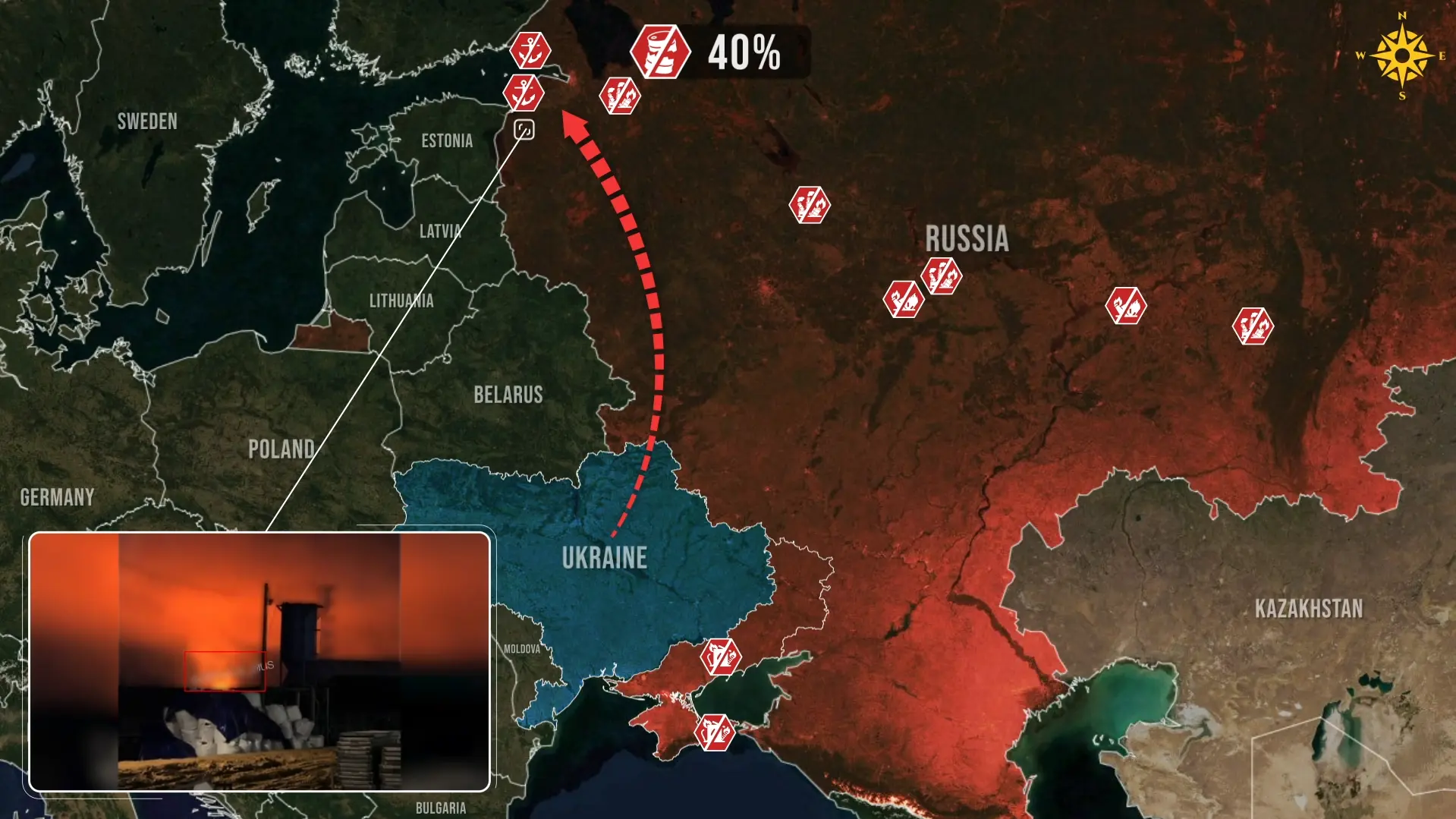
Ust-Luga, which accounts for about eight percent of global oil exports, saw shipments drop by roughly seventy percent in the final week of March, directly harming Russian oil revenue, when the Russian government hoped to profit from supply shortages across the world and the rising price.
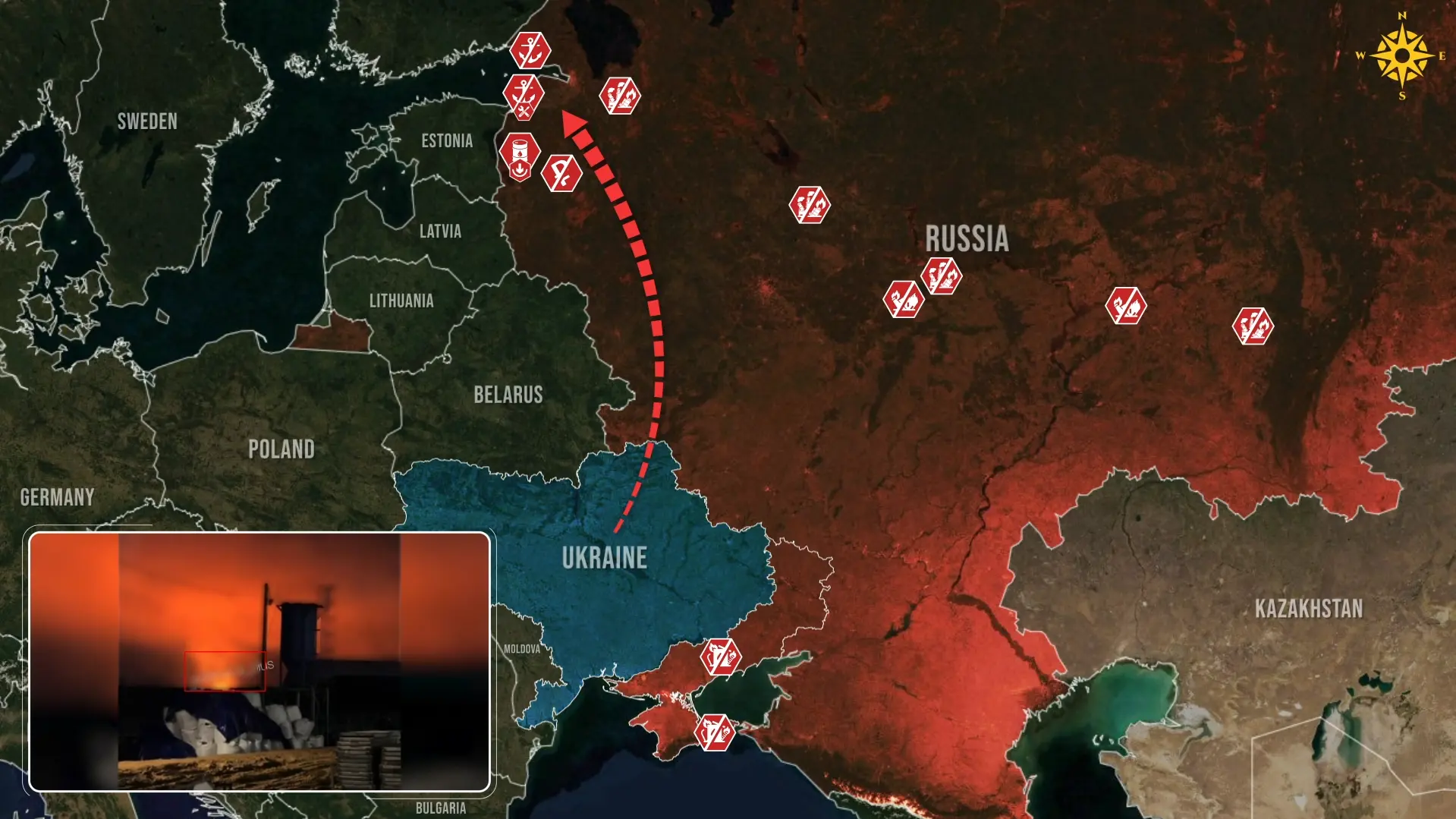
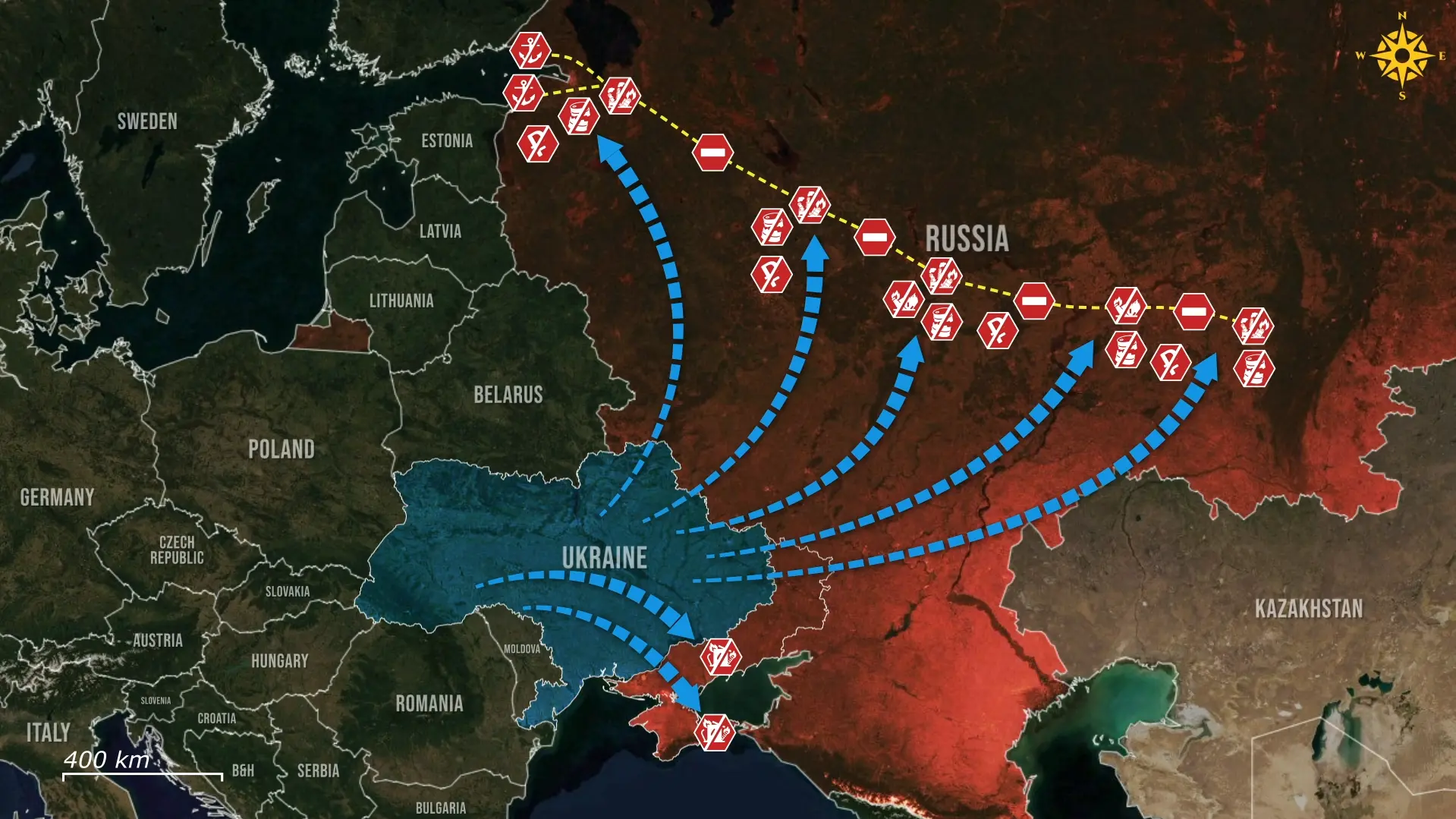
Overall, Ukraine is stopping Russia from redirecting its oil products to the domestic market after its maritime oil exports were targeted, depriving Russia of a solution to its financial problems. The new strikes denied Russia the ability to compensate for the export with more production. Ukraine will maintain its long-range assaults against all elements of the Russian oil infrastructure to further reduce Russia’s ability to finance the war.

.jpg)

Comments