

.svg)
In this video, we will analyze Ukraine’s growing role in the conflict dynamics in Mali.
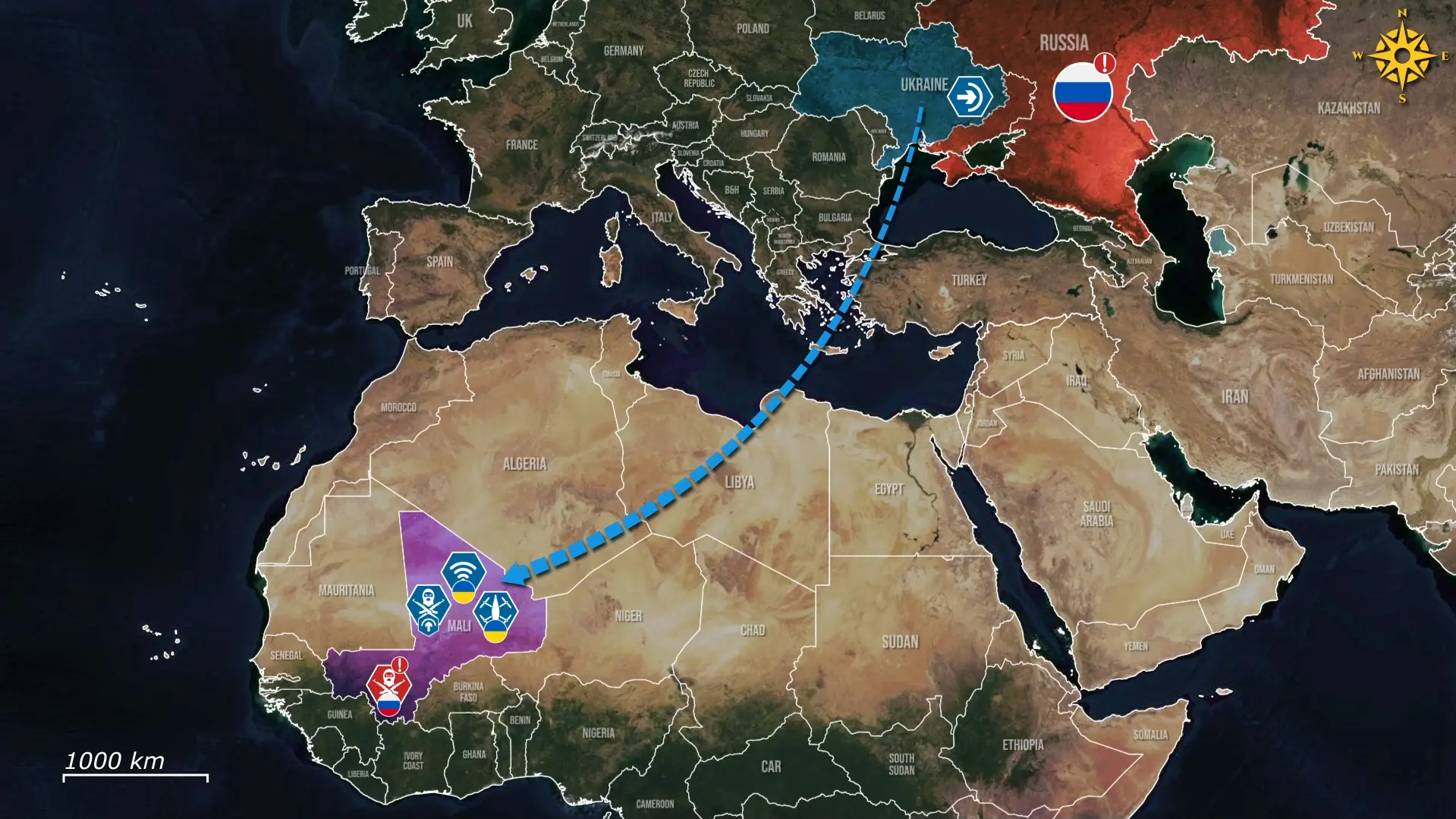
Here, Ukraine is not limiting the war to its own borders; rather, it is pursuing a strategy of exerting multidimensional pressure on Moscow by creating new arenas of conflict in regions across the world where Russian influence is widespread. In this context, the Ukrainian Safari has begun in Mali, disrupting the peace of Russian soldiers while directly challenging Moscow’s military presence and influence in the country.
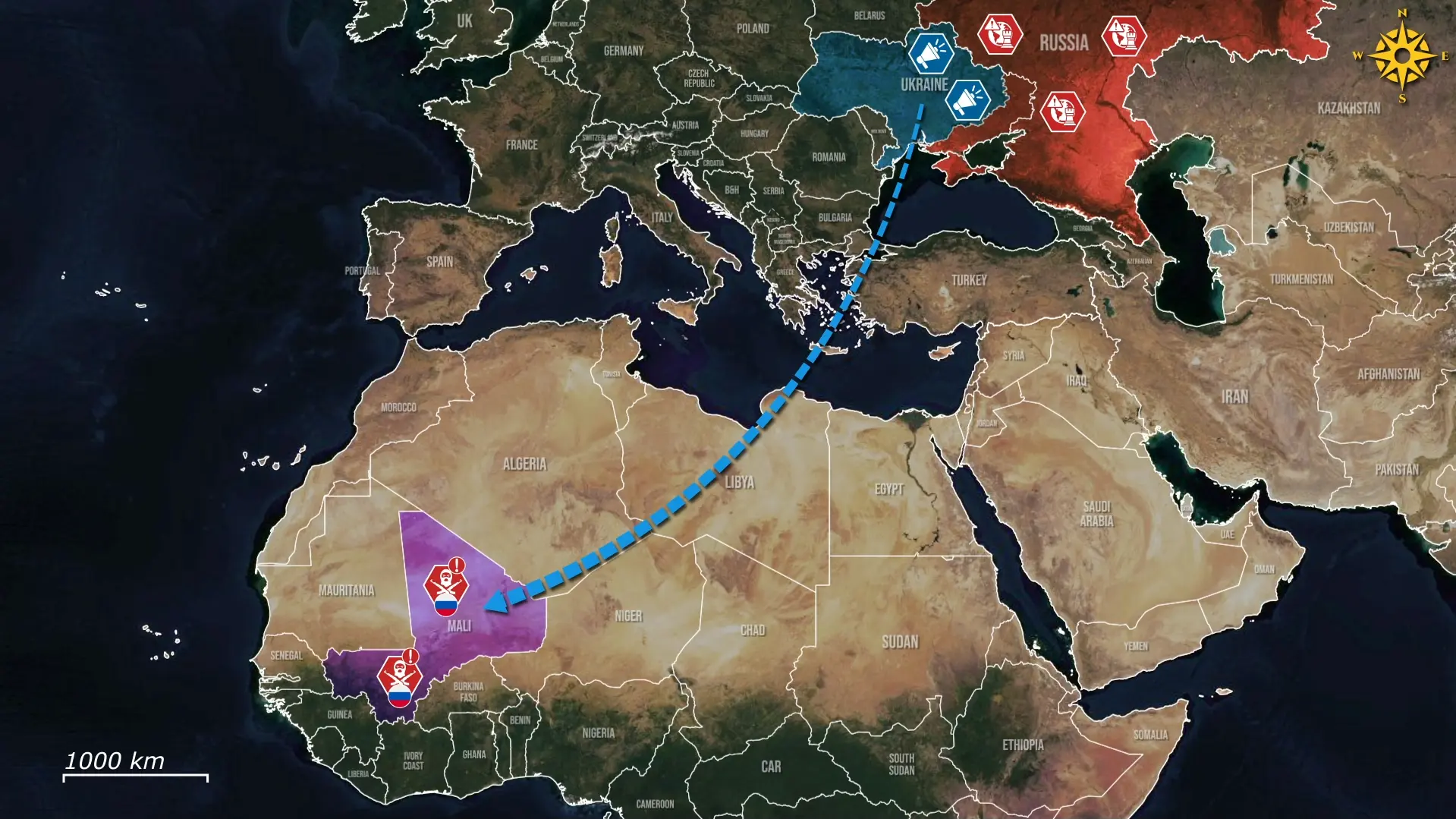
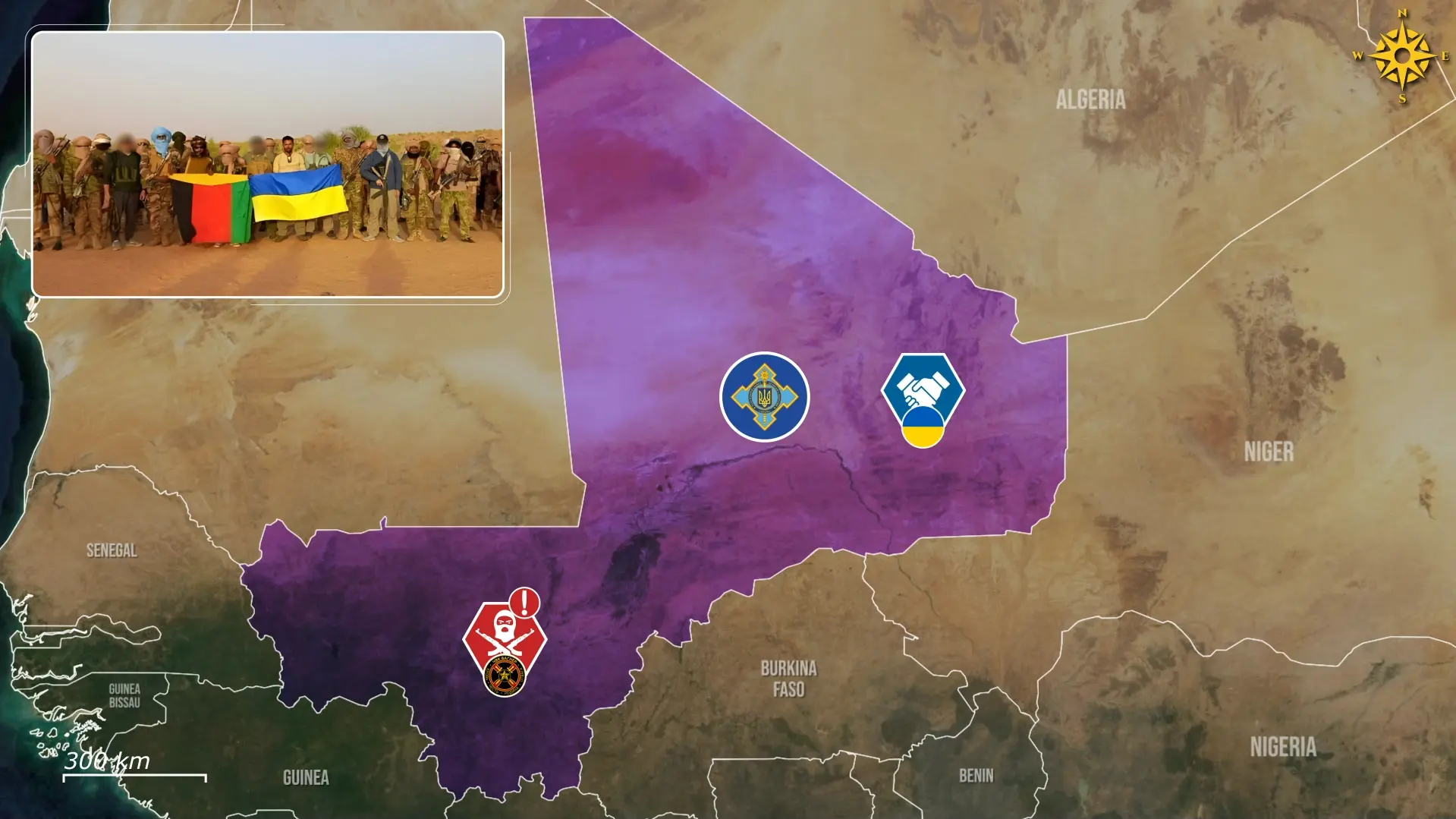
An image released from Mali, shows members of the Tuareg Separatist group posing with Ukrainian flags after reportedly killing several fighters from the Russian Wagner Group. The image has been widely discussed as a strong indication of Kyiv’s direct or indirect support for the Tuareg Separatist. Subsequently, sources within Ukraine’s defense and security apparatus confirmed the image’s authenticity and stated that Kyiv supports any forces active against the Russian Wagner Group in various parts of Africa.
In two thousand twenty-four, a collaborative framework was established between Ukraine’s military intelligence agency, and members of the Tuareg Separatist group. Within this framework, Ukraine worked to bring together the fragmented Tuareg separatist group and facilitate coordination among its members. Simultaneously, Ukraine has established a two-way training system by either sending instructors to Mali or bringing members of the Tuareg separatist group to Ukraine for training. Ukraine’s training program has played a significant role in enabling members of the separatist group to gain proficiency in FPV drone operations, the impact of which is now clearly reflected on the battlefield in Mali.
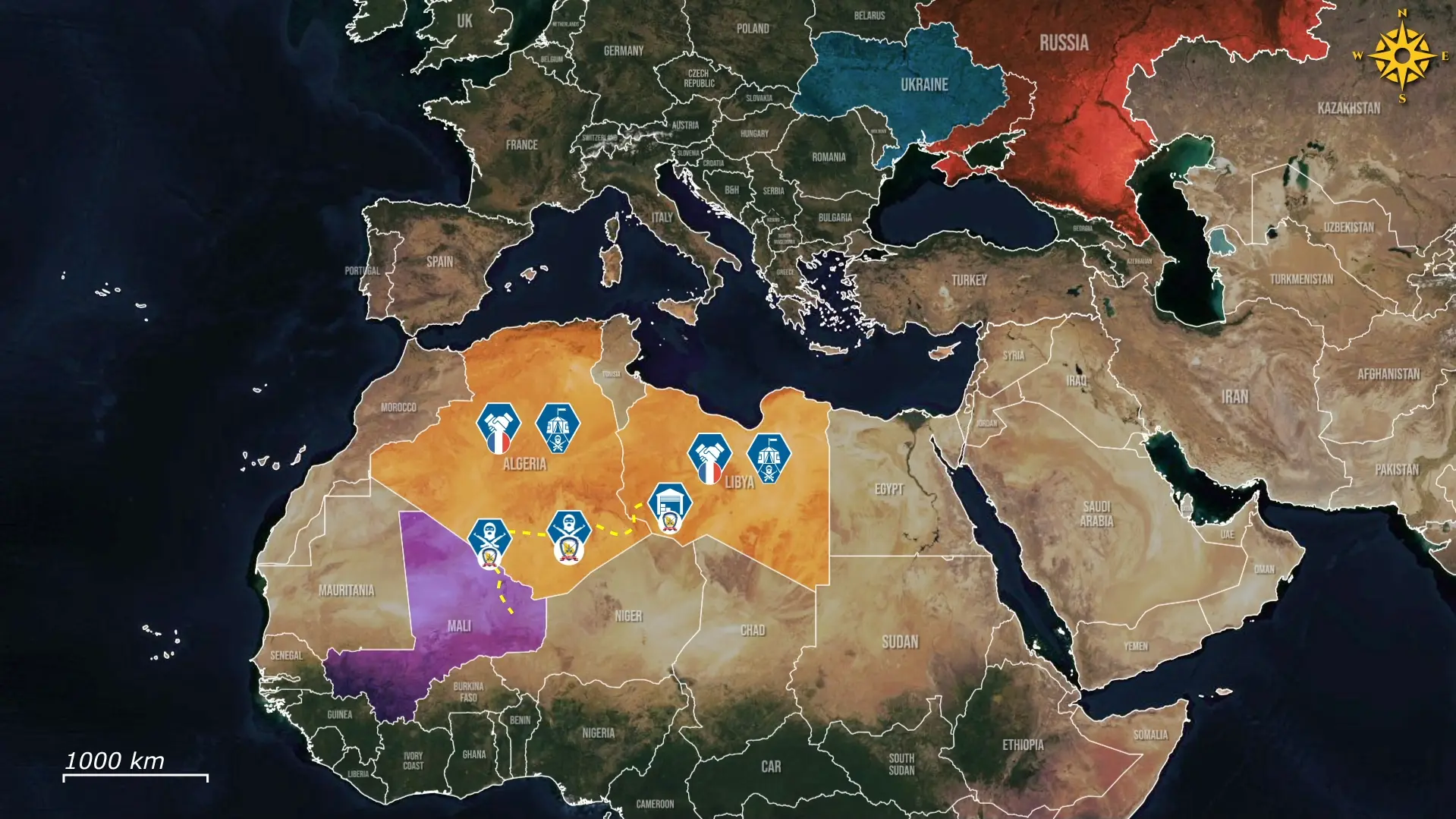
Ukraine is not the only country assisting the Tuareg separatist group; reportedly, France is also contributing to enhancing the group’s operational capabilities. Owing to France’s extensive diplomatic influence in Algeria and Libya, the Tuareg separatist group is able to use certain border areas in these countries as relatively secure rear bases. For instance, the group’s main operational base is located in the Fezzan region of southern Libya, where it has developed a wide-ranging logistics and transport network. From there, the group moves through Algeria, crosses the official border point at In Khalil, and then directly enters Mali’s Tessalit and Kidal regions. Malian Armed Forces and their Russian allies cannot directly strike separatist rear bases located within neighboring states, as this could trigger serious diplomatic complications. As a result, operating from a relatively safe distance, the Tuareg separatist group is able to conduct its activities more effectively, thereby increasing pressure on the Malian government and its Russian partners.
Currently, two major anti-government groups are active in Mali, JNIM and the Tuareg separatist group. JNIM is a jihadist armed coalition recognized as an al Qaeda affiliated organization operating in the Sahel region. Its primary objective is to overthrow the Malian government and establish an Islamic state governed by Sharia law. These goals are not aligned with the strategic interests of Ukraine or France; therefore, neither country provides any form of support to this group. In contrast, the Tuareg separatist group aiming for the independence of the Azawad region in northern Mali as well as the withdrawal of Malian and Russian Africa Corps forces from the country. Since these objectives are more closely aligned with the strategic interests of Ukraine and France, both countries provide support and assistance to this group.
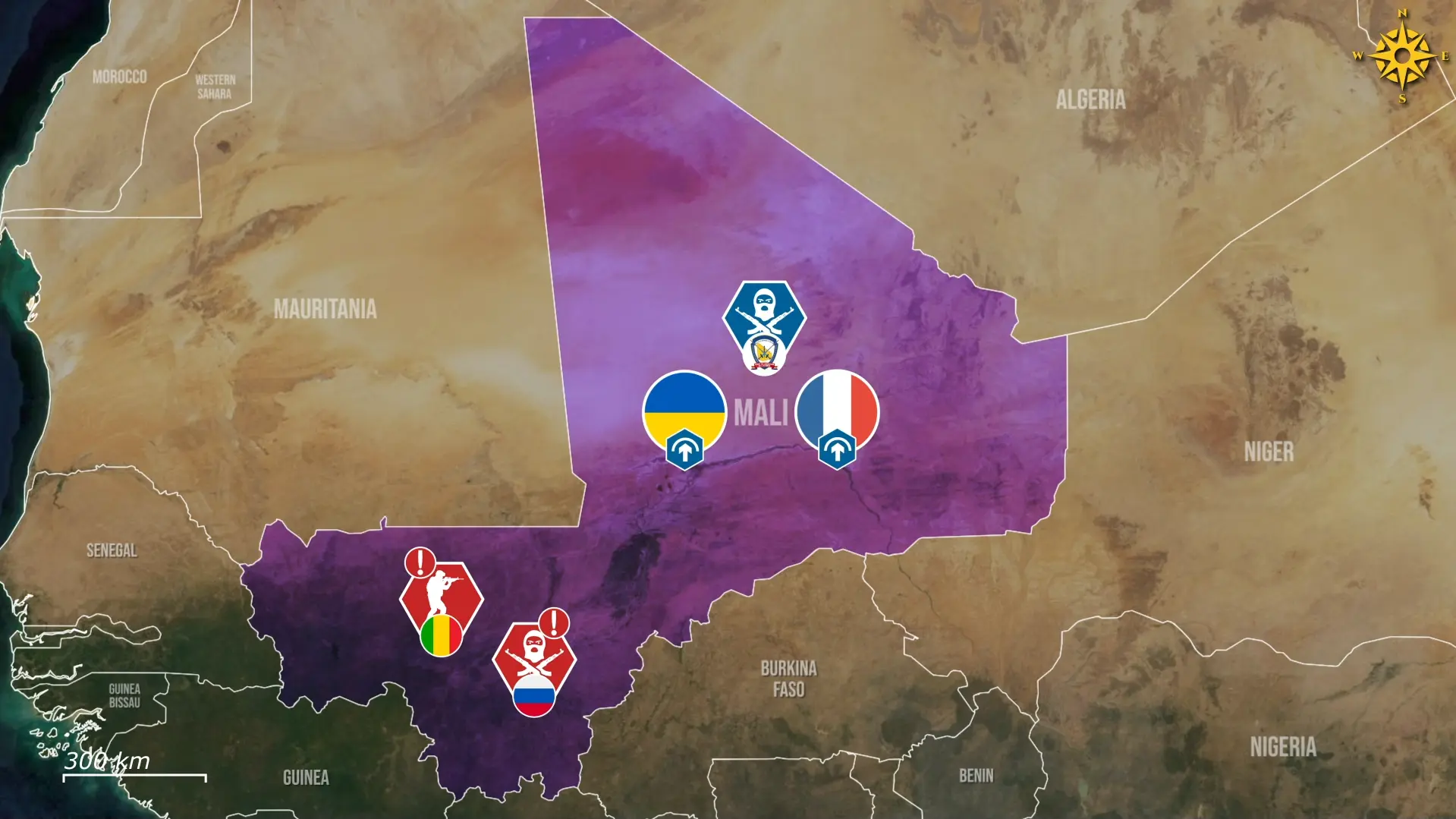
Foreign assistance is naturally enhancing the offensive capabilities of the Tuareg separatist group in Mali. In an ambush carried out by the group in the northern Malian town of Tinzawatene, eighty-four members of the Russian Africa Corps were reportedly killed. Andriy Yusov, an official of Ukraine’s military intelligence agency, indicated that Kyiv provided intelligence support to the Tuareg separatist group, which contributed to the successful execution of the operation against Russian Africa Corps personnel. In addition, the separatist group has increasingly been employing FPV drones to drop grenades on key government air bases, military personnel, and other strategic positions in Mali. As a result, Russian Africa Corps soldiers are now being compelled to install anti drone cages on top of their military vehicles to protect themselves from FPV drone attacks.
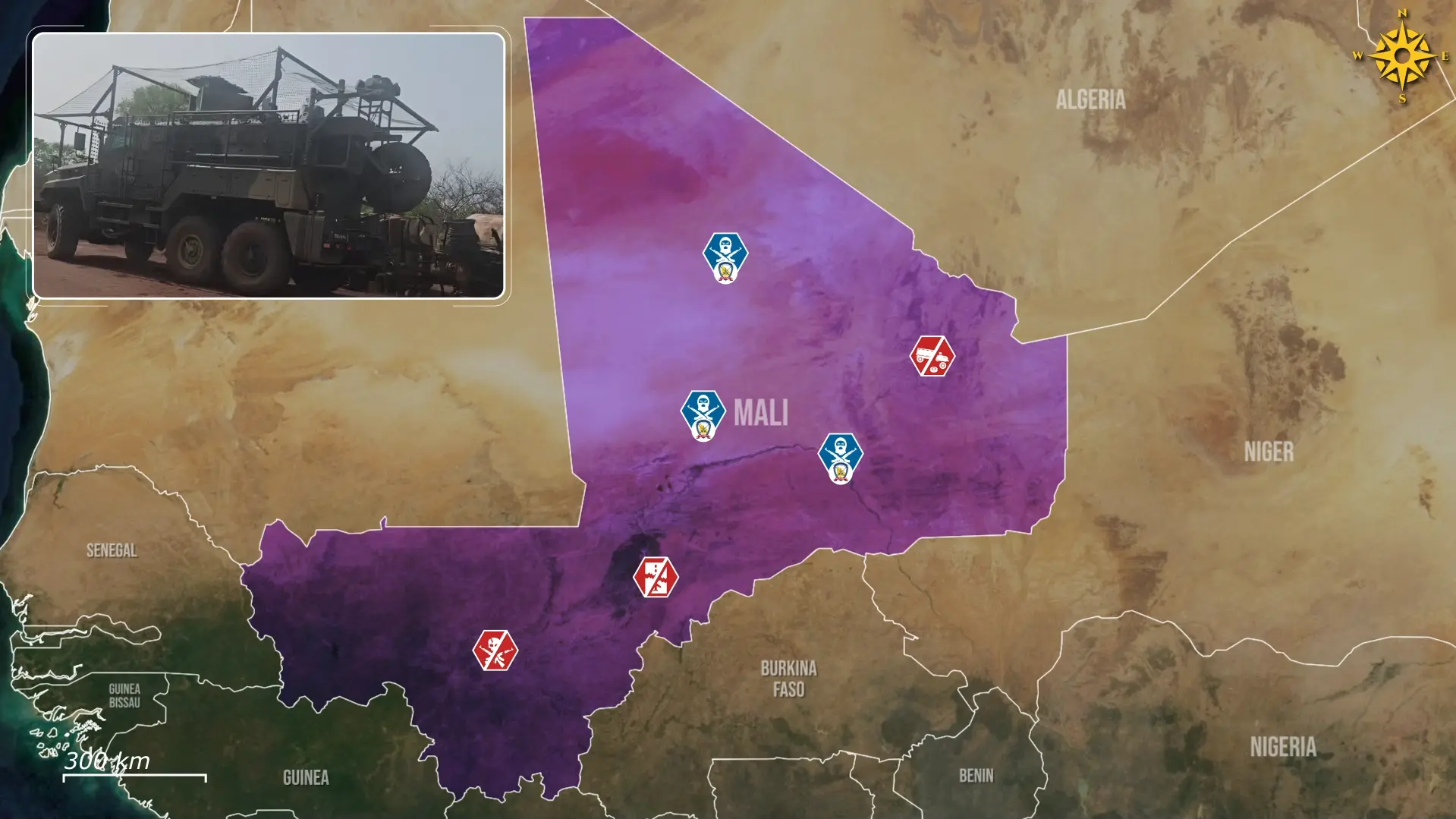
Overall, Ukraine is significantly enhancing the capabilities of the Tuareg separatist group in Mali through intelligence assistance, battlefield experience sharing, and training in drone warfare tactics. At the same time, Kyiv is demonstrating its ability to influence Russian activities and interests on a global scale, extending beyond its own geographical borders. As a result, Russia’s long term strategic efforts to consolidate and expand its presence in Mali are becoming increasingly uncertain, further weakening its position in West Africa.

.jpg)


Comments