

.svg)
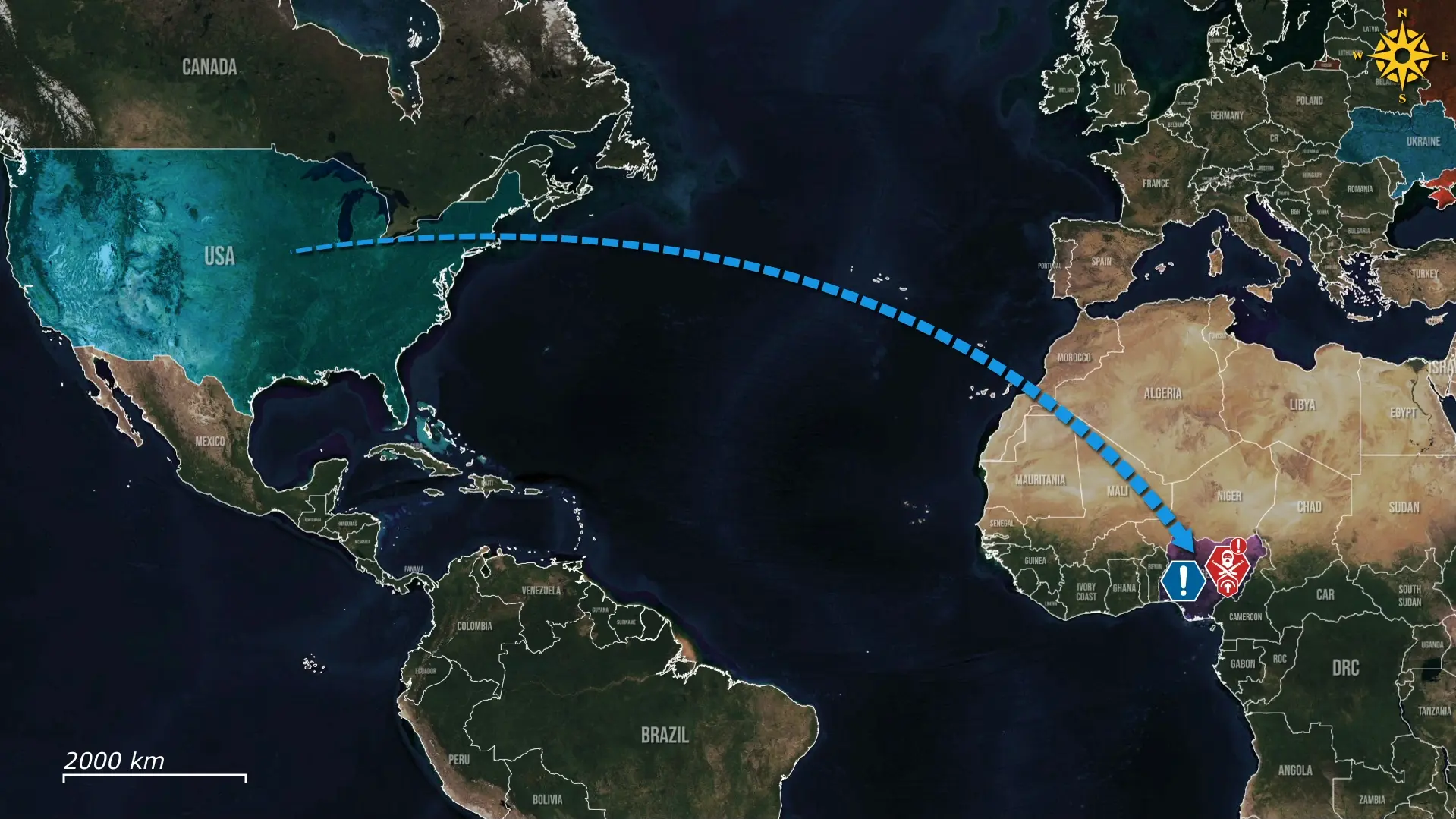
In this video, we will analyze America’s long game in Nigeria.
Here, as Nigeria grapples with a growing security crisis and militant violence, the United States has once again become actively involved in the country’s counterterrorism campaign after a prolonged hiatus. However, Washington’s intervention in Nigeria is not solely aimed at counterterrorism; behind it lie broader strategic interests that are becoming increasingly evident over time.
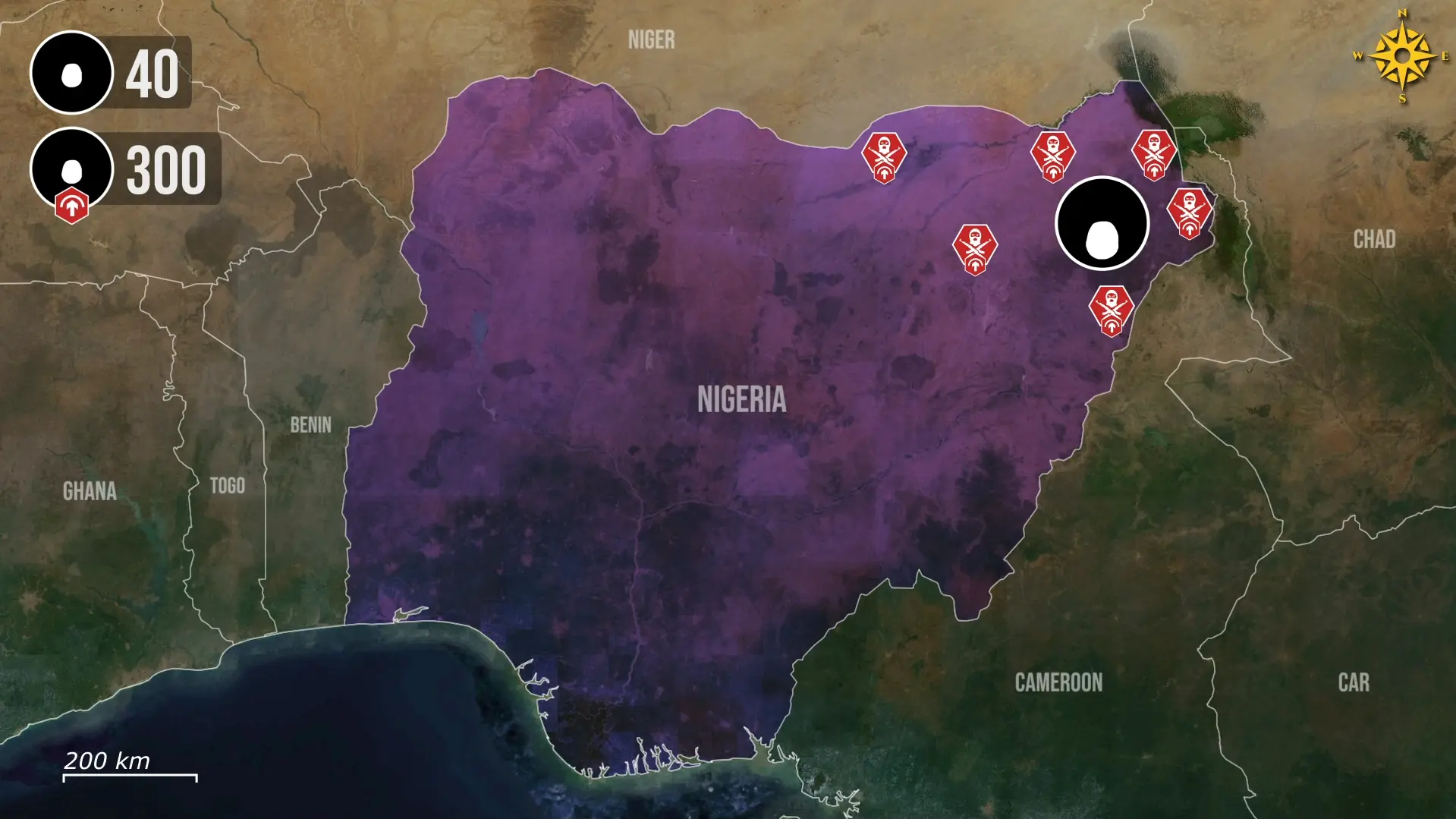
In recent months, attacks by militant and armed groups in Nigeria have increased significantly, with the resurgence and strategic expansion of the Islamic State West Africa Province widely regarded as one of the principal drivers behind this escalation. According to the Global Terrorism Index, the Islamic State was responsible for approximately forty attacks in Nigeria in two thousand twenty-four; however, in the first half of two thousand twenty-five alone, this number surged to more than three hundred attacks. The group is now employing increasingly sophisticated tactics, including coordinated assaults on multiple military installations simultaneously. In one such operation, the Islamic State militants launched overnight attacks on the Monguno Garrison, the Pulka military base, and the Benisheikh military camp in northeastern Nigeria, resulting in the death of a military commander and causing substantial damage to security infrastructure. Furthermore, the group entered Kirshanga village and carried out a brutal assault and massacre, killing at least twenty-seven Christians and setting fire to approximately ten homes. The attack triggered widespread fear, and heightened communal tensions across the area, while also exposing significant vulnerabilities in the local security apparatus.
Washington alleged that Nigerian authorities were not taking sufficiently effective measures to curb the Islamic State, and framed the group’s targeting of Christian communities as a deepening crisis requiring outside intervention. However, a subsequent examination of the genocide related allegations indicates that one of the primary foundations of the US claim was information compiled by a Nigerian shopkeeper, Emeka Umegbalasi, with no official or institutional backing. Despite the questionable sourcing, these claims ultimately served as the basis for the United States to initiate military intervention in Nigeria.
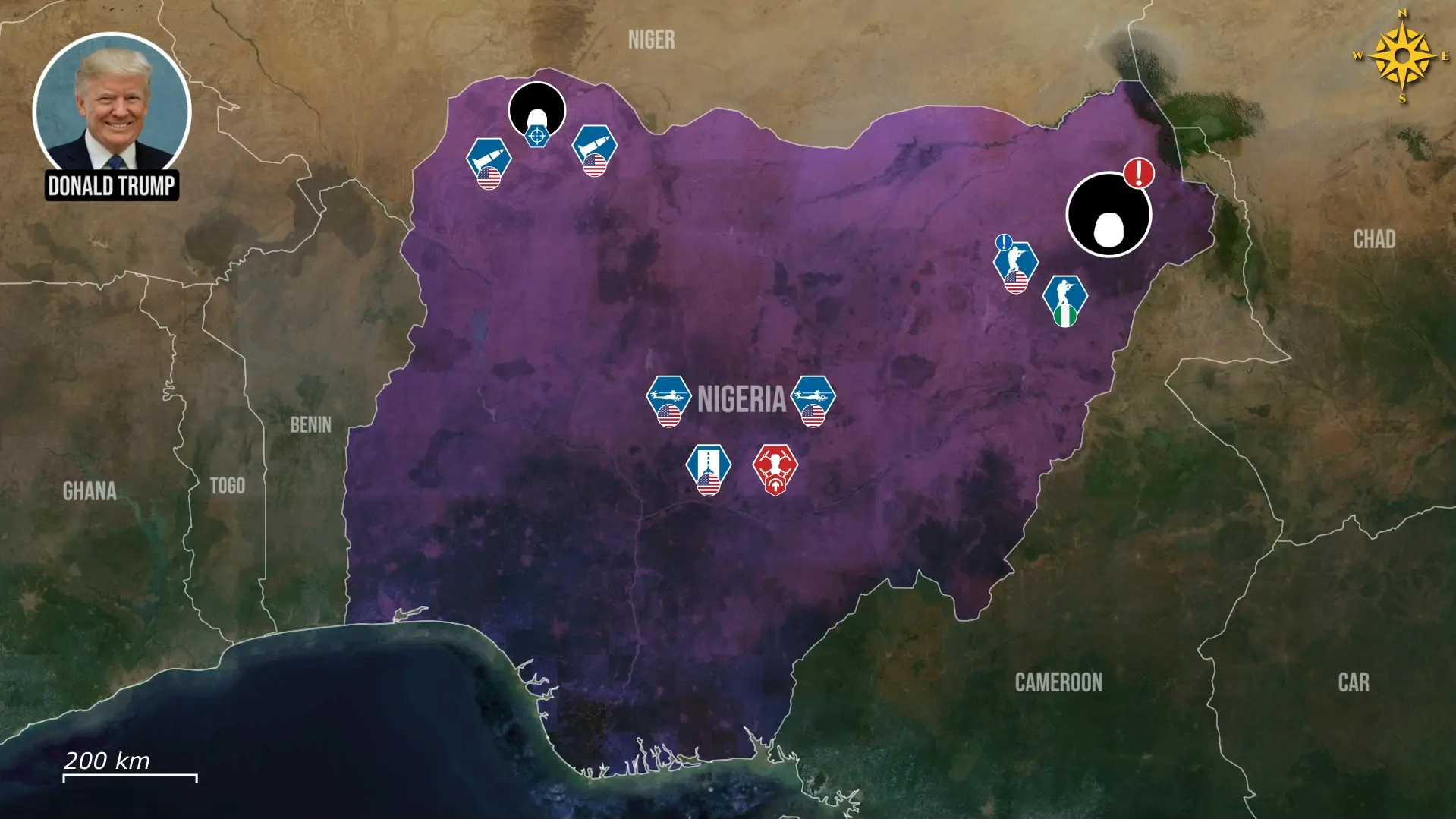
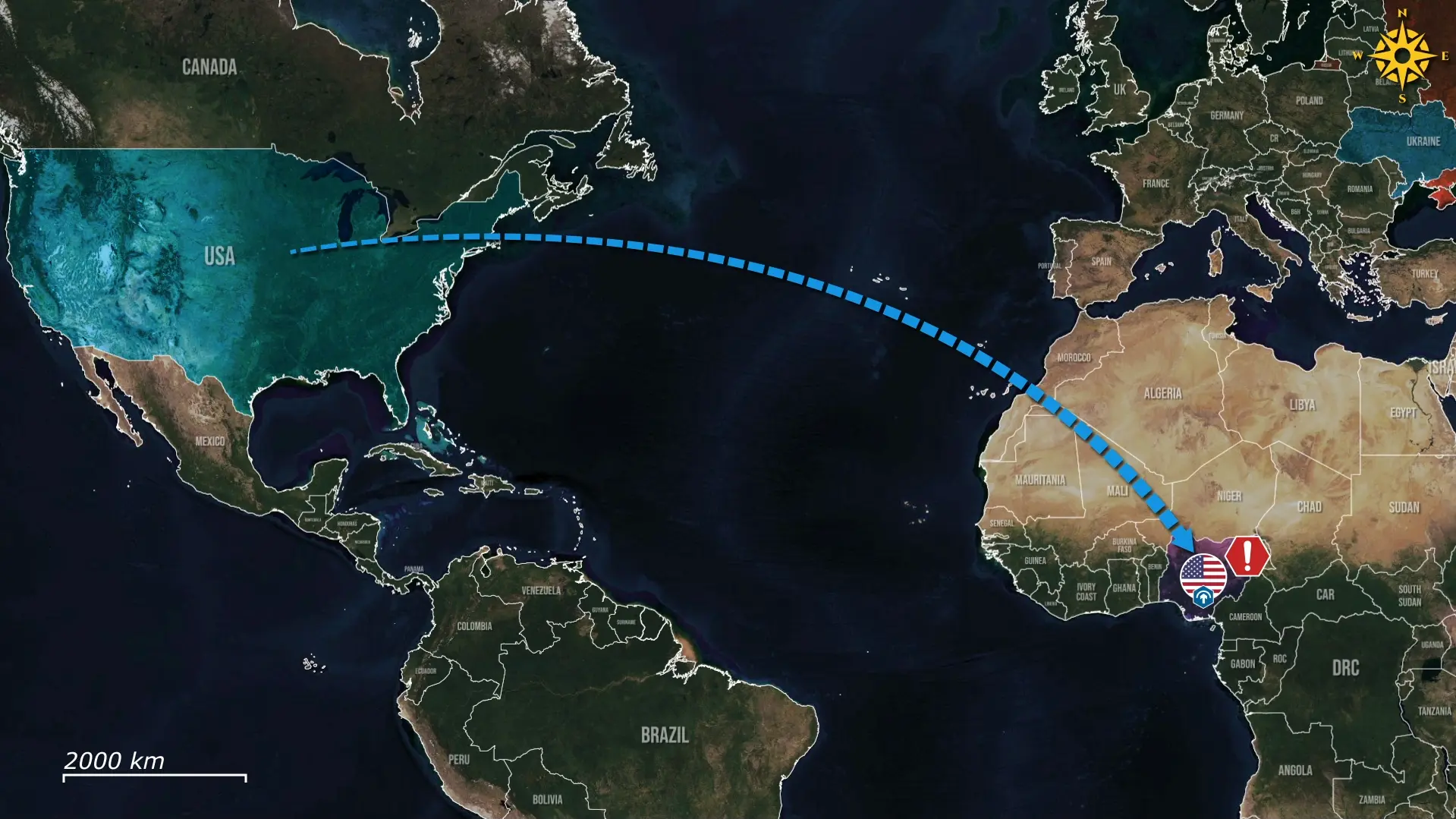
Since December, the United States has launched Tomahawk missile strikes after identifying militant locations and has confirmed it will supply twelve AH Viper attack helicopters to the Nigerian military. It has also proposed establishing a drone refueling station in Nigeria, which would enhance the operational range of drones launched from Ghana, enabling prolonged surveillance over Nigerian airspace. The United States has additionally begun conducting direct ground level operations in coordination with the Nigerian Army. President Donald Trump claimed in a Truth Social post that a joint US Nigerian operation killed the Islamic State’s second in command, Abu Bilal al-Minuqi. However, Nigeria directly denied US involvement in the operation, raising serious questions about the coordination and transparency of the partnership.
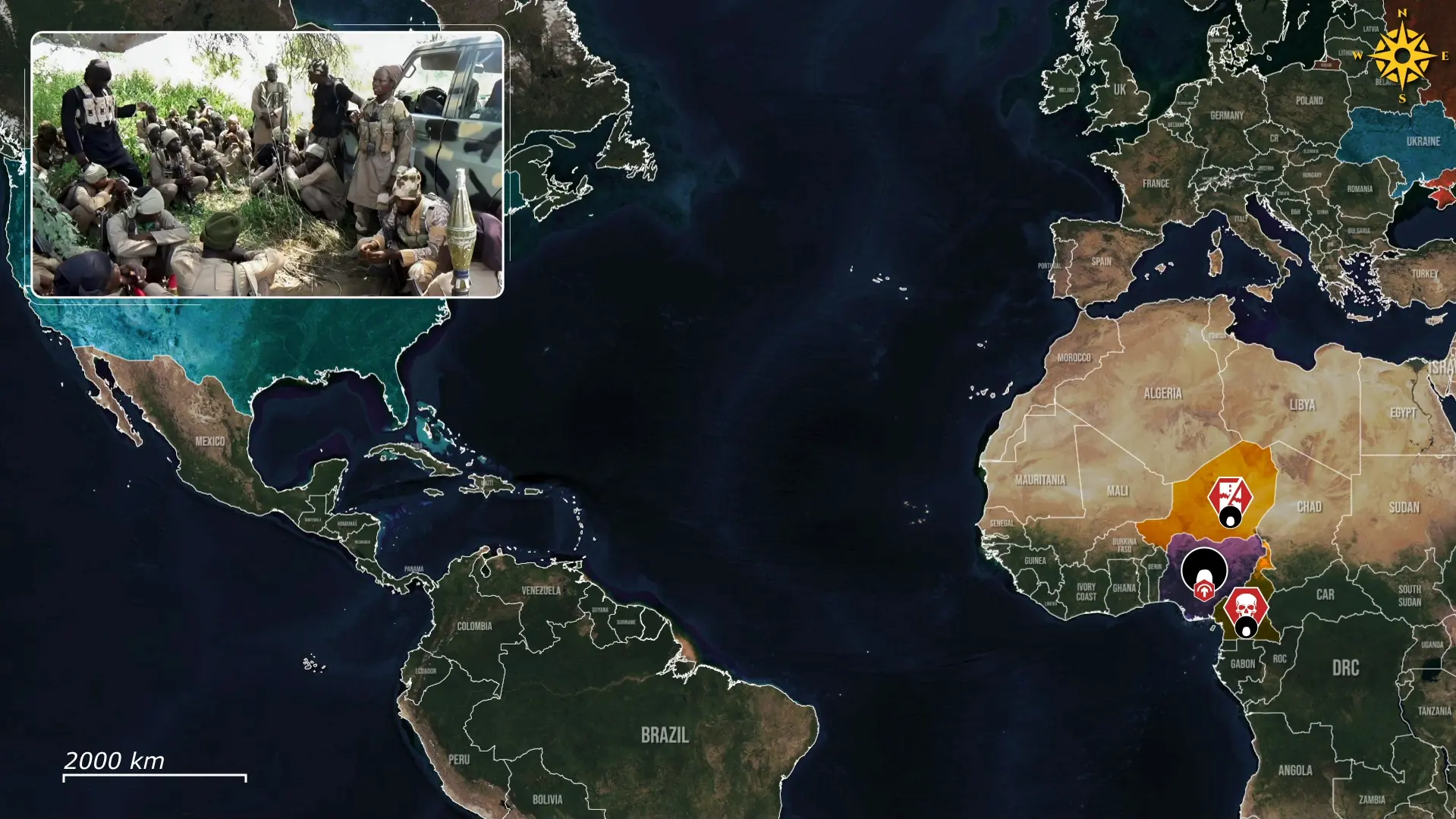
The group’s violence is not limited to Nigeria. At Diori Hamani International Airport in Niger and the adjacent Air Base one hundred one, Islamic State affiliated ISWAP and ISSP jointly carried out a sophisticated attack using drones and explosives across multiple fronts simultaneously. In Cameroon, the Islamic State conducted a drone strike against military forces, killing twenty-five soldiers. These incidents confirm the organization is expanding its geographic reach while continuously strengthening its operational capabilities.
Although the Islamic State maintains an active presence across several African countries, US strategic attention has become particularly concentrated on Nigeria, a focus that suggests clear underlying energy interests. Following the reduction of oil supplies from the Middle East as a result of the Iran war, Nigeria has increased its exports to Asian markets as an alternative supplier, significantly enhancing the country’s strategic importance. Plans to drill one hundred new oil wells alongside ExxonMobil’s efforts to expand offshore drilling operations indicate that Nigeria has not yet reached its maximum production capacity. If the United States strengthens its position before the country reaches full output, it gains a greater opportunity to integrate with the future development of Nigeria’s energy sector. However, the Nigerian leadership has advocated for retaining approximately eighty percent of oil sector profits for the state, directly conflicting with the interests of Western oil companies a tension over resource allocation and investment conditions that is likely to grow more pronounced over time.
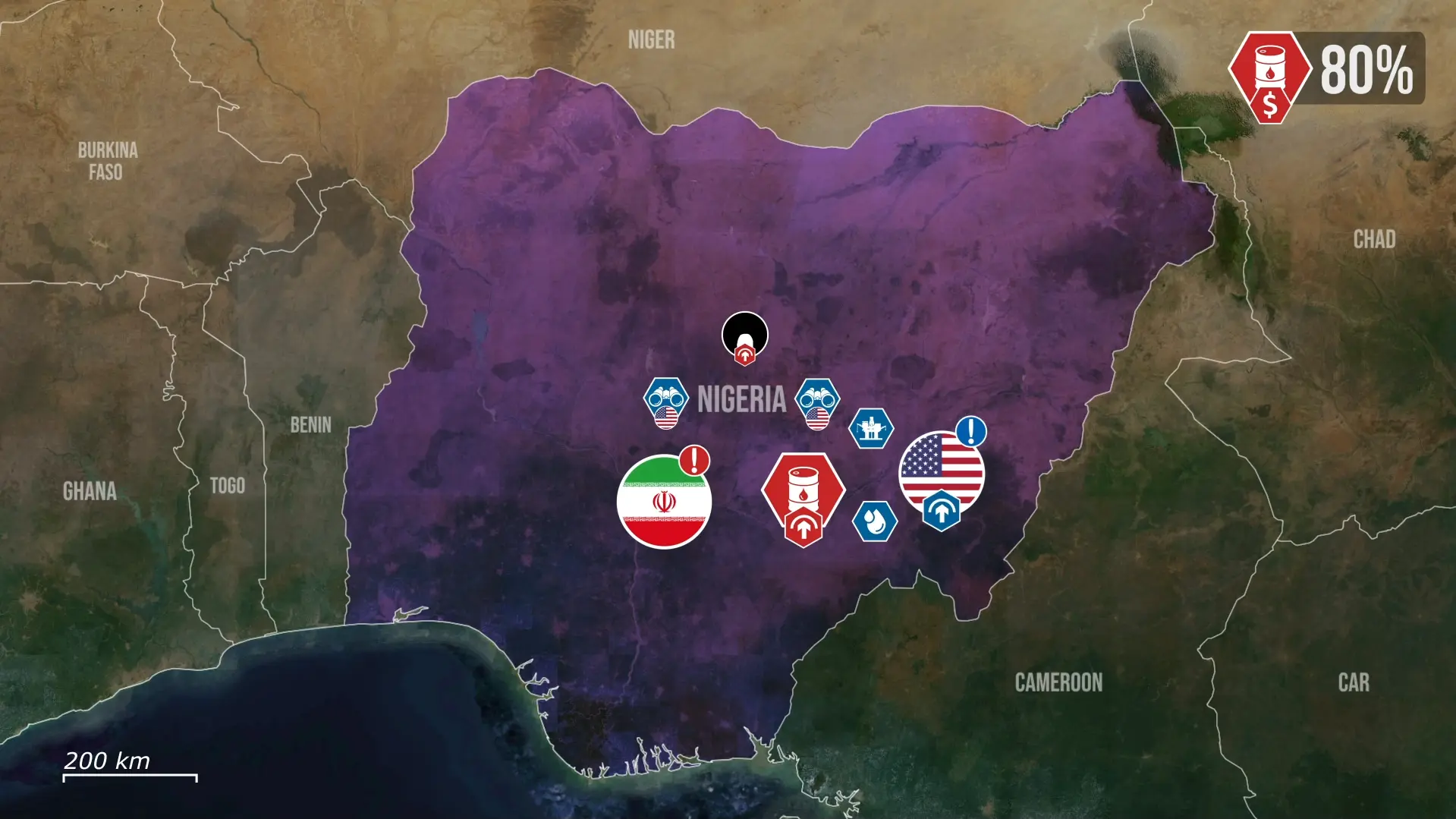
Overall, the US presence in Nigeria is functioning as a structural process for consolidating long term geopolitical influence in an energy rich state at exactly the moment that state is becoming strategically indispensable. While the counterterrorism mission provides genuine security assistance, it is simultaneously building a dependency that will gradually constrain Nigeria’s strategic autonomy and deepen external influence over its most critical decisions.

.jpg)

Comments