

.svg)
In this video, we will analyze the extent to which Iran can use Hormuz as its leverage.
After the ceasefire between the US and Iran began, the worldwide hope and expectation was that the Hormuz Strait would finally reopen soon. However, as weeks have passed, shipment through the Strait remains severely limited at best, as Iran realized it was set to gain massive leverage over the economies of the entire world if it just acted.
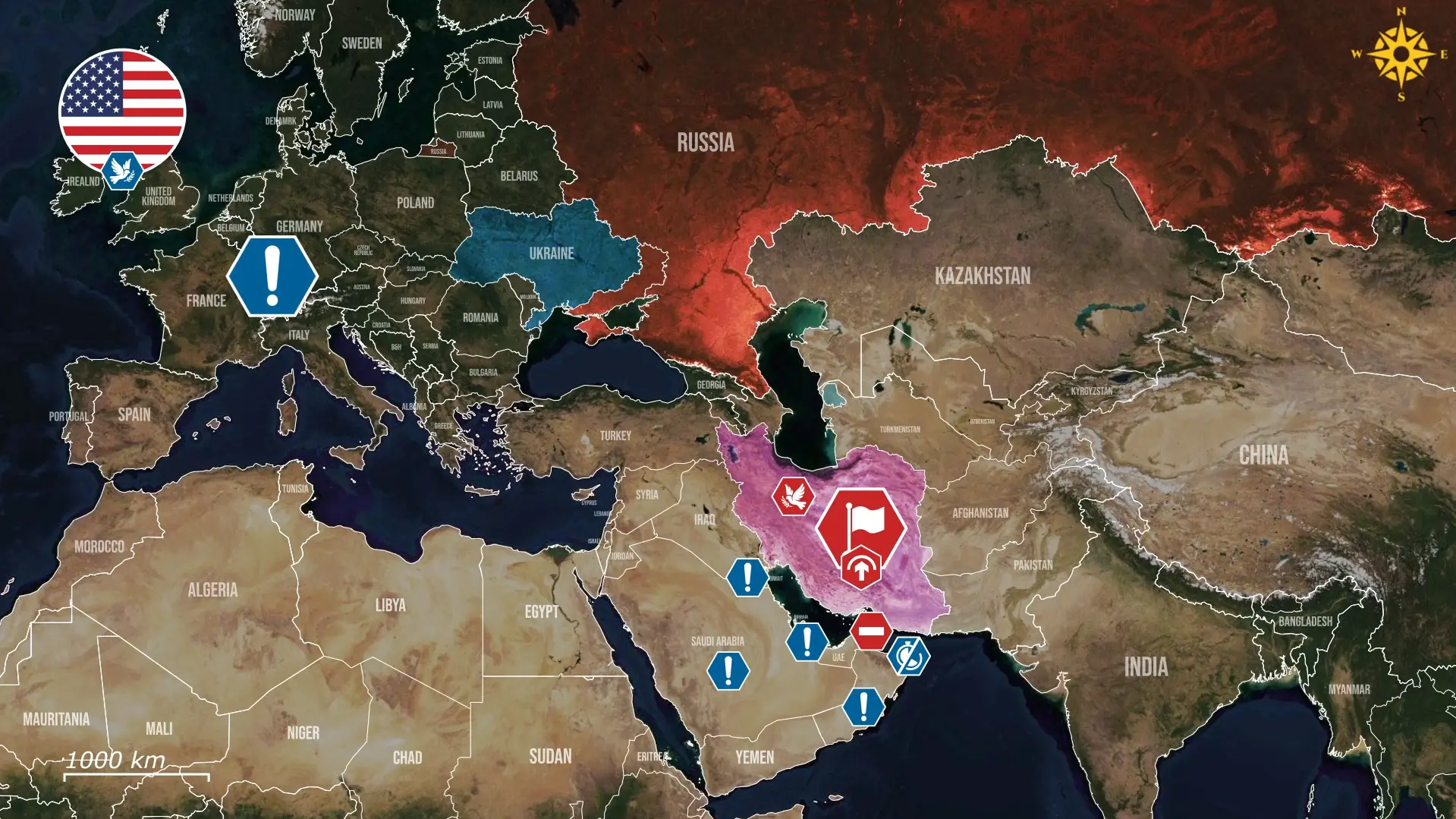
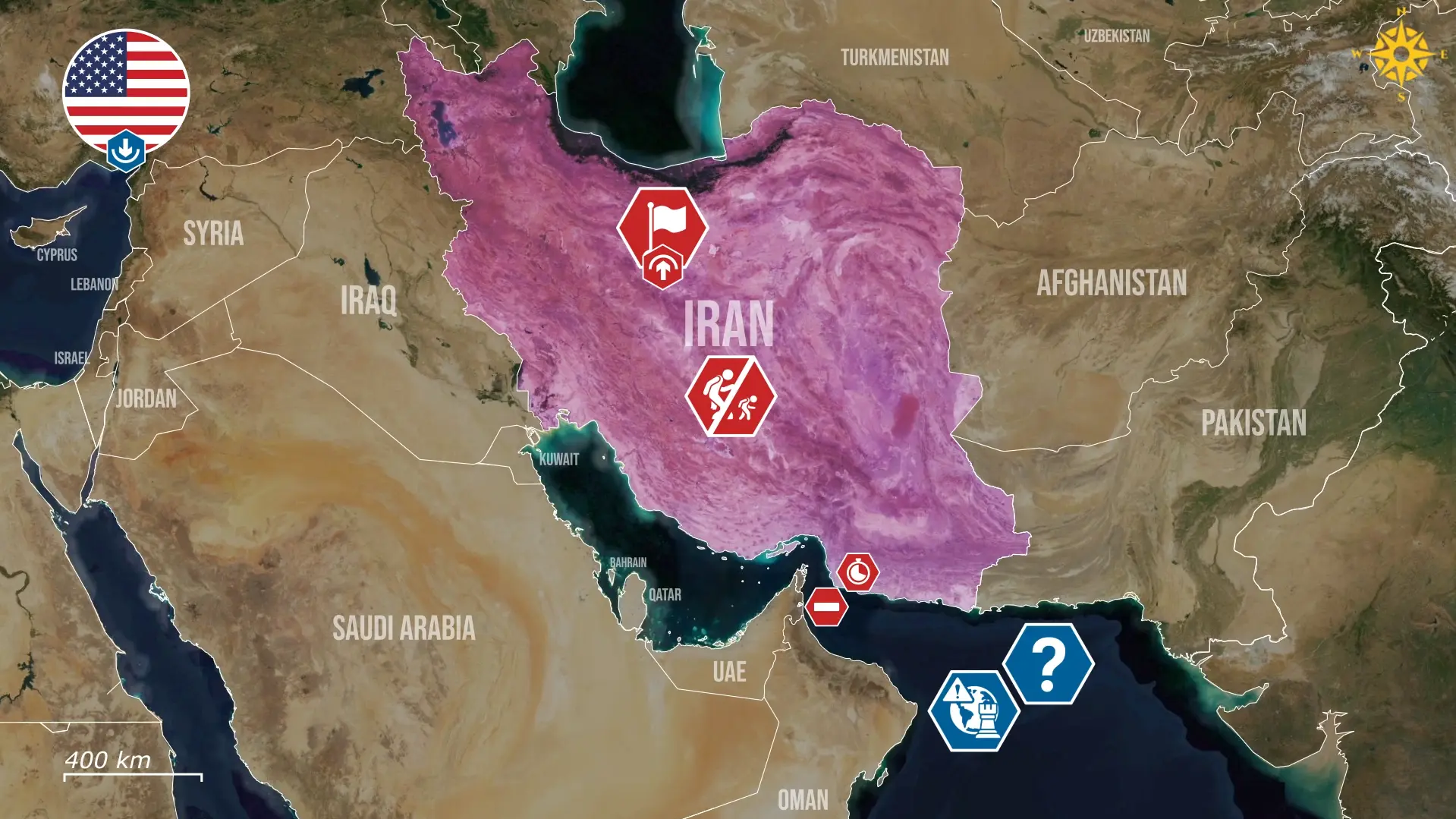
After the ceasefire was announced, shipping companies began preparing to resume operations in the Hormuz Strait. However, the same day the ceasefire was made public, Iran announced that the terms had already been broken, pointing to continued Israeli strikes in Lebanon and claiming that this violated the agreement and preconditions of the ceasefire. Consequently, Iran declared it would close the Strait of Hormuz in response, and, as had already been signaled during the war, it began charging ships for safe transit. Although the message was framed as protecting Lebanon, the decision was based on Iran’s realization of its leverage, as any disruption in the strait proved to have an enormous global impact.
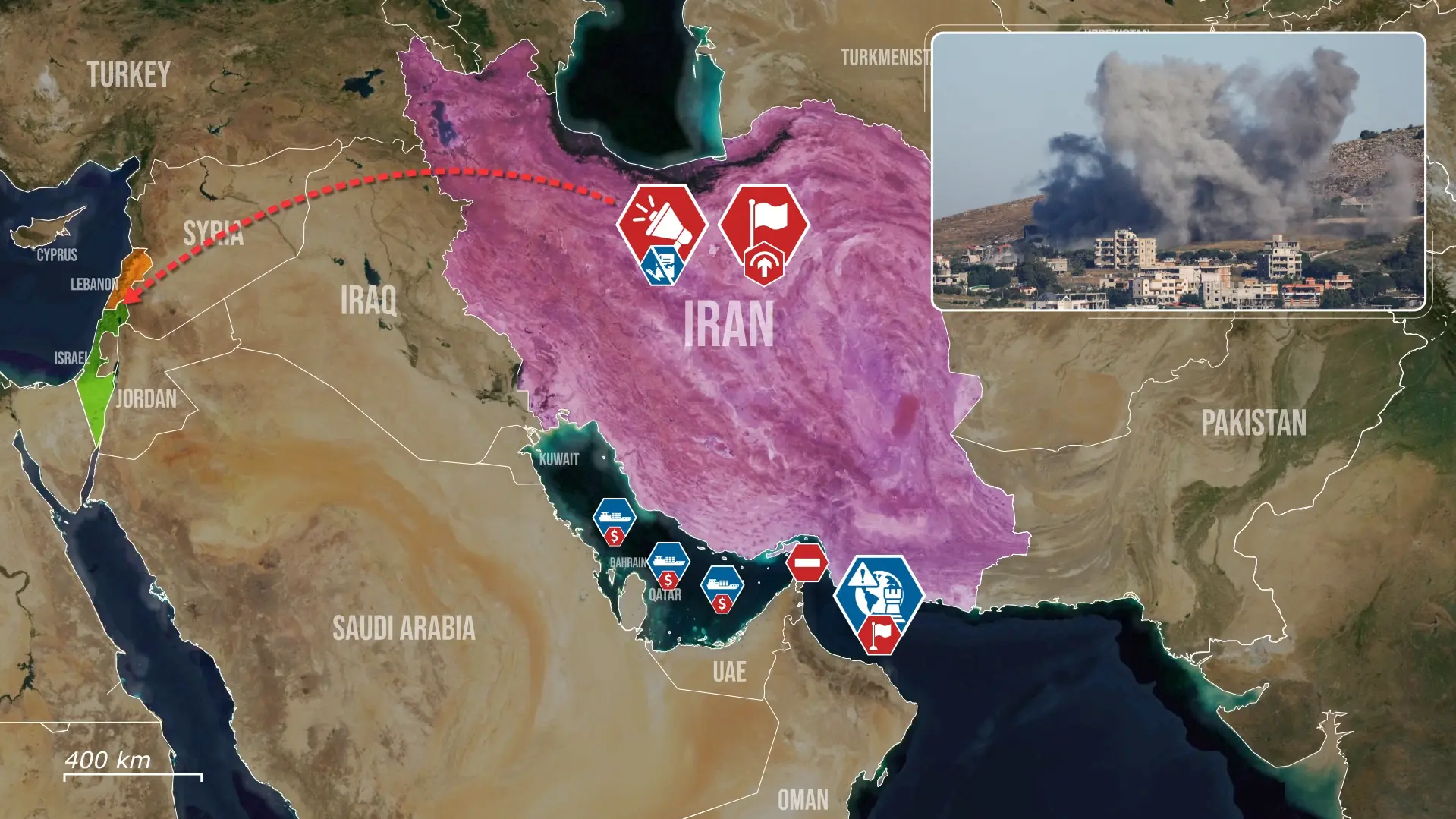
Immediately after the war in Iran began, the Strait of Hormuz was closed, causing global prices to jump sharply and raising alerts among governments worldwide. By the time the ceasefire took effect, Iran had a clear picture of how dependent global oil flows were on the strait and how its own actions impacted this. From that point onward, Iran understood that it could turn this into global leverage even if the war was no longer in an active stage, and it quickly moved to capitalize on that advantage.
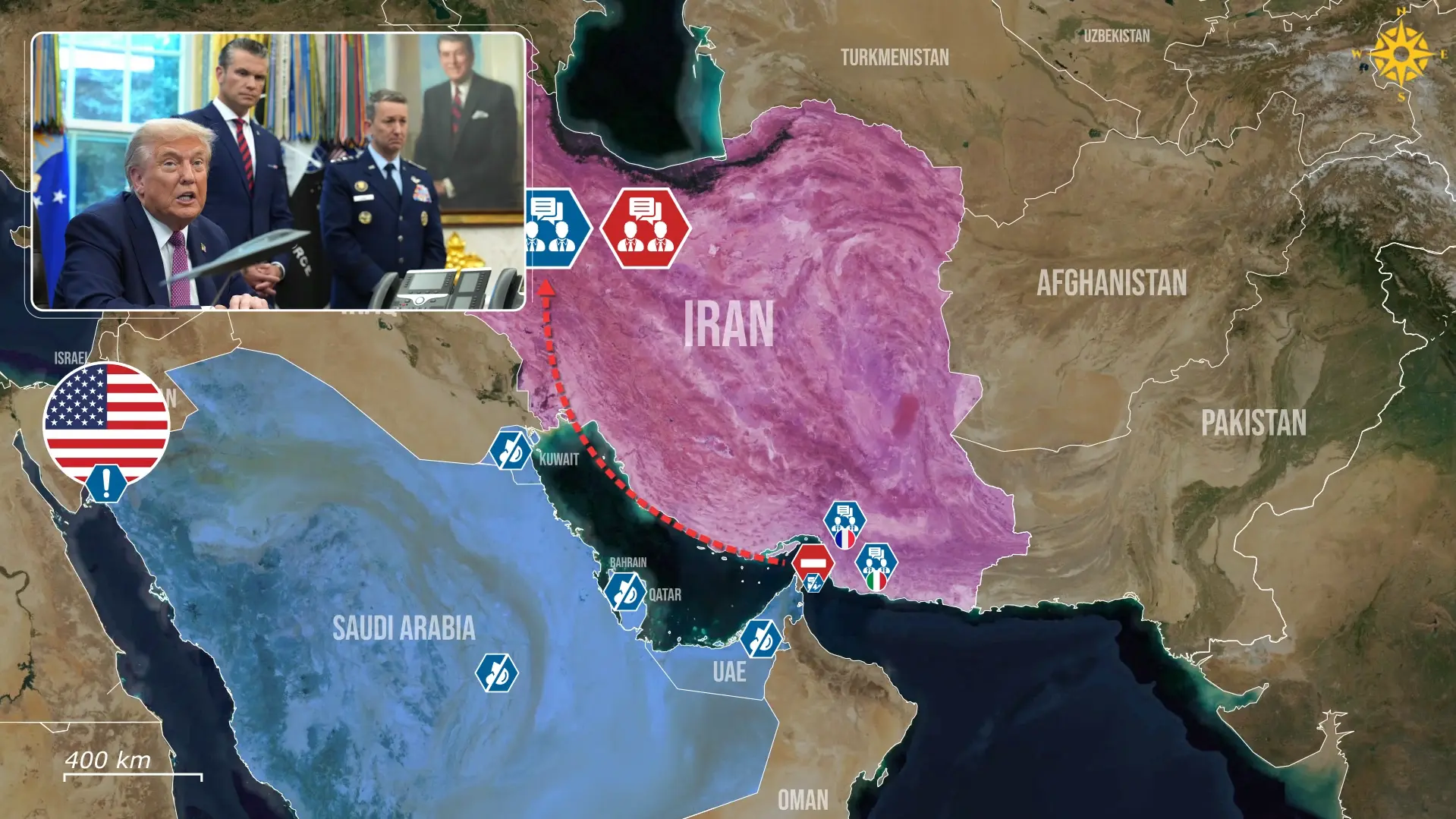
The ceasefire itself gave Iran room to enforce its declaration to close the Strait, as the IRGC could reposition naval units, deploy fast attack boats, and reinforce its control. This freedom of movement also made minelaying in the strait far easier, as these capabilities came under major US attacks during the war itself. As visual confirmations appeared that naval mines had indeed been placed over the main shipping routes in the strait, Iran pushed all potential traffic toward narrow safe corridors along its own coastline, where every vessel would be within strike distance of Iranian patrols and under much tighter control.
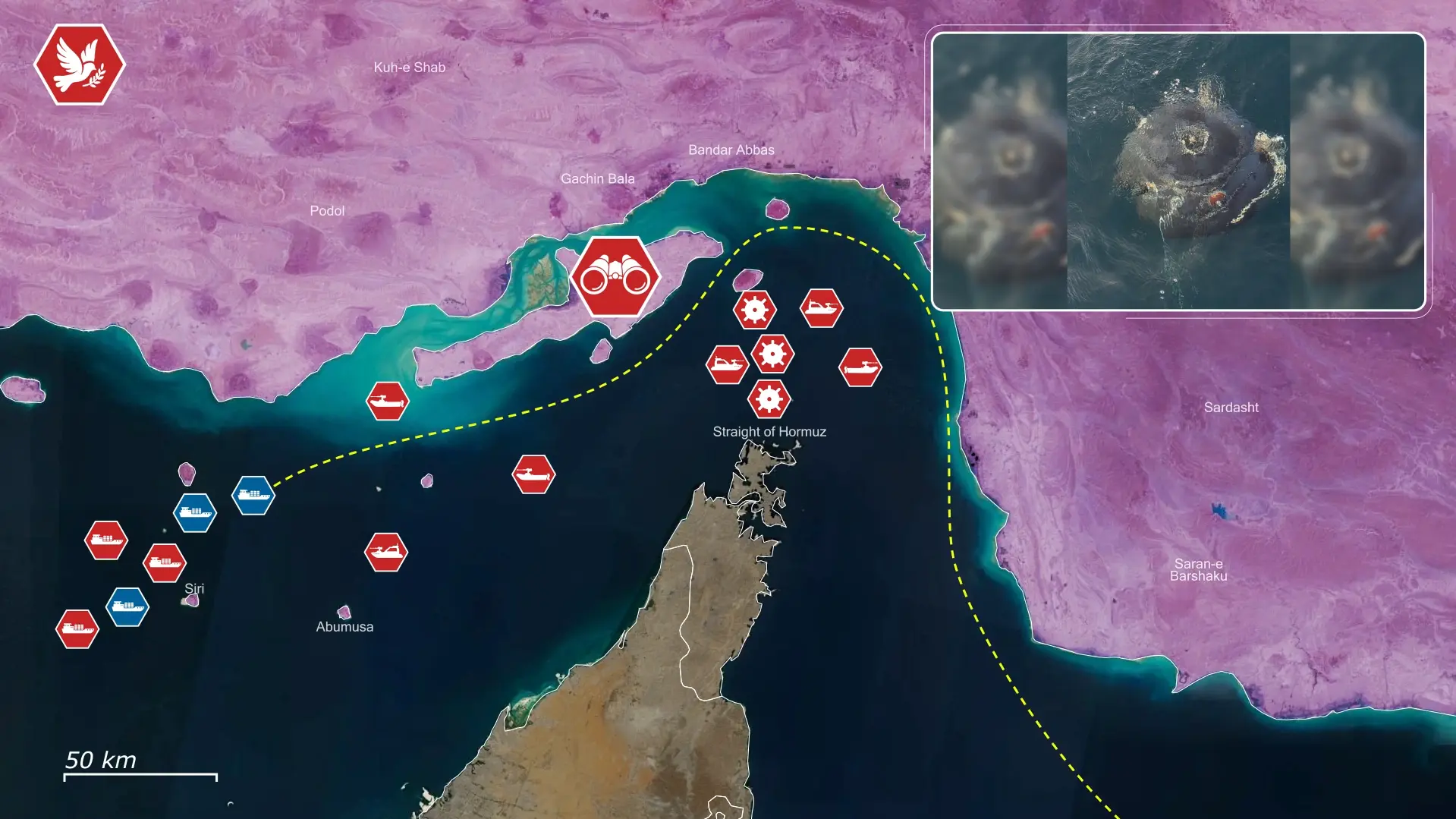
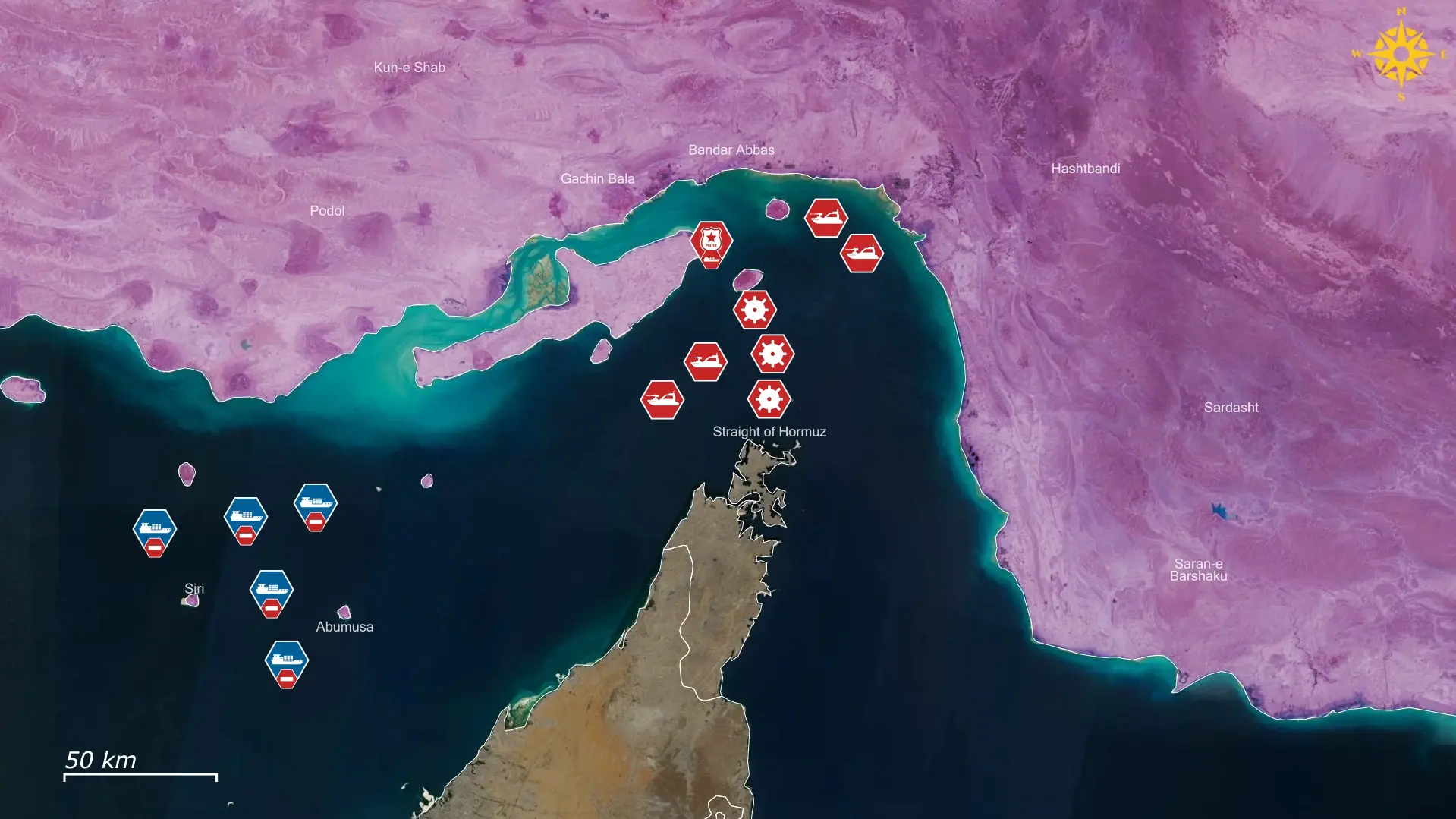
As a result, only an average of ten ships per day succeeded in transiting the strait since the ceasefire began, all sailing with permissions of the Iranian government. Those without authorization were forced to wait or turn back, as Iran demonstrated its willingness to fire upon those who disobeyed, making any unsanctioned transit attempt too great a gamble for most global shipping companies to risk. In the meantime, oil prices surged again, and pressure on the world's economies continued to increase.
With the blockade in place, Iran began shaping a new system of selective access for safe passage, based on strictly designed routes free of mines conveniently near the Iranian coast. Shipments were allowed through if they were destined for countries aligned with Iran’s political interests, such as Russia or China, or if they paid the required fees. In the meantime, others were blocked even if they were willing to pay, giving Iran the power to dictate who gets and who does not get oil. Furthermore, Iran created the Persian Gulf Strait Authority to manage these rights of transit, helping Iran to formalize its control over the strait through an organized institution and not just attacks conducted by the state.
The objectives of such moves extend far beyond the revenue from passage fees, as controlling Hormuz gives Iran significant leverage in every subsequent round of negotiations and the global order thereafter. The blockade prevents states hostile to Iran from recovering from the oil crisis and rebuilding oil stockpiles in preparation for a continuation of the war. Additionally, it damages oil-producing rivals in the Gulf whose economies depend on oil exports, essentially giving Iran leverage and control over the economies of its regional rivals. As the US is seen as the instigator of the conflict, it is also directly blamed for the fallout from the oil crisis, which further worsens its already deteriorating geopolitical relations. As a result, some European states have already begun negotiating their own passage arrangements with Iran. By pushing countries in Europe to deal with Iran on their own while the United States is left out, Tehran is gradually isolating Washington.
Overall, Iran’s control of Hormuz has turned a narrow stretch of water into one of the most powerful geopolitical tools on the planet. Many countries in the world are now forced to rethink energy supply, alliances, and assumptions about who holds real leverage. The longer this situation lasts, the more pressure the world will face, weakening the US negotiating posture while also undermining their prospects of continuing the war, leaving no easy solution in sight for the suppressed civilians in Iran.

.jpg)

Comments