

.svg)
Today, we will analyze how Iran managed to recover from the conflict.
The ceasefire may have halted the fighting, but it did not halt Iran’s efforts to rebuild military power and prepare for the possibility of renewed conflict. While many assumed the war had left Iran weakened and on the defensive, mounting evidence suggests the truce has been used to restore key capabilities and lay the groundwork for a far more dangerous next phase.
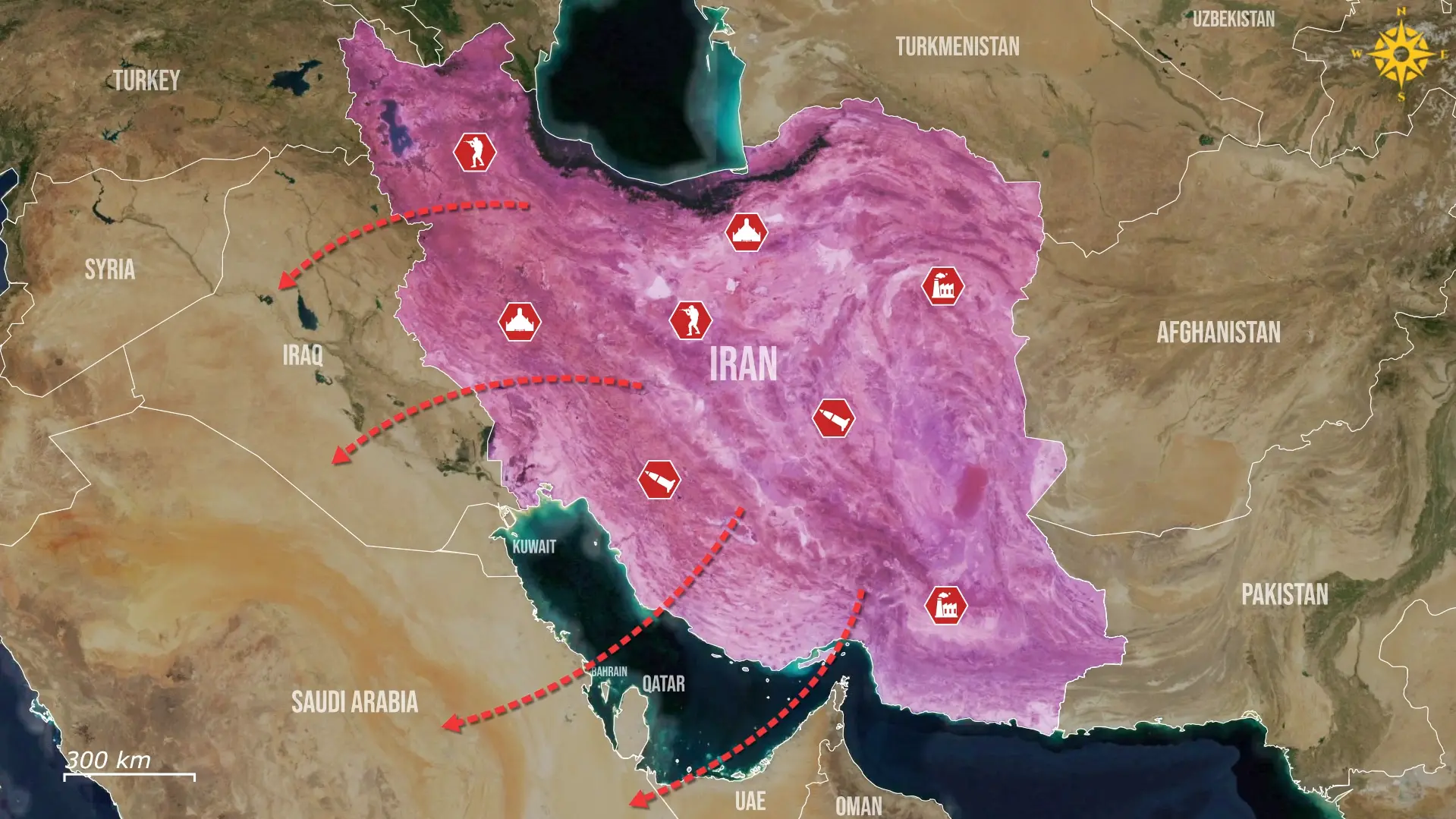
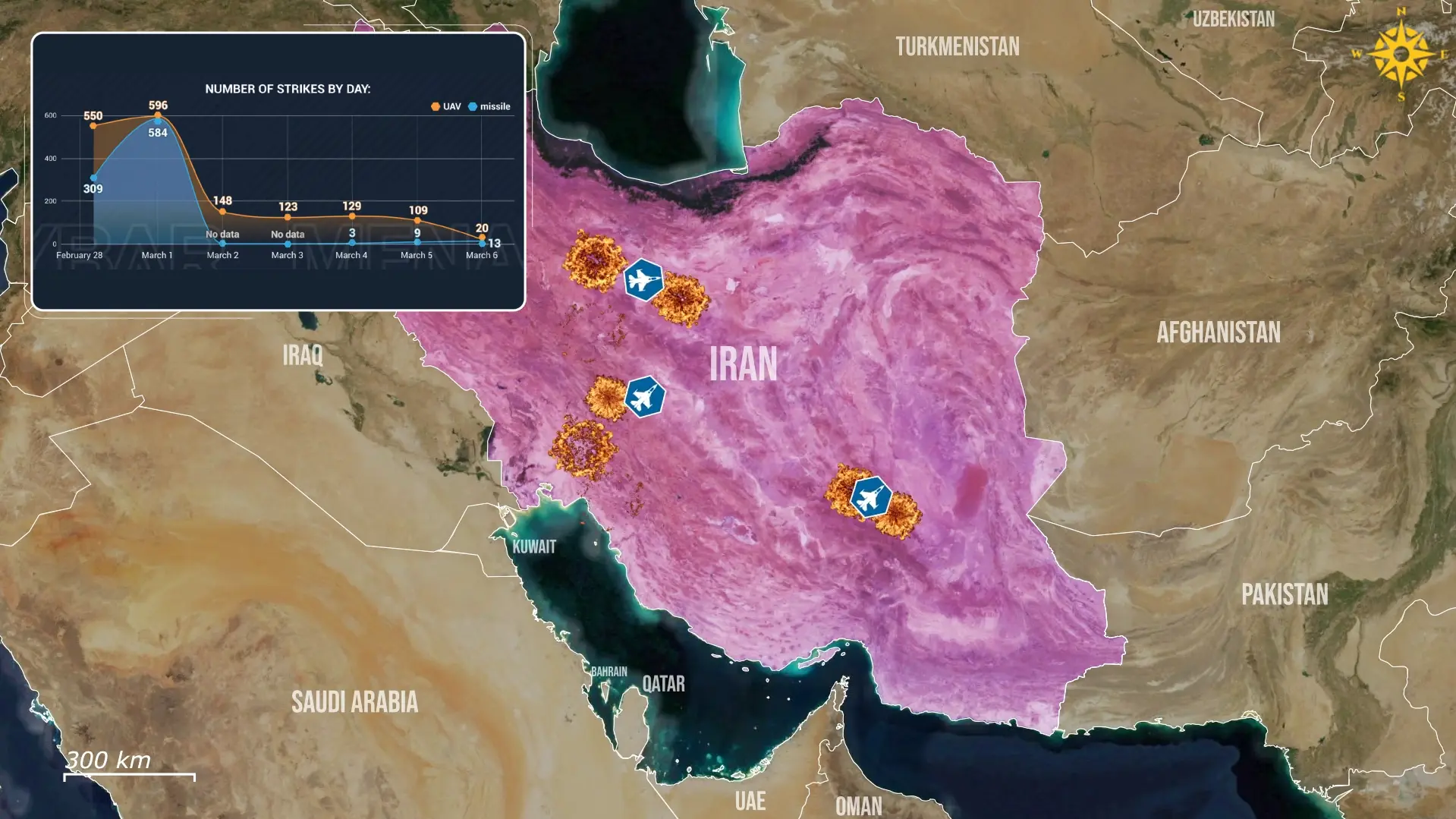
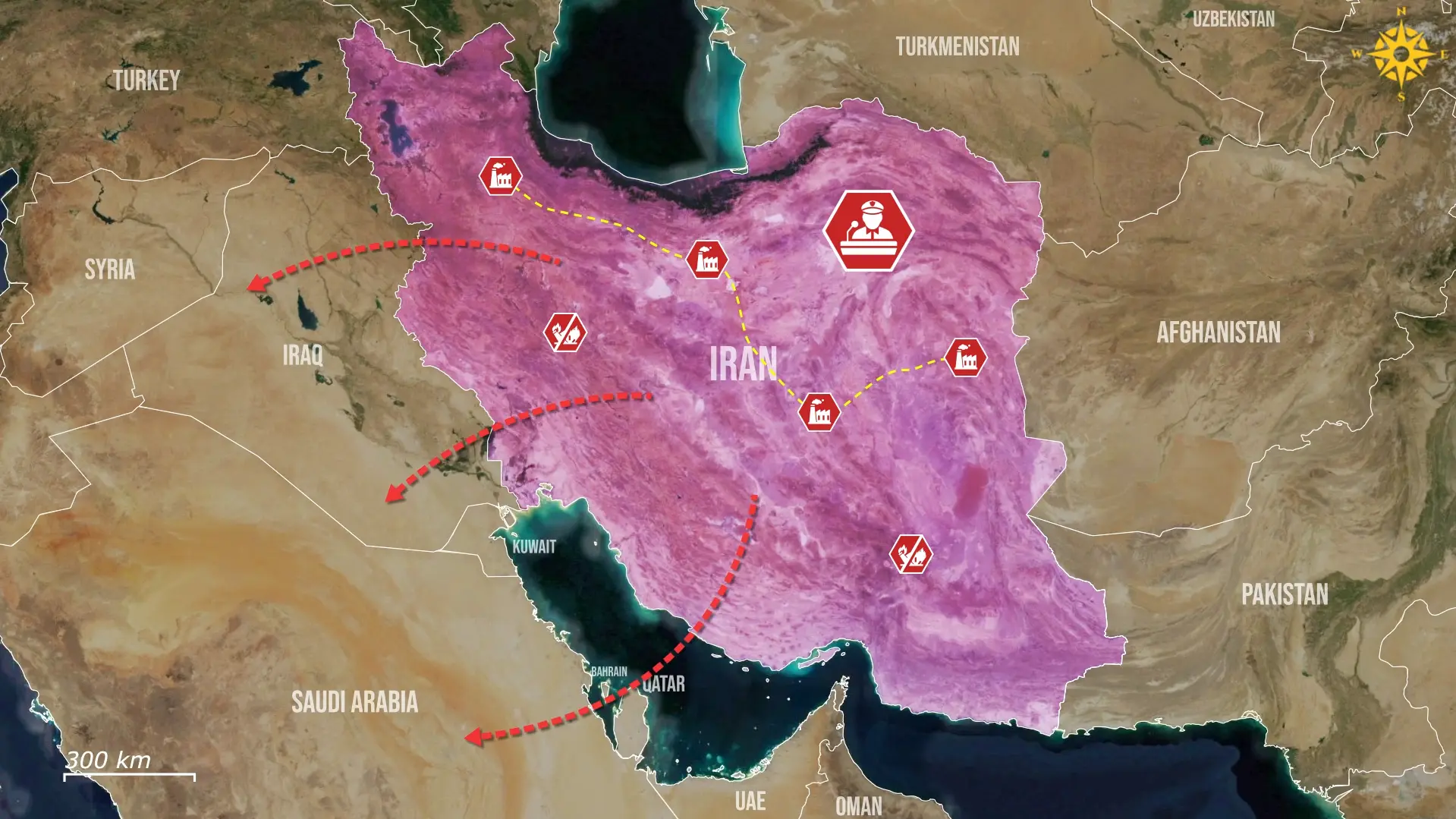
As the war progressed, Iran’s rate of missile and drone attacks declined sharply, with the number of daily launches falling throughout the campaign and US military officials ultimately reporting an eighty-six percent reduction compared to the opening phase of the conflict. This was largely the result of a sustained US-Israeli effort to systematically target the infrastructure that enabled Iran’s strike campaign. US and Israeli forces achieved this by systematically targeting the infrastructure that enabled Iran’s strike campaign as mobile launchers were hunted across the country, reducing Tehran’s ability to rapidly fire and relocate missile units. Missile bases and launch complexes were also repeatedly struck, disrupting operational activity and limiting Iranian access to stored weapons. At the same time, key production facilities involved in manufacturing missile propellant, launchers, and drones, were also targeted, further weakening Iran’s production capacity. By the time of the ceasefire, Iran’s strike network was under severe pressure and operating at a much lower tempo than before.
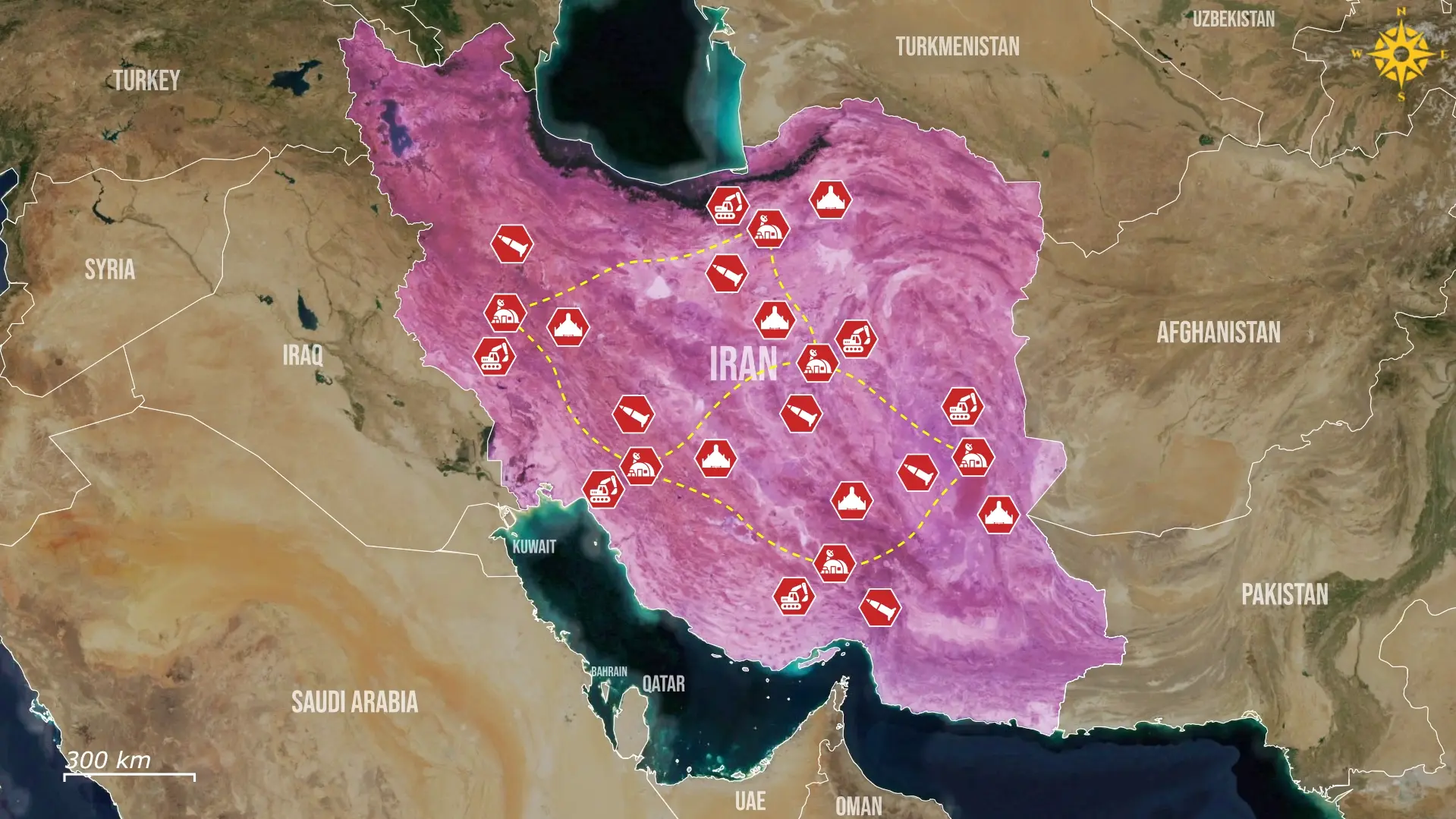
Yet the success of the US-Israeli campaign had an important limitation, as most strikes could only destroy assets that were exposed or accessible. For decades, Iran has invested heavily in a vast network of underground facilities designed to protect military assets such as missiles launchers, drones, command centers, and munition stockpiles from air attacks. These so-called missile cities are built deep inside mountains and connected by extensive tunnel networks, ensuring that the assets will survive even when entrances are targeted. During the war, reports already emerged of engineering teams using excavators and heavy equipment already stationed inside the mountains to clear debris from tunnel entrances shortly after strikes occurred. What appeared at the time to be active battlefield repairs to get their strike capacity back online asap would later prove significant, offering an early indication of how Iran would eventually restore much of its drone and missile infrastructure.
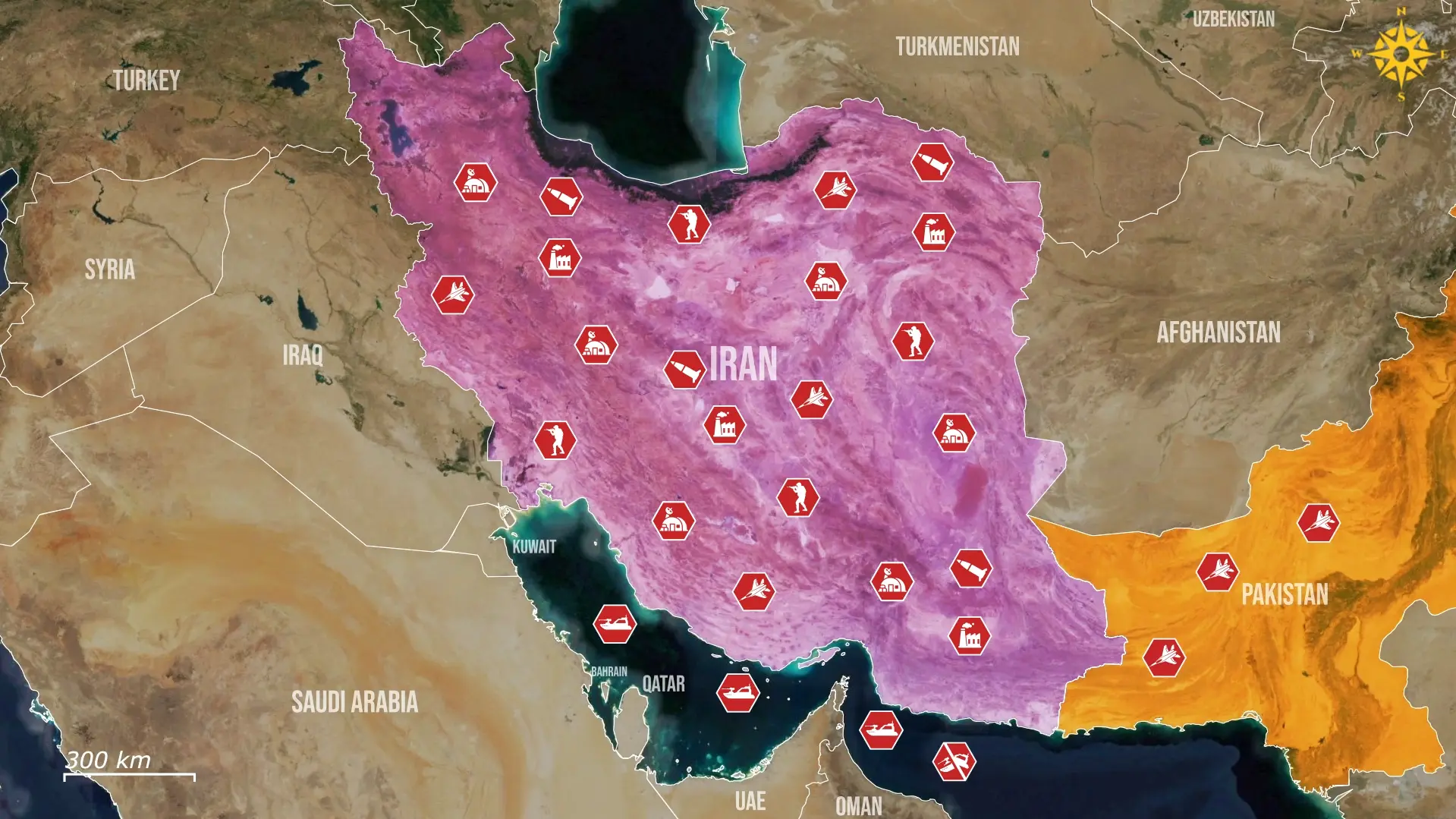
The ceasefire gave Iran the time and lifted pressure it had lacked throughout the war. Engineering units began clearing damaged tunnel complexes at a large scale, and reopening access to buried launchers or military facilities that had survived in the underground bases. Repeated US reports from the weeks following the truce described extensive efforts to restore missile bases and recover equipment trapped beneath rubble, while simultaneous resumption of weapons production. At the same time, intelligence assessments suggested that a substantial portion of Iran’s military had survived the conflict. According to multiple reports, most missile launchers remained recoverable and much of the Revolutionary Guard’s fast-boat fleet was still operational. Reports indicate that as much as two-thirds of Iran’s air force may have survived. Separate reporting even suggested that some Iranian aircraft were sheltered in Pakistan during the war, potentially preserving much of Iran’s air assets from destruction.
As a result, the most important implication of the ceasefire is that Iran has been recovering from the US’ demilitarization strikes. While during the war, US strikes greatly reduced Iran’s ability to sustain large-scale missile attacks, many of these capabilities survived the conflict hiding in the mountains. Recent assessments suggest that Iran has regained operational access to the vast majority of its underground missile network, including roughly ninety percent of its protected storage and launch facilities, while thirty of its thirty-three missile sites along the Strait of Hormuz are reportedly accessible again as well. Furthermore, according to US intelligence assessments, Iran retains roughly seventy percent of its pre-war missile stockpile and mobile launchers. Reports from May indicate that Iran retains access to the components required for Shahed production through round-about imports from East Asia, implying that drone manufacturing capacity has largely survived the war and is once again capable of replenishing operational losses.
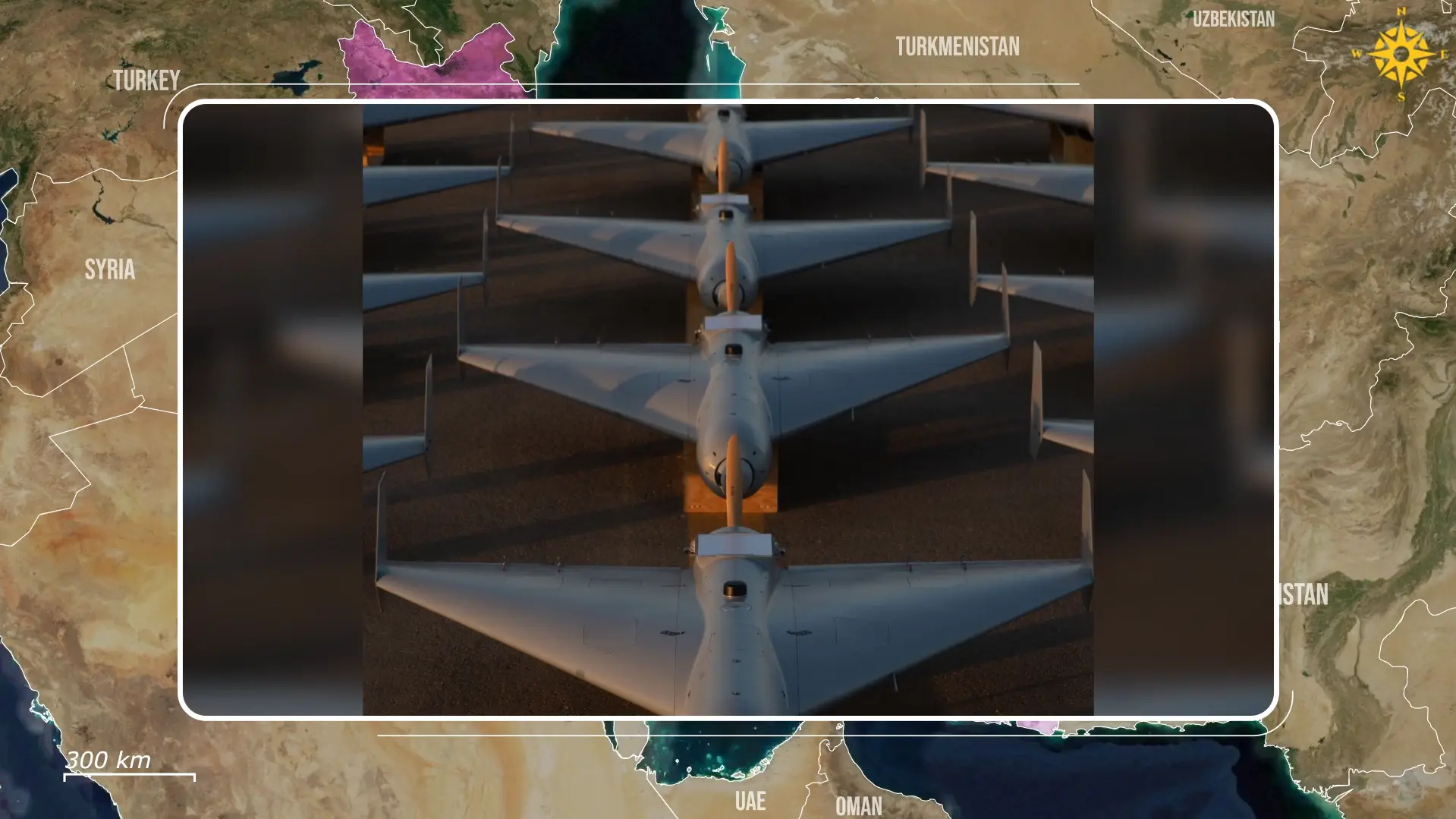
Overall, the ceasefire appears to have given Iran an opportunity not only to recover from wartime losses but also to restore capabilities that remain central to its military strategy. The key lesson is that reducing Iran’s strike activity during the war did not necessarily translate into the permanent removal of the infrastructure that supports it. As a result, any future confrontation would likely begin with Iran in a stronger position than it occupied at the end of the conflict itself. This suggests that the ceasefire may have paused the fighting, but it did not eliminate the military balance and strategic tensions that made renewed hostilities possible in the first place.

.jpg)



Comments