

.svg)
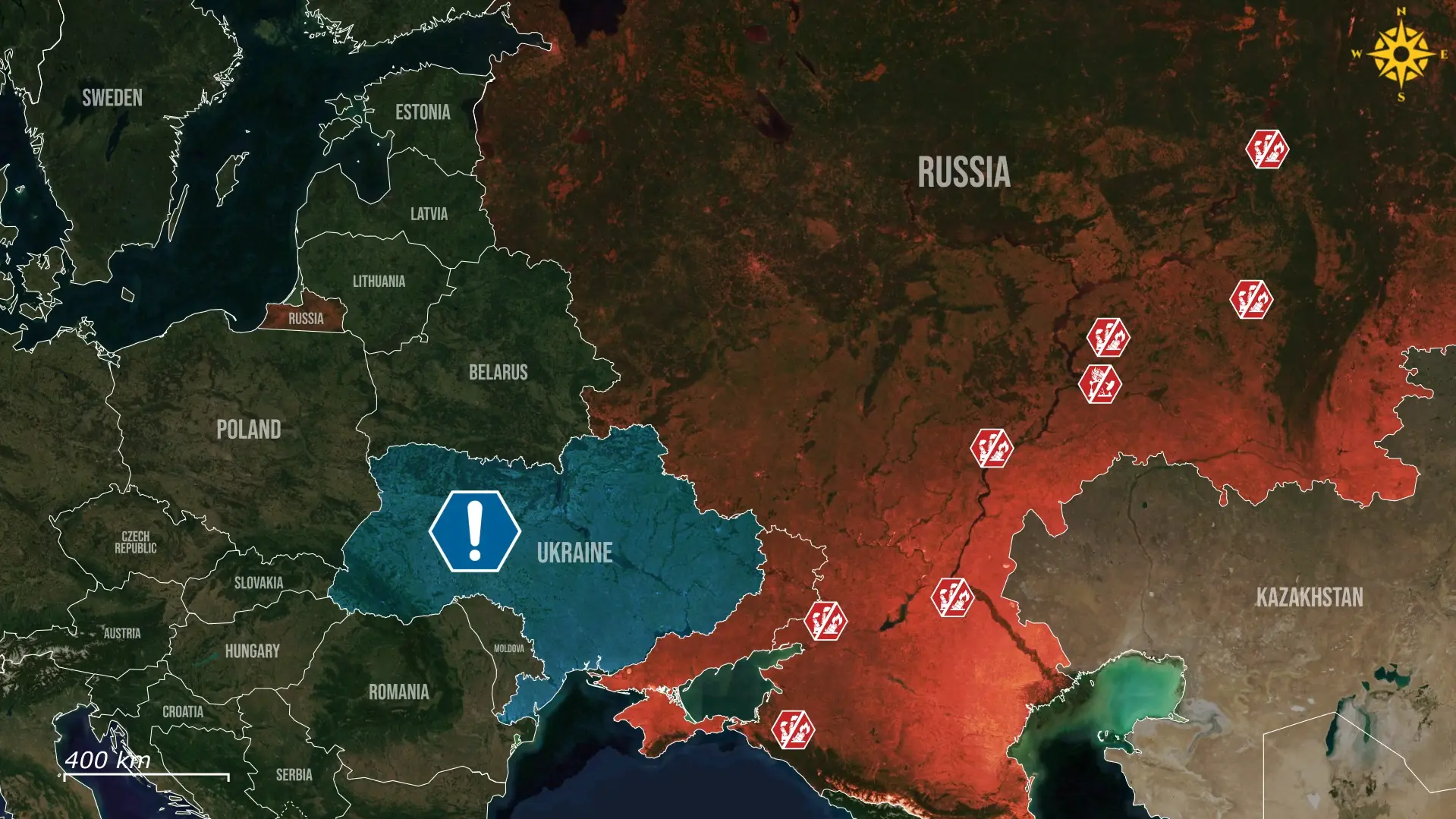
Today, the biggest news comes from Ukraine.
Only a year ago, Ukraine’s allies were struggling to coordinate fragmented deliveries of weapons, often delayed by national debates and bureaucratic hurdles. Today, the landscape has shifted: a single mechanism, Purl, is channeling billions of dollars in US military equipment directly to Kyiv, with contributions pooled from across Nato and its partners.
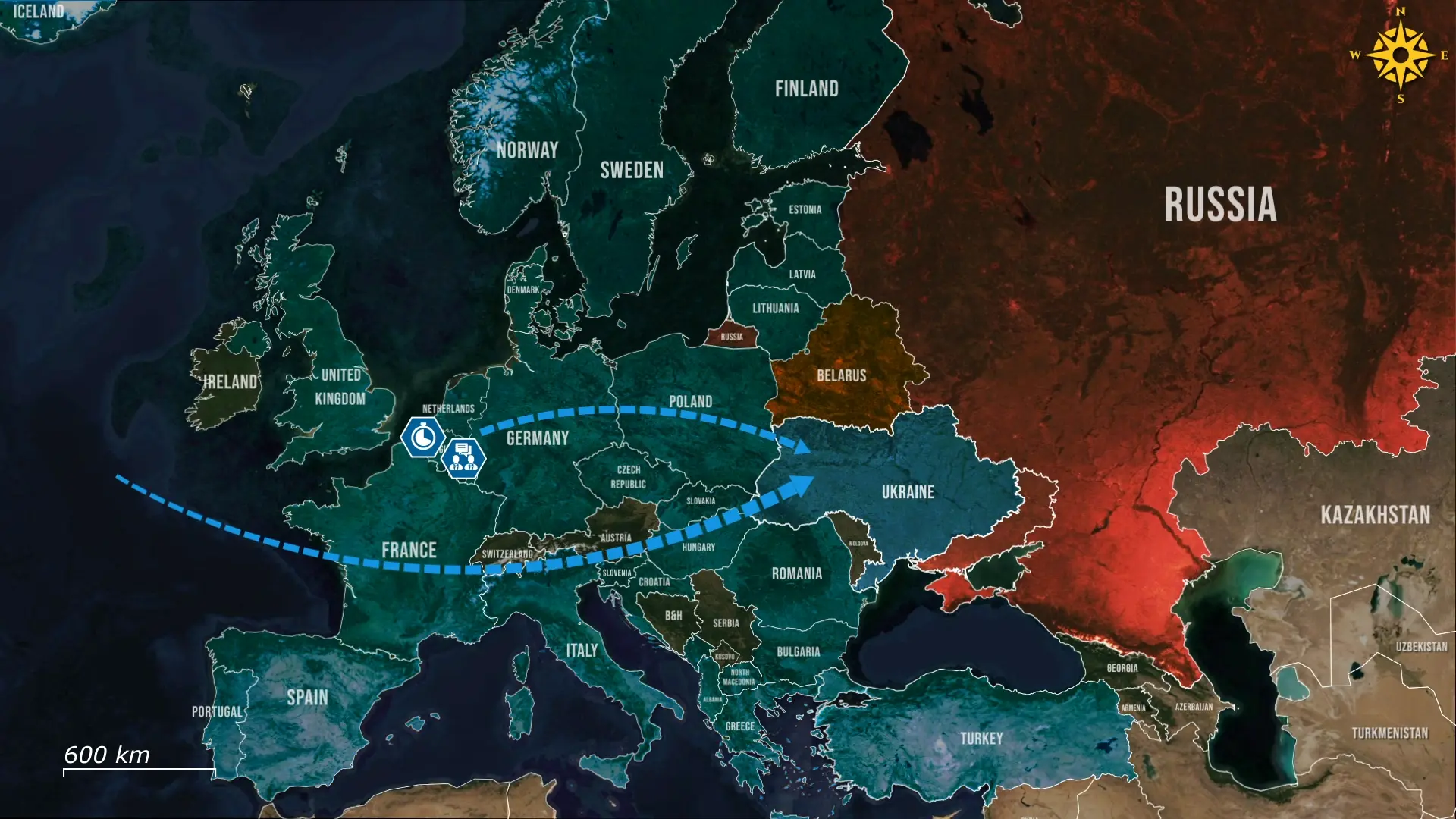
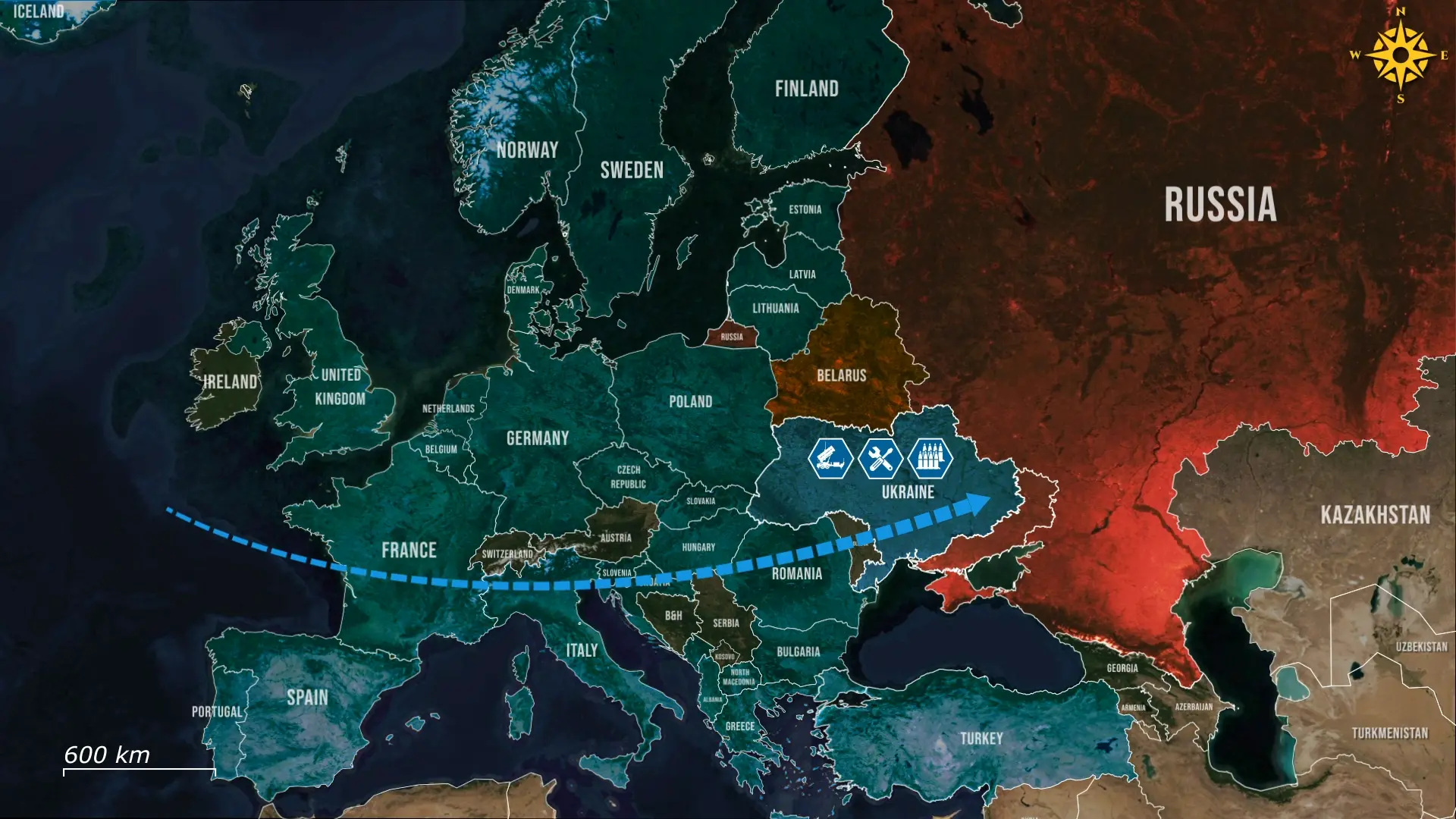
Over the past year, in 2025, Ukraine has received over 5 billion dollars’ worth of US military equipment through the Purl program. This package includes air defense systems, ammunition, and critical spare parts drawn from American stockpiles.
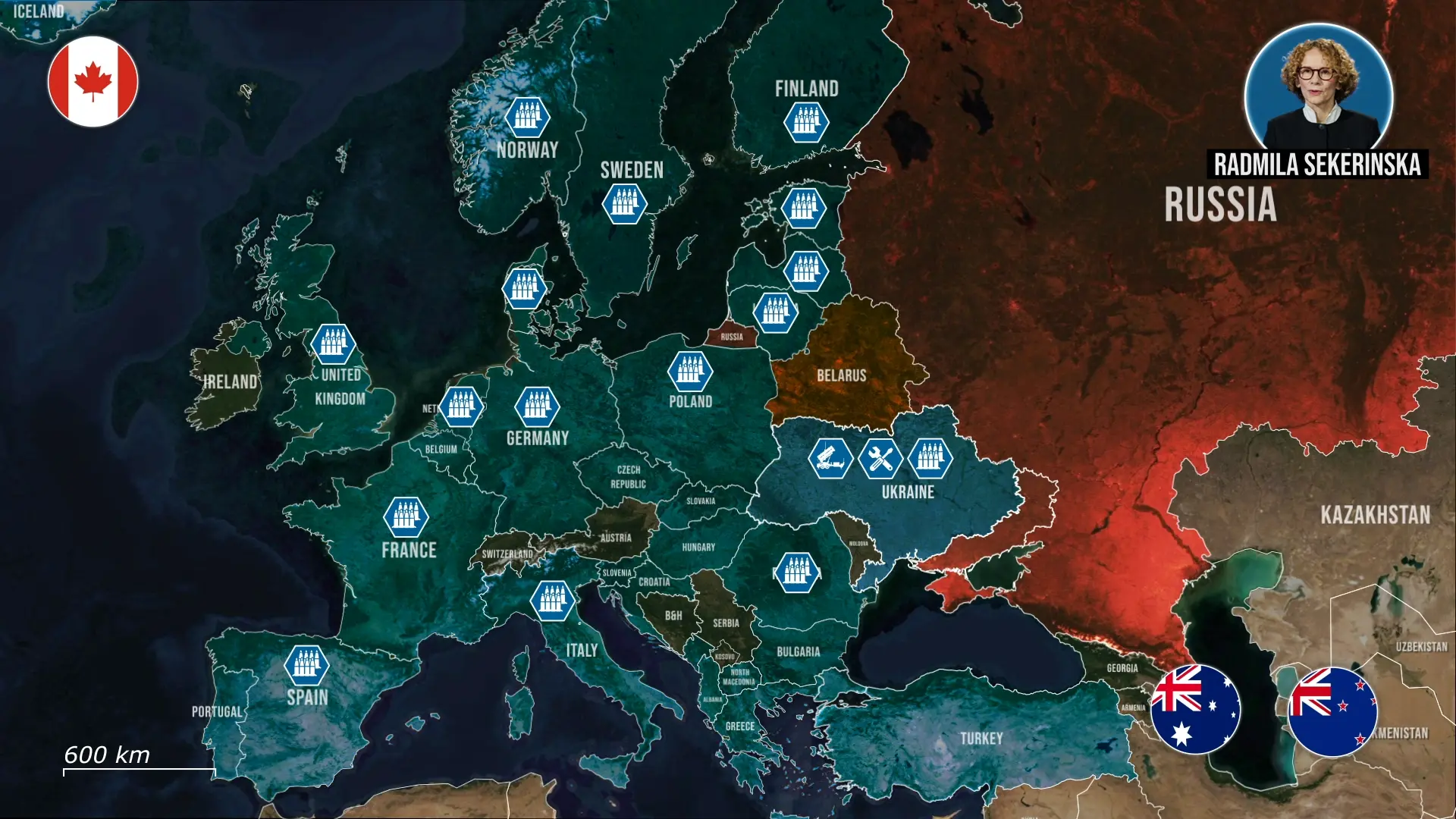
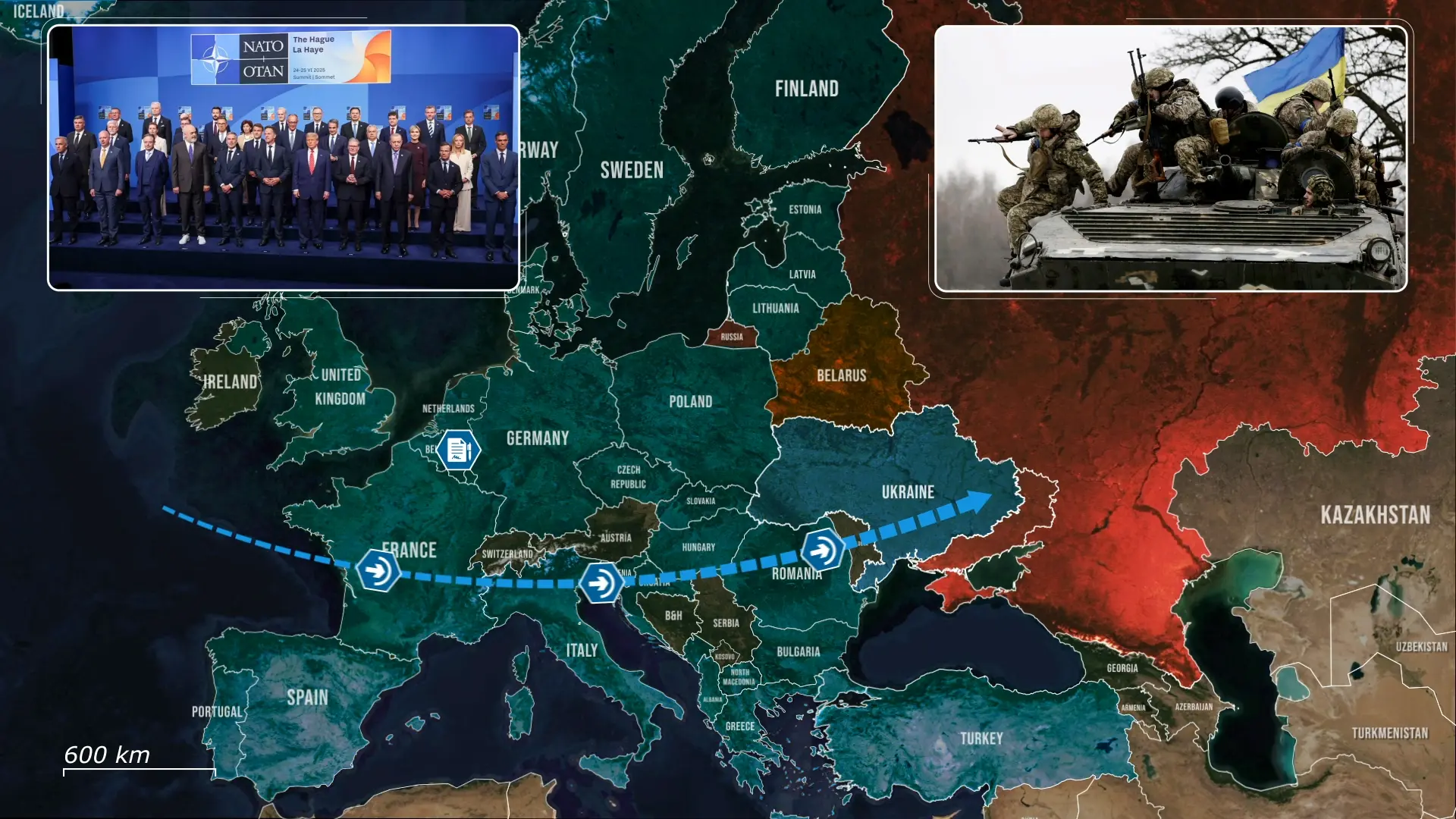
The funding is not coming solely from Washington, as EU allies Canada, Australia, and New Zealand are footing the bill, a sign of how transatlantic burden-sharing has evolved. Nato Deputy Secretary General Radmila Šekerinska emphasized that this arrangement ensures Ukraine receives equipment quickly, without allies depleting their own arsenals.
Purl, the Prioritized Ukraine Requirements List, is a Nato-led initiative designed to streamline the supply of US weapons to Ukraine. Instead of each country negotiating its own bilateral transfers, allies contribute funds into a collective pool, which is then used to purchase American-made systems identified by Ukraine as urgent priorities.
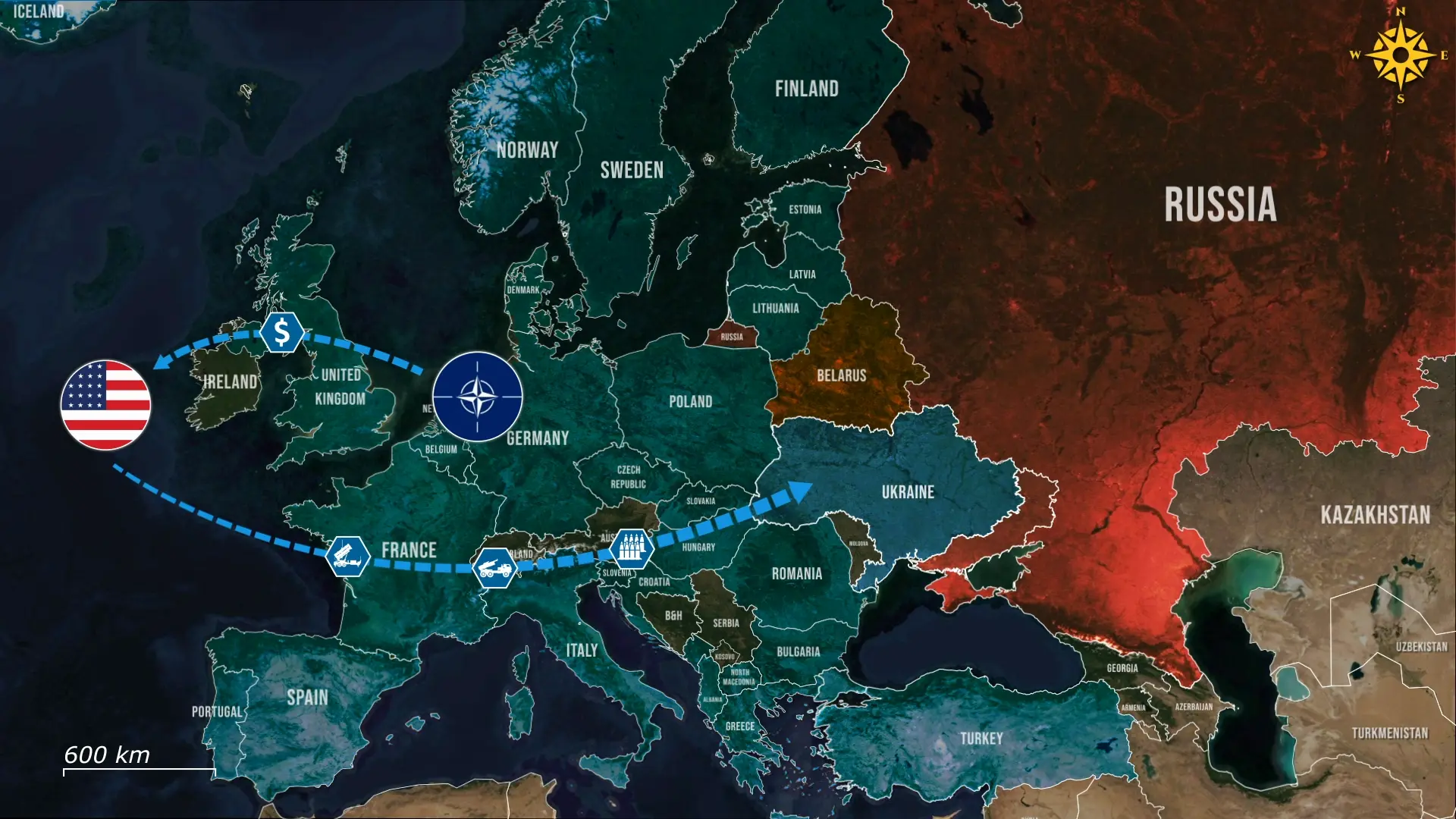
The program was conceived in mid-2025, following repeated delays in replenishing European stockpiles and an overall decline in military aid to Ukraine, which exposed the limits of previous aid models. But most importantly, Washington had signaled that new US military aid would only continue if allies paid for it.
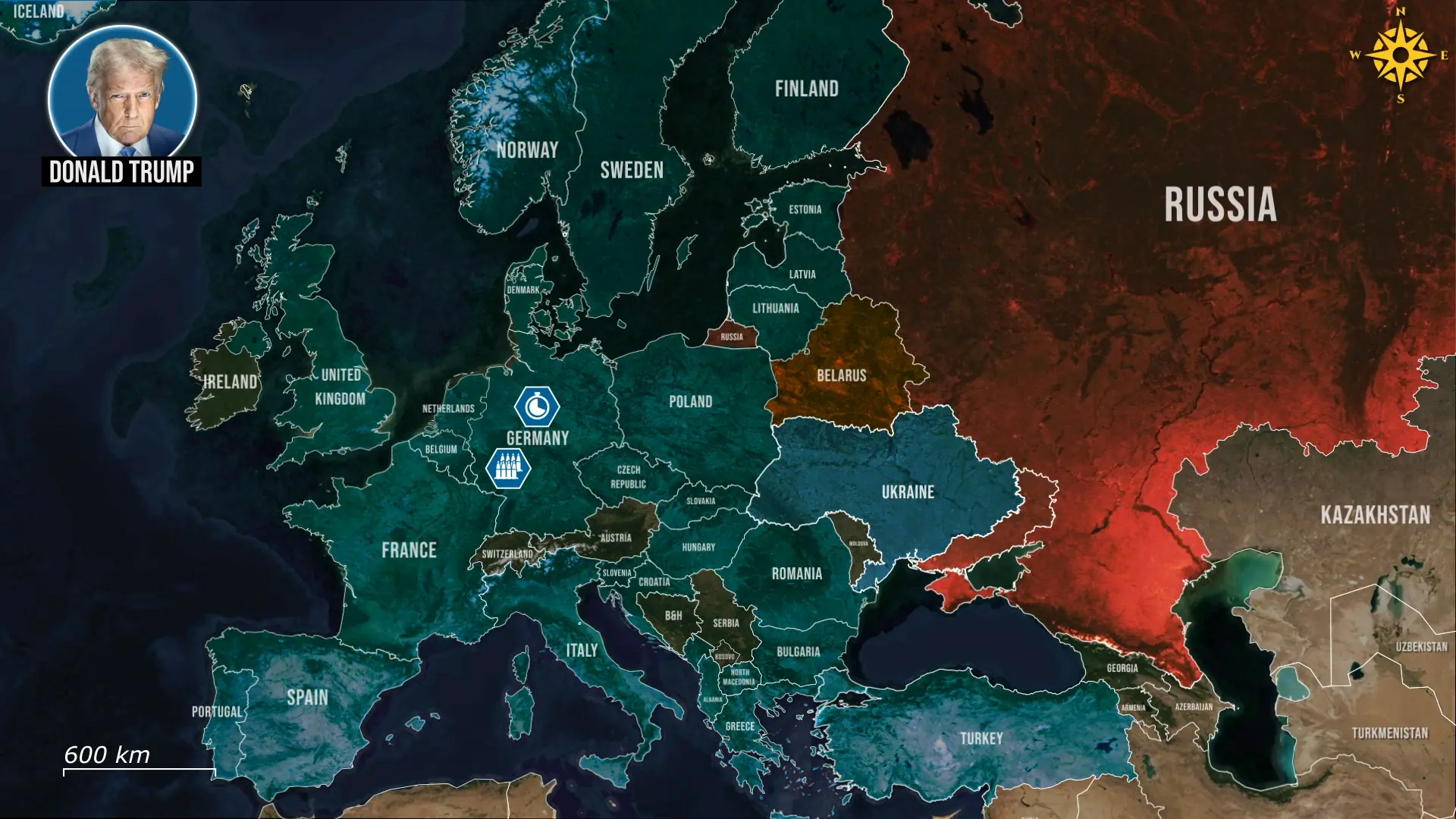
By shifting financial responsibility to allies while sourcing equipment from US warehouses, Purl bypasses procurement bottlenecks. Deliveries are organized into tranches of roughly 500 million dollars, ensuring a steady monthly flow of military materiel. This represents an unprecedented acceleration and a turning point for the political dimension, as the US president told Nato allies that the floodgates for military aid are now open again.
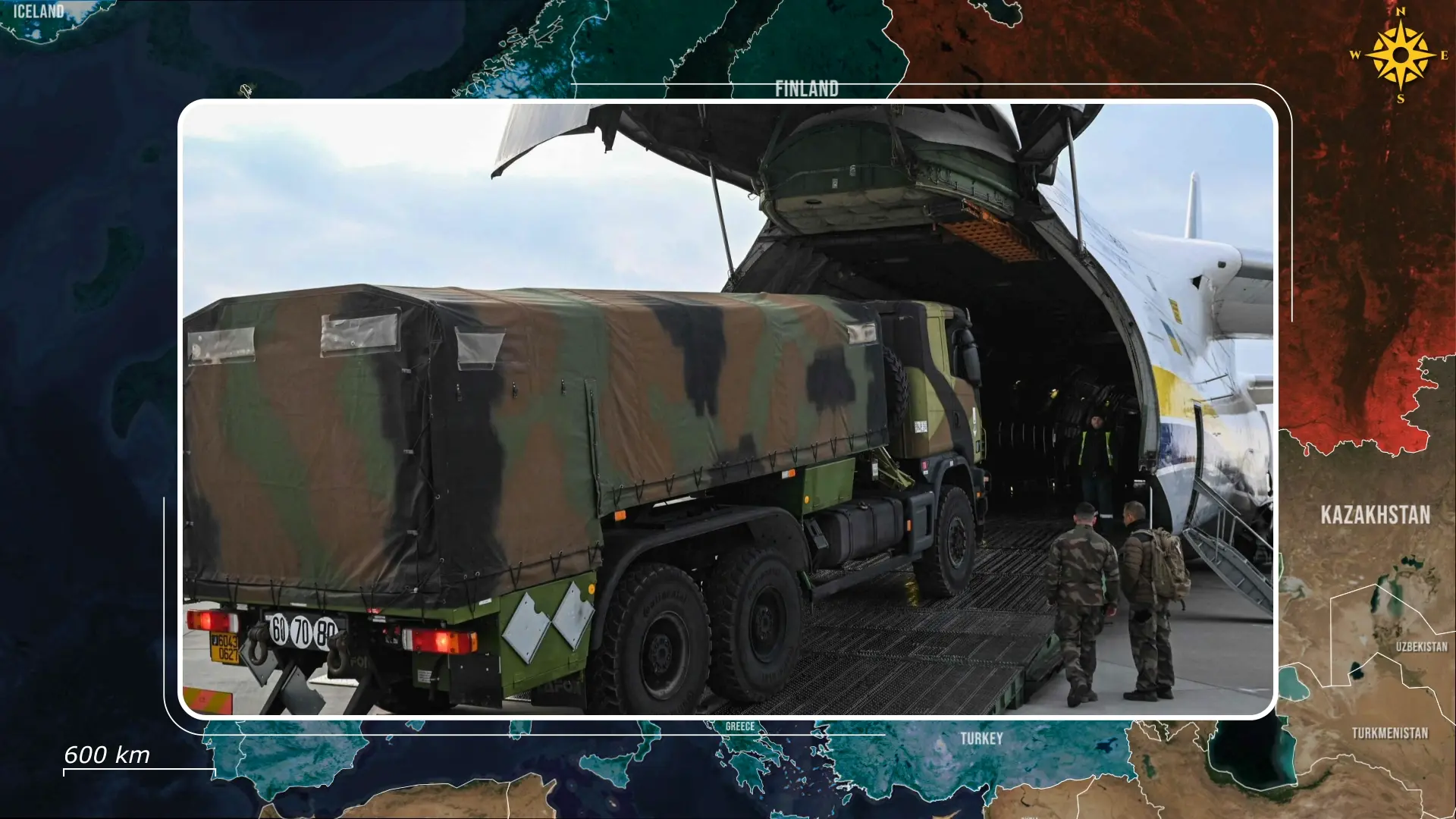
On the other hand, the scale of Russia’s offensive means that even this surge may only stabilize the battlefield rather than decisively shift it. The program’s credibility rests on sustaining this pace through 2026 and beyond, as meeting Ukraine’s needs will require bridging gaps in both industrial capacity and political will.
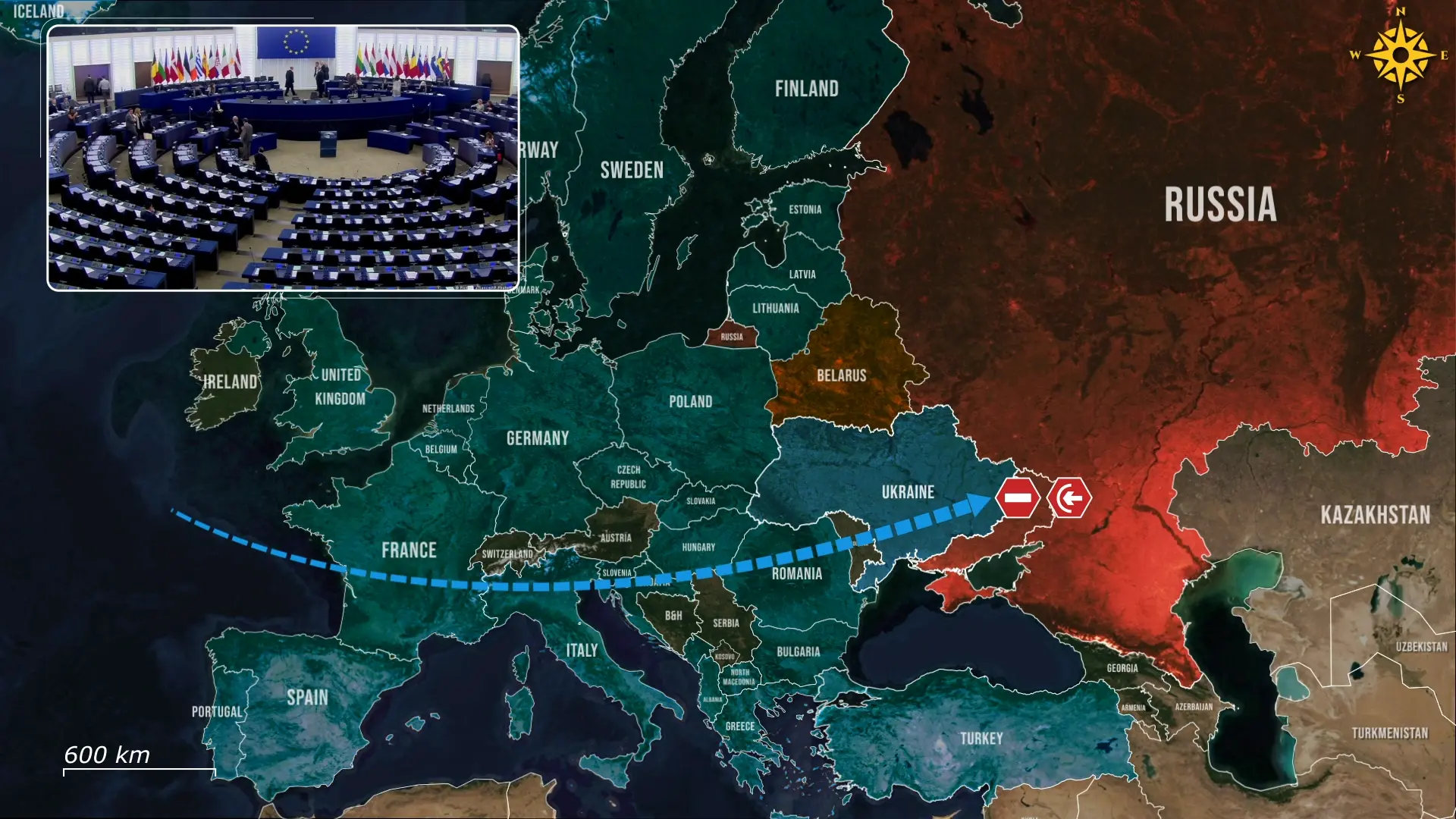
The headline figure of 5 billion dollars in US equipment delivered by the end of last year is striking, but the real story lies in what was bought and how it is being implemented. To put this in perspective, total military aid to Ukraine in 2025 amounted to about 45 billion dollars, meaning Purl alone accounted for more than 10% of all assistance in the first six months of its conception.
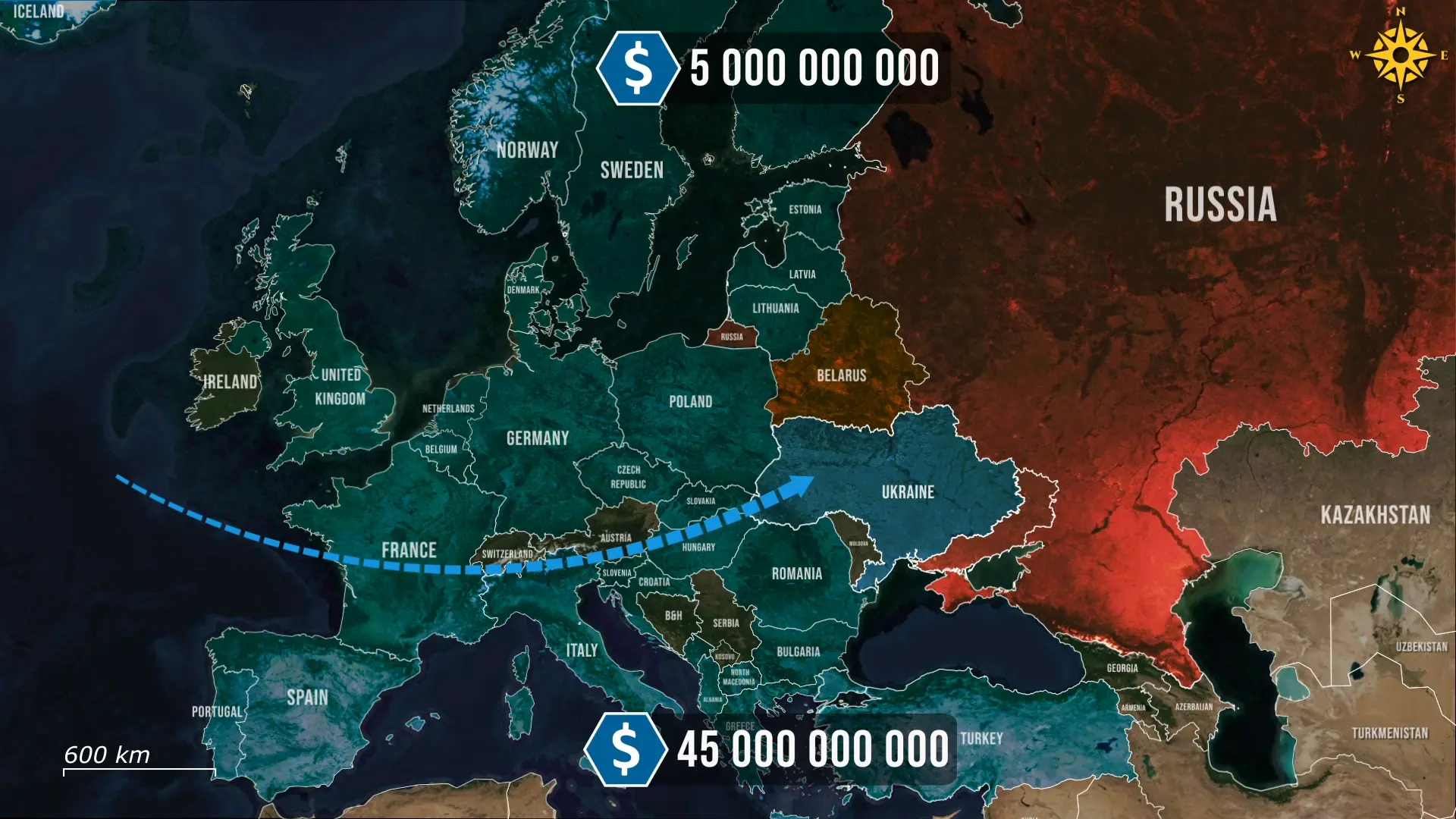
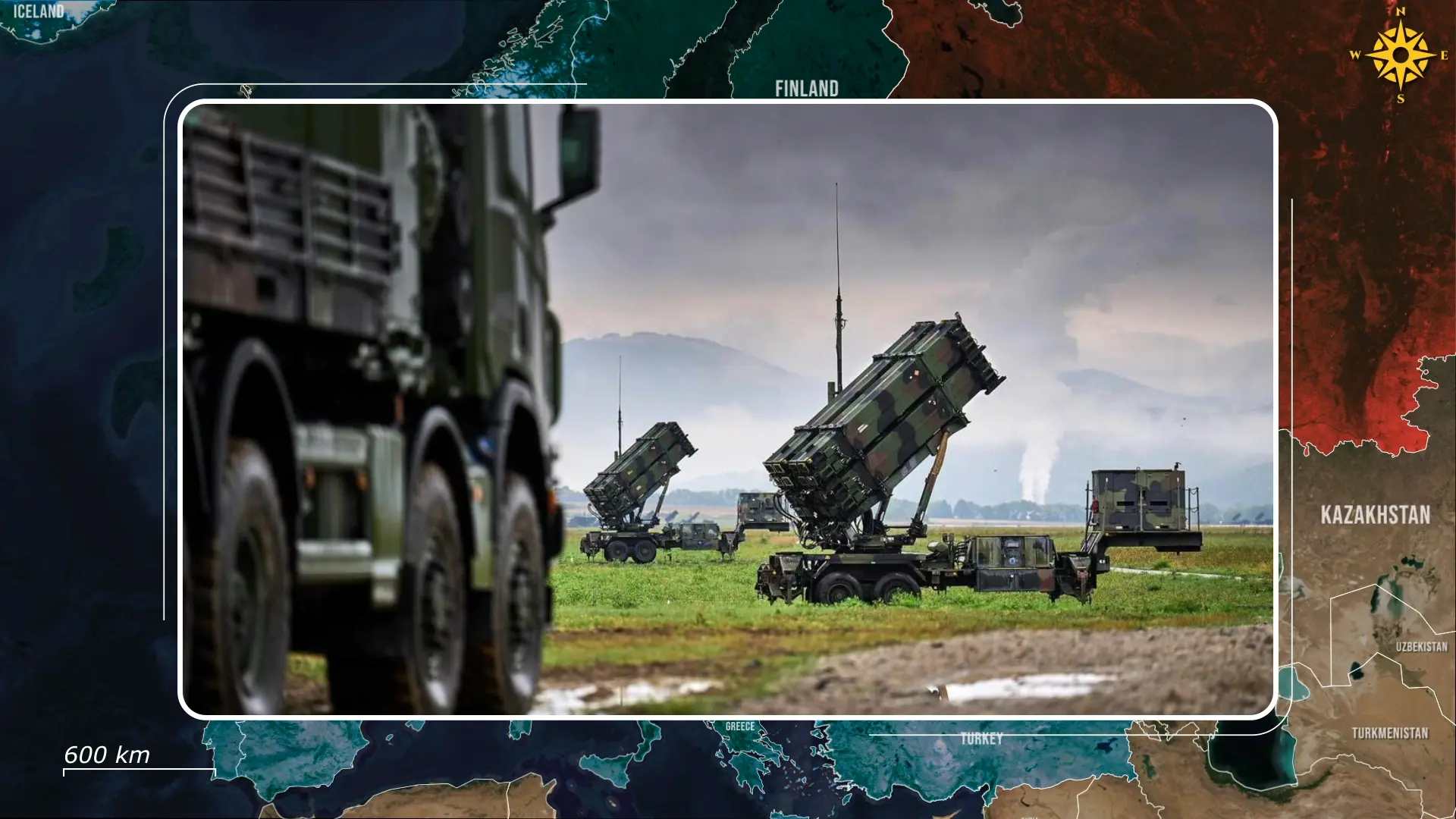
Specifically, the 5 billion dollars purchased Patriot air defense batteries, hundreds of interceptor missiles, Himars rocket launchers with accompanying precision-guided munitions, and large stocks of artillery shells and spare parts for the different types of modern US-made vehicles in use by Ukraine.
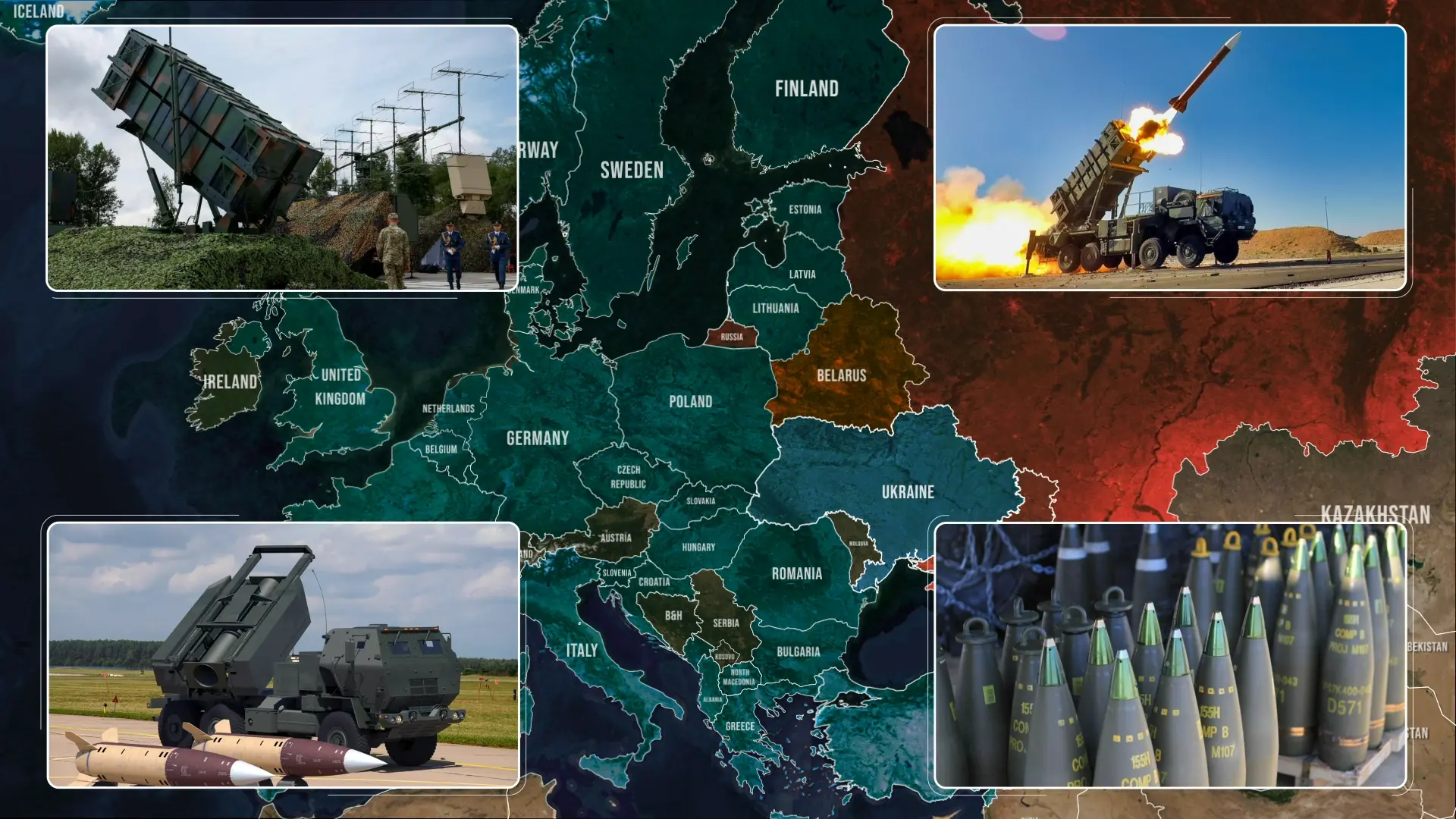
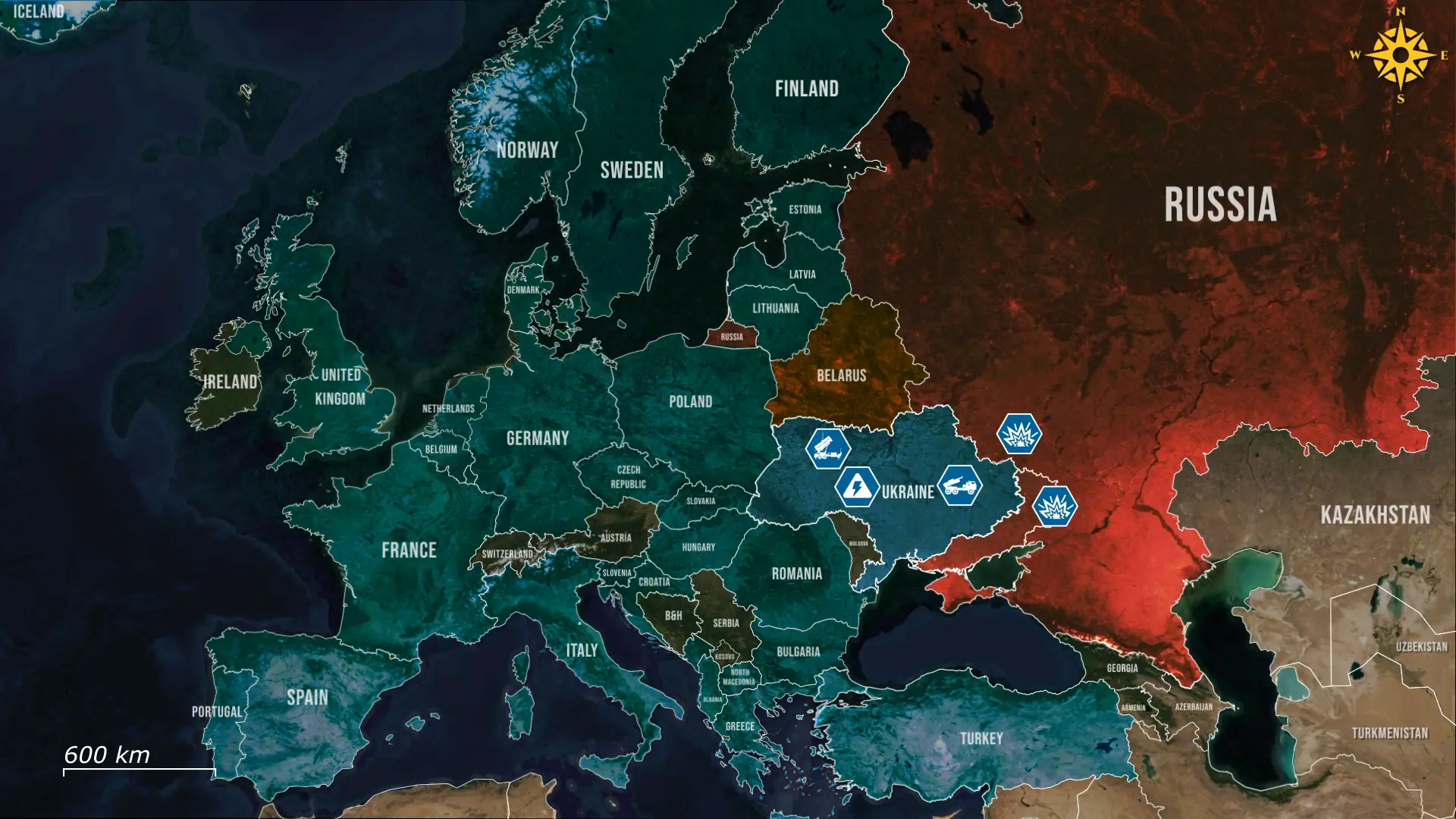
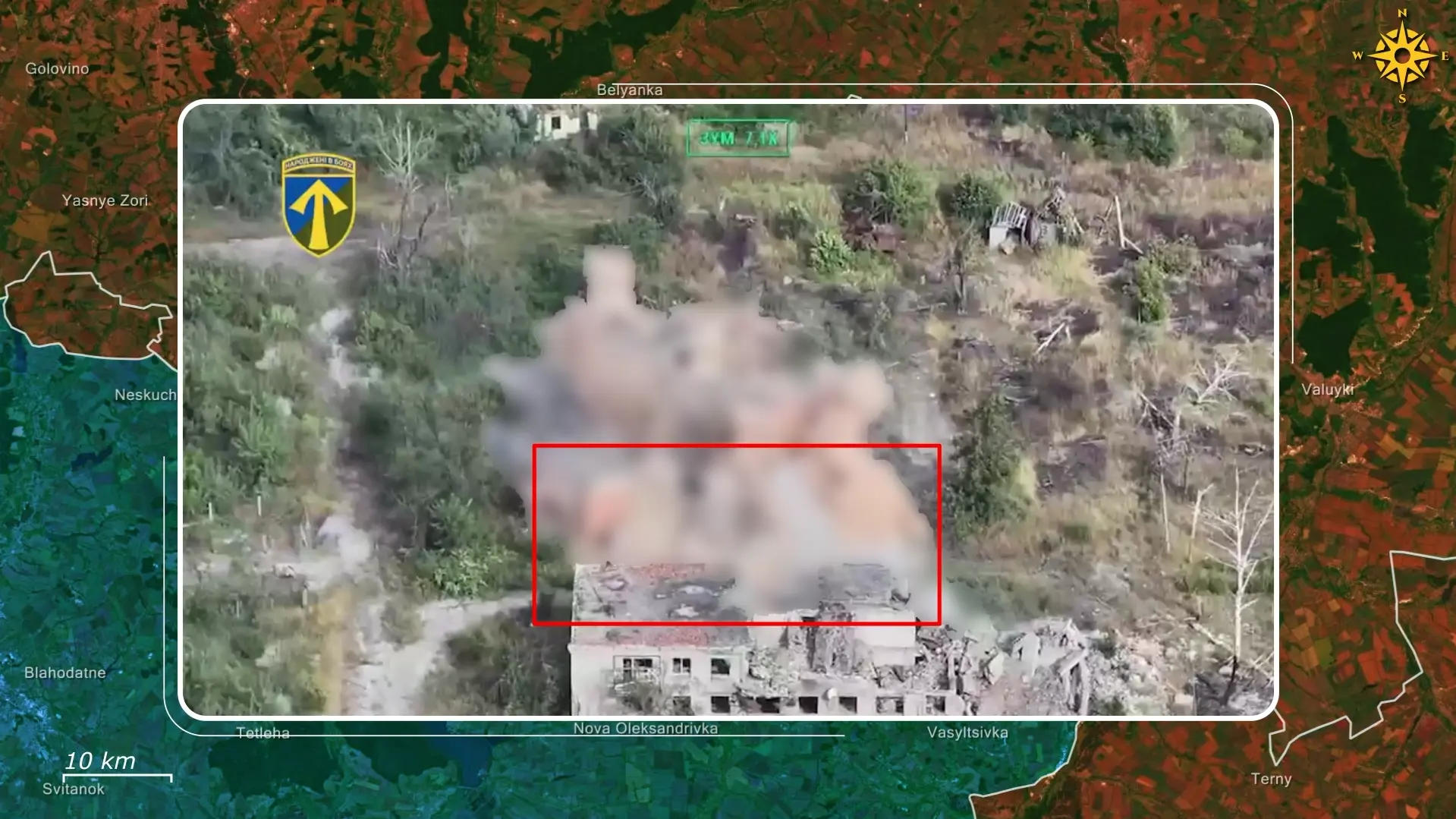
These systems have been quickly deployed, such as Patriot interceptors, which have already prevented Russian cruise missiles from further striking Kyiv’s power grid. In the meantime, Himars rockets have been used to disrupt Russian supply lines in Donbas and to disrupt Russian advances in Pokrovsk.
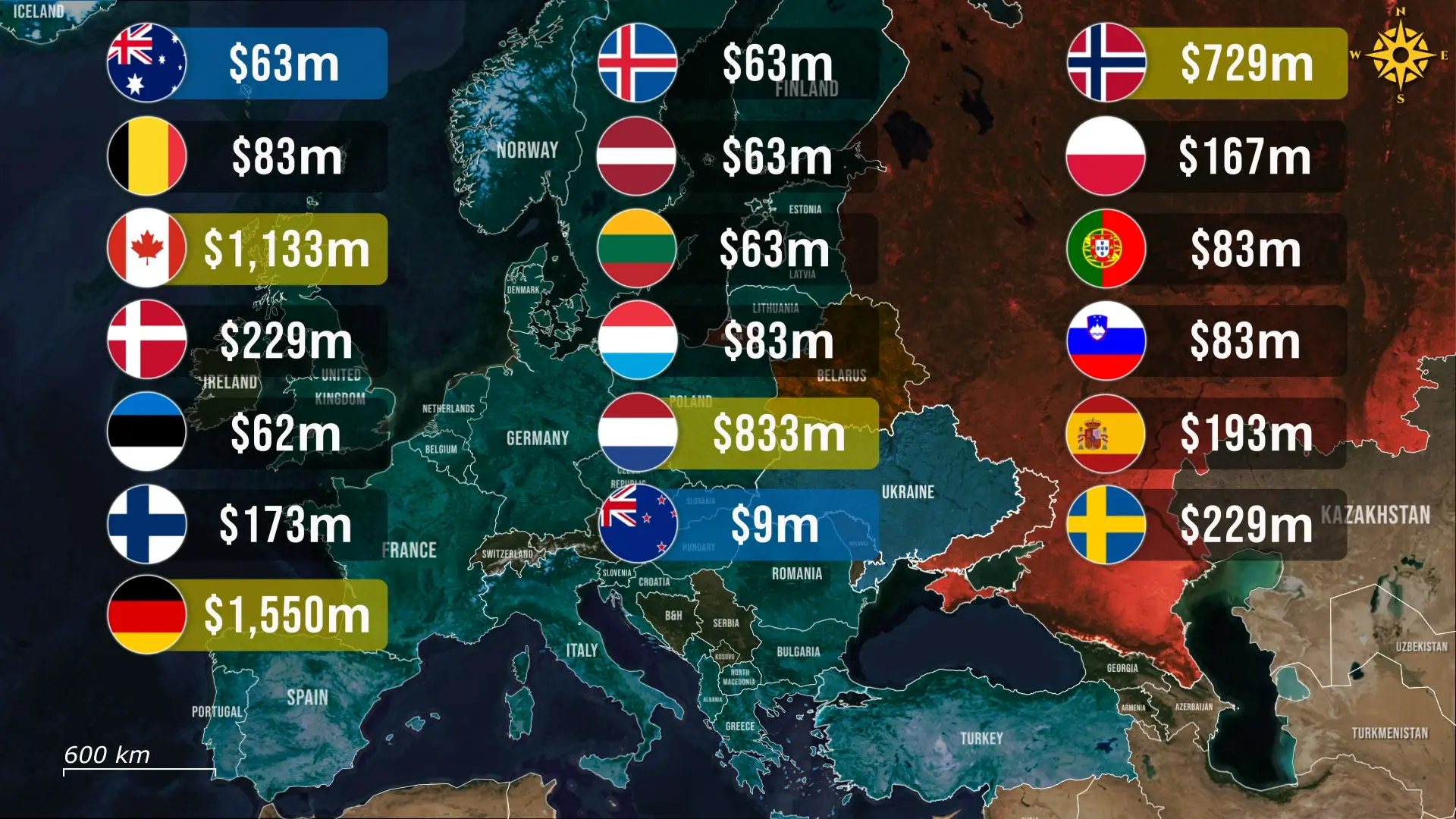
Equally important is the breadth of participation, ranging from Nordic and Baltic countries pooling half a billion dollars for joint deliveries to Spain’s billion-euro package, which also funds generators to stabilize Ukraine’s energy grid. The participation of Australia and New Zealand in the program shows that support now stretches well beyond Europe. It is also worth noting that the aid varies in size by country, with some already delivered, others pledged, and others, such as Germany, the Netherlands, Canada and Norway, standing out with large contributions, underscoring the scale of their commitment.
Purl has delivered not just weapons but more confidence. It became the mechanism that allowed Ukraine to keep accessing US equipment without being forced to cut its own investments in domestic production.
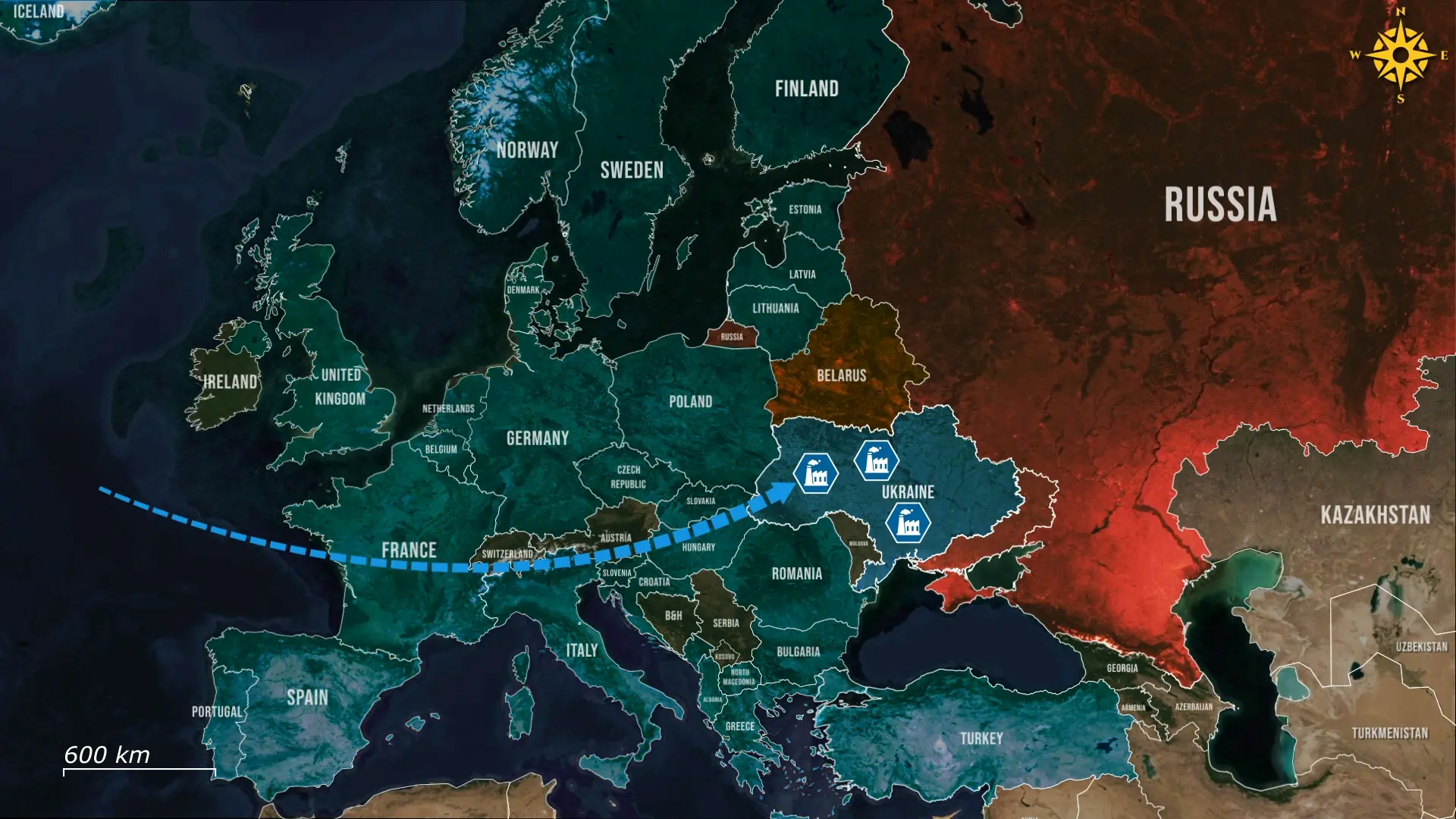
Overall, Purl represents a decisive evolution in the organization and delivery of military aid to Ukraine. What began as a fragmented patchwork of national donations has become a coordinated mechanism capable of channeling billions of dollars in US equipment funded by allies. Purl is both a symbol and a substance: it shows Ukraine’s partners can act collectively, and it equips Ukraine with the systems and ammo it urgently needs. The challenge is to maintain momentum and ensure that Purl remains not just a short-term fix but a durable framework for sustaining Ukraine’s defense in the years ahead.

.jpg)


Comments