

.svg)
Today, the biggest news comes from Russia.
Here, while disruption of Starlink connectivity has left Russian troops on the frontline struggling, Russian authorities have been deliberately downplaying the situation for several weeks now. However, secretly, desperate orders and measures are being taken to patch up the faltering communication lines with makeshift solutions, as the battlefield slips further into complete chaos.
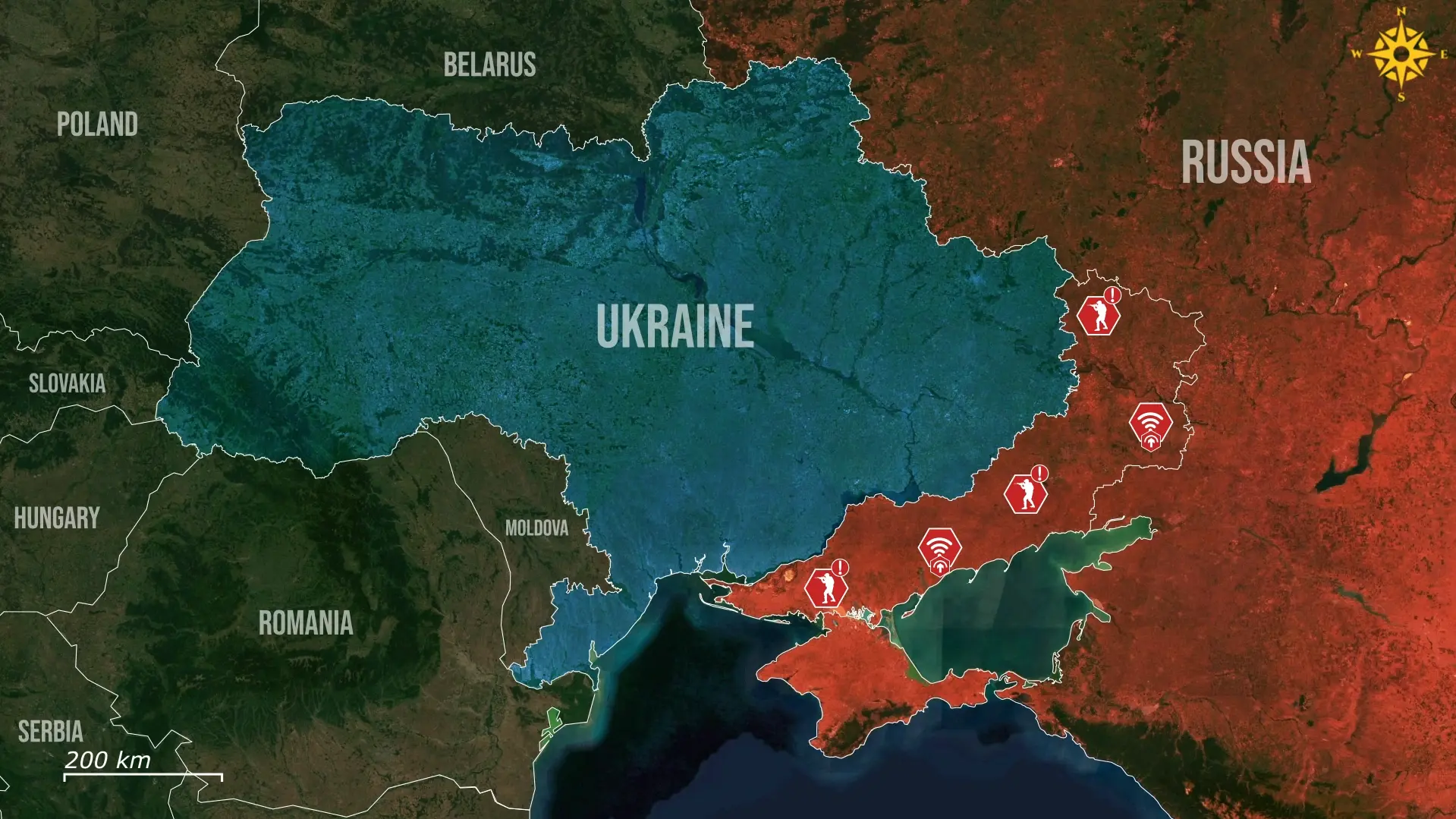
Recently, the Russian Ministry of Defense came out to officially state that Starlink was never considered a critical infrastructure for Russian armed forces. Rather, they state that Russia used the Starlink connection merely as a psychological tactic, through which its main objective was to confuse Ukrainians and influence their military operations. Through this statement, Russian leadership aims to firmly demonstrate to both the international community and its own that the situation is under control and that there is no need for worry.
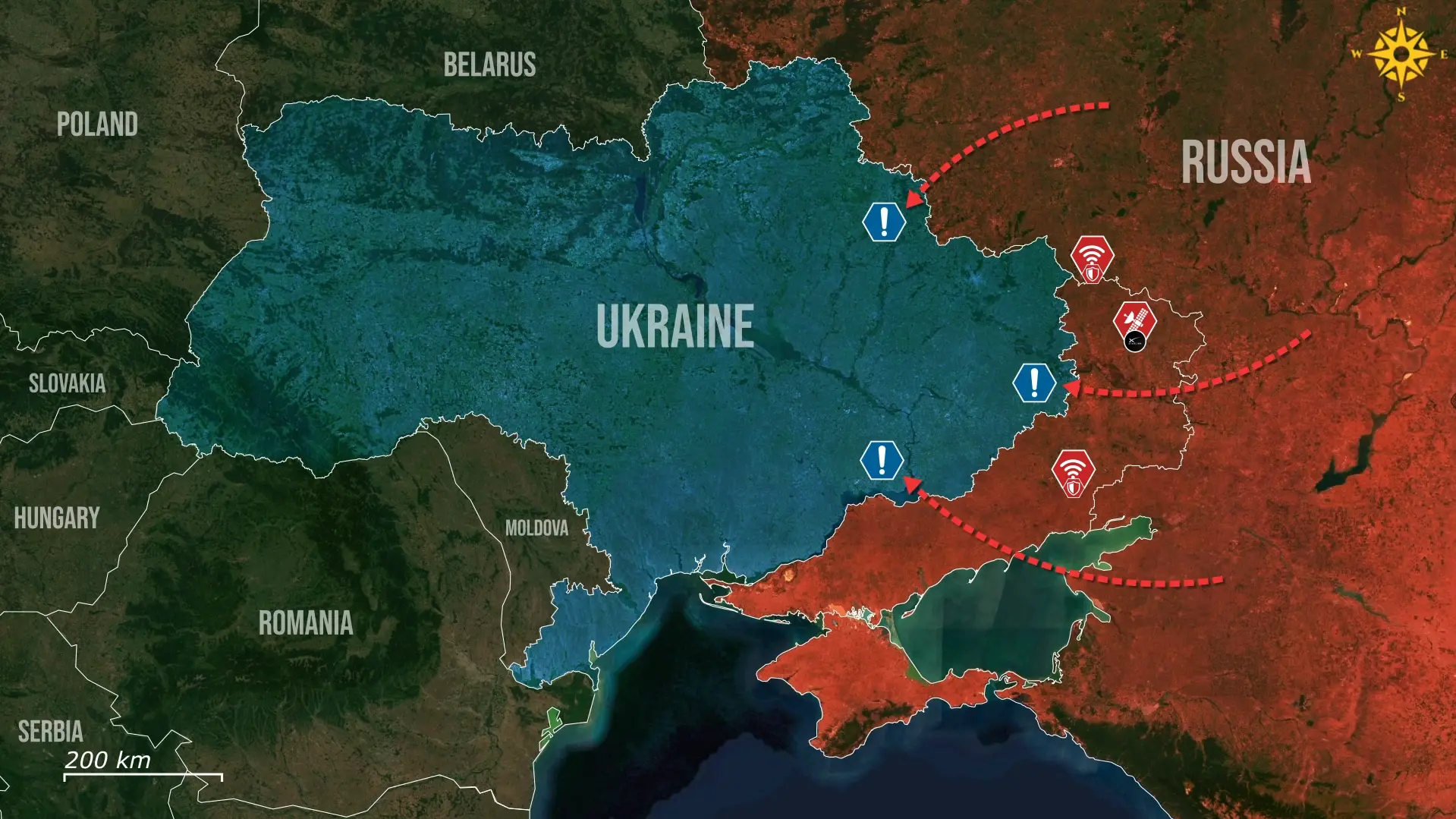
However, the actual reality on the battlefield directly contradicts these assurances. According to the Institute for the Study of War, losing Starlink connectivity was a direct cause for the Russian armed forces’ retreat from nearly 500 square kilometers of territory they held in southeastern Ukraine, combined with intense coordinated attacks by Ukrainian forces, adding that it has effectively destroyed Russia’s entire chain-of-command system at the frontline. A high-ranking Ukrainian official also stated that Russian drone operators lost the ability to strike Ukrainian logistics at ranges of 100 to 250 kilometers from the frontline.
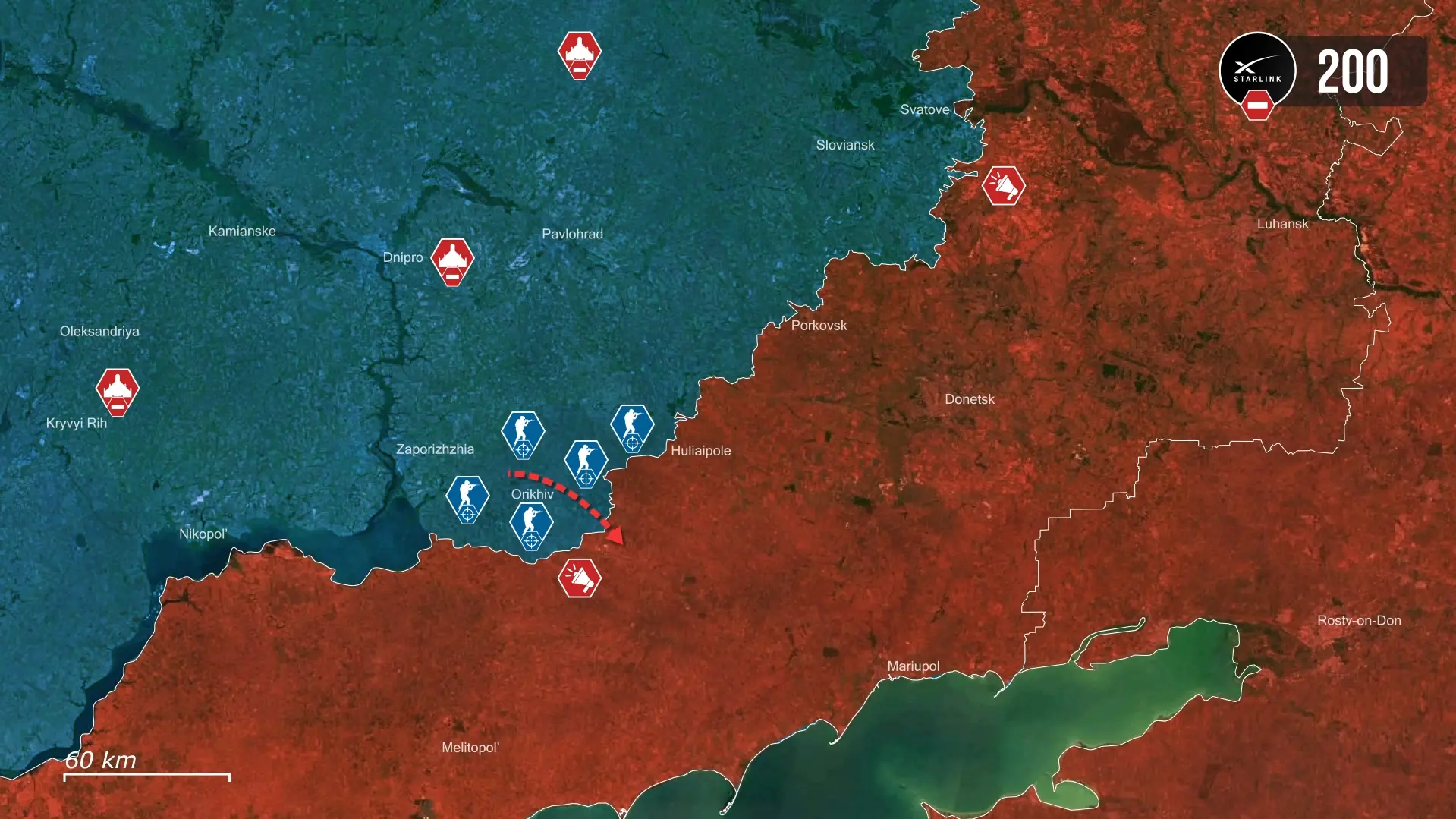
Lastly, according to a commander in Ukraine’s 3rd Army Corps, the kill to loss ratio was around eight to one in favor of Ukraine before, however, after the Starlink connection was cut off, that number has risen to approximately thirteen to one; as it has become much more difficult to detect precise Ukrainian firing positions and convey that targeting information to accurate fire support systems, of which there are much less with many drone strike systems themselves becoming inoperable.
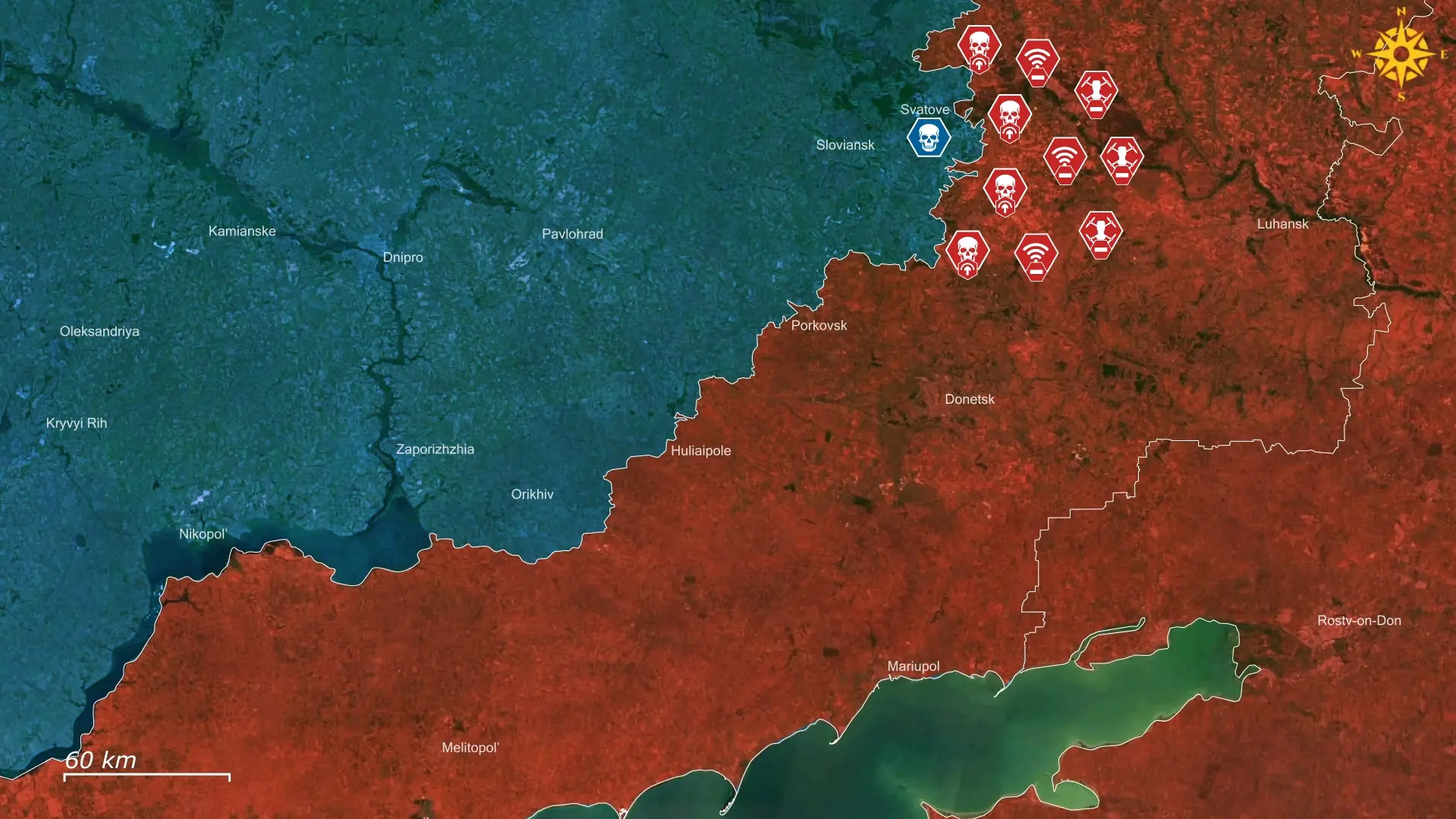
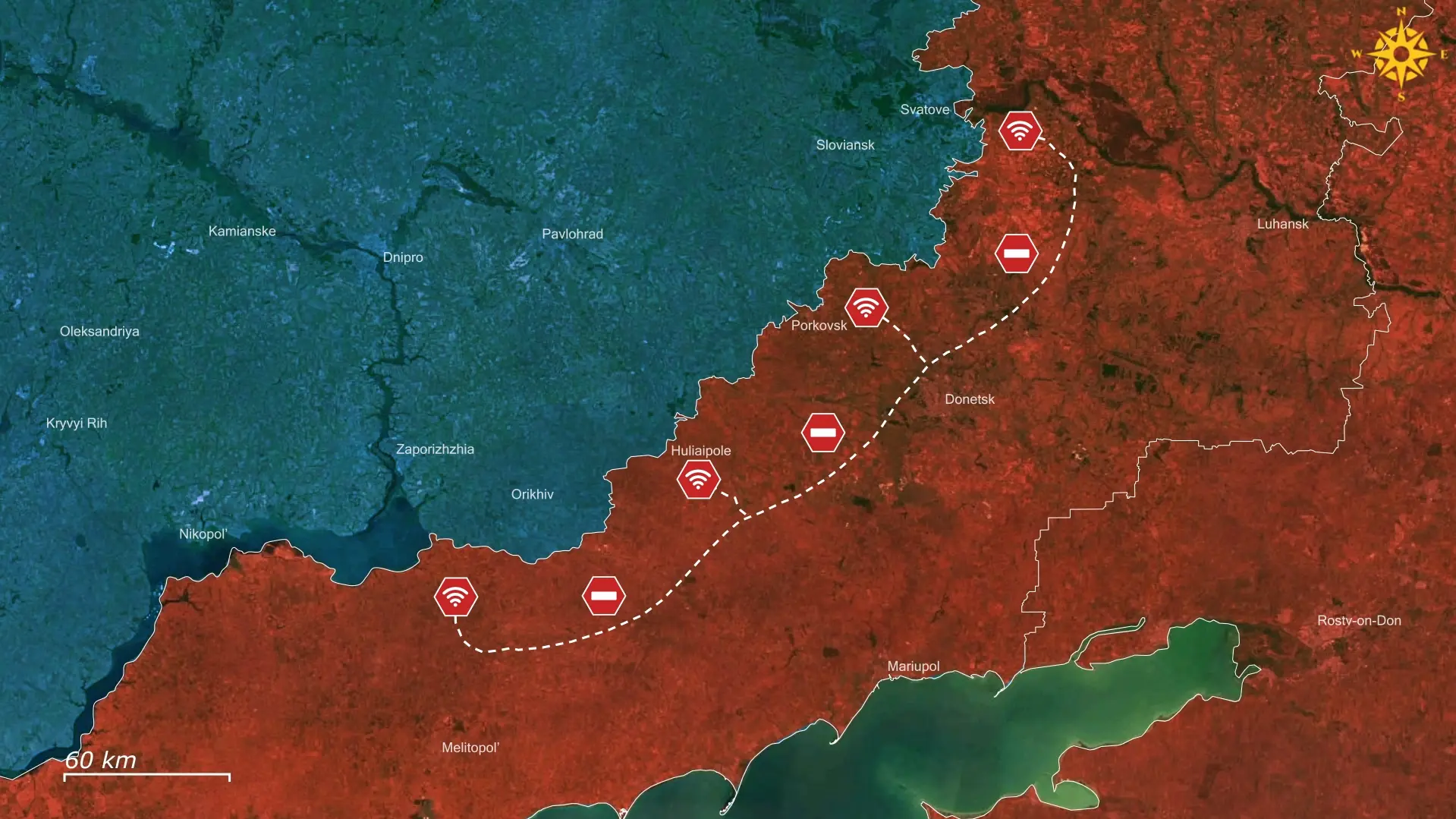
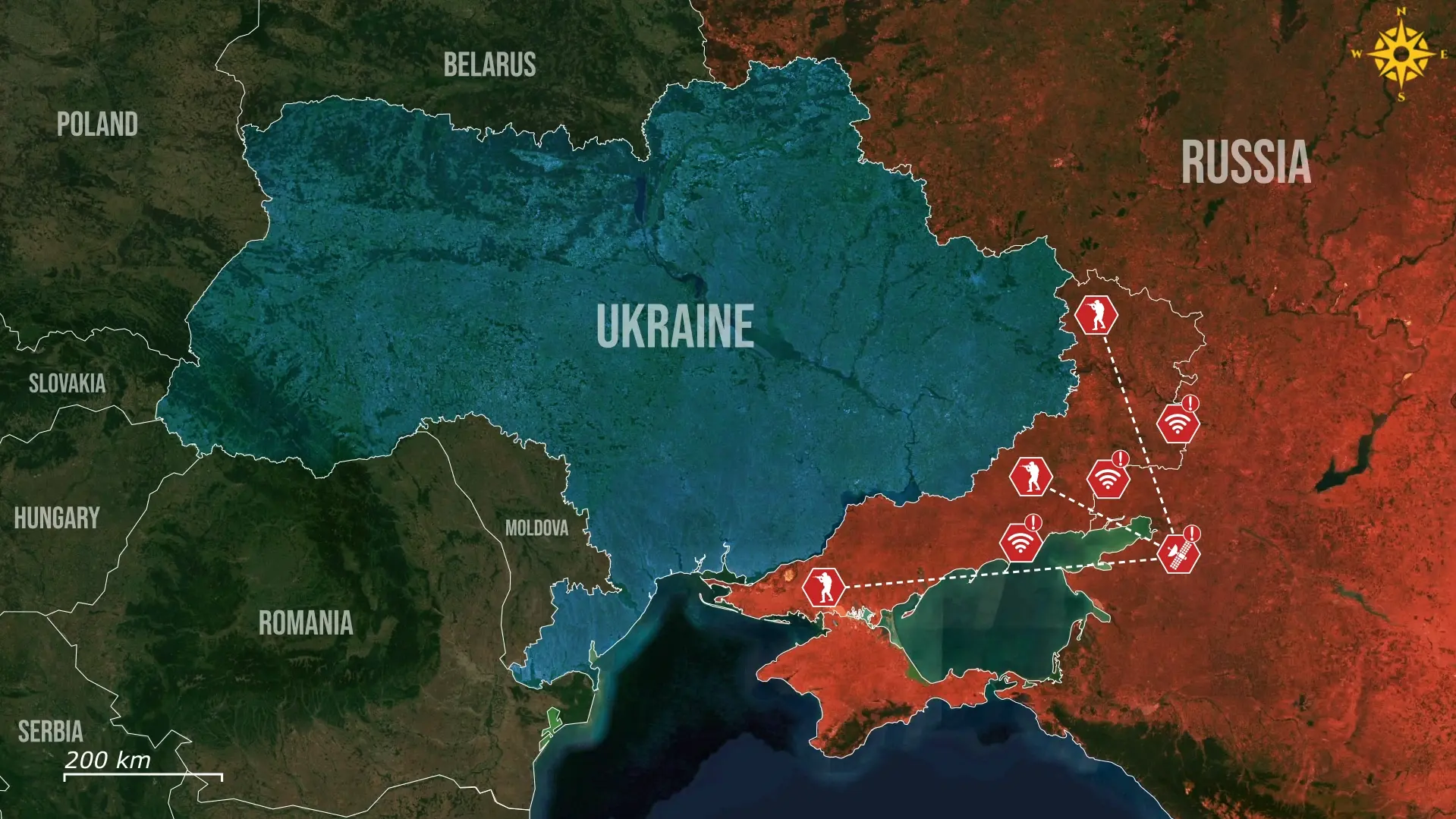
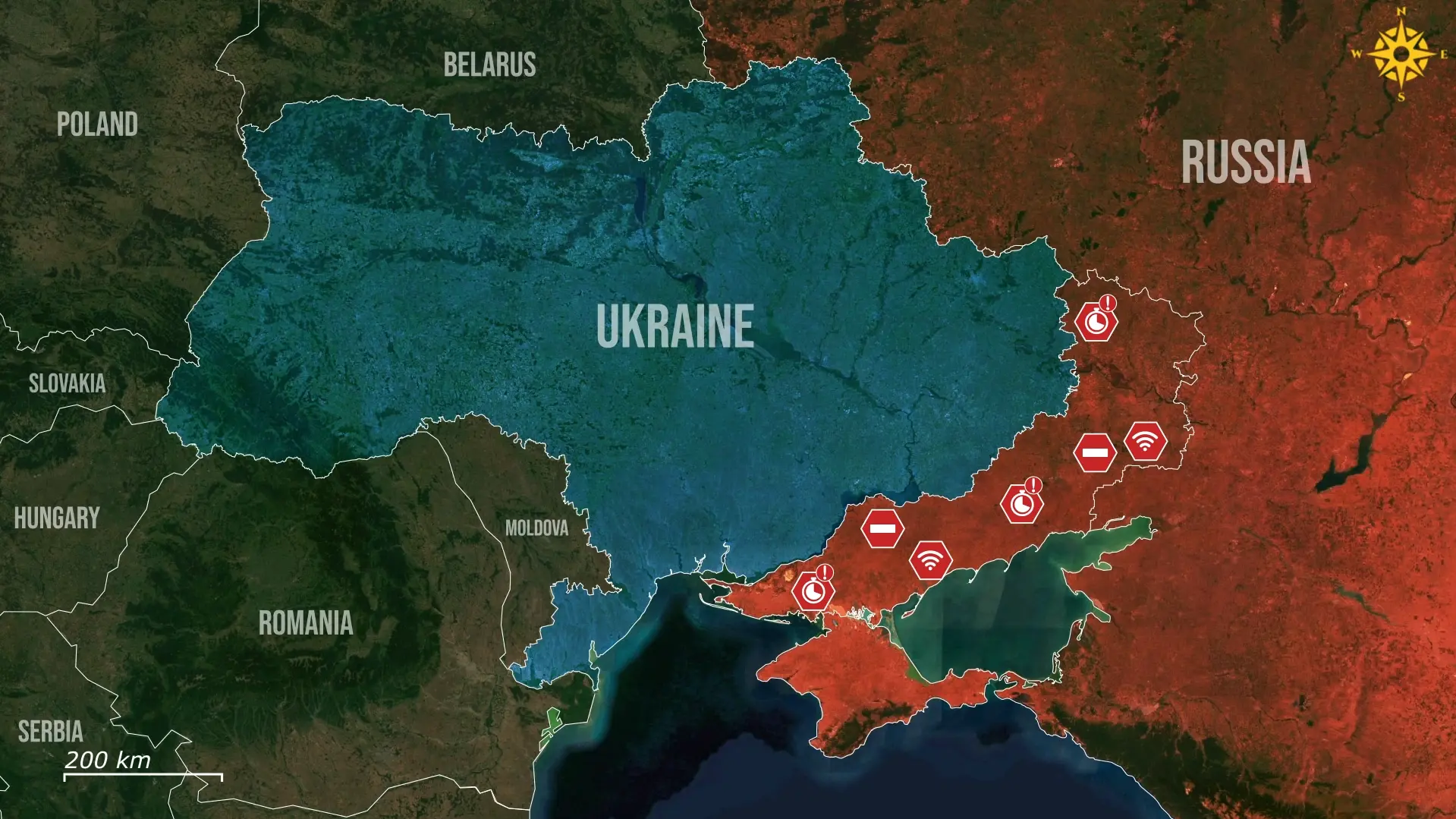
The complex situation is forcing Russia to adopt multiple new improvised strategies to restore and strengthen its communication capabilities, one of which is Wi-Fi bridges. To establish a Wi-Fi bridge, Russians deploy a large number of high-capacity wireless antennas, stretching from the frontline to the rear, where they connect to a main internet source, transferring data from the frontline to the rear and back.
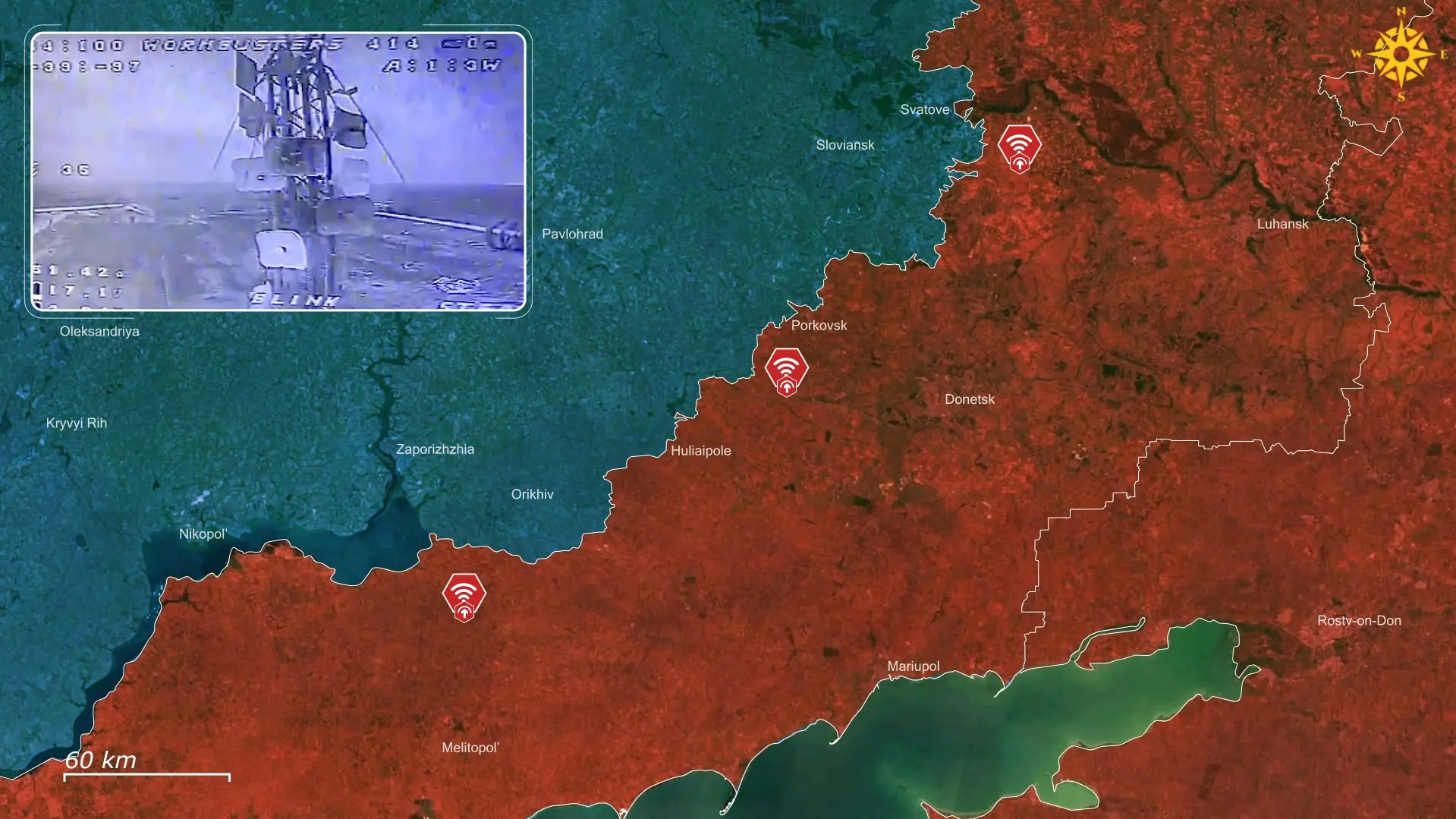
However, while these 5Wi-Fi bridges enable Russians to use their drone-strike capabilities and communication network again, it also has serious vulnerabilities. Because these antennas are mounted on tall towers and positioned in open and visible locations to give them as much reach as possible, Ukrainian drone operators can easily identify these targets.
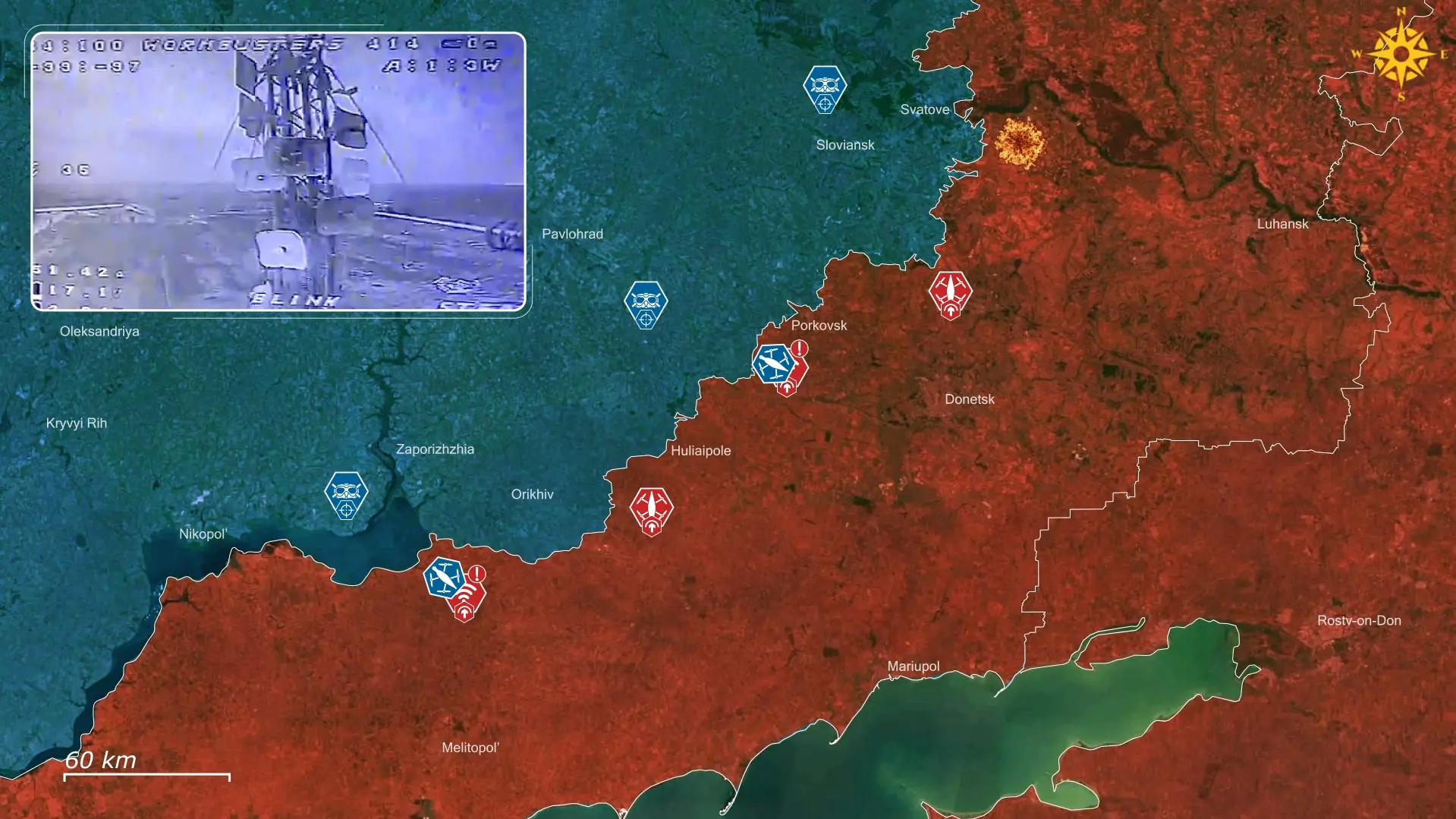
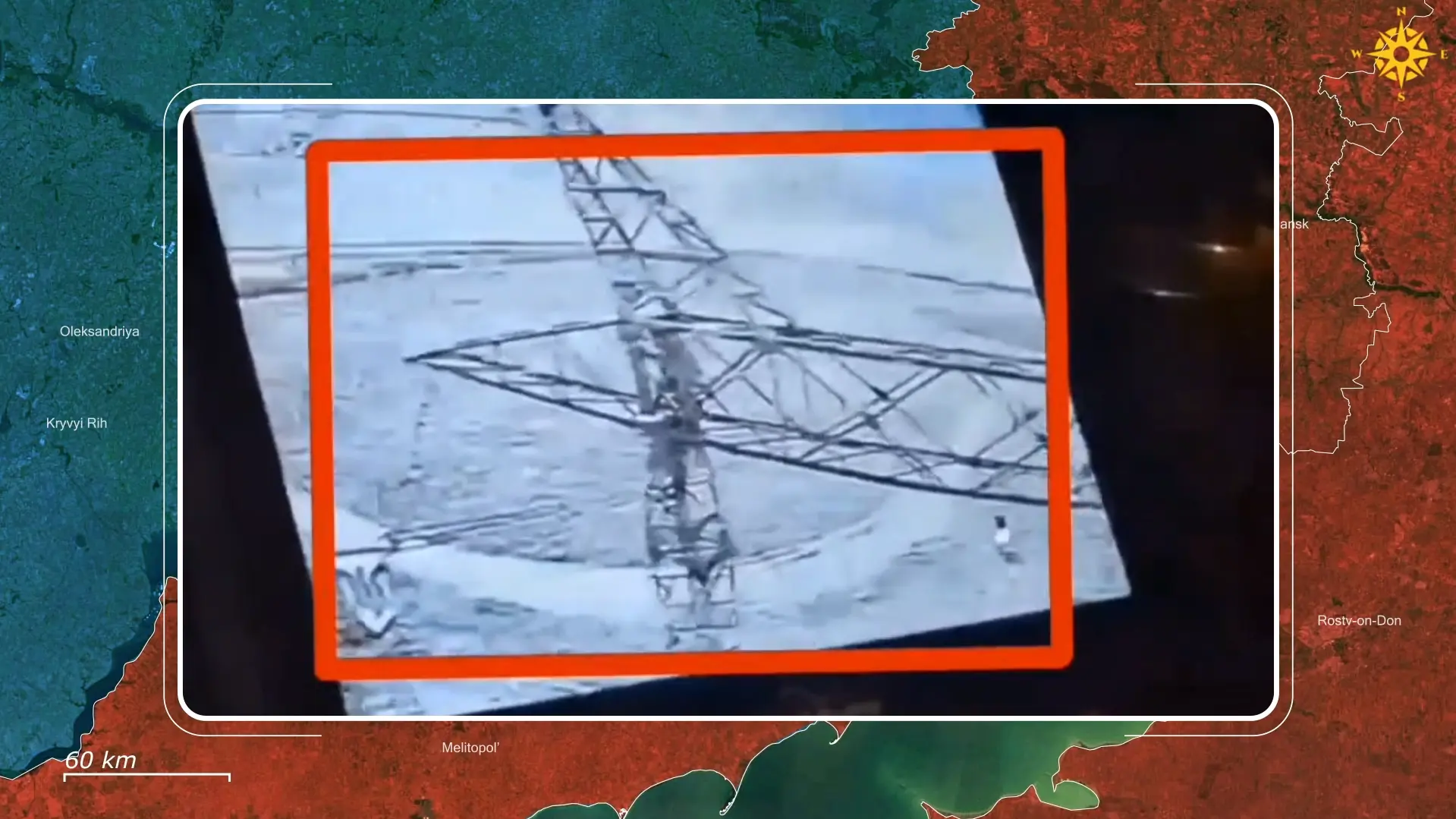
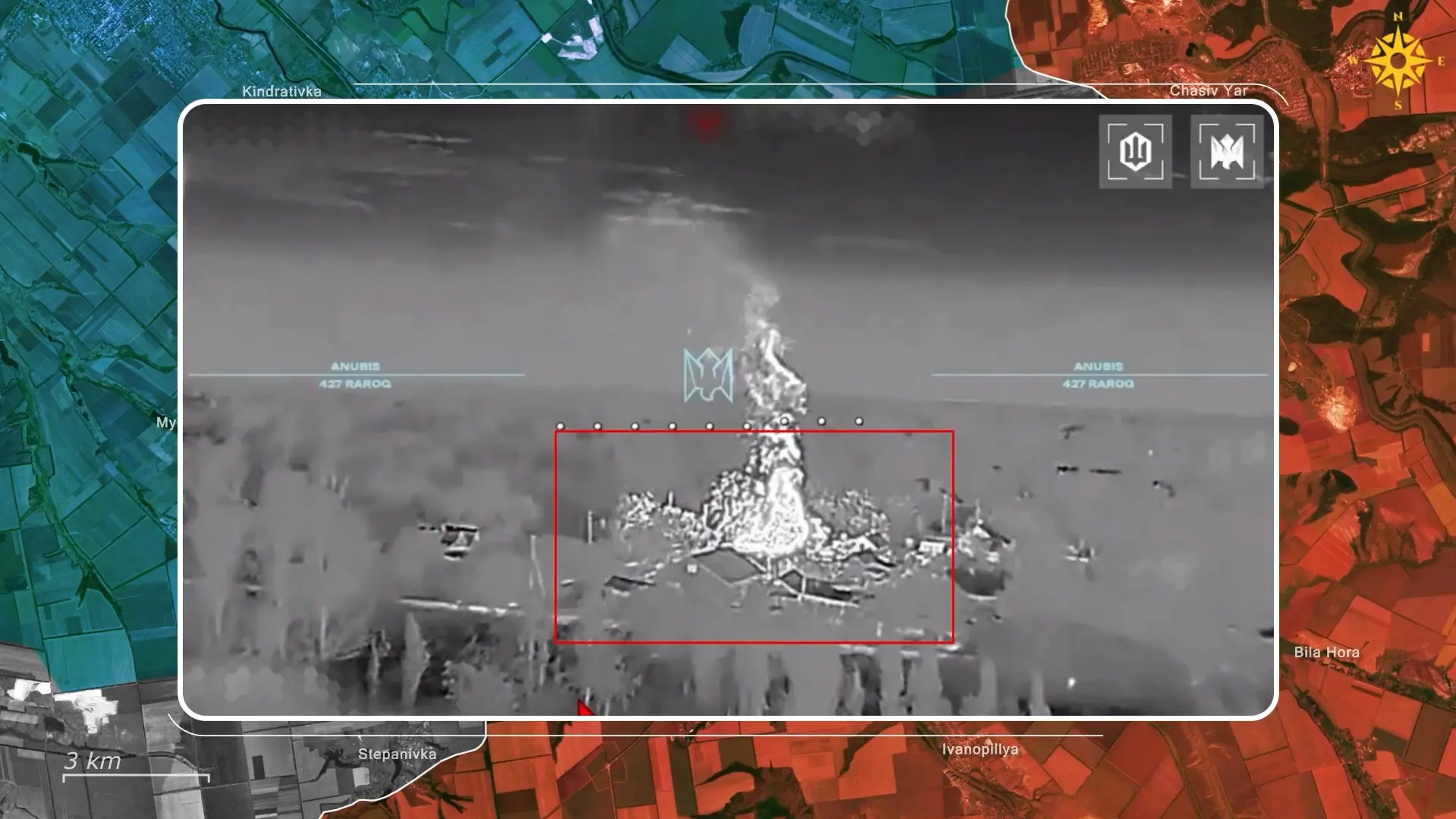
Geolocated footage already shows several cases of Ukrainian FPV’s eliminating Russian soldiers while they are setting up such a network. Further reporting indicates that one battalion at Stepnohirsk has already destroyed 43 of such relays in the past few days alone.
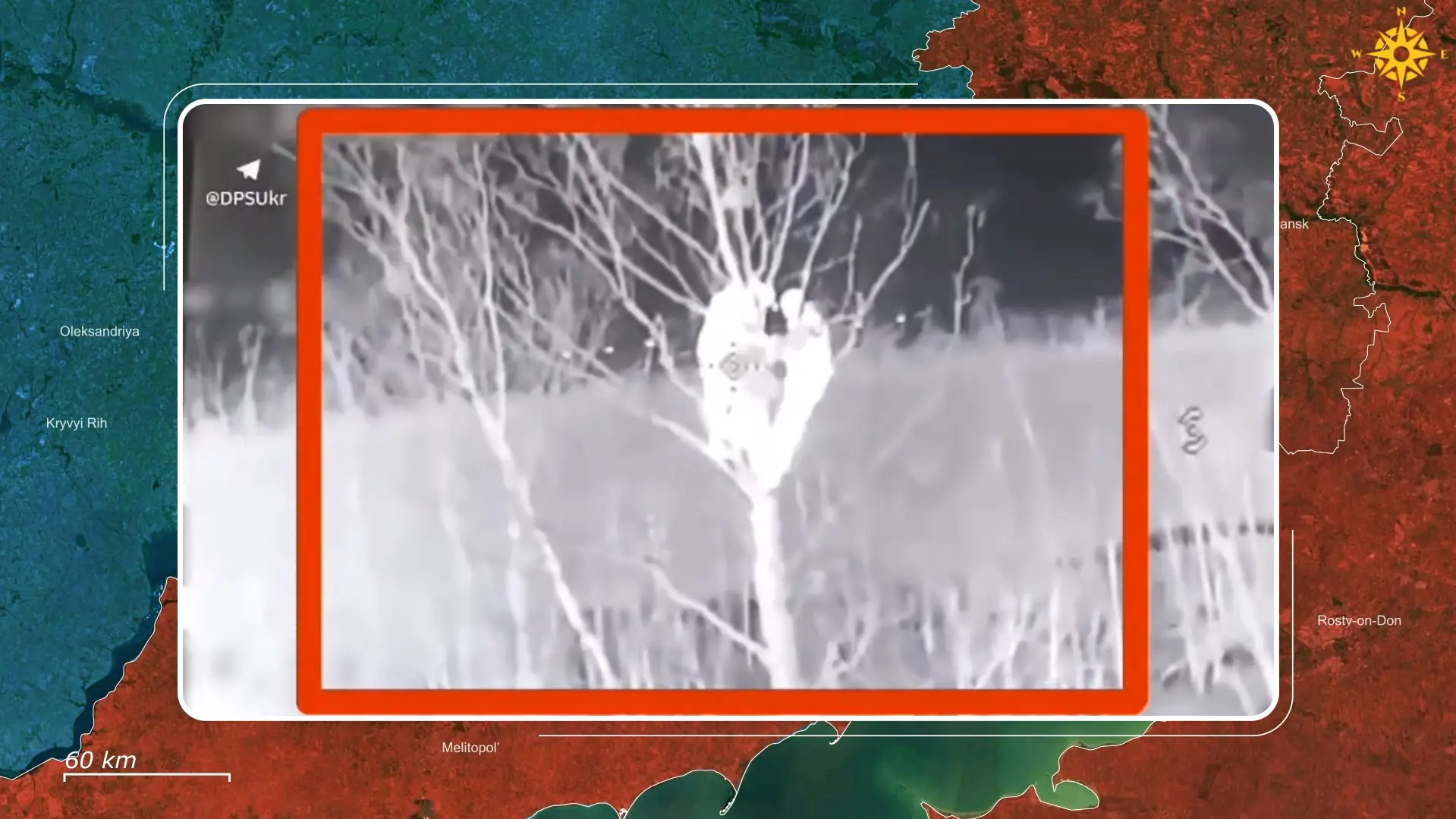
Since these antennas form an extensive, mesh-like network along the frontline, transferring signals from one antenna to another, the destruction of a single antenna can break Russia’s entire data transfer chain at the frontline, effectively paralyzing the communication system. Moreover, if a Ukrainian drone operator manages to locate a Russian antenna, signal analysis allows them to easily identify the Russian drone operators and electronic warfare stations nearby, placing both the operators and stations at direct risk.
Additionally, Russia has deployed a high-altitude stratospheric balloon platform named Barazh-1 to emulate satellite communications. The Barazh-1 balloon flies at an altitude of approximately 20 kilometers, protecting it from any threats posed by Ukrainian interceptor drones. At the same time, it is capable of carrying a 5G network terminal, allowing it to function as a high-altitude relay node, enabling units stationed on the Russian frontline to communicate quickly and continuously with each other.
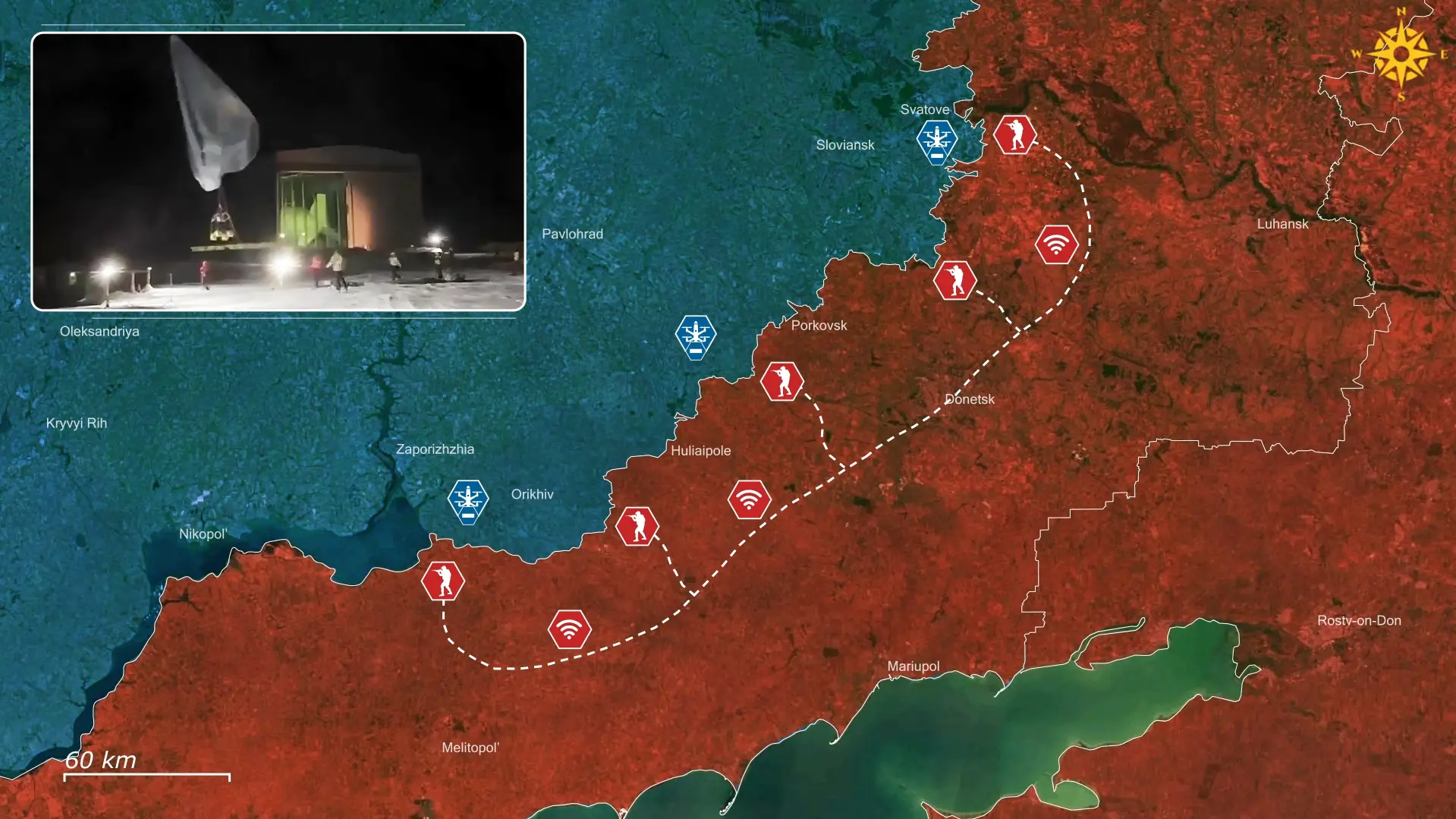
Furthermore, the Barazh-1 balloon is equipped with a pneumatic ballast system that automatically adjusts its altitude, allowing it to maintain a relative position over a designated area by harnessing stratospheric currents without conventional propulsion.
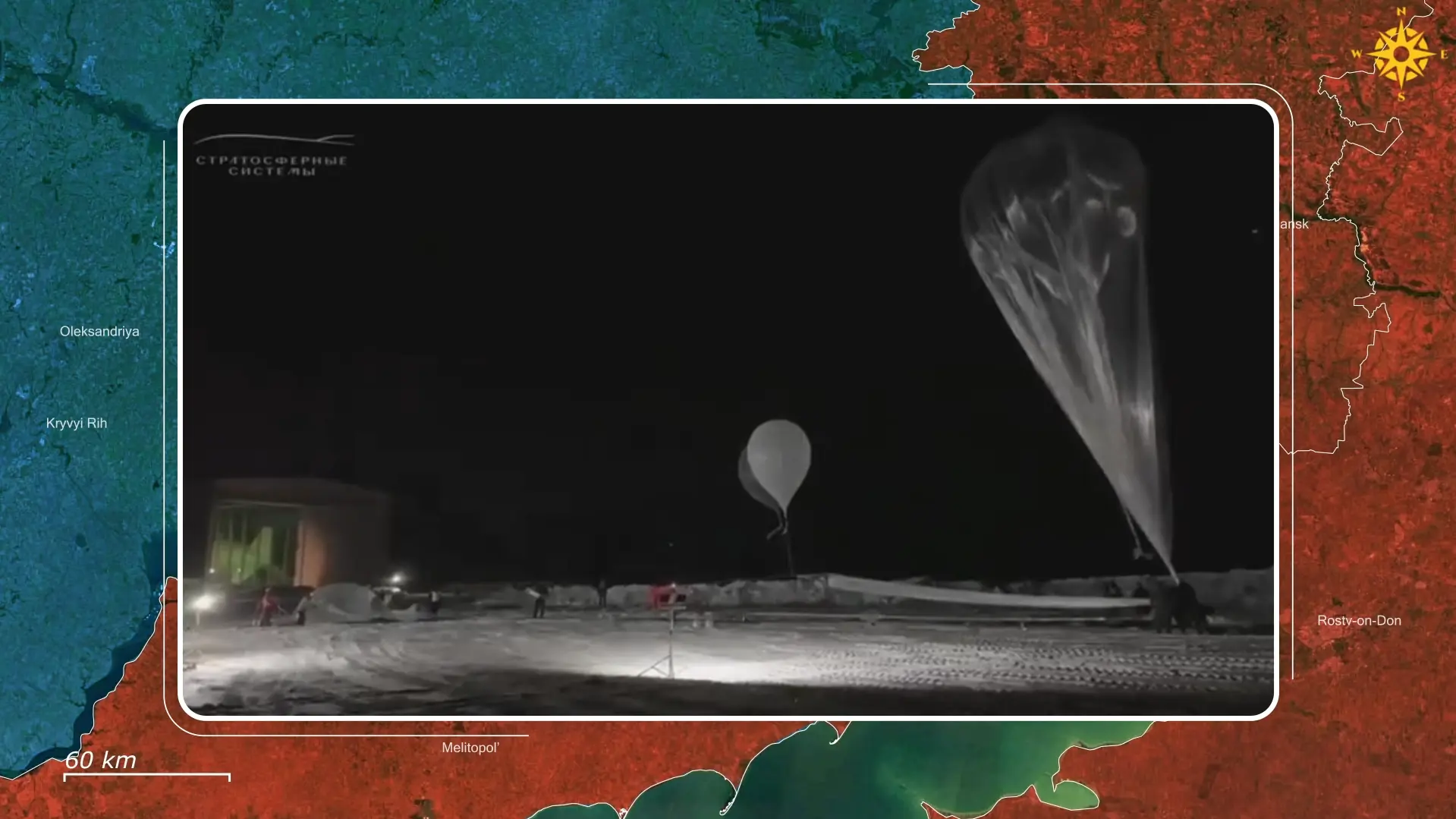
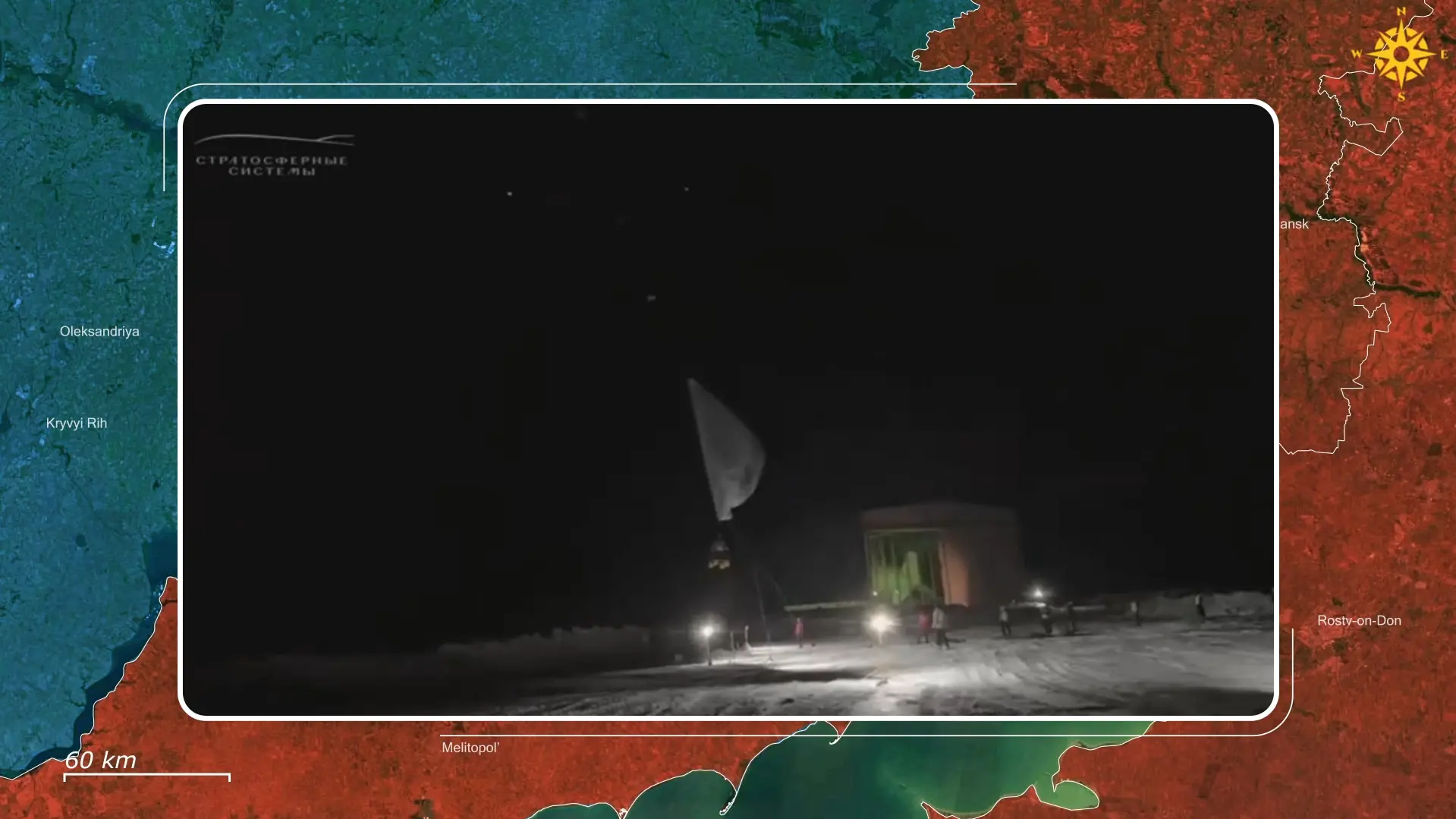
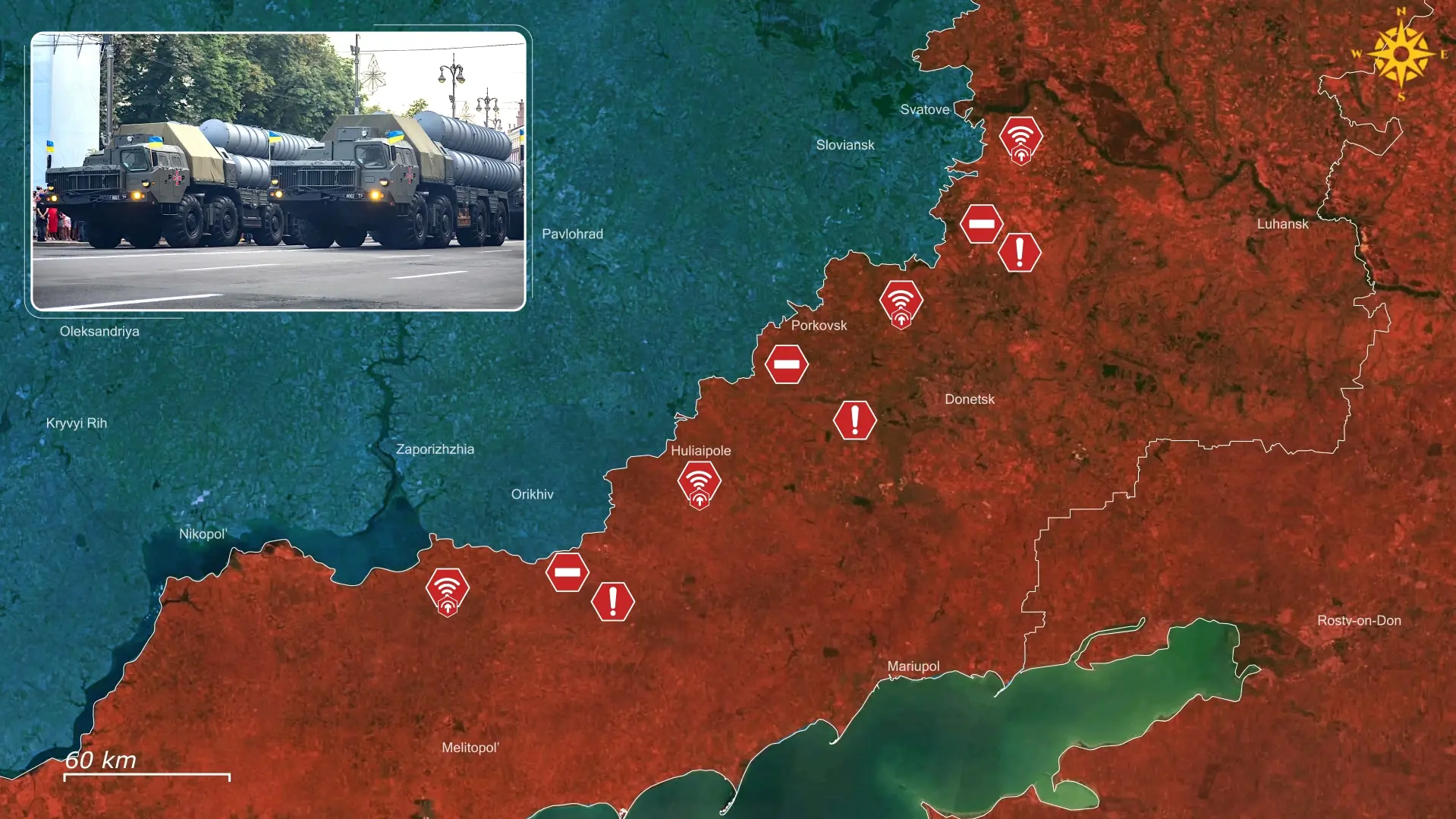
However, while Russians report they have successfully launched several such balloons in the past few weeks already, they can remain airborne for only a few weeks. This means that to maintain uninterrupted communications, the platforms need to be continuously replaced. Furthermore, the coverage of each Russian balloon is limited compared to that of satellites, making it difficult to monitor larger areas. Additionally, many of Ukraine’s air defense systems can easily neutralize targets at these altitudes, such as the S-300, Samp-T, and even simple jet fighters with sidewinder missiles. Therefore, if a Russian internet balloon comes even a bit too close to Ukrainian airspace, it could be quickly destroyed, completely undermining its strategic and tactical impact.
Overall, while Russia’s domestic and improvised systems are technically capable of restoring data transmission, they are fundamentally lacking compared to Starlink’s low-Earth-orbit satellite network. These systems have slower data transfer rates, require large, high-power-consumption antennas, and are not suitable for rapid deployment or concealment near the frontlines.
While these systems offer Russia some short-term respite, their long-term effectiveness is expected to be lacking. In turn, Russia is spending its valuable time and efforts on technologies designed to address temporary and civilian problems, hindering the development of a permanent Russian military communication system for the future.

.jpg)


Comments