

.svg)
Today, we will look at how aerial war developed in Ukraine.
Here, Russian air forces, one of the most powerful in the world, wanted to dominate Ukraine’s sky, expecting to overwhelm it within the first hours. Yet, the expected Russian air blitz instead turned into a David versus Goliath fight for air superiority, in which Ukraine managed to hold the sky against the odds.
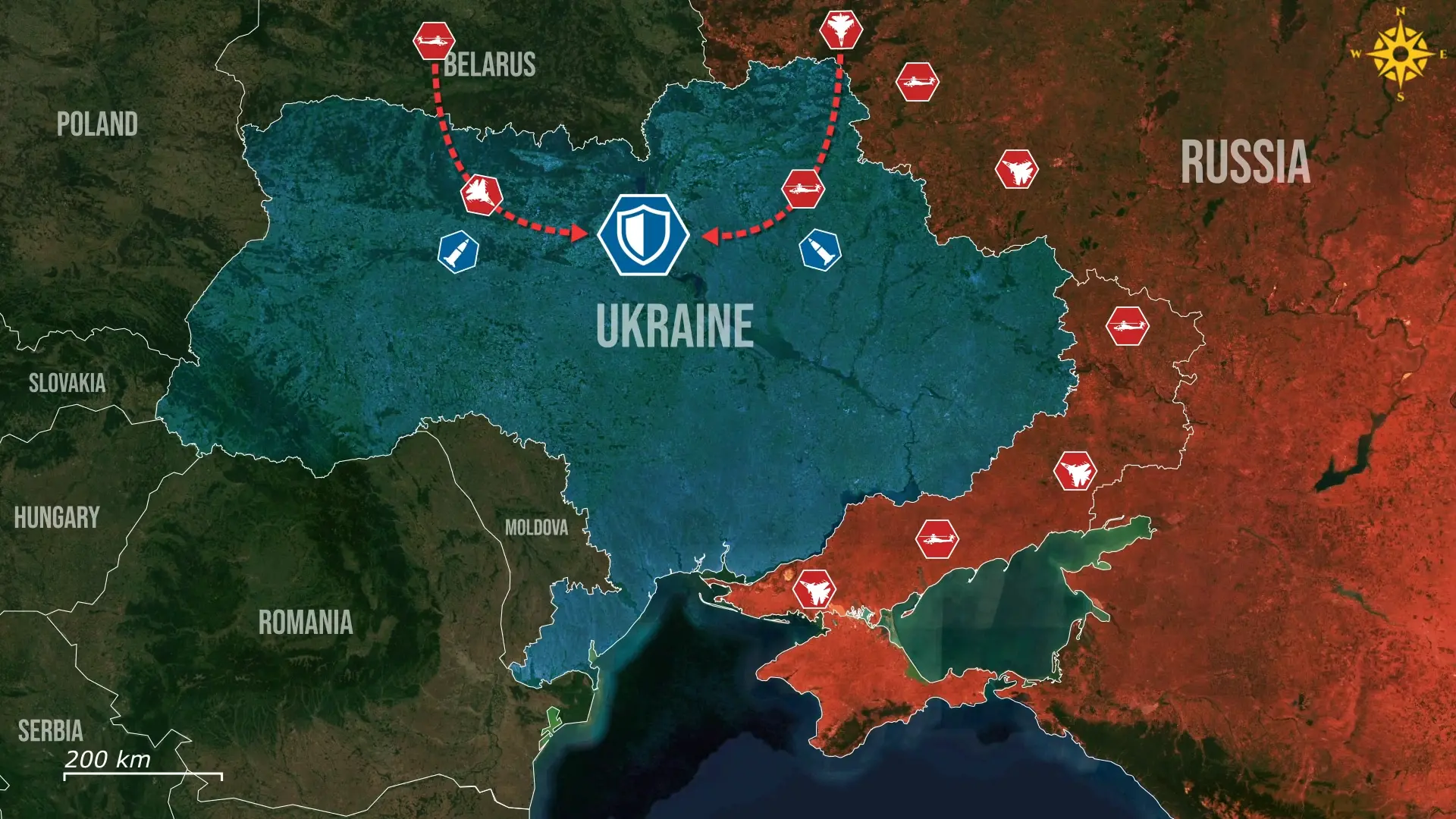
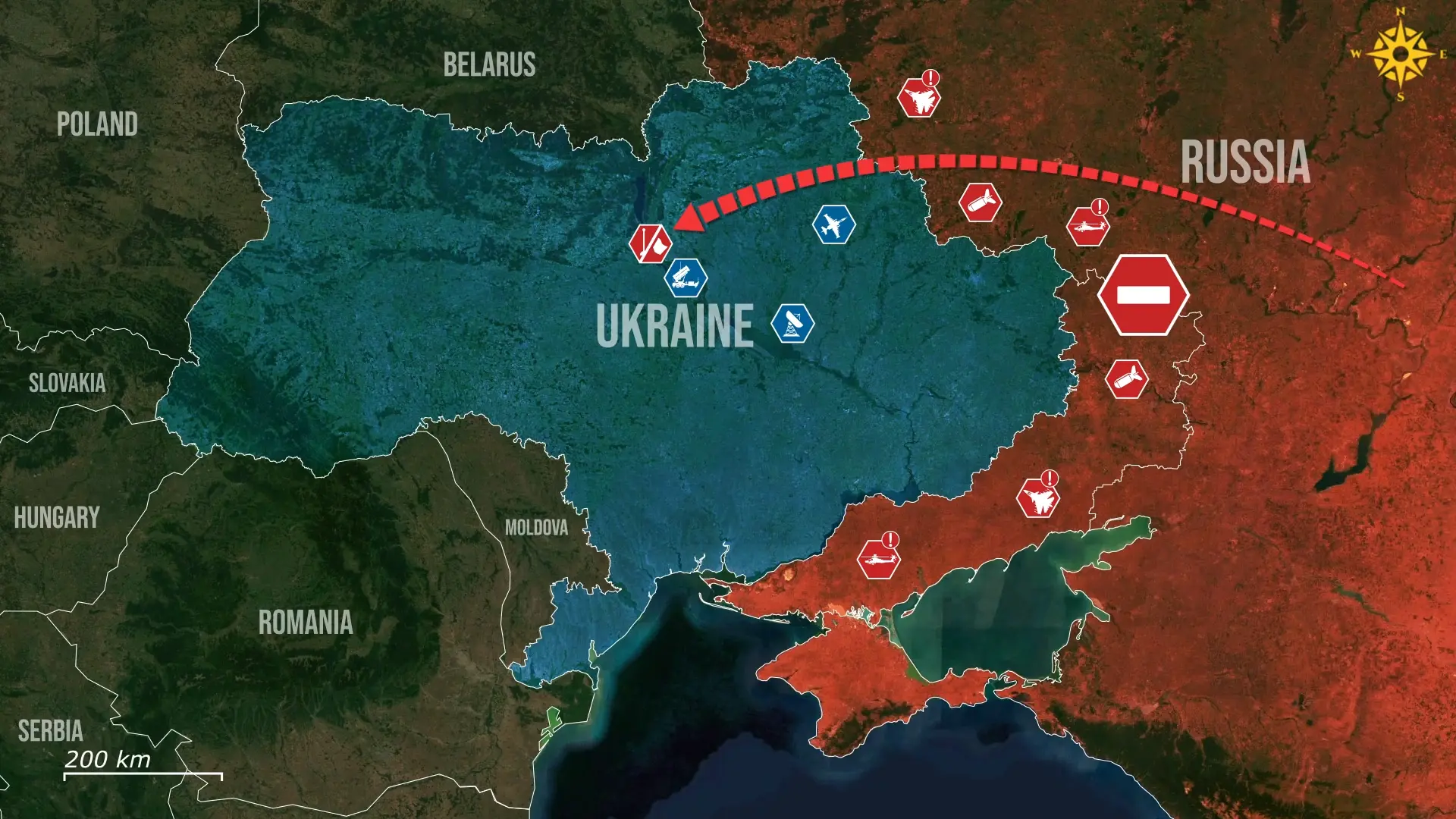
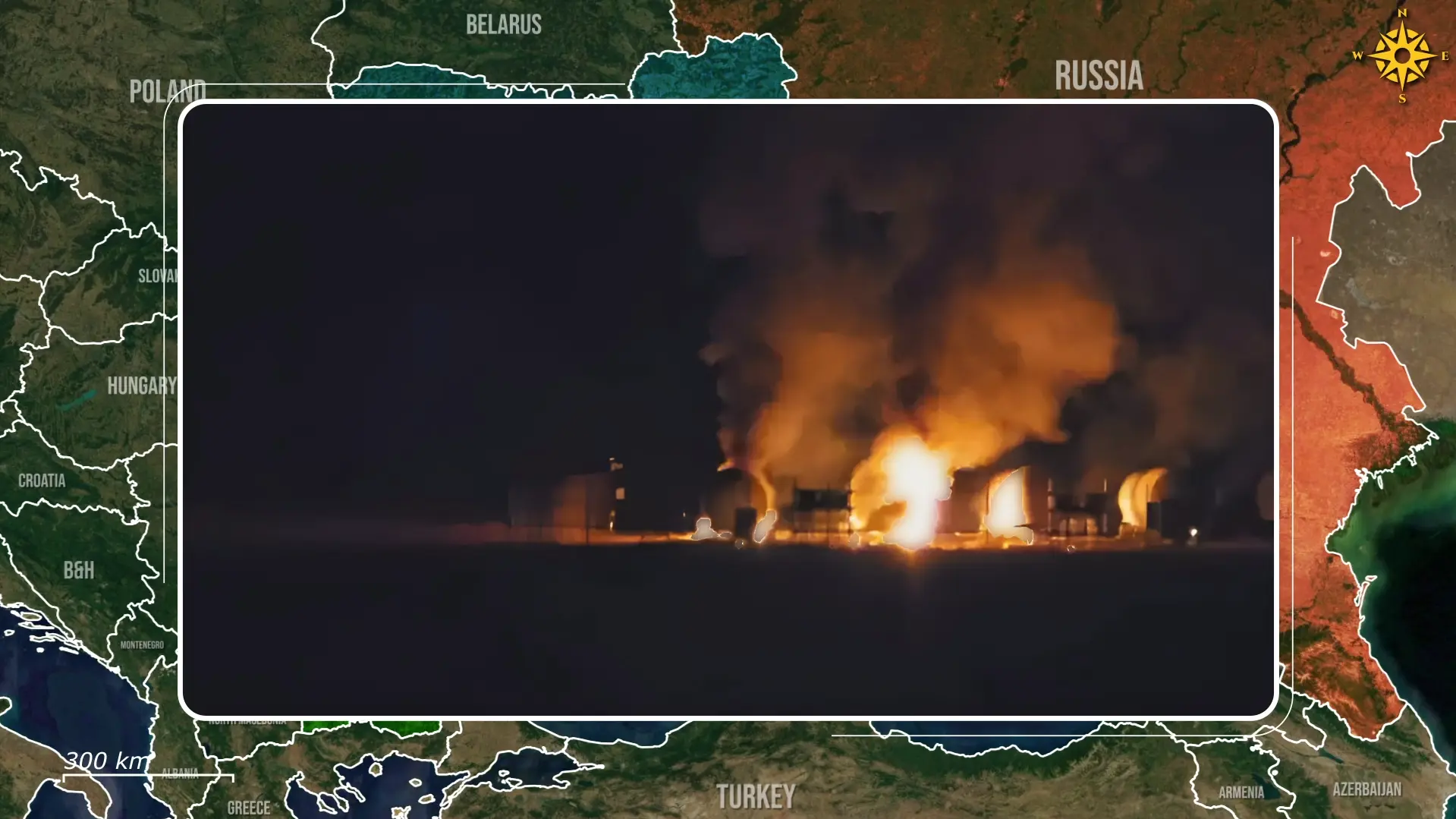
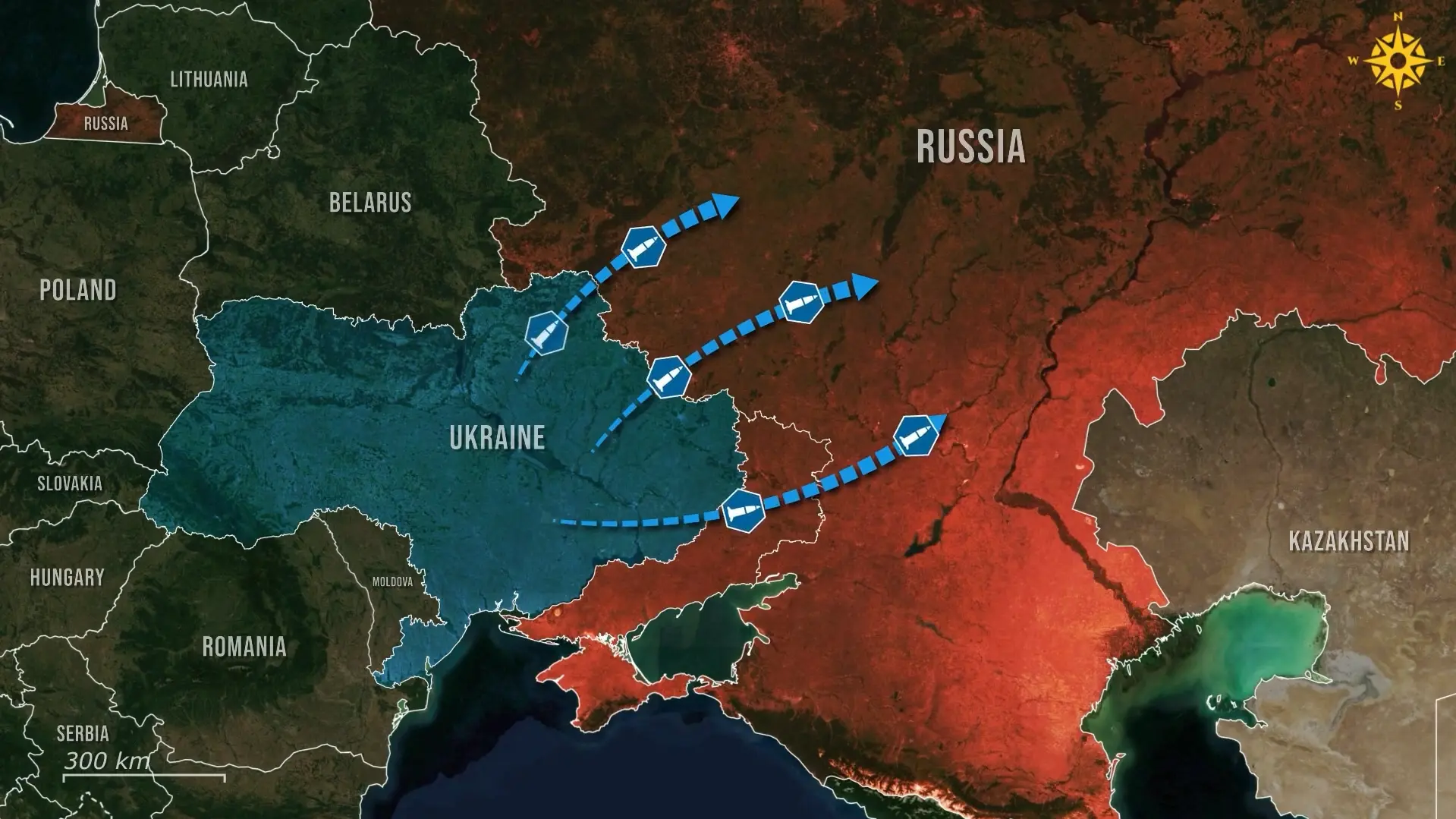
When Russia launched its full-scale invasion on the twenty fourth of February 4 years ago, it opened with a coordinated wave of missile strikes designed to dismantle Ukraine’s command system and disable the whole air defense network. The goal was to break coordination and remove threats to Russian aircraft, creating the conditions for unrestricted operations and a rapid decapitation campaign.
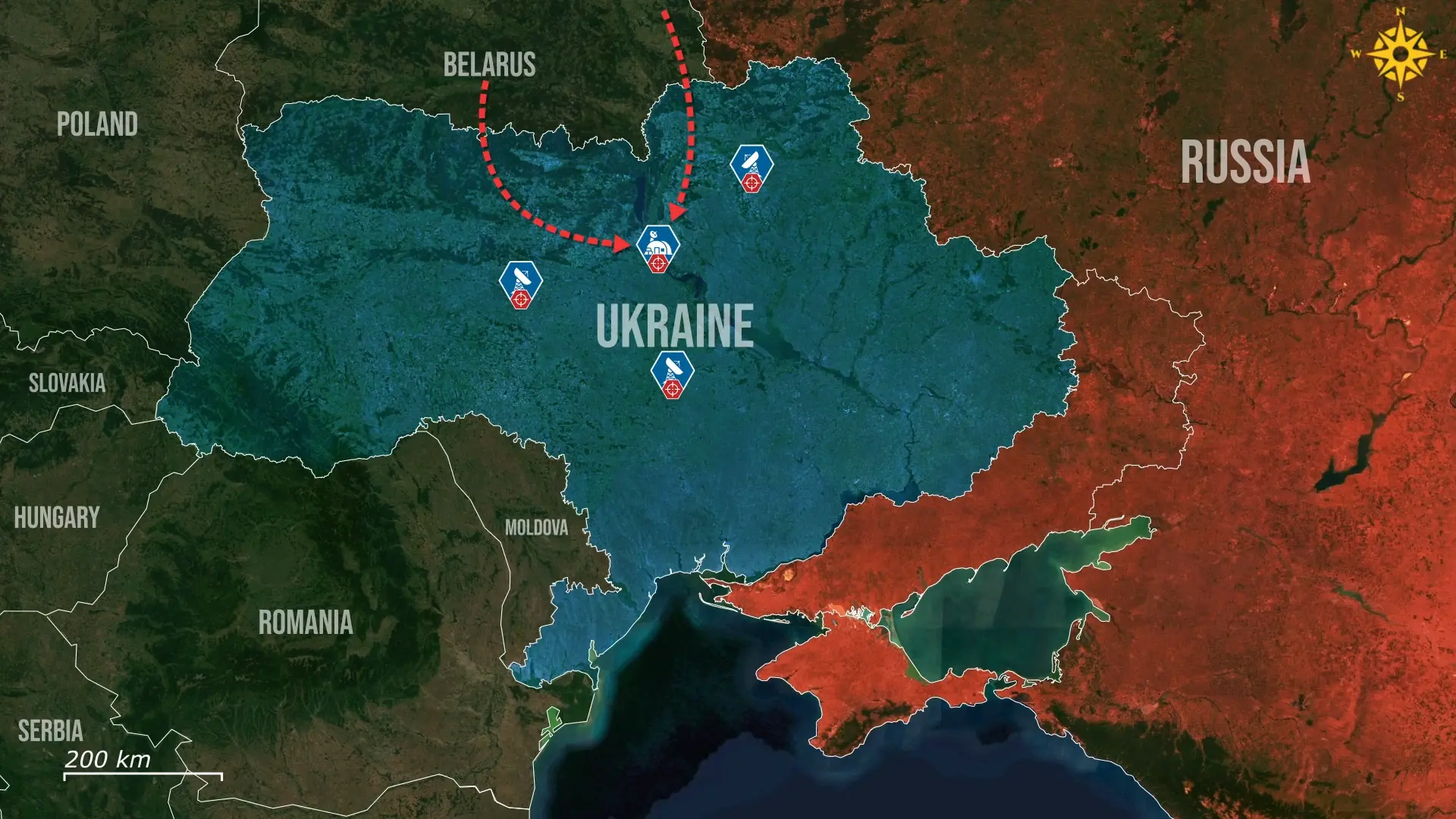
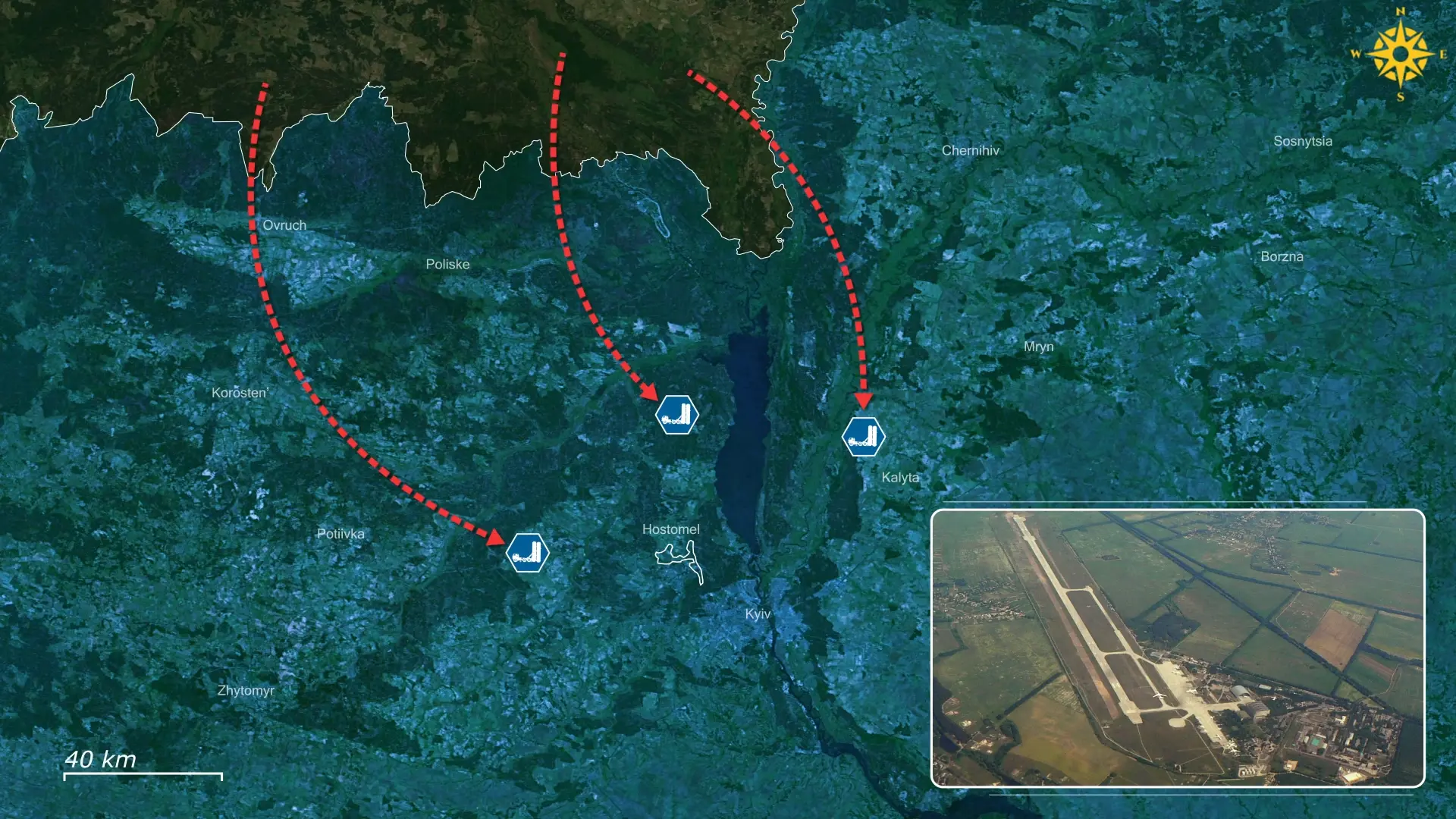
Hostomel airport near Kyiv was one of the key elements of this plan, intended to serve as a forward air bridge once control of the sky had been established. However, this concept depended on suppressing Ukrainian air defenses in the opening hours by targeting them at positions where Russian planners expected them to be.
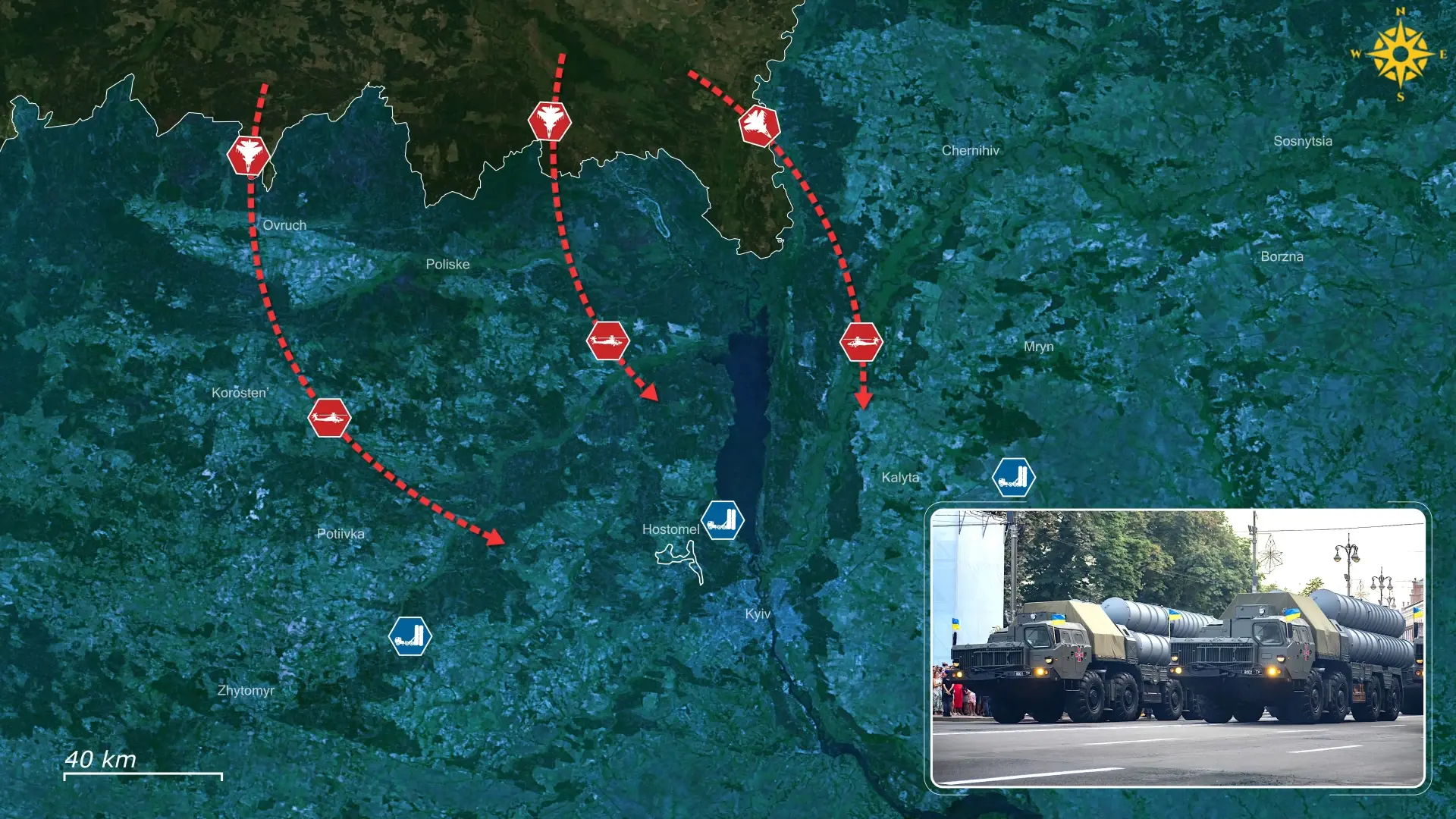
However, Ukraine dispersed its air defense before the first strikes landed, with units leaving their peacetime positions, so Russian missiles hit locations that were mostly empty.
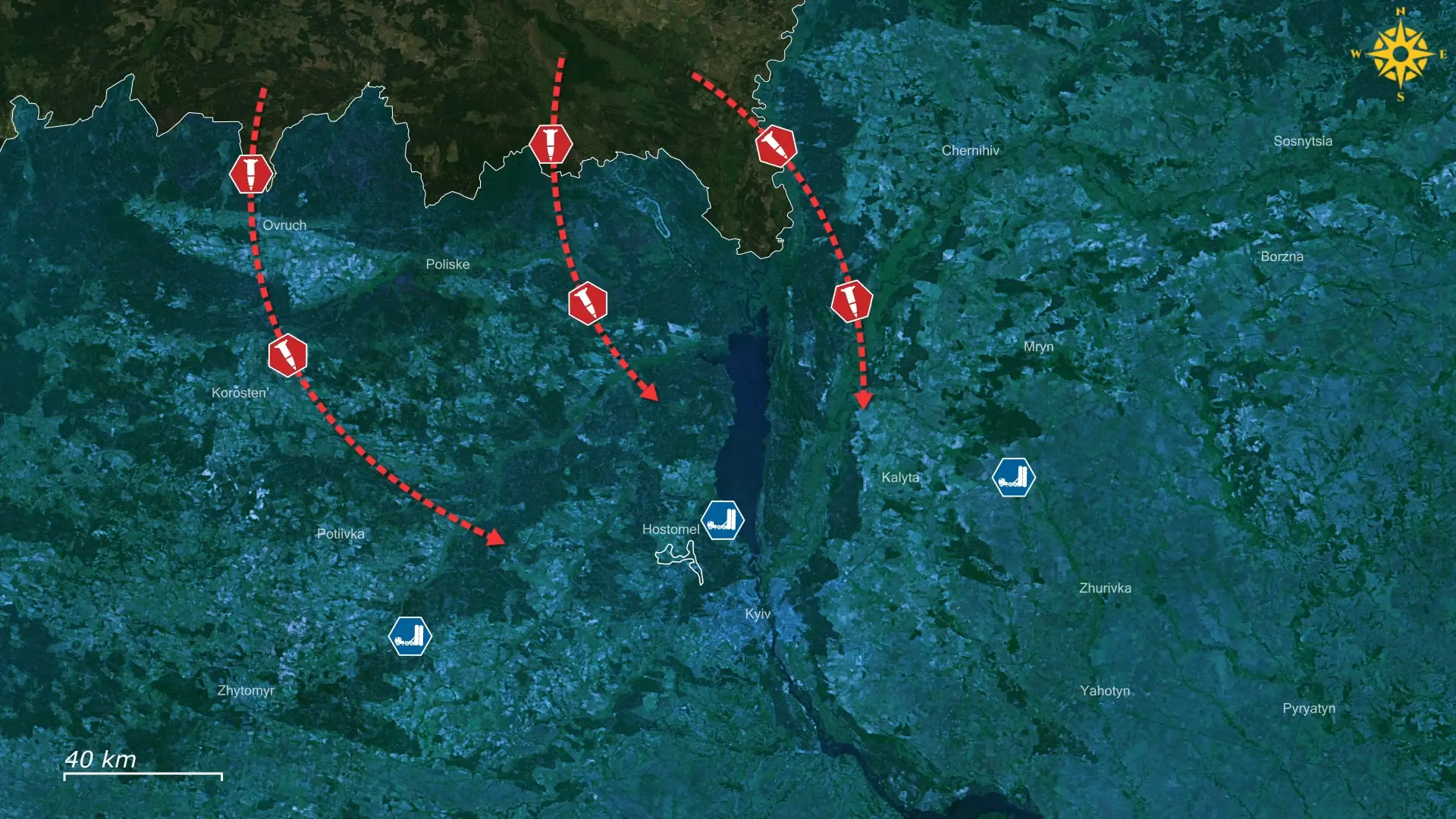
This allowed key systems to survive and remain active from the start, as for example, S three hundred launchers then denied Russian aircraft the ability to operate at higher altitude, forcing them to operate at lower height where they became exposed to additional air defense threats.
Once Russian aircraft were pushed to fly lower, Ukrainian Buk surface-to-air missile systems made the airspace even more dangerous, working as mobile ambush teams that responded to short radar activation, launched missiles against Russian targets, and then changed positions before enemy pilots could respond.
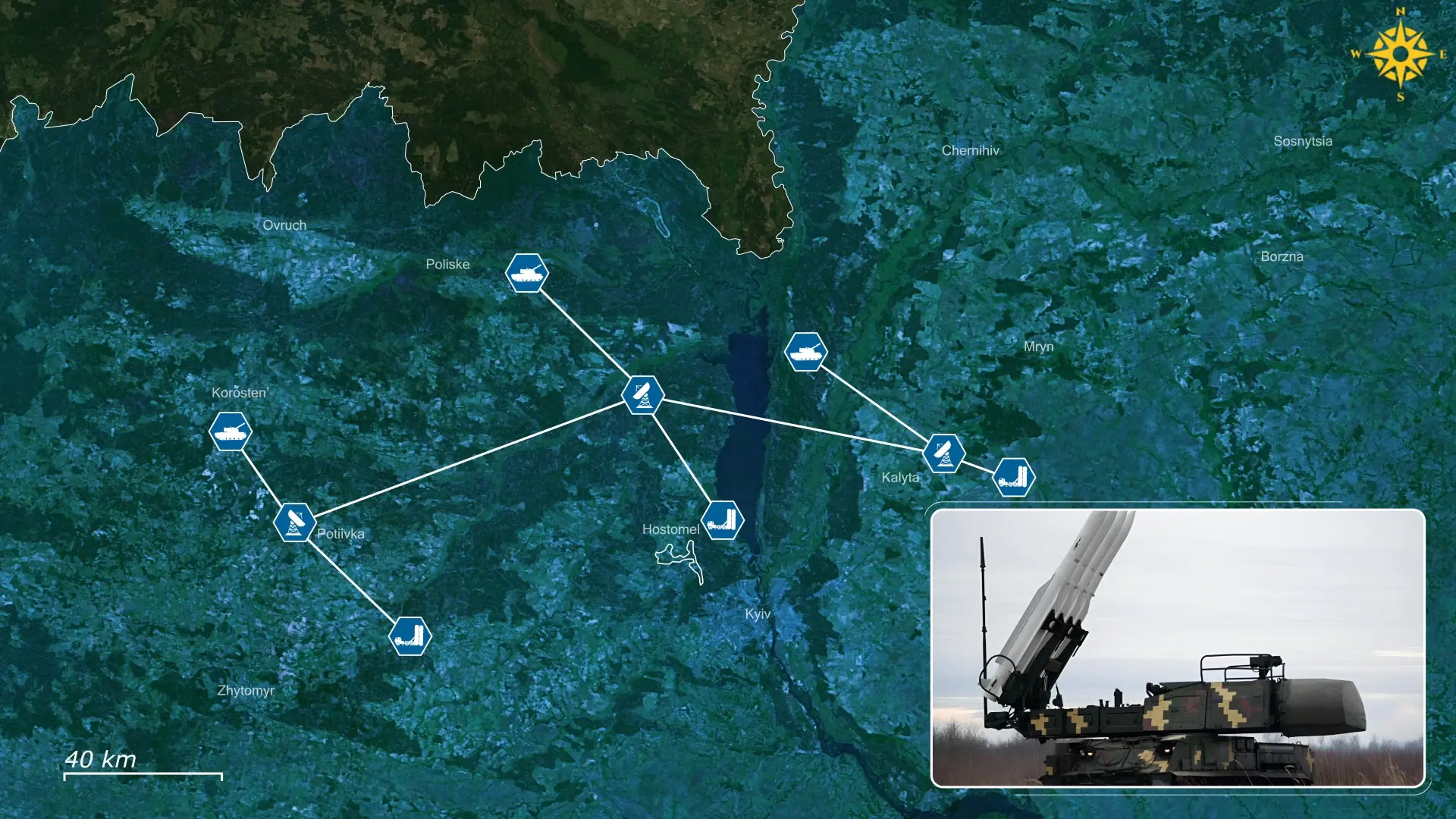
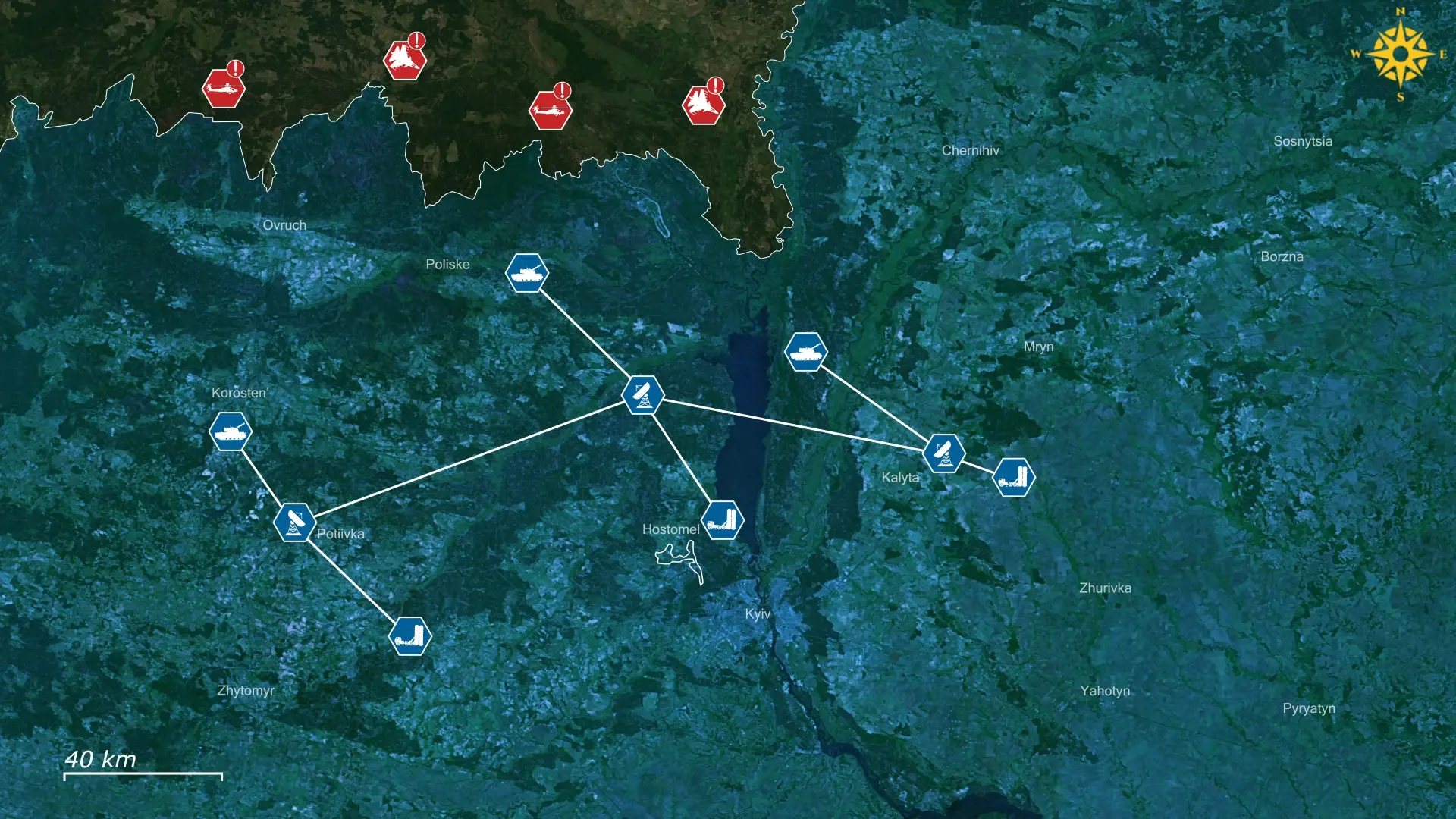
In practice, this meant there were no reliable safe corridors over the Kyiv region, so without predictable routes, pilots could not conduct repeated sorties with confidence, which limited sustained air operations from the very crucial first moment.
Ukrainian fighter aviation also played a critical role in keeping the airspace contested, as Mig twenty nine fighters and Su twenty seven fighters disrupted Russian operations by forcing close-range engagements, flying low to avoid detection by enemy radars, and pushing Russian aircraft into areas covered by ground-based air defenses.
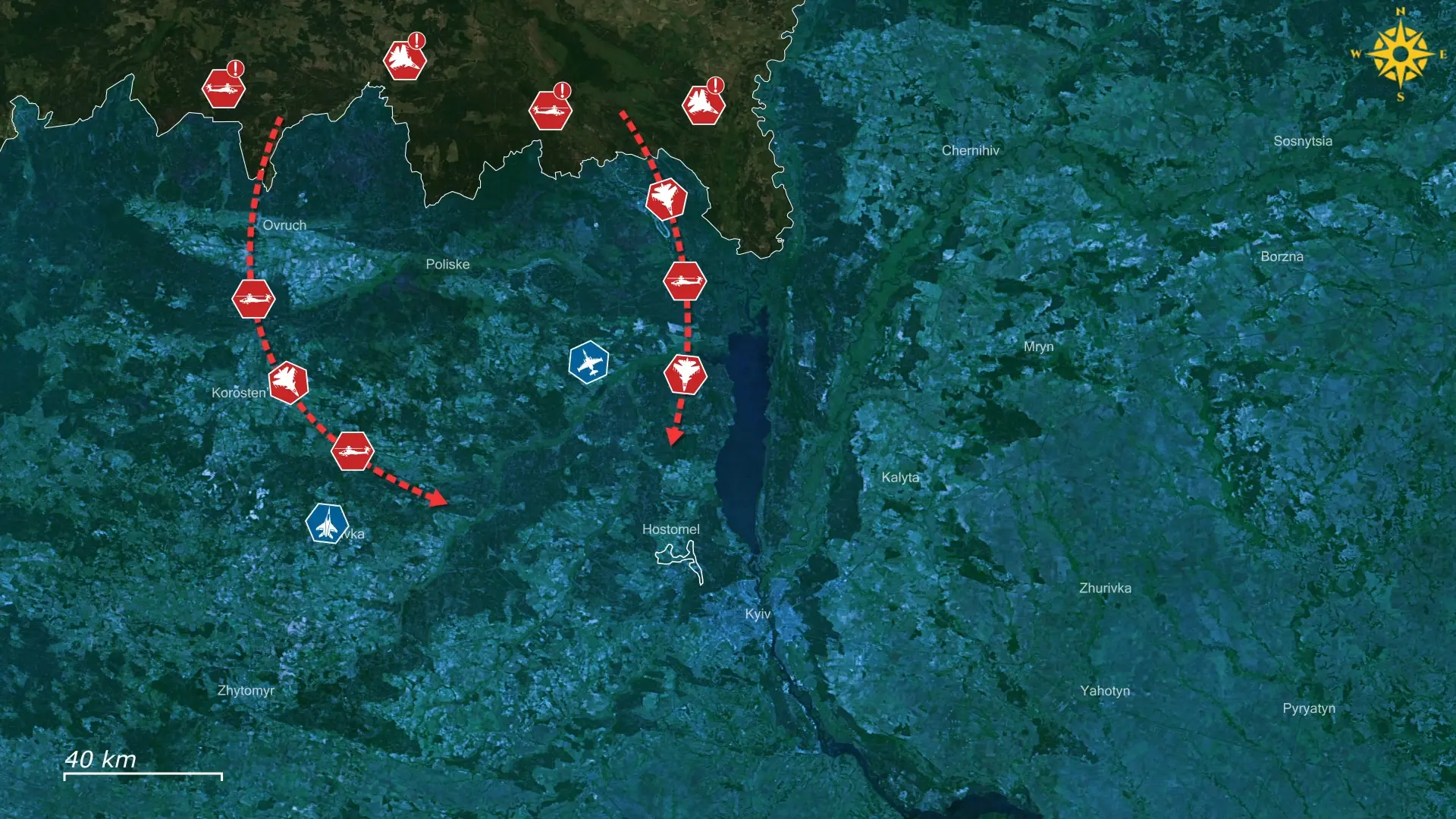
This is where the Ghost of Kyiv story was born, not as a literal account of one pilot’s achievements, but as a reflection that Russian aviation not only never secured control of the Ukrainian sky but left Russian forces on the ground exposed.
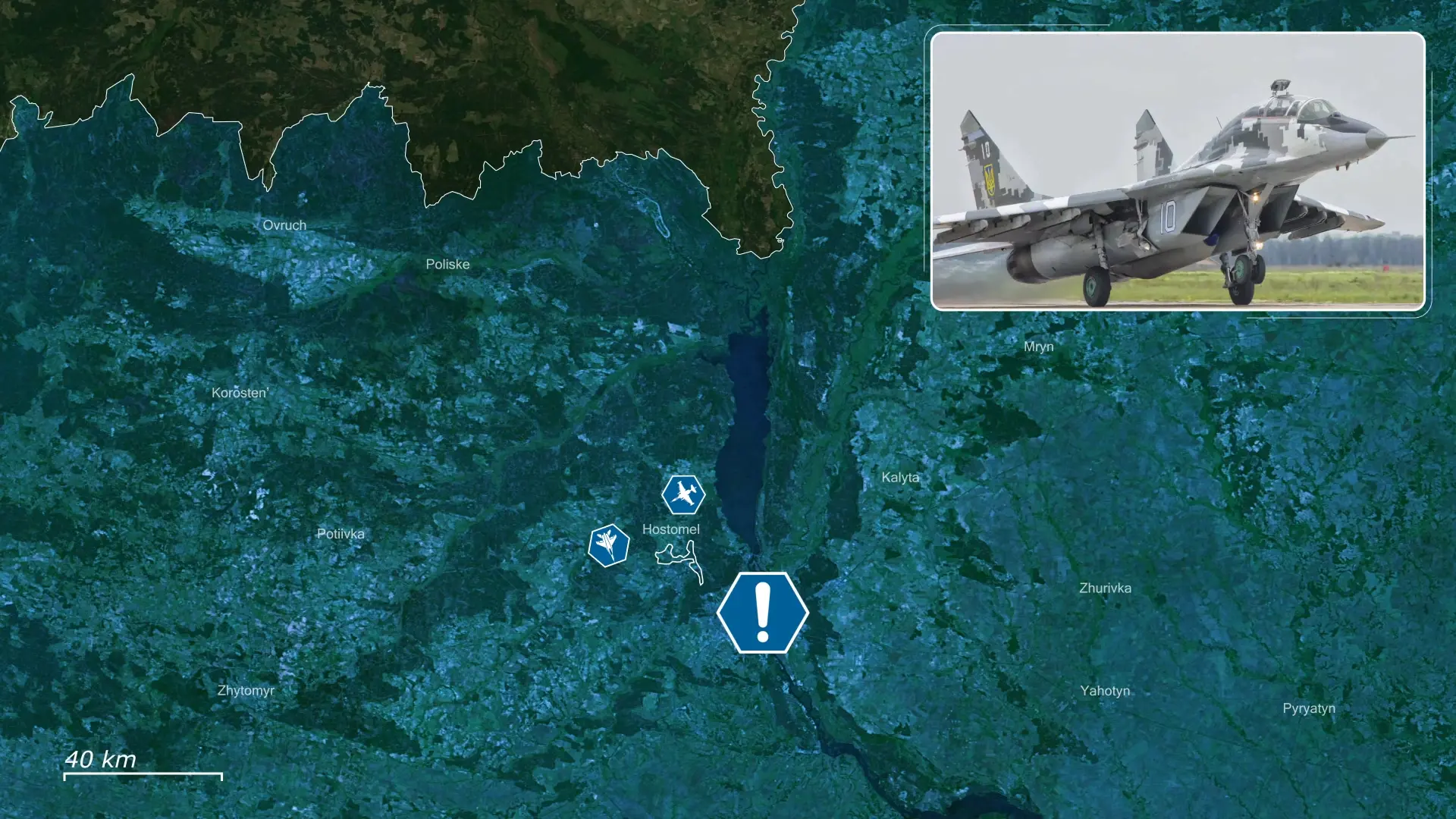
This Russian failure left Russian columns advancing around Kyiv moving along fixed routes without reliable air cover. This allowed Ukrainian Su twenty-four and Su twenty five crews to fly at very low altitude and strike fuel trucks, supply vehicles, and command elements that should have kept the Russian offensive moving. These strikes created deadly bottlenecks, slowing the advance, preventing it from maintaining momentum, and finally breaking it up completely.
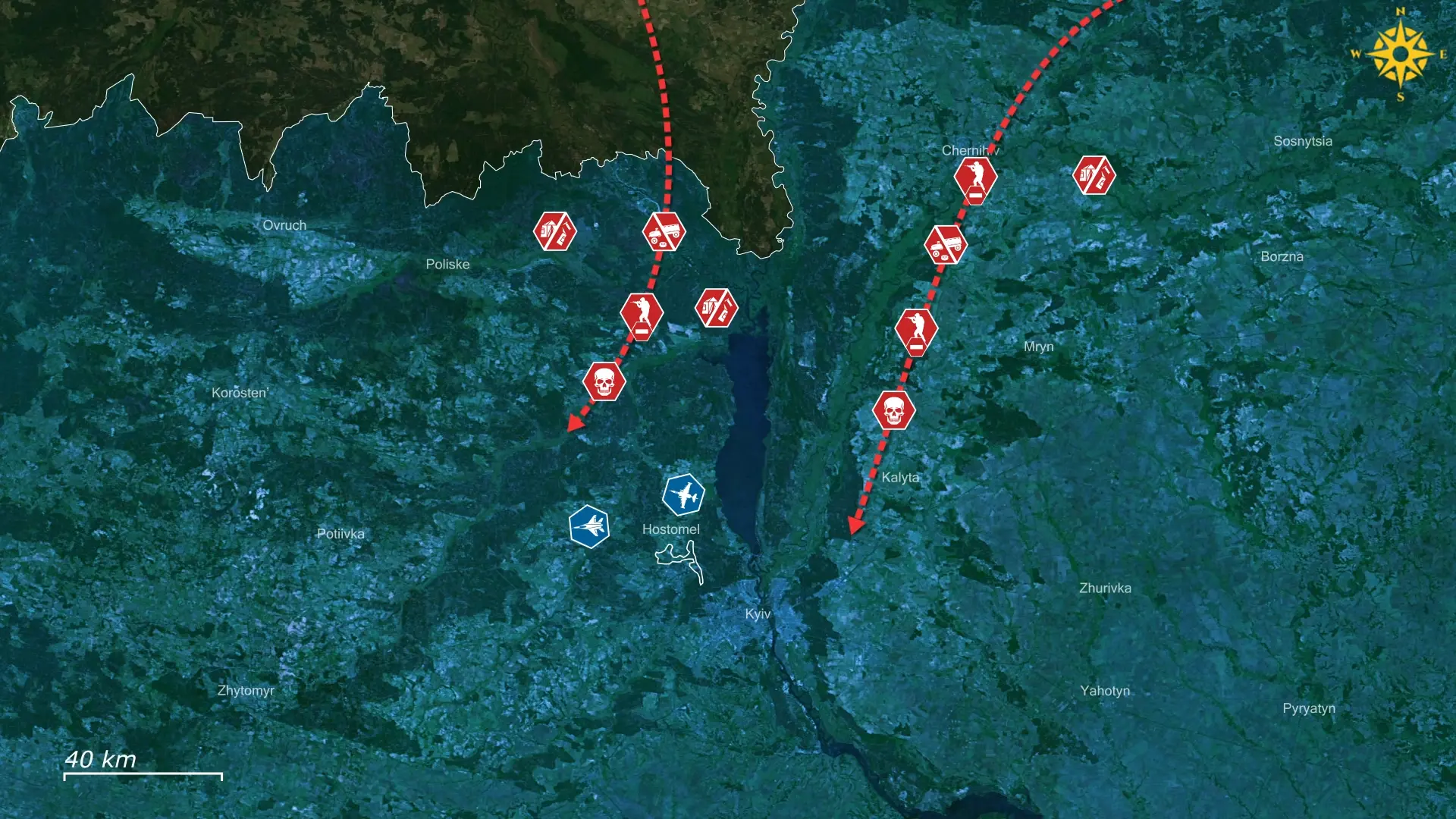
This revealed the difference in command culture as the deeper reason for the Russian failure, as Russian officers relied on a rigid model that assumed the first strike would succeed, exposing them as unprepared for other outcomes.
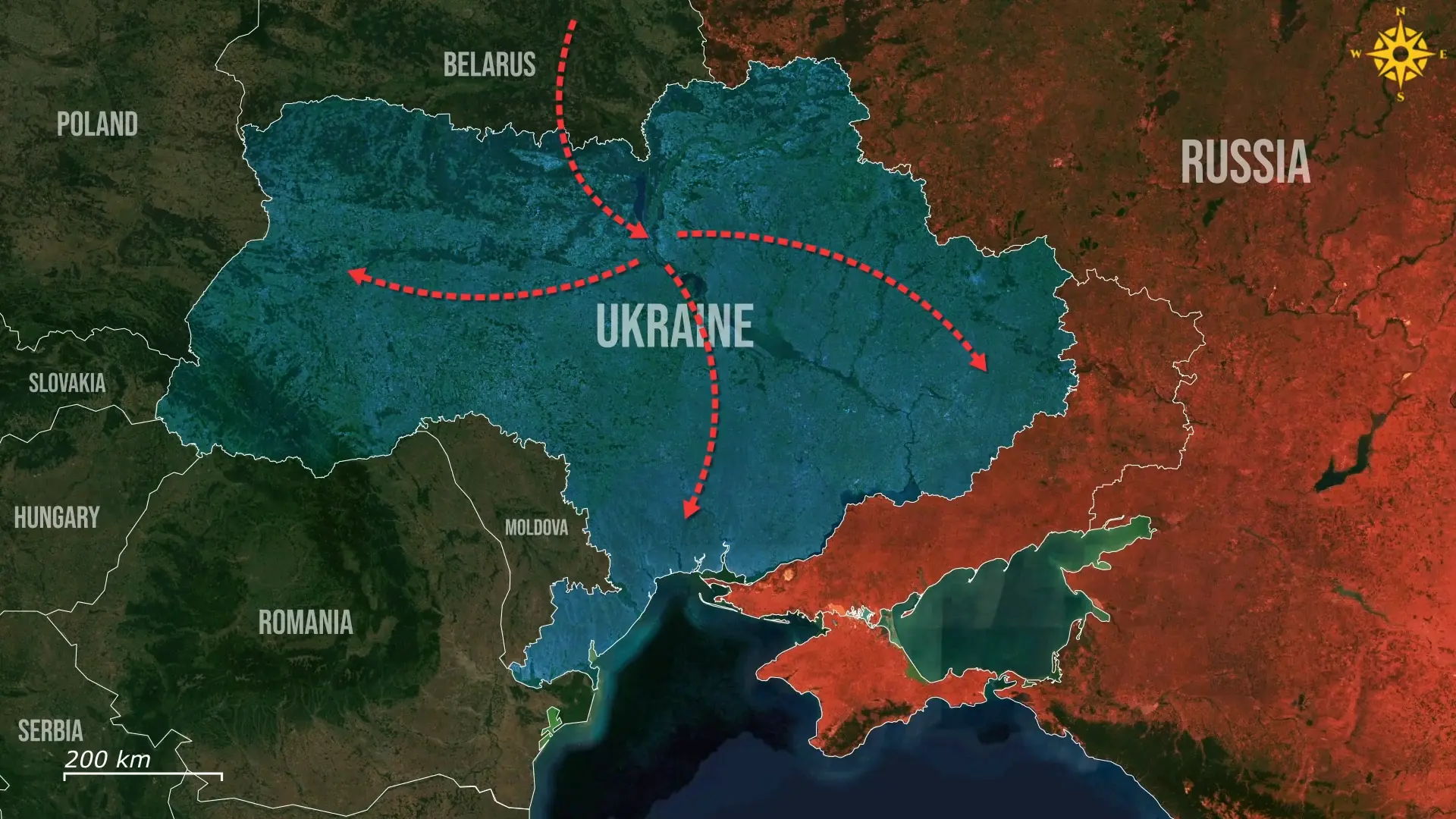
Ukraine operated differently, dispersing its units early to avoid getting them destroyed in fixed positions. Communication between units was maintained as those positions shifted, which allowed coordination to continue, enabling local commanders to act without waiting for central orders, speeding up decisions in rapidly changing conditions and allowing Ukraine to adapt faster than Russian forces could respond.
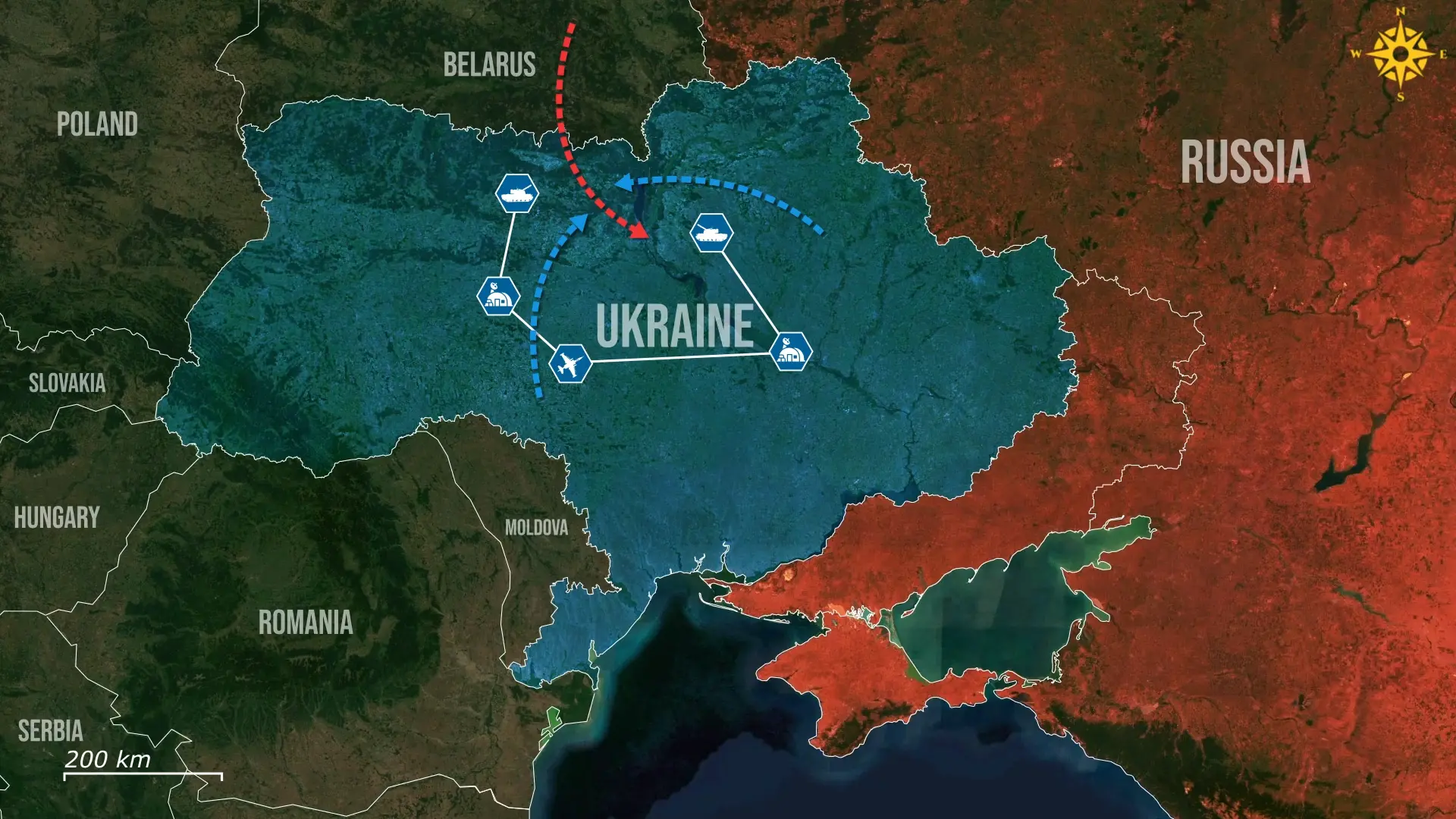
The air war has since evolved, and Ukraine now operates a layered air defense network, where Western systems extend coverage and reduce gaps left by older Soviet systems, making the airspace harder to penetrate. In response, Russia has shifted away from deep penetration attempts and relies more on glide bombs launched from a distance, while missiles and drones allow strikes without entering defended airspace, and front-line sorties remain limited, with each trial punished immediately by Ukrainian air defense.
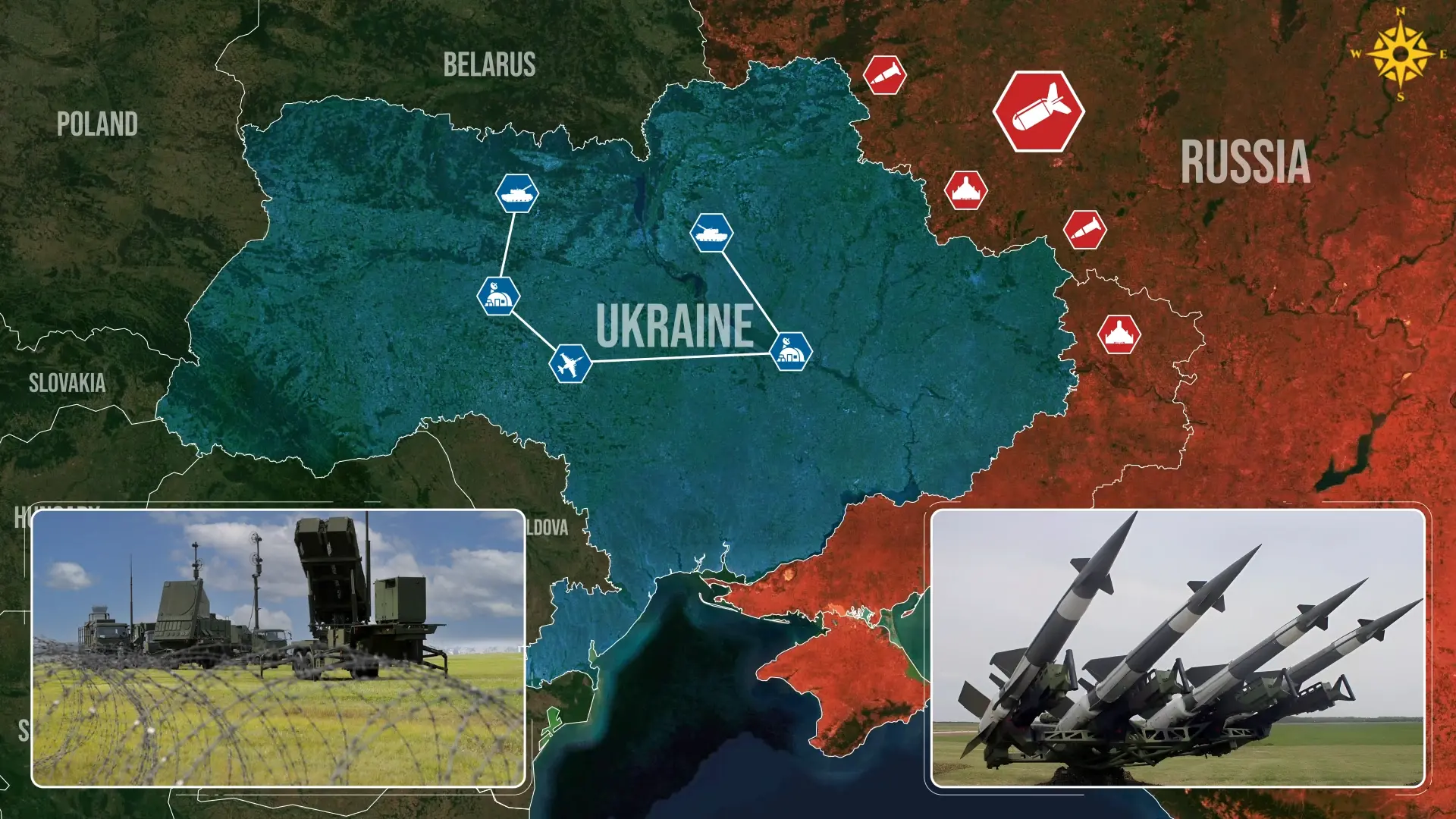
Overall, Russia failed to conquer the sky over Ukraine because its opening plan depended on destroying a defense network that had already reorganized. Now Russia relies on standoff attacks and limited aviation rather than risking the loss of valuable aircraft in defended airspace. Ukraine, in turn, is denying Russian air access by maintaining layered air defense, frequently relocating systems, and integrating old Soviet with new Western systems. The battle over Kyiv still matters today, as the failure to secure the airspace in 2022 did not just shape that Russian campaign but locked Russian aviation into a position where it has been unable to achieve dominance across the war ever since.

.jpg)

Comments