

.svg)
Today, the biggest news comes from Ukraine’s military development.
Here, the structure of the army itself is being rewritten under wartime pressure as new appointments are finalized, and real plans begin to take form. What began as an outdated military organization built around bureaucracy is rapidly being replaced by software and automation that removes the limiting Soviet footprint in Ukraine’s army.
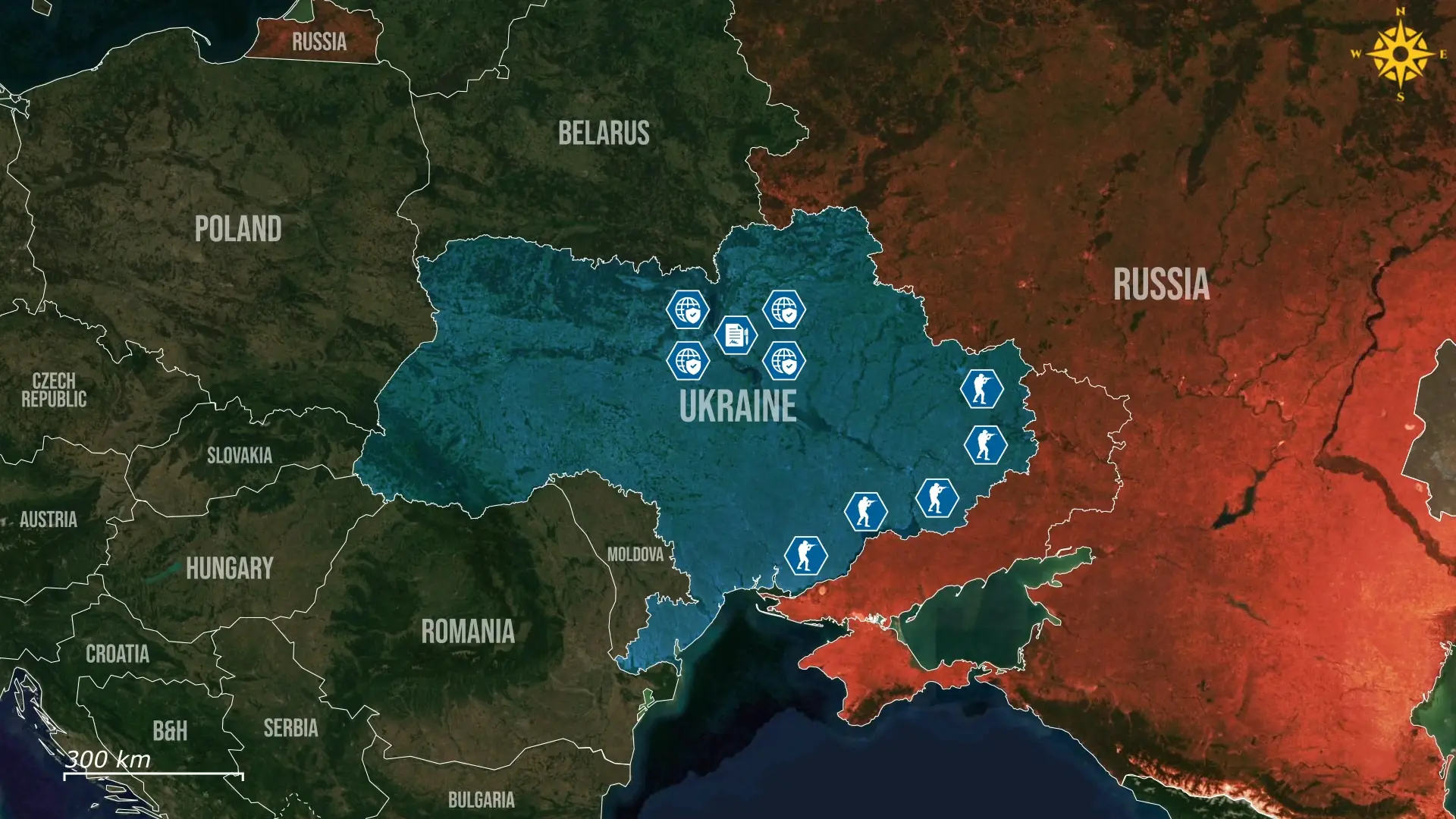
The manpower management system Ukraine relied on previously was built around layered approval chains and delayed reporting cycles, dating back from the soviet times. Information moved upward slowly and was often rewritten or simplified at each level, which meant accuracy degraded before it reached decision-making commanders. This structure encouraged optimistic reporting, because negative information tended to stall approvals or trigger scrutiny, creating a gap between battlefield conditions and internal assessments.

In a high-intensity war dominated by drones and precision strikes, these distortions created direct operational risk. Ukraine’s response has been to rebuild its force around digital systems that operate in real time rather than through sequential paperwork, allowing information to move directly from the battlefield to commanders without being rewritten or delayed by administrative layers.

Real-time command ensures that battlefield information is shared instantly through digital platforms, giving commanders and units a common operational picture without relying on delayed or filtered reports. When a drone detects an enemy position, that information can be displayed immediately on shared digital maps rather than being passed manually, reducing decision latency and lowering the risk of conflicting or outdated orders.

Real-time logistics focuses on how supplies are managed by replacing manual supply requests with continuously updated inventories that show commanders what resources are available and where they are located, without relying on phone calls or handwritten records. This reduces unnecessary resupply movements that expose personnel to drone strikes, turning logistics into a managed flow rather than a reactive scramble.

Real-time personnel systems address how manpower is tracked by providing up-to-date visibility on availability, deployment, and rotation timing, allowing units to manage frontline coverage without delays caused by administrative backlogs.

Automation also directly affects corruption by removing human bottlenecks where discretion could be abused, as legacy administrative systems allowed officials to delay approvals, alter records, or extract informal payments. Digital systems reduce these opportunities by standardizing processes and recording actions automatically, while time stamps and access logs make manipulation more visible and harder to conceal. In this context, automation functions as a control mechanism rather than simply an efficiency measure.

The appointment of Mykhailo Fedorov as defense minister reflects this reform logic, as he previously led the digitization of state services that replaced in-person bureaucracy with modern digital systems within the government. One of his stated priorities is reducing bureaucratic friction that slows mobilization, procurement, and internal coordination. His statement that roughly two million Ukrainians are avoiding formal contact with recruitment centers highlights the scale of the administrative challenge and reinforces the incentive to rely more heavily on automation and technology.
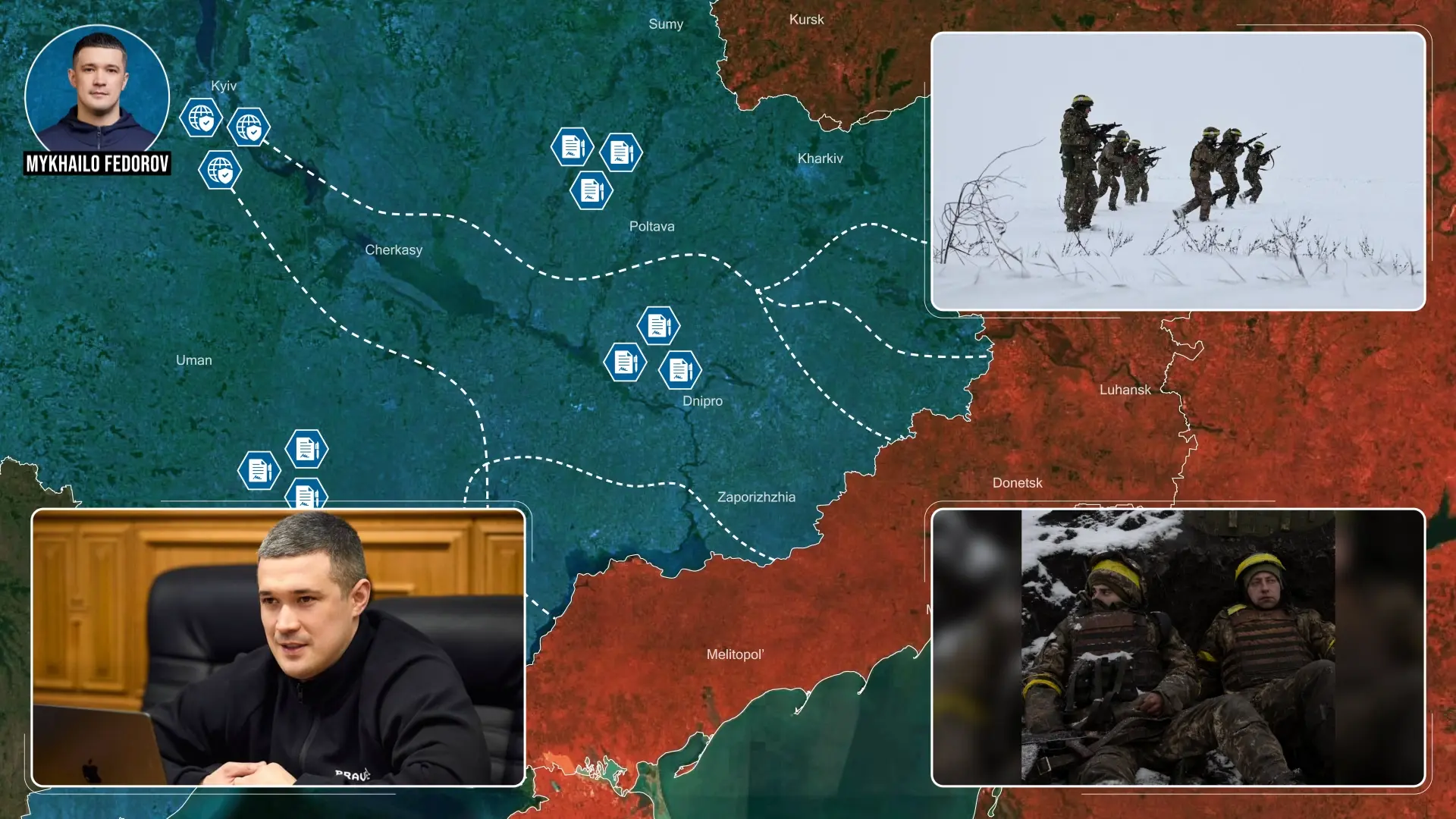
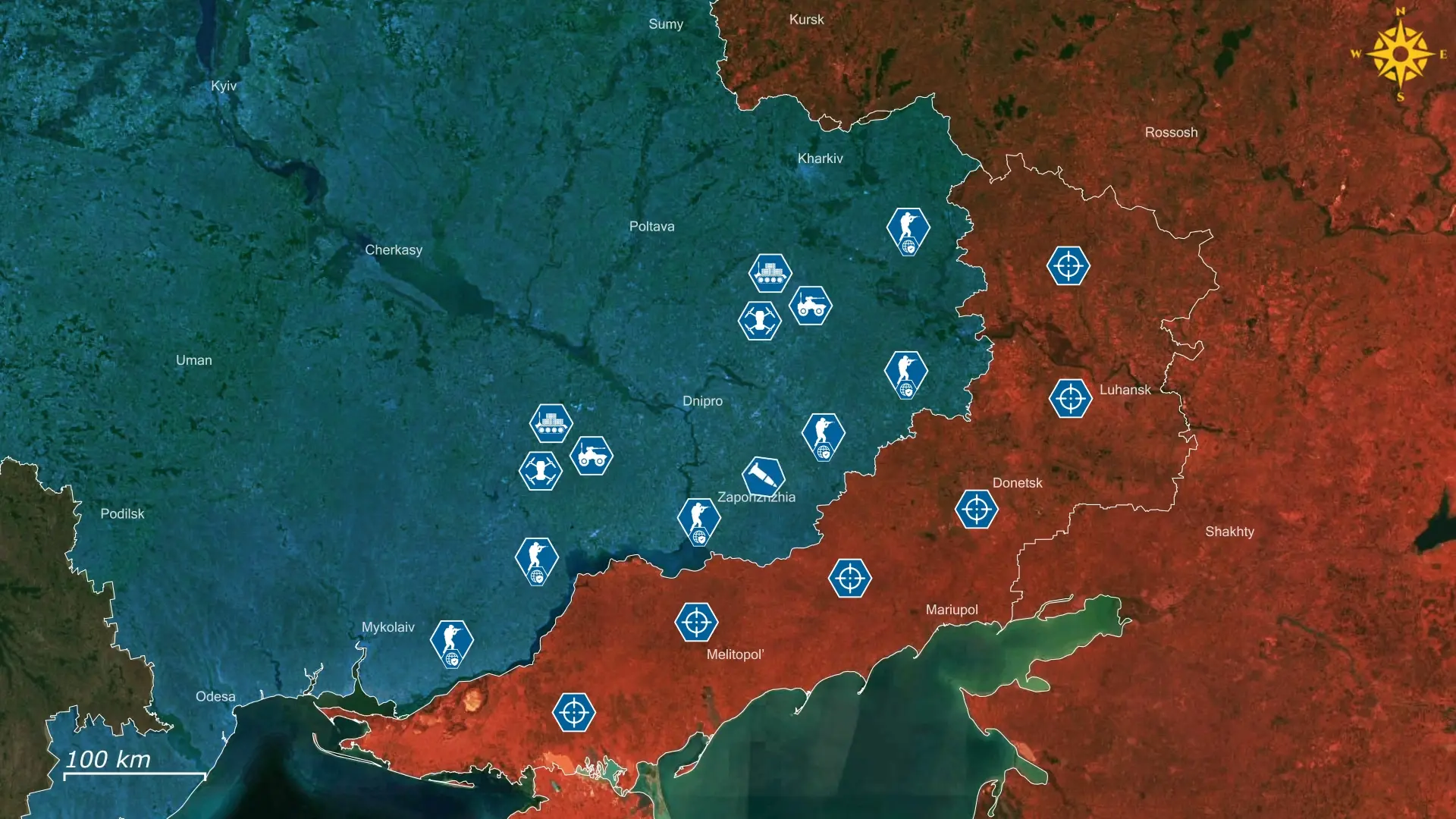
Separate from administrative reform, the core of the planned transformation on the frontline is the systematic integration of robotics into combat operations. Unmanned systems allow observation, movement, and strikes in areas where human soldiers cannot operate safely or continuously.

Aerial robotics focuses on persistent reconnaissance and strike capability, while ground robotics is used for logistics, evacuation, and selected combat tasks in high-risk environments. These systems reduce risk while increasing persistence and coverage, allowing combat power to be applied without proportional increases in manpower. To support this shift, training is being adapted to make unmanned systems a routine part of combat operations rather than auxiliary tools. Soldiers are trained to operate drones during active combat situations, technical support is organized to keep systems functional near the front, and commanders are trained to integrate unmanned systems directly into operational planning. This approach is intended to create a feedback loop in which faster information flow improves decision-making, which translates directly into higher operational effectiveness as a whole.

Overall, Ukraine’s renewed approach treats modern warfare as a problem of information flow rather than solely man- and firepower. Digital command, automated logistics, and robotic systems reduce delays, exposure, and internal friction across Ukraine’s front line. These changes will generate tangible battlefield advantages that reinforce the shift away from legacy systems that the Russians still so heavily rely on. If sustained, this transformation will reshape how Ukraine converts information and resources into usable combat power under constant pressure, where a drone sighting can trigger resupply, targeting, and movement decisions within minutes rather than days.

.jpg)




Comments