

.svg)
Today, the biggest news comes from Ukraine.
Since the full-scale invasion of Ukraine, strikes with ballistic missiles on Russia’s territory have been constrained due to Ukraine's limited and aging supply and the reluctance of the West to provide such weapons. However, Ukraine is now set to receive a new class of ballistic missiles, with the potential to change the strategic equation entirely.
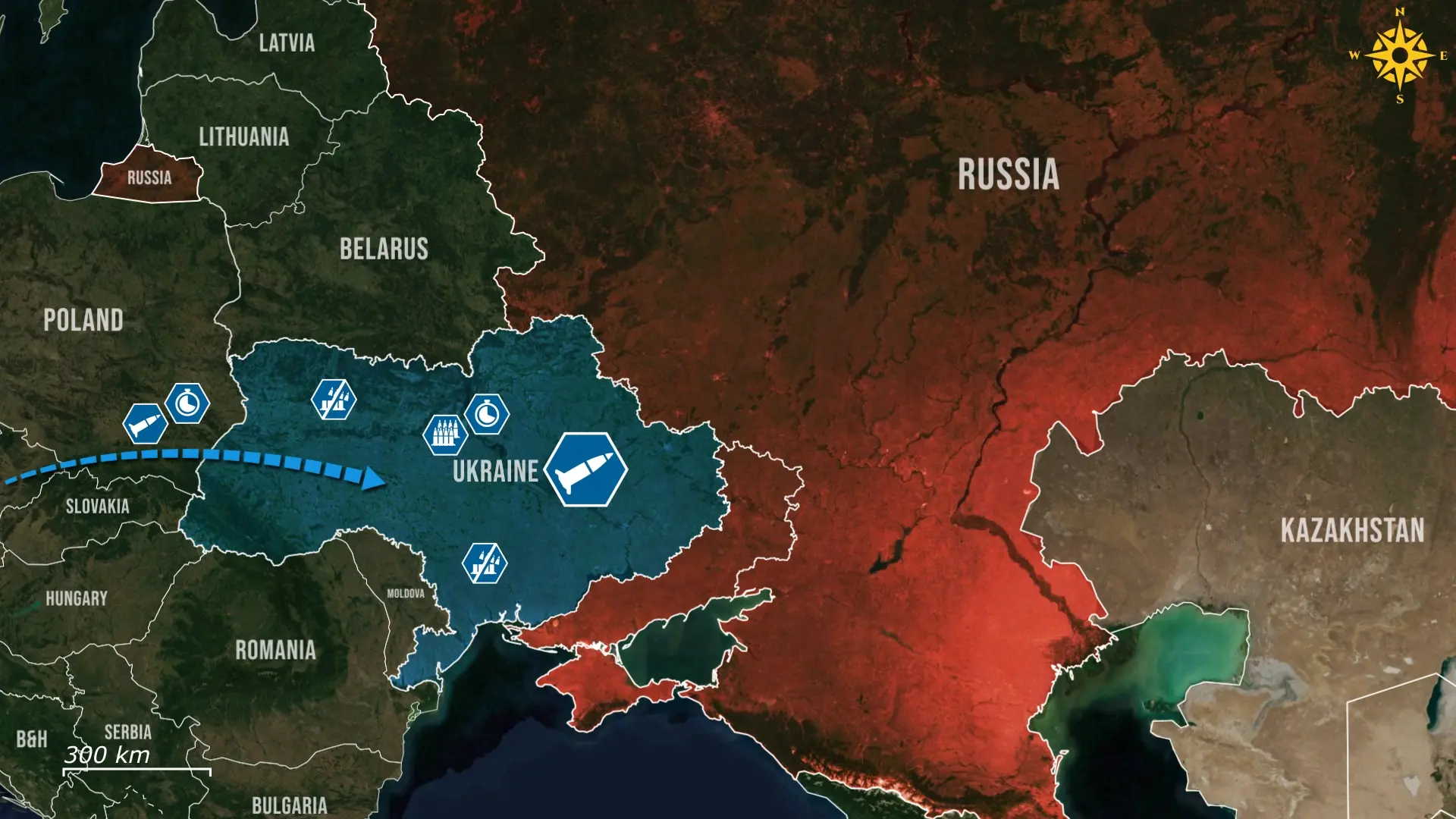
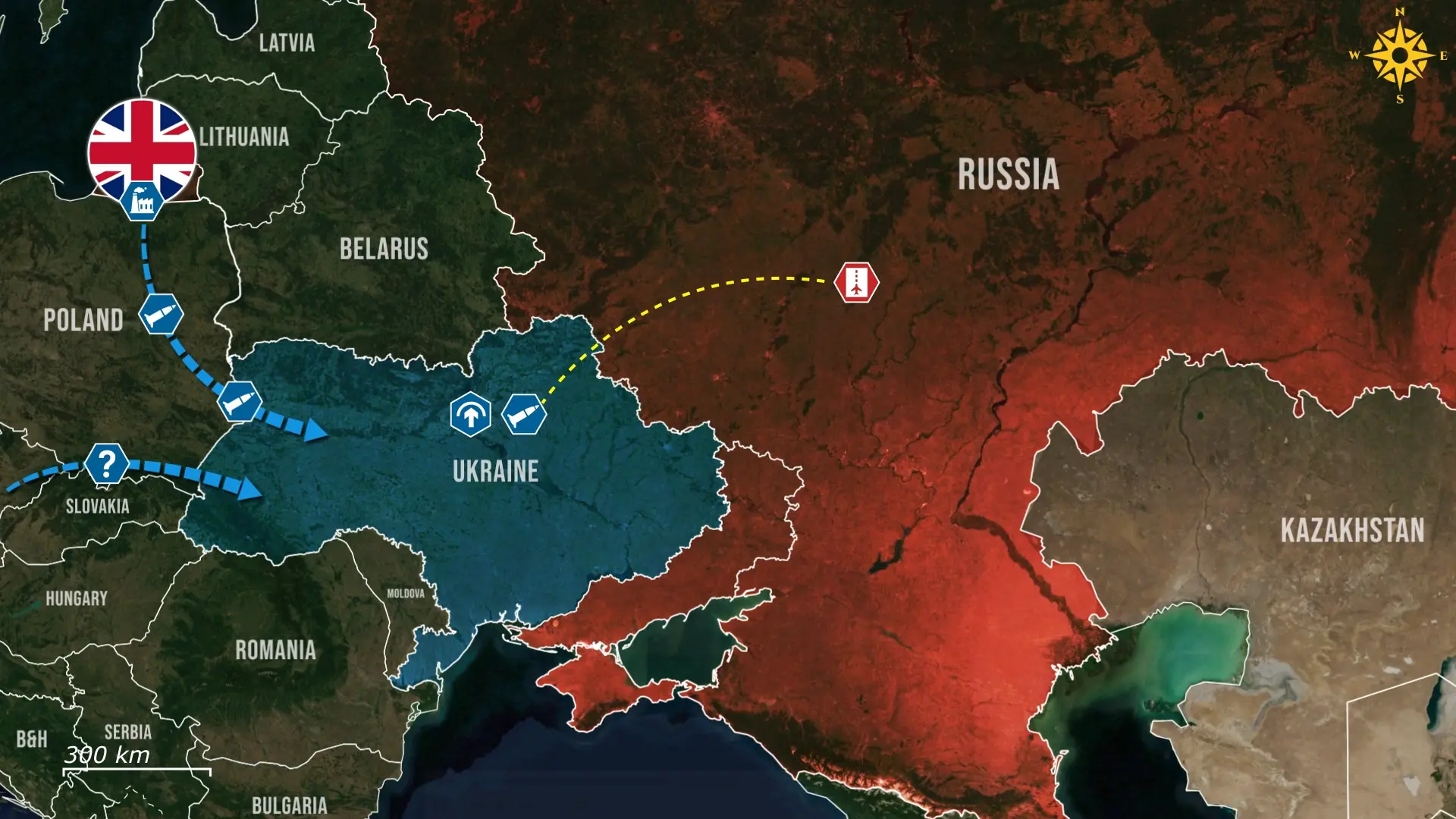
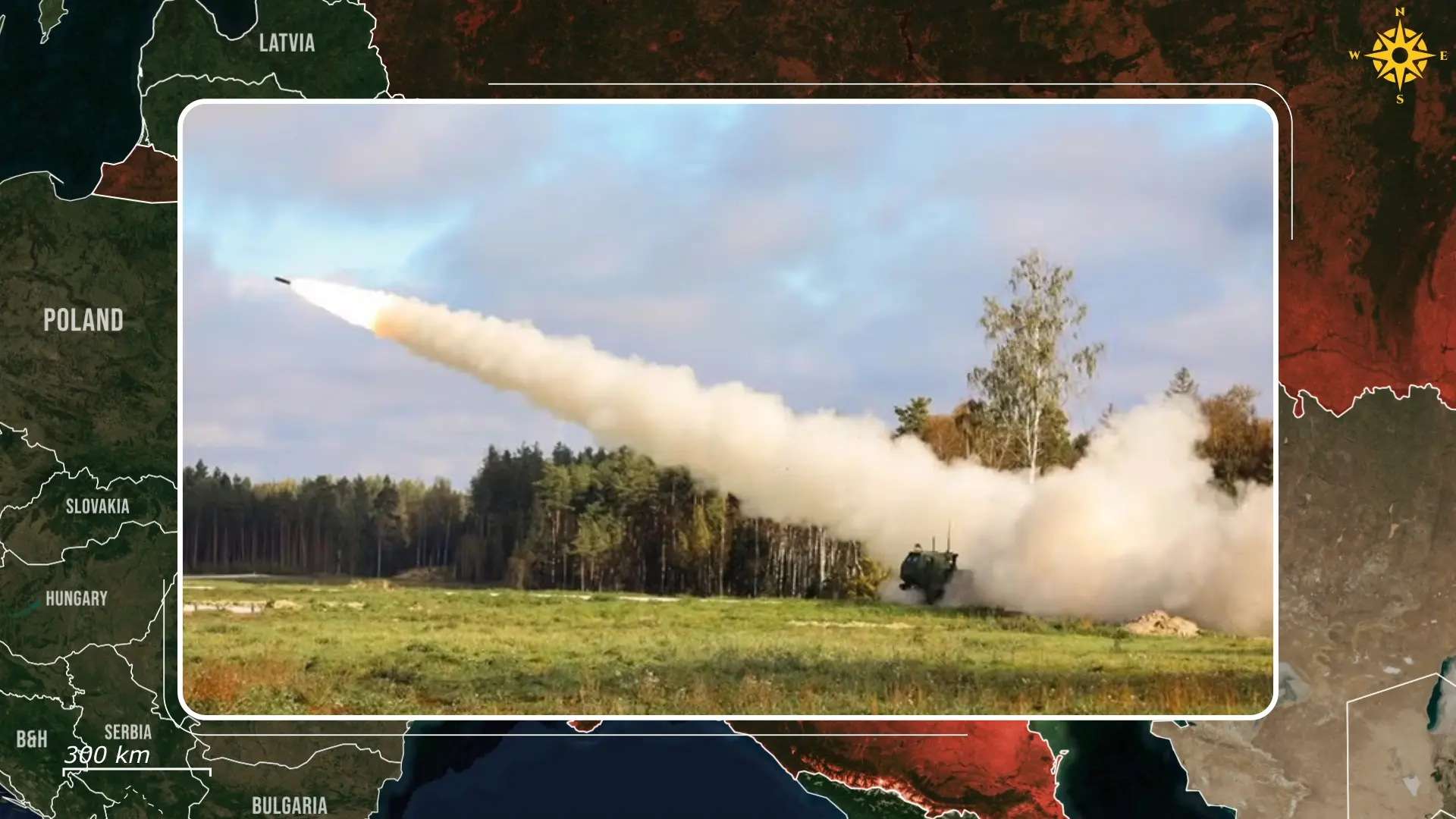
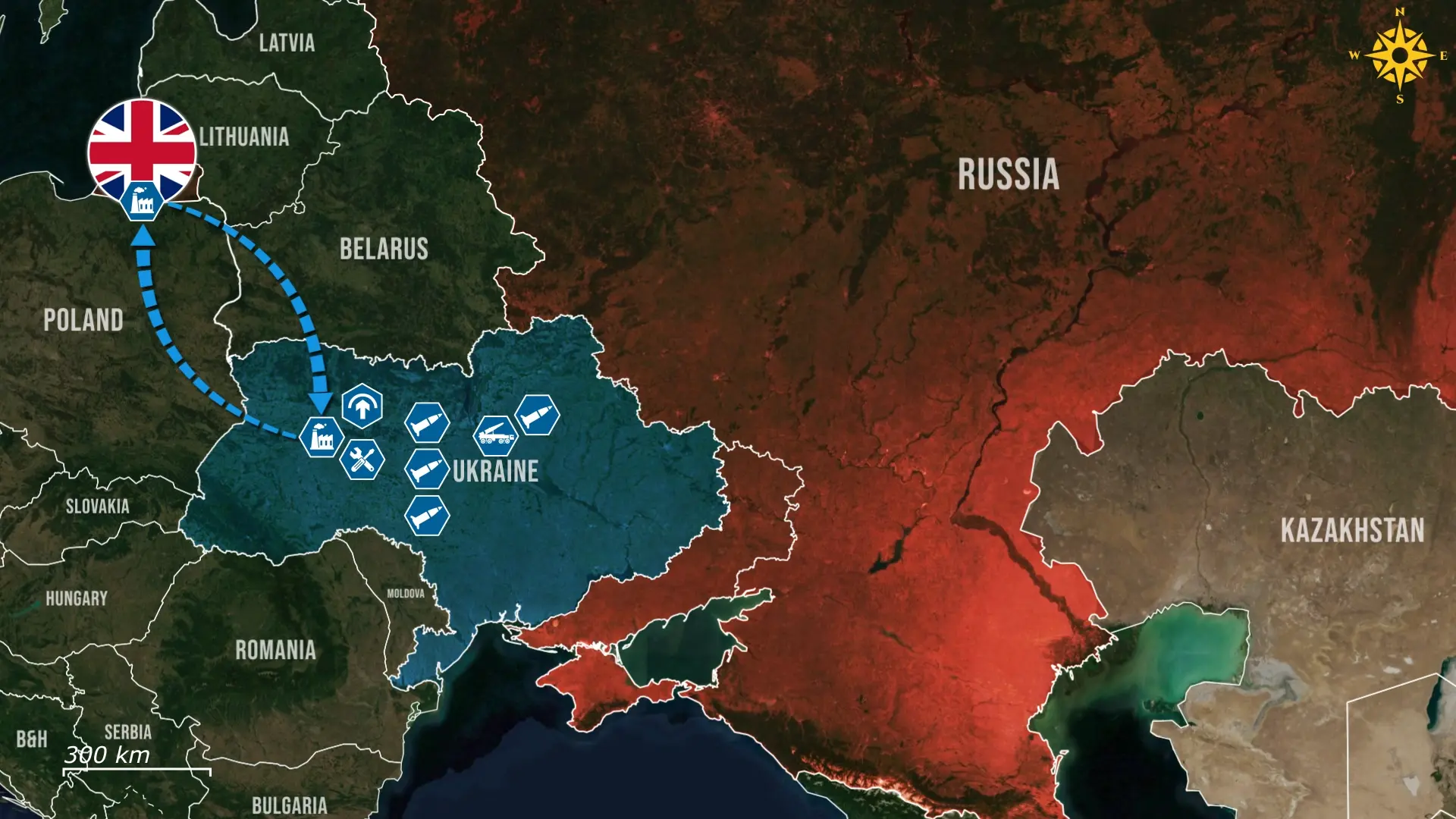
The UK has launched the development of a new ground‑launched ballistic missile system for Ukraine under the program known as Nightfall. The missile is designed to deliver a 200‑kilogram warhead at ranges exceeding 500 kilometers, giving Ukraine the ability to strike deep into Russian‑held territory. It is conceived for the rapid vehicle‑based launch of at least 2 missiles in quick succession, allowing for relocation quickly to reduce vulnerability to Russian counter‑battery fire.
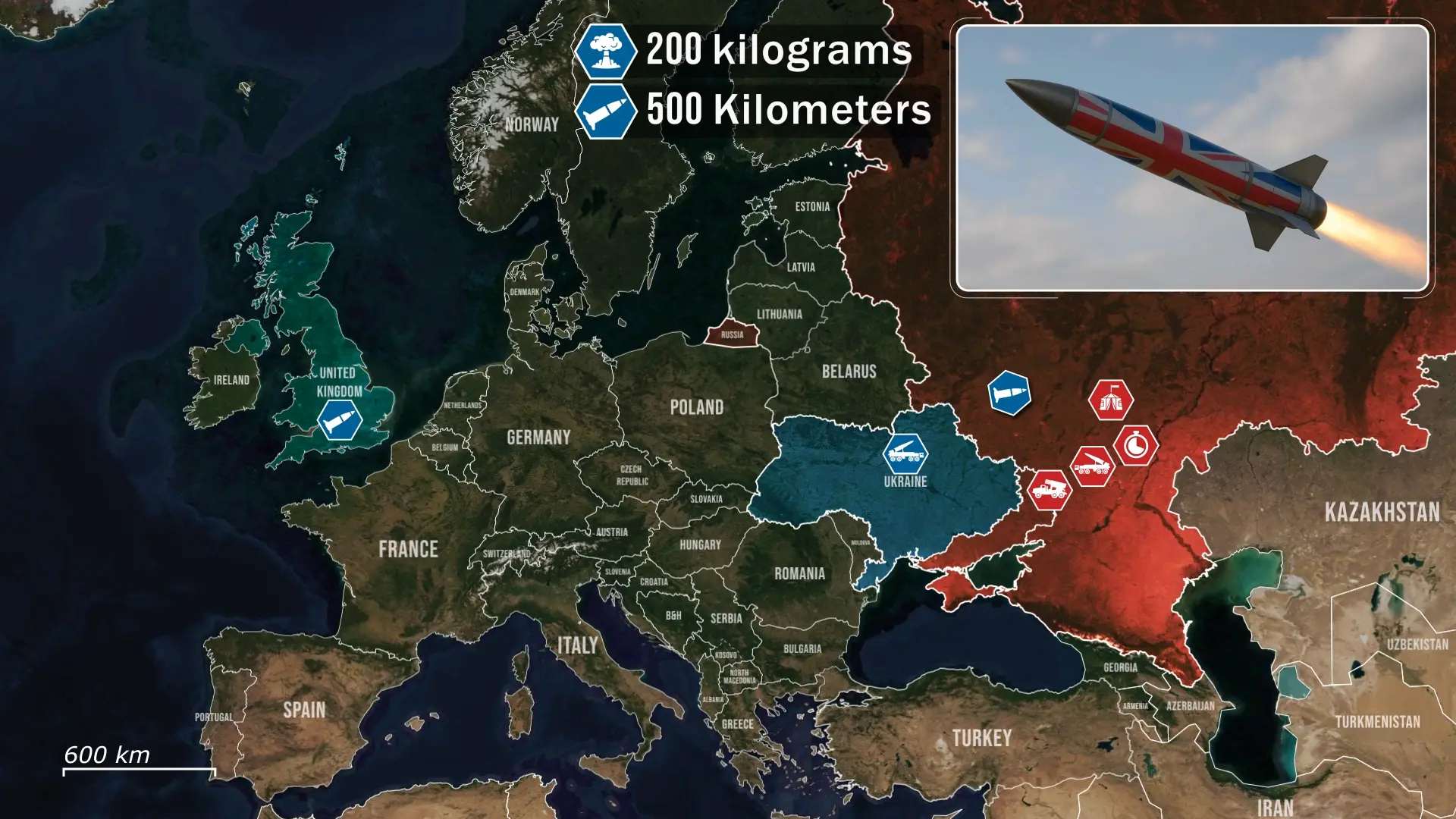
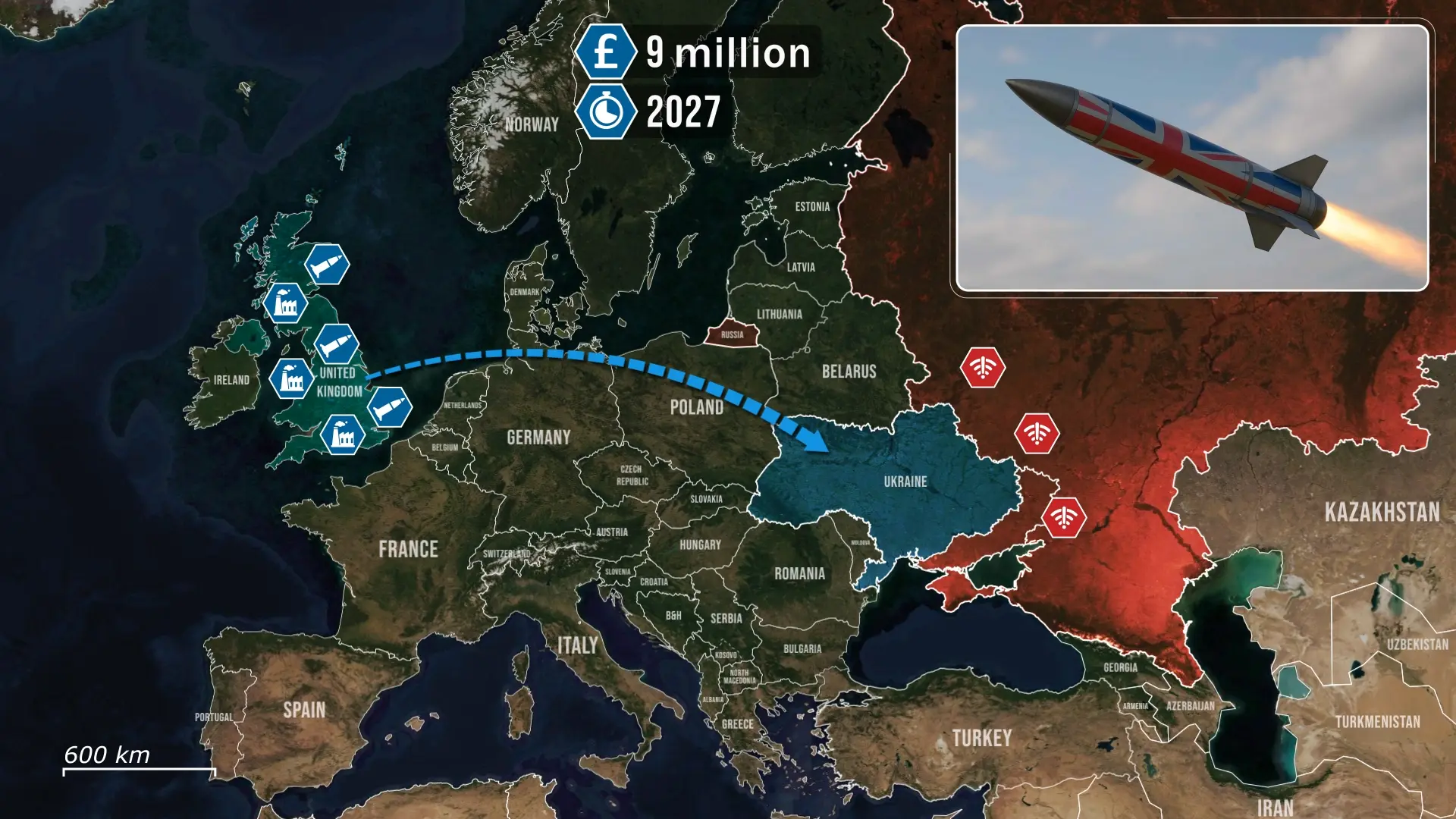
The UK Ministry of Defense has allocated 9 million pounds for the initial phase, which includes building and testing 3 prototype missiles. The program is structured within an accelerated competition among several industrial teams, each required to produce test articles within a 12‑month window, with the aim of delivering the missiles in 2027. This reflects a broader British effort to scale manufacturing quickly and ensure resilience against the heavy Russian GPS jamming that has improved during the war.
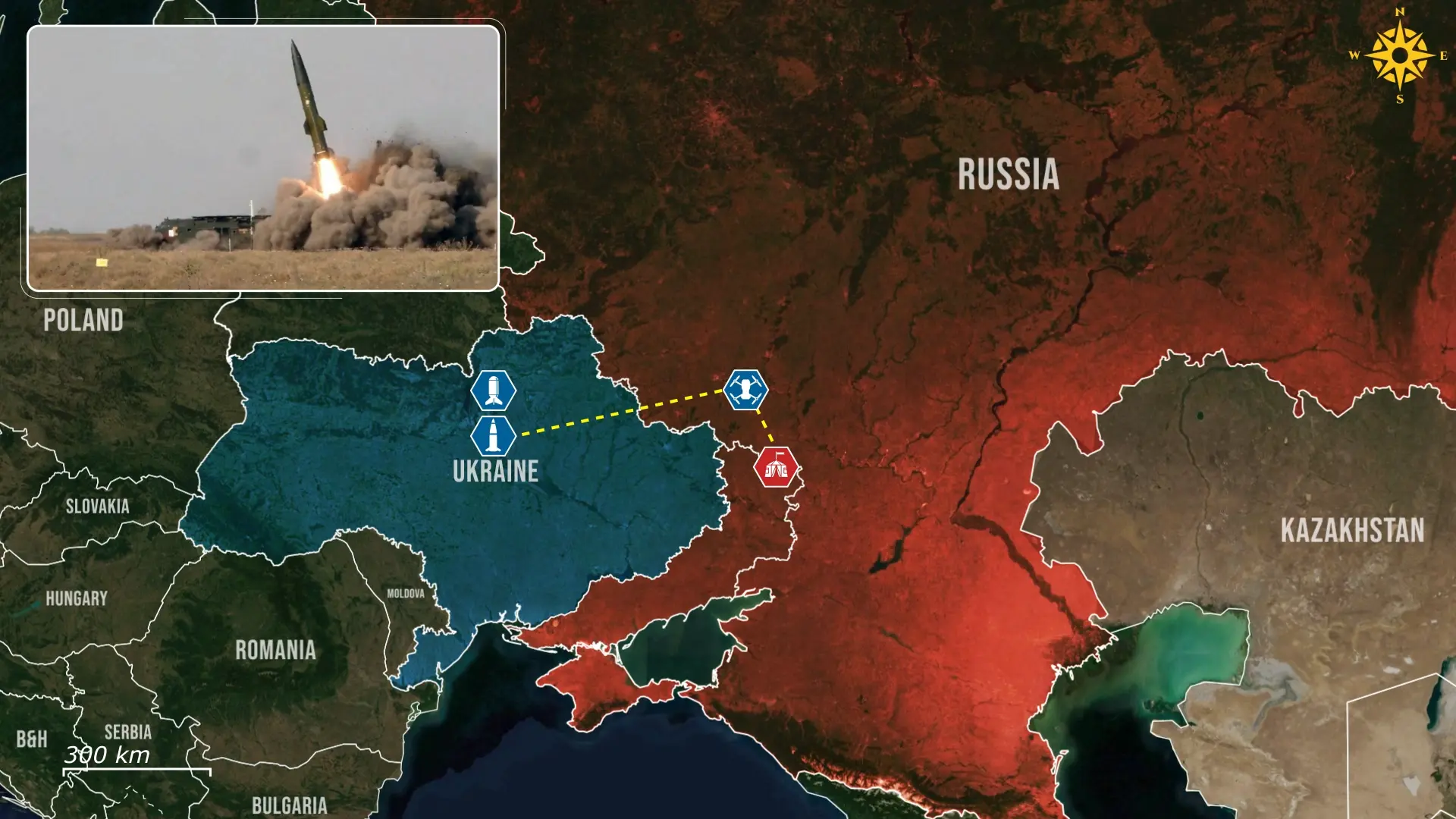
For years, Ukraine relied on Soviet‑era systems such as Tochka‑U cruise missiles, and when available, US-supplied Atacms to conduct long‑range strikes. However, Tochka-U missiles were not designed for the demands of modern deep‑strike warfare and often required extensive modifications to achieve effects, such as upgraded warheads and drone synchronization for target acquisition.
For Ukraine, Nightfall represents a shift from legacy systems with predictable flight paths and limited reach to a purpose‑built long‑range ballistic capability, centered on precision, survivability, and rapid employment. Furthermore, the UK-based production reserved solely for Ukraine makes it less dependent on legacy domestic production facilities hindered during wartime, and on foreign deliveries that rest with other countries' political will.
Nightfall’s ballistic trajectory allows it to bypass several layers of the Russian air defense network, as Russia’s defenses are optimized for threats such as cruise missiles, drones, and aircraft. A fast‑rising ballistic missile reduces engagement windows and forces defensive systems to operate at the edge of their design parameters.
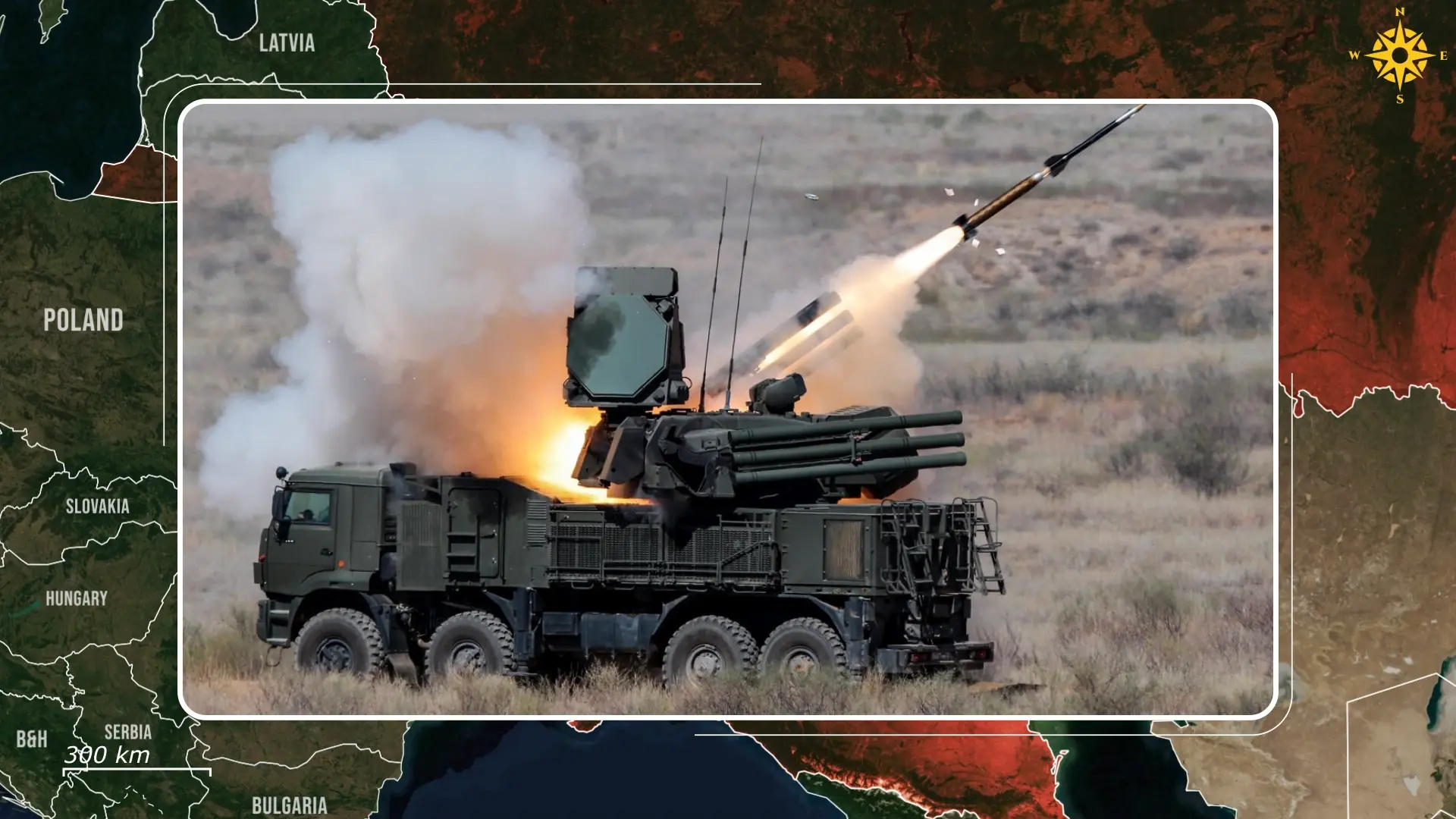
Short‑range point defenses like Pantsir have difficulty intercepting rapidly descending ballistic bodies because their engagement windows are inherently narrow. Medium‑range systems such as Buk are configured for aerodynamic targets and struggle with the speed and altitude profile of ballistic missiles.
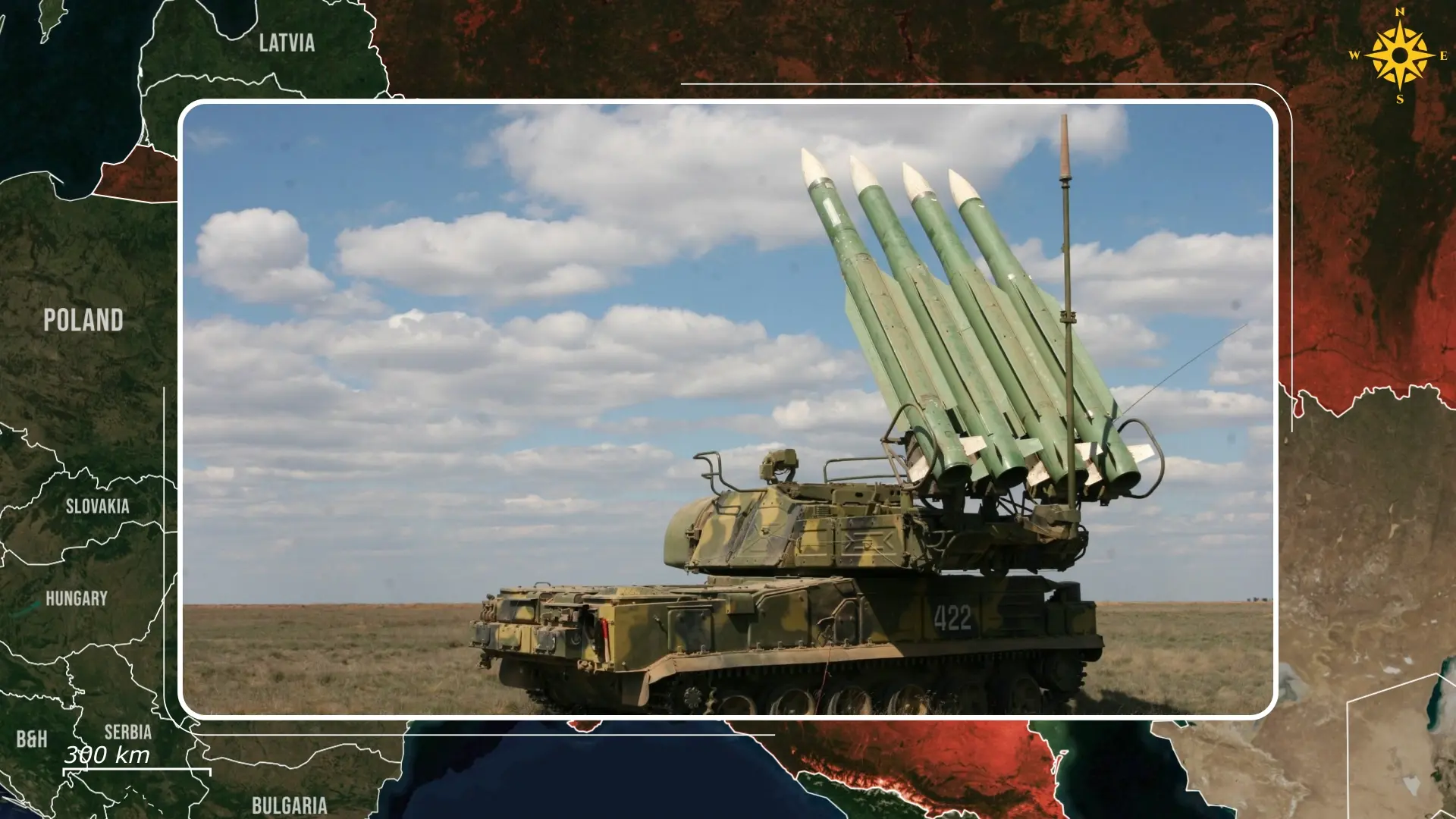
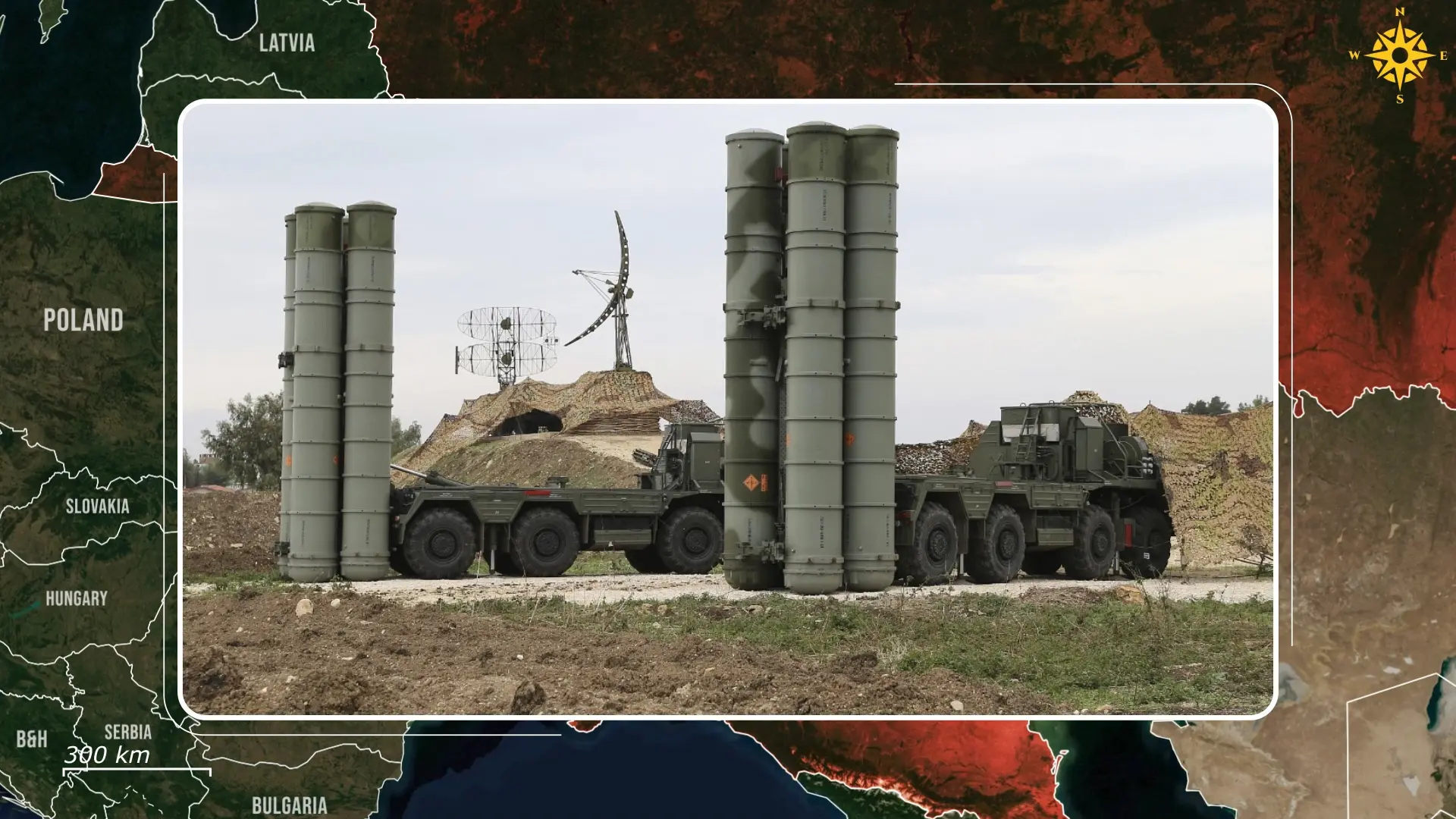
Long‑range systems like S‑300 and S‑400 are theoretically able to engage ballistic threats, but their effectiveness depends on early detection and stable tracking, a capability that Ukraine has massively undermined through the constant targeting and destruction of S-300 and S-400 radar and control systems specifically.
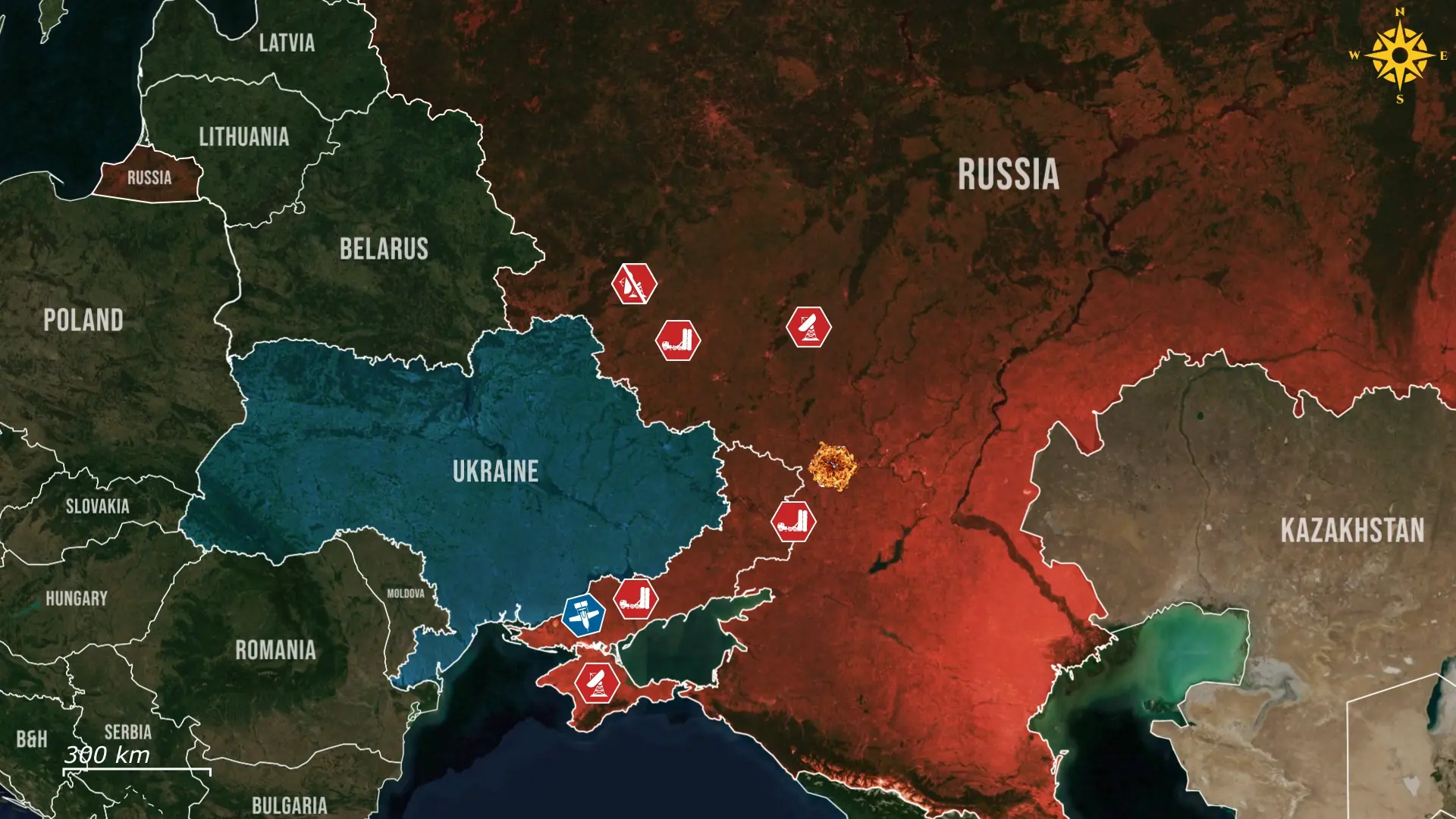
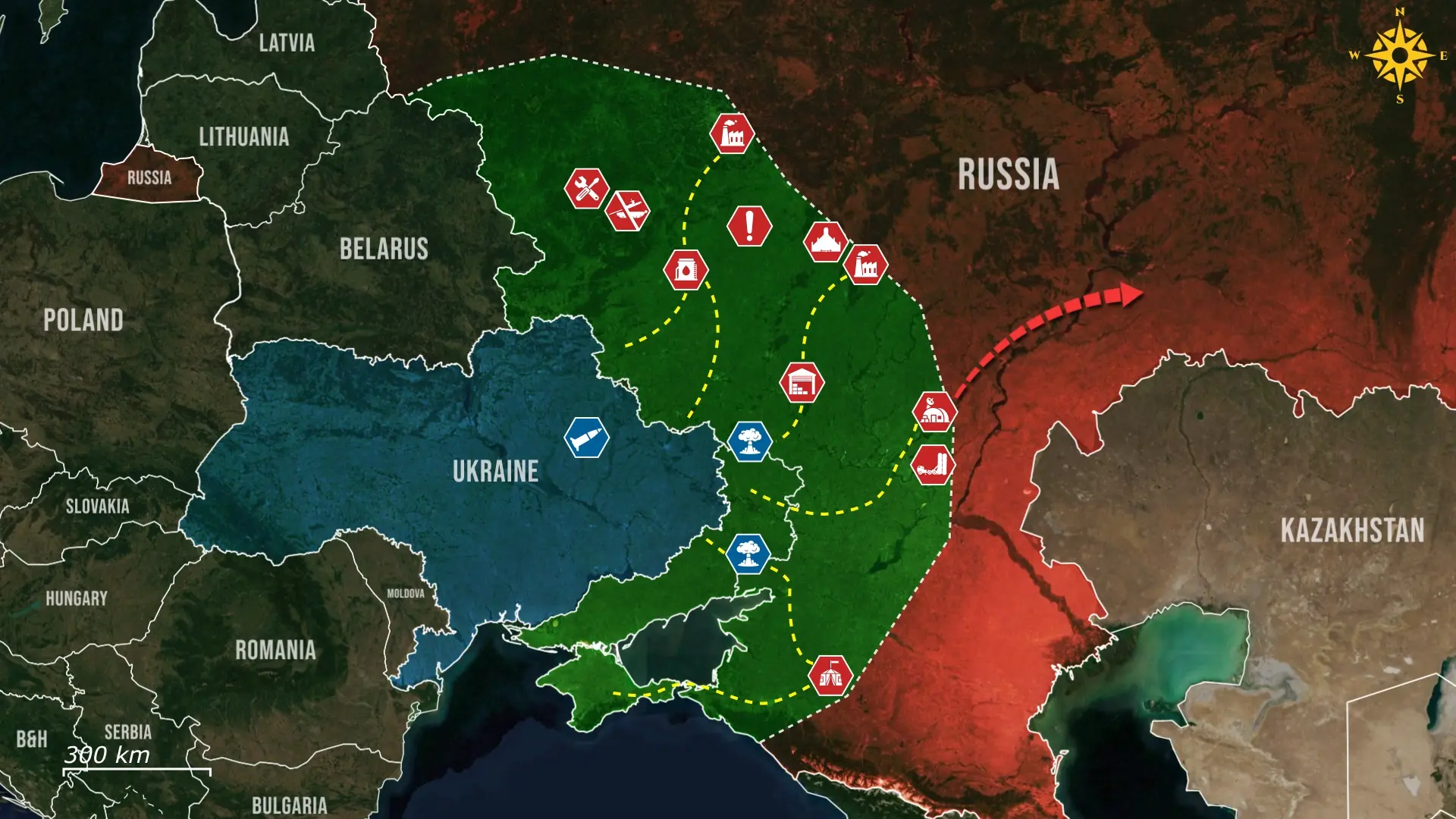
With a range of 500 kilometers, Ukraine can strike logistics hubs, command centers, and industrial infrastructure far behind the front line. Logistics nodes that previously operated with relative security, including ammunition depots and fuel storage sites, become vulnerable. This affects Russia’s ability to sustain operations because long‑range logistics are already strained by distance and infrastructure limitations, with most having been moved outside of Ukraine’s previous strike range already. In the same trend, command centers positioned deep in the rear to avoid cruise missile threats would require relocation or significant reinforcement. Industrial assets supporting the war effort, including repair facilities and production plants, also fall within reach. The cumulative effect is a broader disruption of Russia’s operational depth and a need to reassess how critical assets are distributed and protected.
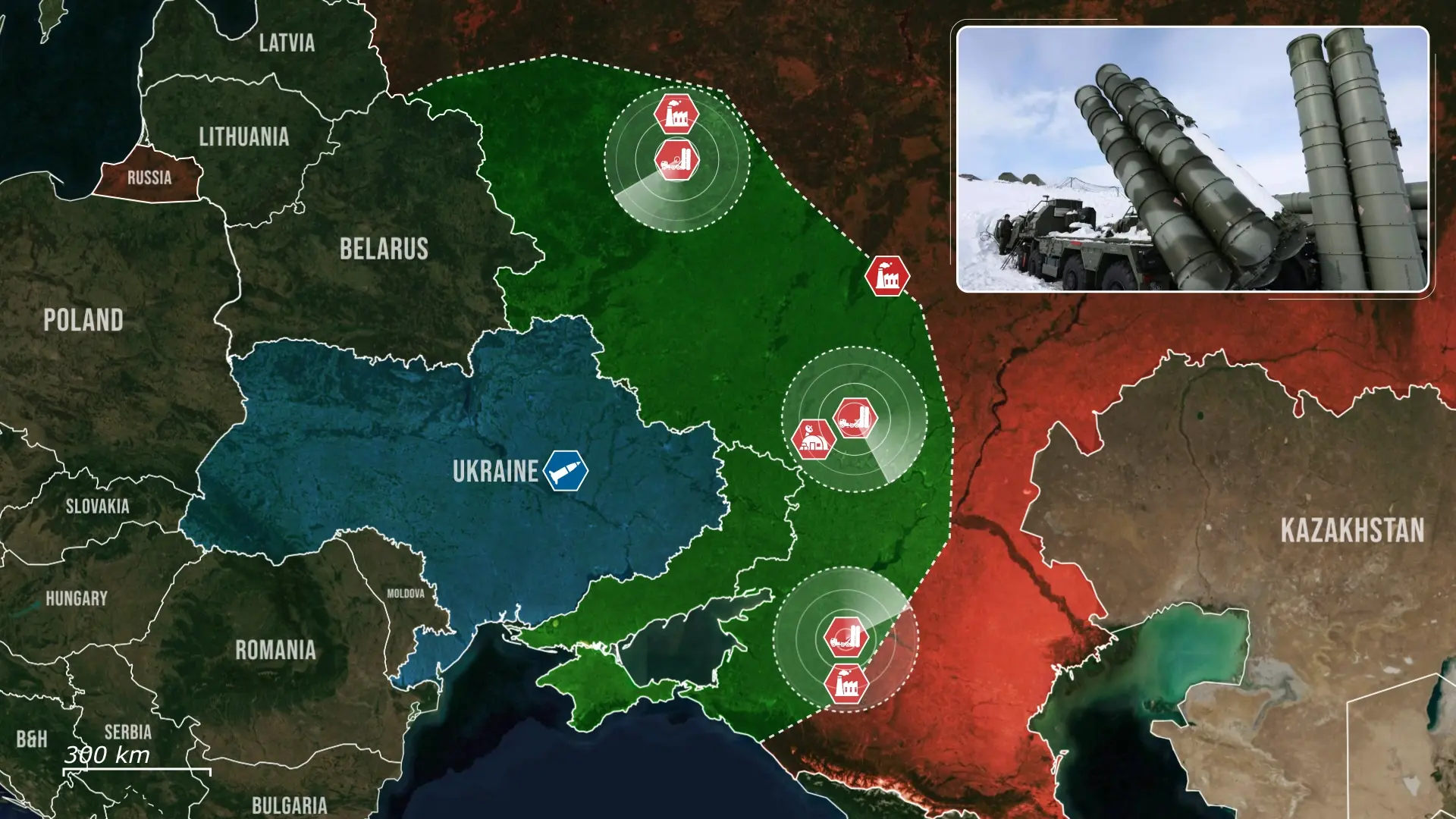
Russia maintains a layered anti‑ballistic missile architecture, but introducing a Ukrainian ballistic capability forces Russia to disperse these systems across a wider area. S‑400 batteries that typically defend fixed strategic zones would need to be repositioned to cover logistics corridors and industrial regions now within Nightfall’s reach. Each S‑400 regiment covers roughly 150 to 250 kilometers in effective engagement radius. Protecting a 500‑kilometer band of territory against sustained ballistic threats requires multiple new deployment zones, expanded radar coverage, and increased interceptor stockpiles. With only between 35 to 50 capable S-400 systems still operational, Russia’s defense network against new ballistic threats is overstretched as it is, leaving little to jump in once sustained strikes arrive.
Overall, the integration of Western ballistic technology signals more than a simple upgrade to Ukraine’s strike potential. Nightfall integrates Ukraine more deeply into Western production cycles, testing standards, and operational planning, thereby creating a shared technological baseline with strategic implications for this war and for future deterrence. As these capabilities mature, Ukraine’s ability to strike at distance will no longer depend on former soviet stockpiles but be reinforced along further integration with the West.

.jpg)



Comments