

.svg)
Today, the biggest updates come from Sudan.
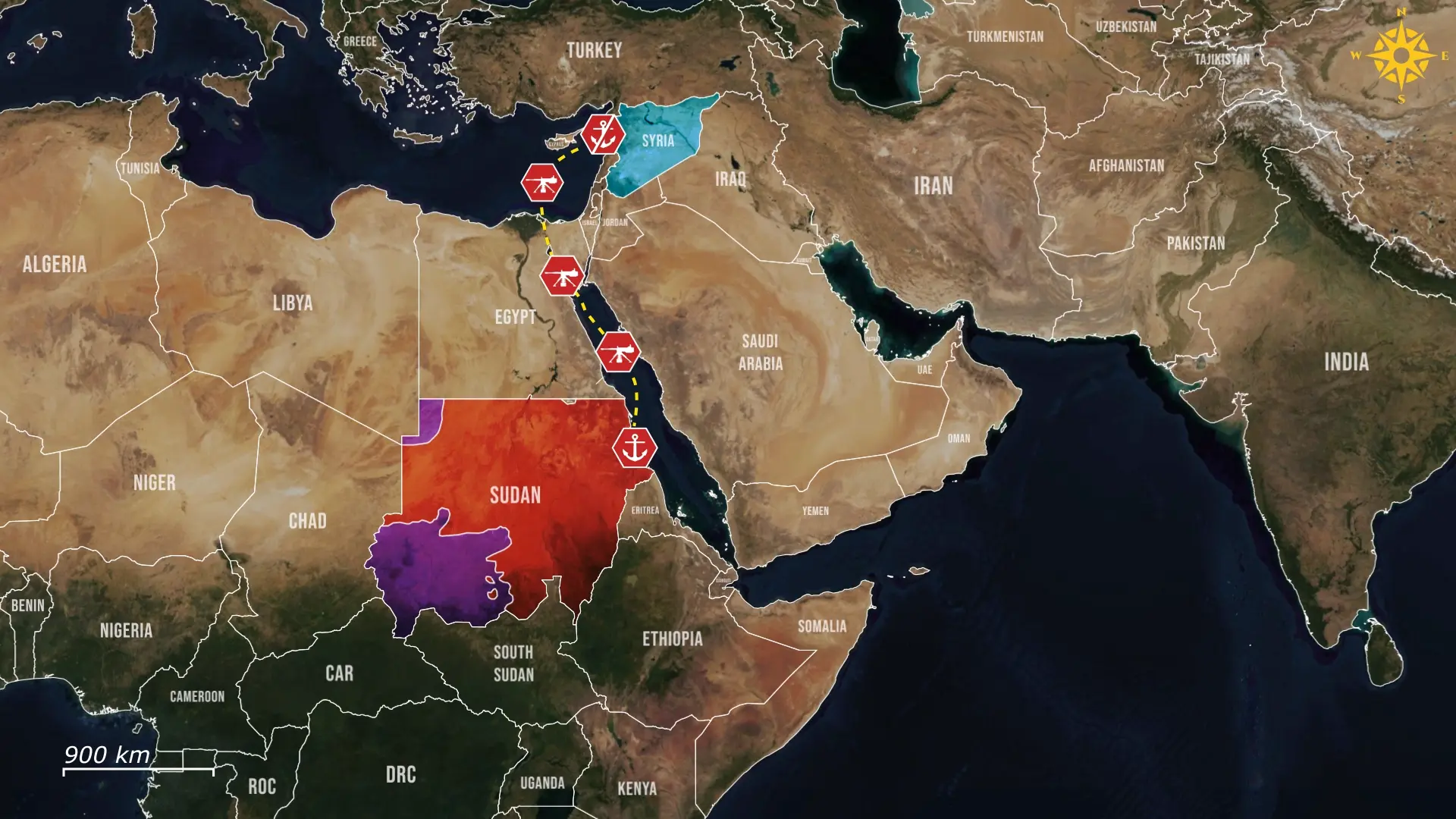
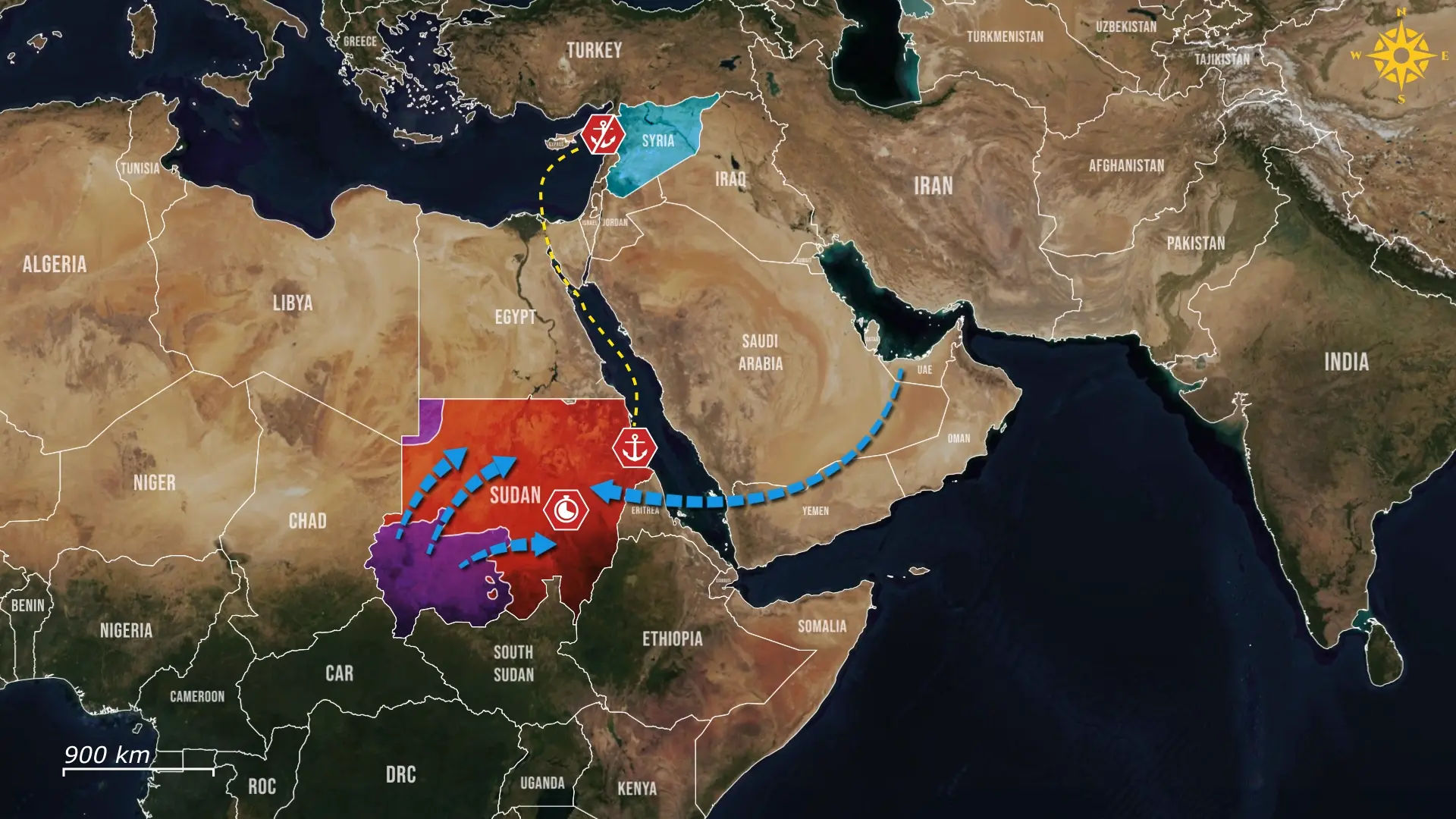
The Sudanese civil war has dragged Sudan's government into prolonged exile in Port Sudan, its eastern Red Sea outpost, while the capital Khartoum lay in ruins under paramilitary control for nearly three years. Yet this development masks a deeper Russian consolidation, transforming Sudan into Moscow's Red Sea access point precisely as vulnerabilities mount around its longstanding naval stronghold in Tartus, Syria.
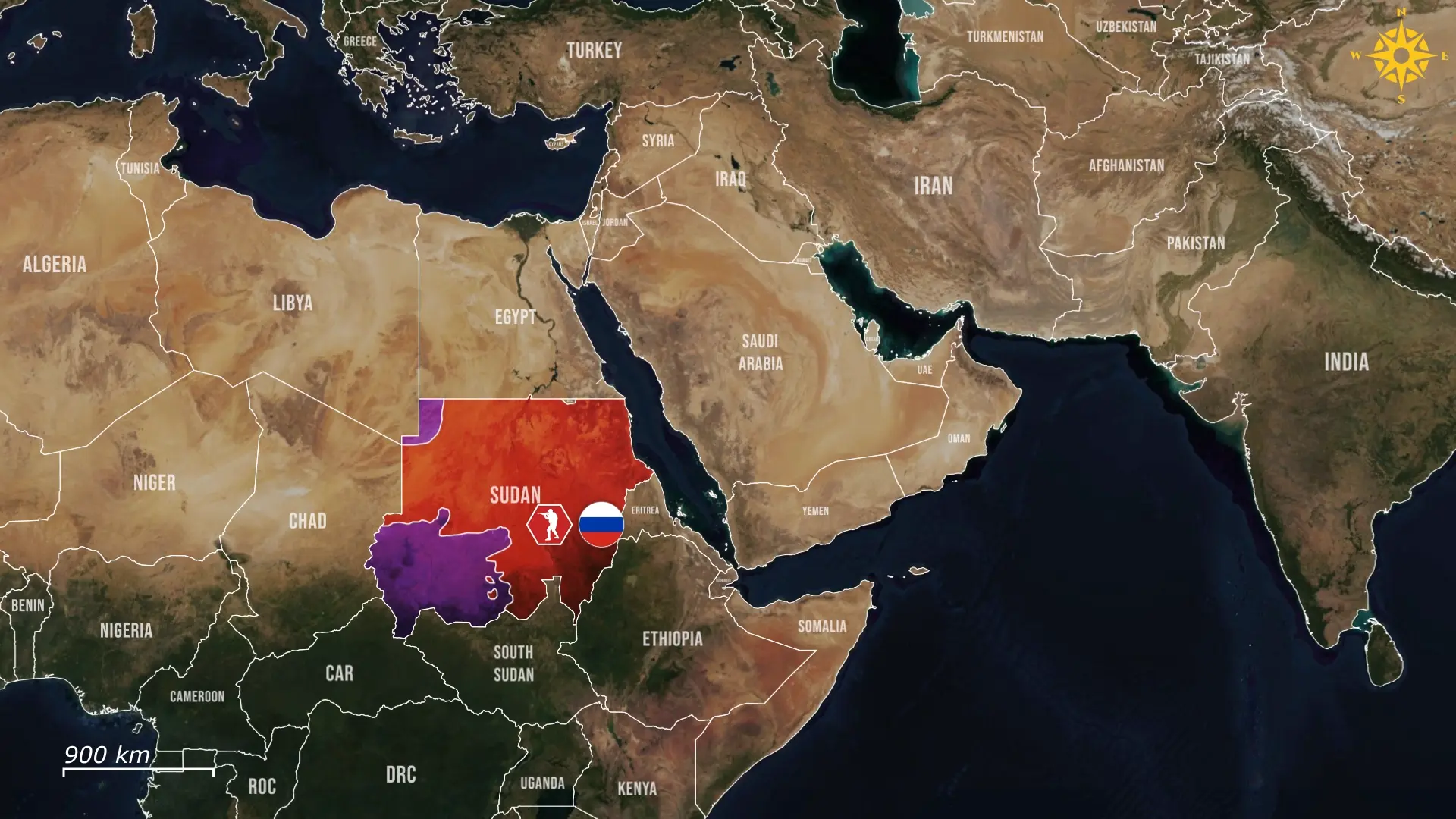
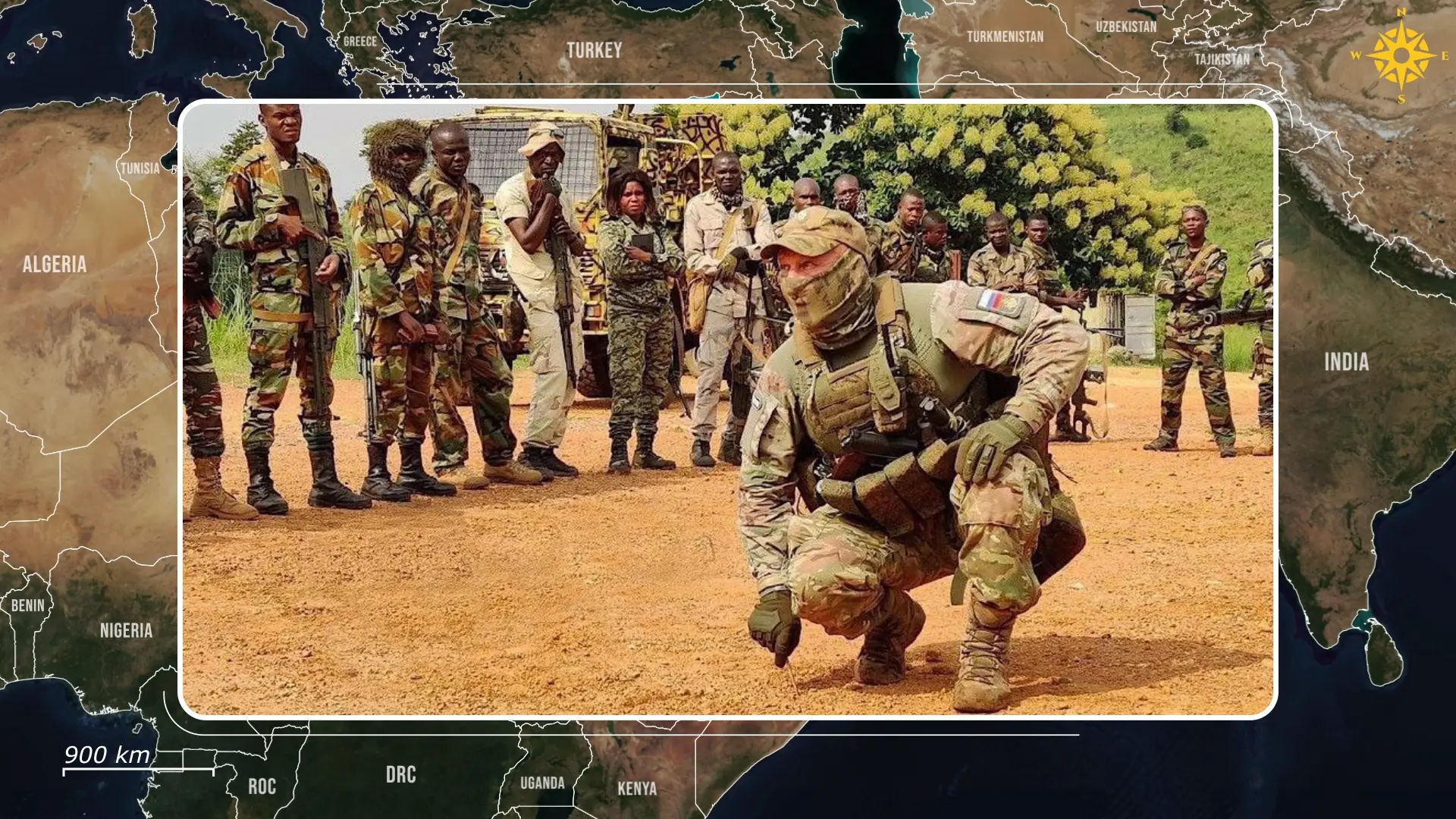
The Sudanese Armed Forces, were sustained by Russian proxy support receiving arms, training, and operational guidance from rebranded Wagner elements now operating as Africa Corps.
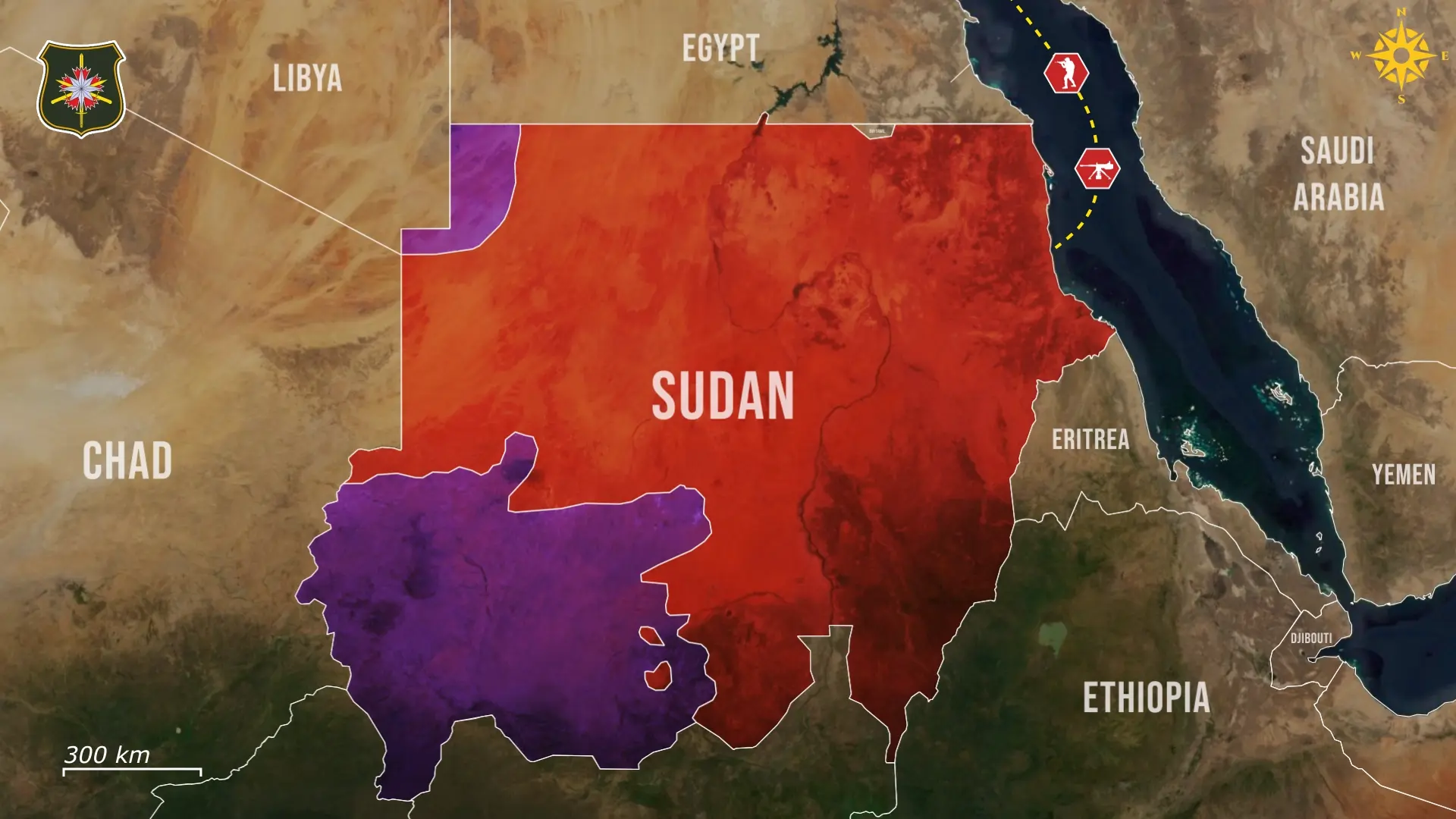
They achieved a decisive breakthrough by fully recapturing Khartoum in March 2025. This development came after nearly two years of grueling urban combat against the Rapid Support Forces. Russian-backed Sudanese Armed Forces units methodically pushed Rapid Support Forces fighters out of key districts.
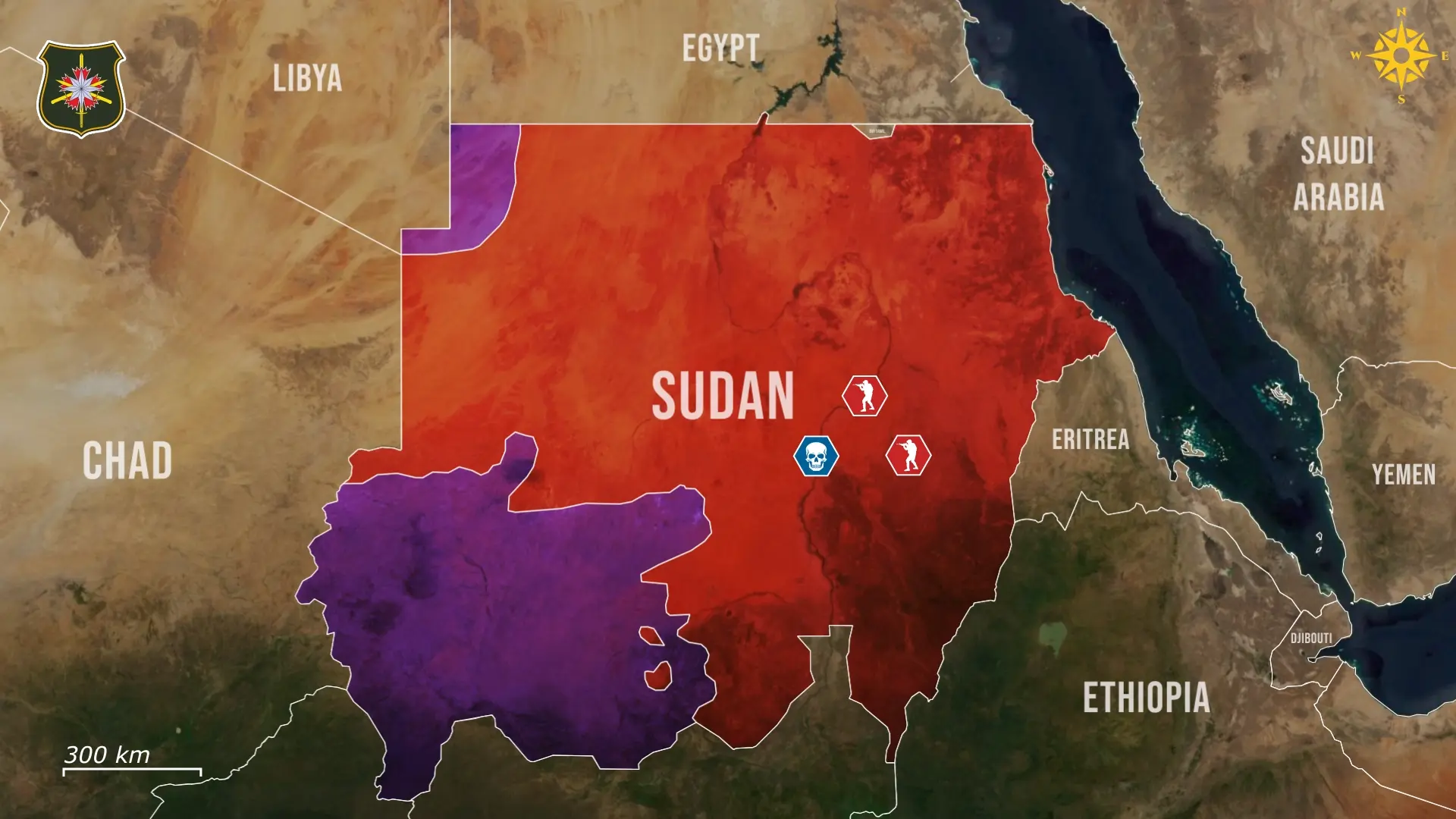
With the area stabilized and cleared of major threats, the Sudanese government that was long displaced to its eastern wartime base in Port Sudan has now deemed conditions safe enough to officially return to the nation's battered capital after nearly three years of exile. This marks a rare positive turn for Russian proxies in Sudan, allowing Moscow's aligned forces to consolidate control over the political heart of the country and try to project an image of momentum amid the broader civil war's attrition.
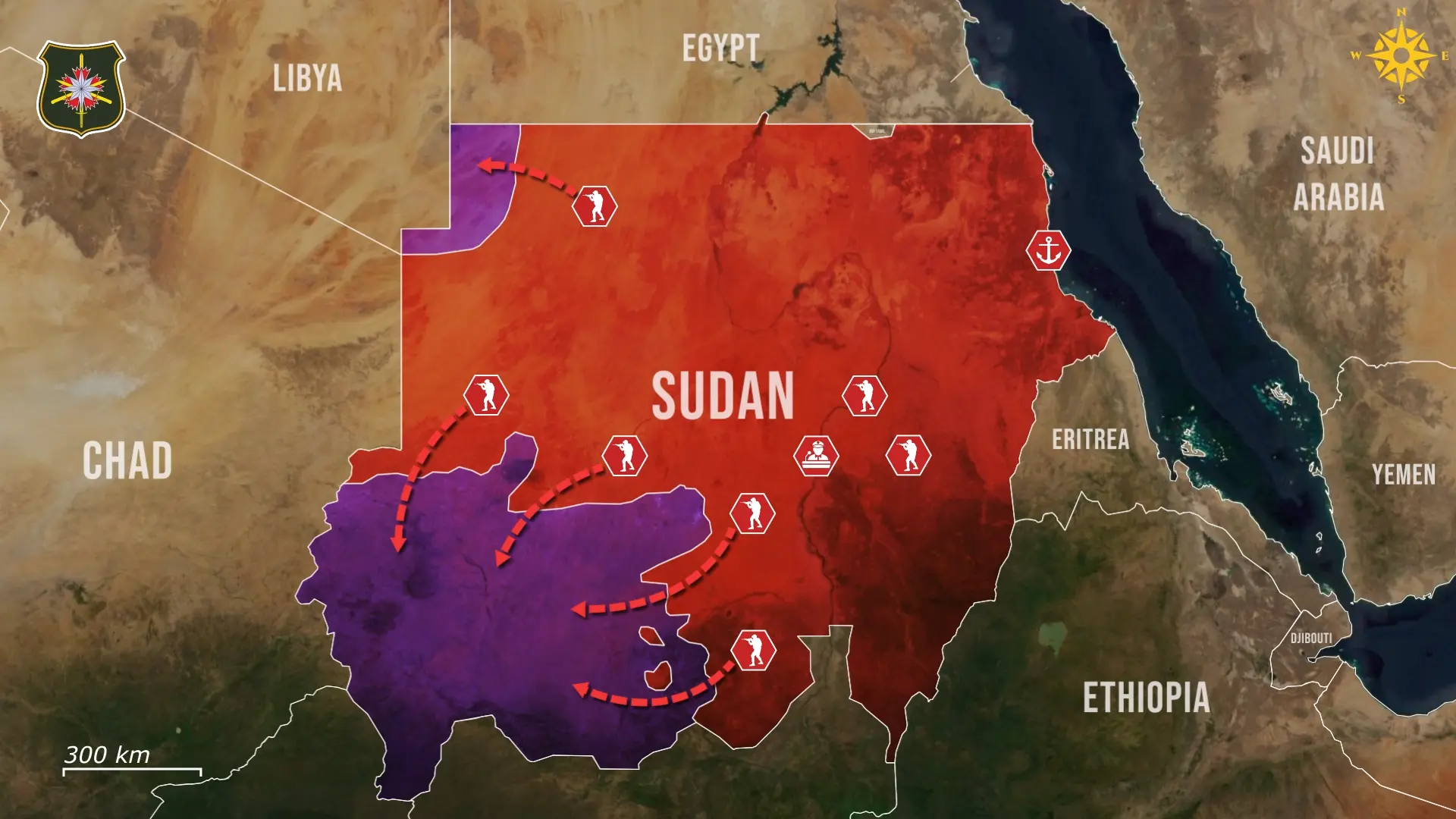
Russia’s interest in the region surged following the fall of the Assad regime in Syria late 2024. This exposed acute vulnerabilities in Russia's Mediterranean posture, placing its sole overseas naval base at Tartus under persistent threat from shifting local dynamics. The restricted access terms with the new authorities, and the broader strain of Moscow's commitments elsewhere, including Ukraine completely changed Russia’s operational capacity at Tartus. Port Sudan has thus emerged as Russia's indispensable strategic alternative, providing a Red Sea logistics hub capable of sustaining naval operations.
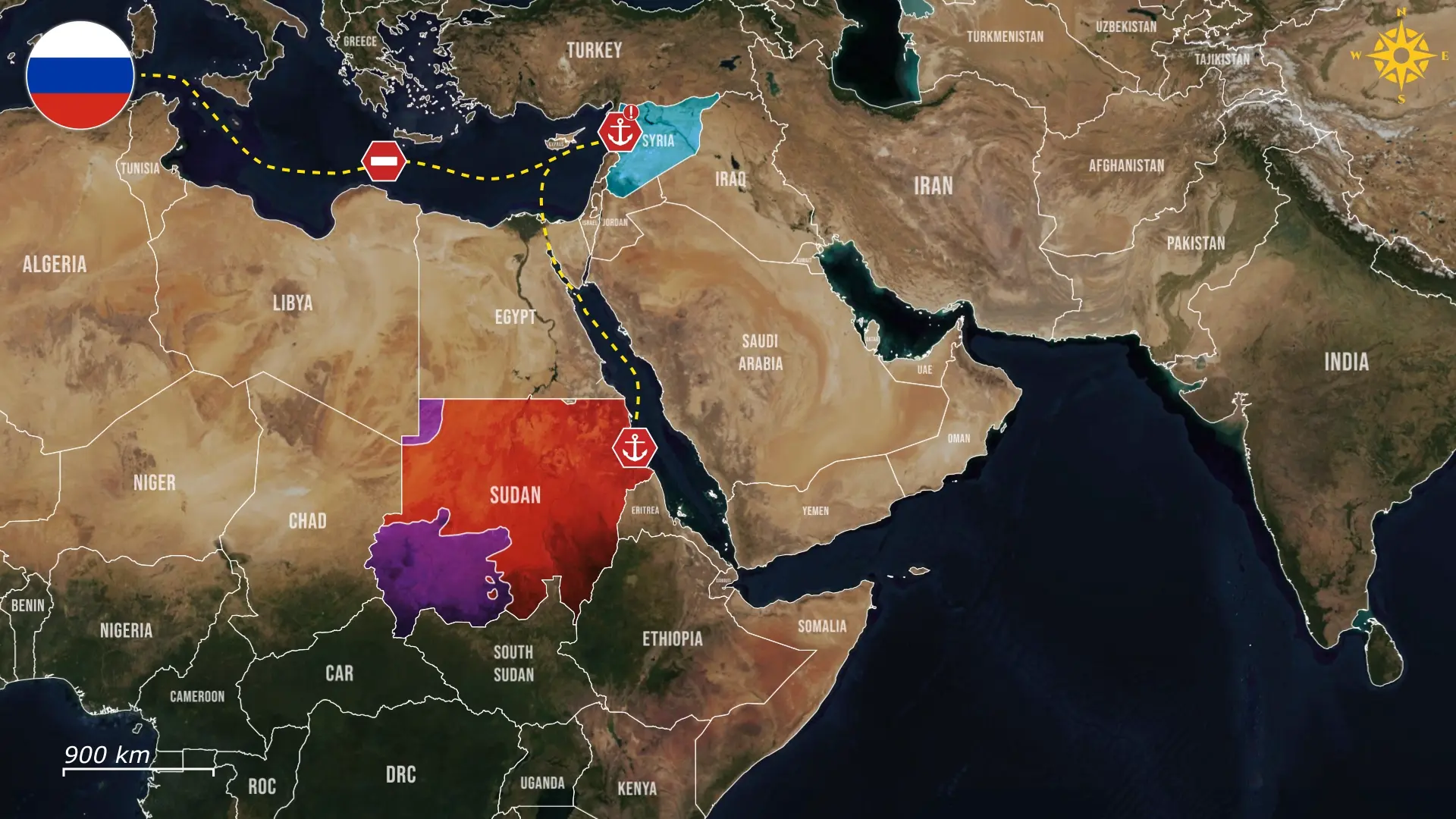
It also allowed monitoring of the Red Sea, and projecting influence into Africa and the Indian Ocean amid Tartus's uncertainties. Control over this gateway allows Moscow to secure supply lines, host vessels, and counter Western presence in a waterway carrying roughly 12 precent of global trade, without the same exposure to regional upheaval that now hampers Tartus. Losing Sudan would sever this vital fallback, leaving Russia without reliable warm-water access south of the Mediterranean and severely constraining its ability to maintain blue-water ambitions or support proxy operations across the continent.
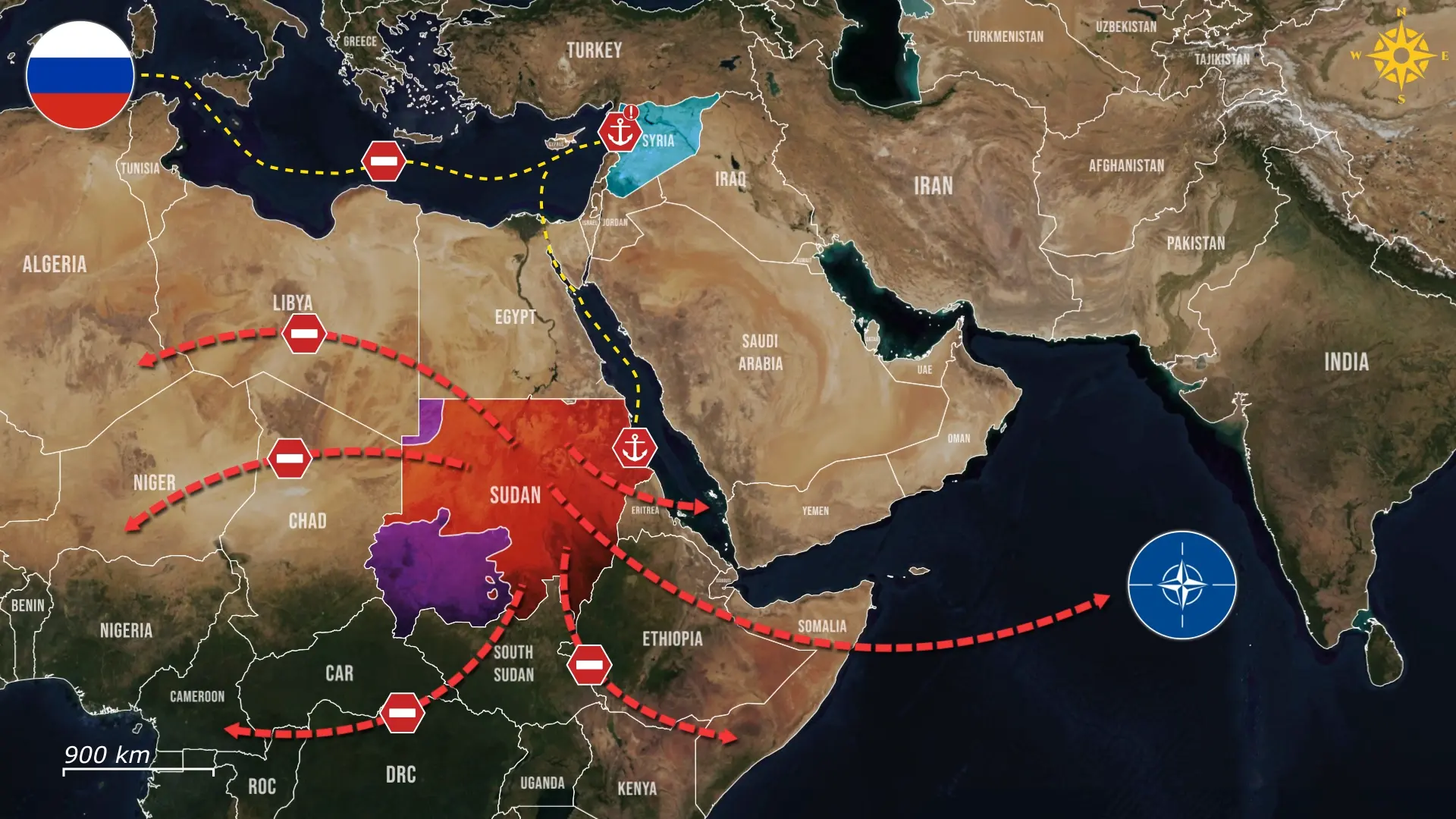
Russia's backing of the Sudanese Armed Forces remains deliberately indirect and limited in scale, as direct large-scale intervention proves unfeasible given Moscow's stretched resources. Instead, Moscow channels support through arms supplies, training, operational advice from Africa Corps units, and logistical aid, all calibrated to empower the Sudanese Armed Forces without committing Russian troops to frontline combat.
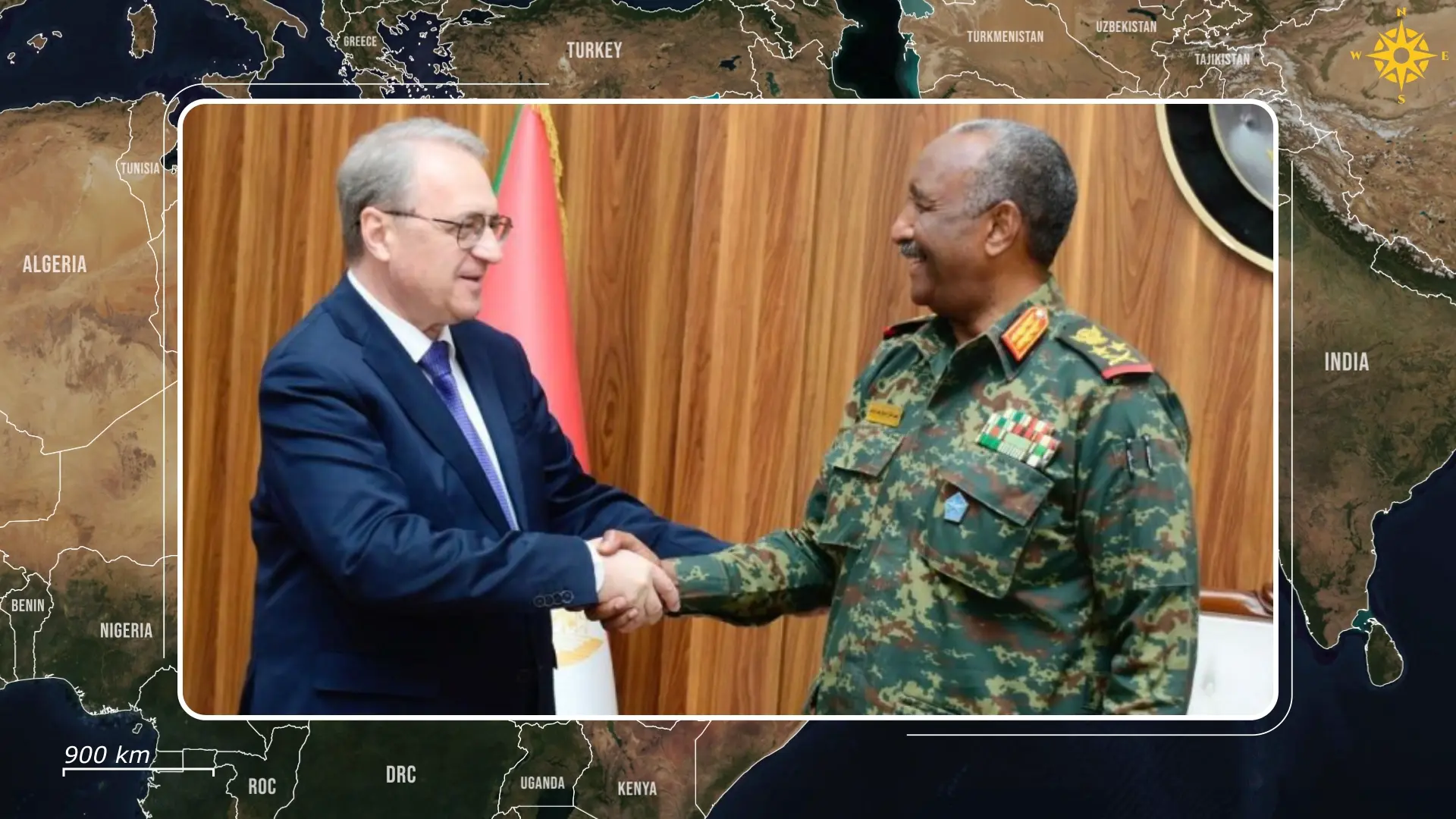
This approach stems from a clear transactional calculus where Moscow seeks to fund and equip the Sudanese Armed Forces sufficiently to roll back the Rapid Support Forces and stabilize Khartoum. With this role as benefactor for the government forces, Russia positions itself to extract political goodwill and leverage from the returning government.
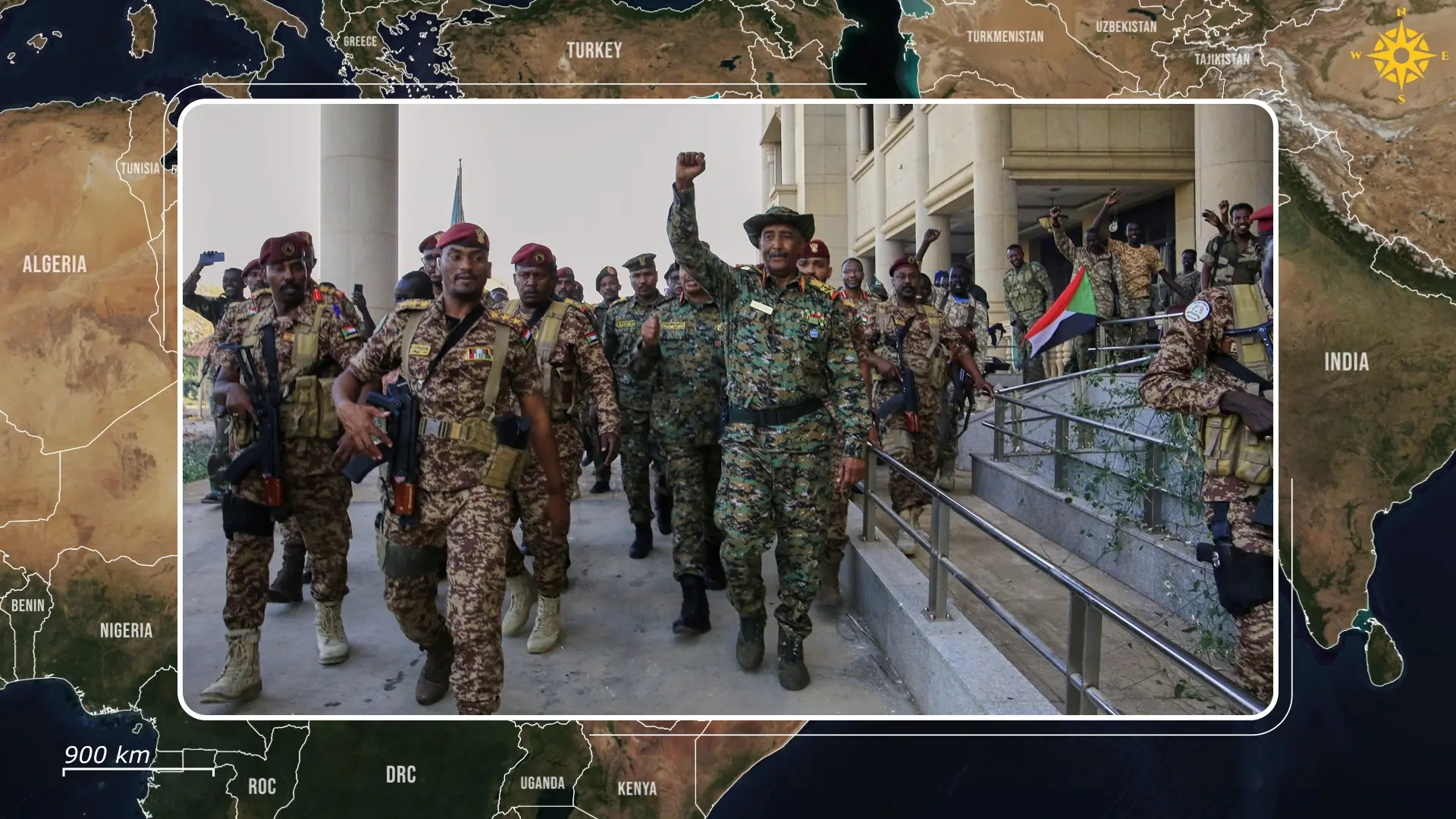
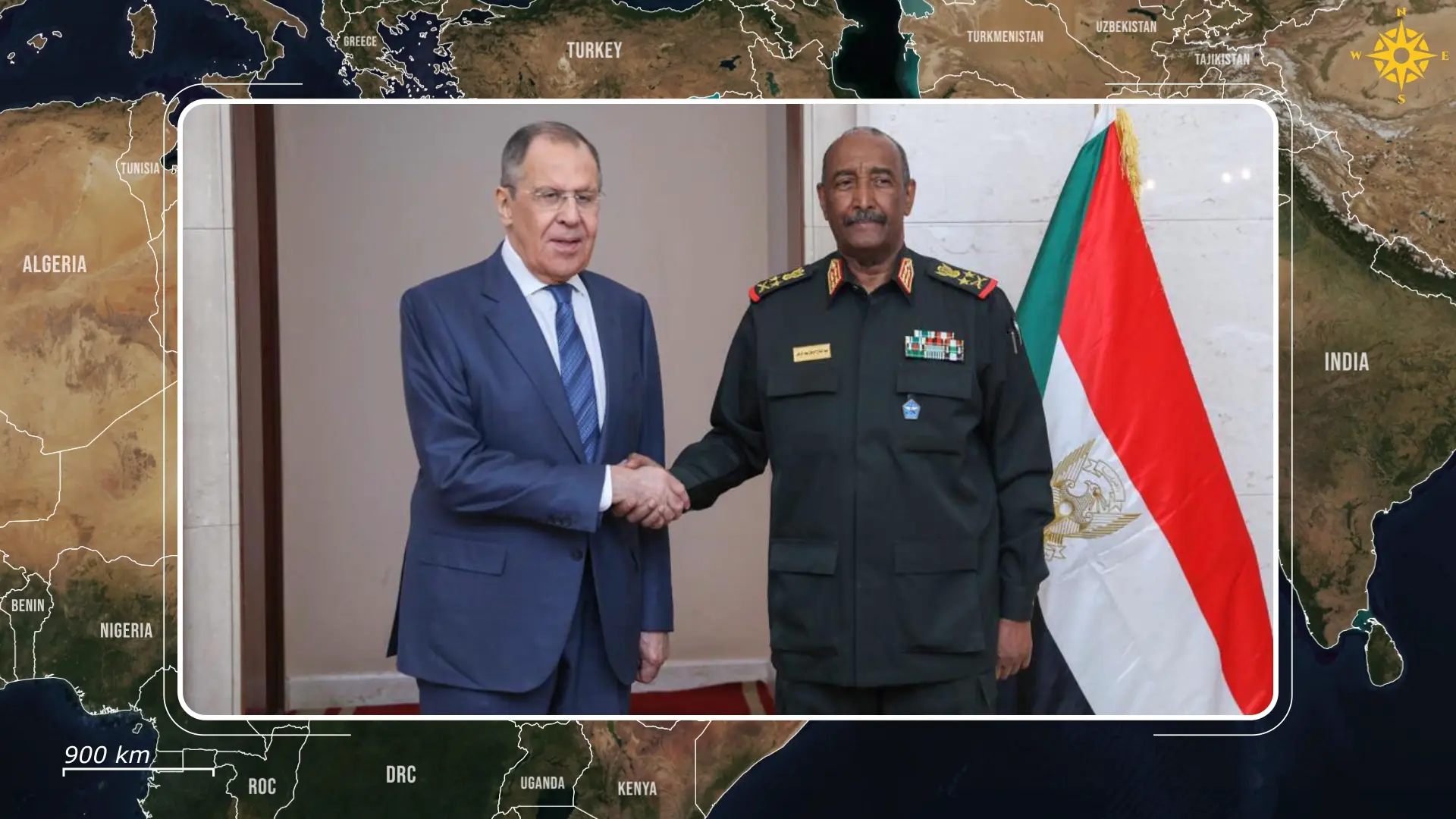
The ultimate prize is expanded or formalized access to Port Sudan, building on years of negotiations for a naval logistics hub. Recent Sudanese Armed Forces gains, including the capital's recapture, serve as Moscow's bargaining chip to press for a long-term deal in exchange for continued military sustainment. Losing this foothold would deny Russia its most viable Red Sea alternative, making sustained proxy investment a calculated necessity rather than ideological commitment.
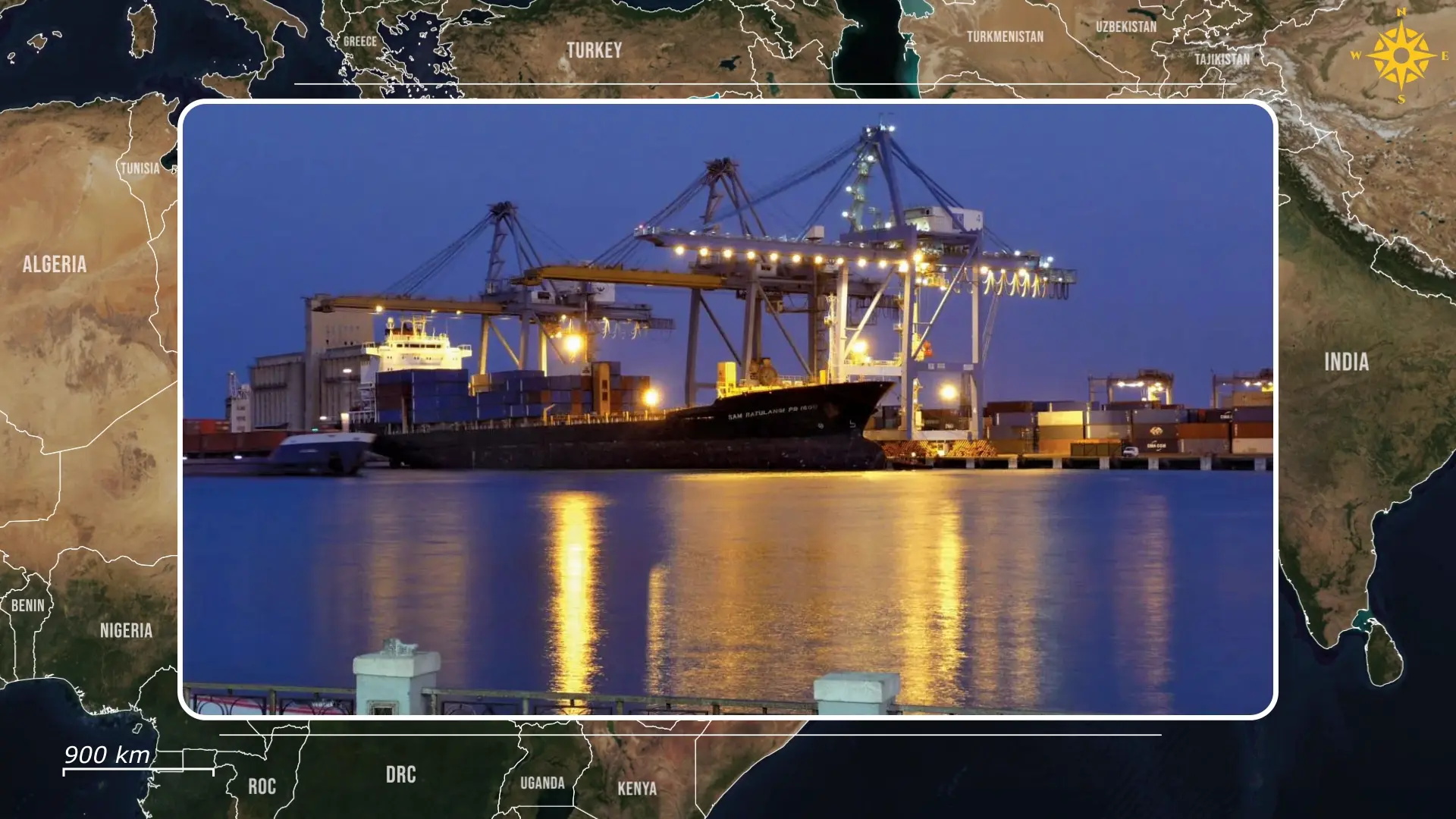
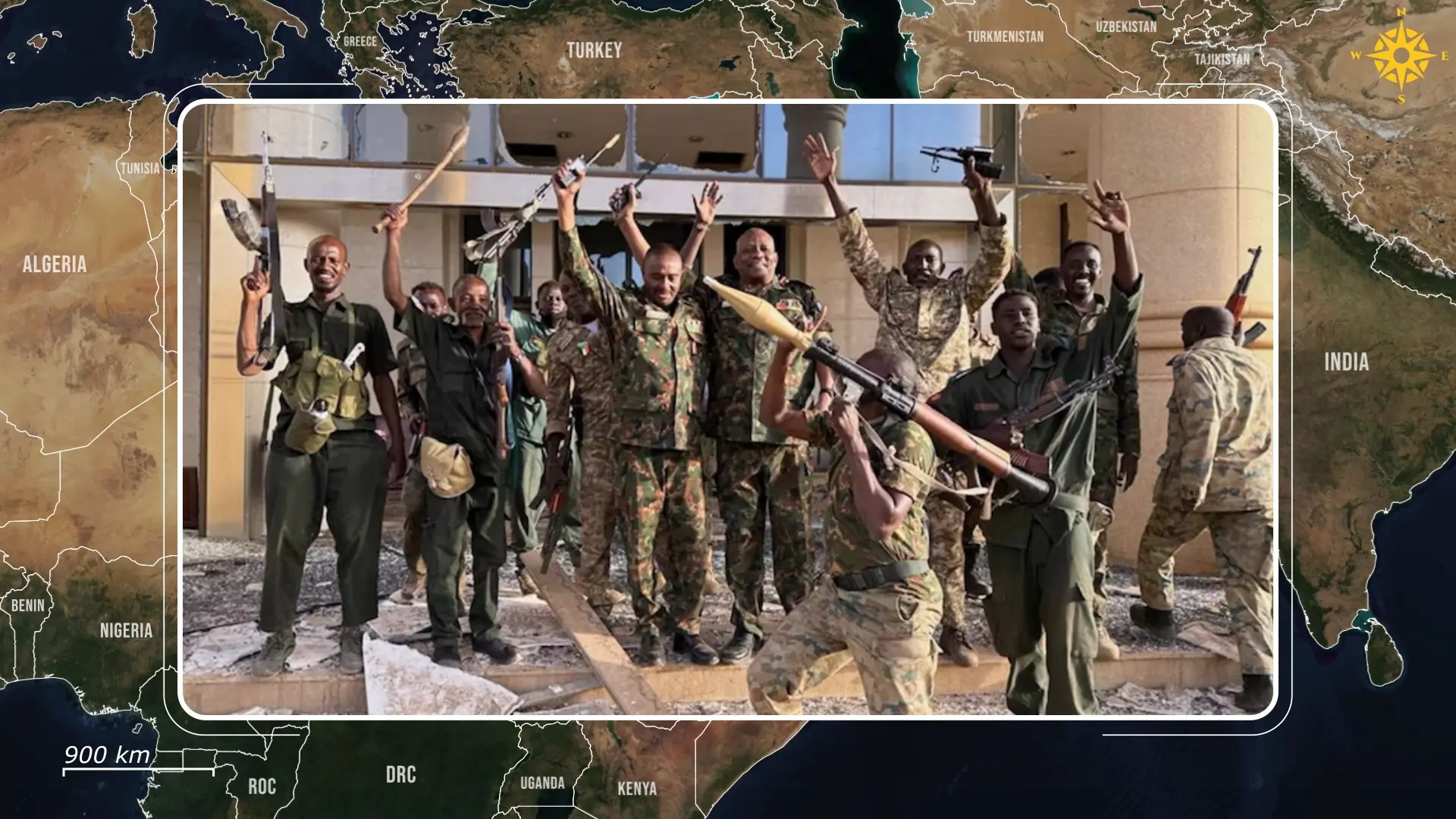
Overall, Russia's orchestration of the Sudanese Armed Forces' recapture of Khartoum and the government's return to the capital marks Moscow's calculated acceleration toward securing a permanent Red Sea fallback as Tartus risks slipping from reliable control. By investing just enough proxy support to tip the balance, Russia has bought leverage to formalize Port Sudan access, turning a fragile African foothold into its indispensable maritime access point in the Red Sea.
Yet this same constrained bandwidth exposes the fragility of the arrangement, where any decisive intervention by less encumbered powers could rapidly erode Moscow's gains and leave it without viable southern access. In the end, Sudan's transformation into Russia's Tartus backup underscores how stretched empires must now pursue high-stakes diversification through low-cost proxies, accepting that every strategic advantage remains temporary in an era of accelerating geopolitical attrition.

.jpg)
Comments