

.svg)
Today, the biggest news comes from Ukraine.
Here, Ukraine has enhanced and adapted Russia’s widely used long-range kamikaze drones for its own military use, strengthening its capabilities in drone warfare. Remarkably, the very drones that once carried out destruction in Ukraine for Russia are now being deployed by Ukraine to strike Russia, vividly showcasing the effectiveness of its new drone strategy on the battlefield.
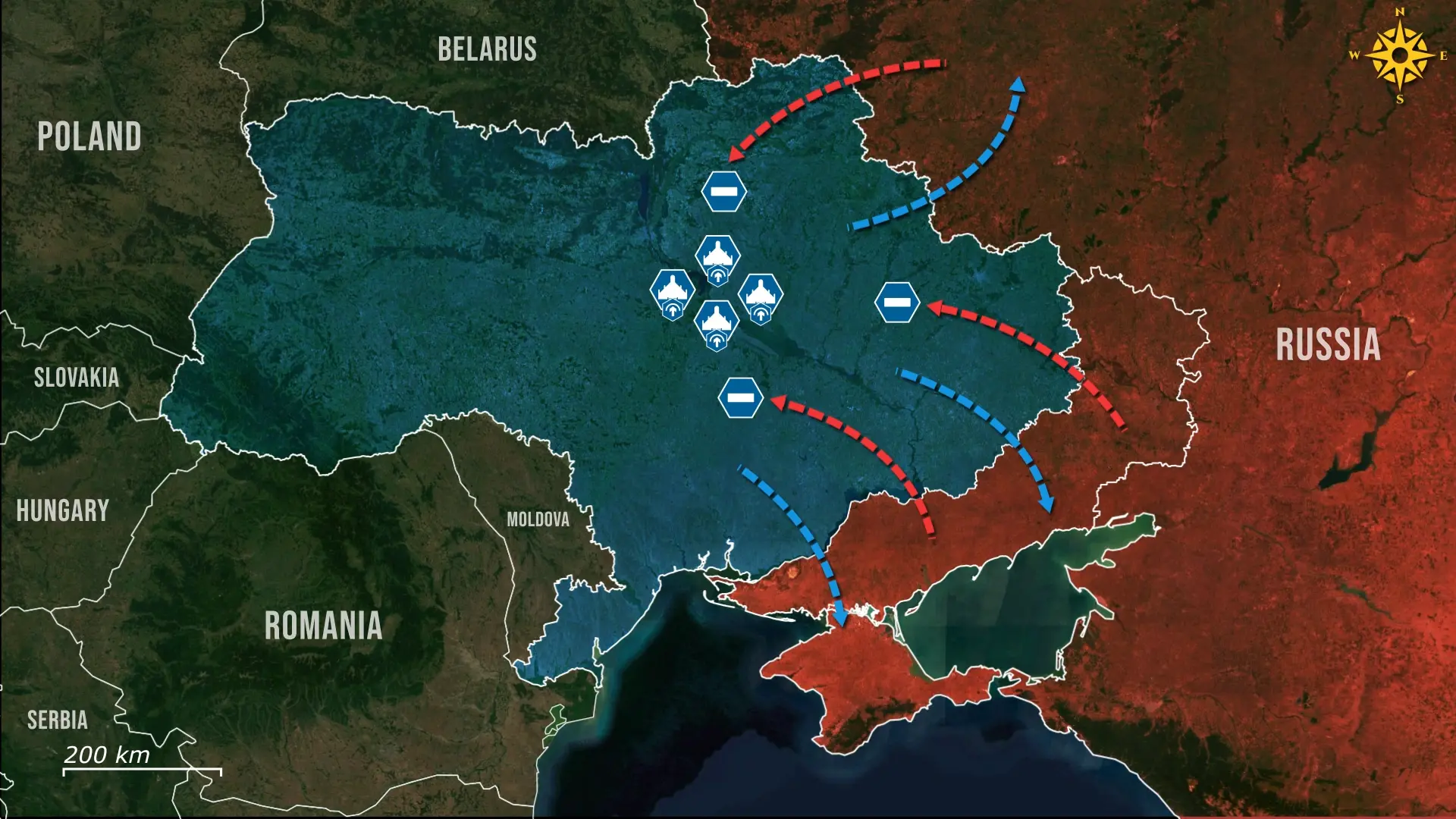
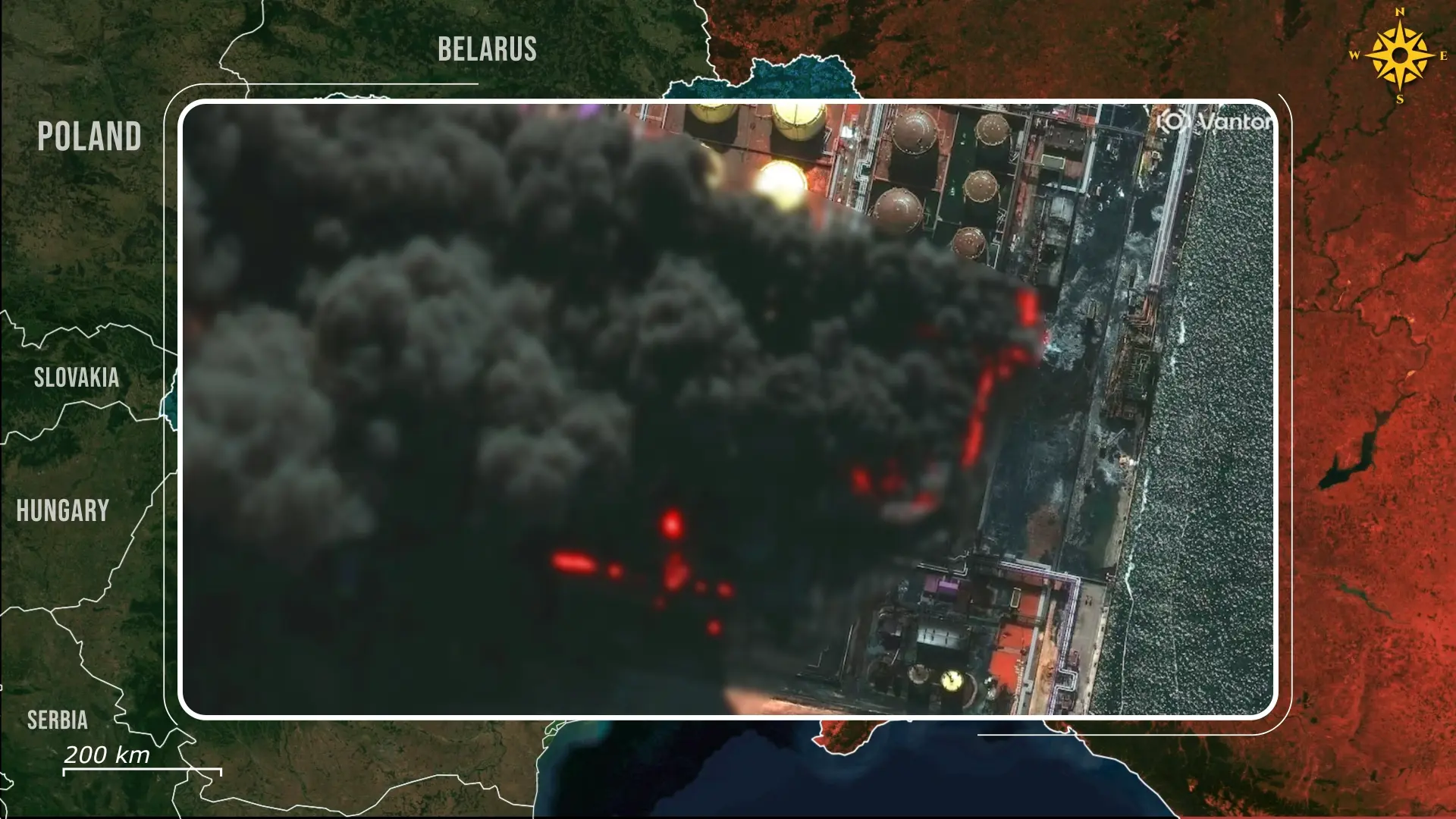
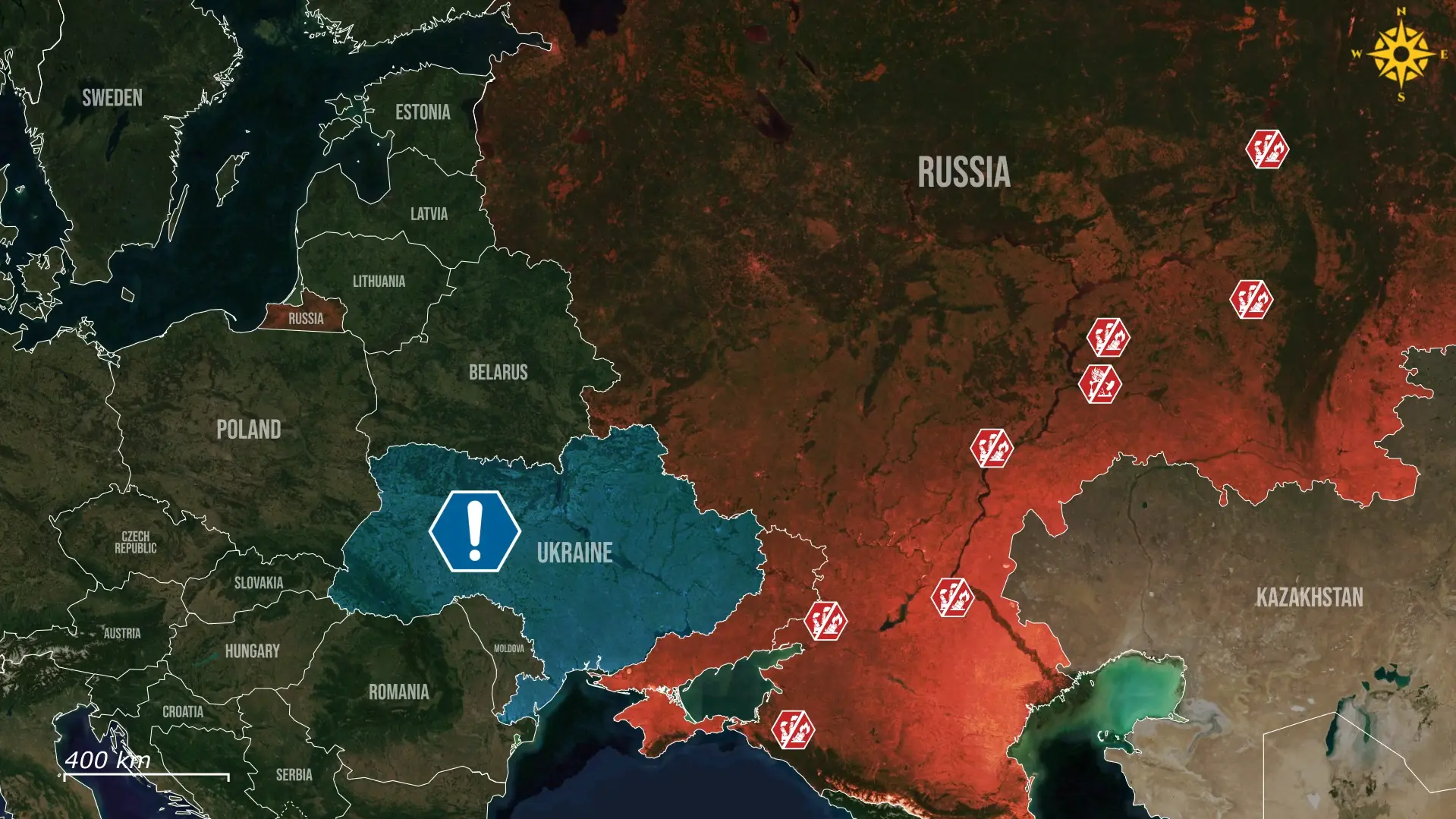
Recently, Ukraine carried out a coordinated seven-day-long attack inside Russia; during this operation, some unusual drones were observed at Russia’s key oil export ports, Ust-Luga and Primorsk. The external design of these drones resembled the long-range kamikaze Shahed drones widely used by Russia against Ukraine.
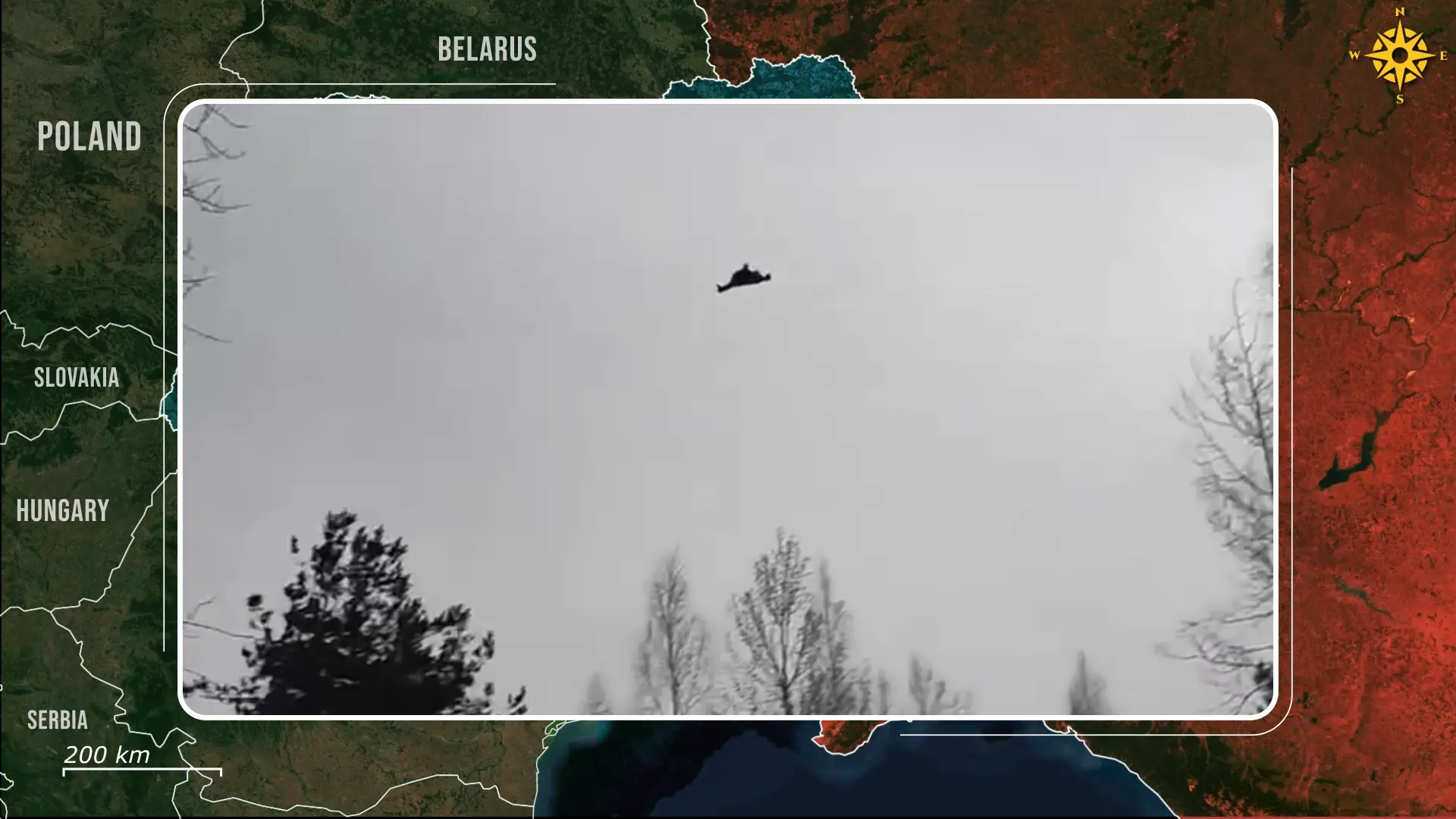
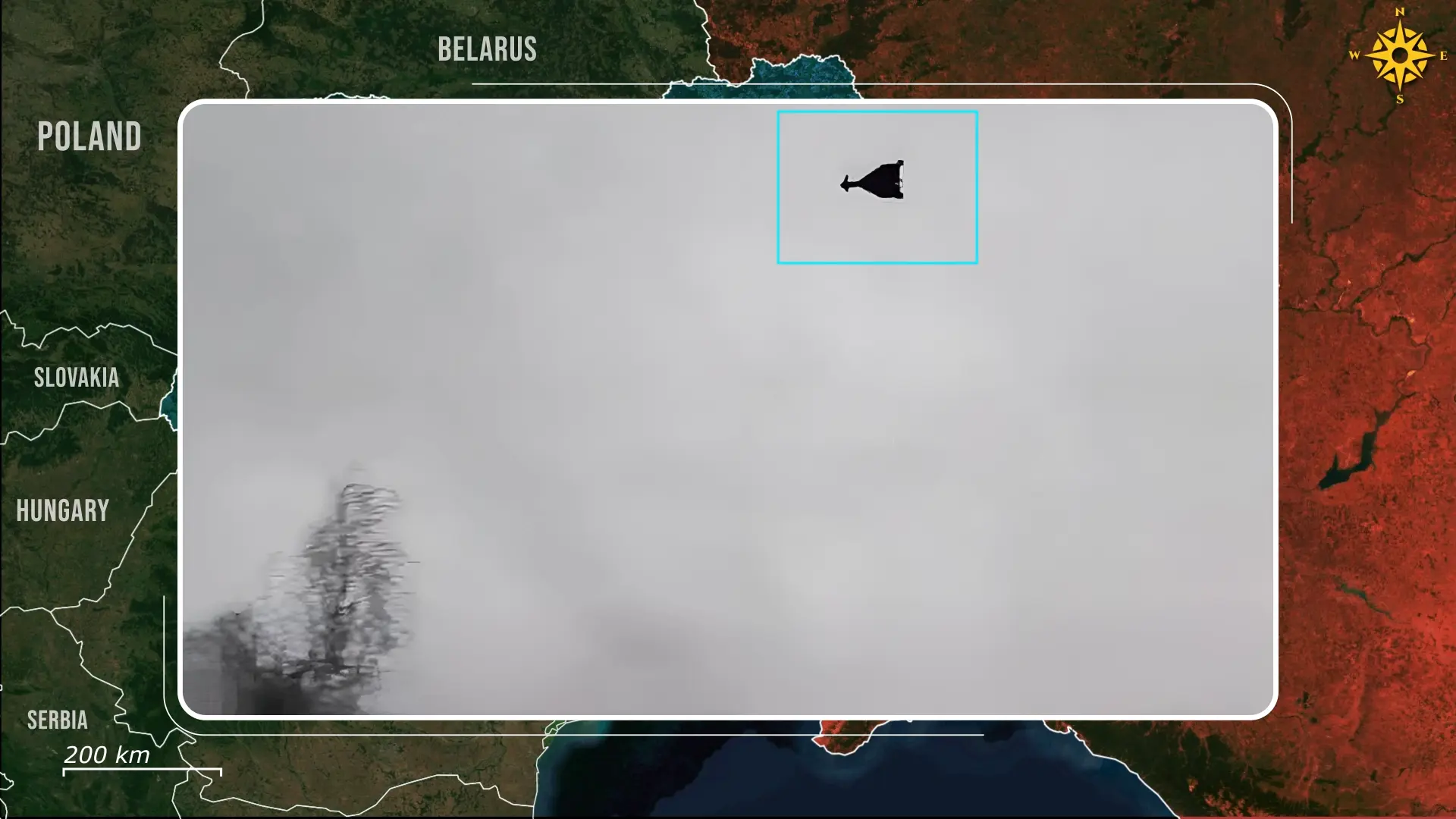
However, what was surprising is that they were striking critical Russian energy facilities instead of targeting Ukraine, which naturally left the Russians stunned. This incident indicates that Ukraine has begun producing and deploying its own Shahed-variant drones, enhancing its long-range strike capabilities with the precise weapons Russia uses to strike Ukraine.
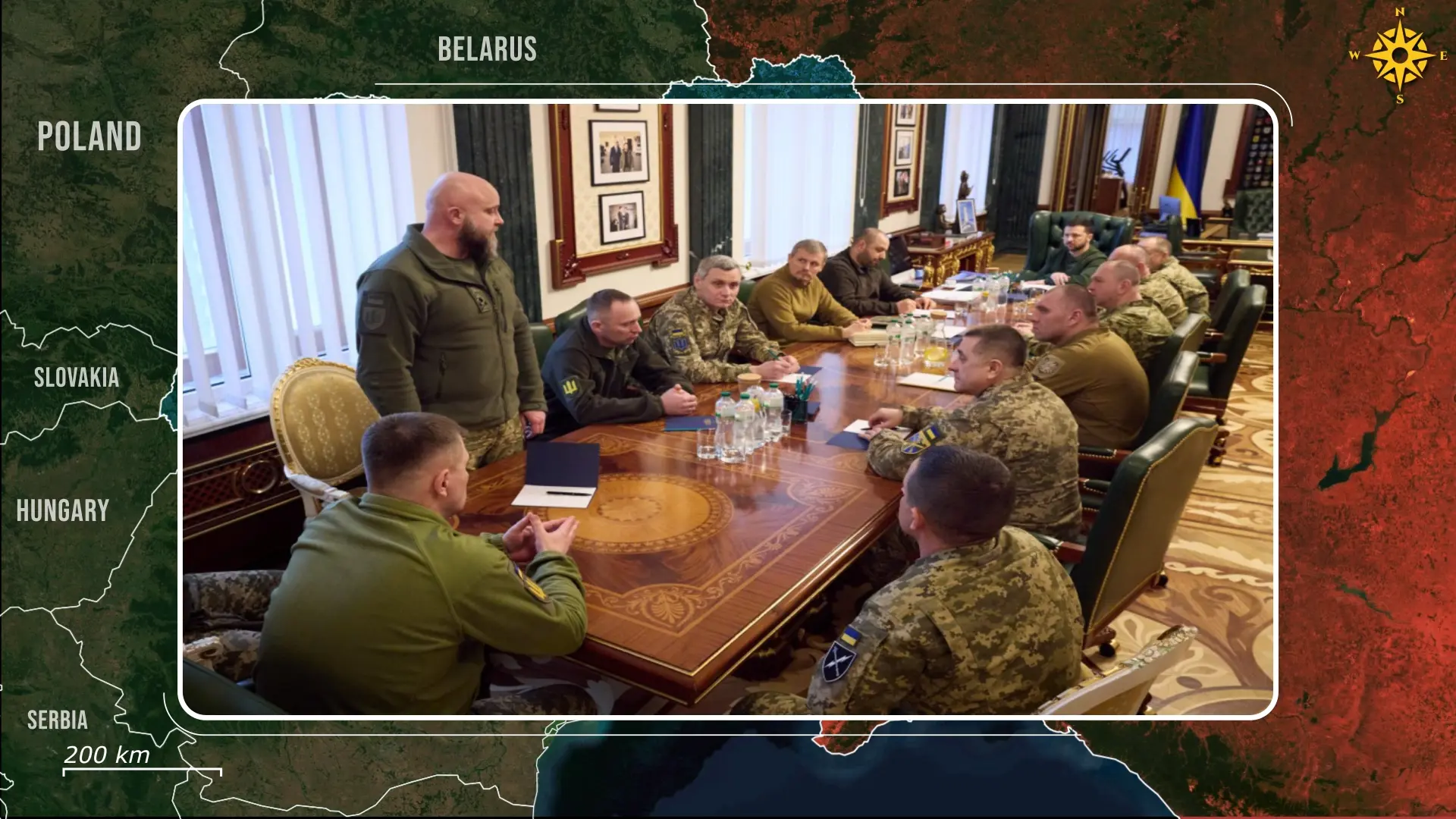
Behind this development lies a well-planned, long-term strategy through which Ukraine has been gradually advancing and adapting its drone technology. Since the appointment of Ukraine’s new Defense Minister, Mykhailo Fedorov, he has begun reorganizing the country’s military management system. In this context, last January, Fedorov directly appointed Serhii Flash Beskrestnov as an advisor on defense technology, due to Beskrestnov’s widespread recognition among Ukrainians as a drone expert. He was the first to comprehensively analyze the capabilities of machine-vision equipped FPV drones and jet-powered Shahed drones used by the Russians, presenting his findings publicly, which played a crucial role in assessing the strategic impact and military potential of these technologies.
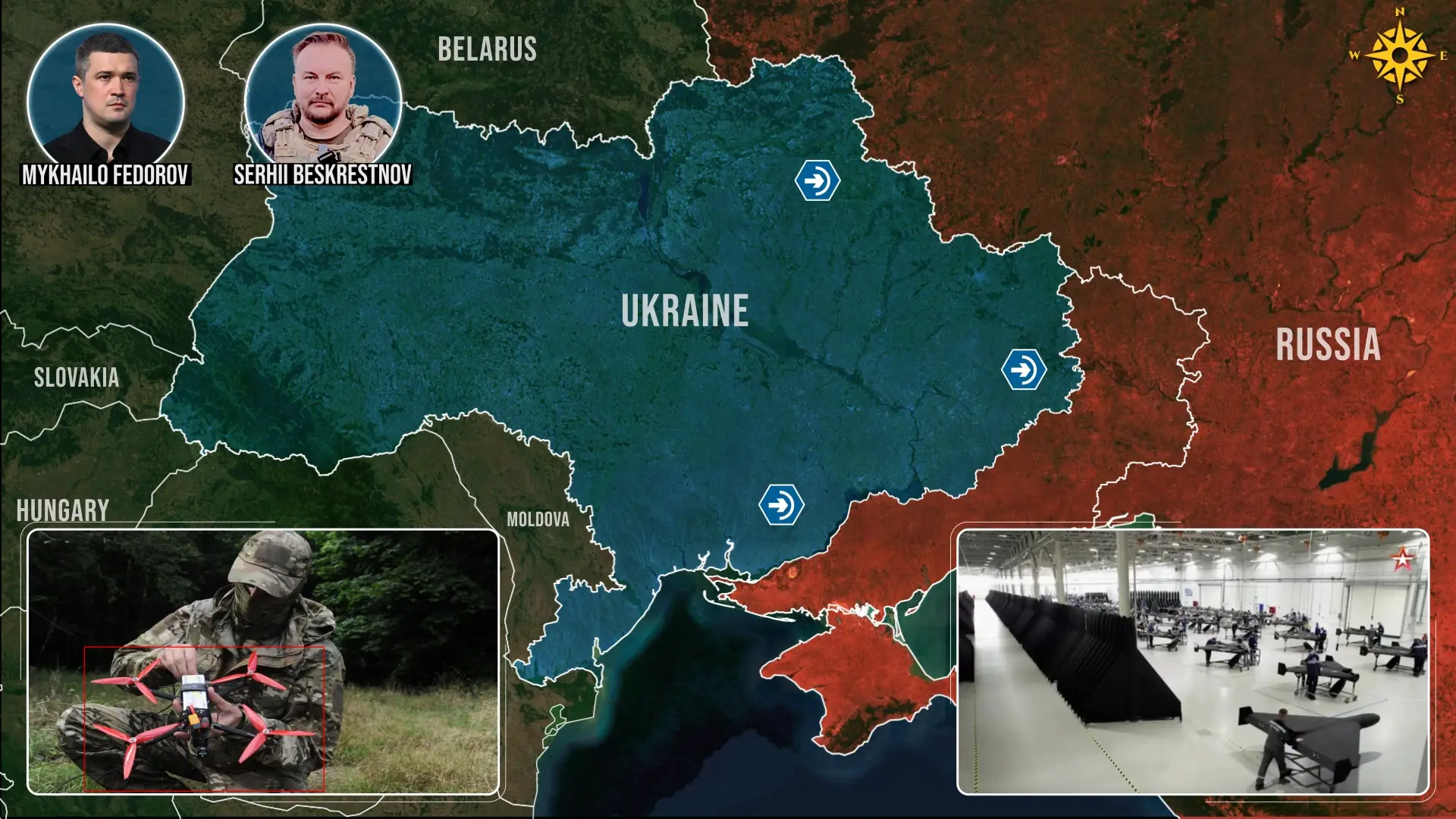
Moreover, Beskrestnov has been working directly with Ukrainian troops on the battlefield since the beginning of Russia’s full-scale invasion, providing them with long-term training in countering enemy drones and electronic warfare. Therefore, Fedorov incorporated Beskrestnov into his team to leverage this hands-on experience, where Beskrestnov’s primary responsibility is to analyze downed, captured, or destroyed Russian equipment and convert the findings into actionable intelligence and solutions to further improve Ukraine’s counter-drone and electronic warfare strategies.
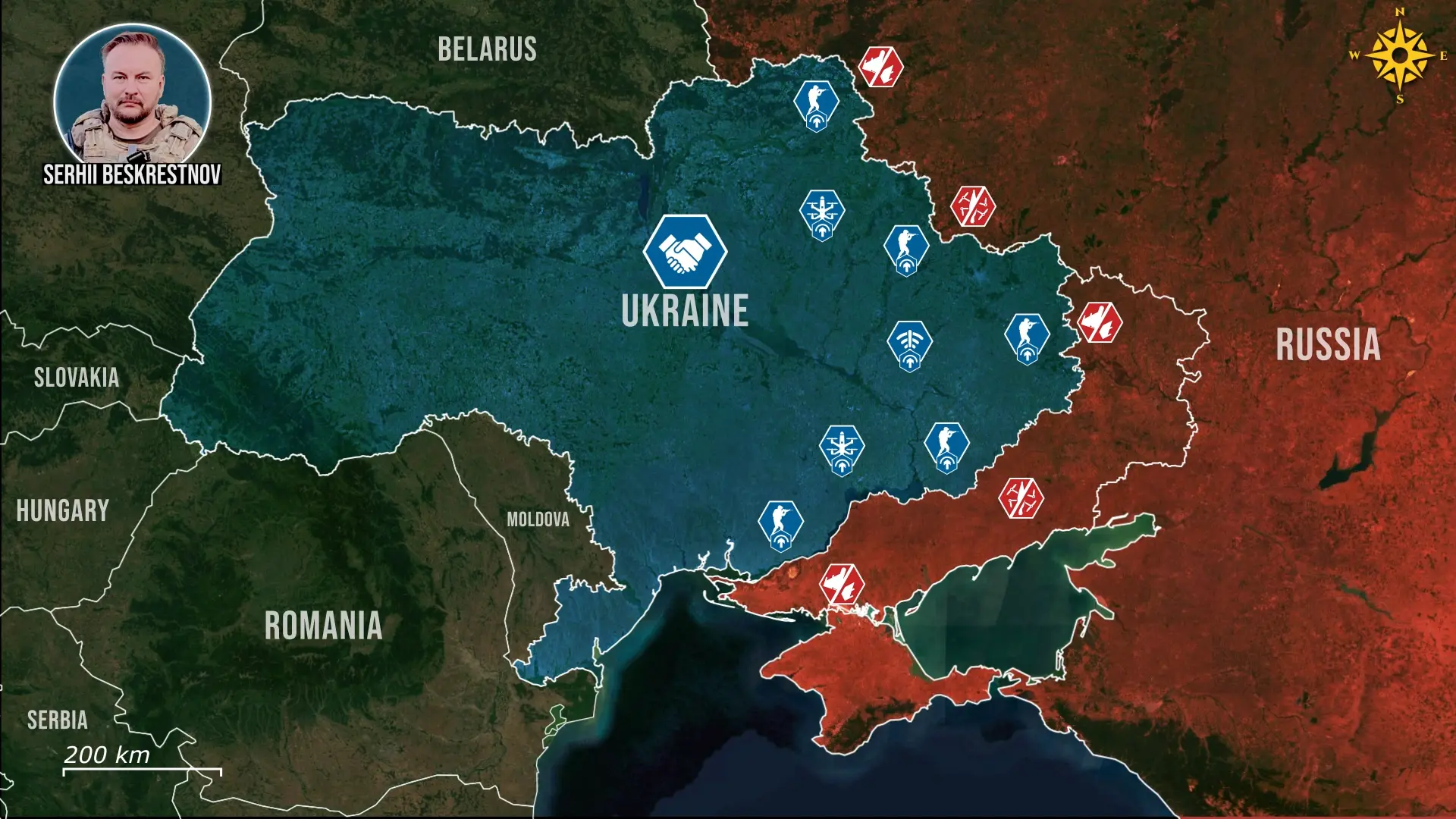
In addition, while Russia was launching Shahed drones one after another against Ukraine, Ukraine conducted extensive research on these drones, enabling them to accurately identify their operational mechanisms and vulnerabilities.
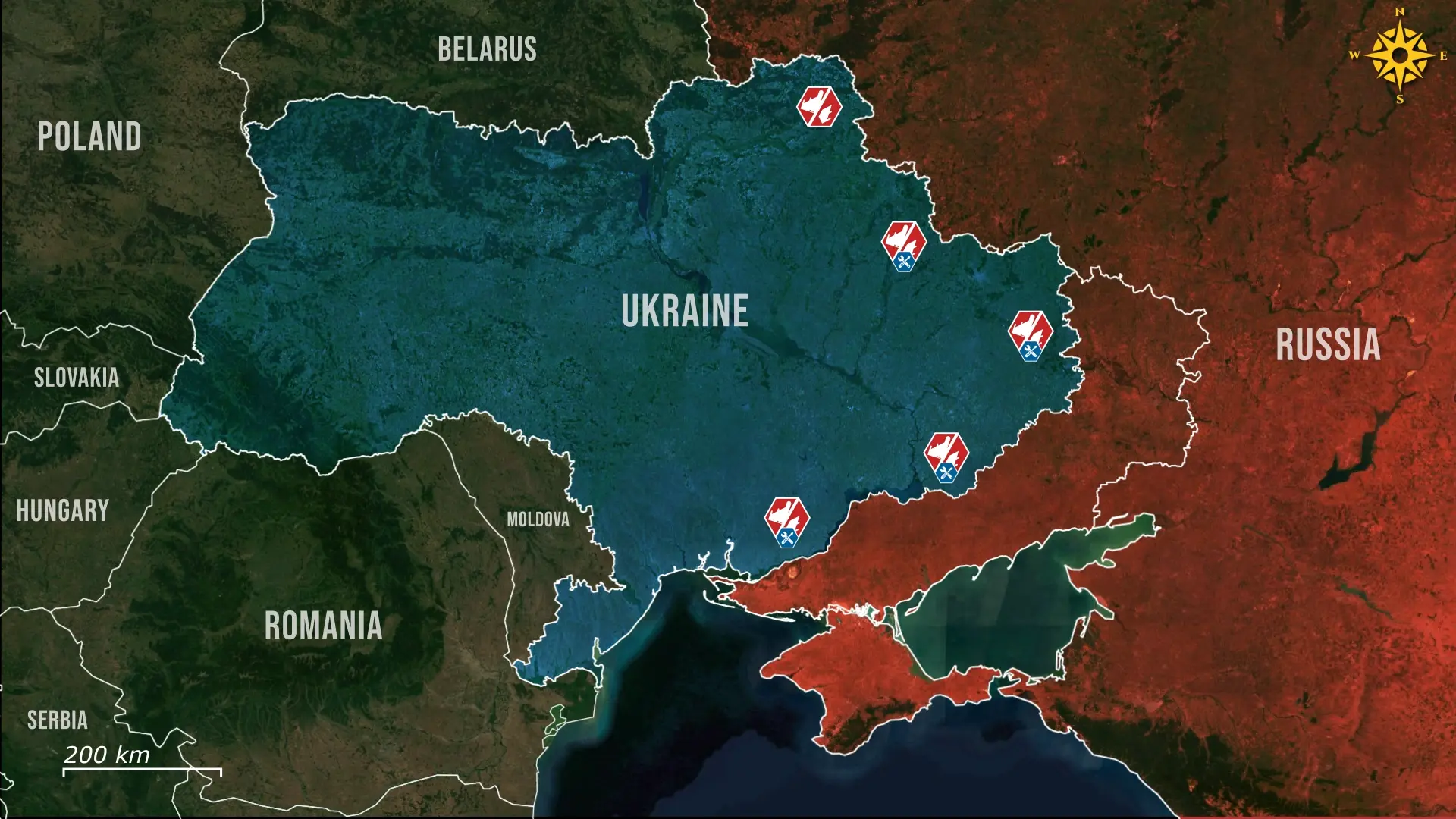
Subsequently, Ukraine began developing an upgraded version of the Shahed drone using this information, removing unnecessary or weak components, reusing effective parts, and completely redesigning the system. As a result, Ukraine was able to produce a drone that may resemble a Shahed externally but is far more capable operationally and fully aligned with Ukraine’s own tactical approach. Therefore, it was only a matter of time before Ukrainian Shahed drones appeared at Russian ports, as their emergence was the inevitable outcome of Ukraine’s continuous research, analysis, and design development efforts.
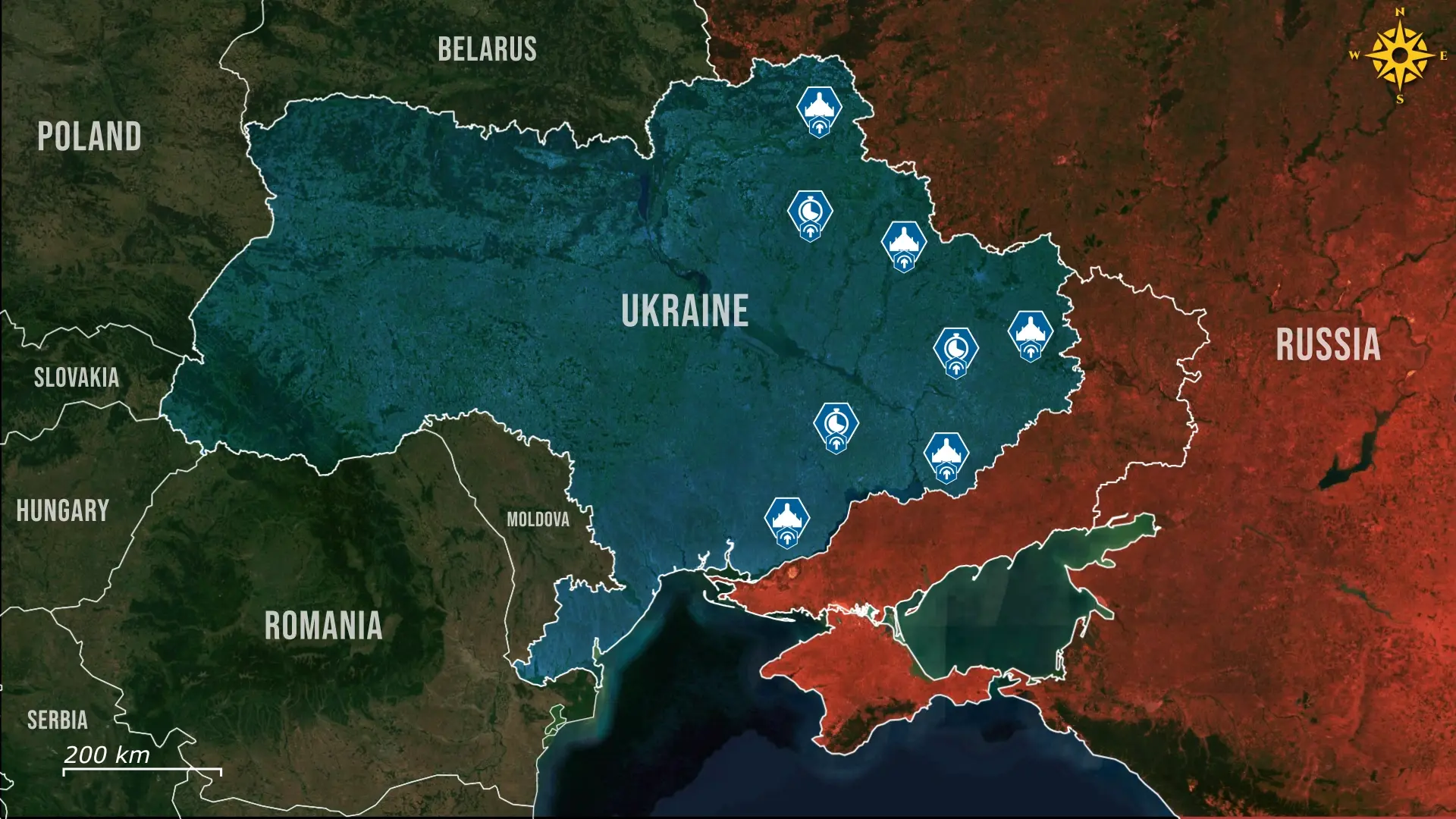
The Ukrainian version of the Shahed drone is commonly known as the Batyar. Ukraine has primarily designed it as a long-range loitering, bomber, or frontline suicide drone, capable of traveling over eight-hundred-kilometers. Batyar is capable of carrying an eighteen-kilogram payload, sufficient to destroy critical facilities such as warehouses, oil depots, or other unshielded equipment. Moreover, the Batyar drone can be launched from a standard catapult or vehicle, significantly simplifying logistics and eliminating dependence on fixed infrastructure. This enables Ukrainians to conduct rapid, mobile operations, making it difficult for Russian forces to pinpoint constantly changing launch points.
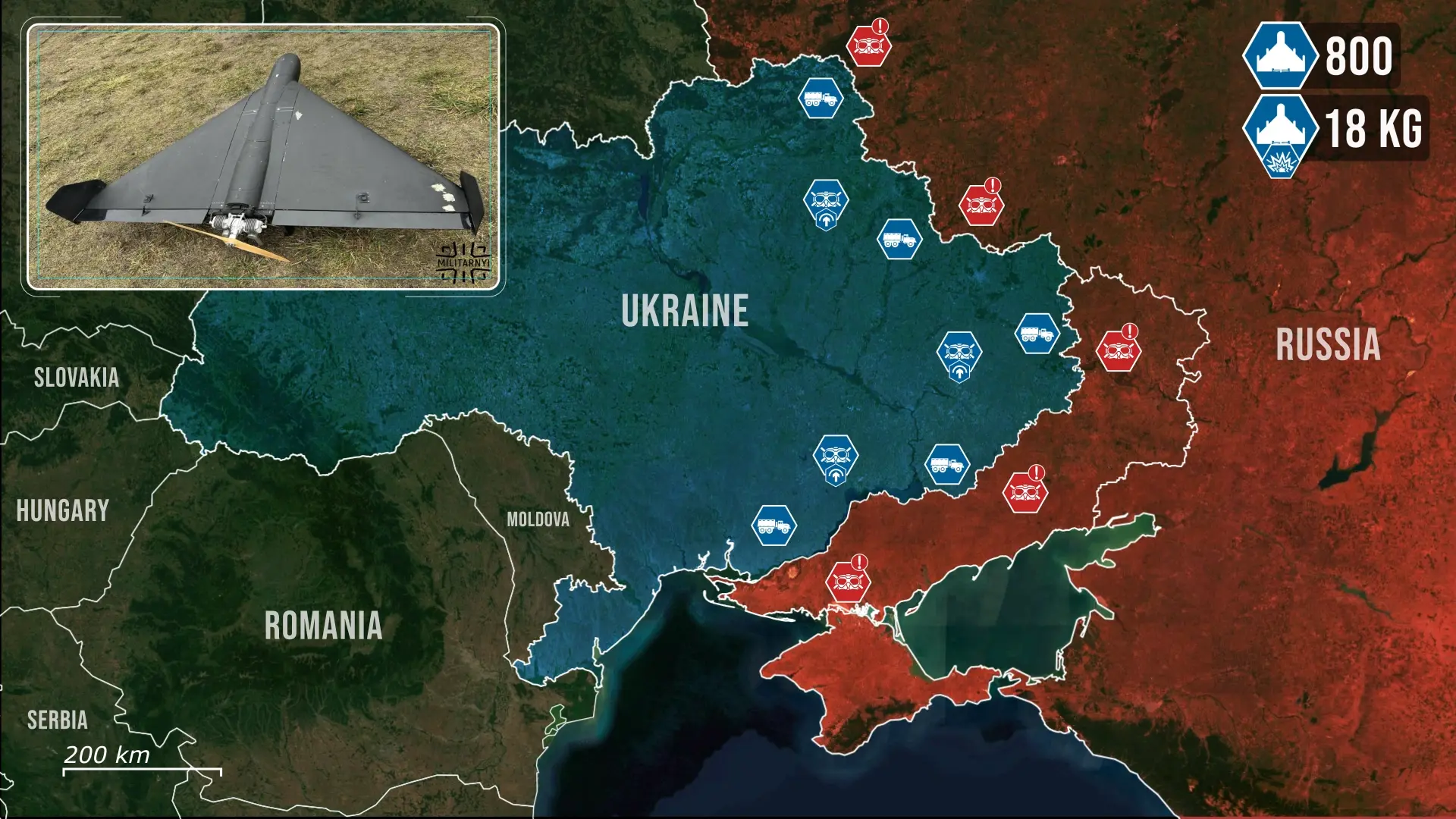
Interestingly, one of the key modifications that Ukrainians made to these drones is that they automatically adjust for in-flight damage from Russian air defense fire, able to proceed toward their designated targets despite damage, which opens up a wide range of more heavily defended Russian targets. Recent video analyses of the Batyar drone operations in the north reveal that Ukraine has further implemented significant upgrades since its initial launch. For example, canard wings were added to the front of the body, similar to those commonly seen on Swedish fighter jets such as the Gripen. These canards enhance the drone’s stability, assist in pitching up or down, and make rotation and control faster and more manageable.
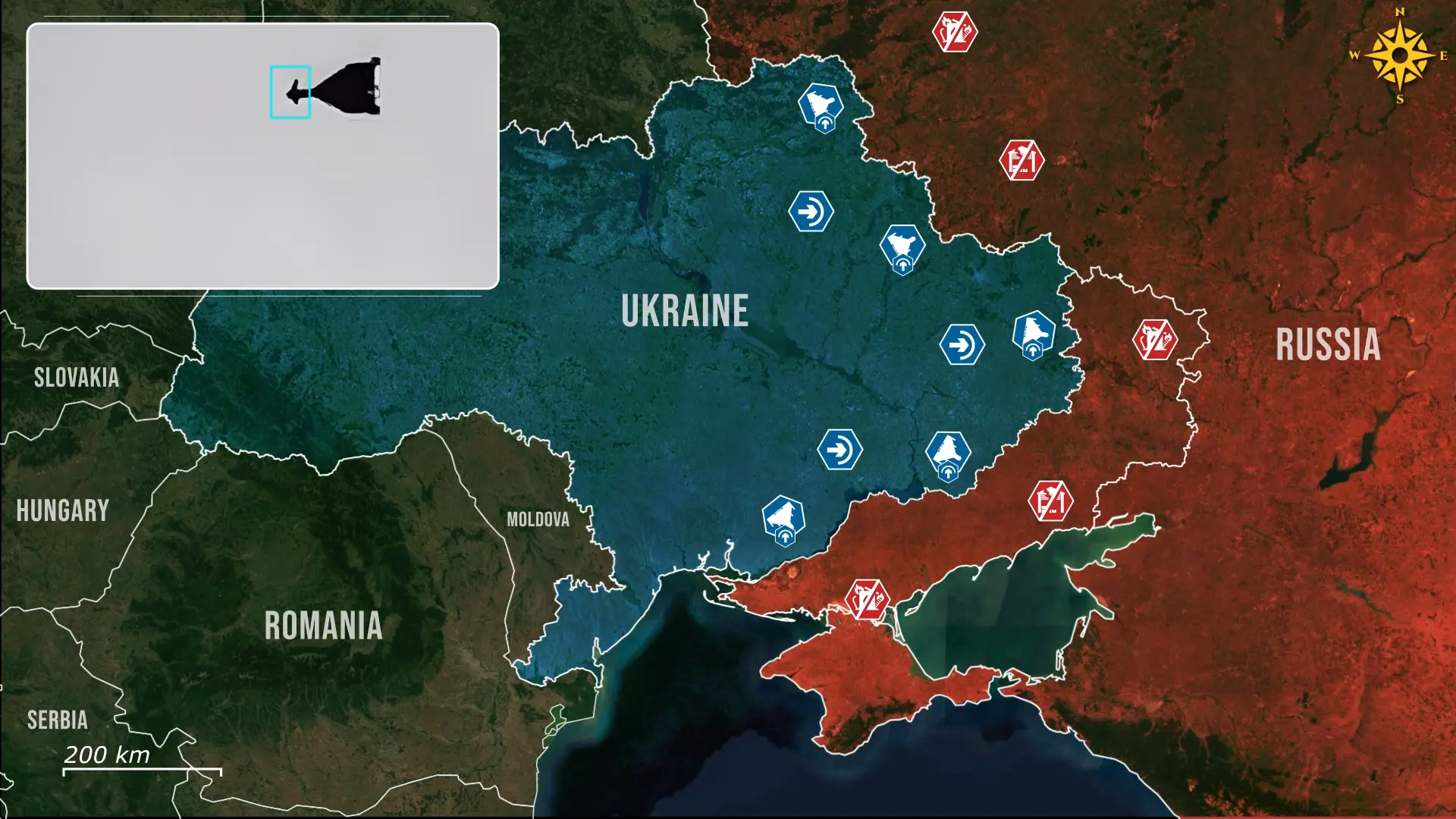
As a result, Ukraine’s Batyar drones now have much more stable control than before, and their ability to change direction rapidly allows them to more easily evade Russian interceptor drones and ground fire, further enhancing the drones’ effectiveness and operational resilience.
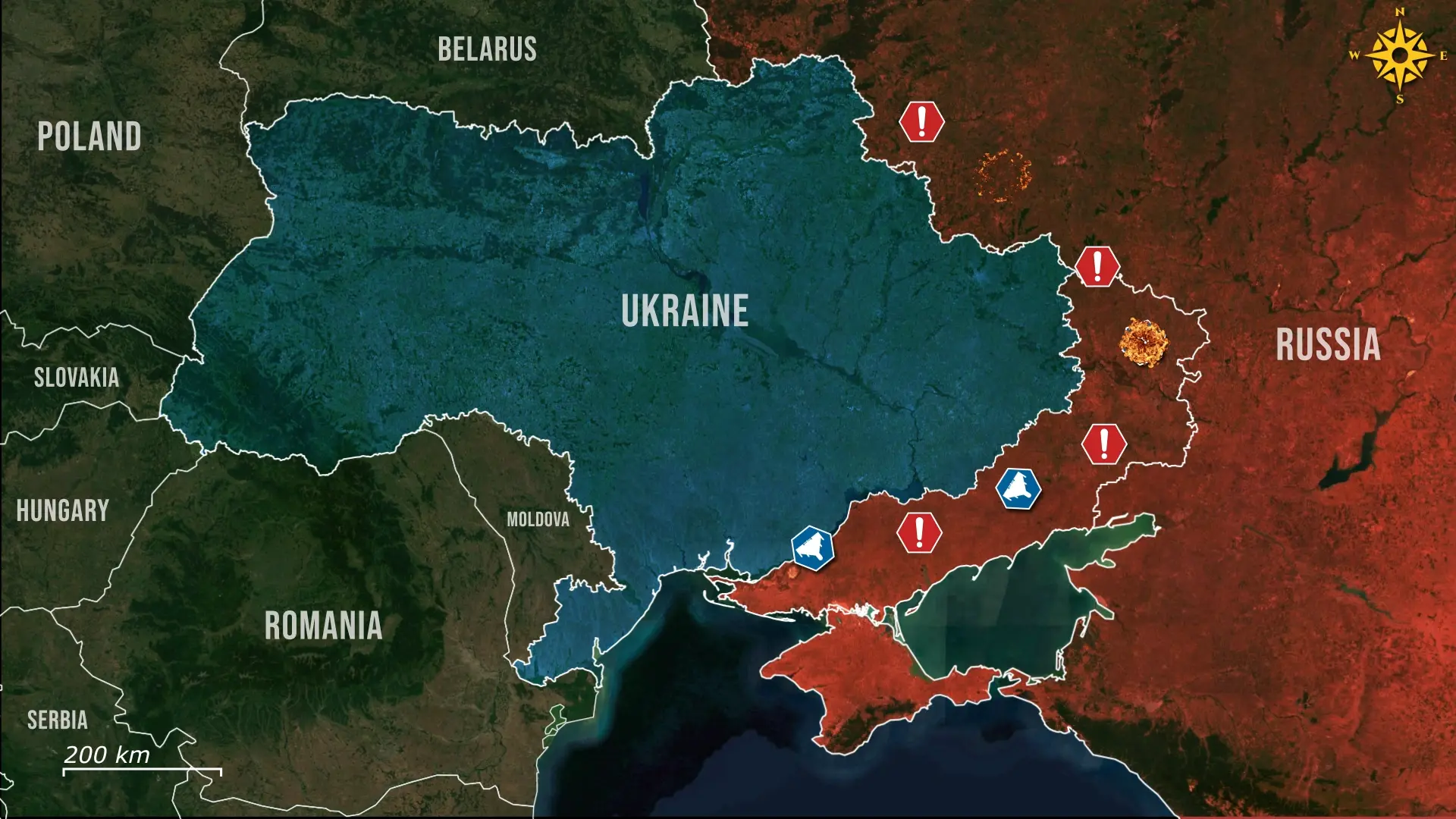
Overall, while Russia used its Shahed drones to carry out one-sided attacks against Ukraine, Ukraine calmly analyzed their weaknesses and capabilities and adapted them for use by its own military. At present, Ukraine is not only intercepting Russia’s Shahed drones at an increasingly faster rate, but is also deploying its own Shahed-like Batyar drones deep inside Russian territory.
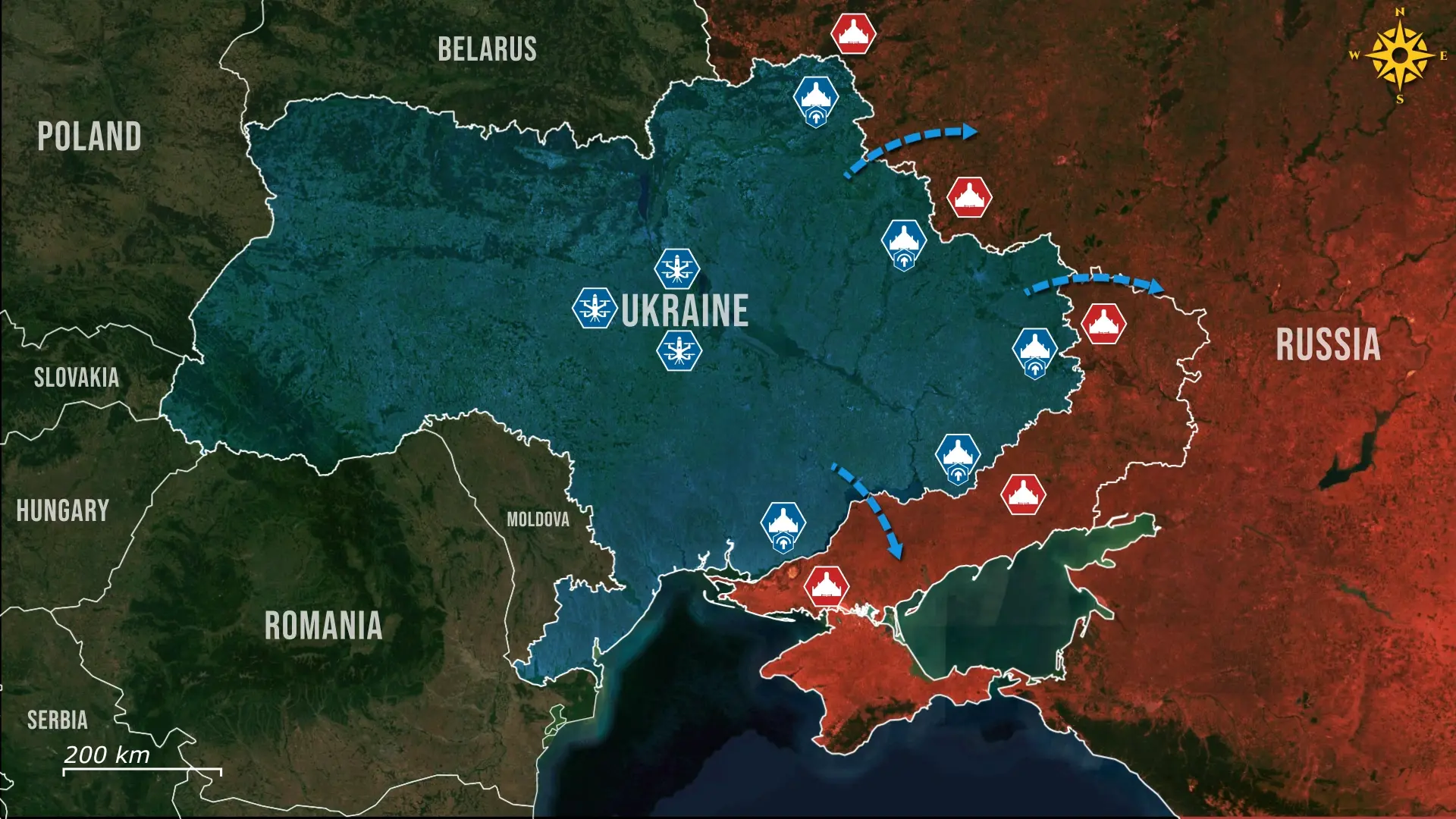
The exact improvements that Ukrainian engineers made to the Russian design make it much more effective against higher-risk targets, where in-promptu air defenses, such as mobile machine-gun teams, are sure to be present, which explains why it was used on the 4th day of Ukraine’s week-long campaign on Russia’s northern ports. This should serve as a clear warning to Russia that no matter what weapon it uses against Ukraine, Ukraine will analyze it, uncover its weaknesses, and ultimately find a way to turn that very weapon back against Russia.

.jpg)


Comments