

.svg)
Today, the biggest news comes from Ukraine.
Here, the drone race reached an impressive pace, as evidenced by the effective Ukrainian counter-drone measures and the latest Russian introduction of jet-powered Geran drones to counter them. However, these new superfast Russian drones cannot outrun the speed of Ukrainian innovation.
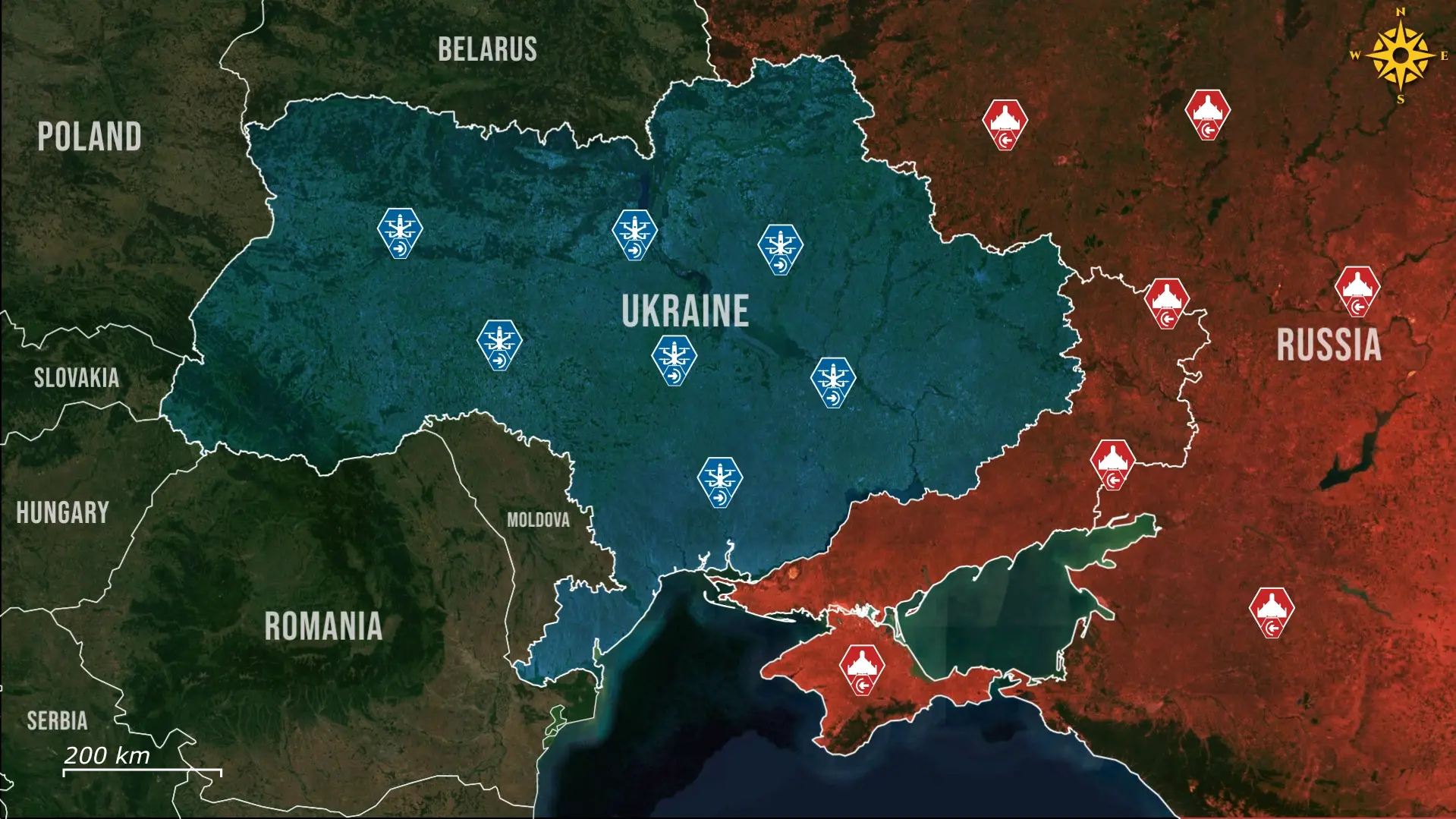
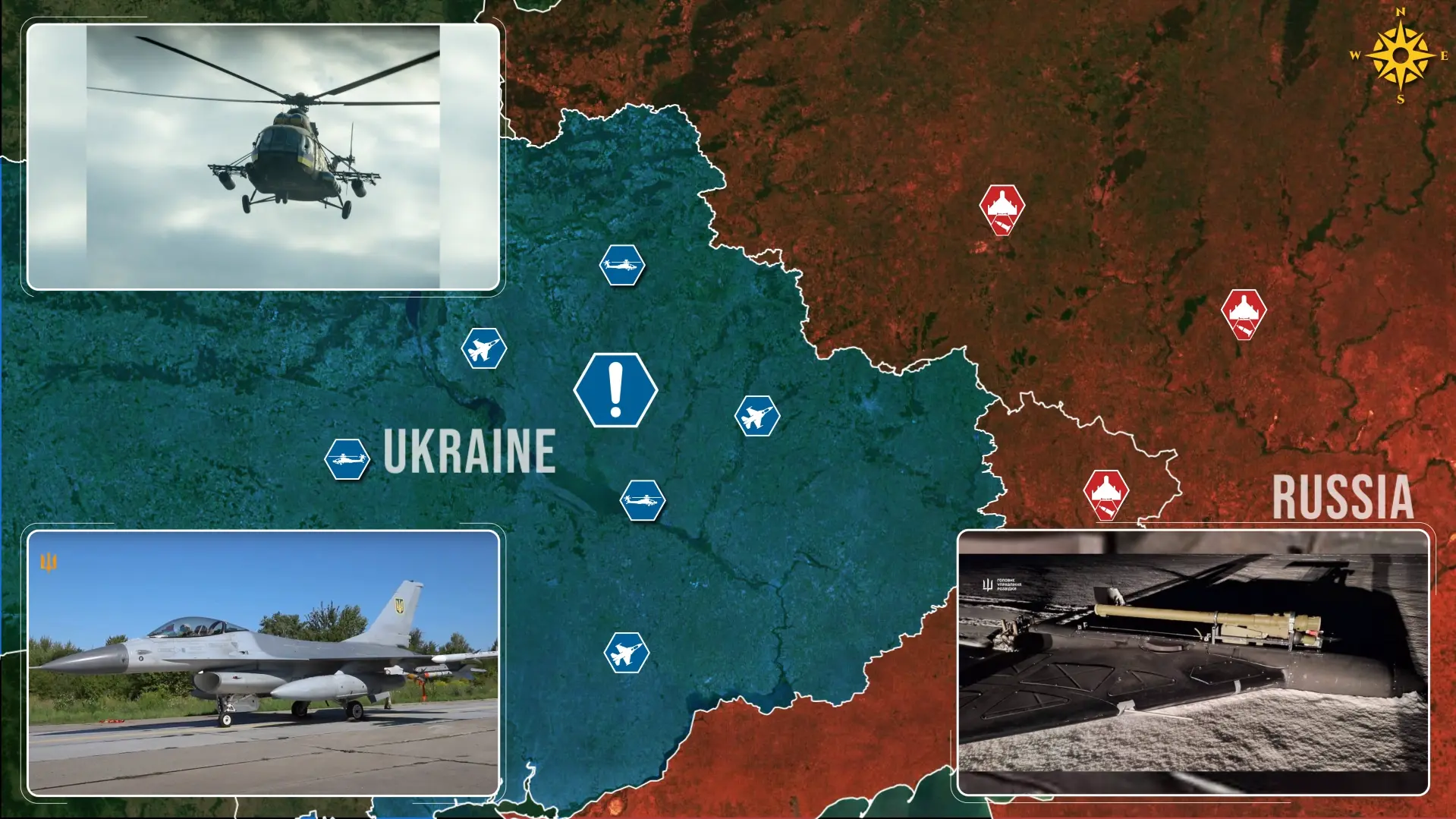
Over the past year, Russia has worked on making its Geran drones harder to kill, as Ukraine has learned to systematically shoot them down. To this end, Russia began equipping Geran drones with air-to-air missiles as a response to Ukraine’s earlier success using helicopters and propeller planes to hunt them. These slow-flying aircraft armed with machine guns were effective because Geran drones are predictable and relatively slow. Although designed for a different era of dogfighting, these air-to-air missiles mounted on drones are fast enough to threaten aircraft that must fly close during an interception. Even jet fighters such as the F sixteen face a strategic constraint, as although they can evade more easily, their limited numbers and high value make any engagement with a missile-armed Shahed an unnecessary risk.
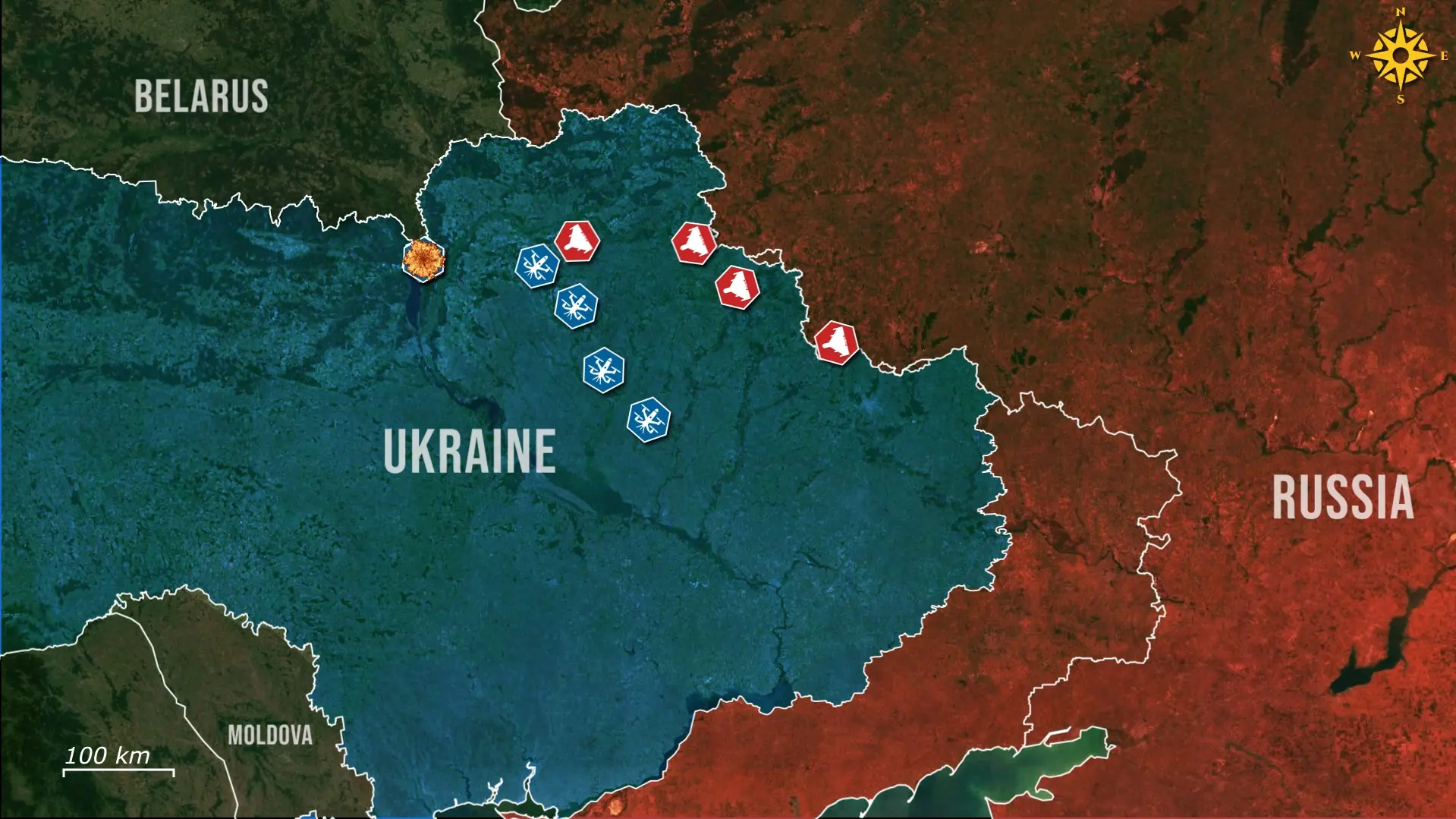
As a result, Ukraine began relying heavily on interceptor drones, which now form a central component of its air defense system. Ukrainian crews have refined tactics and coordination, expanding the use of these interceptors to operate on a large scale with great effectiveness.
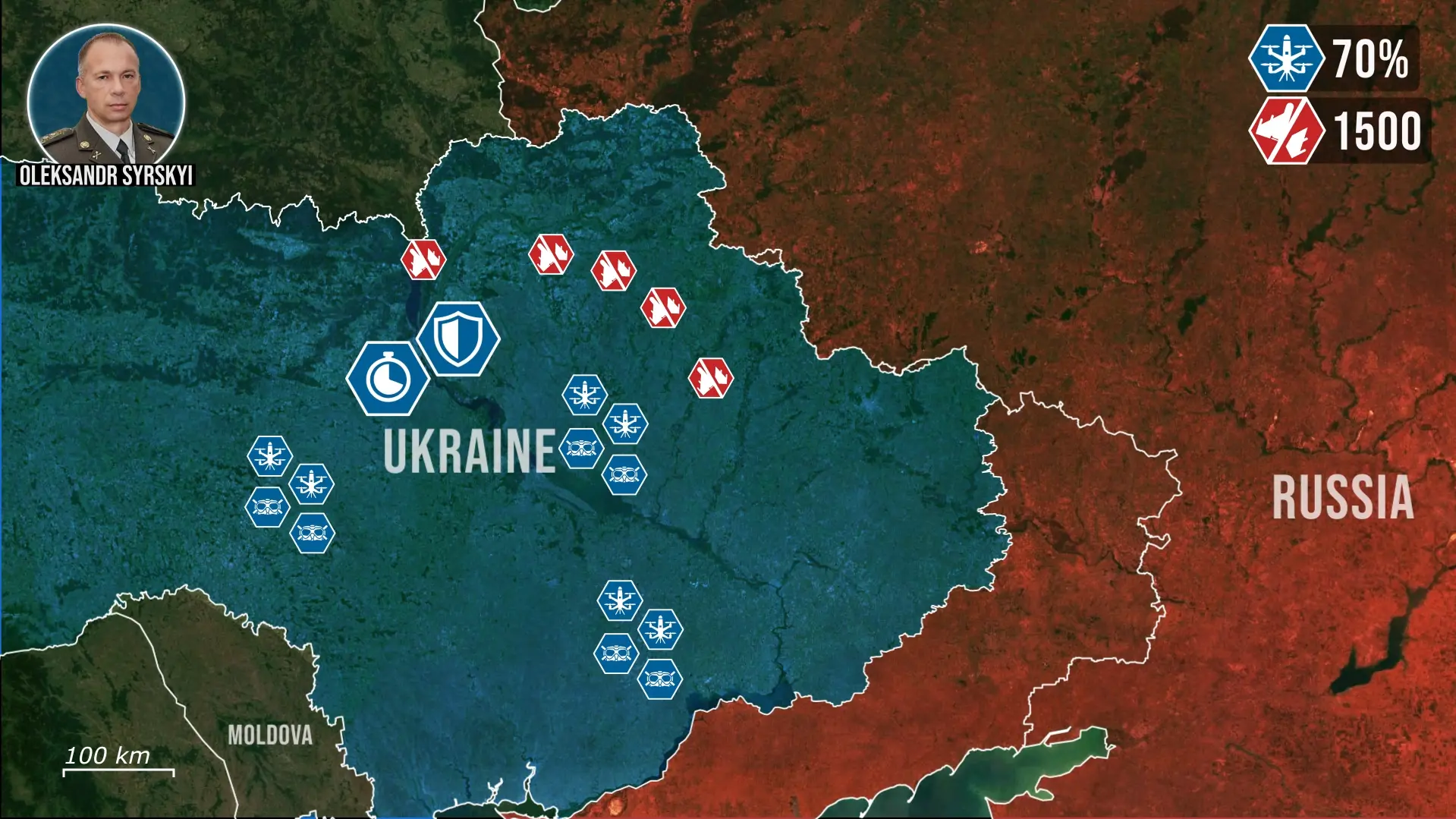
Commander-in-Chief Syrskyi reported that interceptor drones accounted for more than seventy percent of UAV shootdowns over Kyiv and surrounding areas in February, with more than one thousand five hundred Russian drones destroyed. This growing success has incentivized Ukraine to expand training pipelines and experiment with new models. Furthermore, Ukraine started building dedicated unmanned air defense divisions, granting continuous coverage from enemy massed drone attacks, while reducing the risks to Ukrainian pilots.
Russia has responded by accelerating the development of faster jet-powered engine variants from last year to outrun the Ukrainian interceptor drones. By moving from the original propeller engines to jet-powered designs, Russia is trying to restore the ability of its loitering munitions to penetrate defended airspace at low cost. The Geran three and Geran four had already reached speeds of four hundred and five hundred kilometers per hour, making it harder for Ukrainian drone interceptors to catch them.
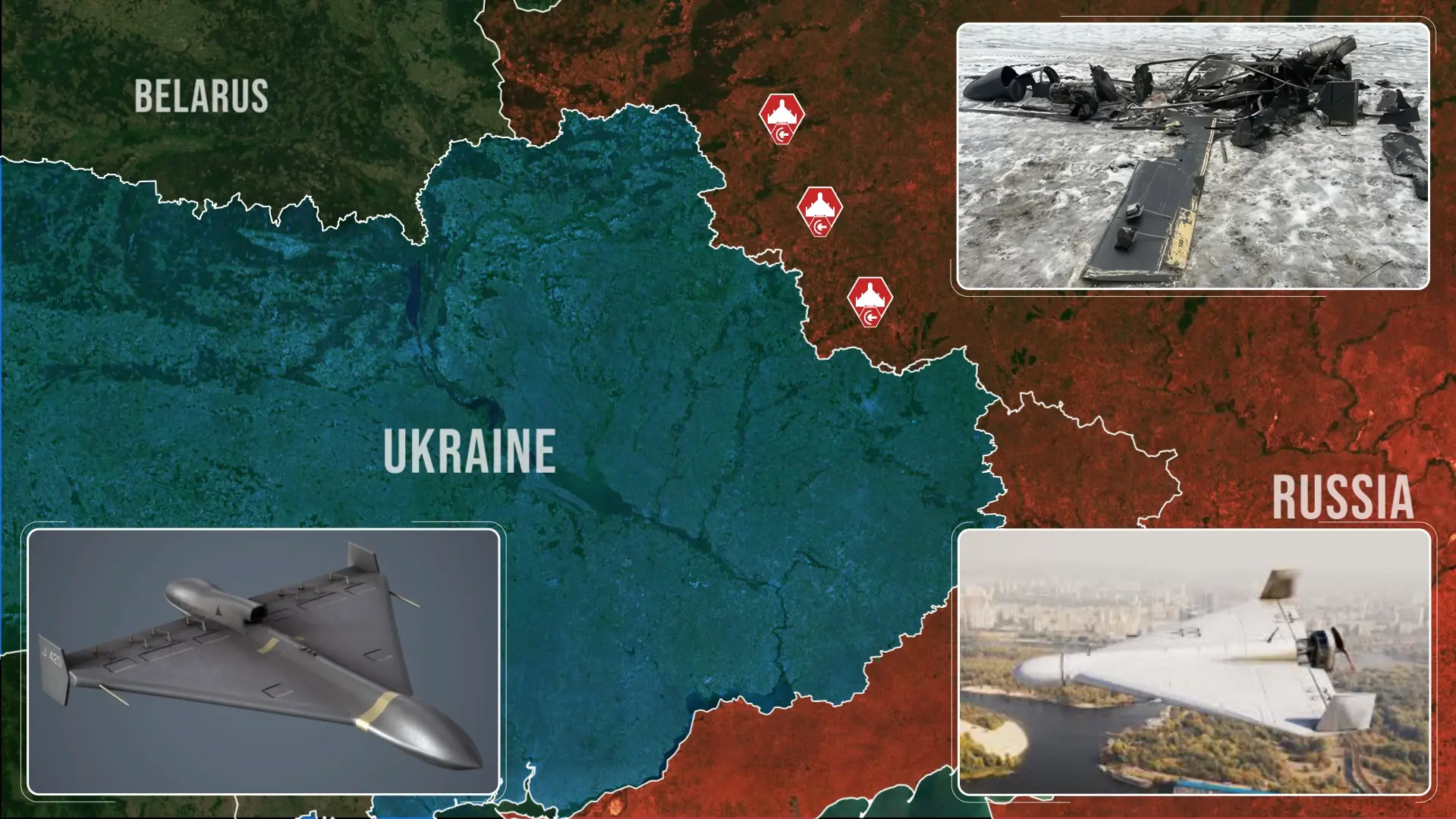
The larger Geran five introduced this year reaches up to six hundred kilometers per hour while carrying a heavier warhead of ninety kilograms. At these speeds, many of the small electric interceptors that previously hunted Gerans simply cannot close the distance in time. Furthermore, the newer Geran models are increasingly launched from Su twenty five aircraft, which already place the drone at speed and altitude the moment it is released. This higher starting point reduces the energy the drone must spend climbing through denser air, giving it more usable propulsion for range, speed, or payload.
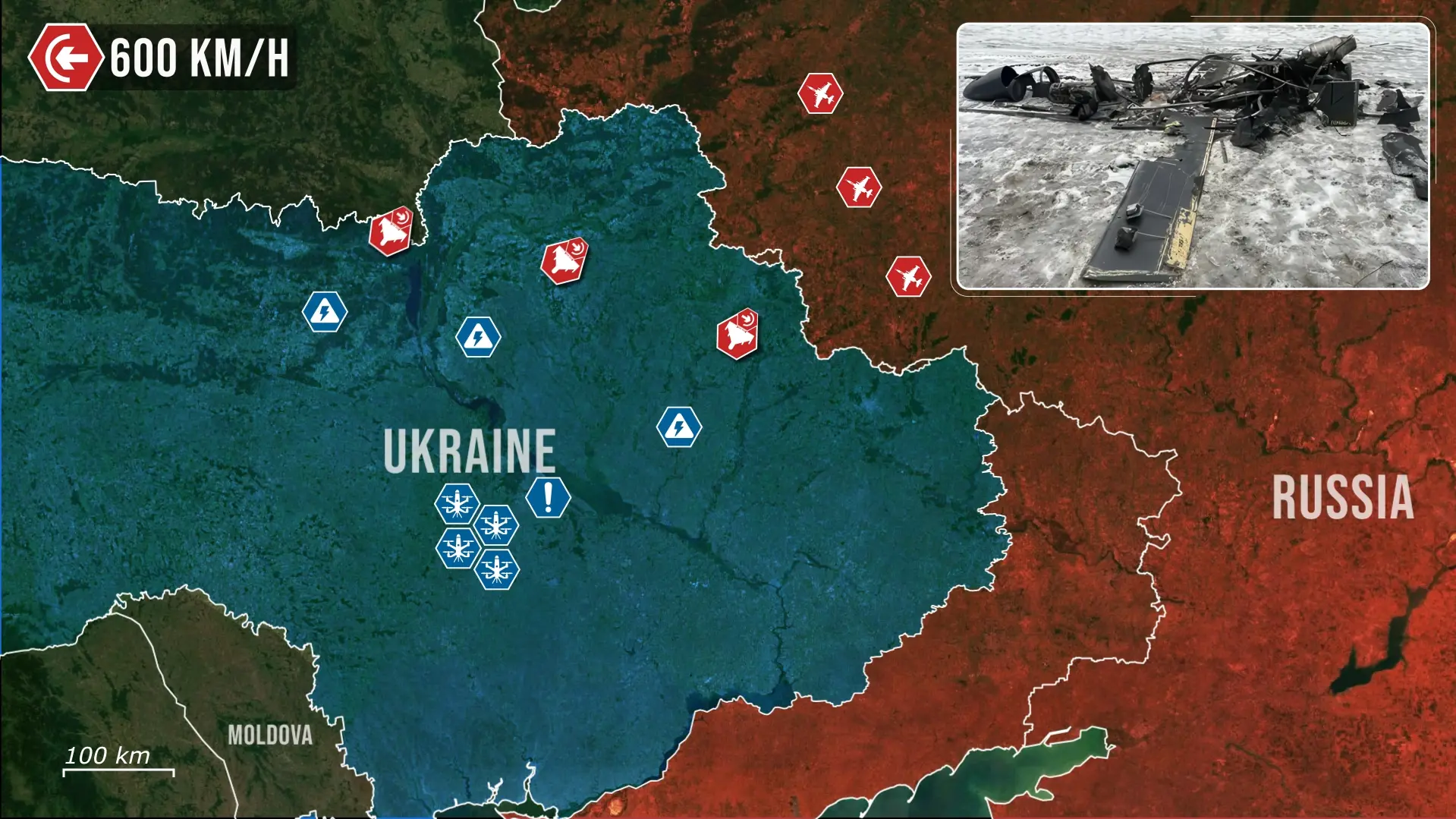
Ukraine is already working on countering this shift by developing interceptor drones equipped with small rocket boosters. The rocket boosters provide a brief surge of acceleration before the drone transitions to normal flight speeds. However, this gives the interceptor enough initial speed to reach altitude and position quickly, allowing it to enter the Geran flight corridor before the target passes.
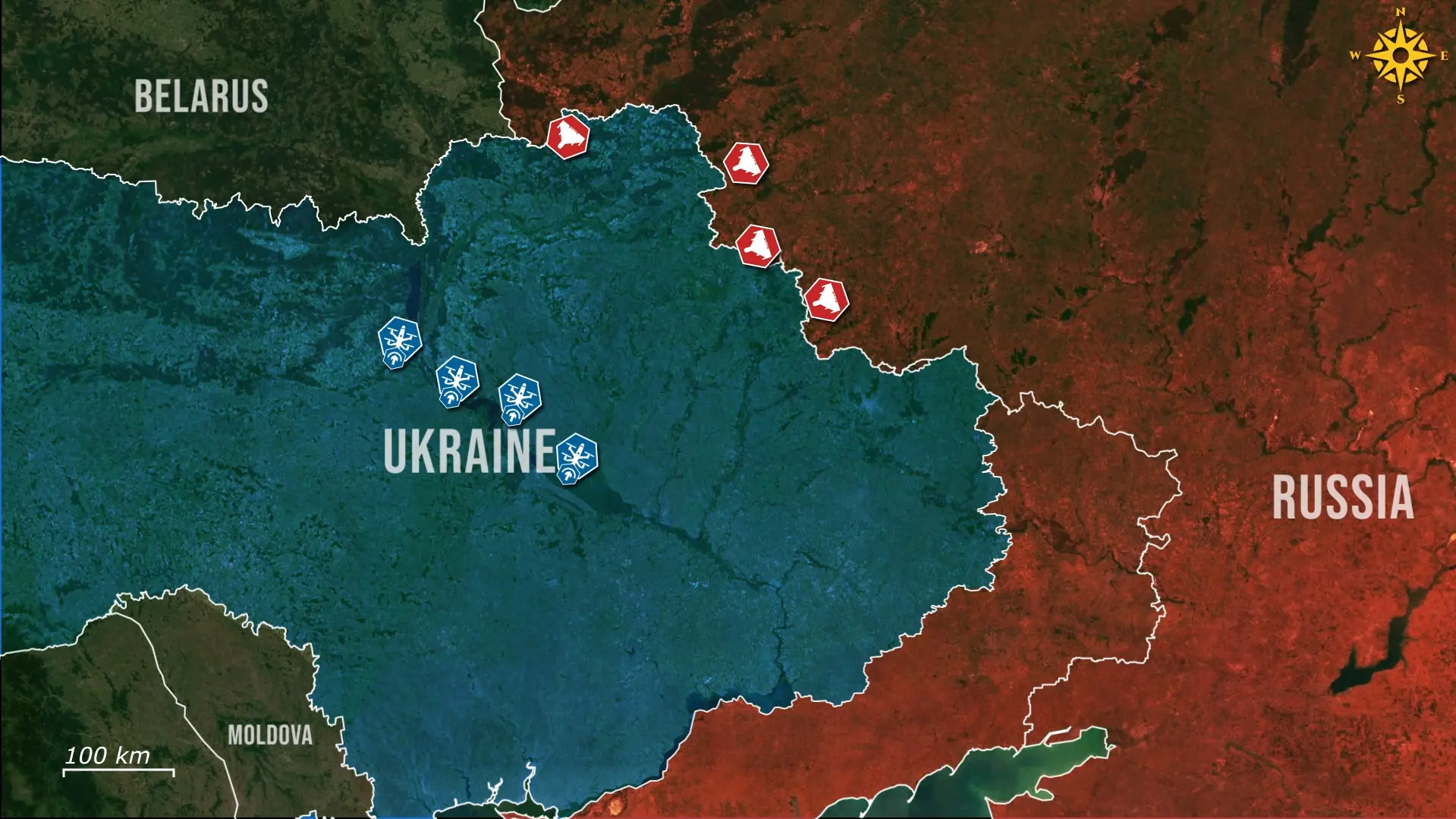
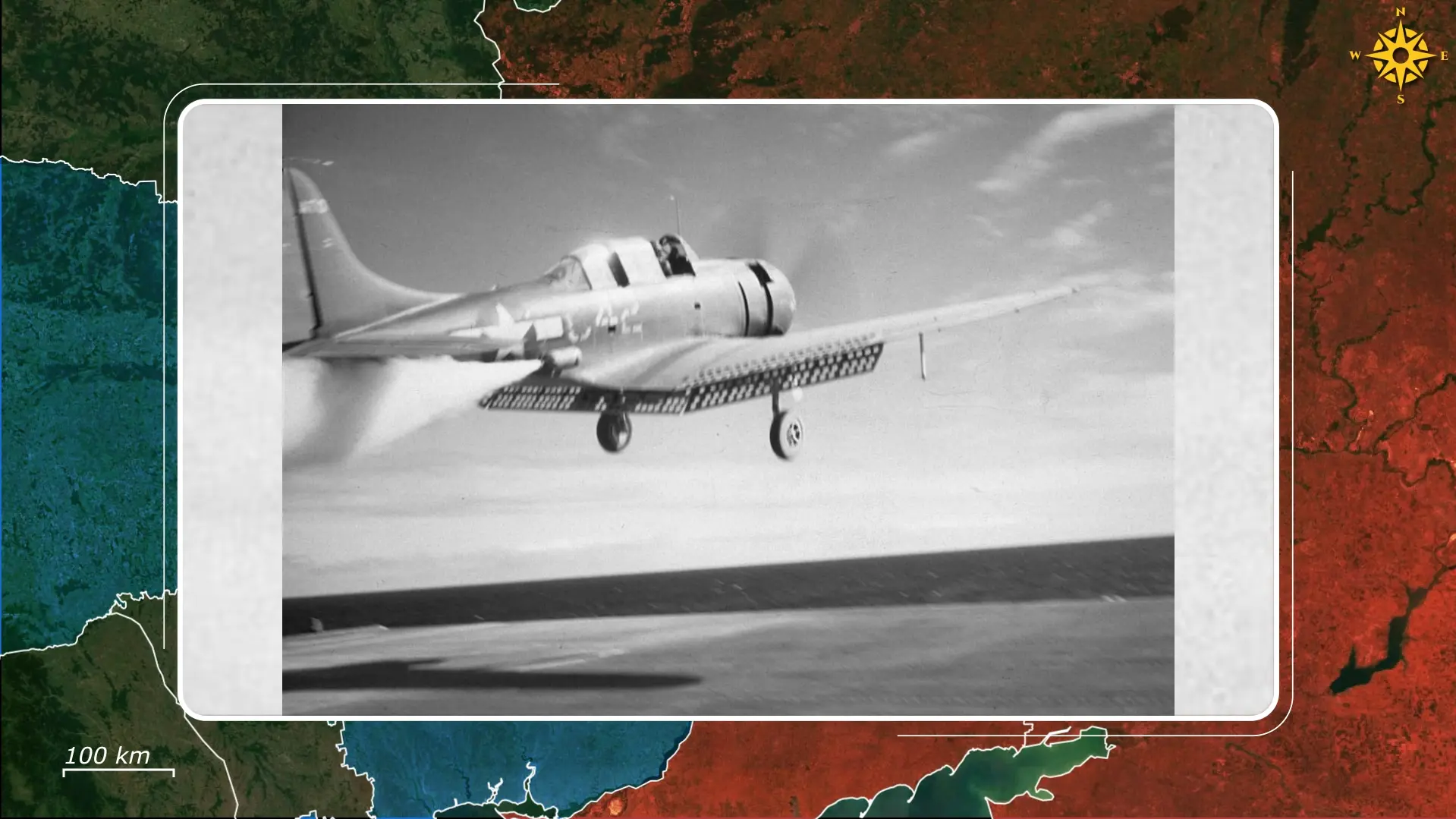
The concept echoes late-Second World War experiments in which aircraft used rocket boosters to overcome the limitations of piston engines. The Ukrainian Strila two is expected to receive such a booster, according to Quantum Systems Ukraine, with the aim of pushing speeds above three hundred kilometers per hour.
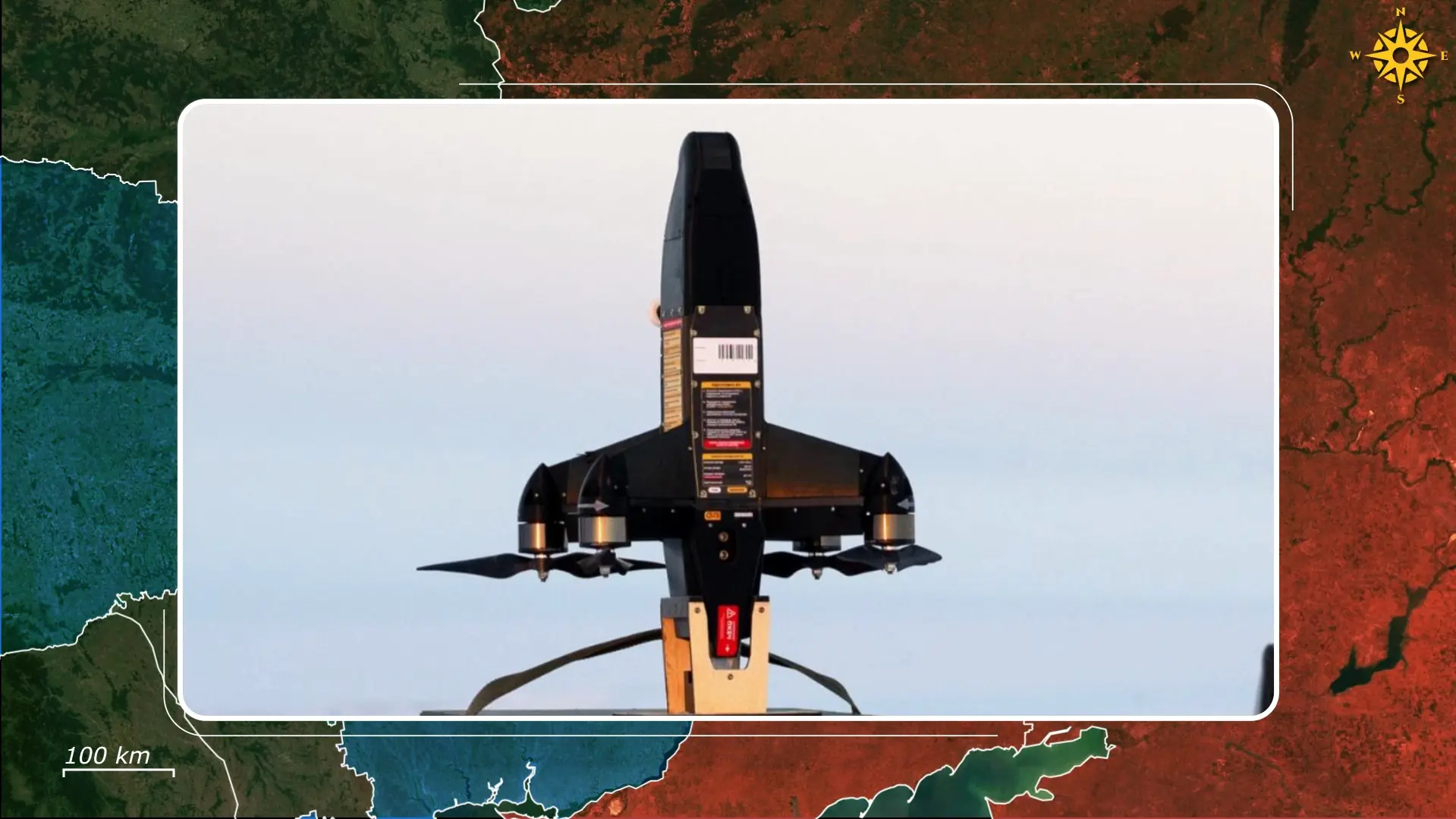
This initial boost will give interceptor drones a good chance of engaging the latest Geran variants, whose higher speeds would otherwise compress the interception window to only a few seconds. In doing so, Ukraine can preserve the advantages of drone-based air defense without relying on riskier aircraft interceptions.
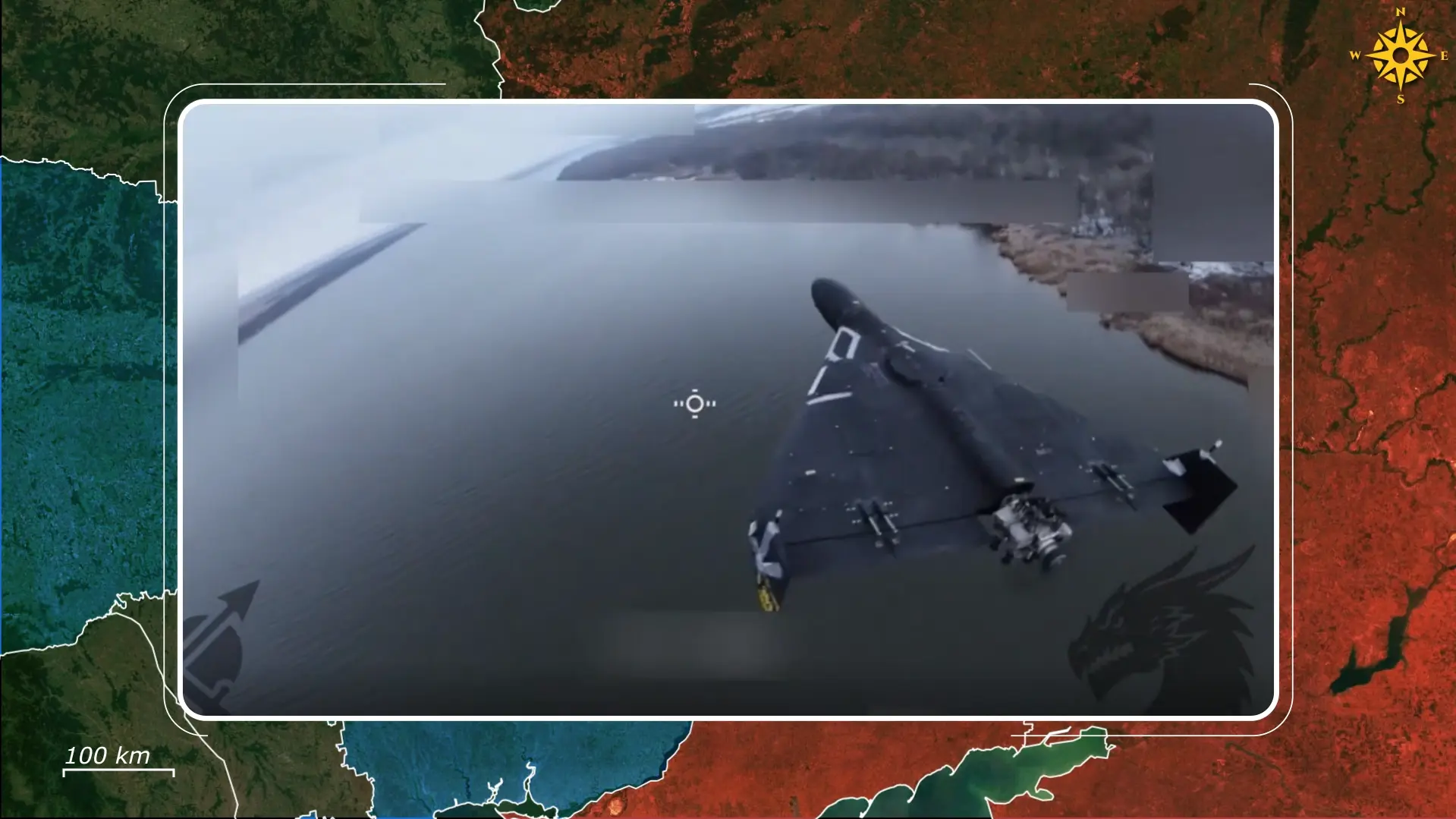
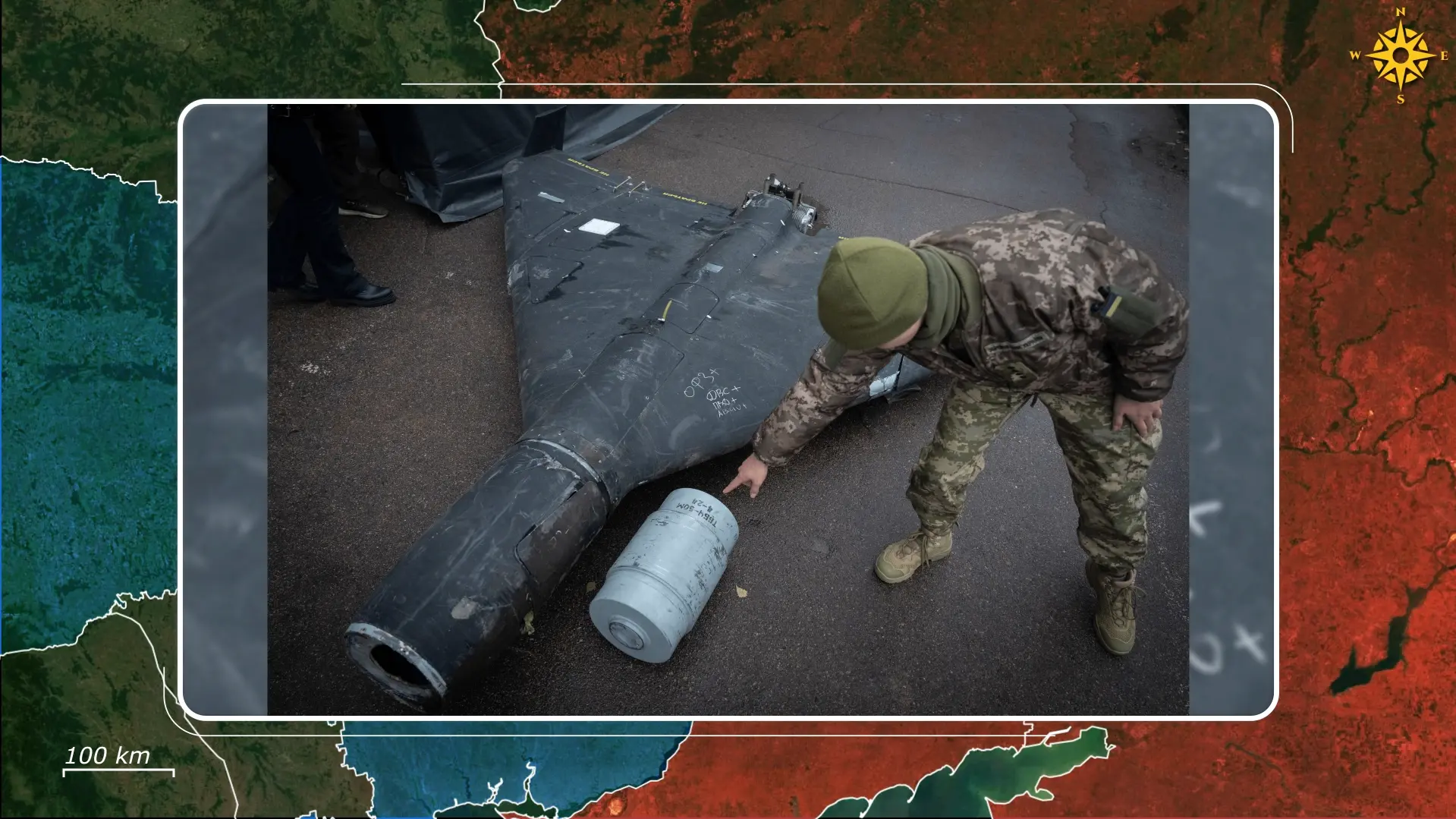
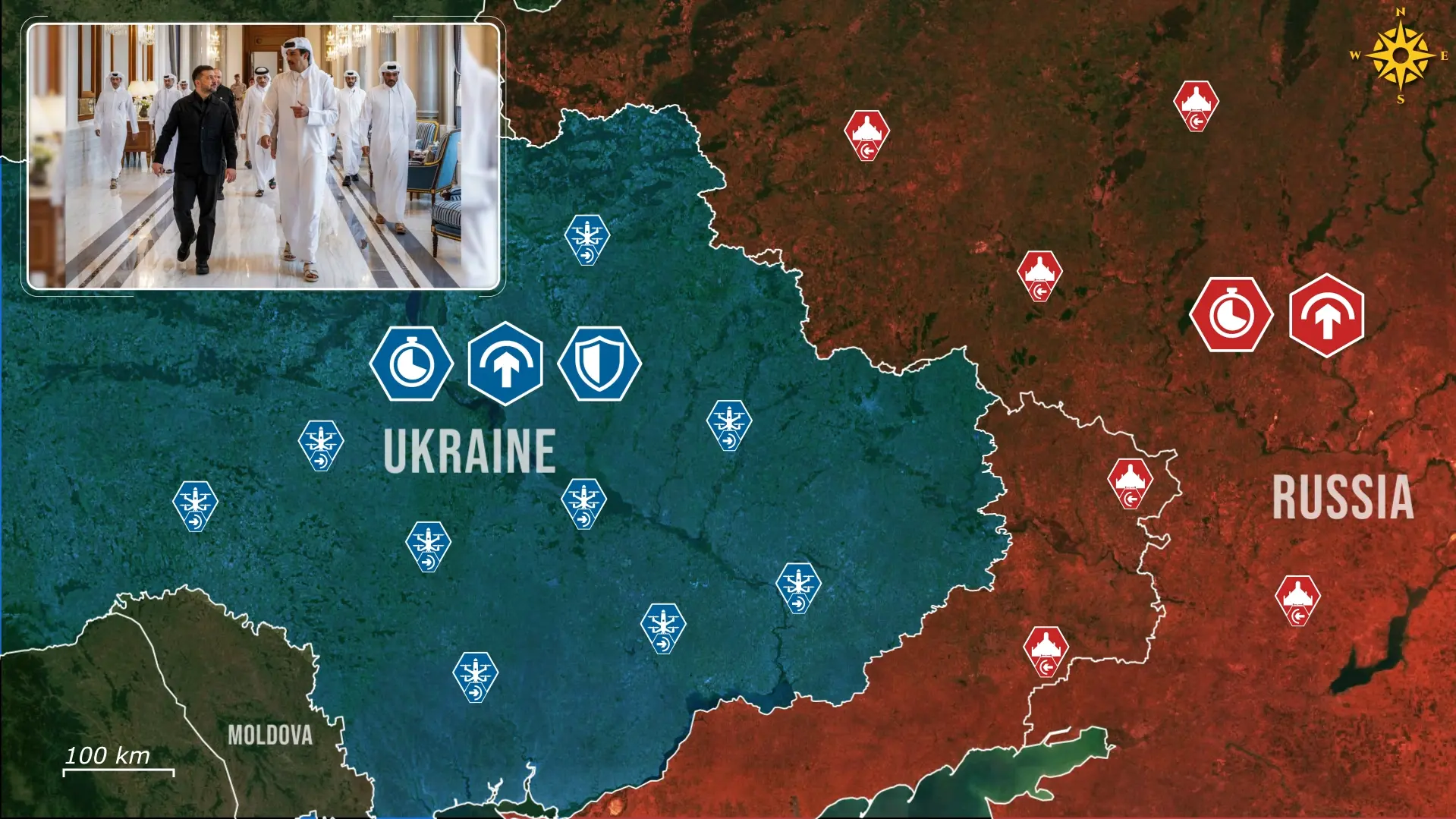
Overall, the emergence of rocket-boosted interceptor drones marks a new phase in the contest between Russian attack drones and Ukrainian air defenses. The interaction between speed, cost, and survivability is pushing both sides toward increasingly specialized designs. Ukraine’s ability to scale and upgrade drone-interceptor defenses shows how ingenious adaptation can counter new attack drone tactics, even with limited traditional air defense resources. For this reason, international attention is increasingly focused on Ukraine’s capacity to neutralize large volumes of incoming drones, as other countries realize that previous air defense paradigms are no longer reliable.

.jpg)


Comments