

.svg)
Today, we look at news from Ukraine’s Iron People.
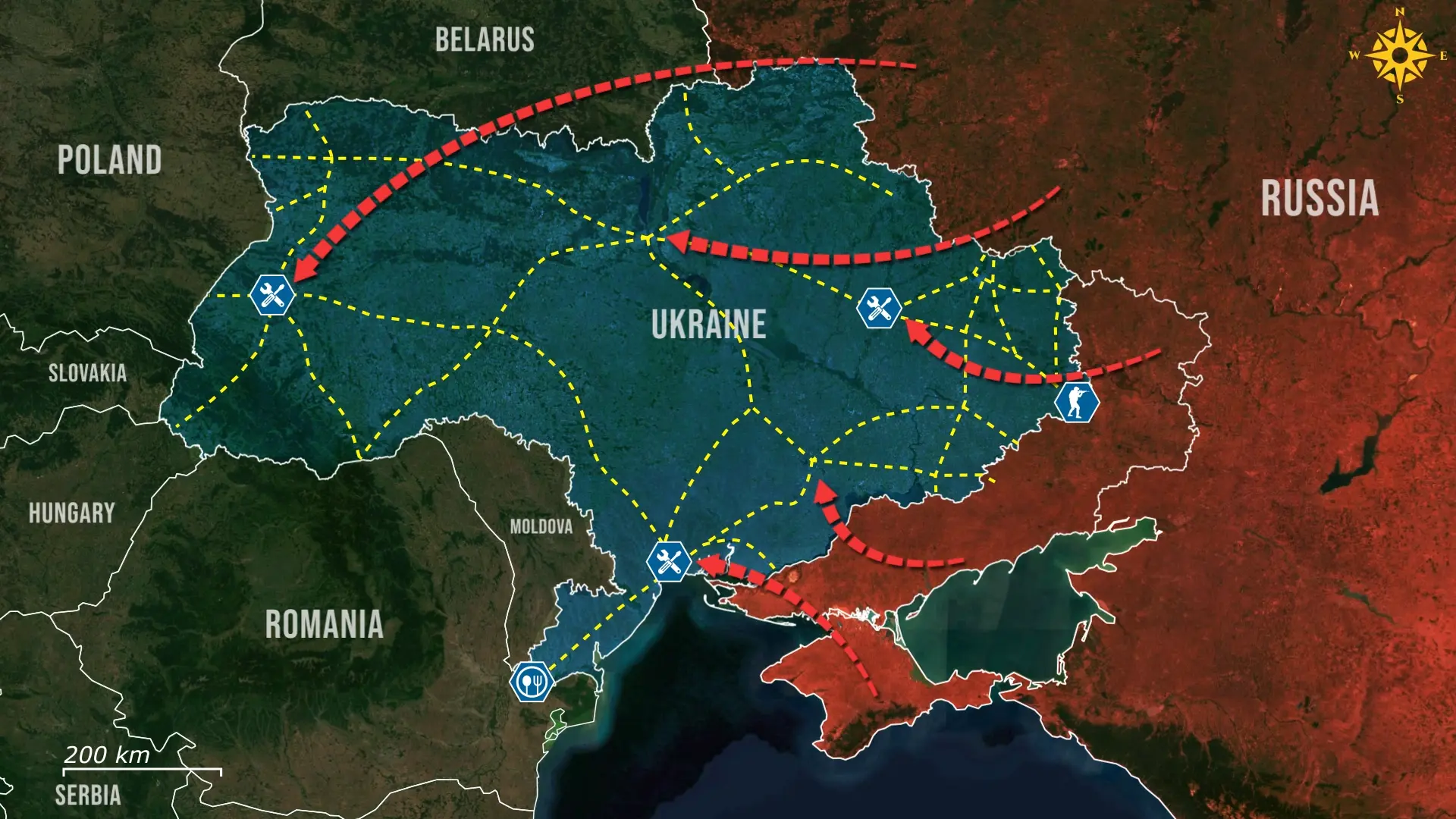
Over the last months of 2025, Russia launched thousands of drones and missiles at targets across the country, of which many attacked Ukrainian rail facilities. Despite these attacks, Ukraine’s railway network has remained largely operational and continues to provide crucial logistics to the army and civilians alike.
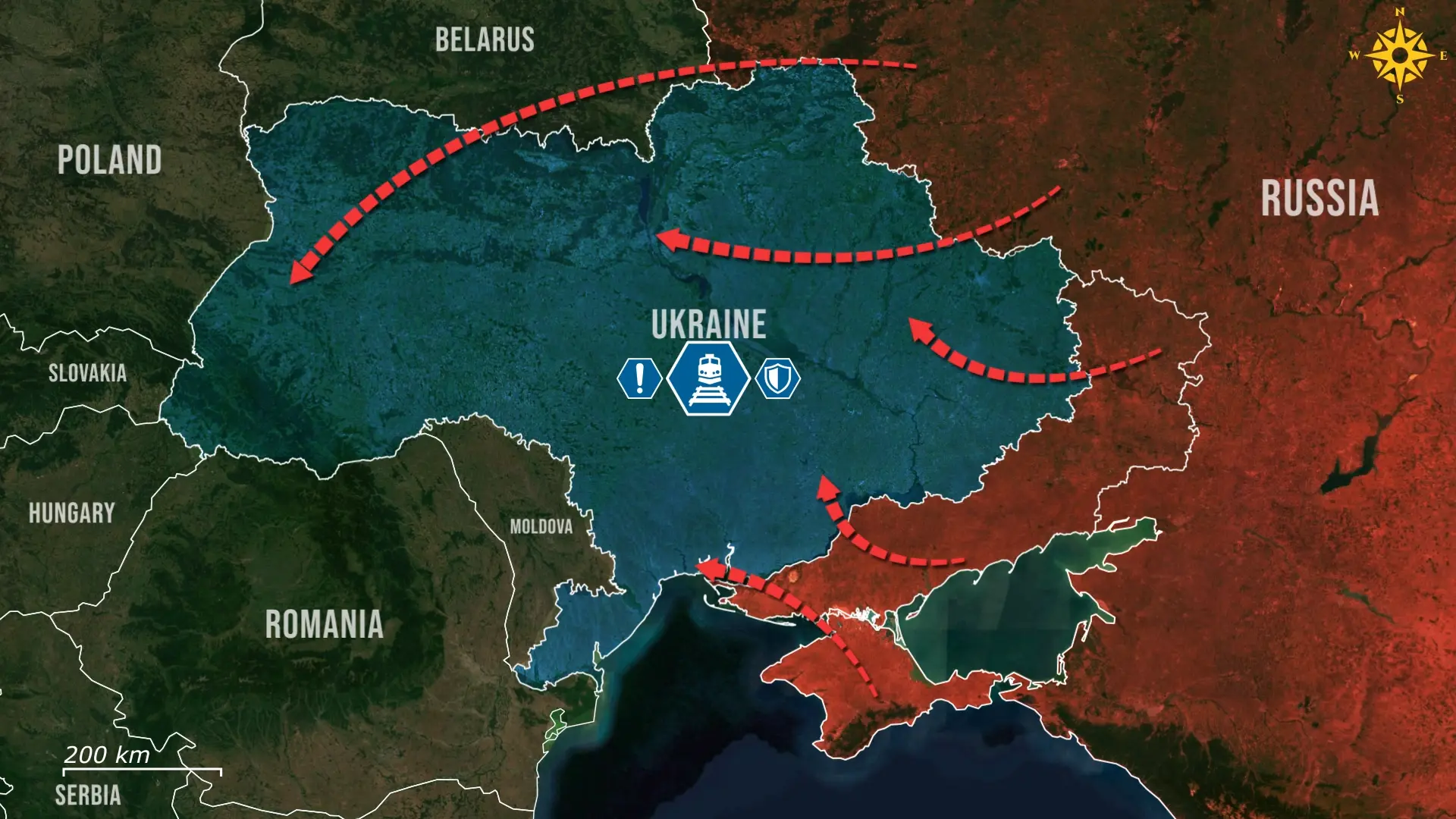
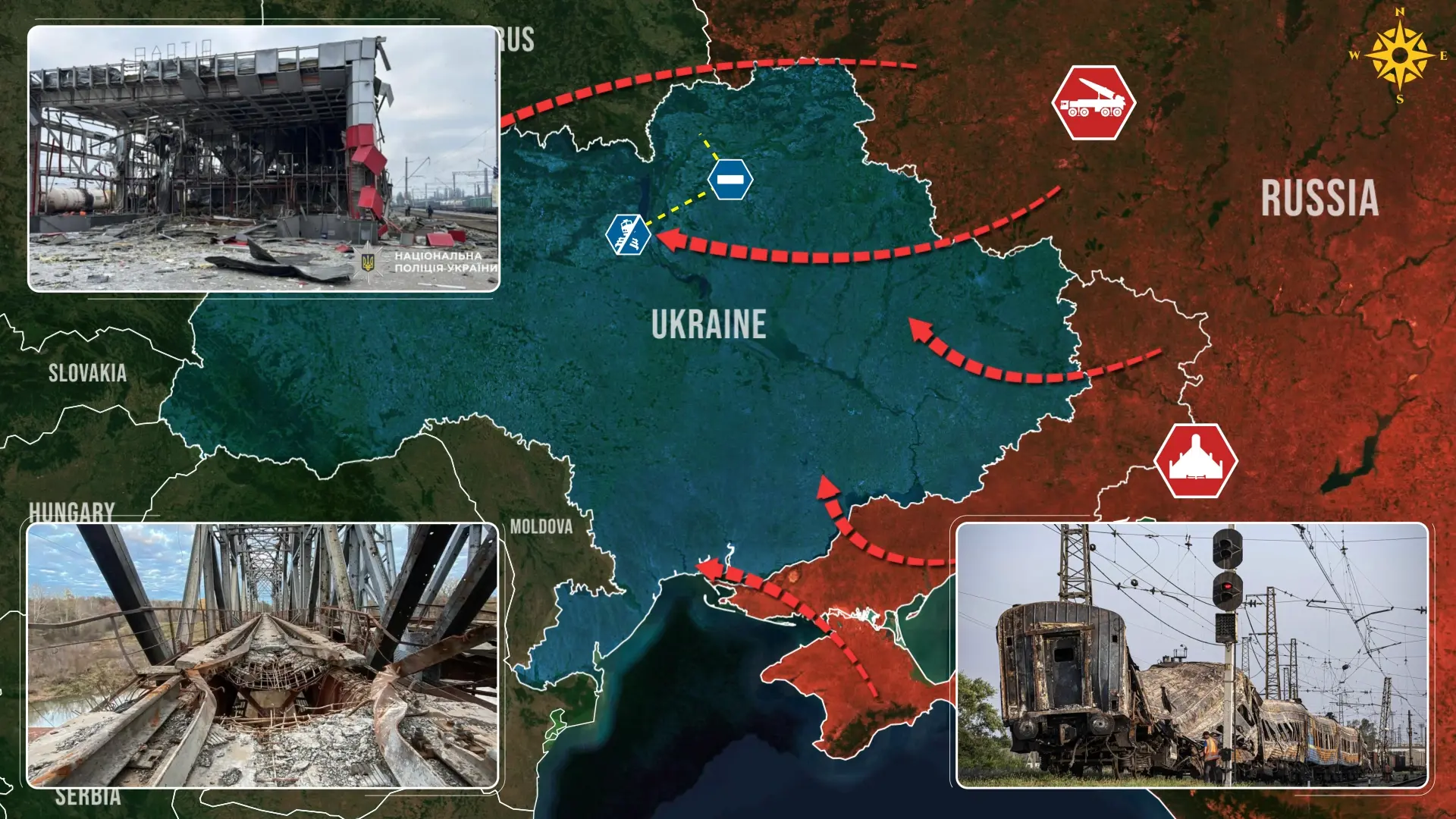
Most recently, Ukraine reported yet another large-scale Russian bombardment with 650 drones and 51 missiles. As impacts were recorded nationwide, and at least eight people were injured, one of the targets turned out to be the train station and railway depot in Fastiv near Kyiv. The strike destroyed both facilities and disrupted regional train services between Kyiv and Chernihiv. Although services to the burned-out station resumed shortly after, the incident illustrates the systematic targeting of Ukrainian railway lines by Russia.
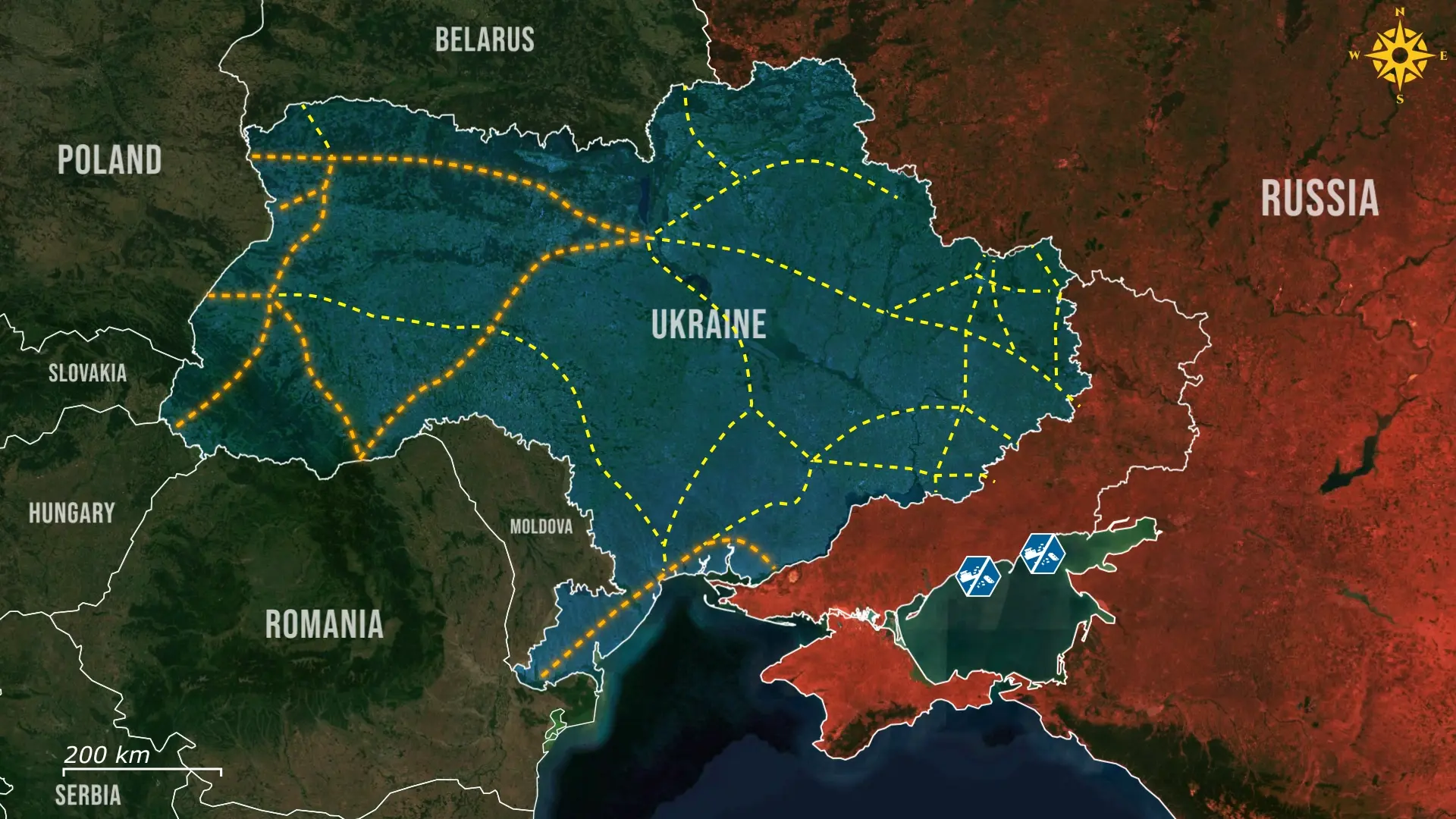
Since the start of the war, Ukrainian Railways has gained importance as a crucial transport provider for Ukraine. The closure of Ukrainian airspace to civilian flights and the multiple railway links to Europe made railways a vital route for approximately two million refugees leaving the country. The capture of Black Sea ports, such as Mariupol and Berdiansk, and the threat posed by the Russian Black Sea Fleet also mean that freight trains have become the lifeline of the Ukrainian economy, and now transport more than 63% of the country’s freight.
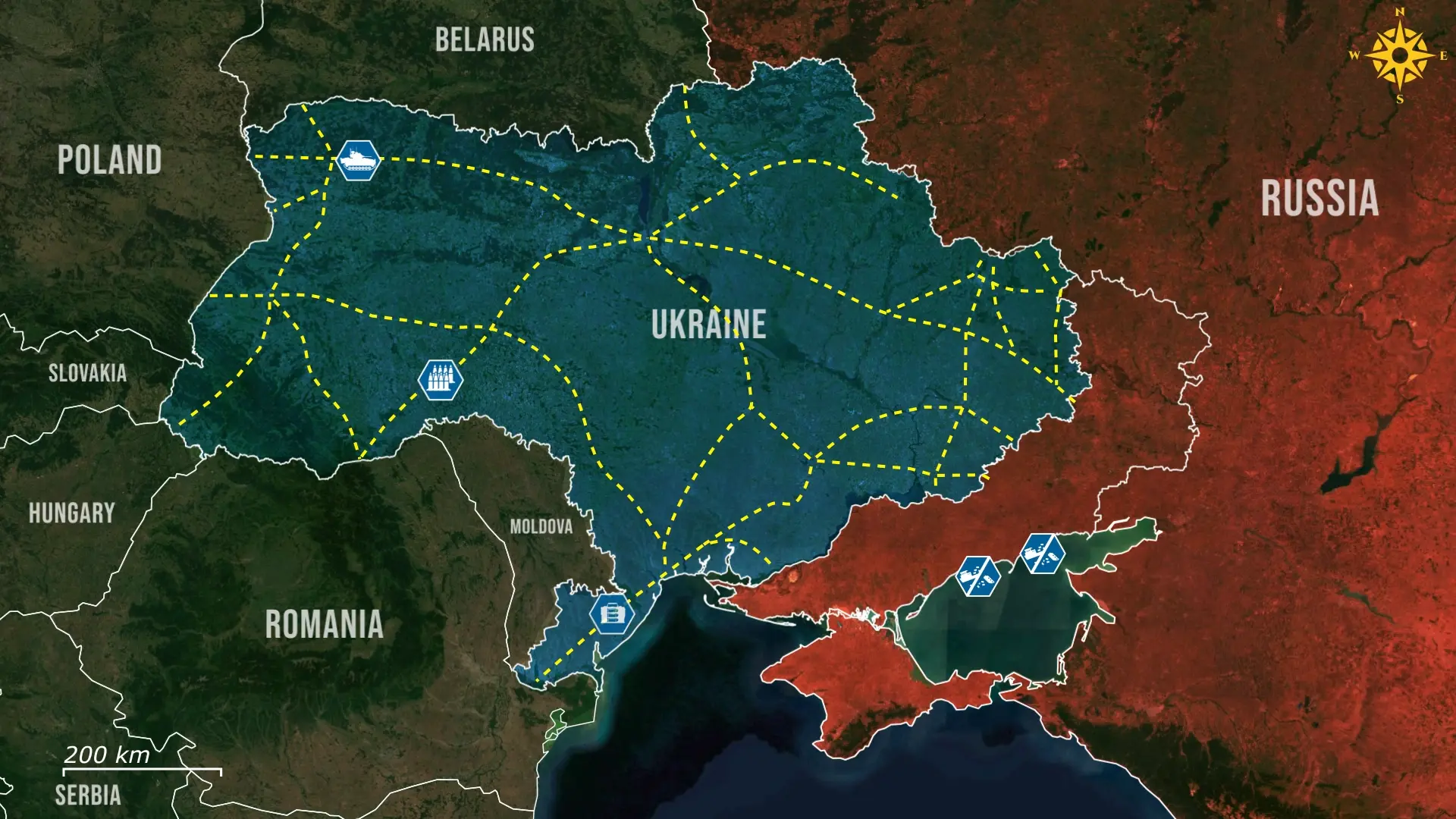
In turn, foreign heads of state use trains to reach Kyiv, and made the blue and yellow coaches an iconic symbol of international support for Ukraine.

This and the continuous flow of military goods trickling into Ukraine and to the frontlines by rail have made Ukrainian Railways a target of the Russian aerial campaign.
Major attacks on trains and stations have caused hundreds of civilian deaths and widespread destruction. In April 2022, a missile struck the crowded station at Kramatorsk, killing at least 63 civilians and injuring more than 150. Comparable incidents surged again in late 2025 when more than 800 attacks targeted railway infrastructure since August. On October 4th, a Russian drone struck passenger railways in Sumy oblast, killing one person and injuring 30. Three days later, drones struck administrative and warehouse buildings in Poltava Oblast. One month later, a locomotive depot and several railway stations were attacked in the same region. Further attacks were reported in Synelnykove, Odessa, and Kyiv, as Ukrainian Railways announced that its facilities were bombed daily.
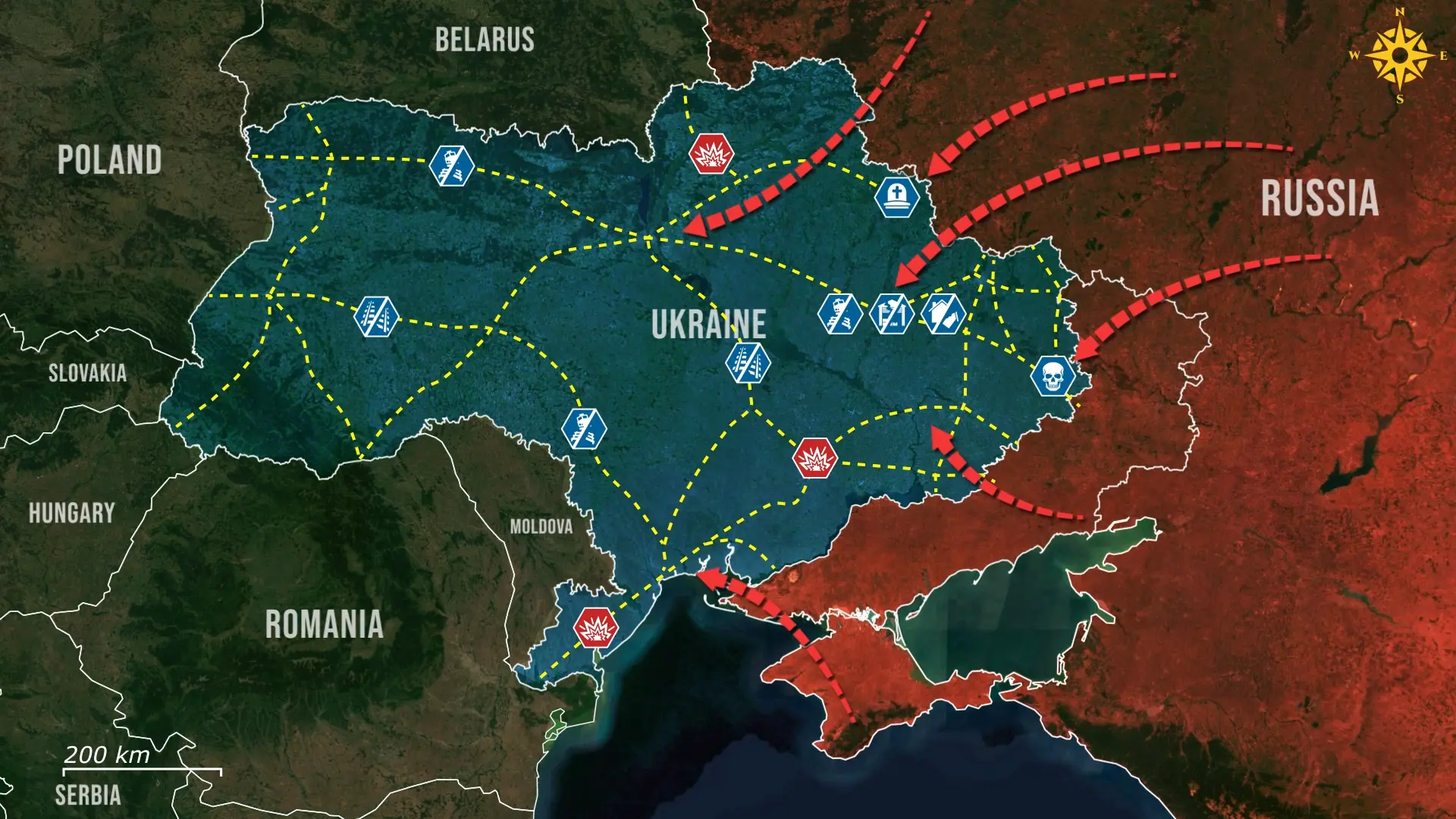
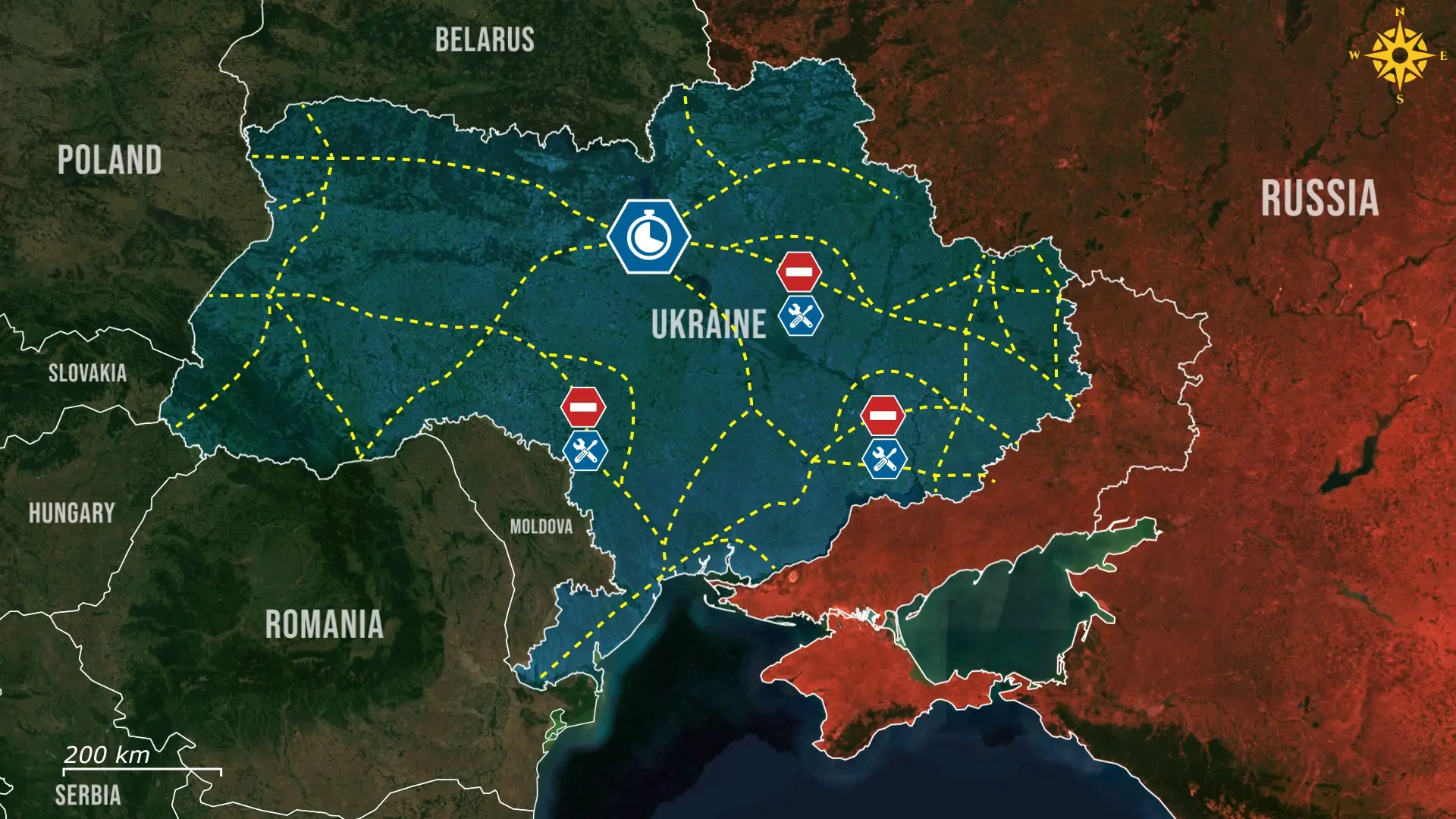
Despite these challenges, Ukraine's train network remains operational and continues to serve both military and civilian purposes. Although World Bank estimates indicated that around 30% of Ukraine’s railway network is stuck in a cycle of damage and repair, the 200,000 railway workers, nicknamed “iron people”, have since established improved routines for rapidly restoring damaged infrastructure. While keeping alternative routes open allows services to continue, incomplete electrification and attacks on Ukraine’s energy sector have forced Ukrainian Railways to turn to flexible diesel locomotives.
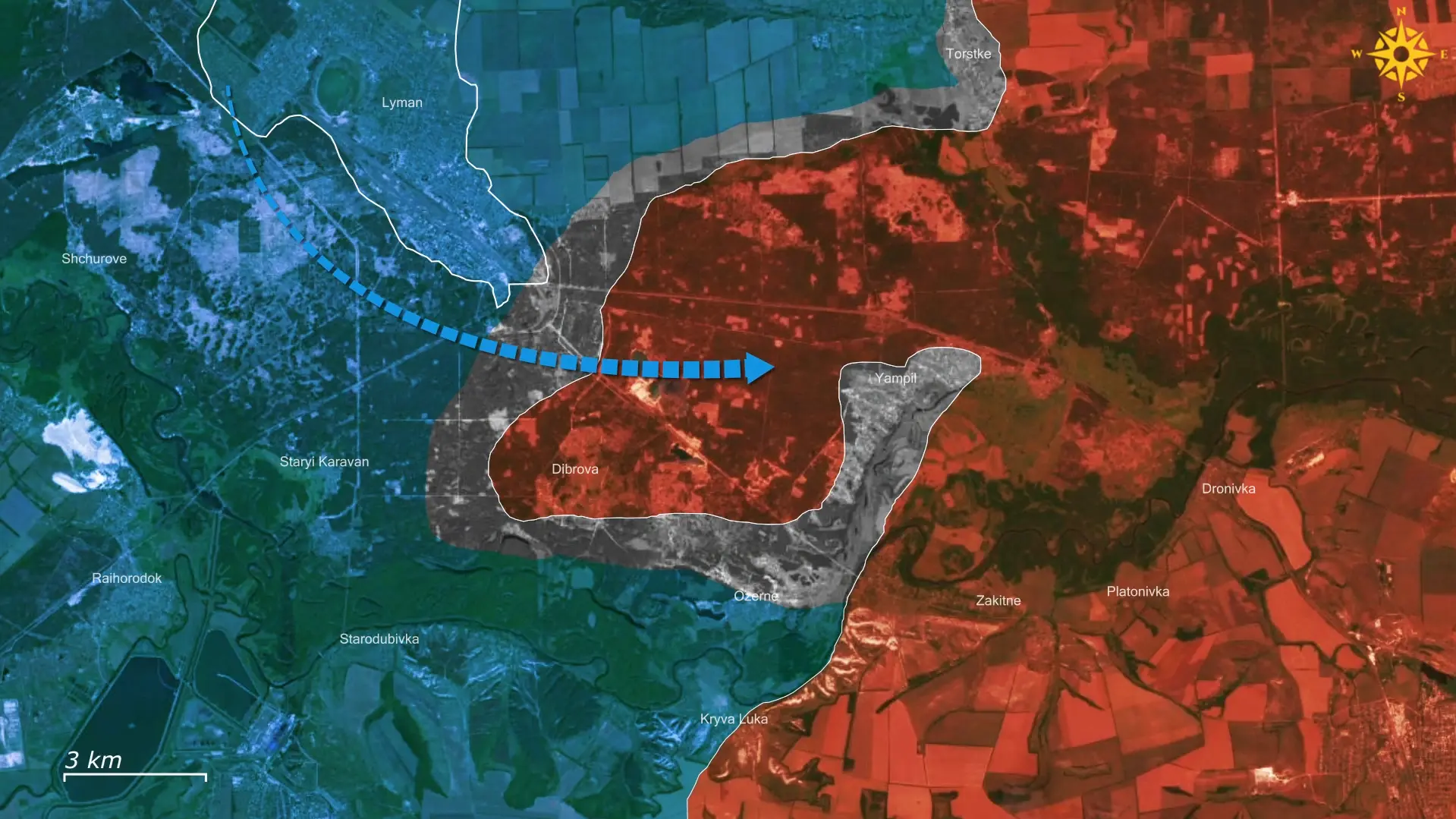
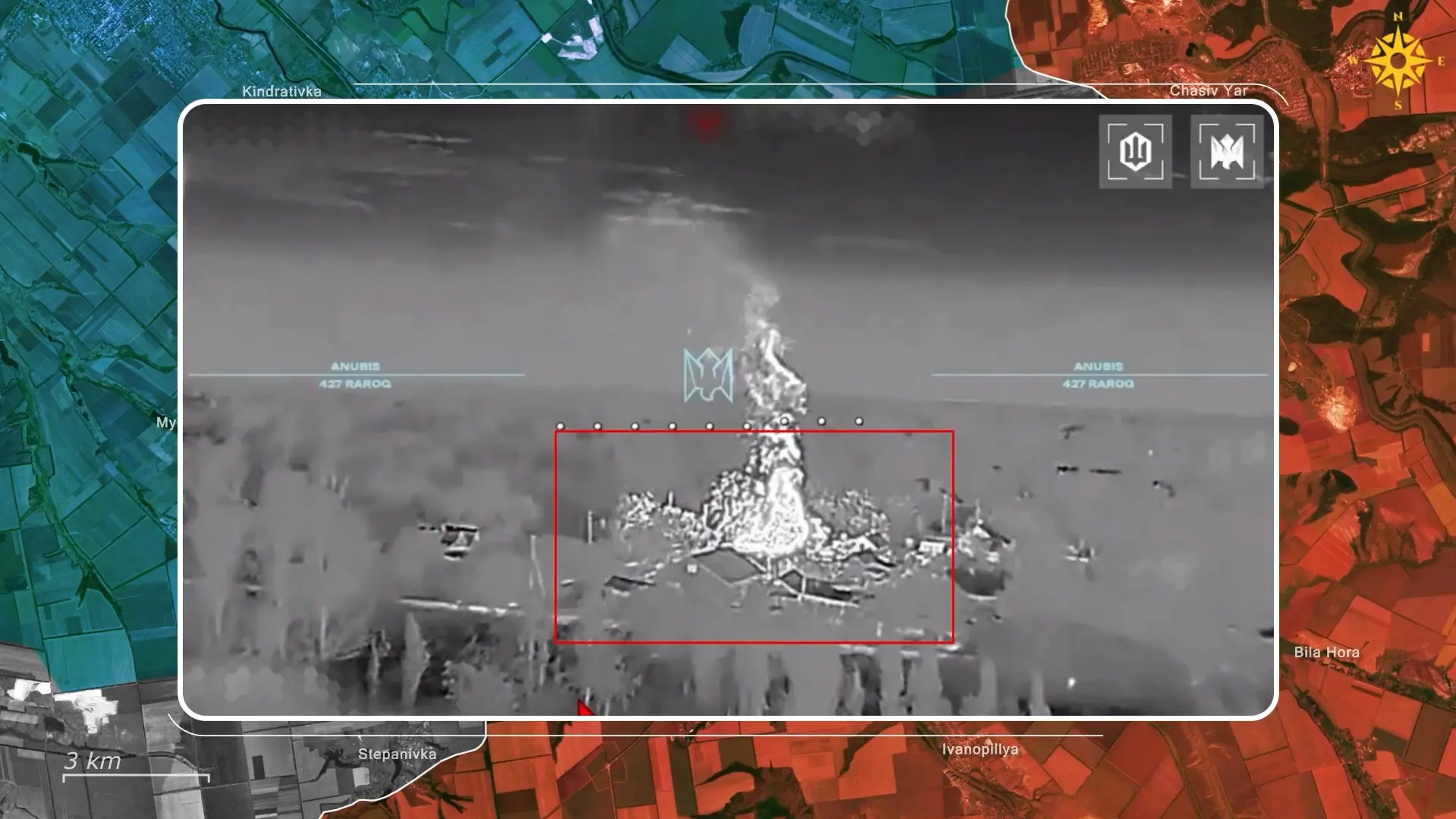
Russia also makes extensive use of captured Ukrainian railway lines and sought to capture a functioning network during the early invasion phase. Because the Russian army relies heavily on trains for supplying its units, Ukrainian airstrikes and partisan attacks have since targeted tracks, bridges within Russia, and Russian-controlled territories. The line from Donetsk to Crimea via Melitopol constitutes a major logistical corridor for the peninsula and became a major target for the Ukrainian 2023 Zaporizhzhia offensive.
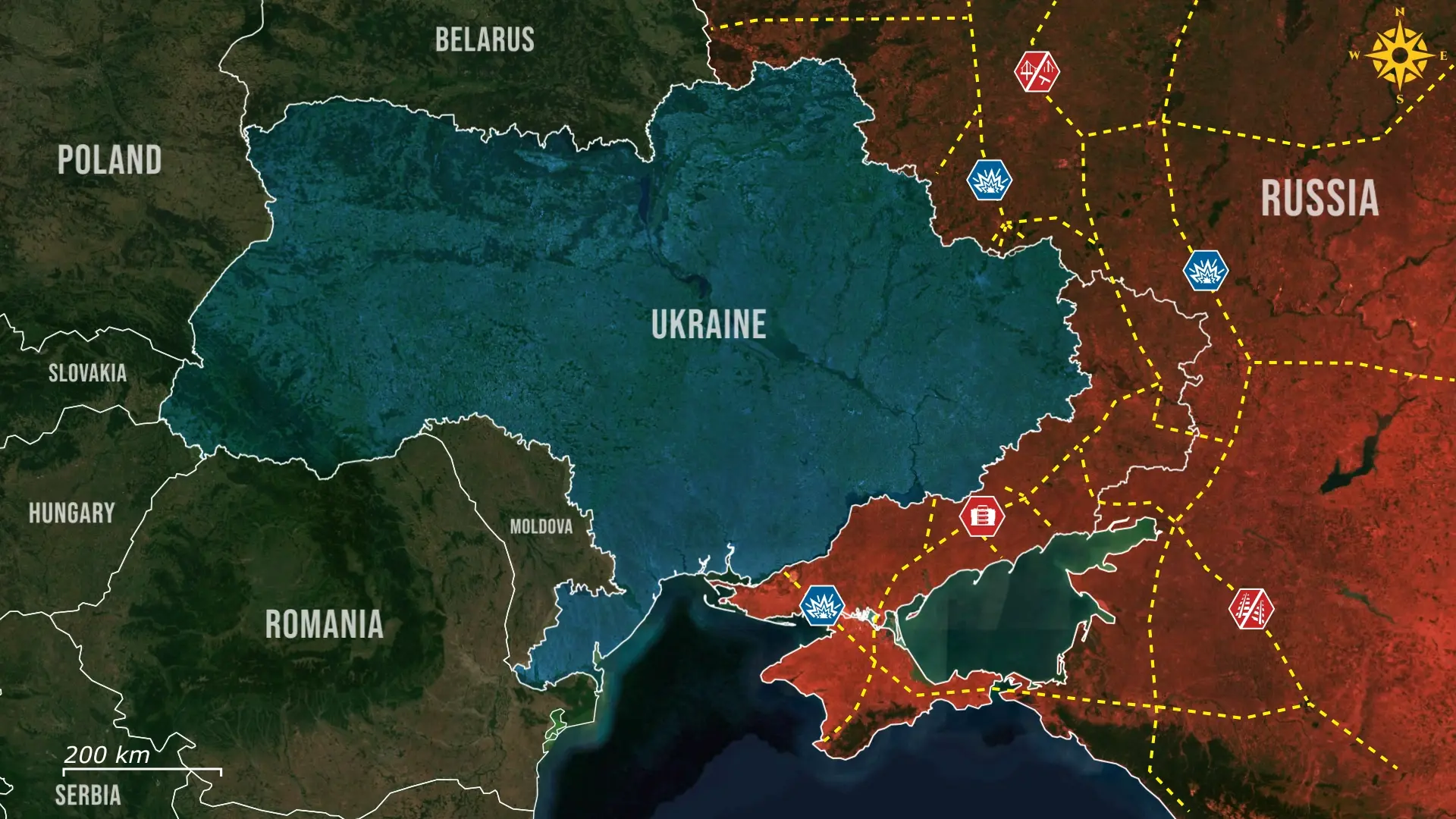
Likewise, the recapture of Kupiansk resulted in a severe disruption of Russian supply lines. Especially the Krech railway bridge that links Russia with Crimea is seen as crucial to Russian control over southern Ukraine. As a result, it was repeatedly targeted by Ukraine through the use of a car bomb as well as air and sea attacks, and has since been heavily fortified.
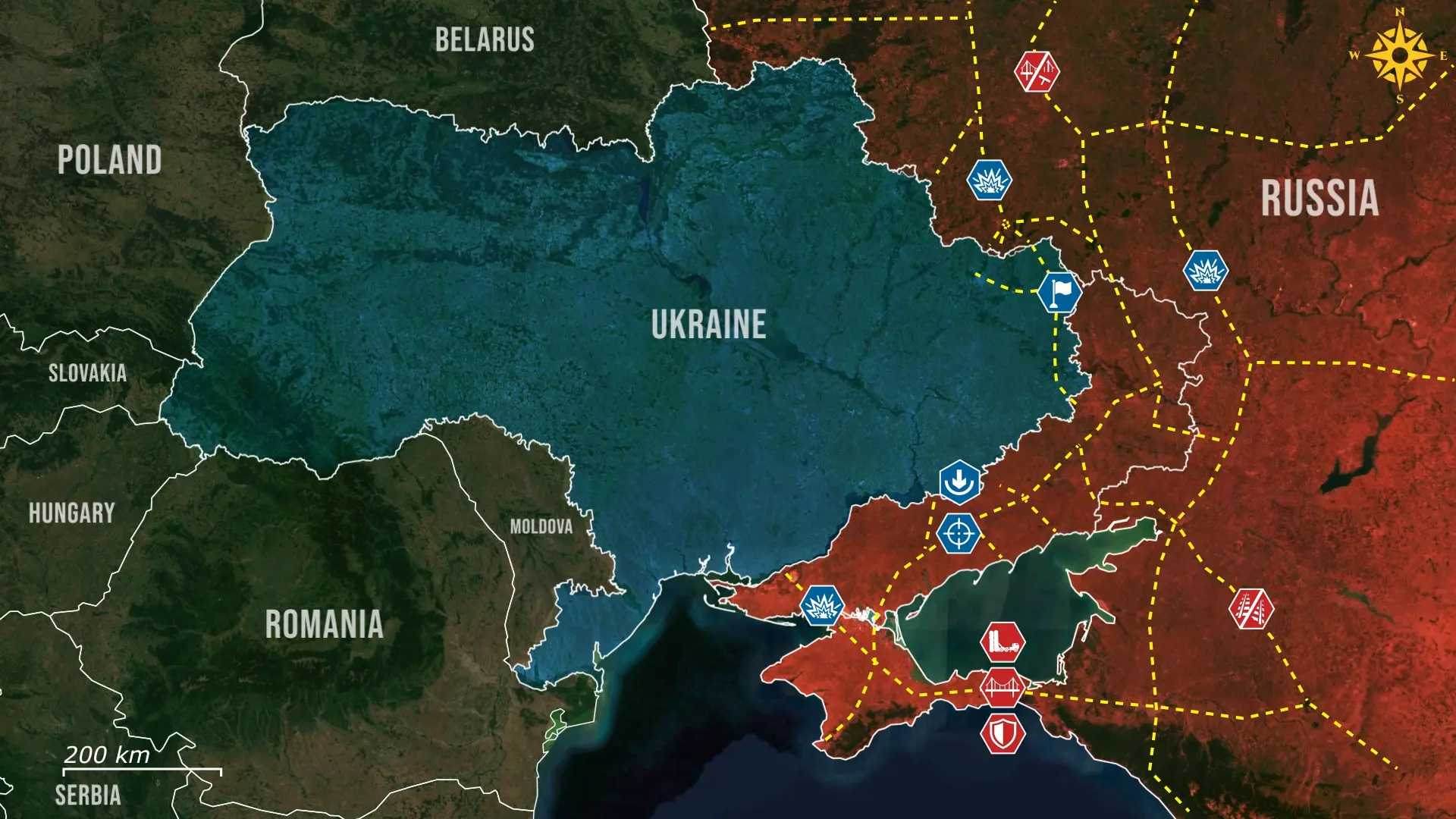
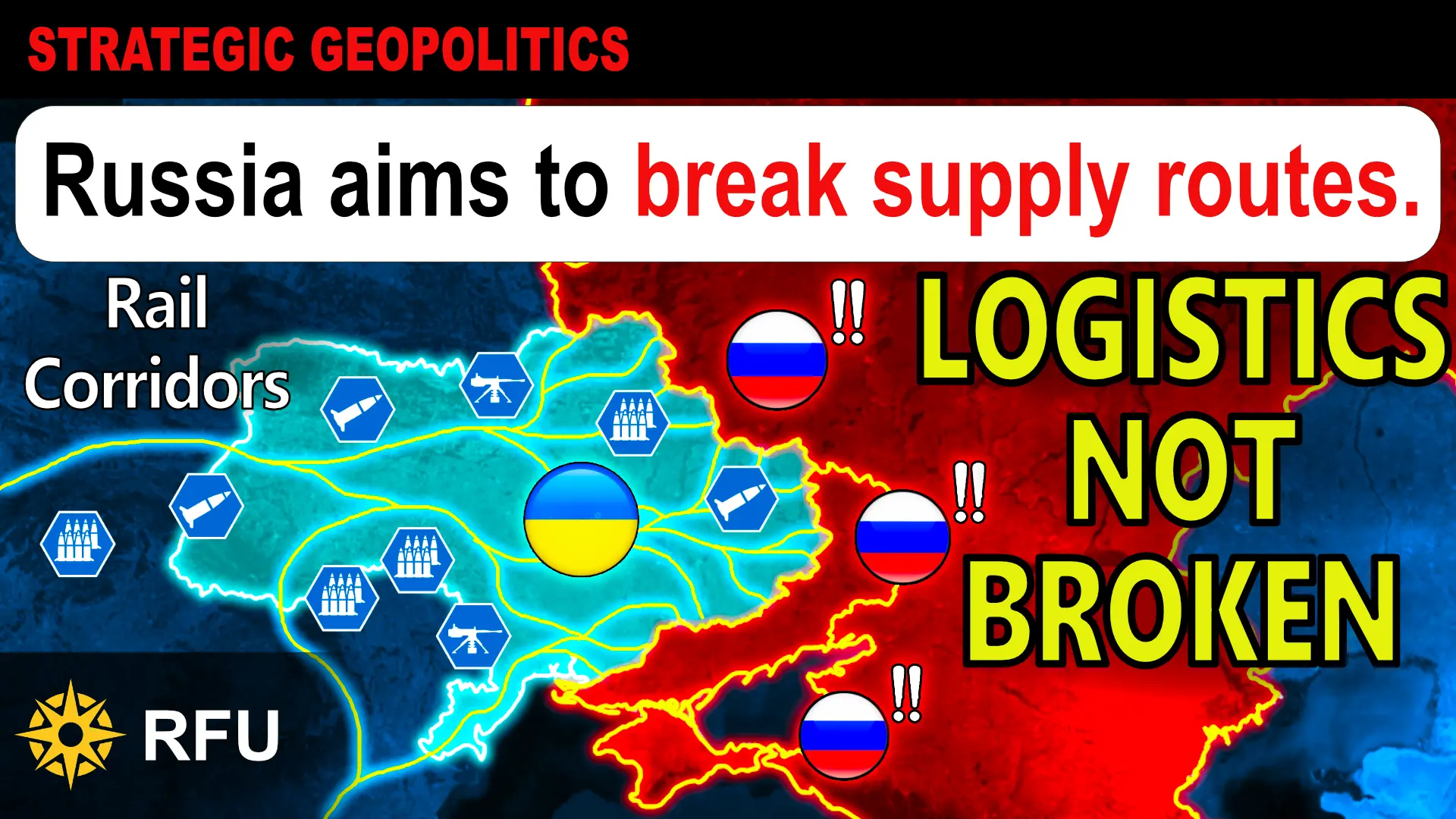
Overall, the Ukrainian rail network continues to play an important role in the Ukrainian war effort in the fourth year of the full-scale invasion. Amidst solidified frontlines, Russia now targets stations, depots, and railway lines to suffocate Ukrainian logistics.
Despite these constant attacks, well-established repair mechanisms allow Ukrainian Railways to continue its operations. Rail transport thus remains an important lifeline and enables the export of goods, the import of military equipment, and the flow of troops and civilians.
.jpg)




Comments