

.svg)
Today, there is interesting news from Ukraine.
Here, events on the battlefield show that drones alone are not enough to dominate despite their decisive role. Even as AI tools seem to reduce the role of humans, it is becoming clear that only soldiers can win the war.
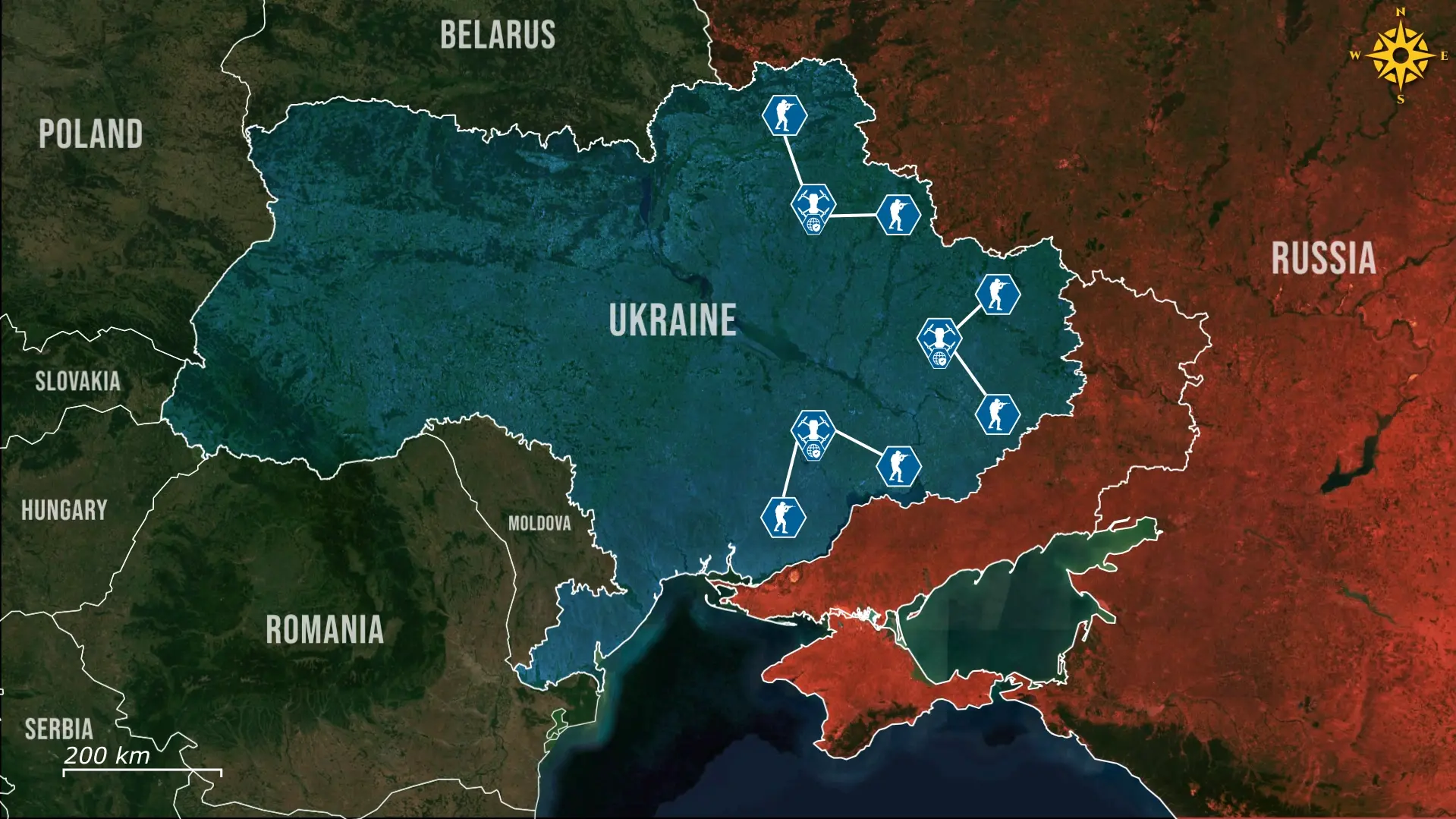
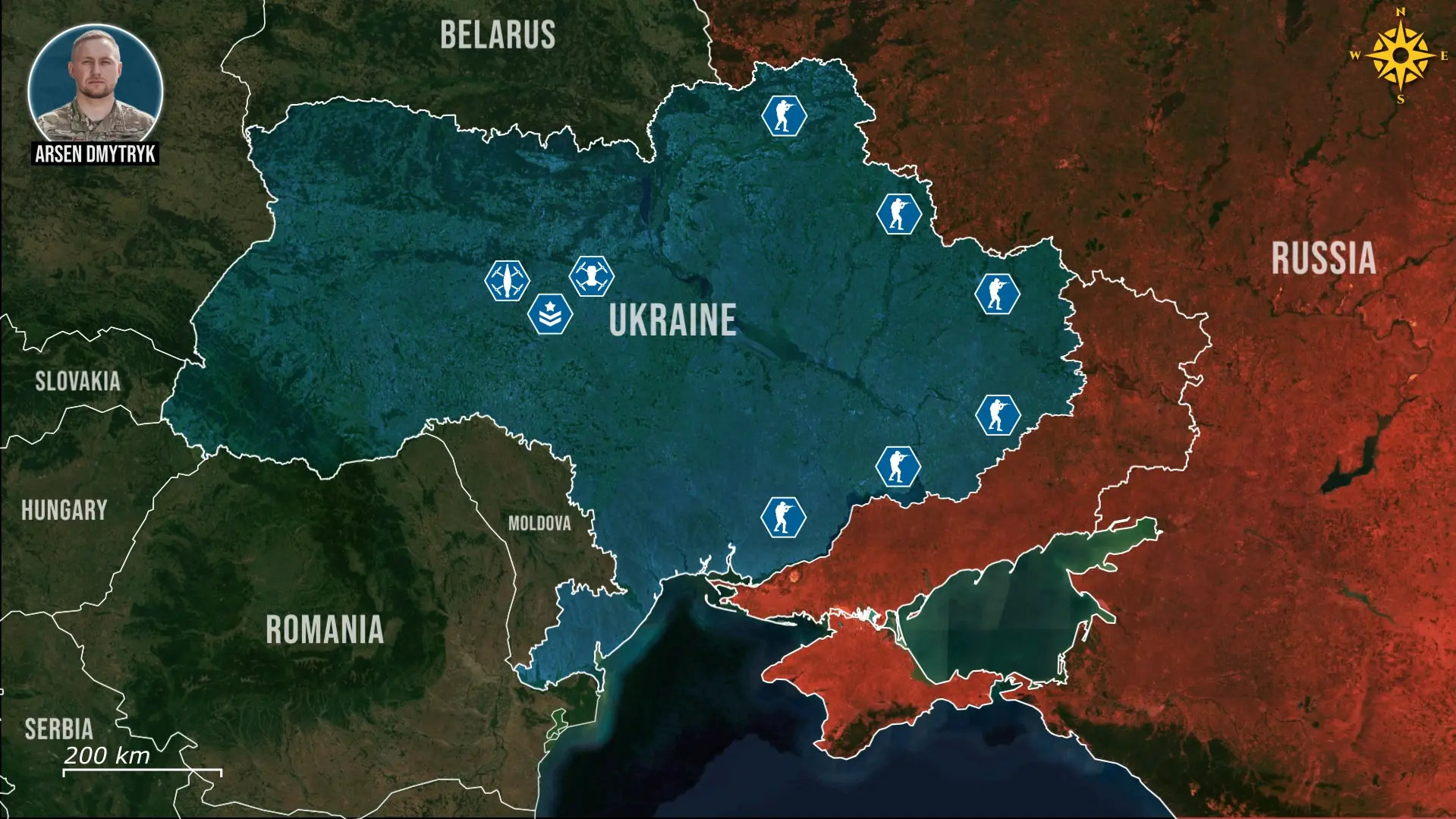
The war in Ukraine is often described as a drone war, but Arsen Dmytryk, Chief of Staff of the First Azov Corps, argues that it becomes dangerous when commanders start planning operations around drones alone, which leads to poor decisions on force structure, training, and battlefield coordination. His point is that technology does not replace the need for organized units, logistics, and soldiers who can consolidate positions and hold ground.
Drones have changed the battlefield by reducing the time between detecting a target and striking it to minutes or even seconds, which makes troop movement harder to conceal and mistakes more costly. This shift builds on earlier developments where faster information sharing allowed units to react more quickly, meaning decisions are made closer to the front line and with less delay.
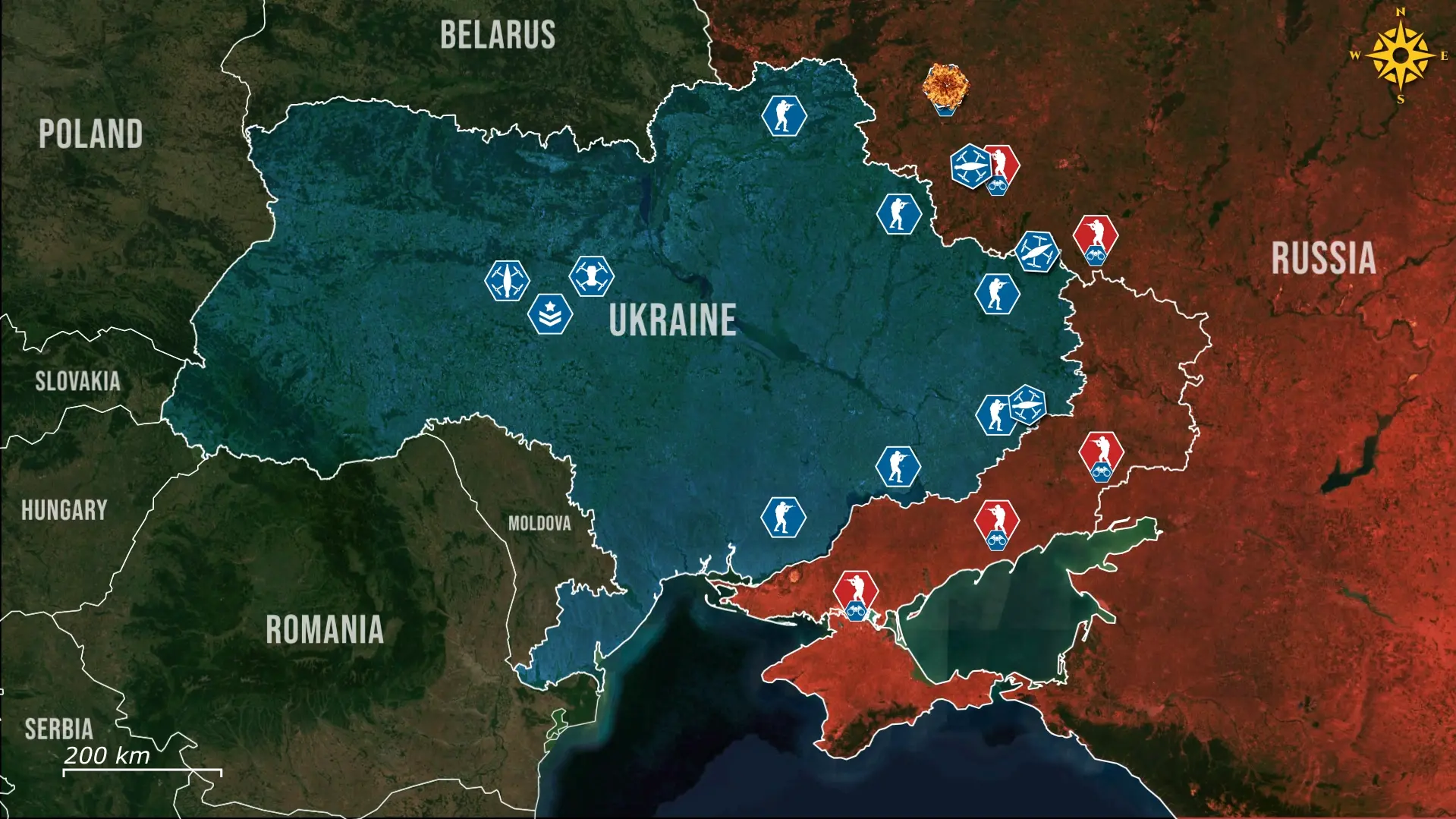
In practice, this changes the role of soldiers, who now focus on identifying targets, deciding threat priority, and coordinating strikes based on rapidly changing information.
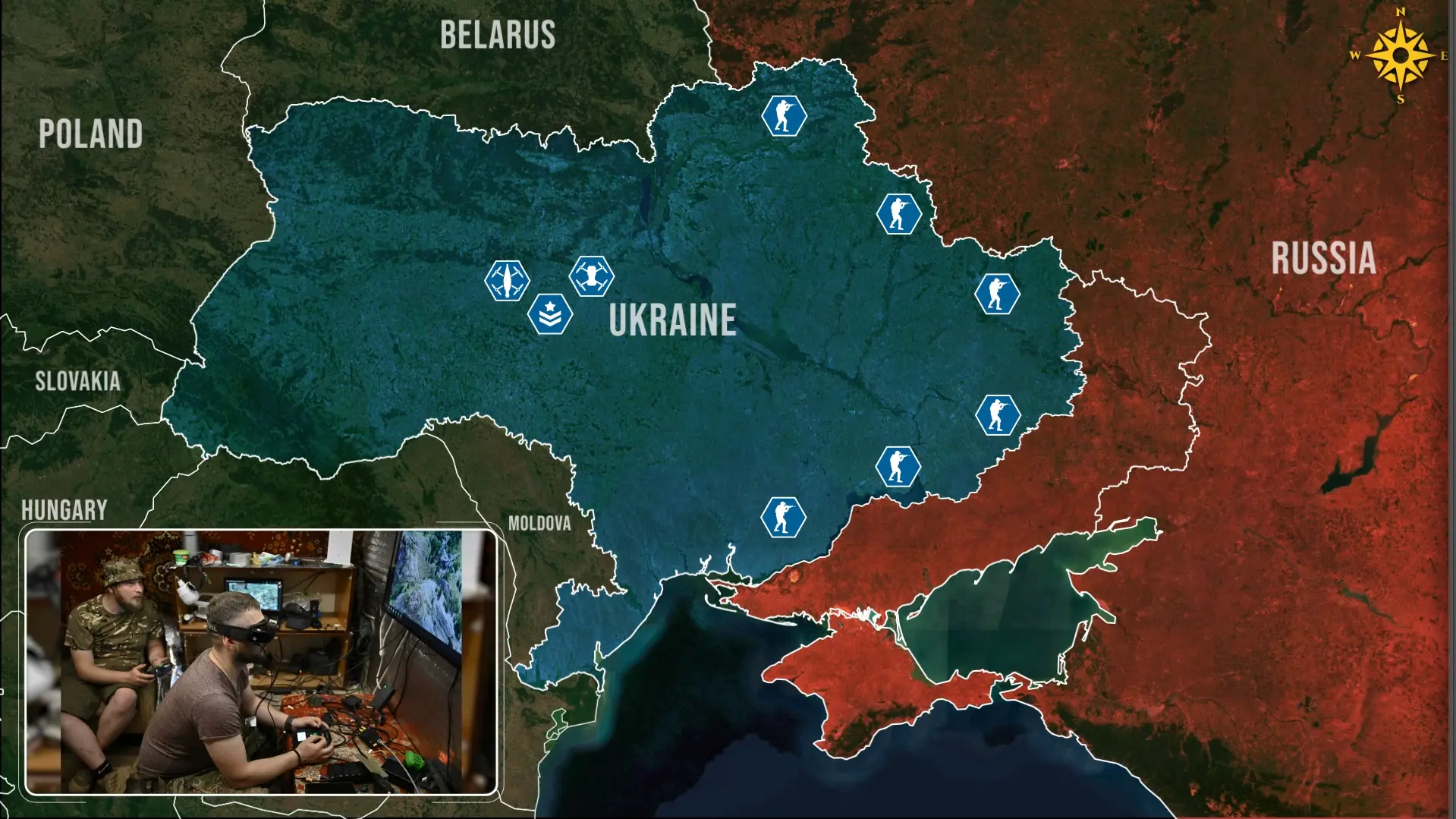
However, this same dynamic also reveals limitations, because drones alone do not create combat power. They are part of a larger system and depend on the human factor, such as the operator’s skillset, the commander’s plan, the engineer’s ability to maintain connection under jamming, and the logistics that sustain these operations. If these human elements are weak or lack cohesion, drones become expendable tools rather than effective weapons. In that case, faster information does not improve performance but instead leads to quicker mistakes, because decisions are made faster than they are properly understood or coordinated.
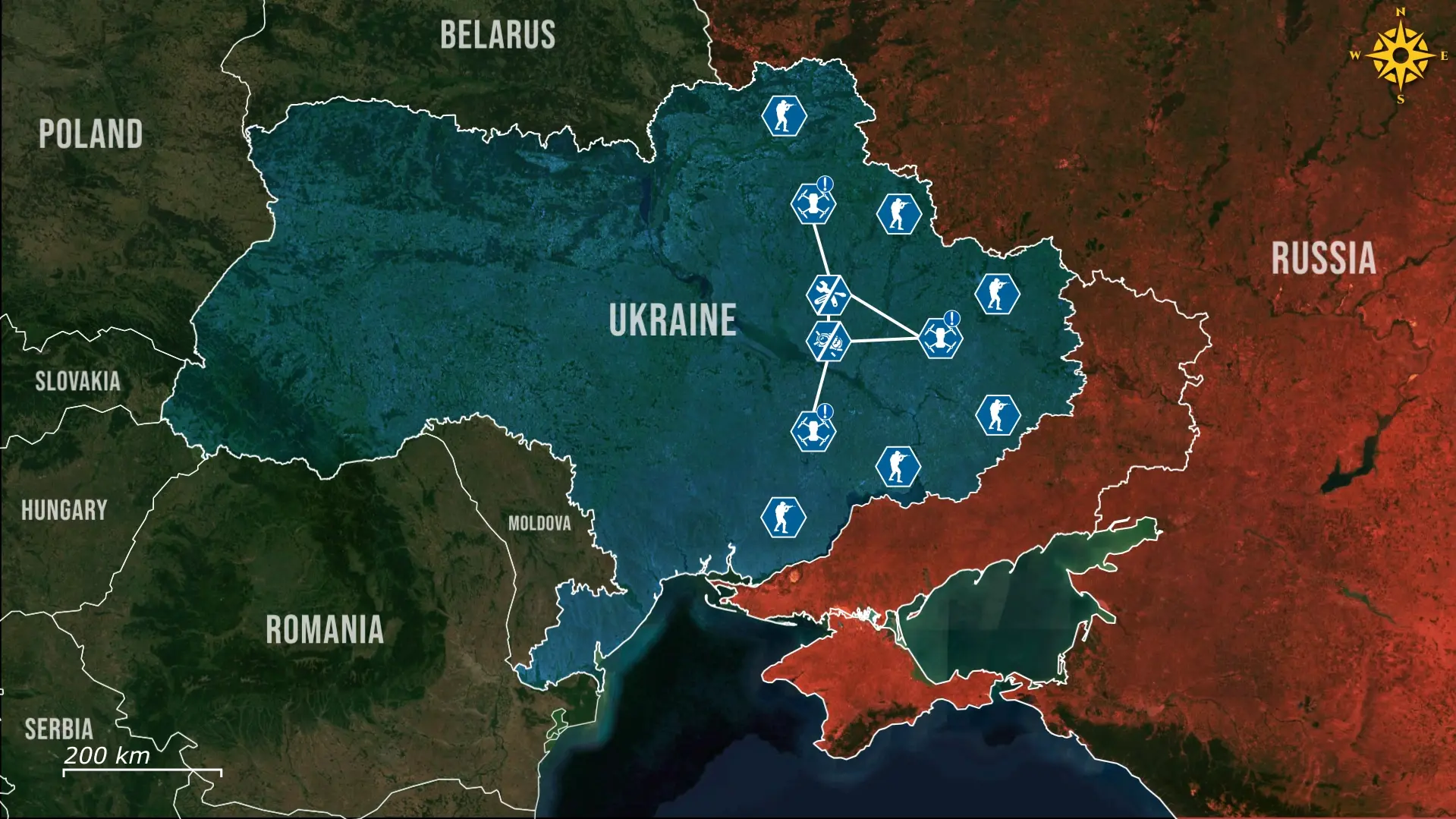
This becomes clear in how battles are decided, because drones can strike targets but still cannot fully hold ground without humans. War is not won by strikes alone, but by controlling terrain, protecting supply routes, rotating exhausted units, repairing damaged systems, and making decisions under constant pressure.
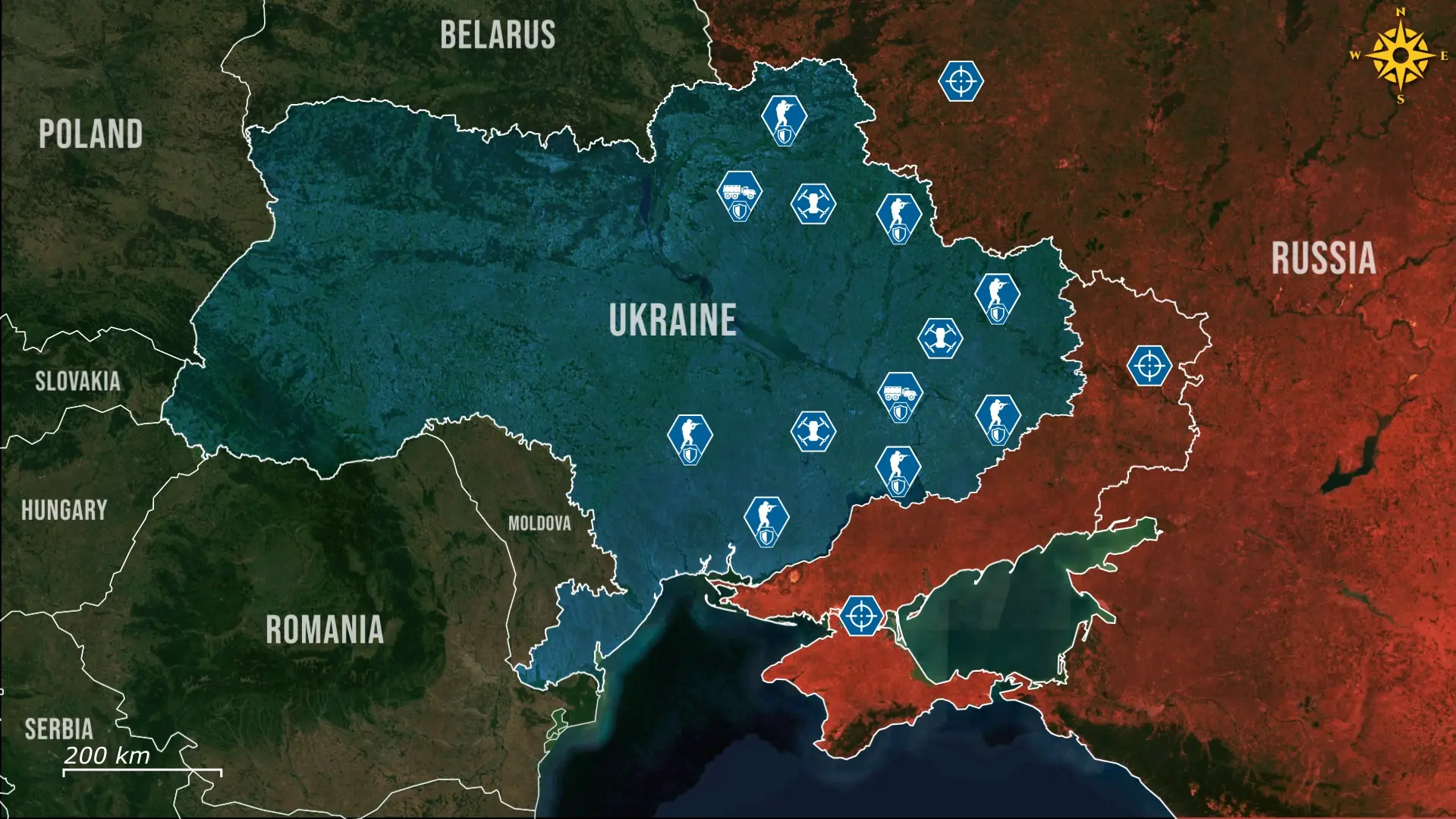
For example, a unit may detect and strike targets quickly with drones, but if it cannot move forward, secure positions, or sustain itself under counterattack, the advantage is lost, and the battlefield becomes static. Faster reconnaissance data and quicker strikes do not solve these problems because trust, endurance, and adaptation still depend on people rather than technology.
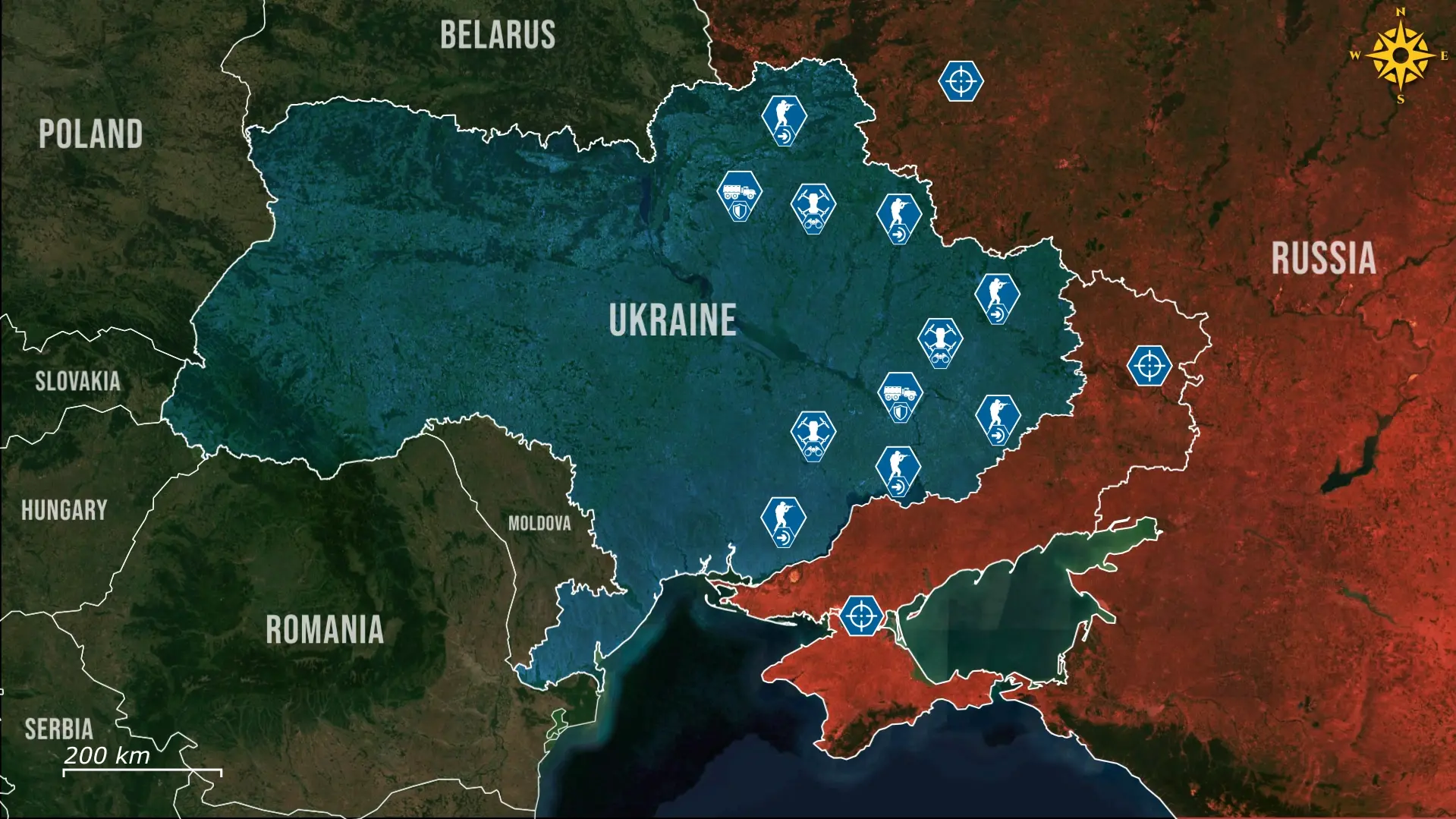
This is the real redistribution now taking place on the battlefield, because in some sectors, fewer soldiers perform the most exposed tasks near enemy positions, as drones are used as scouts to adjust fire, deliver munitions, and intercept threats before reaching the contact line. At the same time, demand shifts toward trained personnel who operate and sustain these systems, as drone pilots control strikes, engineers protect communication under enemy jamming, analysts interpret incoming data to identify targets, and commanders coordinate these inputs into coherent actions. The battlefield now requires fewer soldiers for direct exposure, but more people who can manage information, maintain systems, and make decisions across a connected combat network.
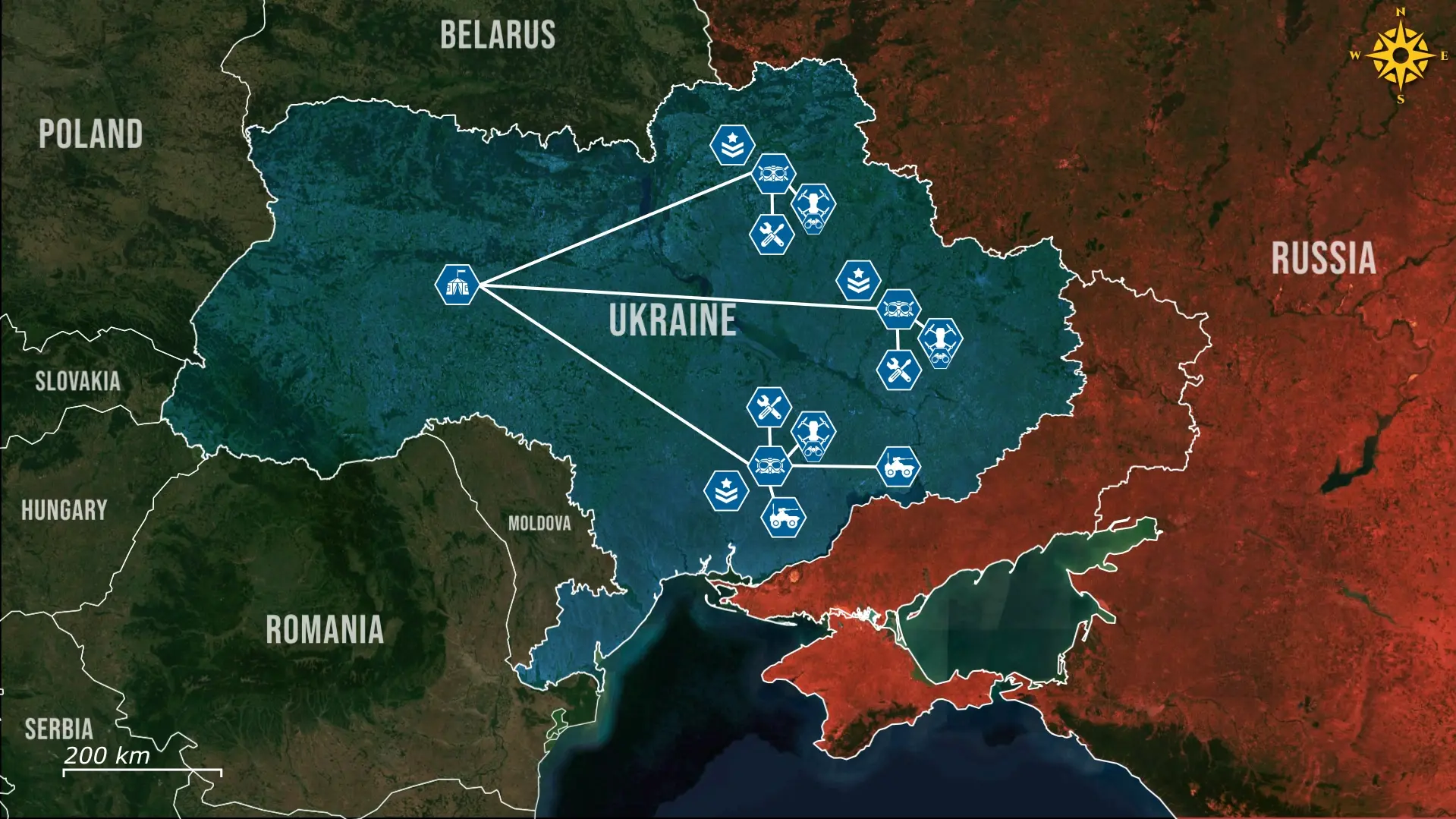
Ukrainian commanders explain this through comparison to historical patterns rather than abstract claims about new technology. They point to gunpowder warfare, which only became decisive once states could organize production, train large forces, and sustain logistics, showing that the weapon itself was not enough without a proper strategy behind it. This illustrates a consistent dynamic, where technology only becomes effective when it is supported by human organization, training, and coordination.
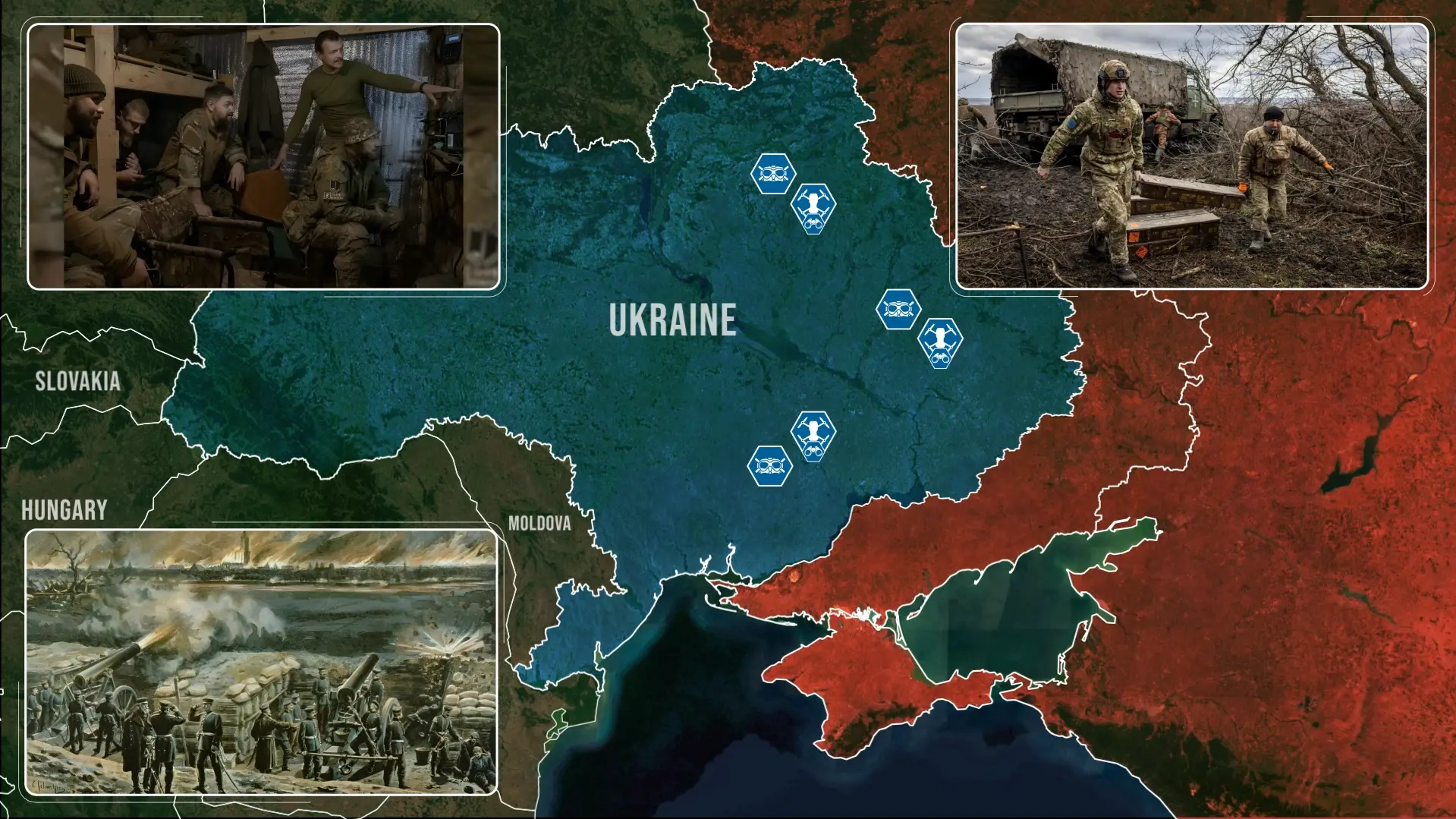
Overall, armies that treat drones and AI as tools inside a soldier-centered system will outperform those that treat technology as a 100% substitute for humans. Ukraine shows that even when machines take over more routine battlefield functions, success still depends on the soldiers who can absorb pressure, adapt faster, and keep units functioning when conditions break down.
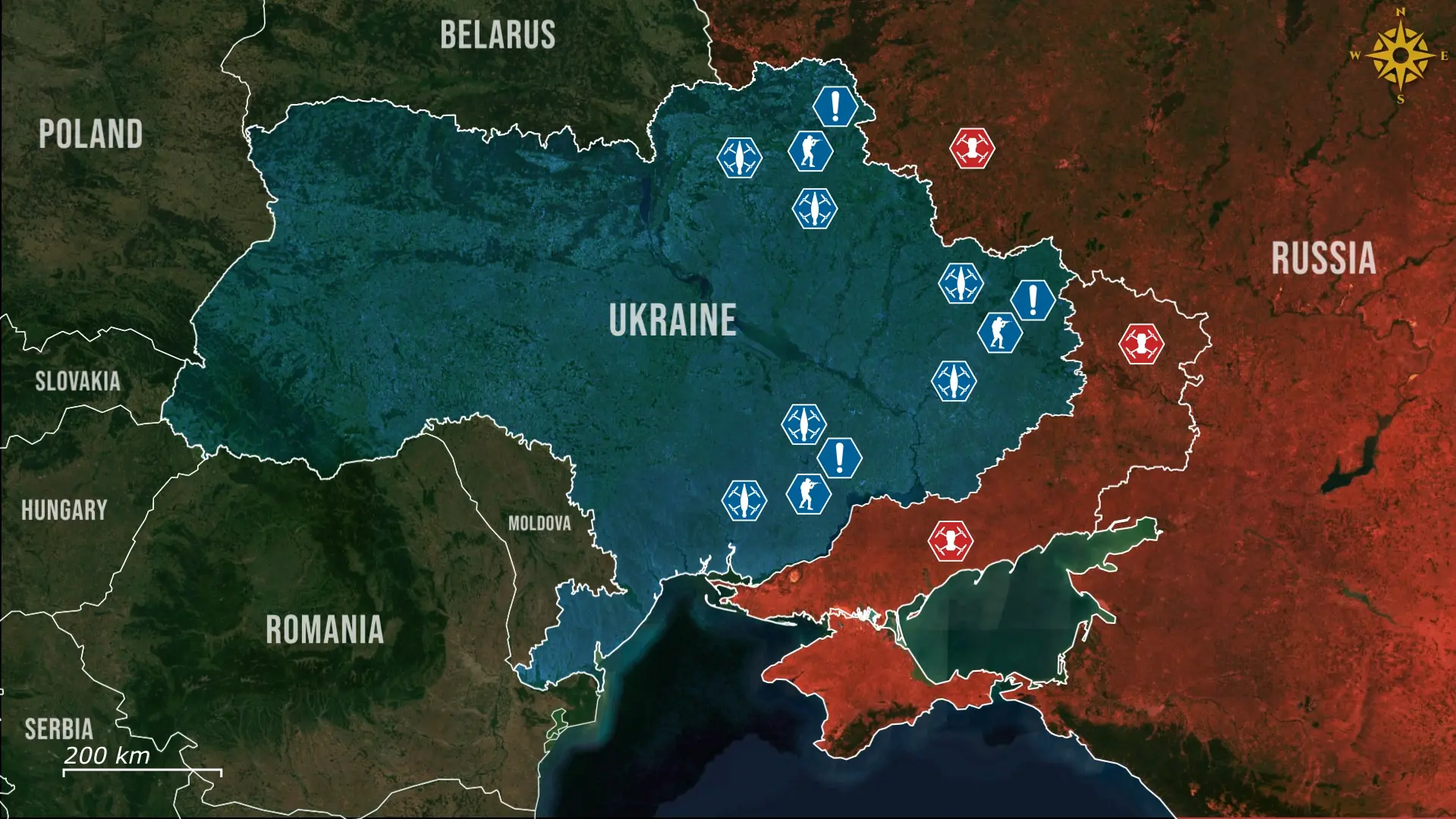
The real competition is therefore no longer about individual weapons, but about which army can implement technology into sustained combat effectiveness. The next stage of war will be decided by organizational resilience, because the soldiers of the side that keep learning, coordinating, and holding together under stress will still be the ones that prevail.

.jpg)

Comments