

.svg)
Today, the biggest updates come from Ukraine.
In a grinding war of attrition, the battlefield has been irrevocably transformed by swarms of cheap, ubiquitous drones that expose and annihilate heavy armor with ruthless precision. Yet Ukraine has refused to abandon its tanks to obsolescence, instead choosing to adapt to the new dynamics of modern warfare.
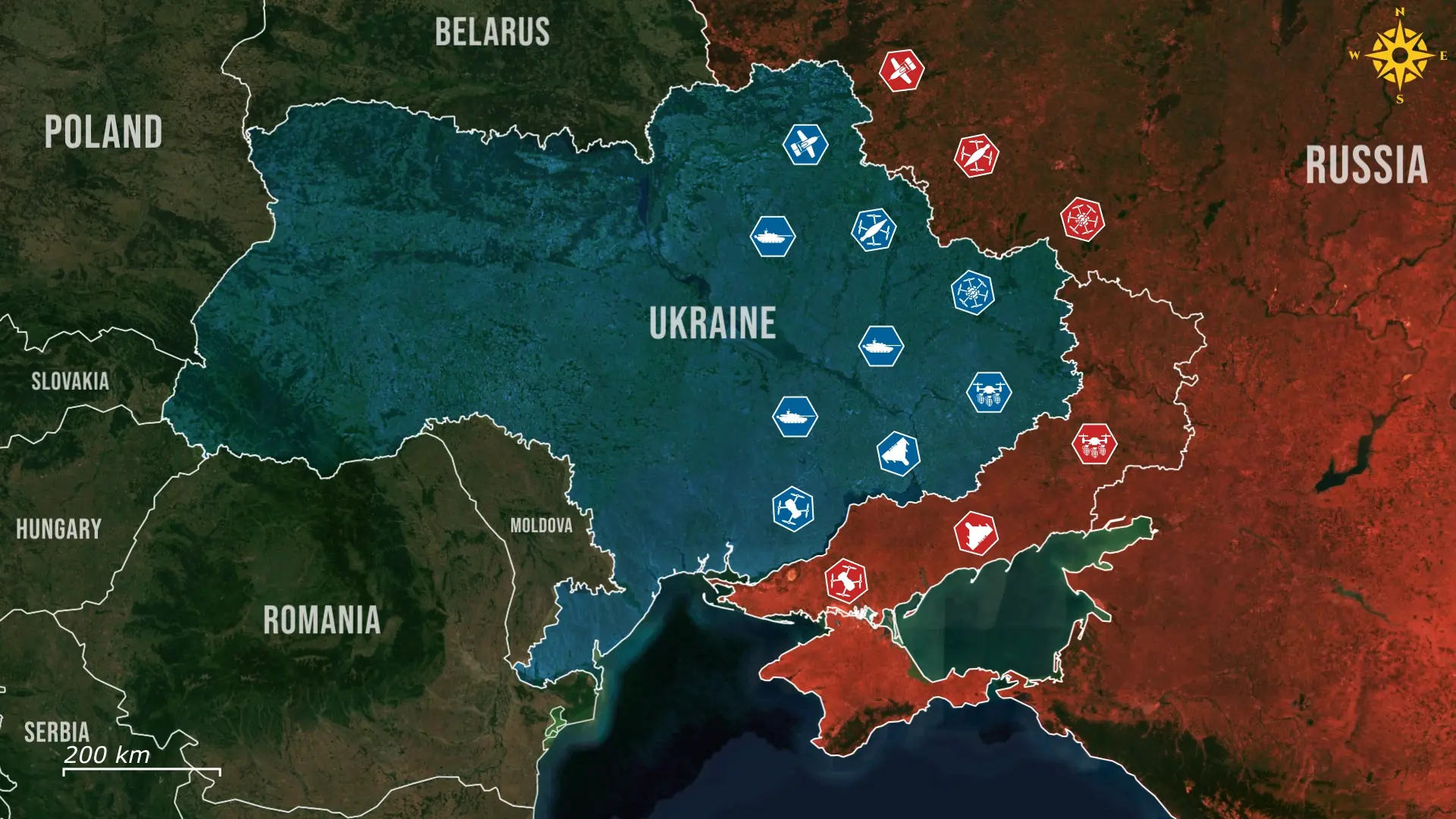
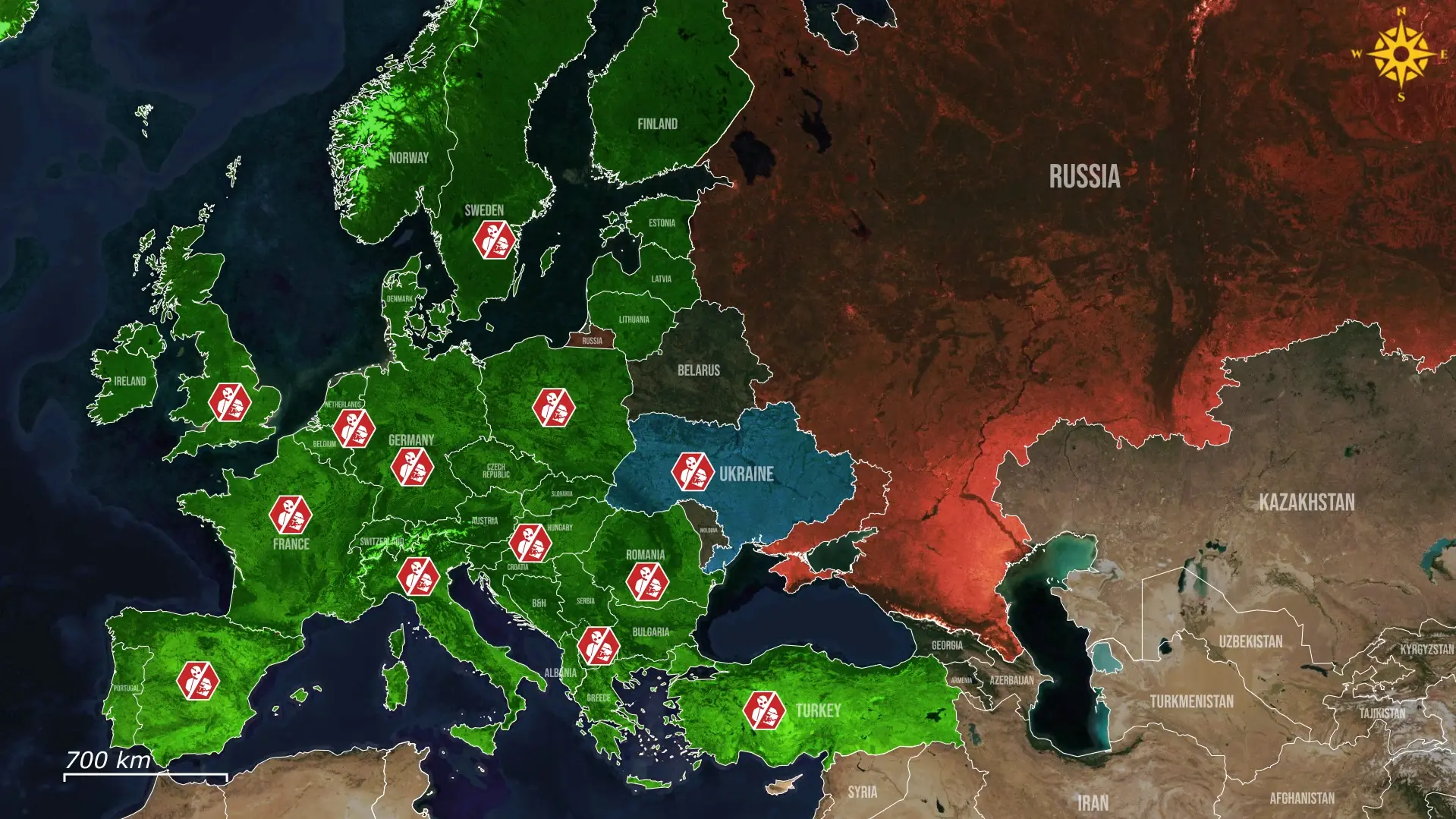
As of early 2026, Ukraine operates fewer active main battle tanks than at the outset of the full-scale invasion, with estimates placing the operational fleet at around 1,100 vehicles, compared to 1,500 at the beginning. This mixed arsenal remains dominated by upgraded Soviet-era designs, supplemented by a smaller but growing contingent of Western Main Battle Tanks including Leopard 2’s, Challenger 2’s and M1A1 Abrams.
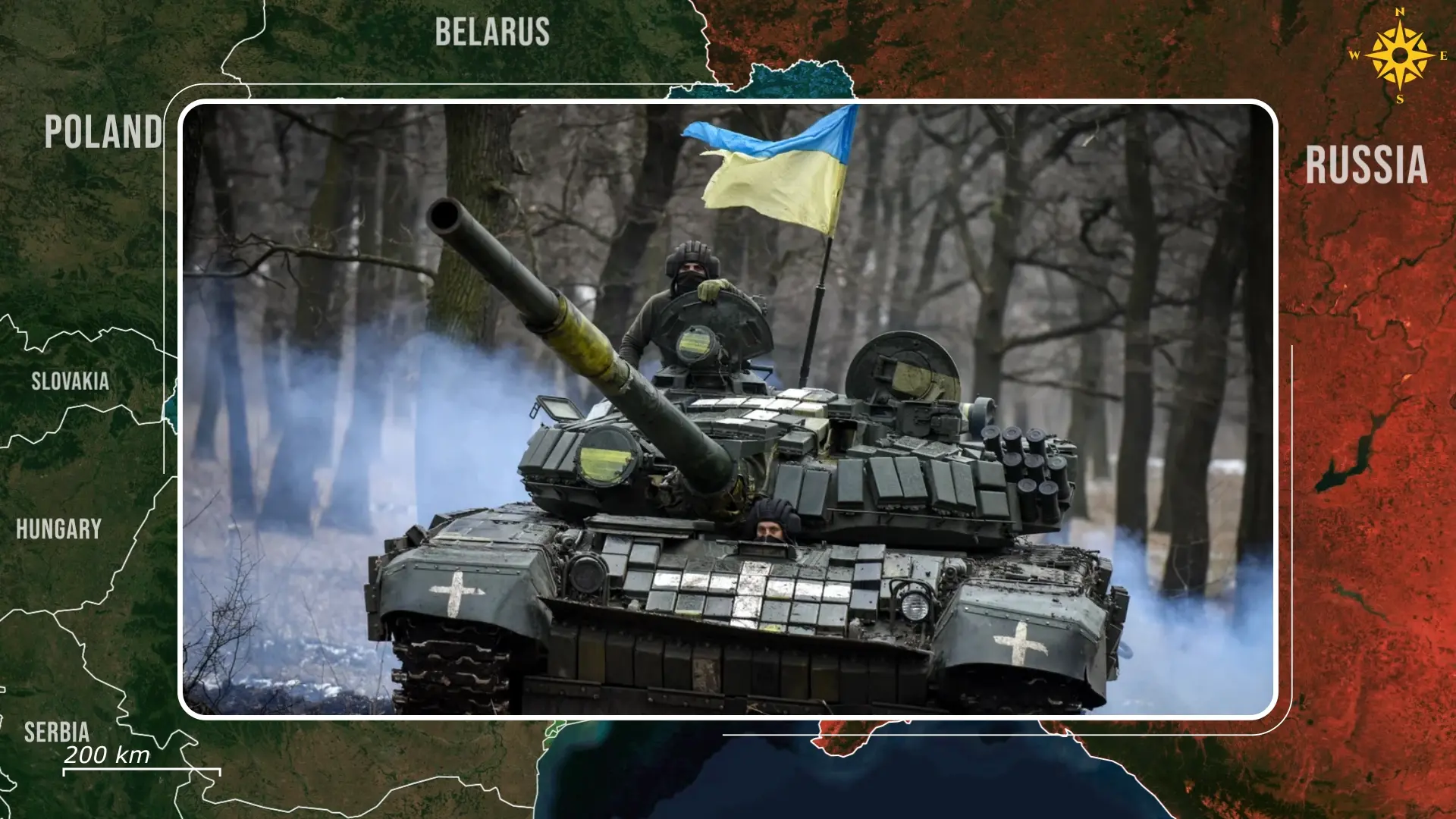
However, those became easy targets in a war where cheap drones can now immobilize or completely destroy even the most advanced heavy machinery. In a battlefield saturated by swarms of inexpensive yet lethally precise FPV drones, reconnaissance UAV’s, and loitering munitions, up to 70% of armored vehicle losses on both sides are now attributed to drones.
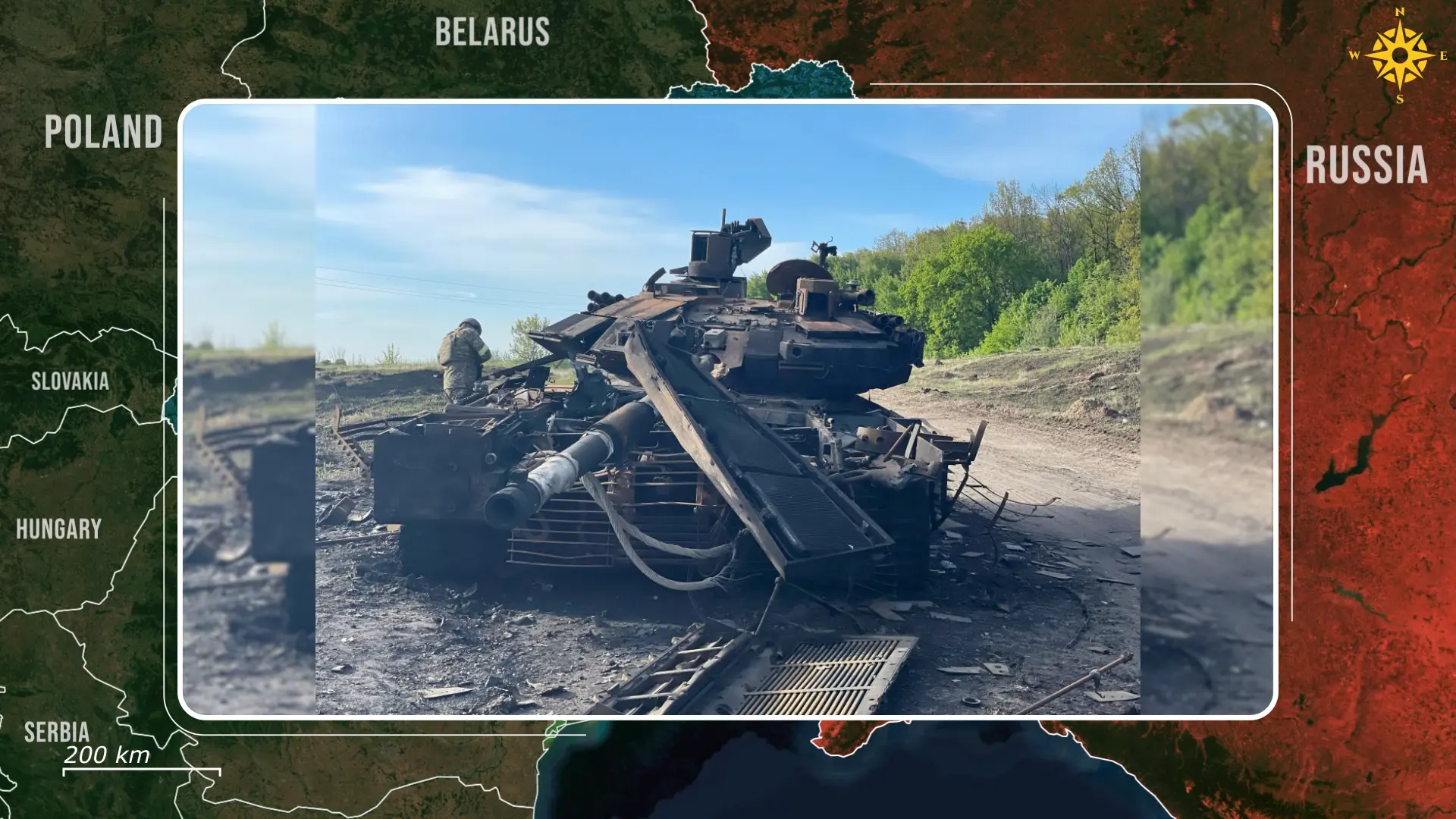
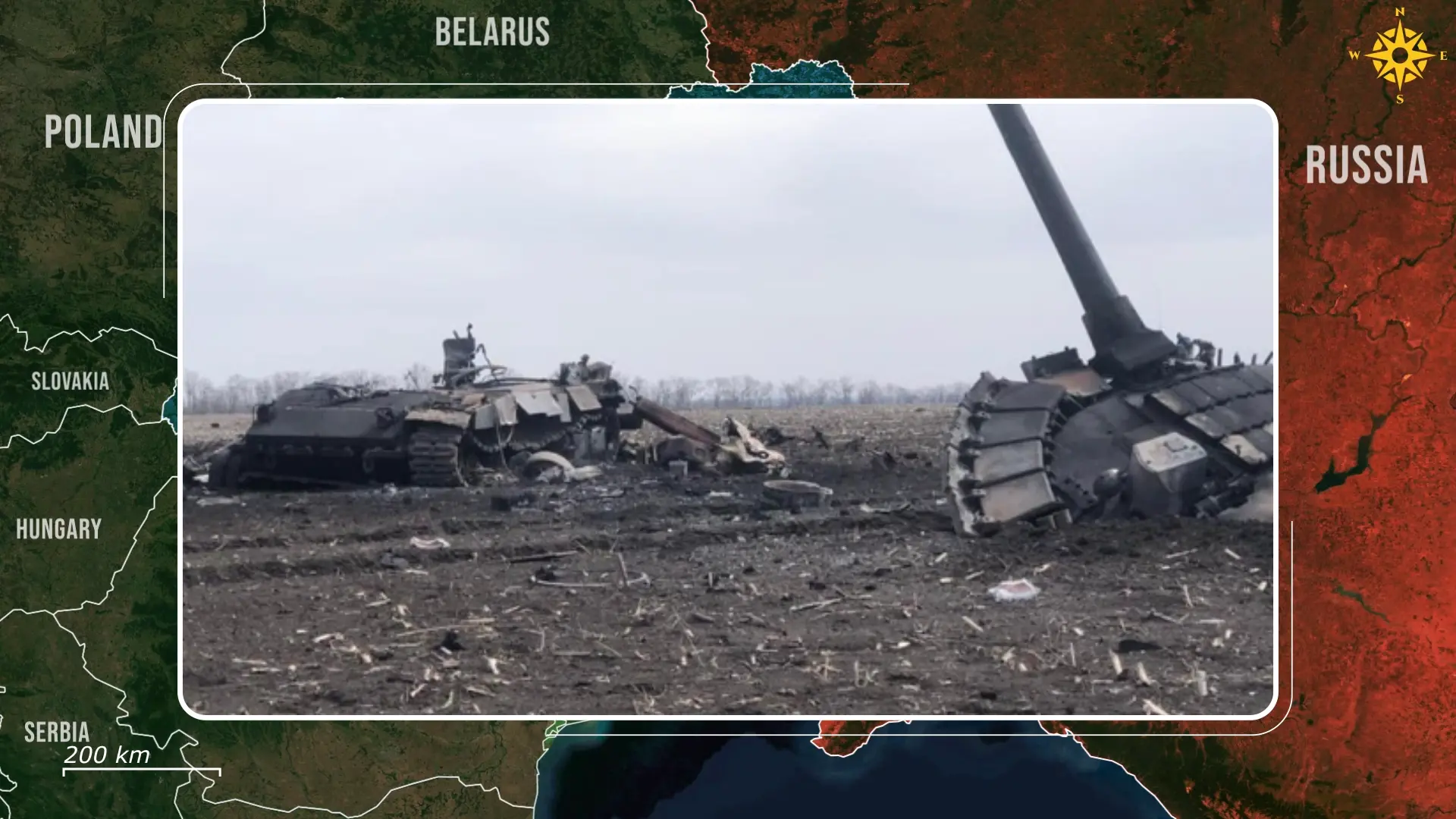
Traditional doctrines of massed tank employment have proven catastrophically vulnerable, inviting rapid detection and destruction from overhead threats. Because of their slow movements and large mass, they become certain targets, easily focused down on by drone operators.
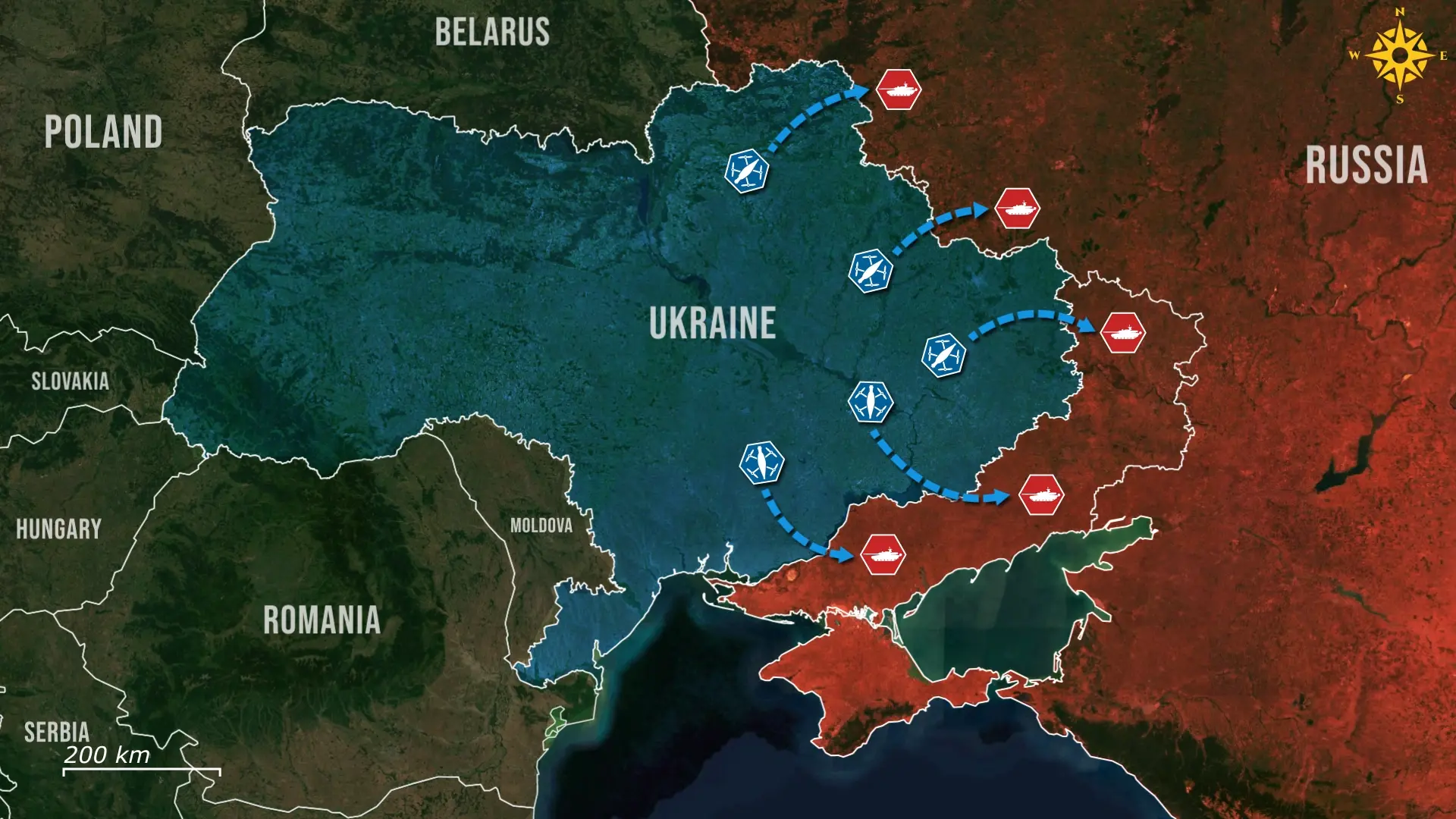
Early attempts at large-scale armored assaults, whether Russian columns throughout the war or Ukrainian counteroffensives in 2023, collapsed under drone-guided artillery and direct kamikaze strikes.
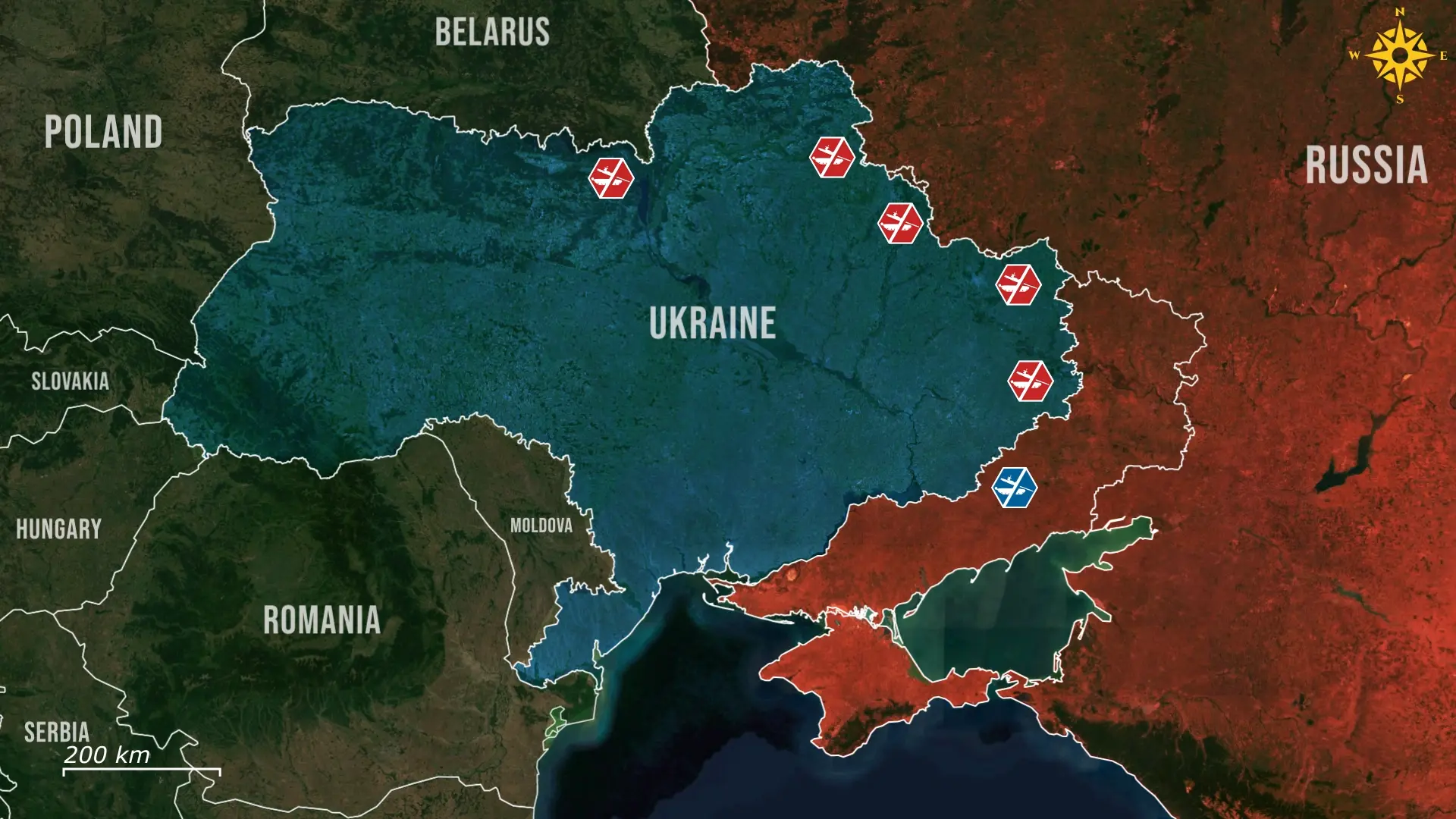
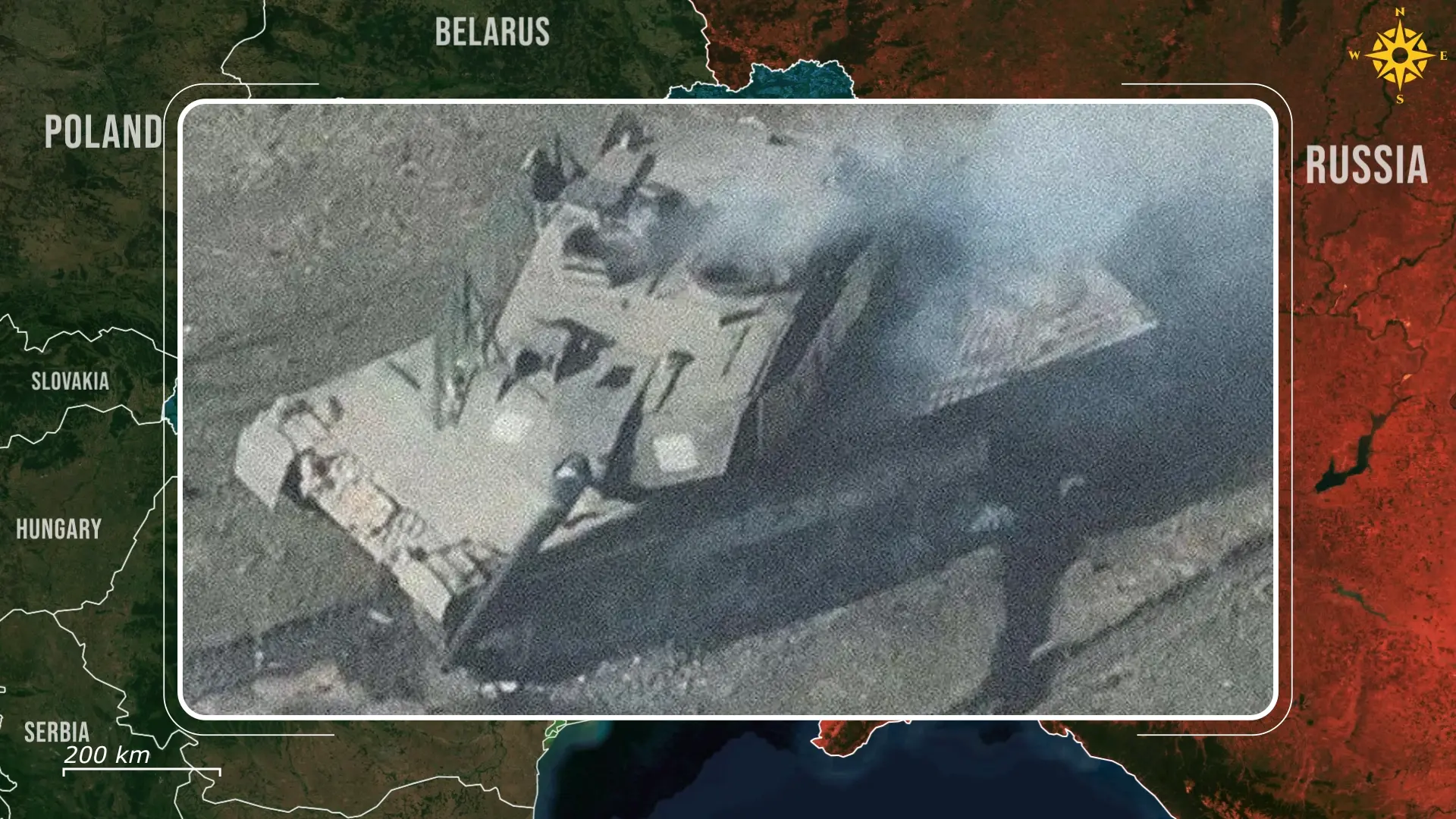
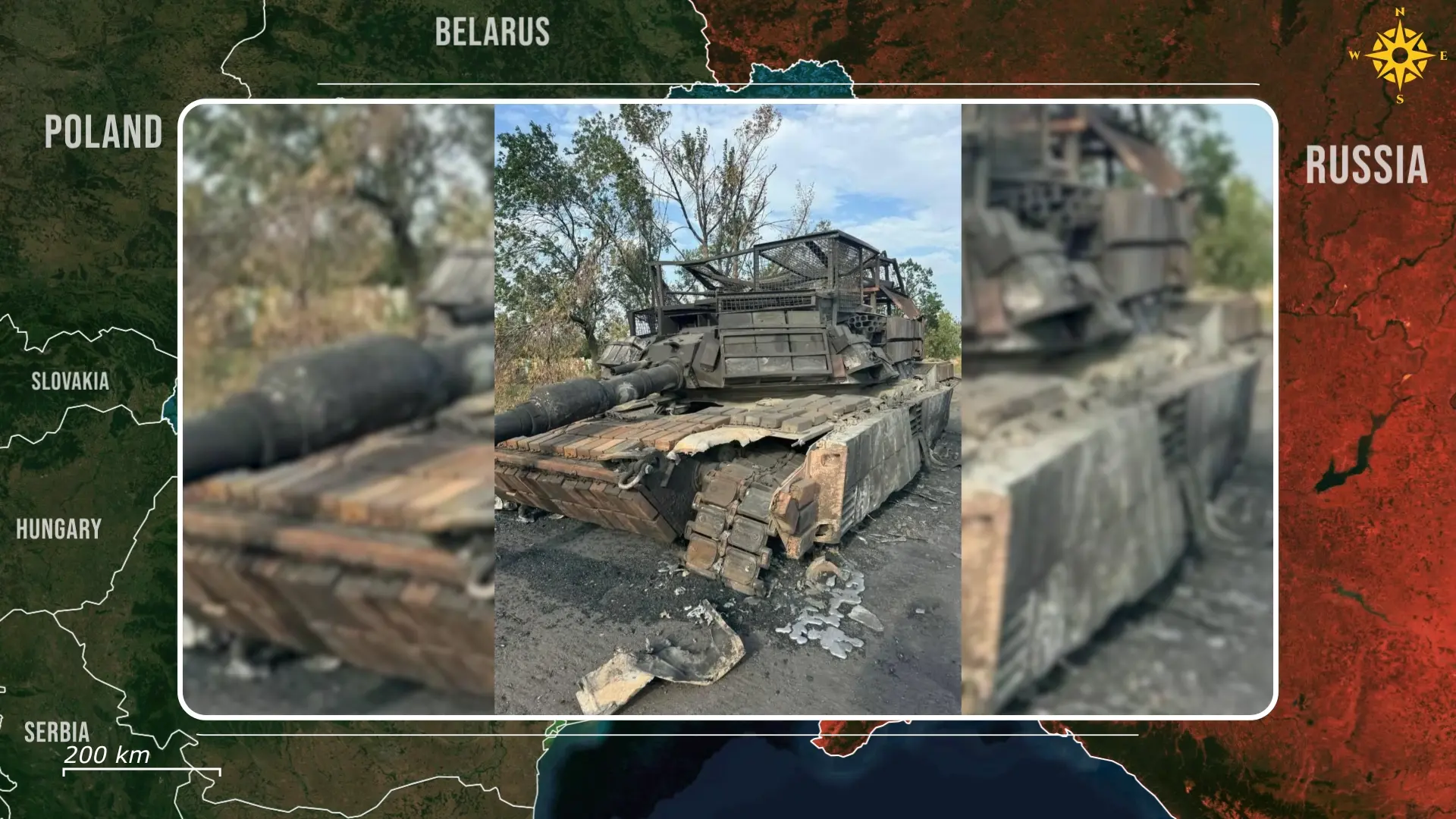
Even Western-supplied Main Battle Tanks like the M1A1 Abrams and Leopard 2 succumbed swiftly to relatively cheap drones. Despite claims of full destruction of western tanks often being exaggerated, it still forced a grim recognition that independent shock tactics in open terrain equate to systematic attrition without decisive gain.
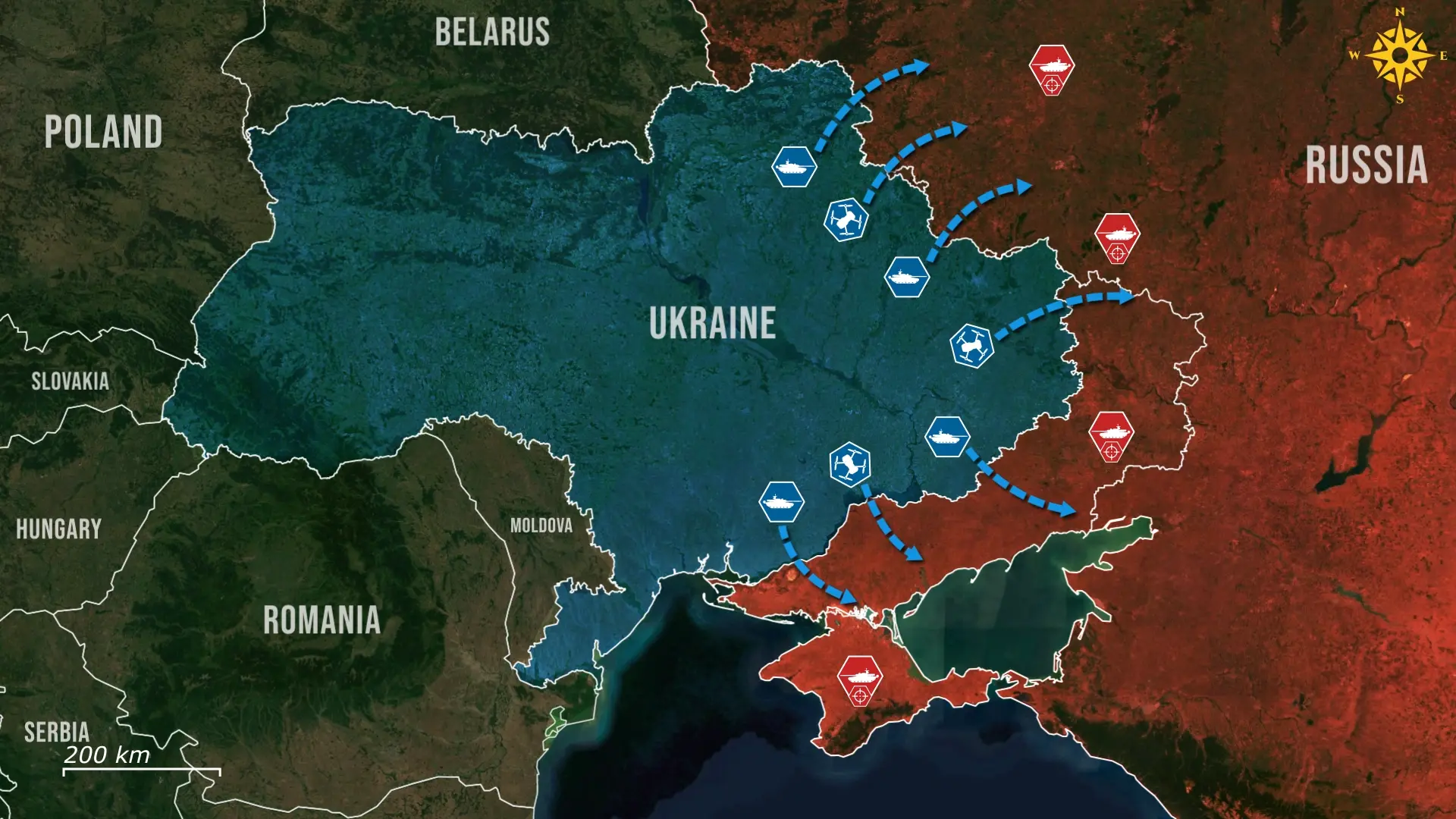
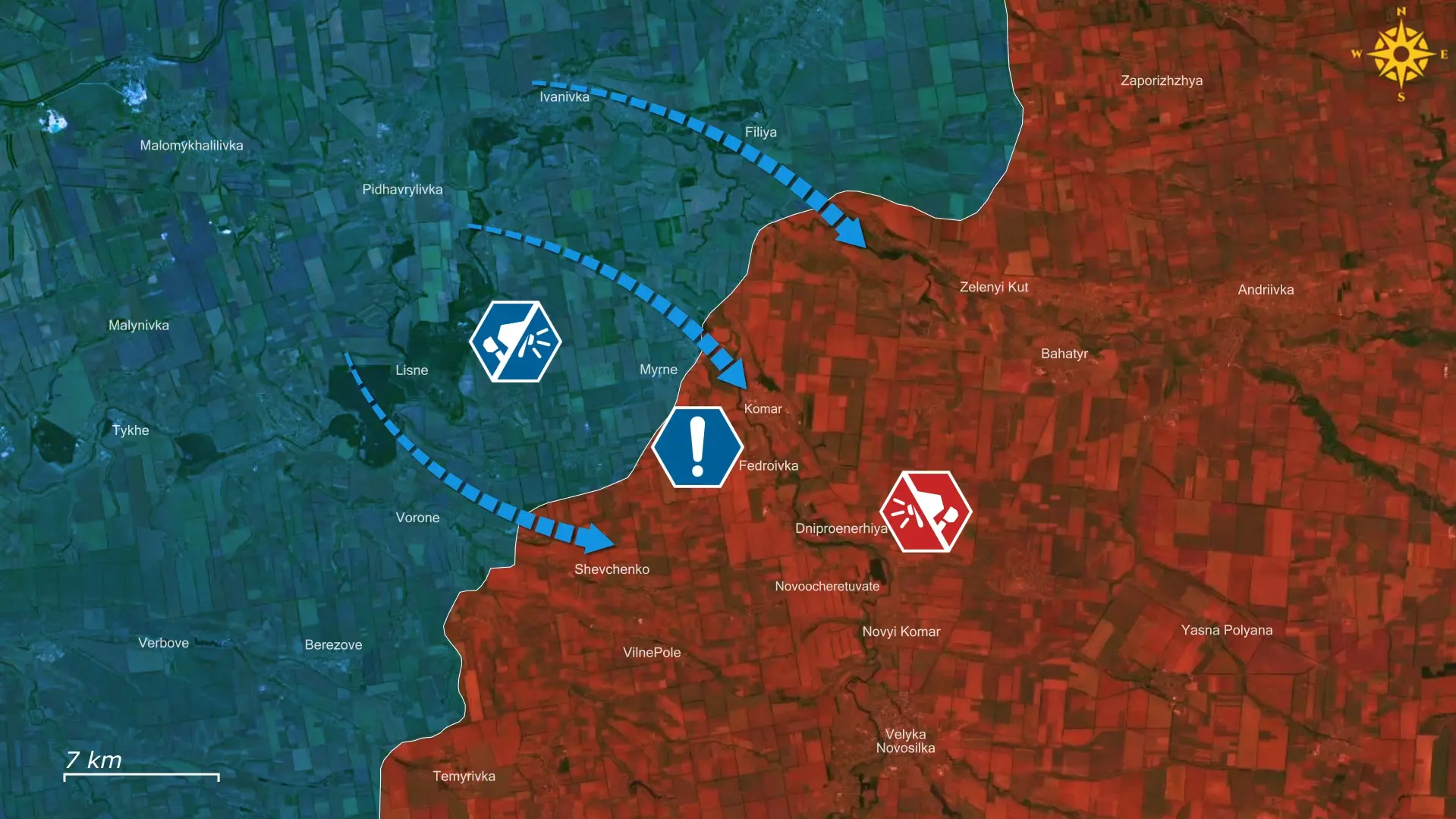
Ukraine has decisively abandoned doctrines of independent armored breakthroughs. Instead, tanks now serve as protected fire-support nodes embedded within a drone-centric ecosystem. Reconnaissance UAV’s scout the area first, identifying key threats such as enemy FPV drone teams, artillery spotters, anti-tank positions, infantry concentrations, counter-drone assets and ambush points, yielding superior situational awareness. FPV units, coordinated with artillery strikes and electronic warfare, then suppress and neutralize those threats to clear paths ahead. This creates temporary safe corridors or low-risk windows in the transparent battlespace, where tanks can operate with drastically reduced exposure.
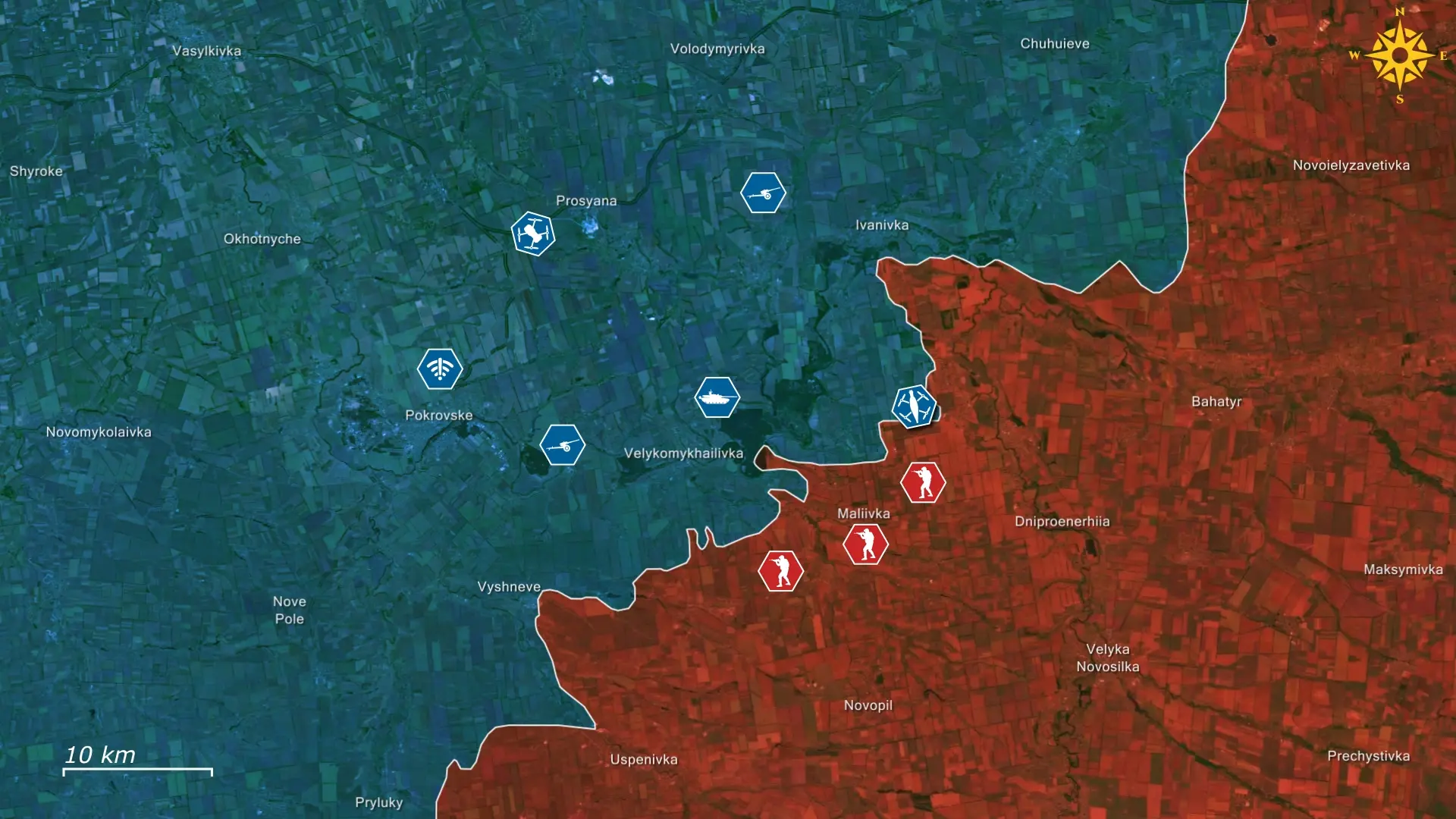
Tanks advance only cautiously, for brief, targeted fire missions to deliver direct fire, replacing prolonged assaults, often to either support an infantry assault, or clear out possible or known enemy positions with high explosive firepower. Crucially, crews then withdraw rapidly before Russian forces can redeploy assets to engage them, minimizing detection windows.
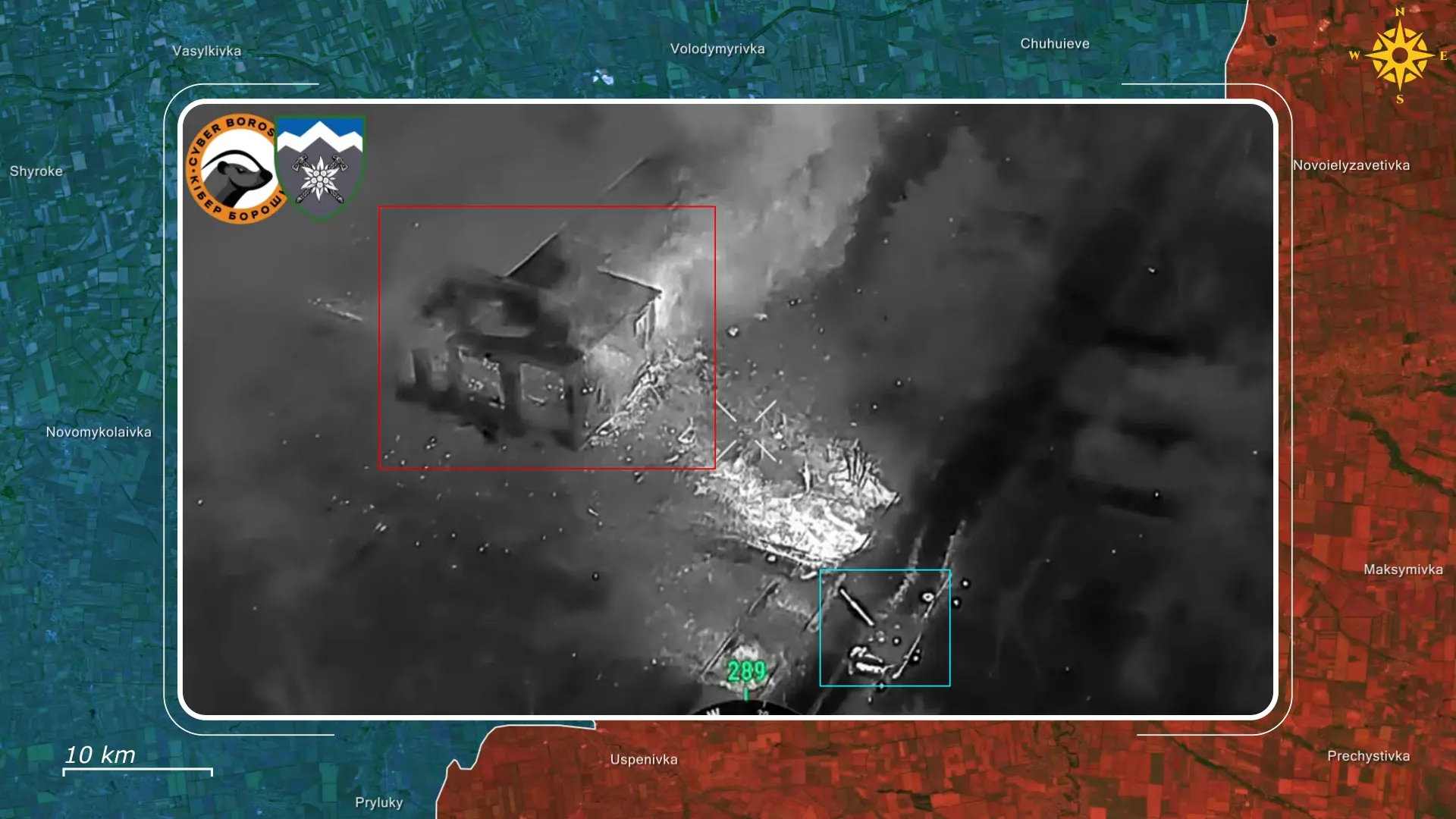
The result is dramatically higher survivability and operational endurance, preserving crews and hulls for far lower attrition rates while sustaining effective armored support for infantry advances on this drone-saturated battlefield. Following this, Russia's persistent massed employments turns numerical inferiority into a resilient force multiplier amid unrelenting drone saturation.
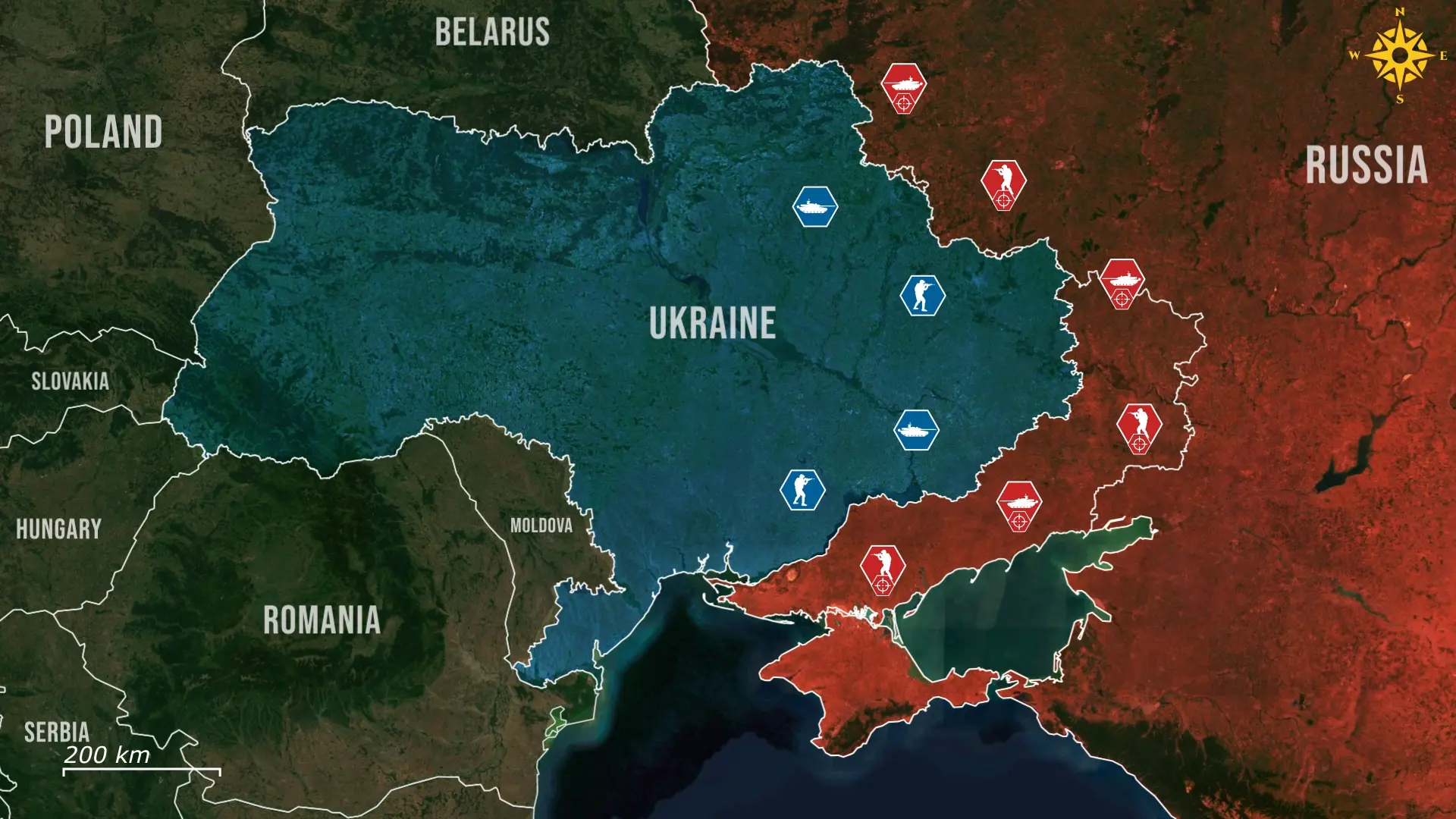
Ukraine’s doctrinal change comes as a result of several factors. The acute manpower shortages that limits the potential recruitment and rotation of troops. On top of that, the Ukraine’s industrial base is incapable of mass-producing or rapidly replacing heavy armored platforms at the scale required for traditional warfare.
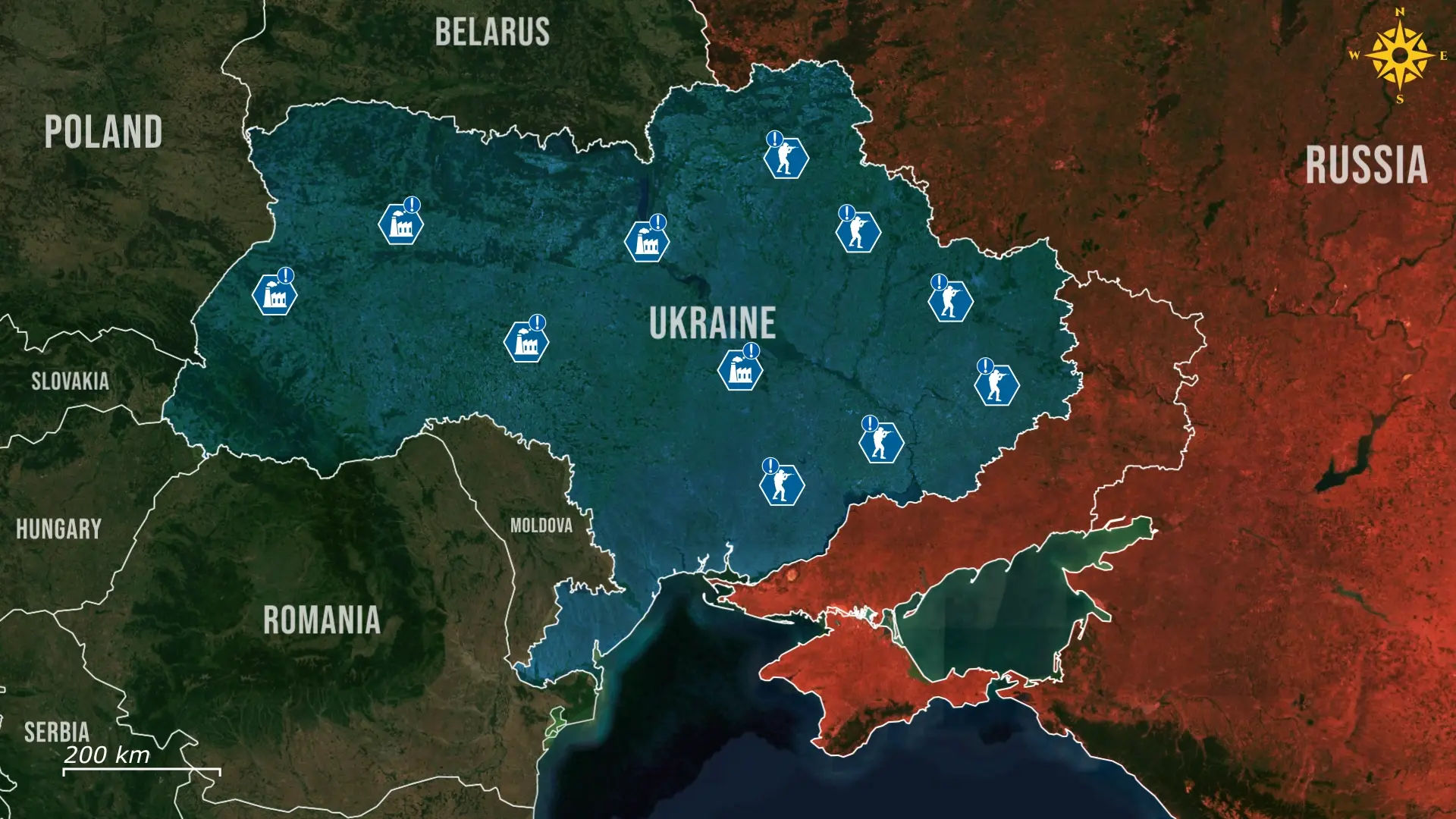
Unable to field large tank formations or absorb Soviet-style attrition without exhausting irreplaceable crews and hulls, Kyiv prioritizes technological efficiency in order to embed scarce tanks as precision enablers rather than expendable mass.
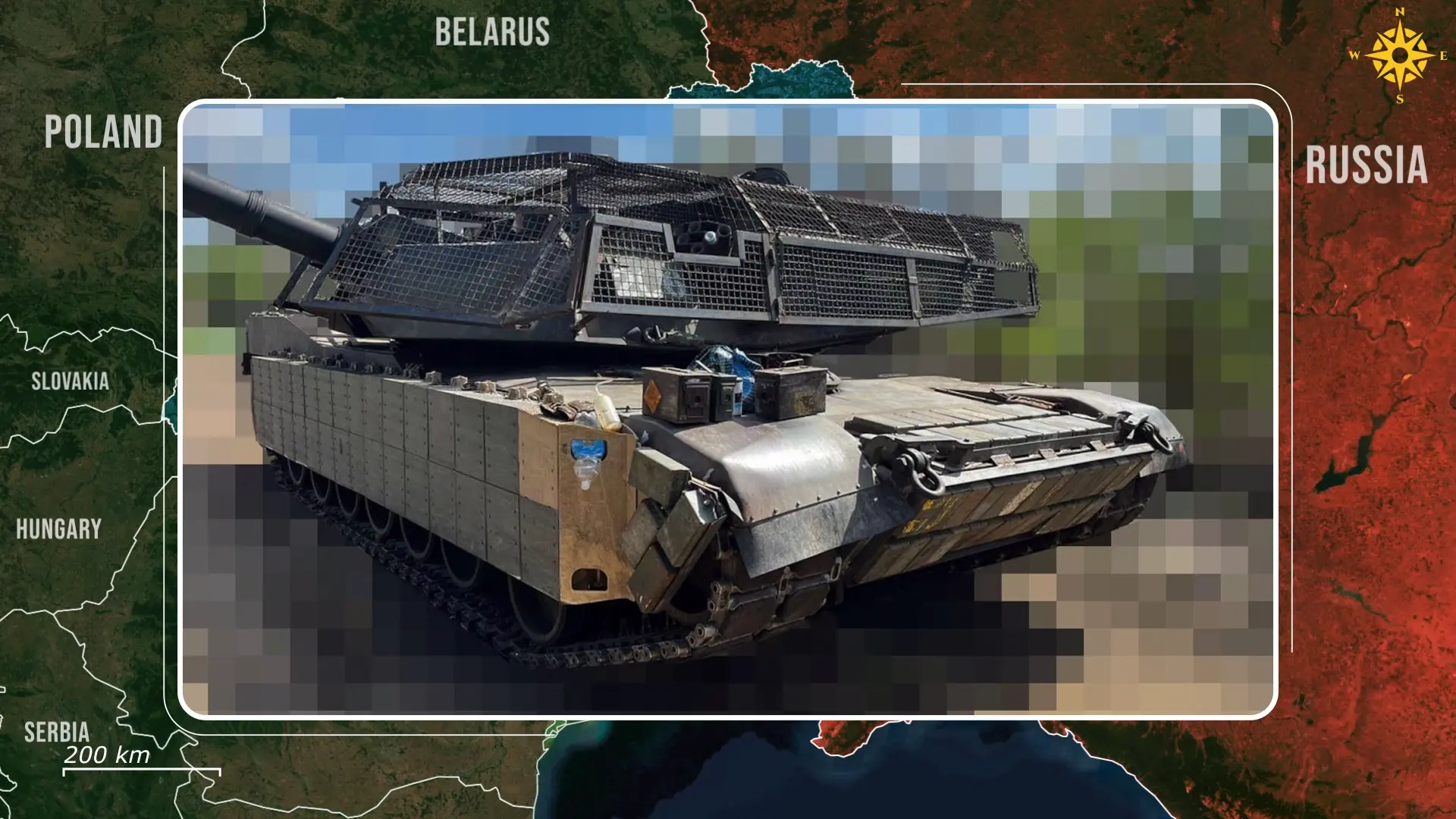
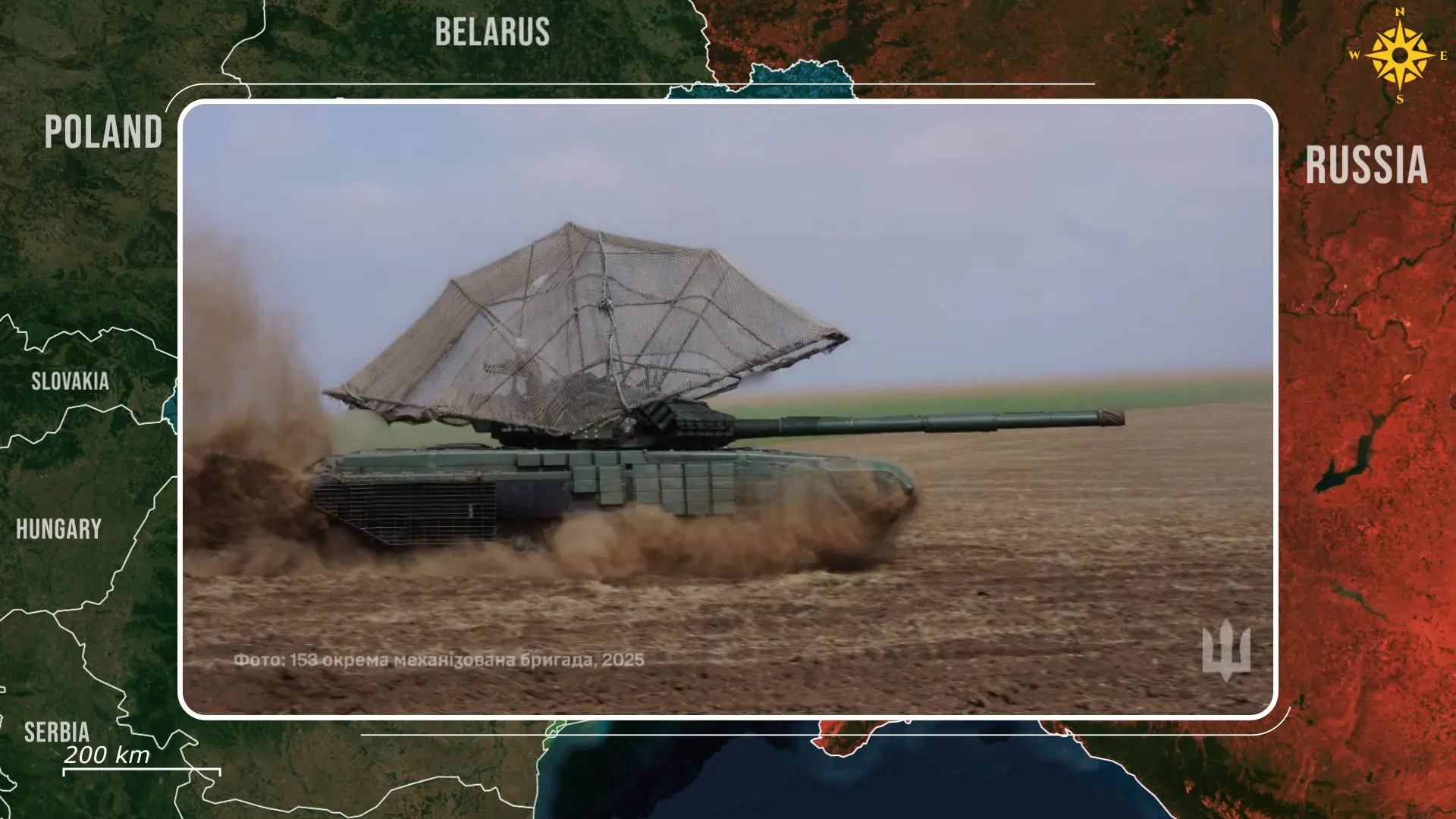
This forced change transforms inferiority into resilience, sustaining armored contributions through networked integration and minimal exposure. All while Russia’s greater industrial output and manpower reserves still yield diminishing returns against a drone-transparent opponent.
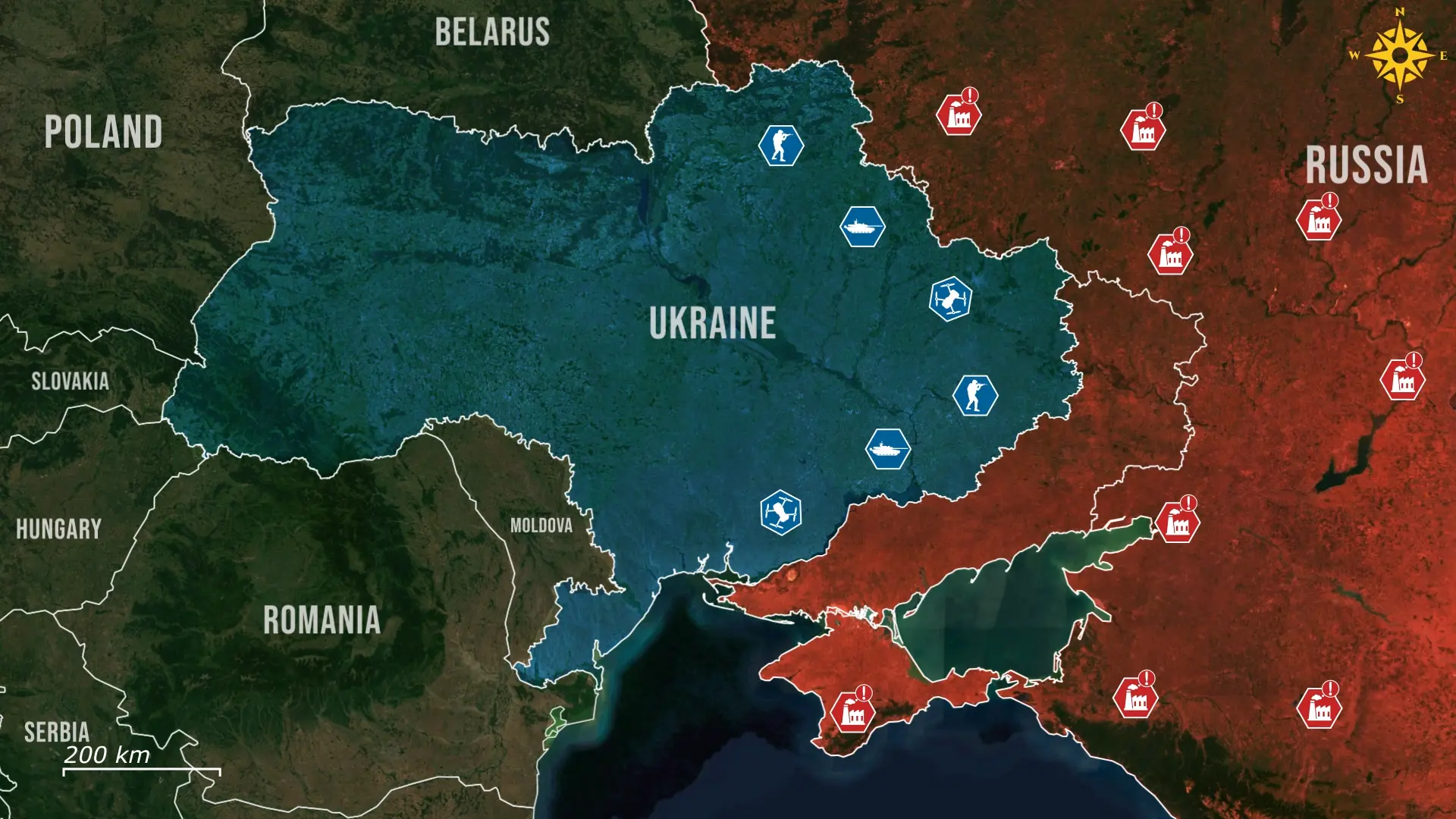
Overall, Ukraine’s deliberate integration of tanks as shielded, networked nodes within a drone-dominated kill chain has stabilized a shrinking armored fleet into an enduring, sustainable asset rather than allowing it to erode through unchecked attrition in a transparent battlespace. By prioritizing precision-enabled restraint over volume-driven exposure, Kyiv exploits scalable unmanned systems to preserve irreplaceable hulls and crews. This paradigm shift neutralizes Russia’s persistent reliance on massed armor and manpower, turning numerical disadvantages into resilient operational longevity. In an era where cheap aerial threats redefine armored viability, Ukraine’s adaptation prefigures a broader transformation, where tanks endure not as independent shock forces, but as protected enablers in unmanned-centric warfare.

.jpg)


Comments