

.svg)
Today, there is dangerous news from Iran.
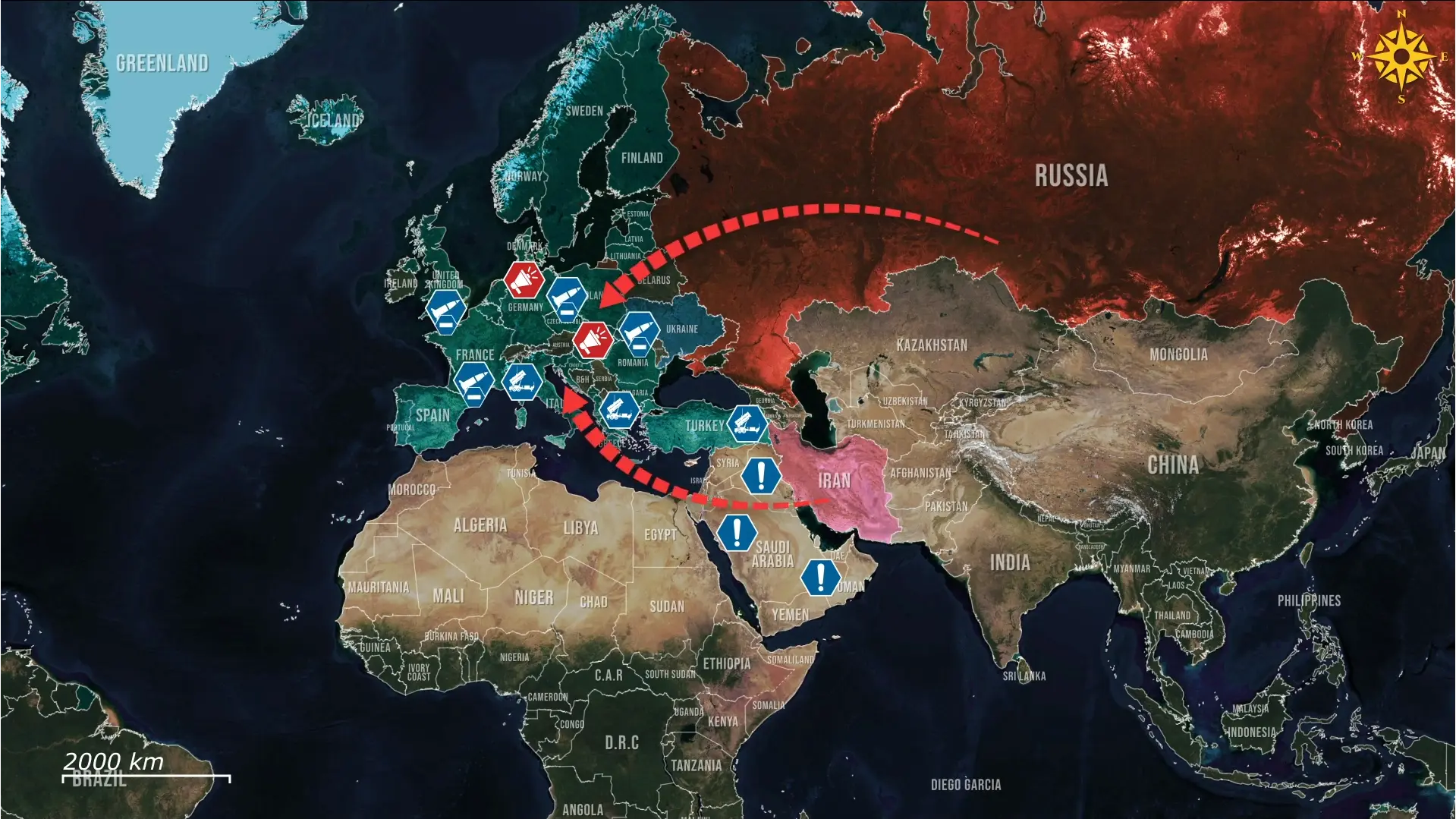
Here, Iran's furthest strike yet has exposed secret ties and a possible new player entering the Iran war. To everyone's surprise, North Korea is actively supplying the Iranians with the technology necessary to upgrade their ballistic missiles to a whole new level, as the Ayatollah's regime has now threatened to strike Europe itself.
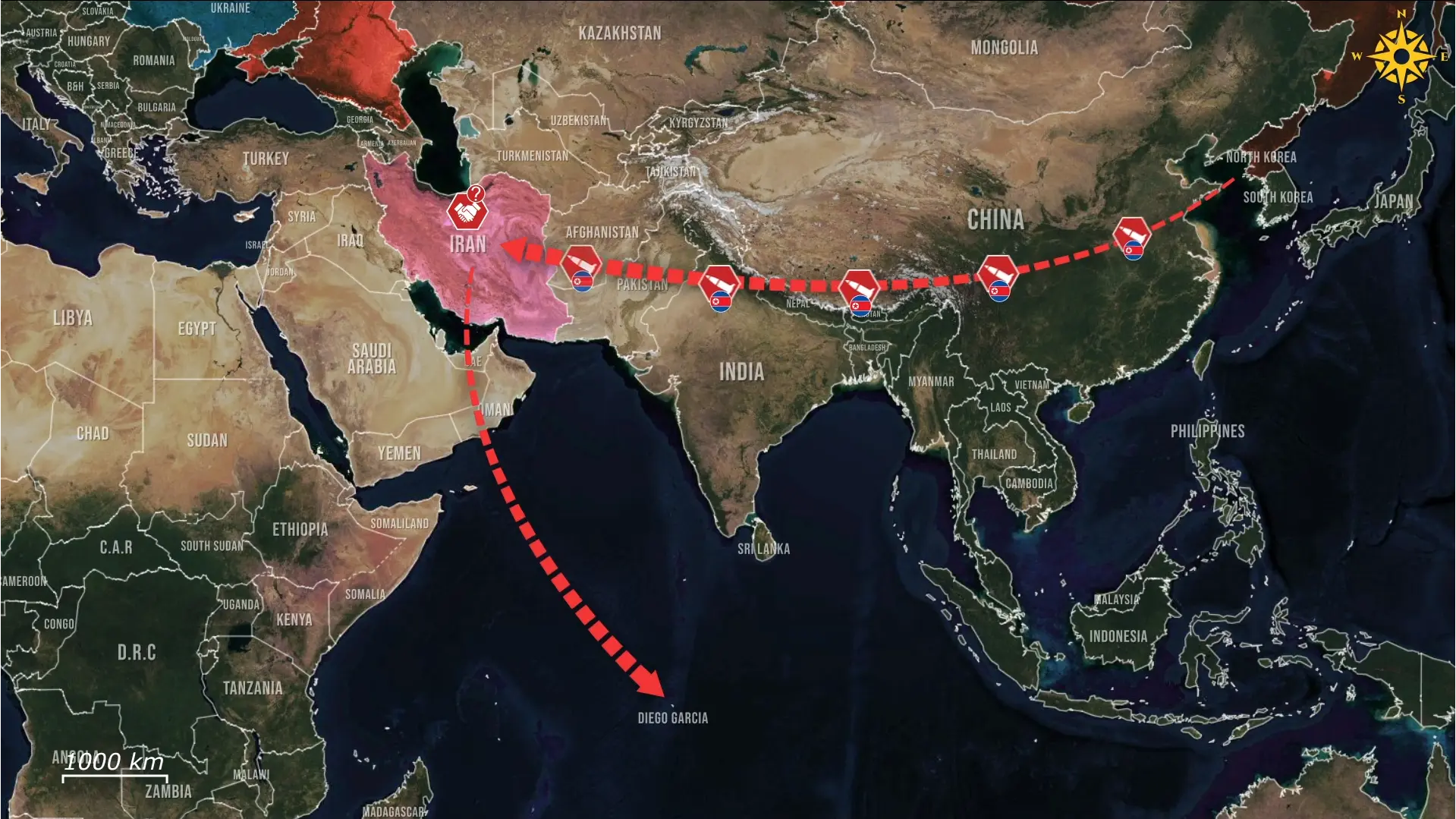
Recently, Iran has launched two medium-range ballistic missiles toward the Diego Garcia military base, a joint US and British installation located in the central Indian Ocean roughly four thousand kilometers from Iran. Unfortunately for the Iranians, neither missile reached its target because one failed during flight, and the other was intercepted by an American interceptor missile launched from a naval vessel.
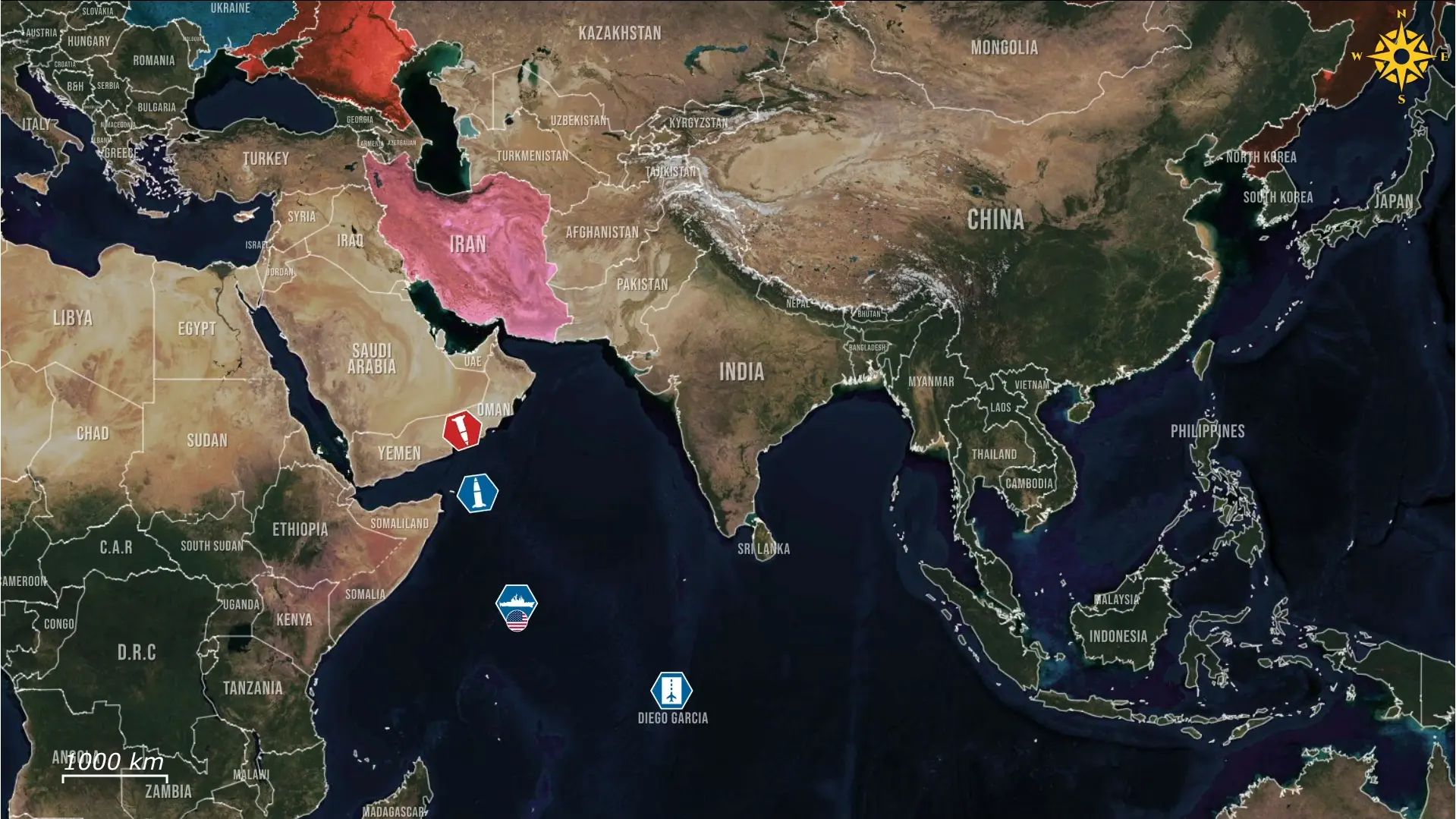
But even though the attack caused no damage, it represented Iran’s first operational use of medium-range ballistic missiles in combat and signalled an unprecedented effort to project power well beyond the Middle East. With these missiles, Iran can reach all of Europe, while the standard range of Iran’s Khoramshahr intermediate-range ballistic missile is only two thousand kilometers. However, by reducing the payload to approximately three hundred to five hundred kilograms, which is well below the usual one thousand five hundred kilogram warhead, the missile’s range was extended to as much as four thousand kilometers. This trade-off effectively doubles its reach, but at the cost of substantially reduced destructive power, which means such missiles are less effective against hardened military targets and critical infrastructure, requiring multiple strikes to achieve the same impact as a single heavier payload.
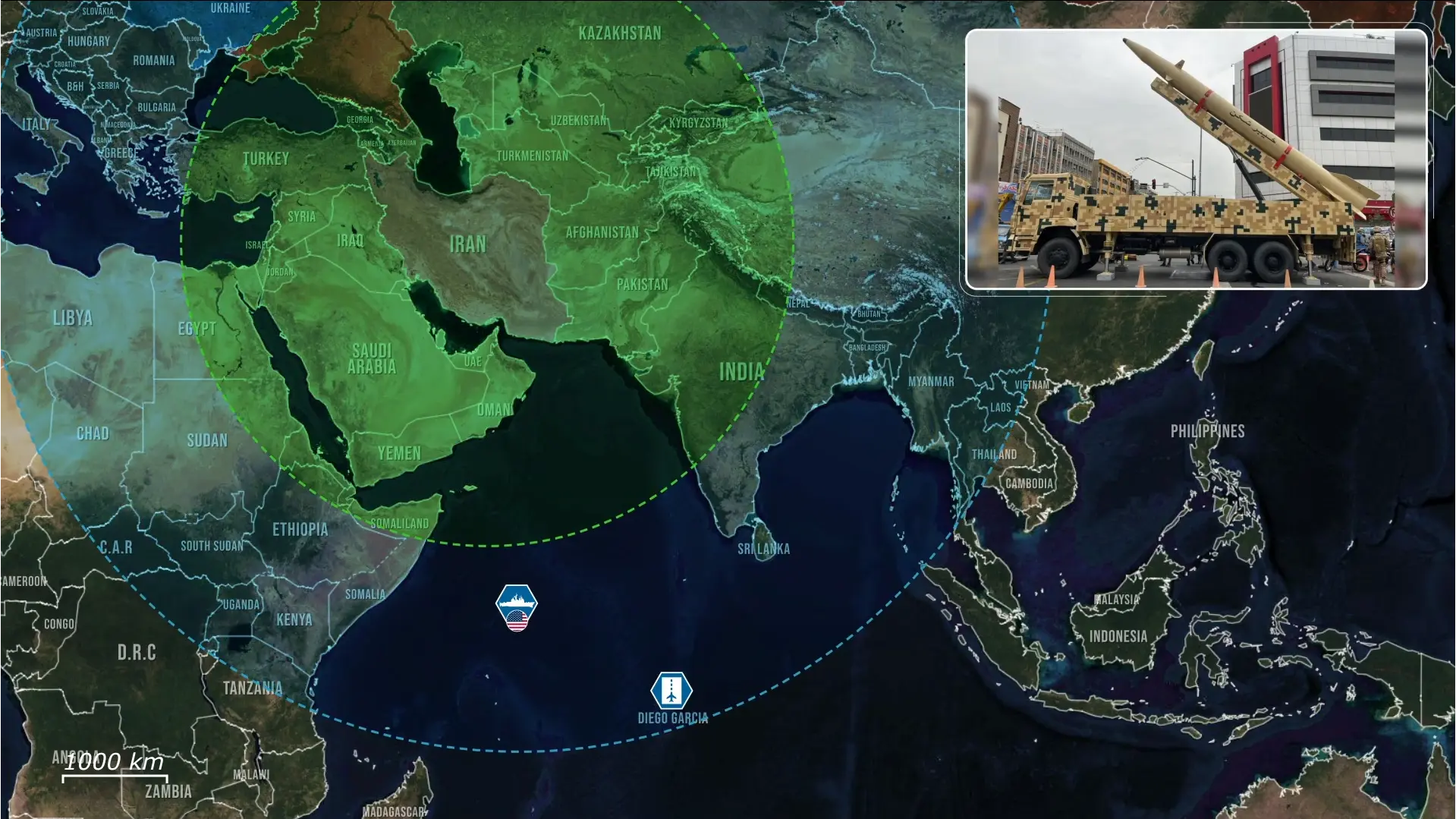
However, Iran didn’t develop this capability in isolation, because its ability to conduct long-range strikes today is closely tied to ongoing cooperation with North Korea. This enabled Iran to double the range of its existing missiles, which can reach Diego Garcia. This is not a case of directly imported missiles, but rather a missile program with a strong North Korean foundation.
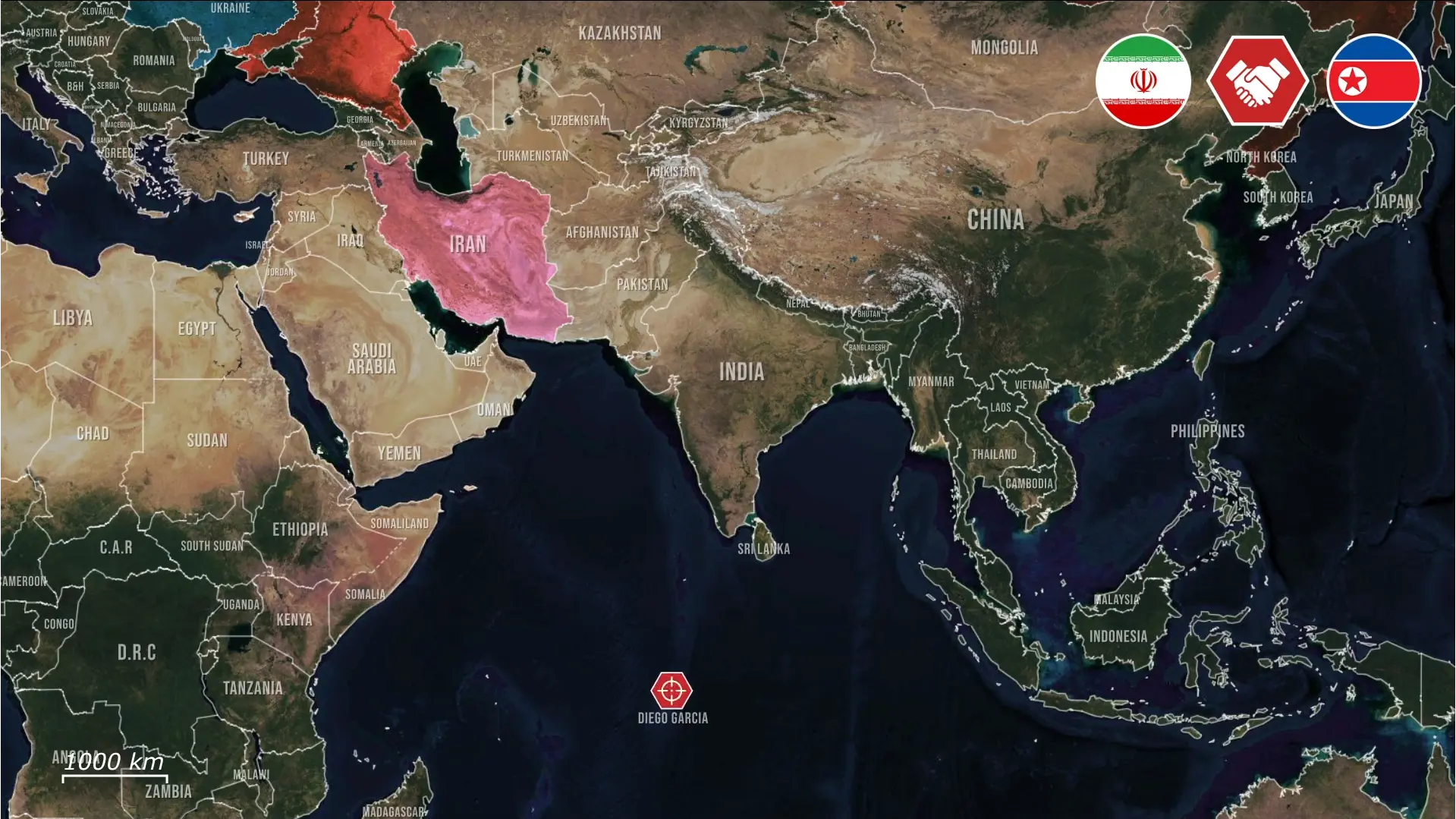
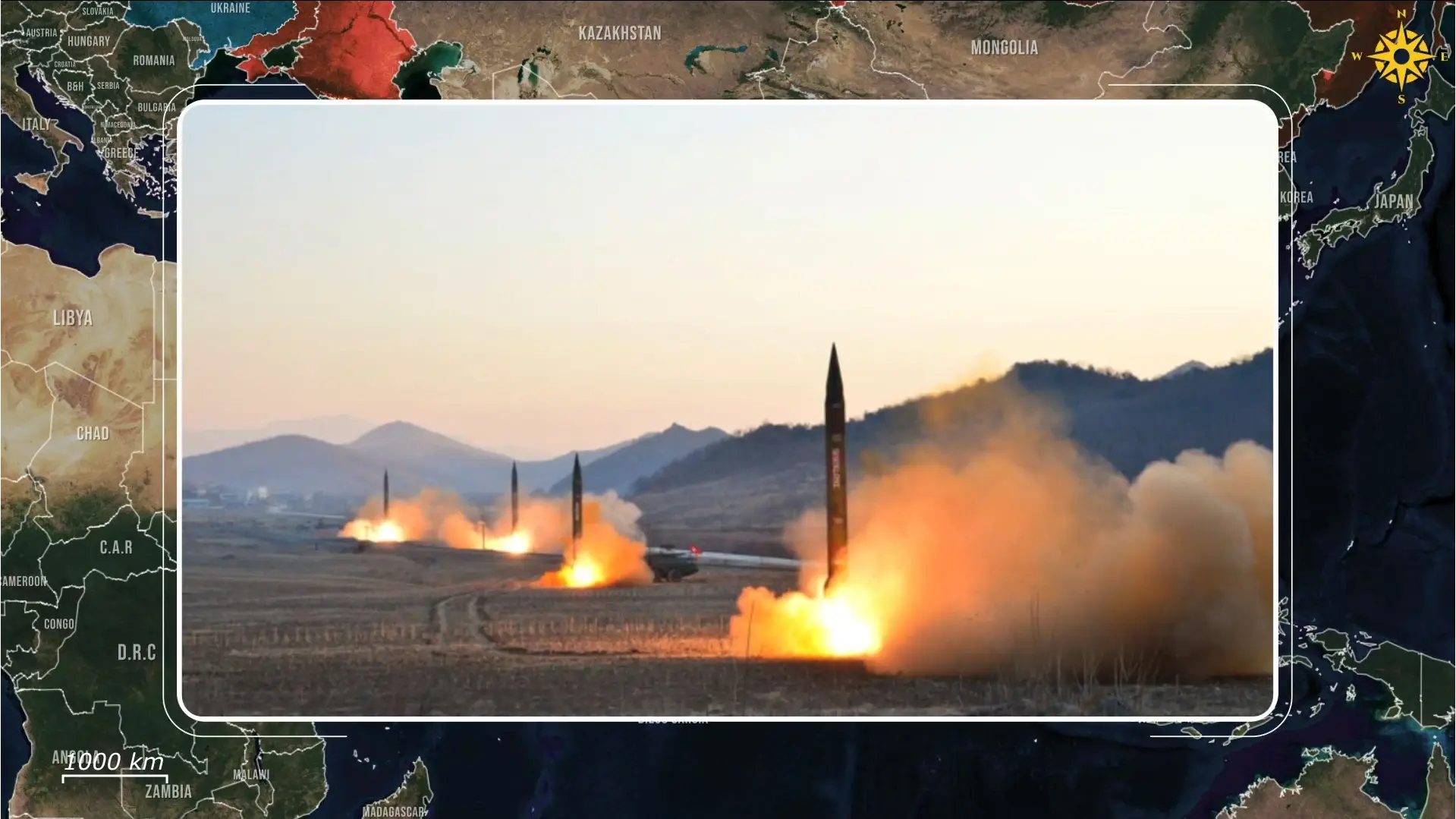
Initially, Pyongyang provided ballistic missile designs and, in some cases, complete systems, which Iran reverse-engineered and adapted into its own platforms. Continued technology sharing and the supply of critical components have enabled Iran to refine and extend the performance of its domestically produced systems, including the Khorramshahr missile.
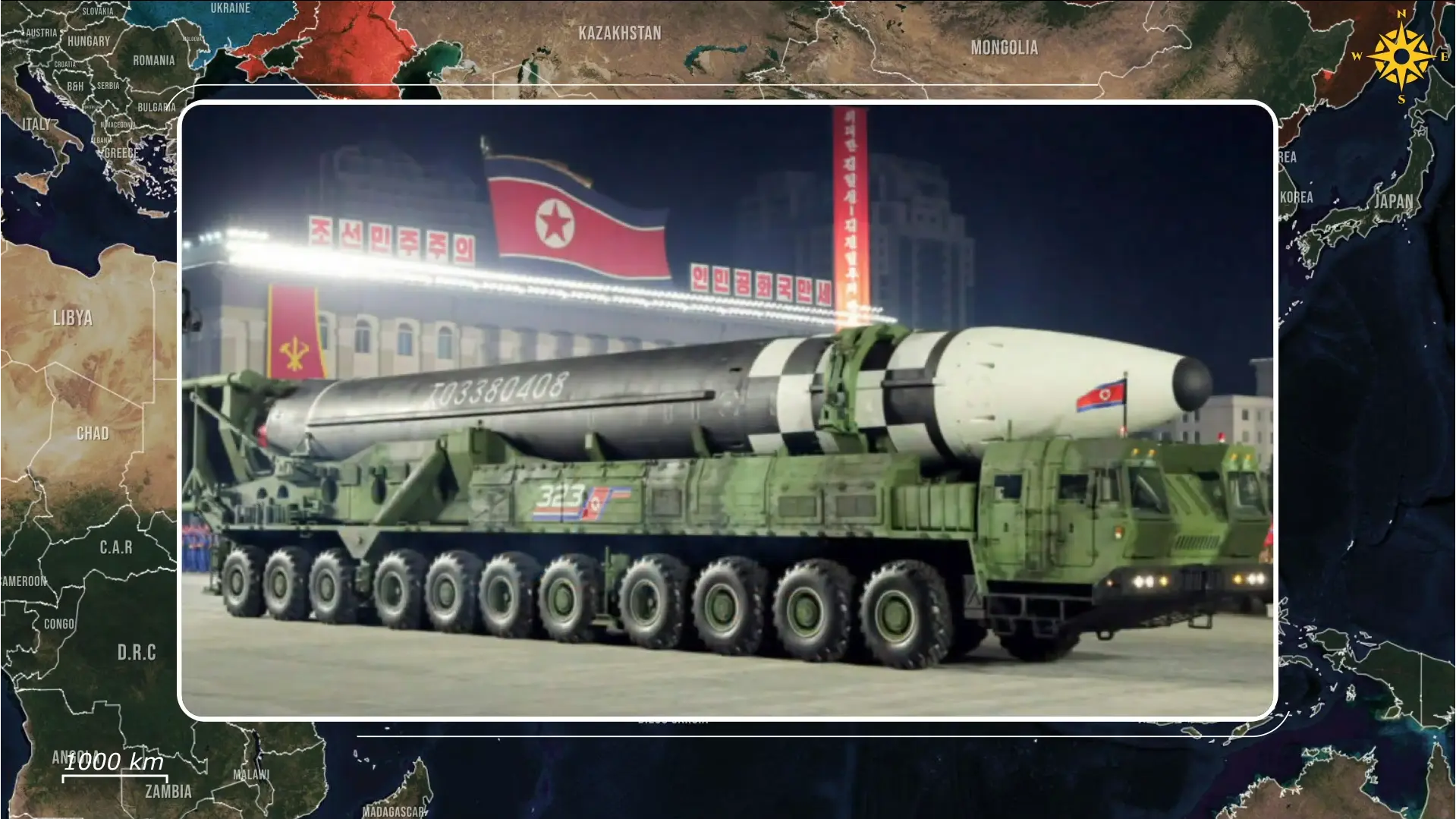
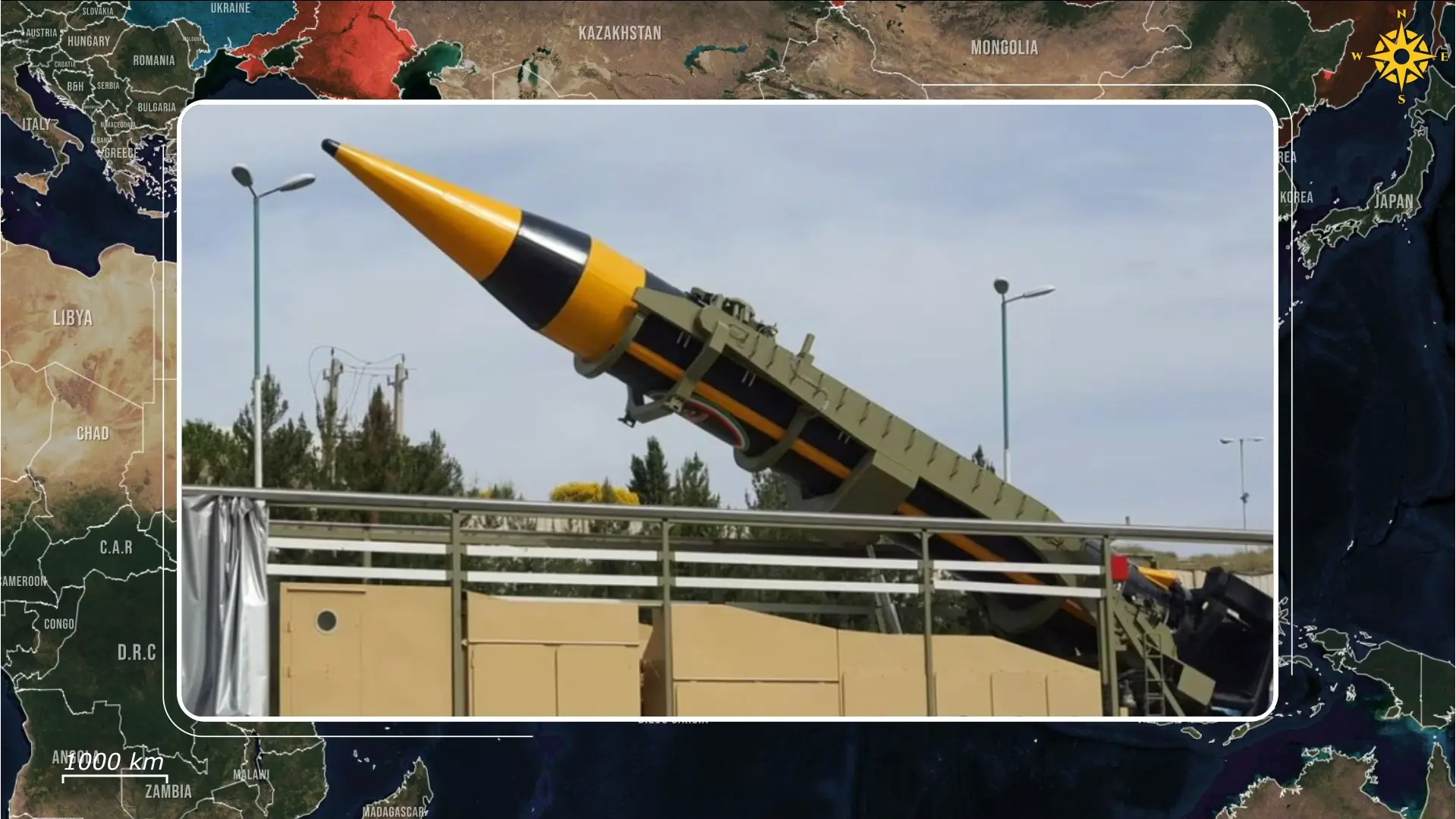
As a result of this technology and equipment sharing by North Korea, Iran can now field missiles capable of reaching distances of around four thousand kilometers, making strikes such as the one targeting Diego Garcia operationally feasible. However, this range also shows that the Iranian regime now presents a broader global challenge, with missile capabilities that could place major European capitals such as London, Paris, and Berlin, as well as Nato and US military installations, within range. Tehran has explicitly stated its readiness to carry out military operations against adversaries worldwide, warning that both military and civilian targets could be considered.
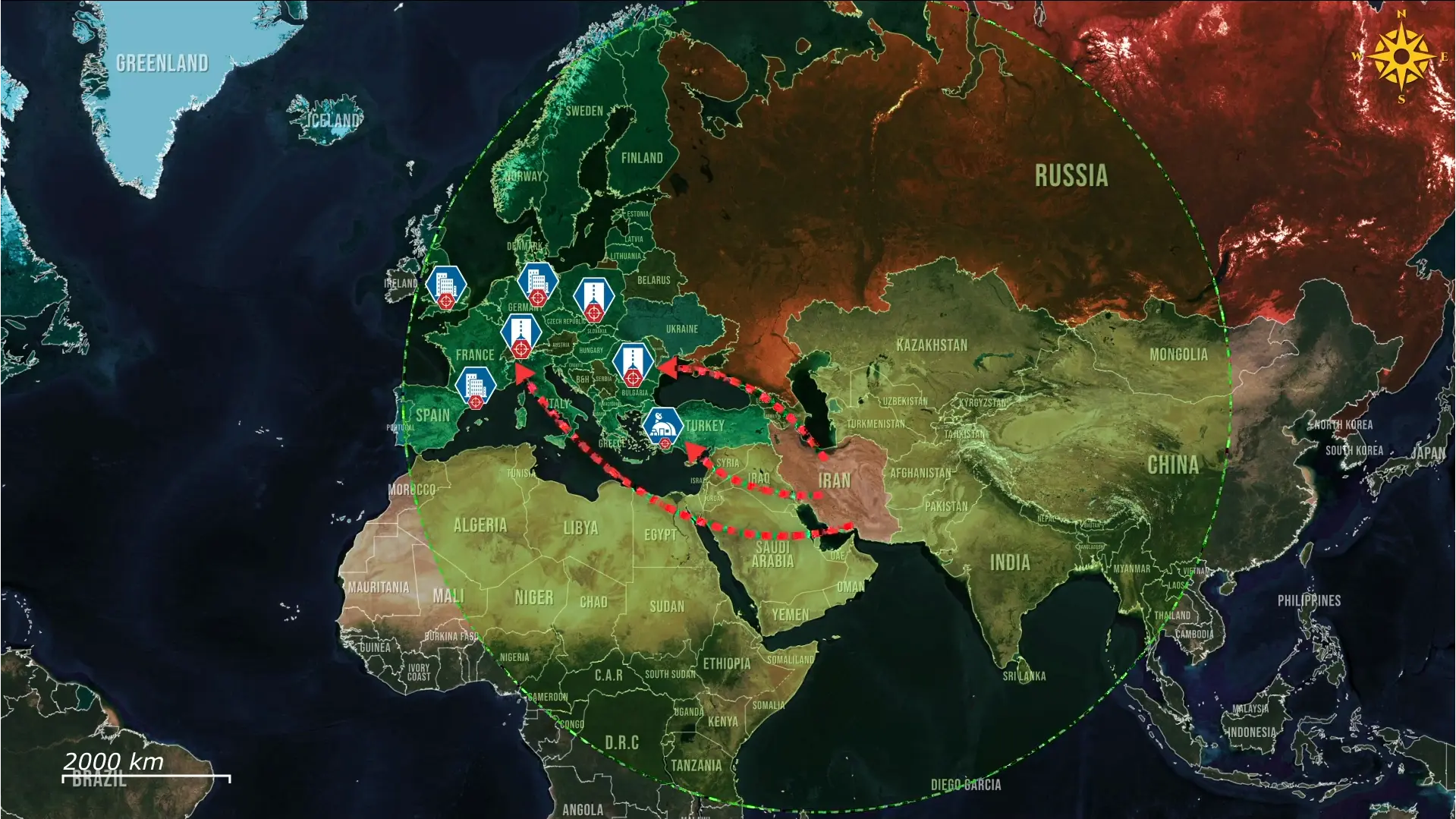
In practice, Iran has already demonstrated its willingness to strike European-linked military assets in the Middle East. Additionally, the United States continues to conduct part of its air operations from bases across Europe.
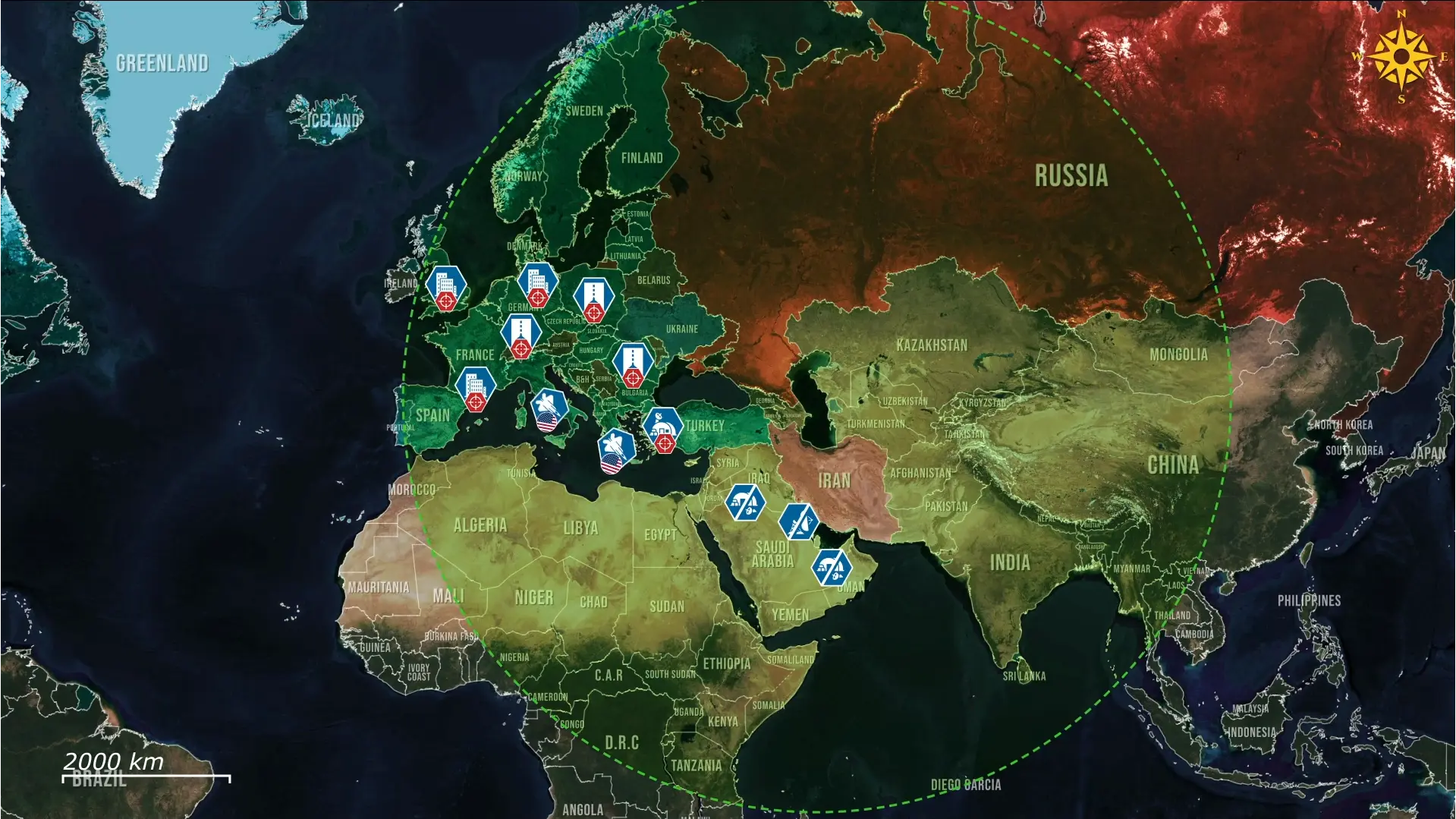
The mere existence of this capability could significantly strengthen Iran’s strategic position at the negotiating table. Now Iran can threaten European critical infrastructure and military bases as well, which can force them to apply pressure on the US to halt its bombing campaign.
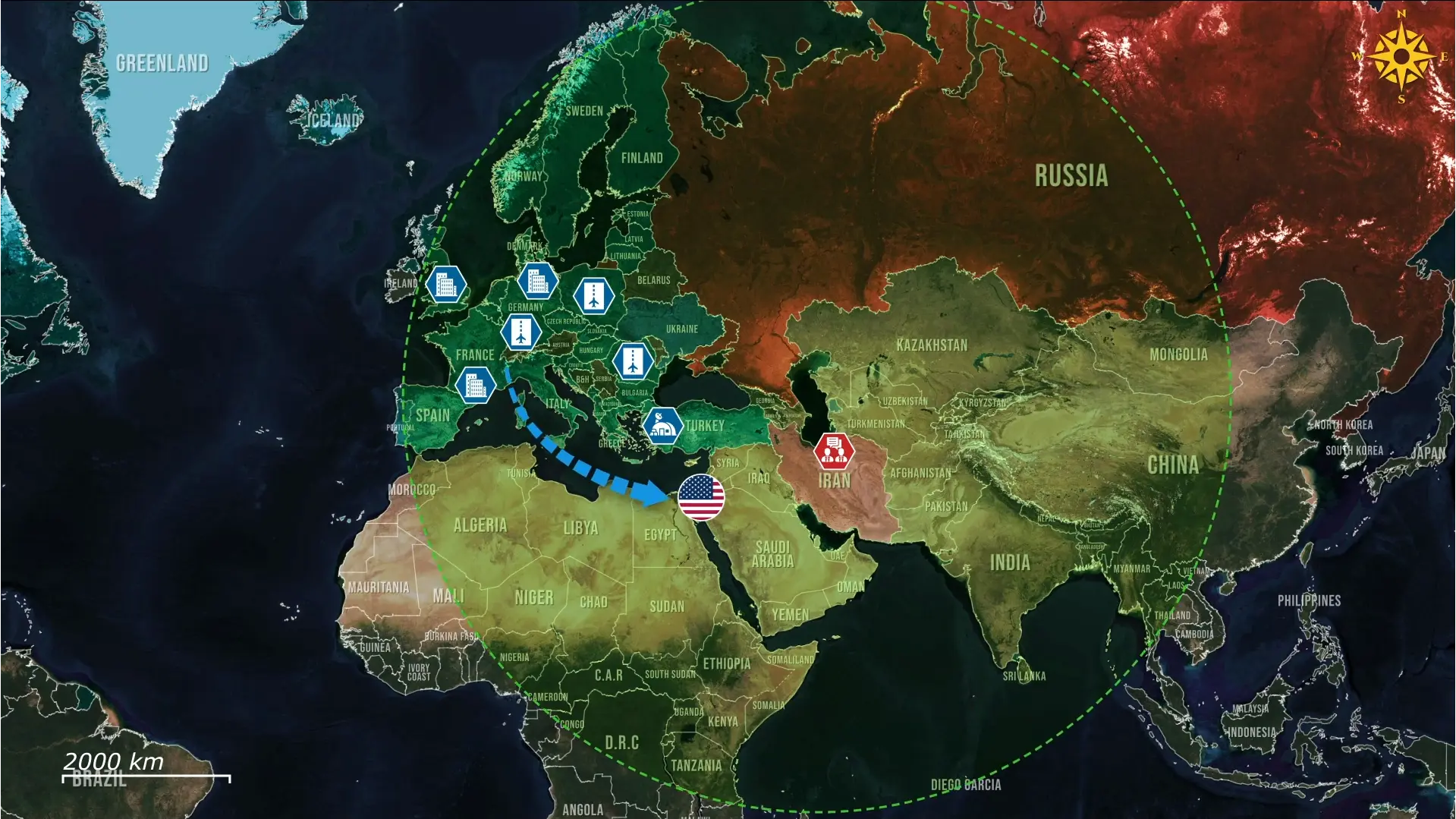
However, the reduced warhead, typically in the three hundred to five hundred kilogram range, is relatively modest. Comparable payloads are routinely employed by Russia in Ukraine using systems such as the Kha 101 cruise missile, Iskander missile, and Fab five hundred glide bomb.
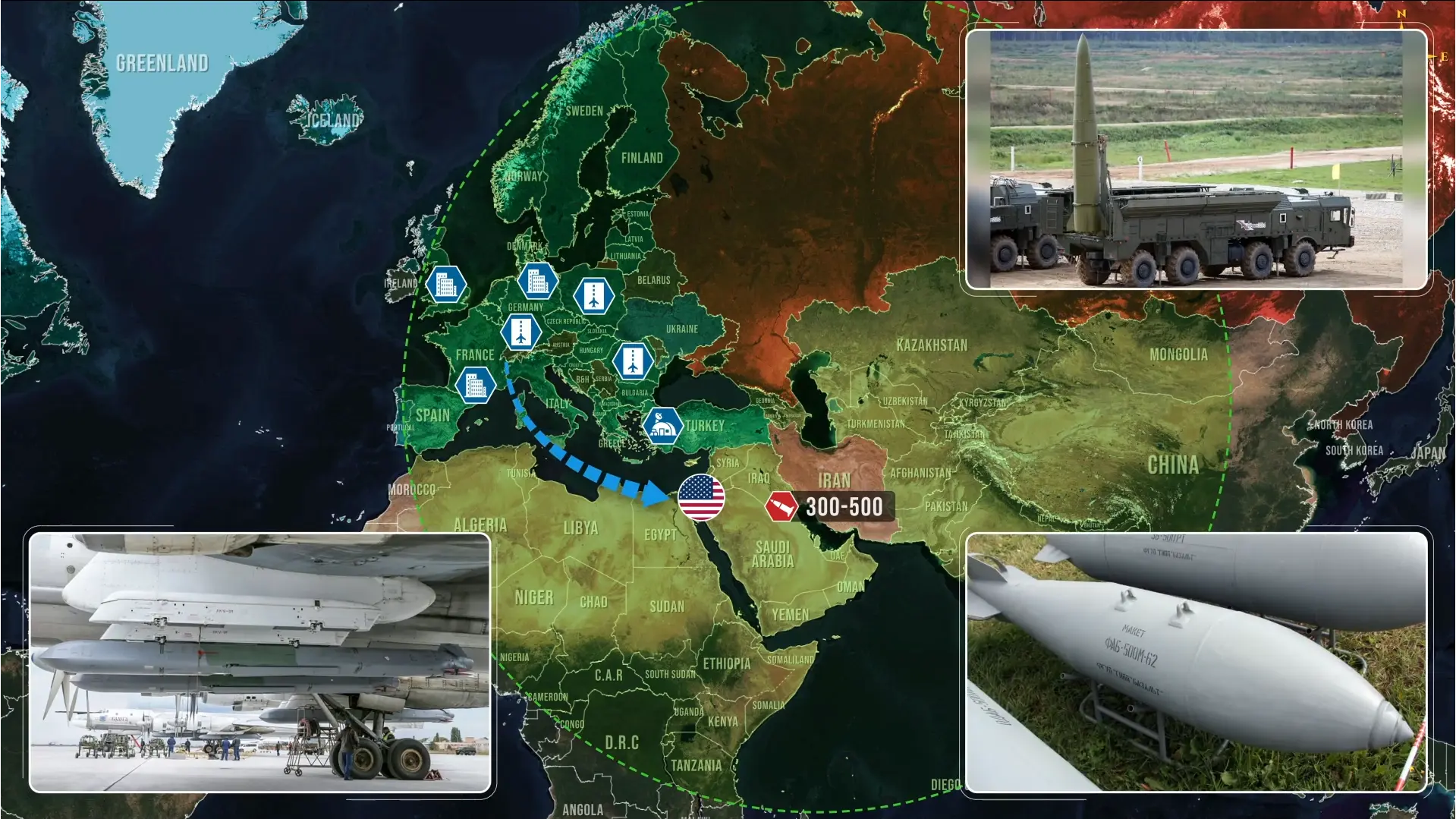
While individually limited, these munitions can still cause significant damage when used repeatedly and at scale. That said, the Iranian missile would need to penetrate Nato’s missile defense systems, while it is assessed to possess a relatively limited number of such long-range missiles, making it difficult to overwhelm advanced defensive networks. Additionally, its missile stockpiles and launch infrastructure are subject to ongoing targeting by the United States and Israel, which reduces its capabilities every day. However, even if one missile slips through Nato’s air defences, Iran can cause serious damage to Nato’s image. In practical terms, European anti-ballistic missile defenses may prove insufficient, as they would only be able to defend against these attacks if Iran could launch only a limited number of missiles.
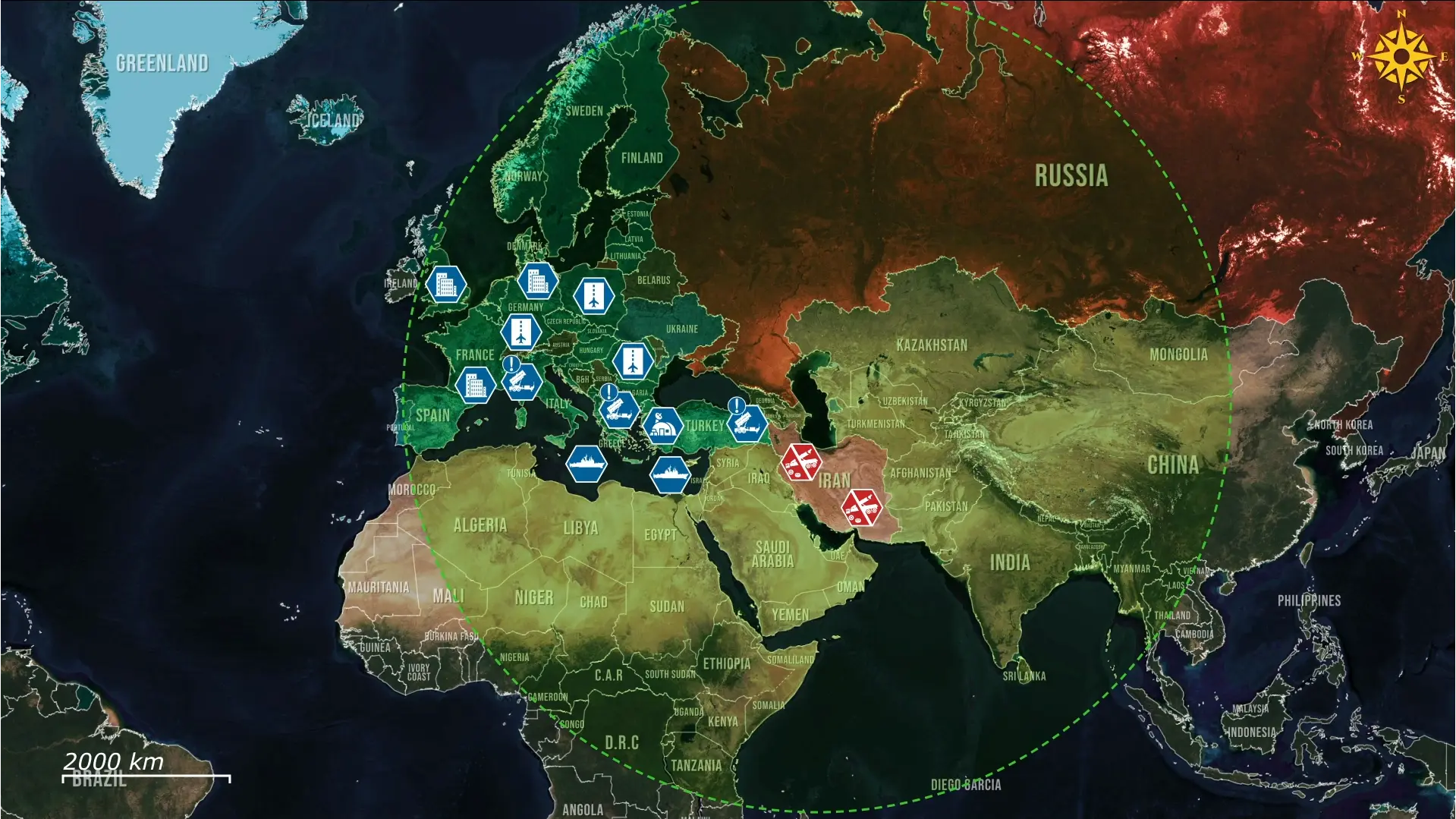
Overall, now European air defenses are stretched thin because they are forced to defend the continent not only from Russia but from Iran as well. This can give an argument to pro-Russian politicians to stop sending air defenses to Ukraine, because they need them themselves to protect their countries. Interceptor missiles are also being used in the Middle East at an unsustainable pace, which will create shortages, and with the new threat from Iran, European countries may prove reluctant to supply these critical missiles to Ukraine.

.jpg)

Comments