

.svg)
In this video, we will analyze Russia’s recent mechanized assault on Sloviansk.
Here, Russian forces launched one of their largest mechanized assaults in months in an attempt to force movement on the Sloviansk axis. What followed left burning vehicles scattered across the battlefield and turned this attack into one of the clearest examples of how much was at stake in this push.
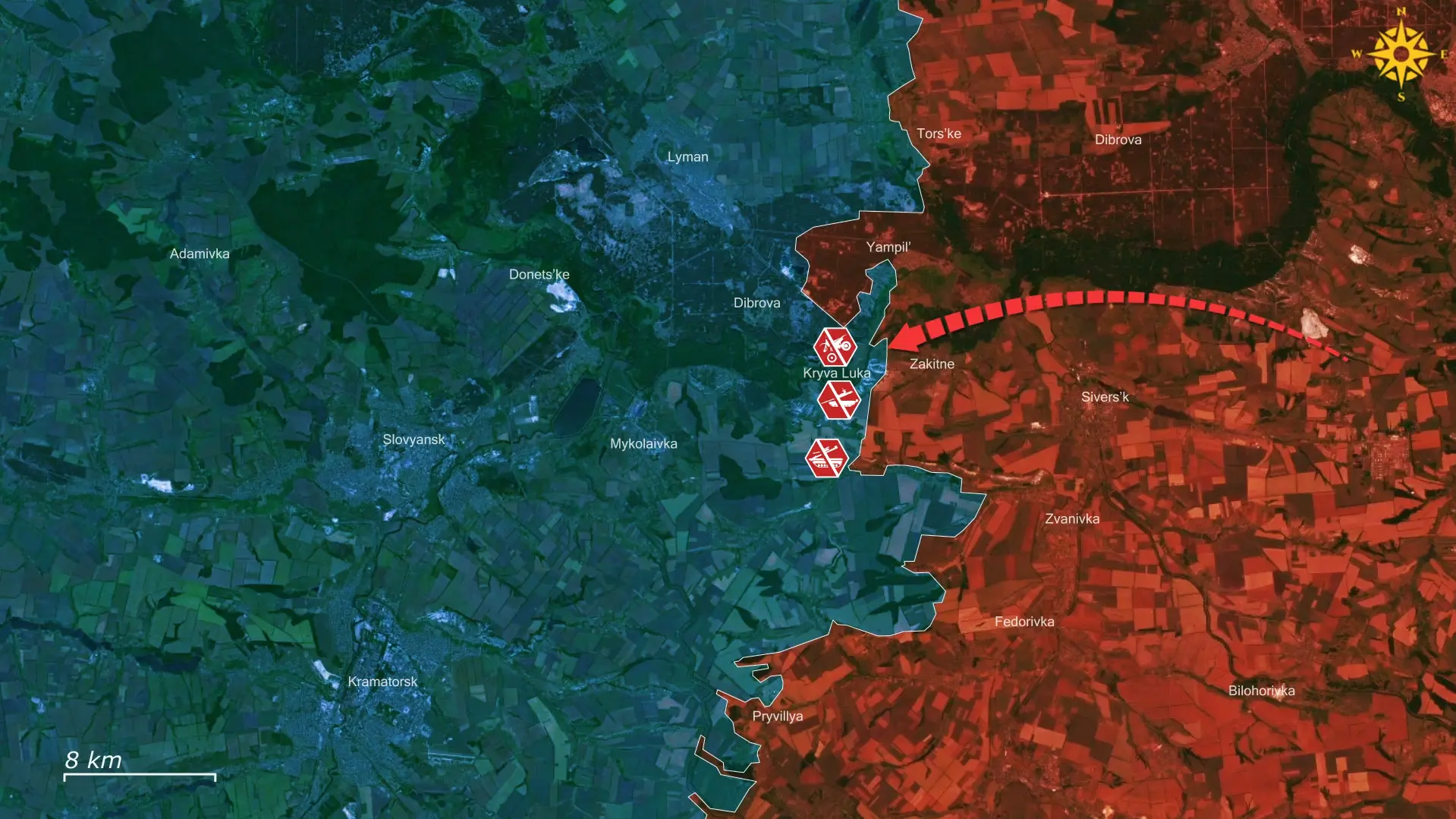
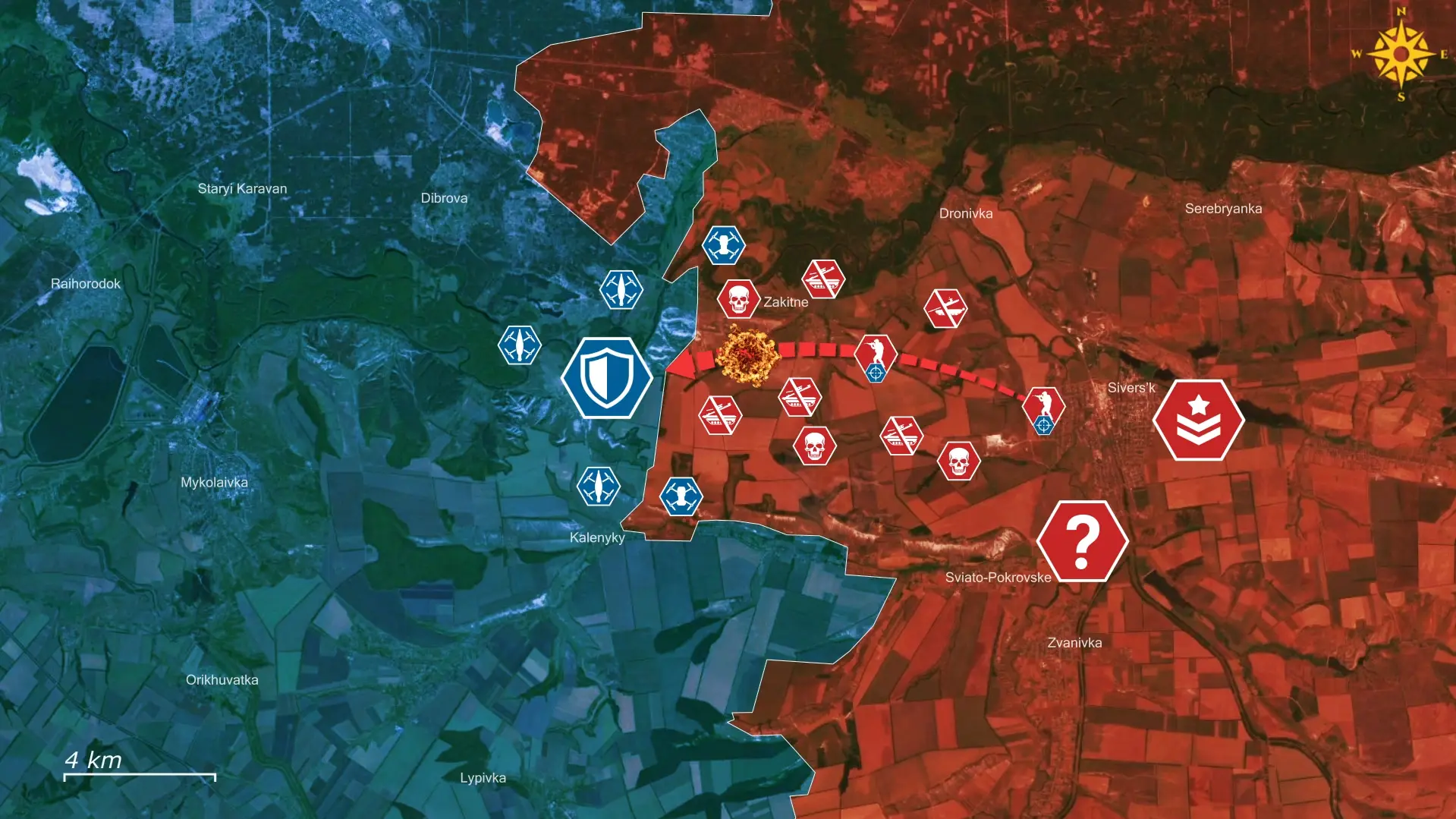
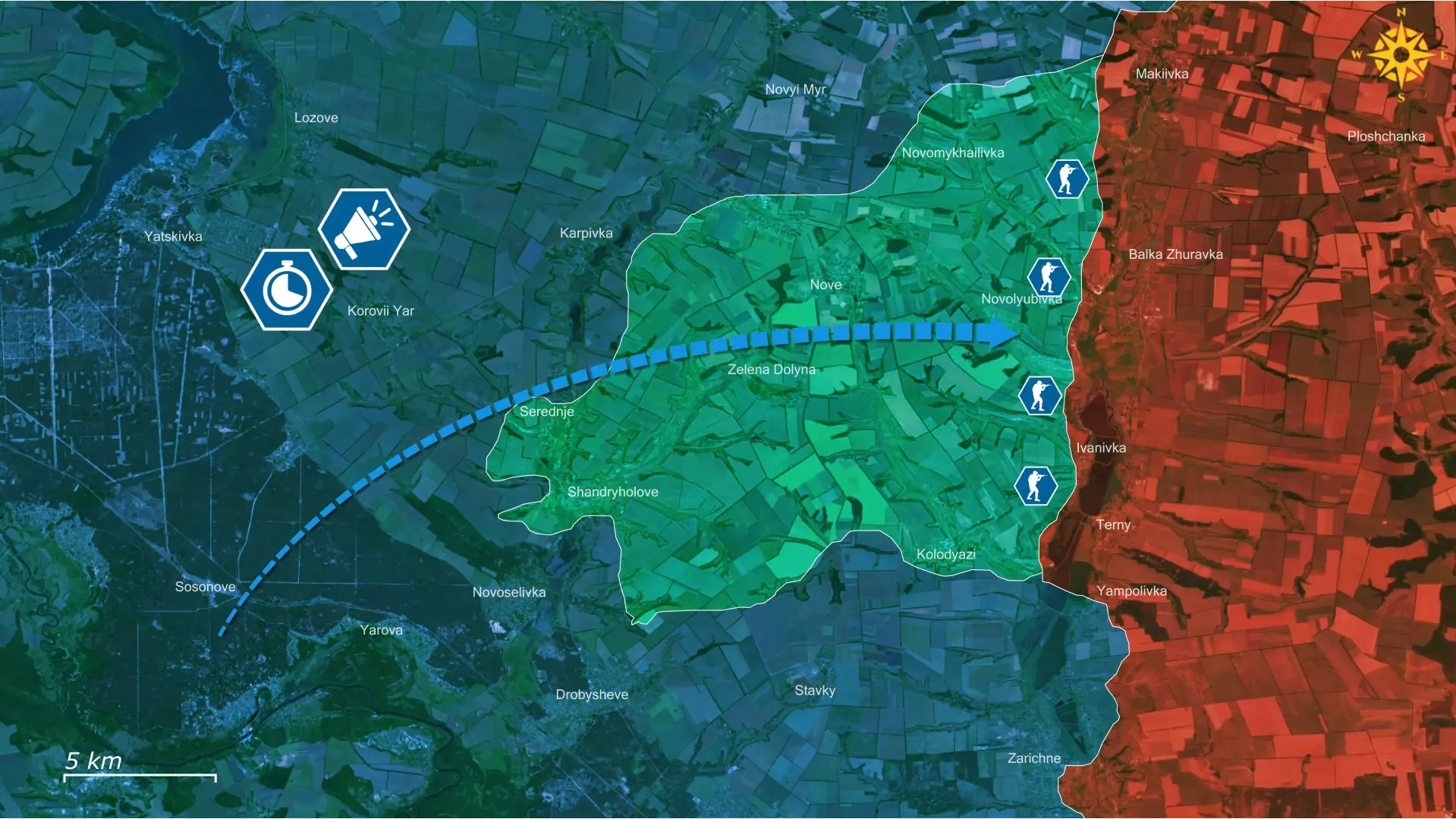
Russia’s goal here was to break through the Ukrainian forward positions covering the northeastern approaches to Sloviansk, especially in the Zakitne and Kryva Luka direction. These settlements matter because they form part of the outer defensive area shielding Sloviansk, so losing them would weaken the defense and open more favorable routes toward positions farther back. That is why Russia launched a larger mechanized assault here rather than relying solely on smaller infantry probes, as it was trying to force a breakthrough through the outer layer of the defense in a single push.
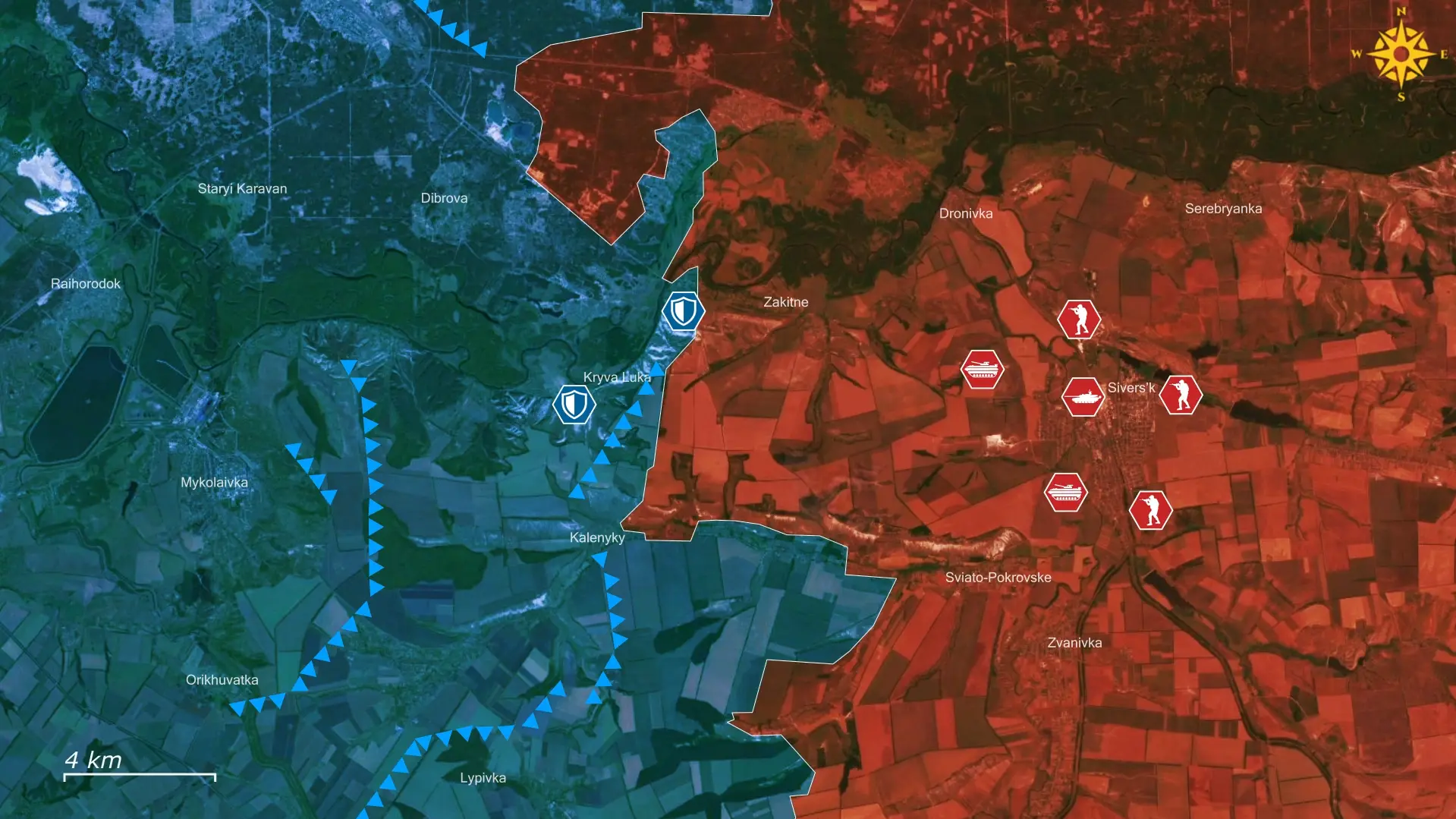
Russia tried to do that by sending two assault groups forward at the same time on separate routes, one toward Zakitne and the other toward Kryva Luka, in order to pressure the Ukrainian defense from multiple directions. This gave the attack a better chance of splitting Ukrainian attention and stretching drone coverage, preventing the defenders from focusing all their fire on one approach.
This attack plan was meant to give the Russians several advantages during the advance. Russians also committed motorcycles to reduce dependence on roads and tight formations, allowing the Russians to cross exposed ground faster without bunching into an easy target. The Russians also sent several tanks and BMP to their assault, meant to suppress Ukrainian positions and absorb fire while lighter elements pushed forward. In theory, that made the assault more resilient than a single dense column, because even if one vehicle was hit, other elements could still keep moving, giving the Russians a better chance of achieving their goal.
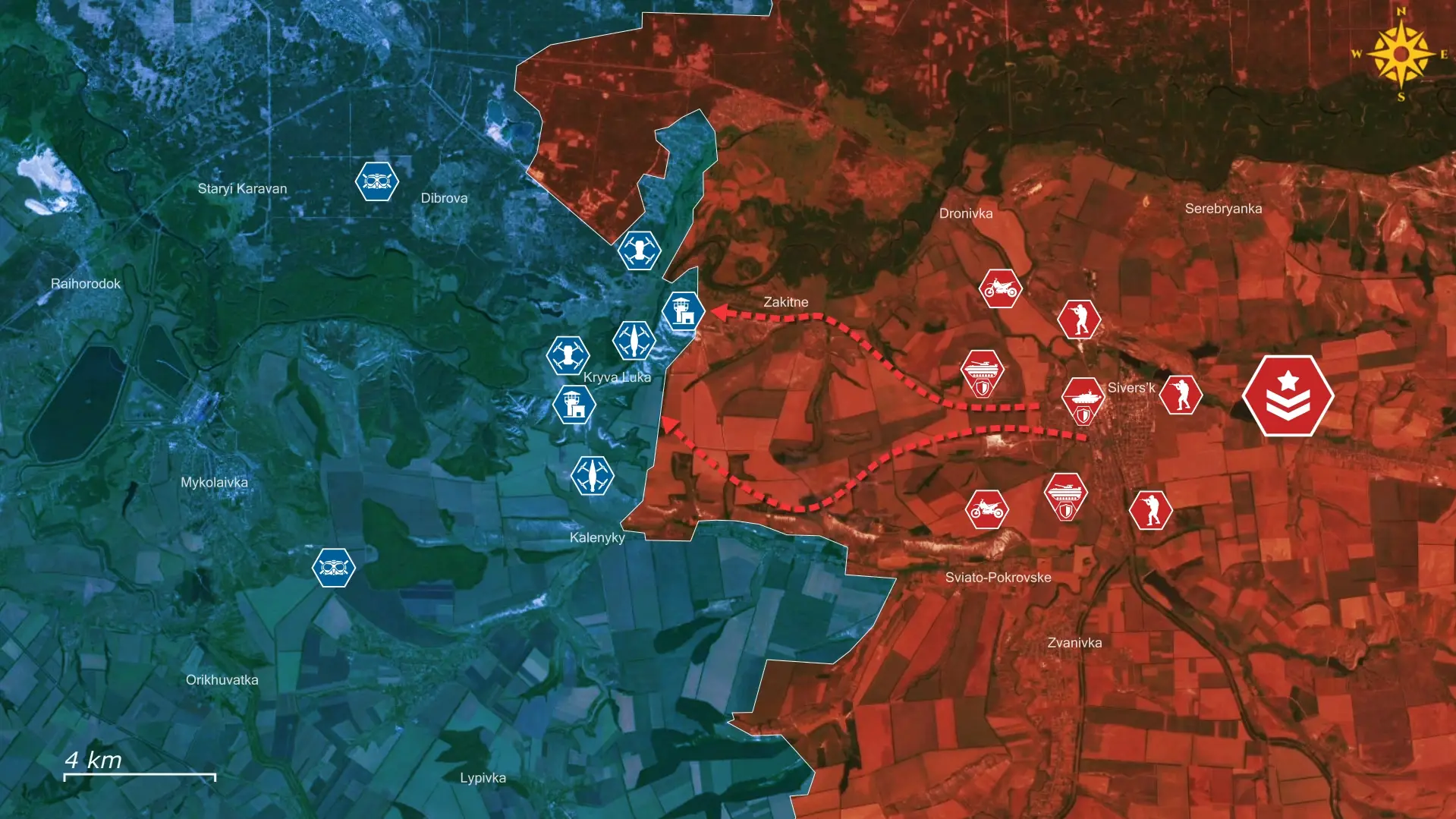
However, the main weakness of this Russian assault was that both groups still had to cross exposed approach routes into a defended sector. That allowed Ukrainian defenders to track the advancing elements early, slow them on the route in, and then strike vehicles and isolated groups as the assault began to break apart. Instead of arriving as one concentrated force, the Russian assault was reduced to smaller fragments that could be destroyed separately.
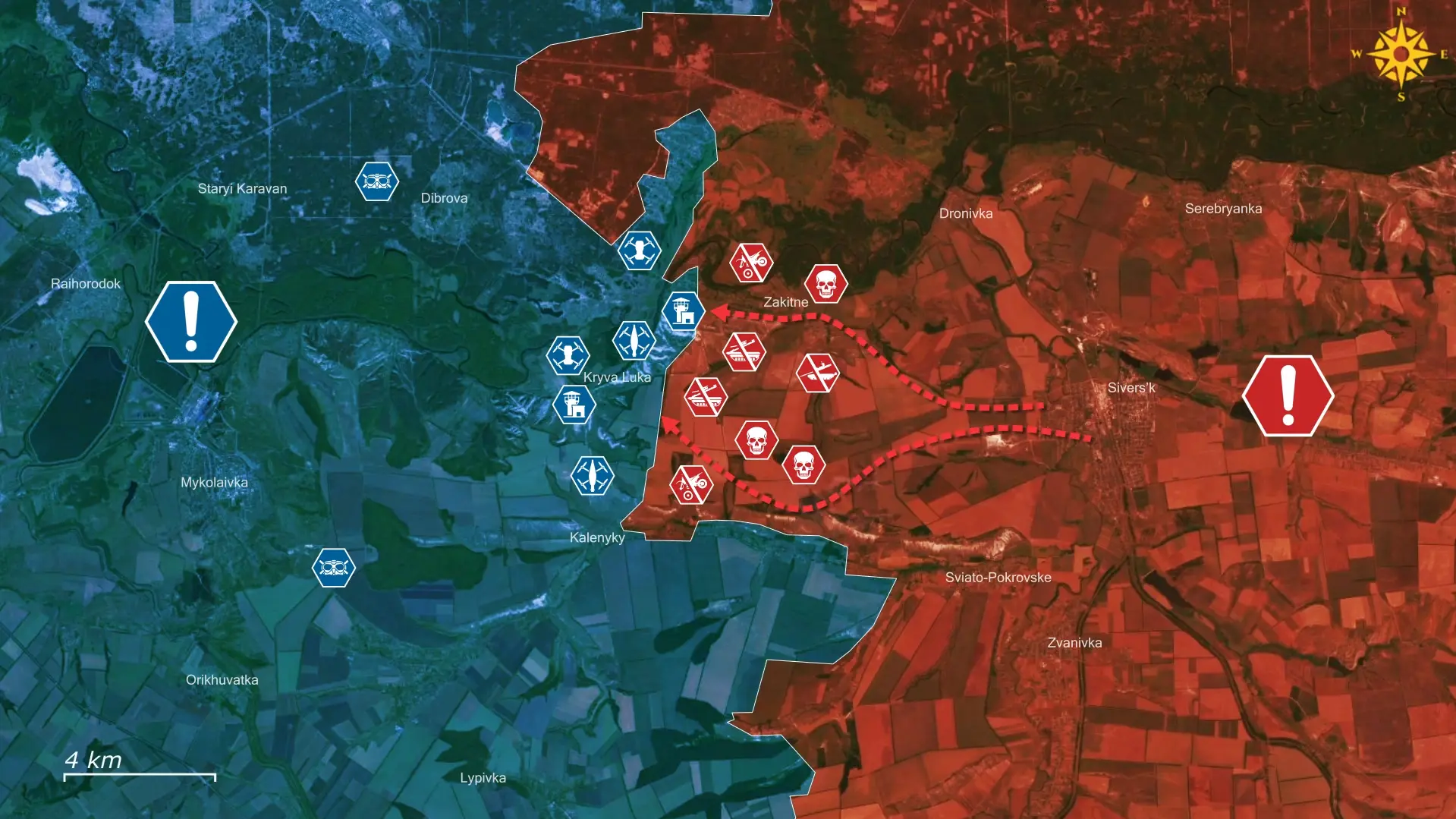
The footage shows exactly how that breakdown happened in practice, as Russian motorcycles, transport vehicles, and BMP move along roads and tree lines, but instead of building into one continuous assault, those elements appear increasingly separated as they come under fire. FPV drones strike BMP and other vehicles while they are still moving, catching them before they can reach cover or support the rest of the advance. In several moments, the assault appears to lose tempo completely, with individual vehicles destroyed on the route while other elements are forced to keep moving past wrecks or stop in exposed positions. Abandoned motorcycles and vehicles were hit after parts of the assault had already stalled, suggesting a loss of momentum before the attackers ever reached the line. By the time burning wrecks begin to accumulate along the approach, the footage shows that the real battle was no longer at the point of breakthrough, because Ukrainian defenses had already turned the route into a kill zone and broken the assault apart in motion.
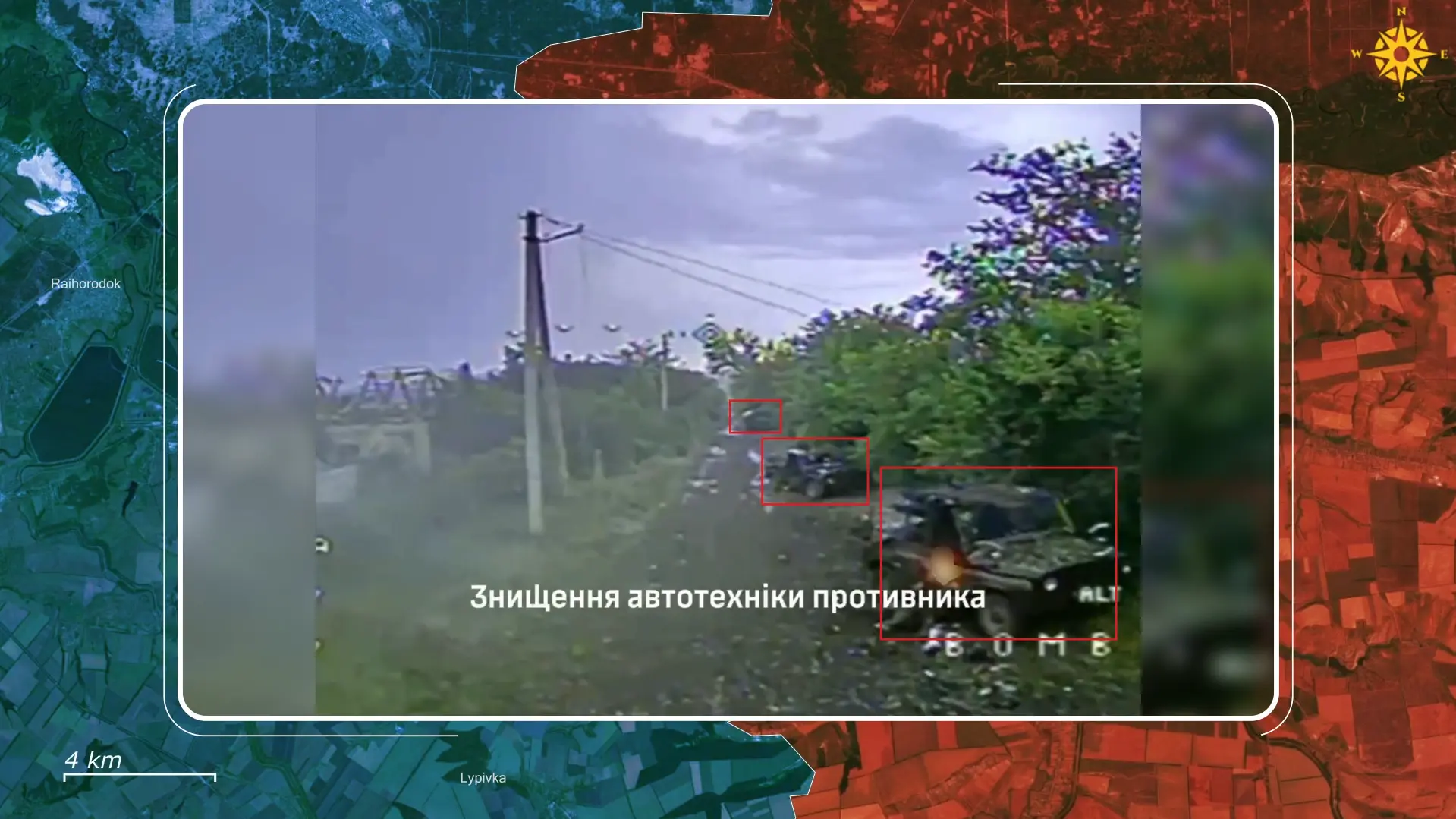
Overall, the failed Russian assault shows that the Russian command is still trying to break the approaches to Sloviansk through larger mechanized attacks rather than relying only on small infantry group infiltrations. At the same time, Ukraine has shown that it still has the reconnaissance and strike coordination needed to respond to large-scale assaults in this sector. That means Russia may continue launching attacks of this kind, but each failure will make this method harder to sustain. If these assaults keep failing after detection, Russia will likely shift toward smaller and less visible attacks, because once Ukrainian reconnaissance spots a larger mechanized force, Ukraine can hit it quickly before it achieves anything meaningful.

.jpg)

Comments