

.svg)
Today, there is important news from the Russian Federation.
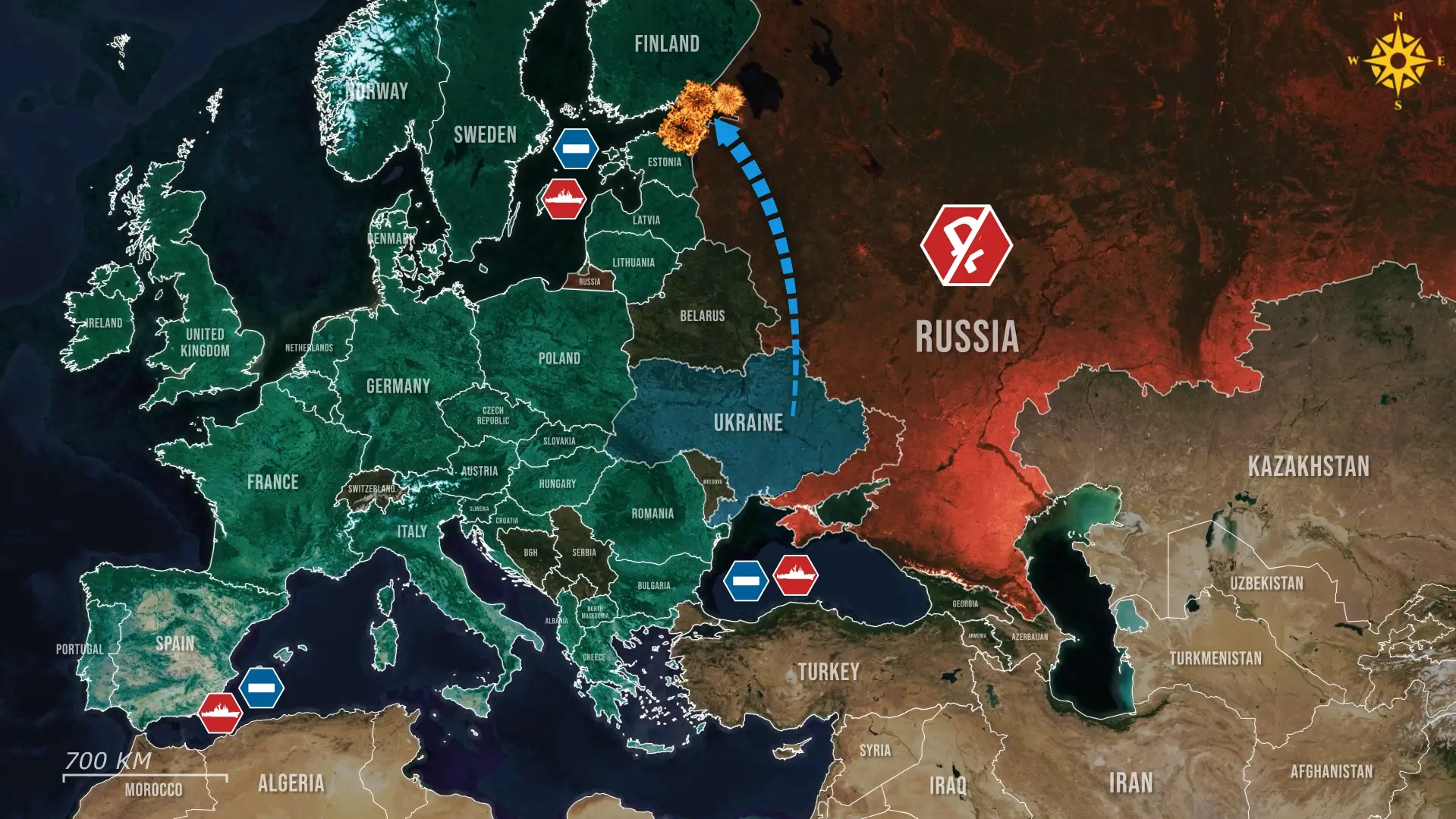
Here, the European blockade of Russia’s shadow fleet has until now greatly hampered Russia’s ability to fully exploit the Iran war to increase its own oil profits. However, right as Russia’s maritime board began planning to expand military escorts for its illicit tanker trade, Ukraine inserted itself into the discussion rather bluntly, solving the Russians’ dilemma by removing the need for escorts entirely.
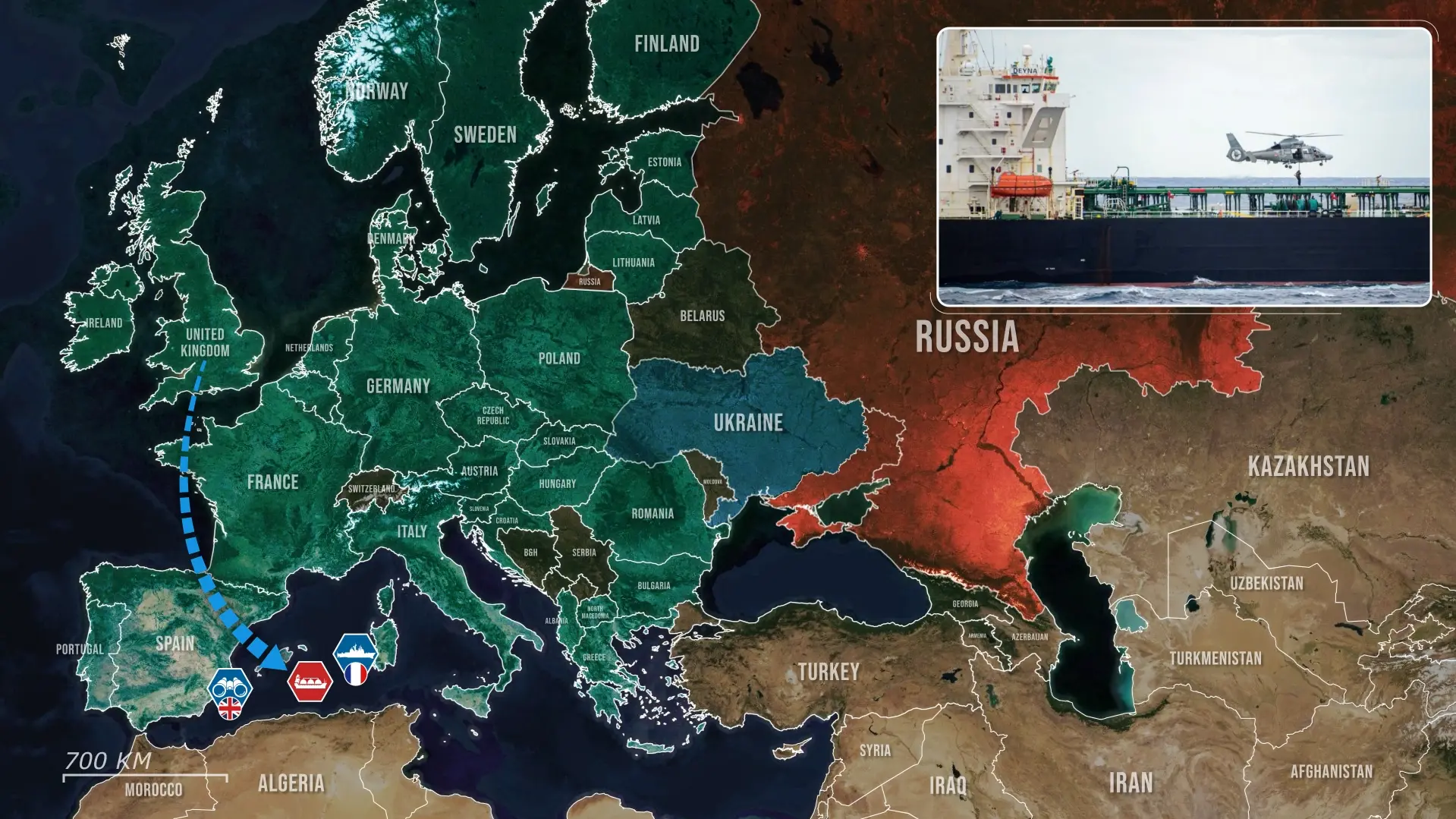
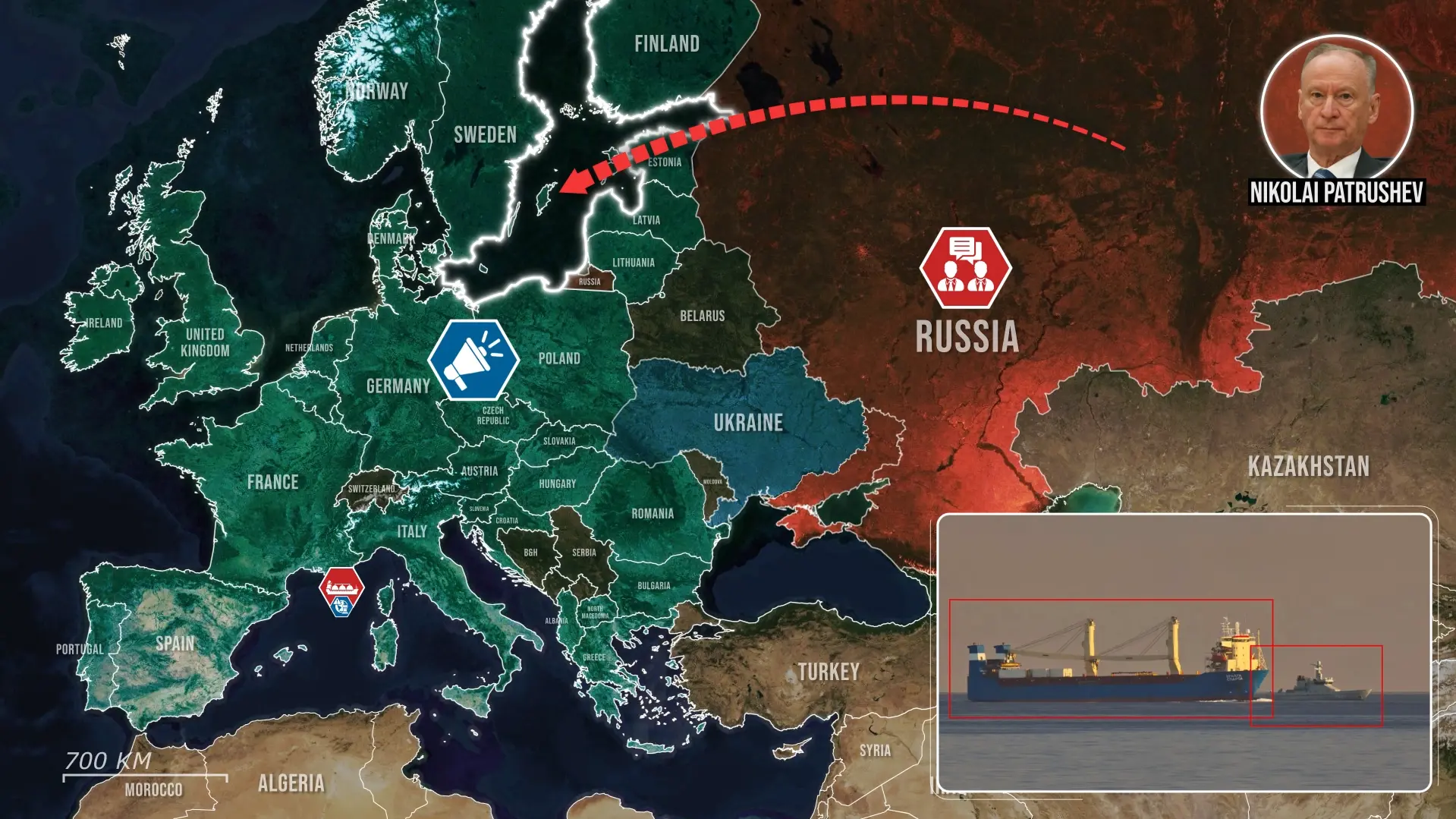
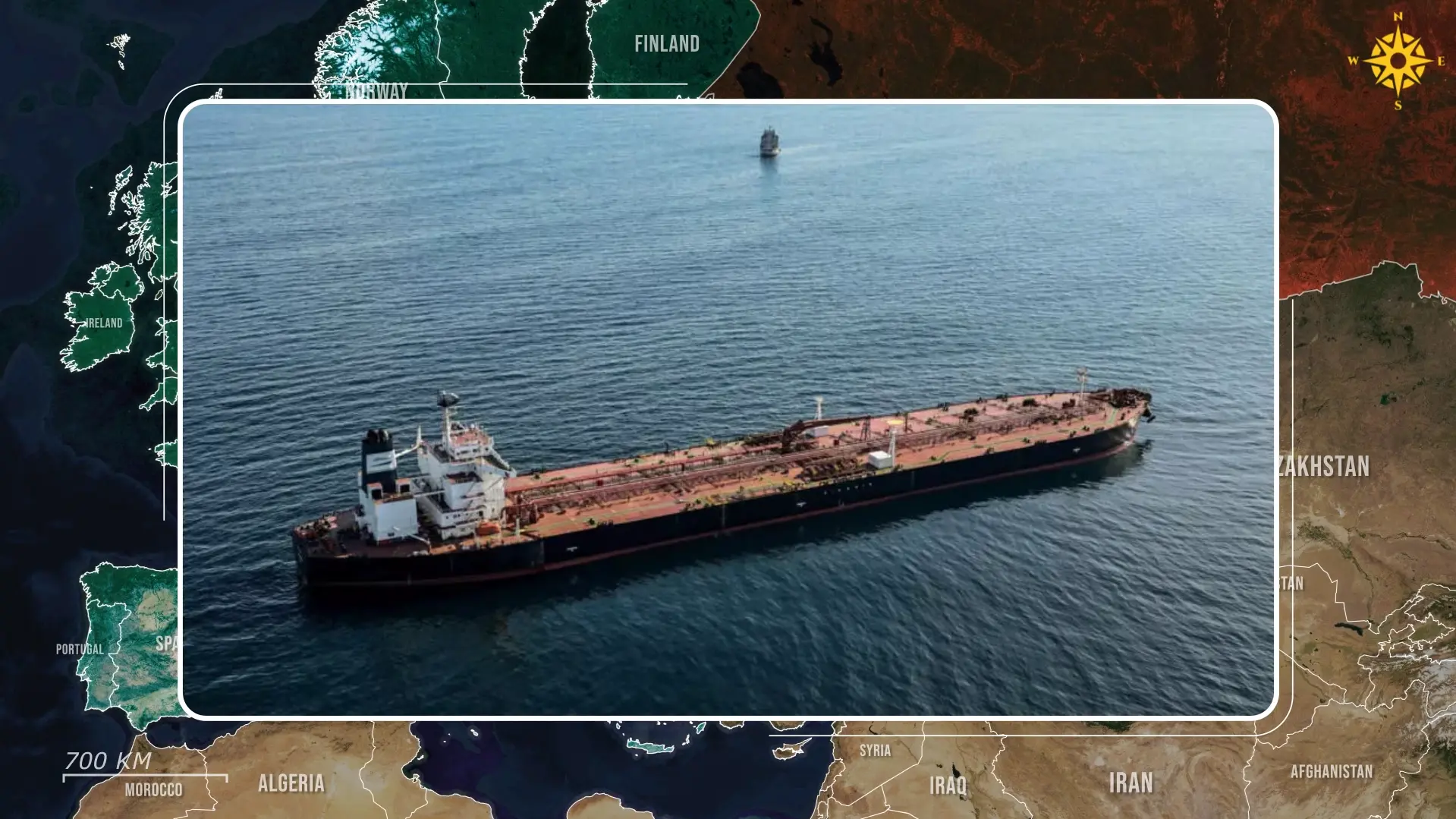
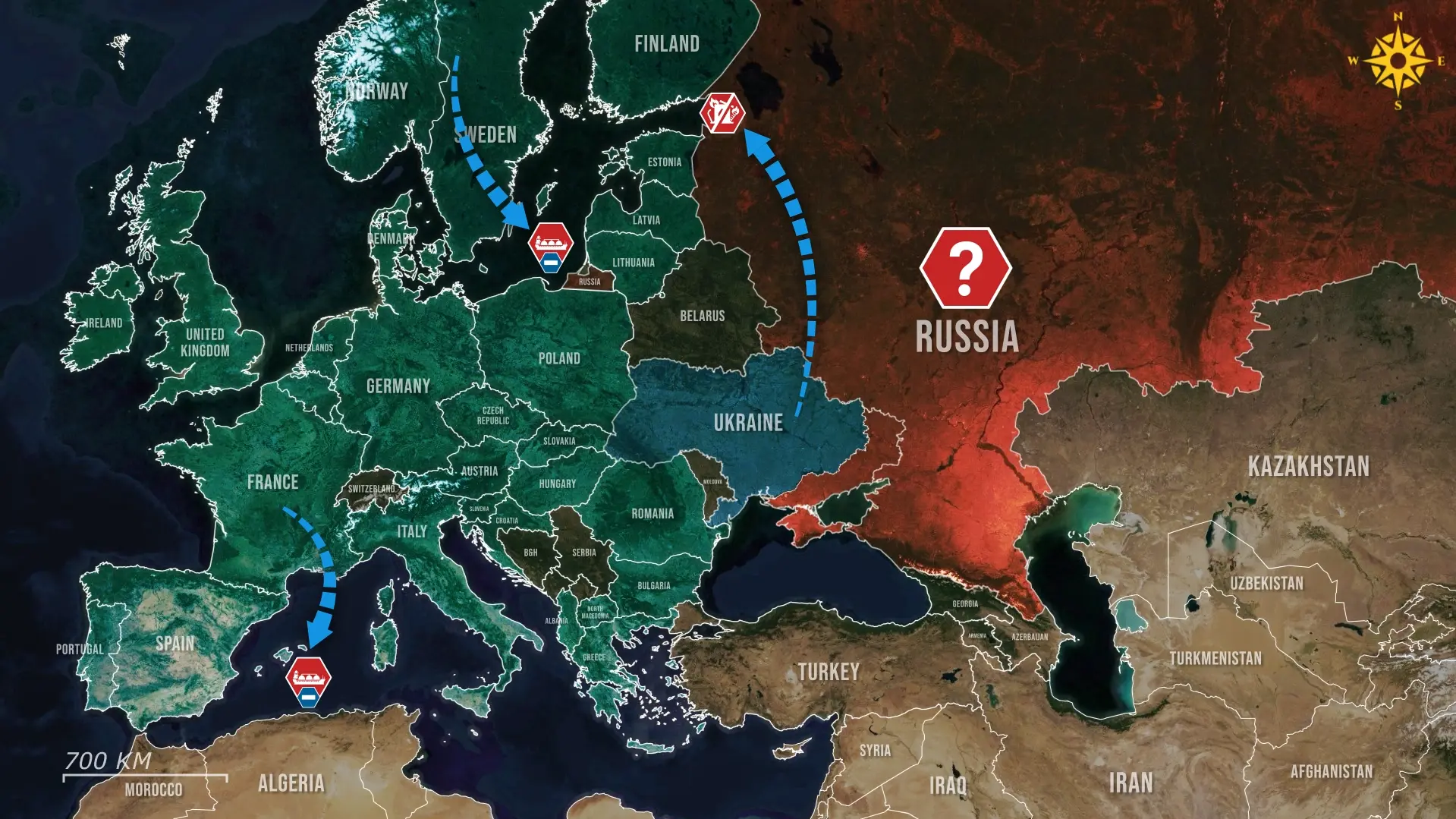
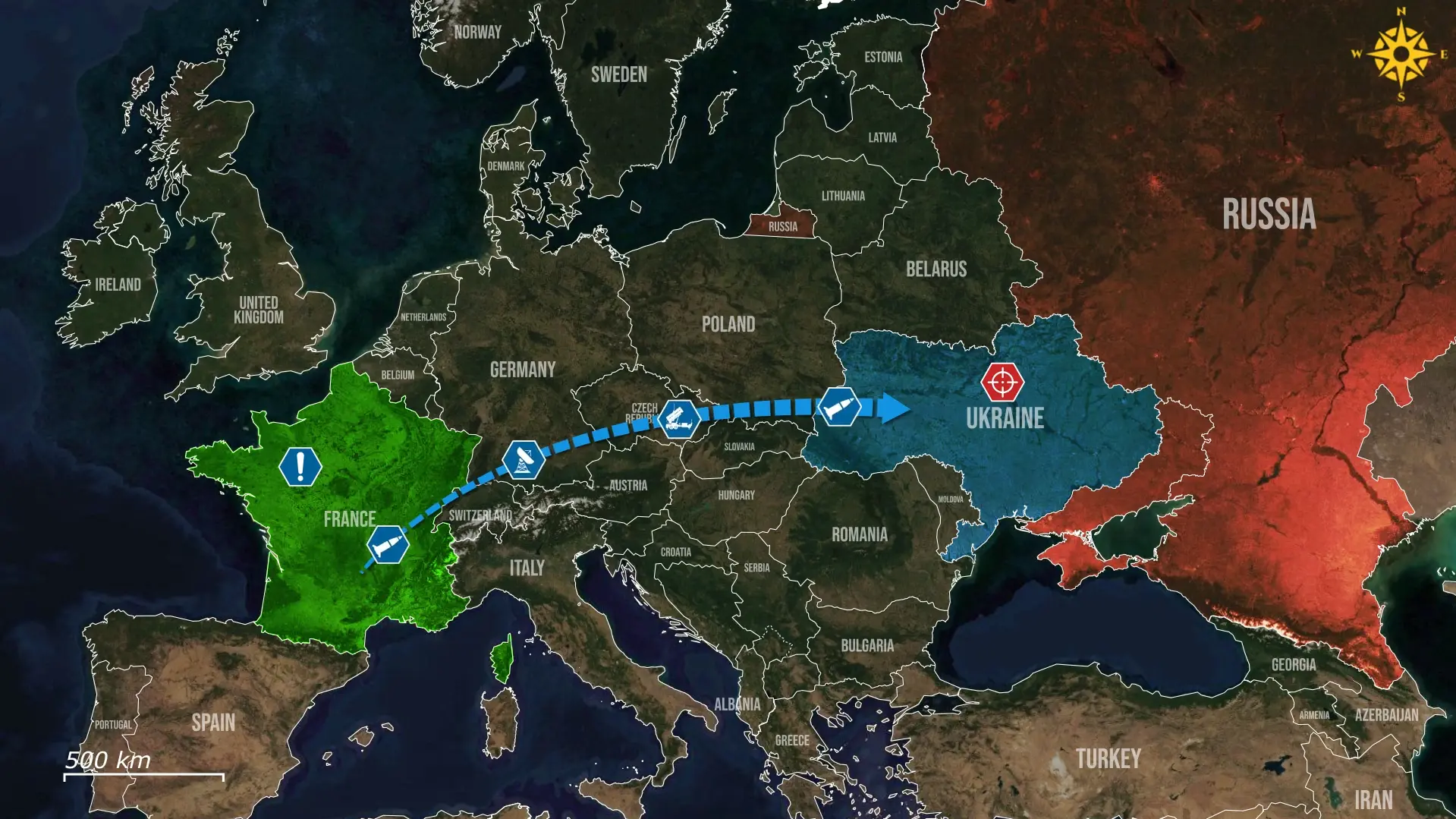
The latest example of Europe’s hard action came as the French Navy intercepted and seized the tanker Deyna in the Western Mediterranean, suspecting it of operating under a false flag. The vessel departed from Russia under a Mozambican registry, was tracked, and eventually boarded by French forces. France did not operate alone in this, as it was British signal intelligence that monitored the suspicious vessel and communicated the information to the French for further action.
After the Russian vessel was detained and its documents inspected, the French government found enough evidence and diverted it to a controlled anchorage on the southern coast, where the ship and captain now wait for sentencing, million euro fines, or complete seizure. This is part of a growing pattern in which European states are no longer limiting themselves by fears of escalation but are actively disrupting Russian oil transport in real time.
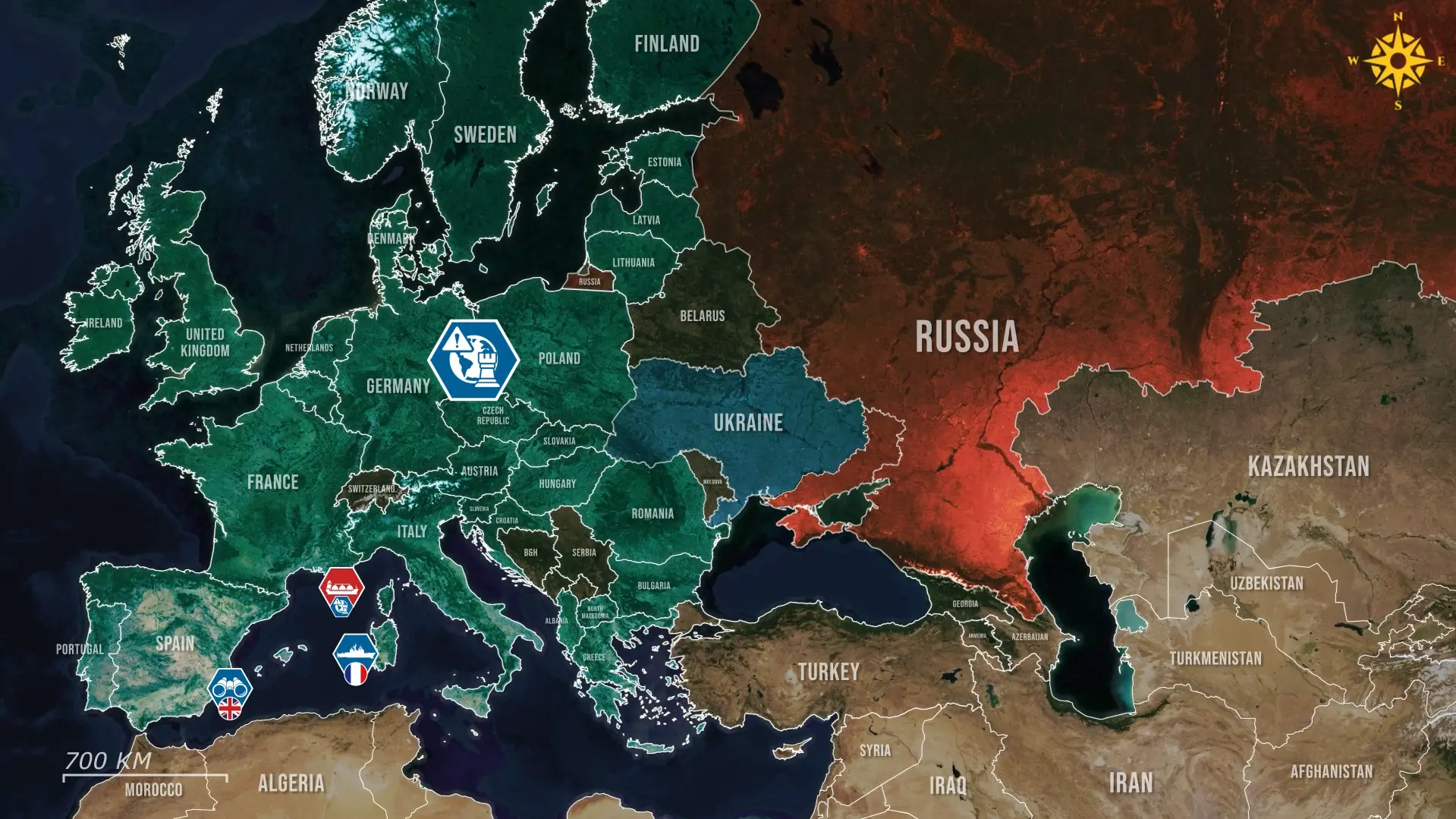
What makes the situation particularly alarming for Moscow is that these actions are continuing despite conditions that, by Russian logic, should have discouraged them. With the war in Iran disrupting flows through the Strait of Hormuz and tightening global supply, Russian analysts expected the West to ease pressure to avoid further price spikes. Instead, the opposite happened, as European officials have openly endorsed tanker seizures as an effective tool, signaling that strategic pressure on Russia now outweighs concerns over short-term market volatility.
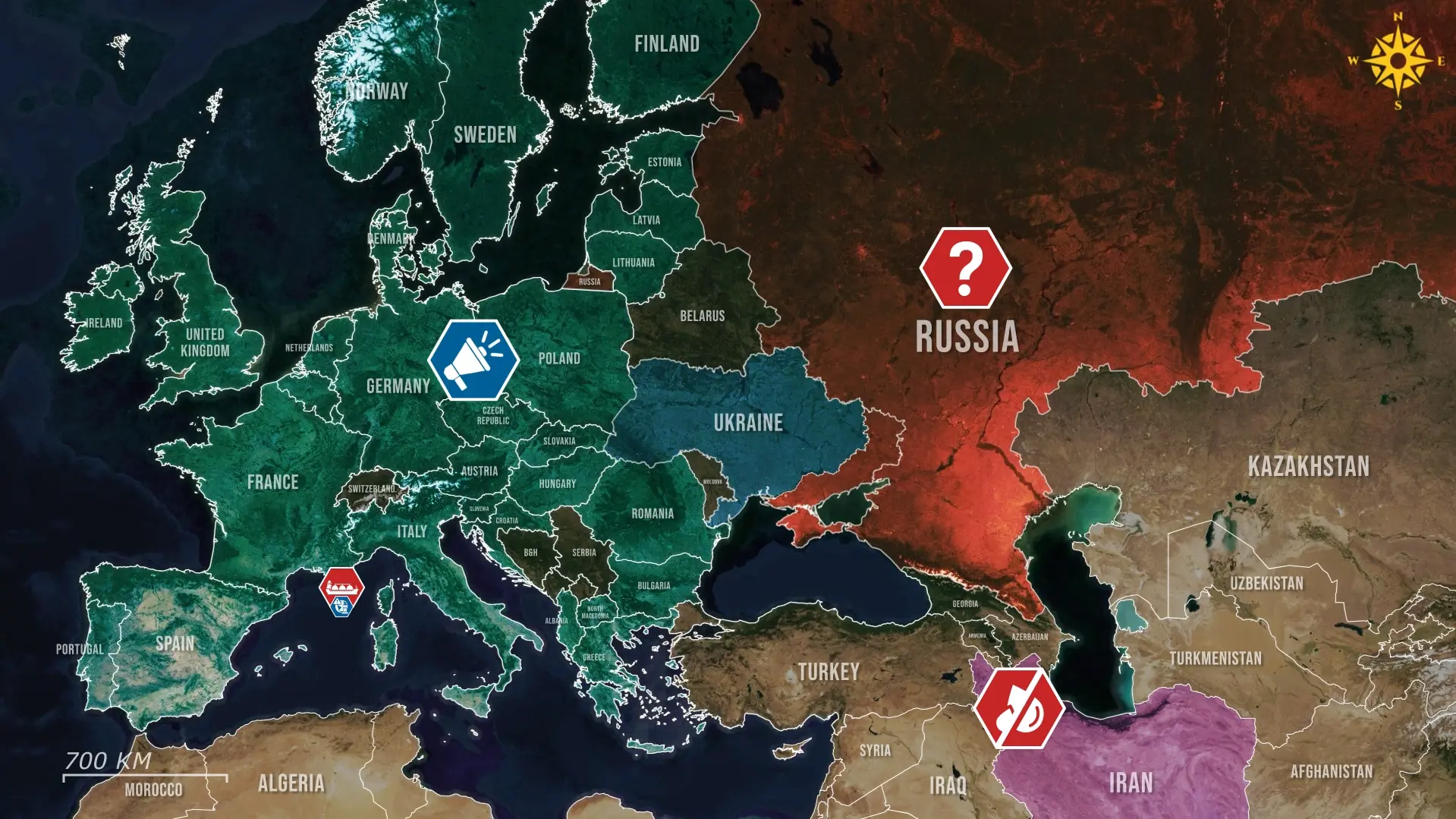
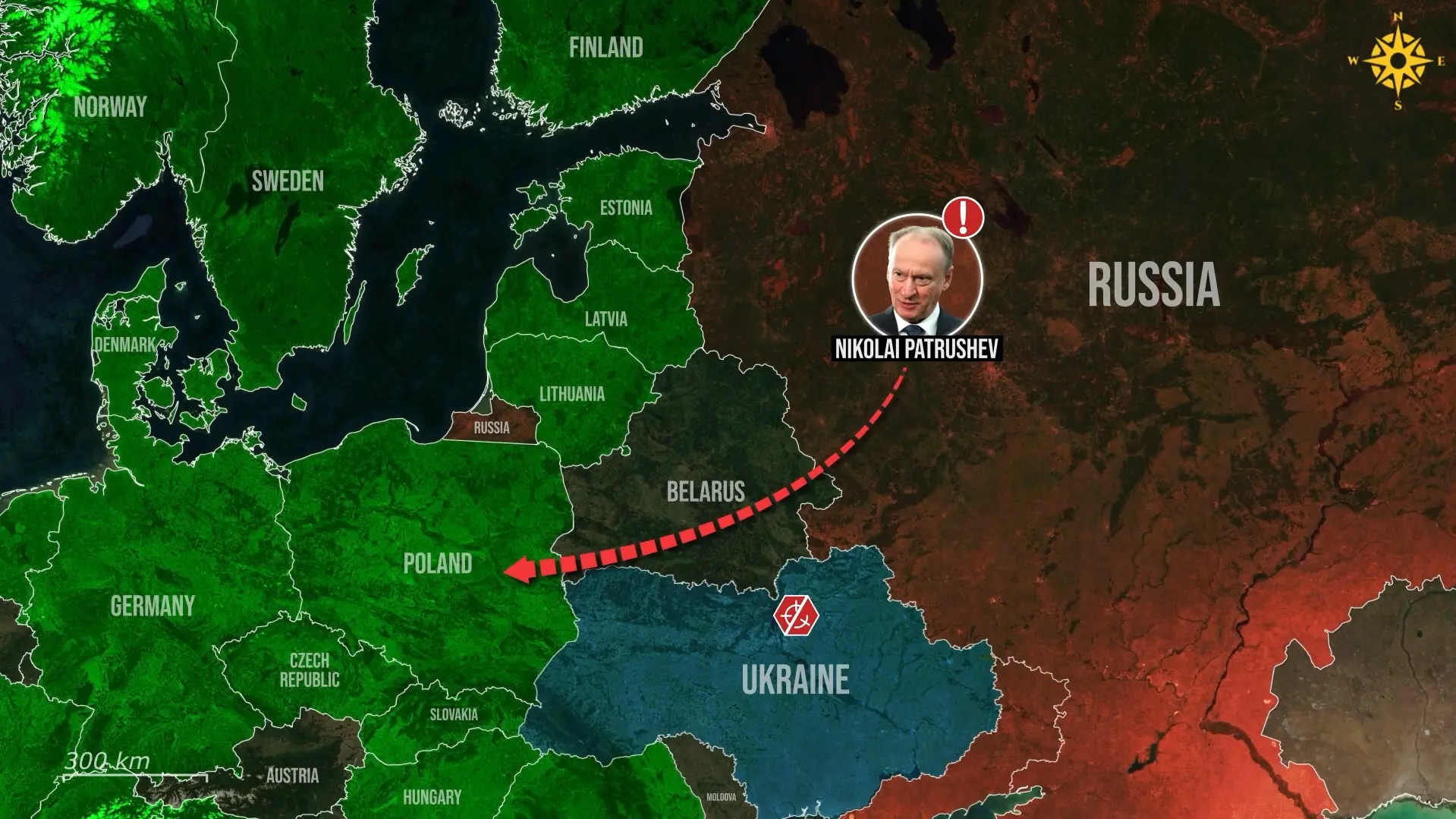
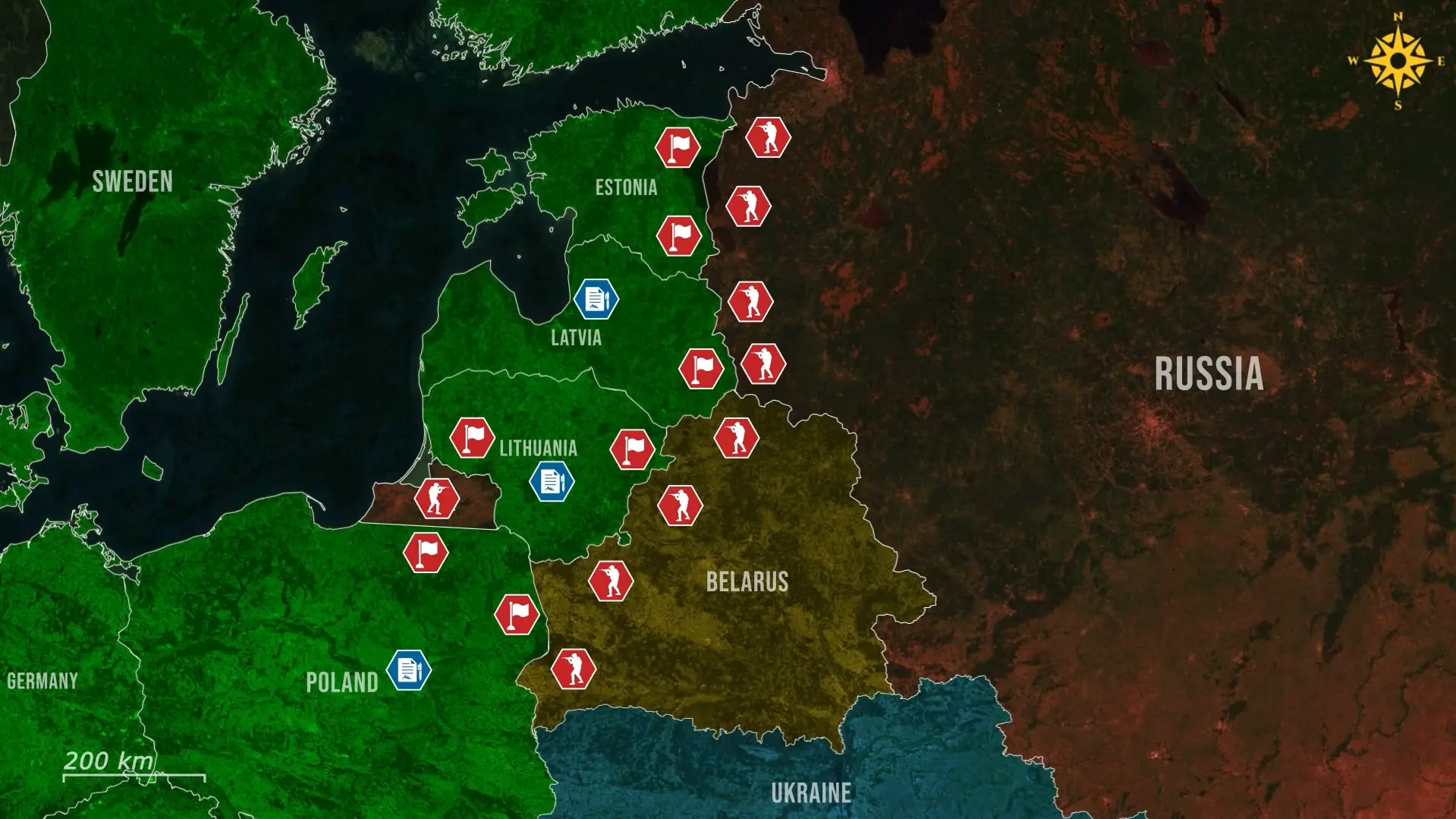
This has triggered a wave of alarmist commentary inside Russia, with analysts warning that passive responses are no longer viable, and that European countries could seize Russian oil and gas for their own use. Increasingly, the alarmist Russian discussions have shifted toward the idea of forceful countermeasures, particularly in the Baltic Sea, where confrontation with European states may become unavoidable if Russia wants to preserve its oil exports. Nikolai Patrushev, chairman of Russia’s Maritime Board, acknowledged that organizing naval convoys is now being discussed as a potential solution, with Russian corvettes currently already escorting merchant ships on limited occasions.
However, even within Russia, there is recognition that the navy lacks the capacity to sustain such operations on a meaningful scale. The Russian Black Sea Fleet is largely confined to defensive positions, while other fleets are stretched thin across multiple theaters.
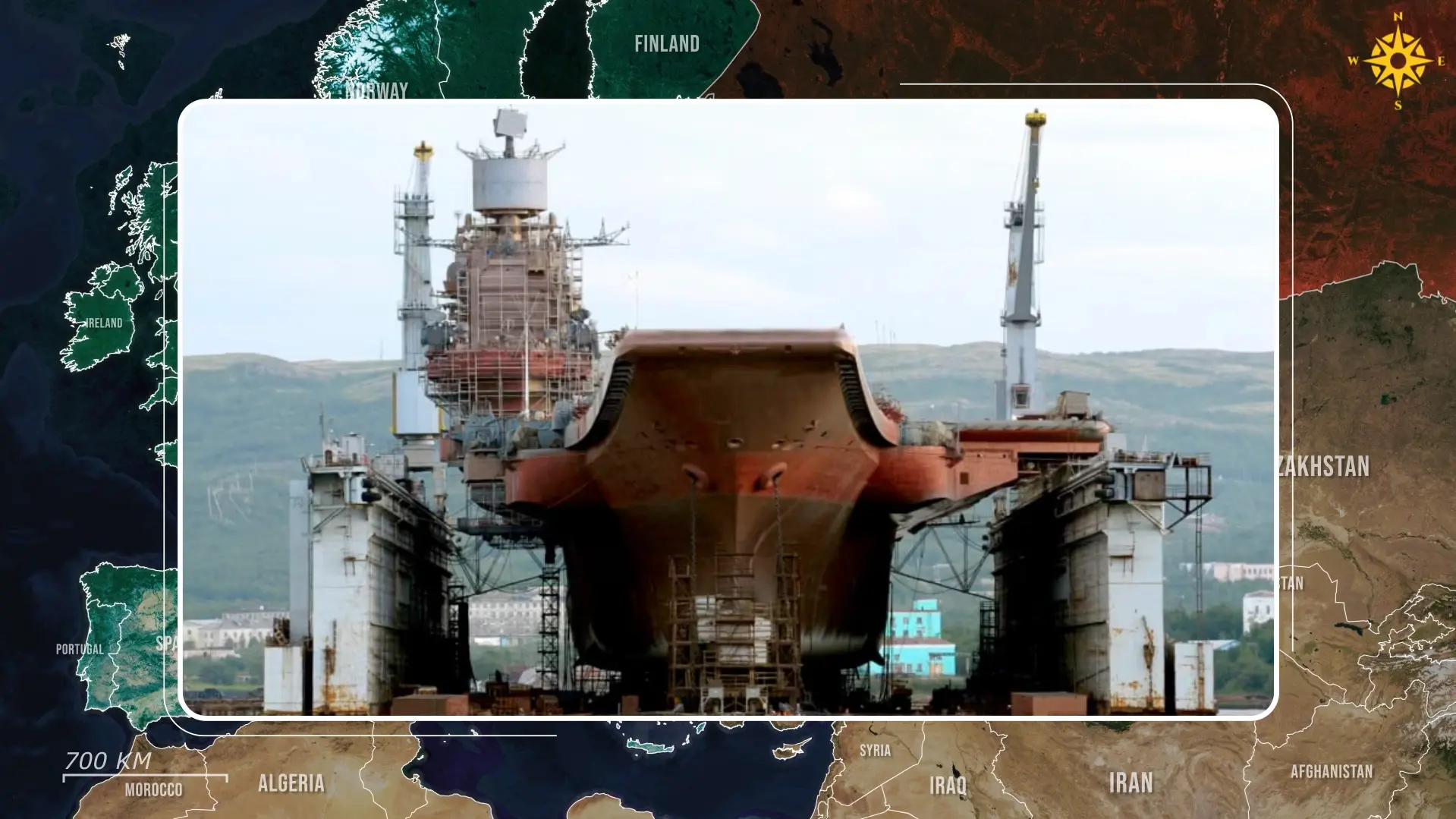
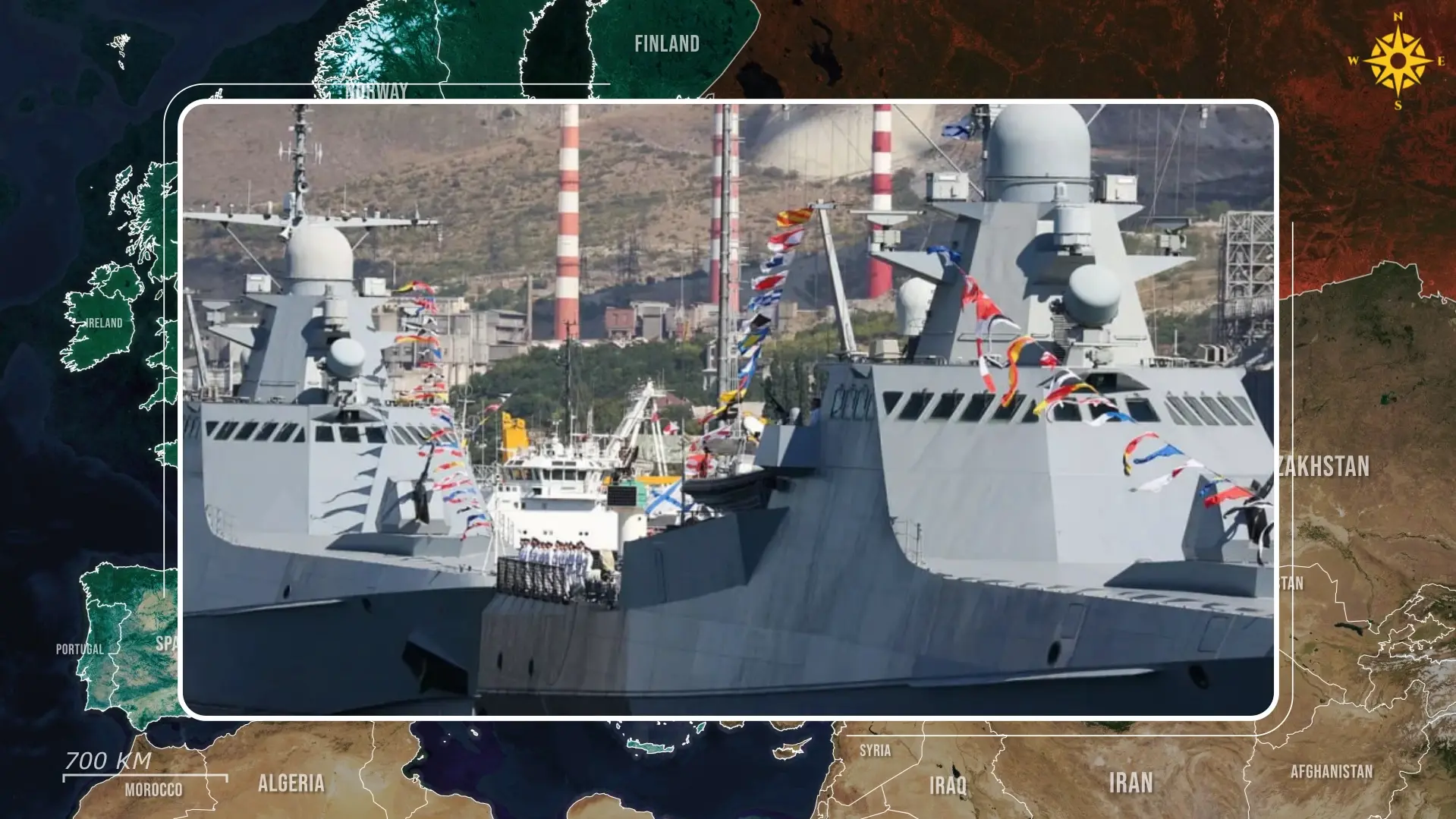
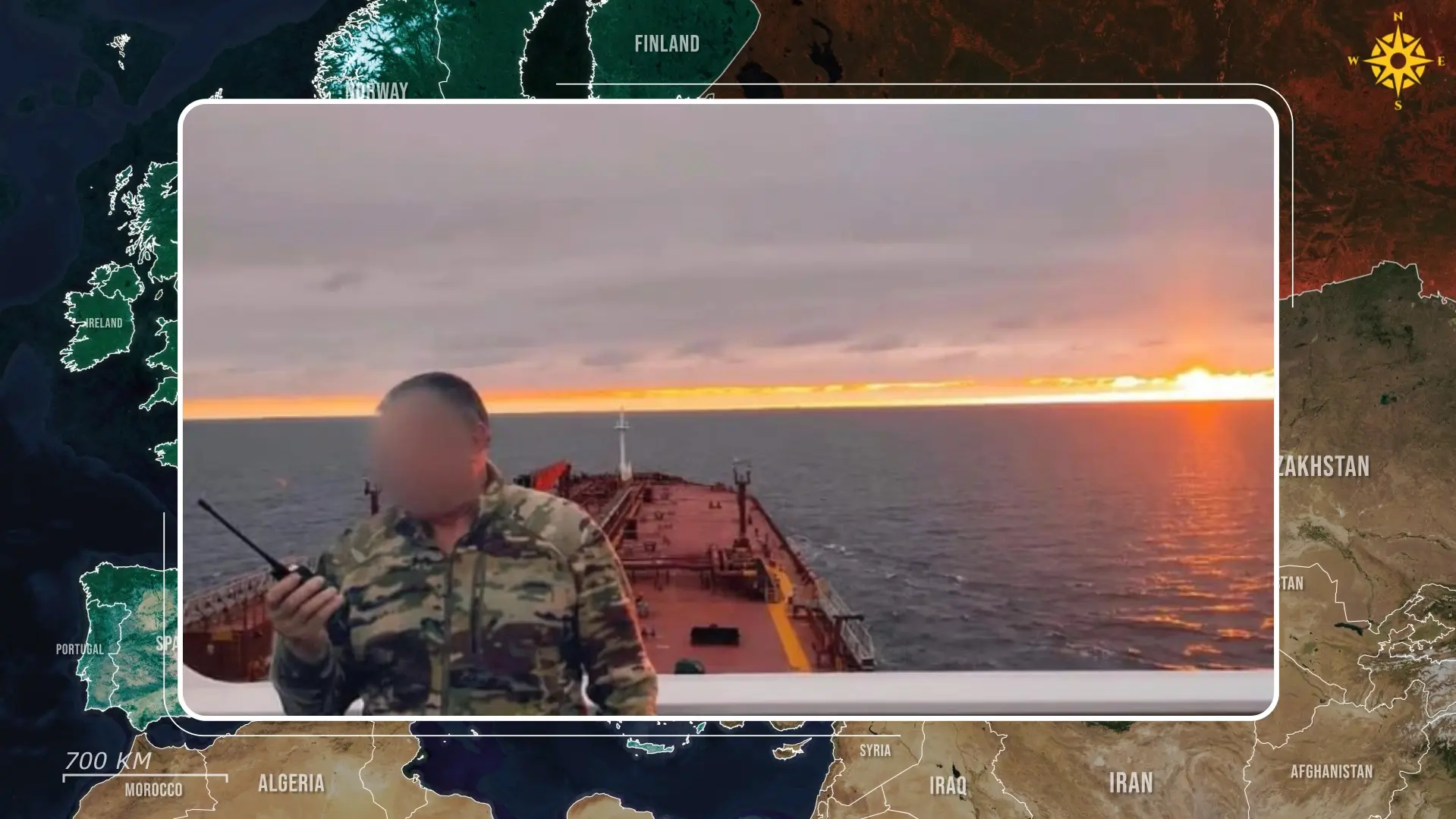
As a result, alternative measures are being explored, such as armed security teams linked to Wagner or Russian military intelligence already being deployed on vessels. Such have already appeared on 17 tankers in the Gulf of Finland, maintaining contact with the Russian Navy and effectively militarizing commercial shipping routes, as confirmed by the Finnish intelligence service. Other methods discuss more unconventional ideas, such as using naval drones as escort vessels or converting civilian ships for defensive roles, highlighting the lack of viable traditional options.
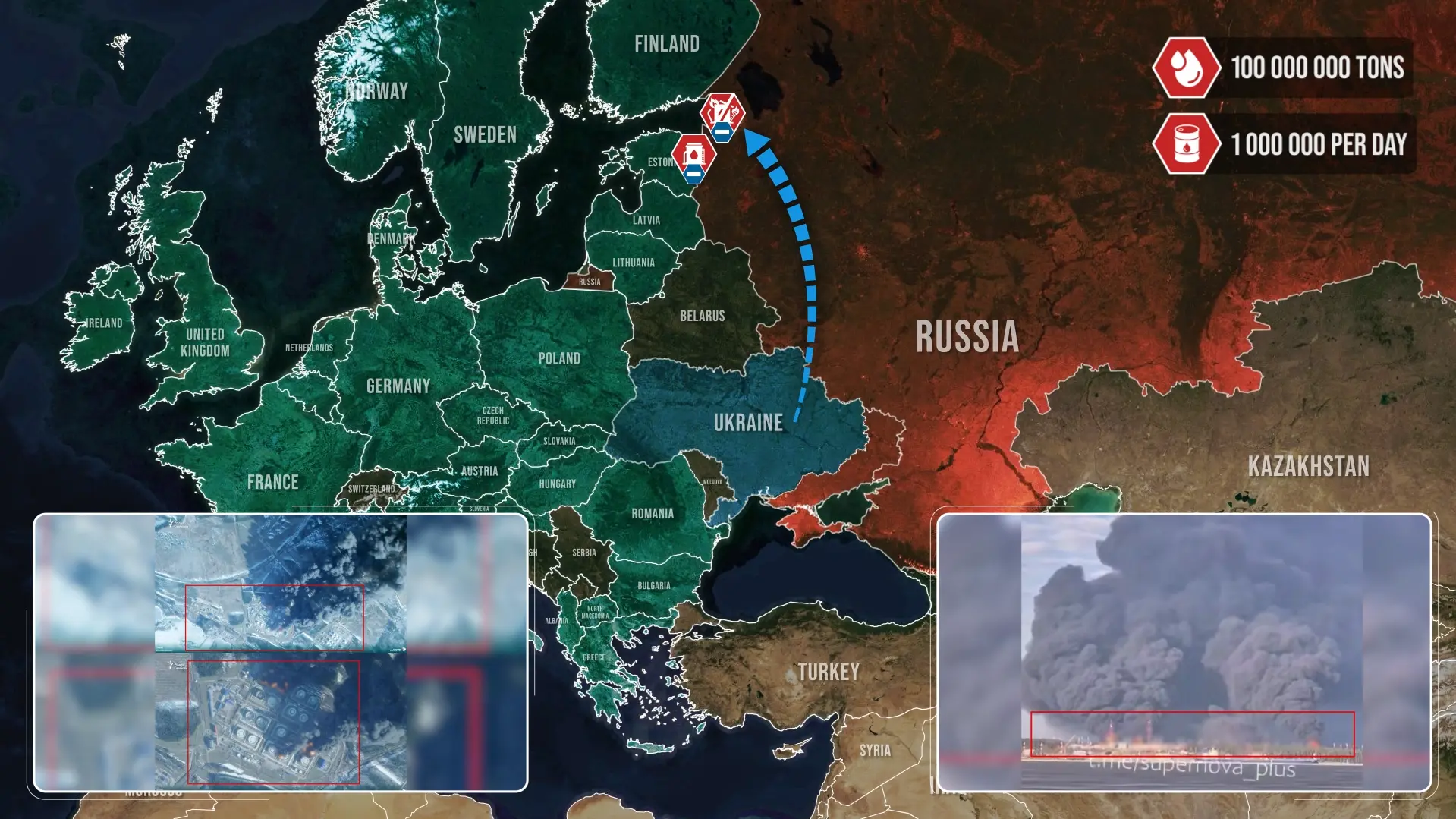
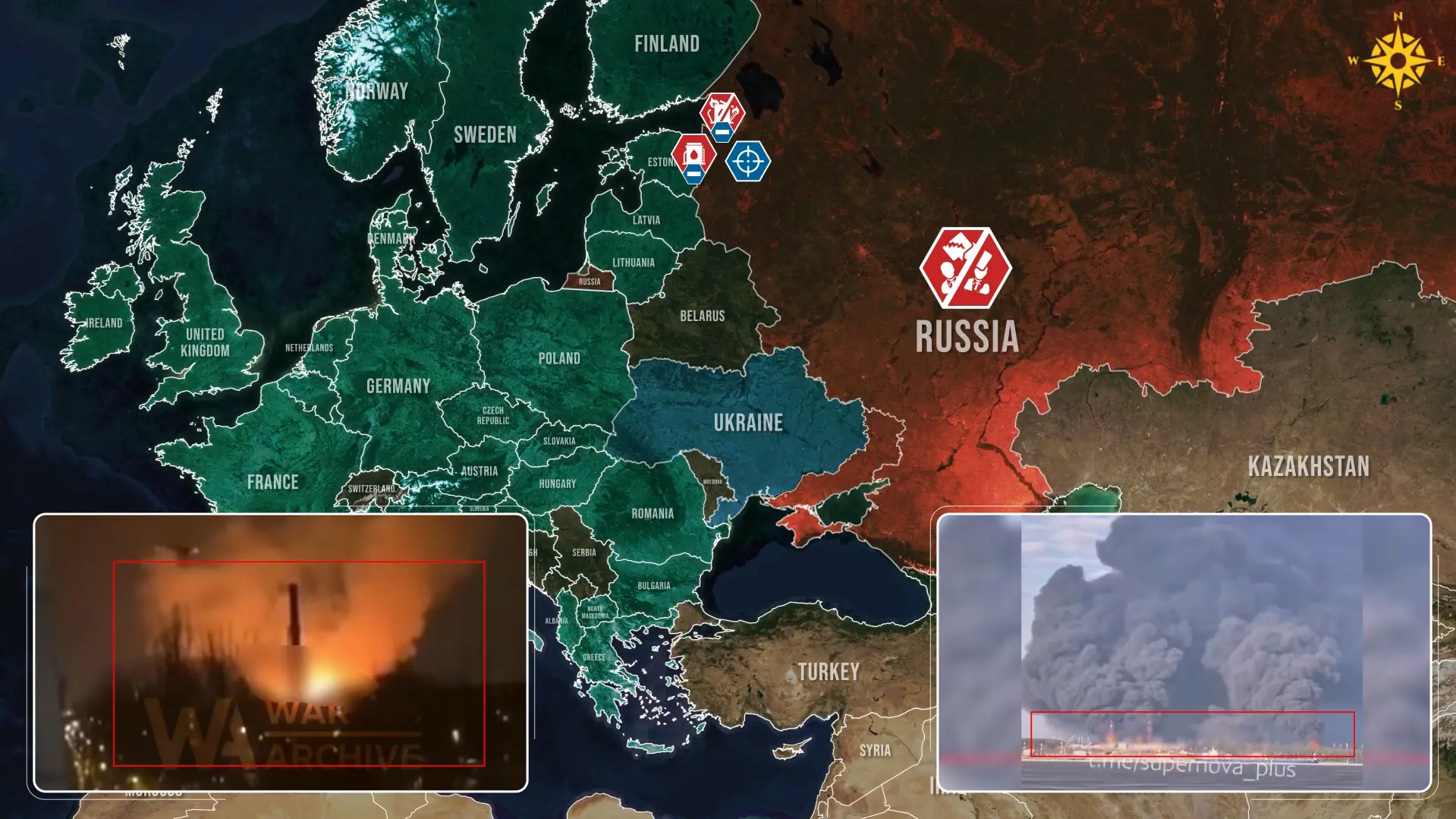
However, just as these discussions gained momentum, Ukraine delivered a decisive and unexpected blow with a coordinated long-range drone operation. Ukrainian Lyuti kamikaze drones hit the Transneft oil terminal in Primorsk, Russia’s largest export hub in the Baltic. Multiple storage tanks were set ablaze, with fires confirmed by satellite monitoring and local authorities. The scale of the attack was significant, and the consequences were immediate. Russia was forced to halt oil and fuel loading operations at both Primorsk and Ust-Luga, two of its most critical Baltic ports. These facilities handle around 100 million tons of oil annually, with Primorsk alone capable of exporting around one million barrels per day. The fires continued burning for days, raising concerns about further spread and long-term damage to storage and transfer infrastructure.
This development rendered much of Russia’s discussion about naval escorts effectively irrelevant, as even if tankers could be protected at sea, the disruption at the ports means there is nothing to load and ship in the first place. The bottleneck has shifted from transit security to export capacity itself, as Ukraine has bypassed the problem entirely by striking at its root.
Overall, while Russia debates escalation, deploys armed crews, and considers naval convoys, Ukraine is systematically dismantling the infrastructure that underpins Russian oil exports. The shadow fleet remains under pressure from Western seizures, but now the ports feeding it are also under attack. In a single night, the strategic conversation shifted, and it is no longer about how to protect tankers, but whether there will be enough functioning Russian infrastructure left to sustain exports at all.

.jpg)

Comments