

.svg)
Today, there is important news from the Russian Federation.
Here, a disturbing new trend is emerging inside Russia, one that offers a chilling preview of what the country could face if the war were to end.
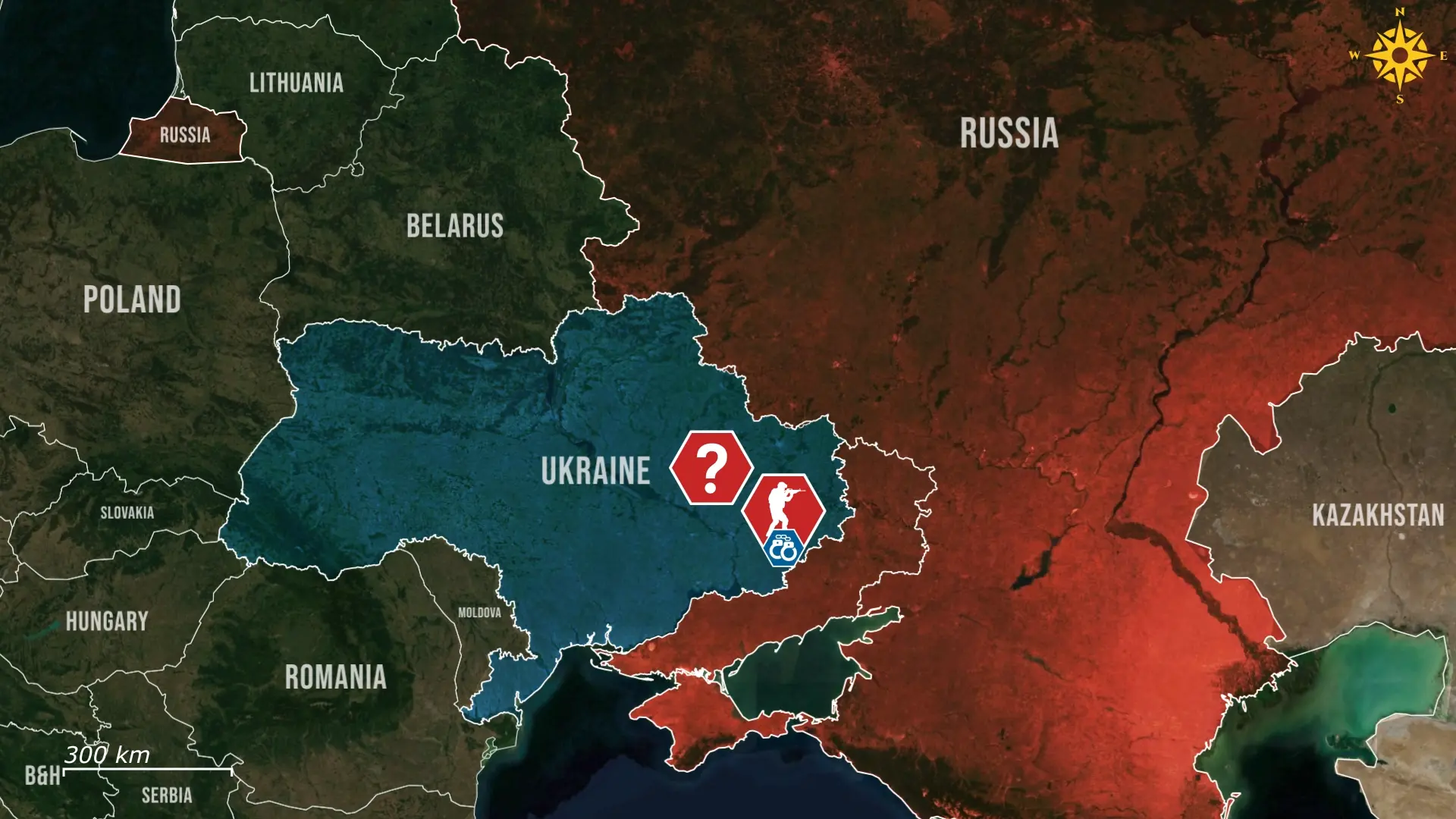
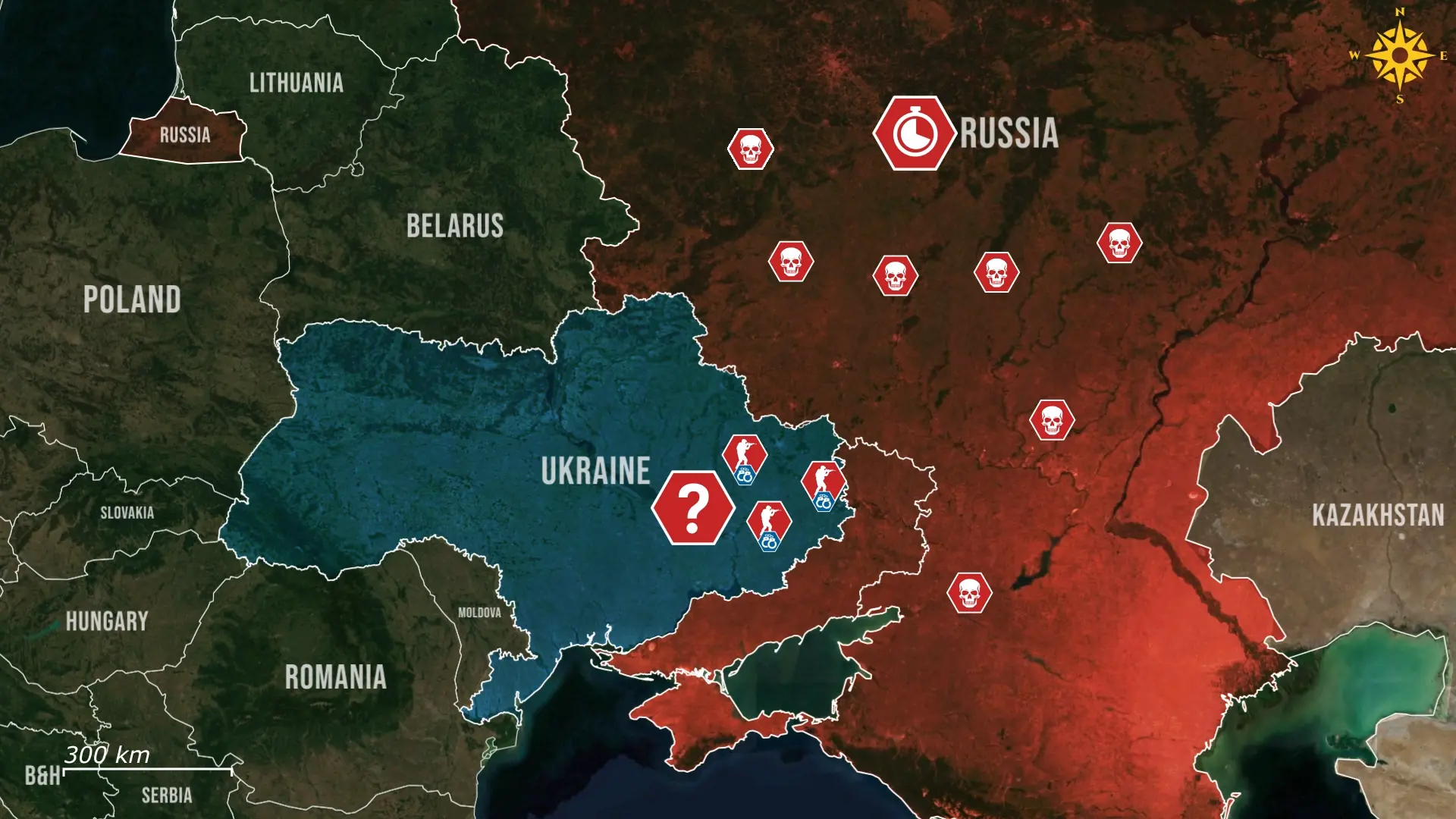
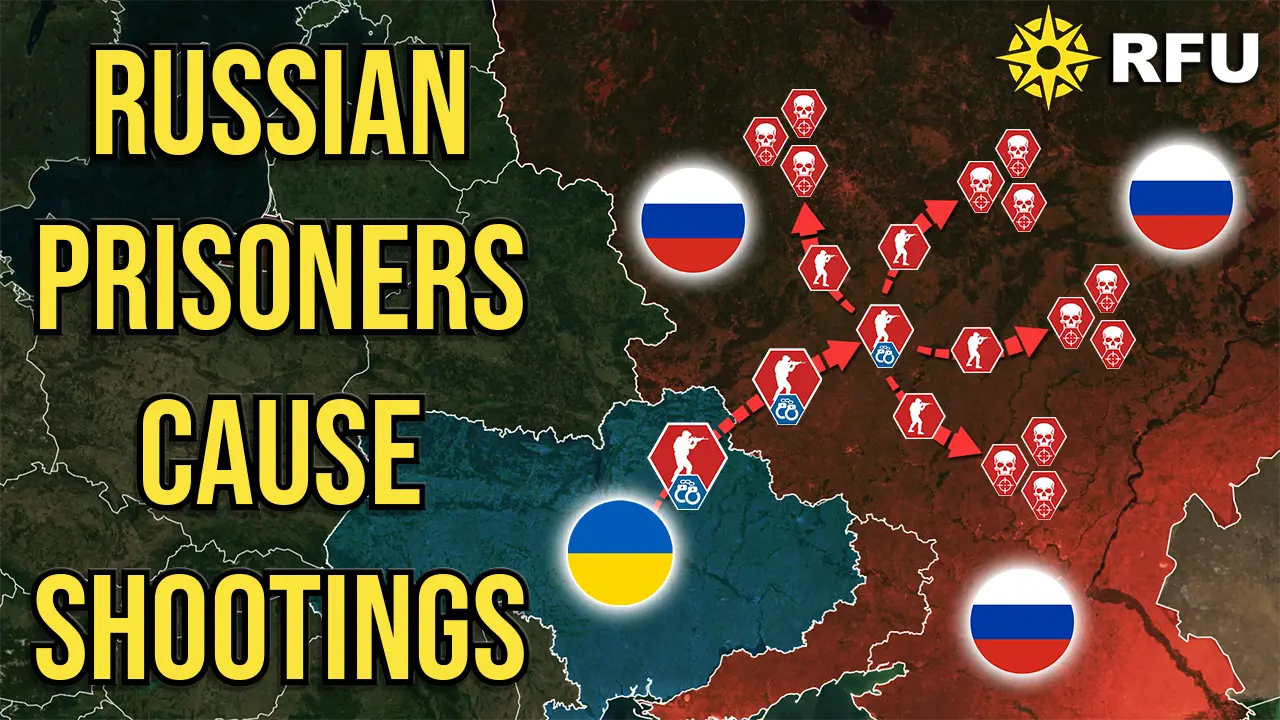
As returning soldiers from the front carry out new mass shootings and vengeance sprees that decapitate their own military units, the Kremlin grows increasingly afraid that ending the war could trigger chaos it can no longer control.
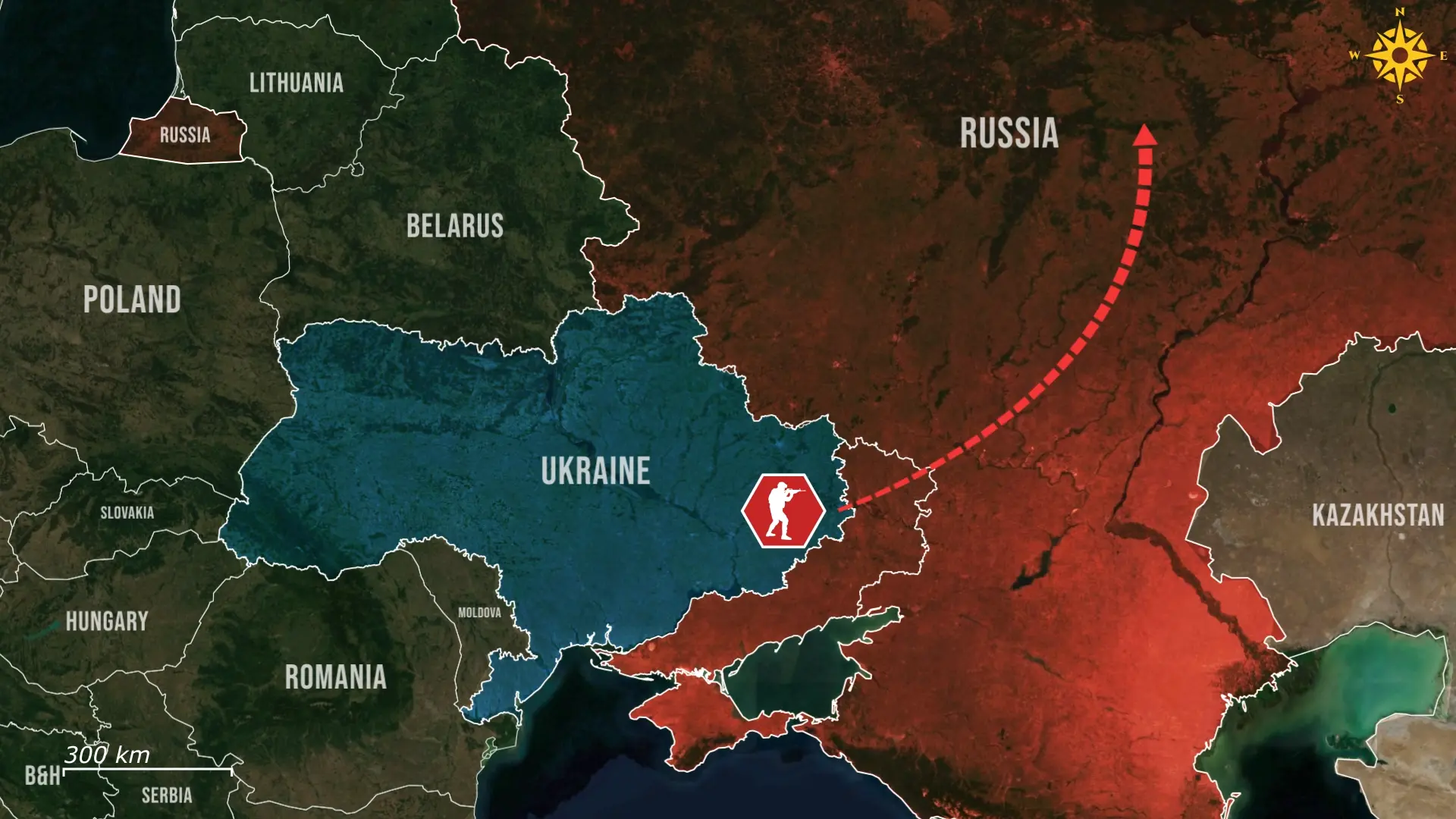
In the latest case, Russian authorities are searching for a serviceman who, shortly after returning from Ukrainian captivity, murdered seven of his own comrades in what investigators describe as a planned act of revenge. The suspect had been released during a prisoner exchange and immediately signed a new military contract upon his return. His motive was to regain access to the same circle of men who had previously abused him. He was assigned to the 69th Division in Kamyanka, where he opened fire on fellow servicemen before fleeing. Security services have issued a wanted notice, warning that he is armed and believed to be hiding in the Belgorod region. This incident is shocking, as it reflects a deep moral rot inside Russia’s armed forces and the growing phenomenon of returning prisoners of war seeking vengeance against those who tormented them.

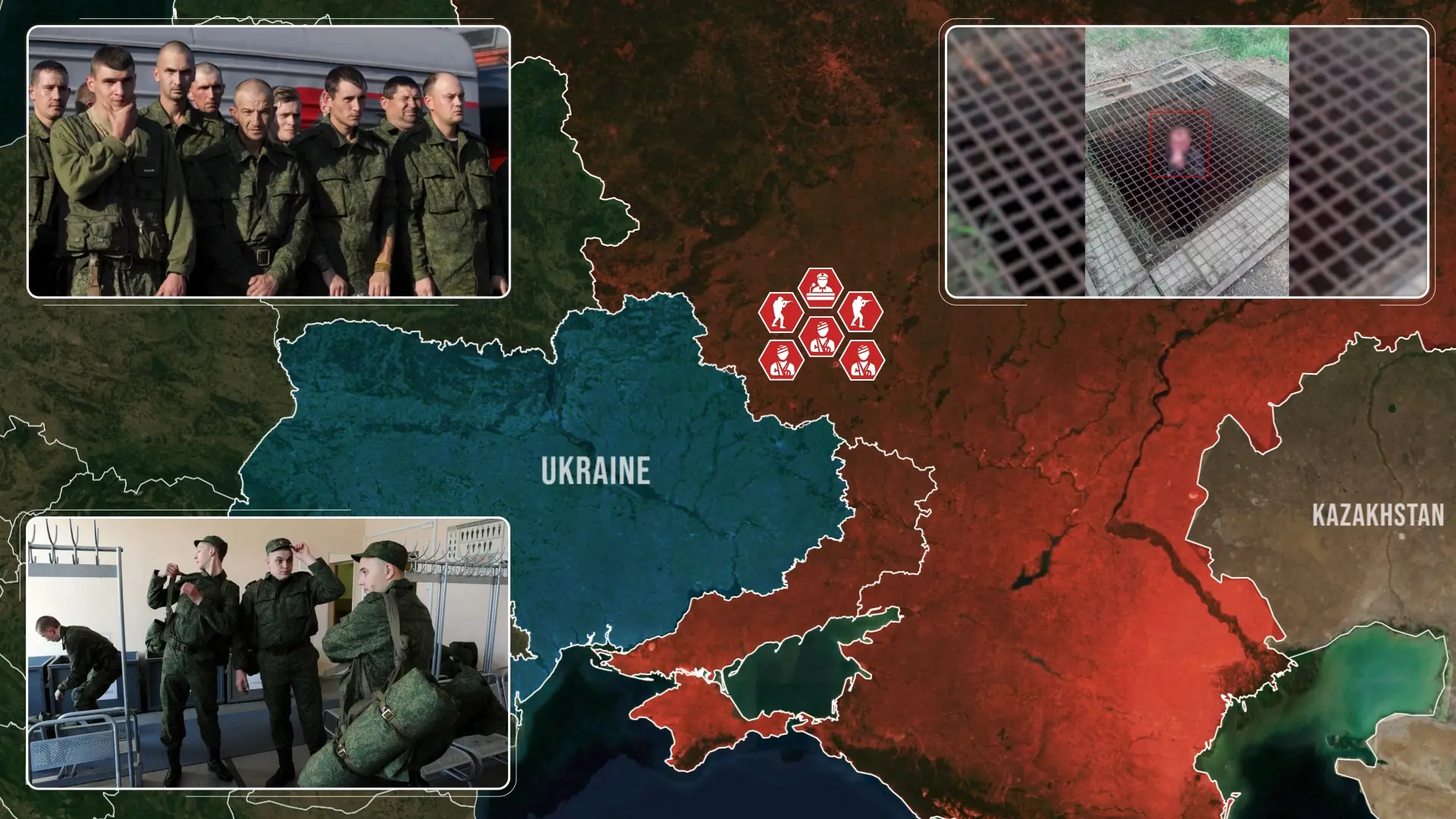
The backdrop to this violence is a military culture defined by internal brutality, with Russian soldiers often tormented, humiliated, or even executed by their own commanders for minor insubordination like complaining about conditions, or simply hesitating. An investigation in October 2025 documented 101 verified cases of Russian troops killing or assaulting their comrades. Leaked videos show beatings, electrocutions, and even forced gladiatorial fights to the death between punished soldiers, staged by officers as penance or entertainment.

These practices revive the worst Soviet-era penal traditions, and despite Russian denials, the evidence is overwhelming and continuous: nearly every week, new cases emerge of troops being abused by their own chain of command. This systematic brutality, intended to enforce discipline amid staggering casualties, has instead fostered chaos, mistrust, and paranoia inside the ranks. Soldiers now fear their commanders as much as Ukrainian fire, sometimes far more.
This environment of abuse has made surrender a rational choice for thousands of Russians. In captivity, they discover a reality that contradicts every piece of Russian misinformation. Ukraine’s “I Want to Live” hotline receives around 3,000 calls a month from Russian soldiers who want to defect or surrender. Those who do are often surprised by humane treatment, which includes medical care, the ability to contact families, proper food, and compliance with the Geneva Conventions.
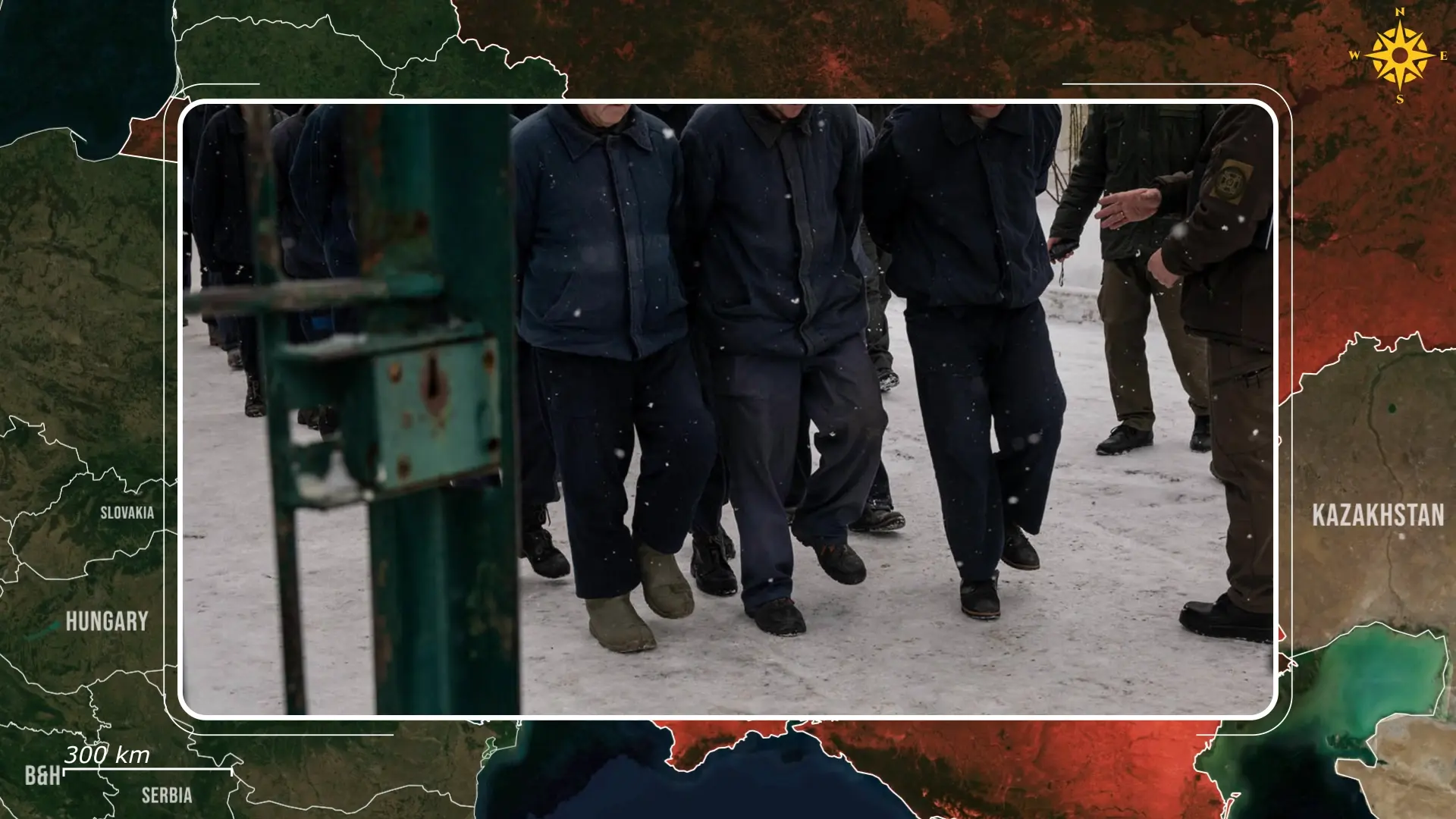
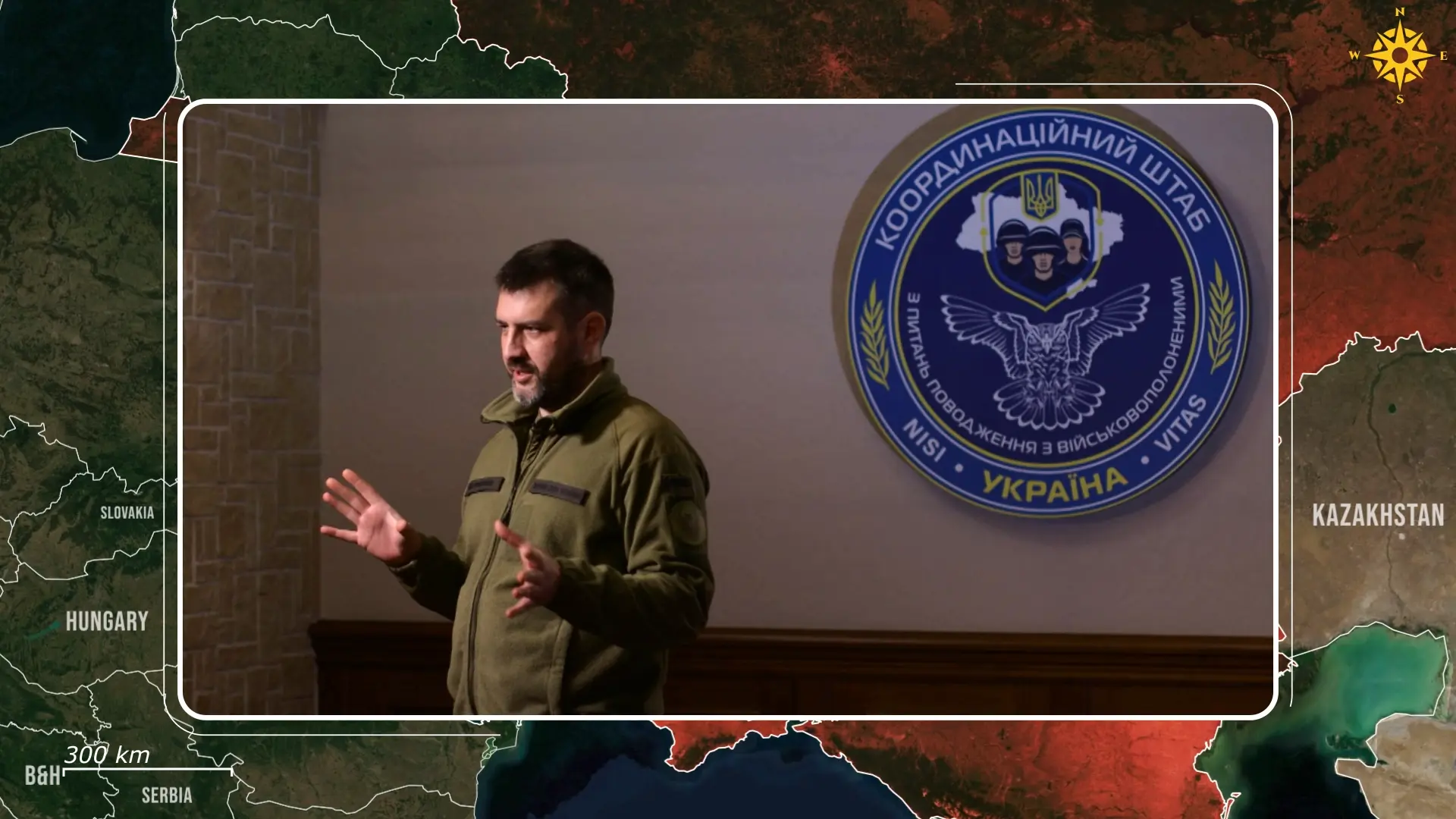
UN monitors confirm that Ukrainian treatment of POW’s meets international norms, starkly contrasting the torture chambers Russia runs in occupied territories. Many Russian prisoners of war openly describe a psychological shock, abused by their own commanders, they find safety among those they were taught to see as enemies and Russophobes.
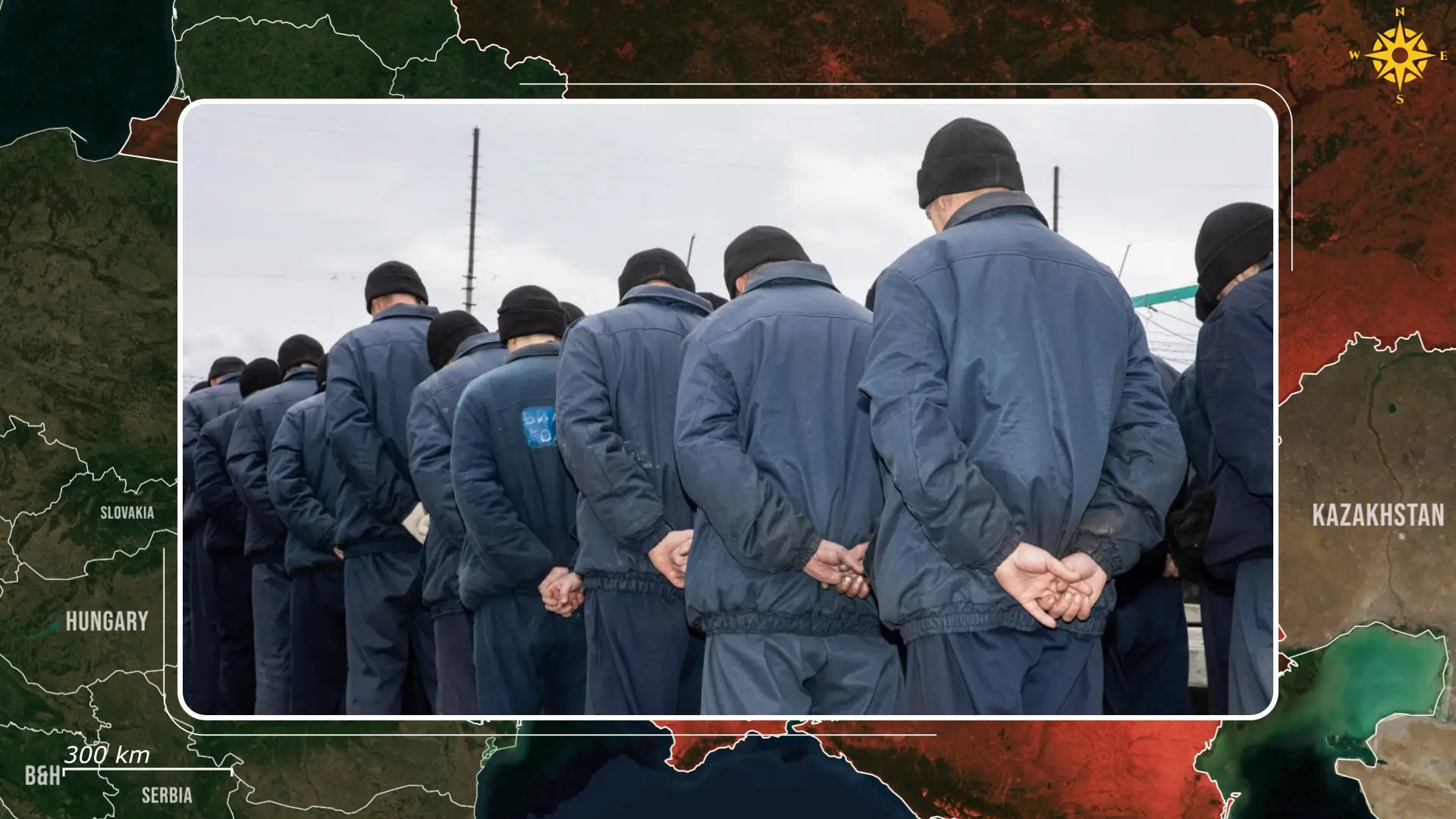
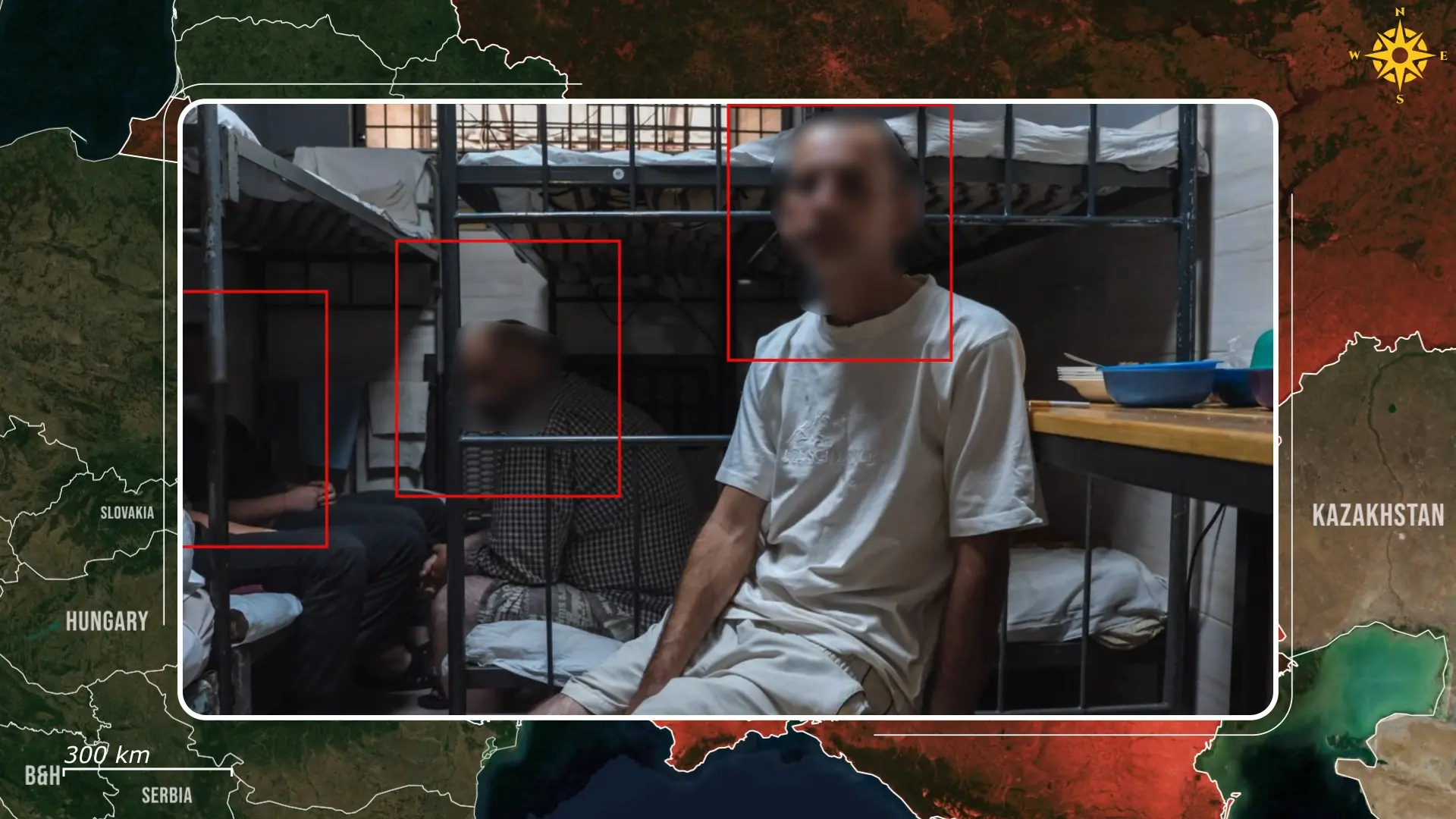
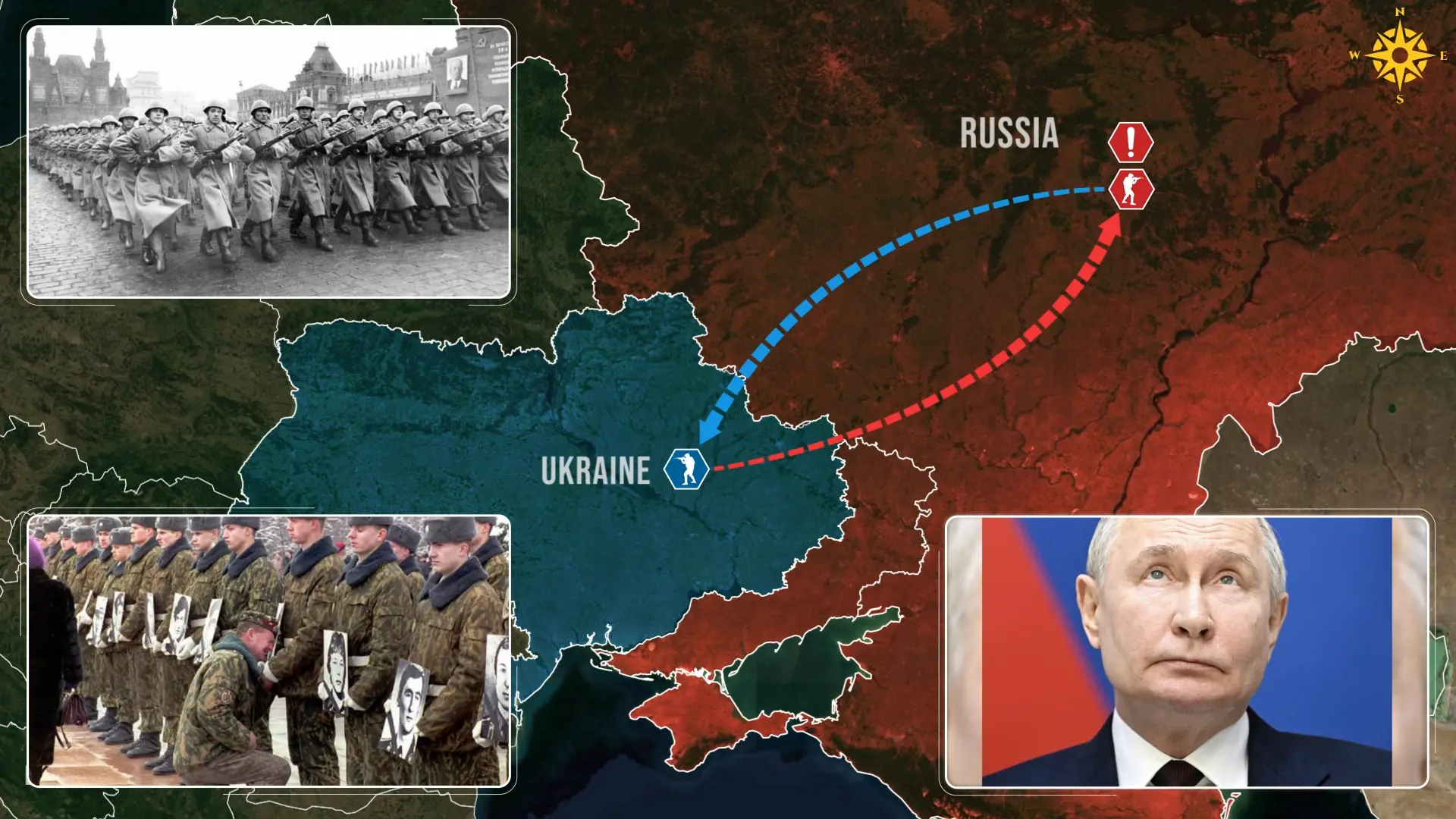
Yet, Russian prisoners of war do not stay forever in Ukraine, and many are sent back in prisoner exchanges, returning to the very system that once mishandled them. For some, the return provokes rage, and they re-enter the Russian army looking for revenge, angry, and with nothing to lose. Historically, returning veterans in Russia have destabilized the system before, and after World War II, waves of traumatized Soviet soldiers contributed to spikes in domestic violence and crime. After the Soviet war in Afghanistan, embittered veterans helped fuel unrest that contributed to the collapse of the regime. The parallels are ominous: hundreds of thousands of Russian soldiers will eventually return home with psychological scars, grievances, and violent conditioning.
The stark contrast between Ukrainians and Russians underscores the division, as Ukrainian prisoners are seen crying with relief, phoning relatives, singing the national anthem, and embracing freedom after being exchanges.
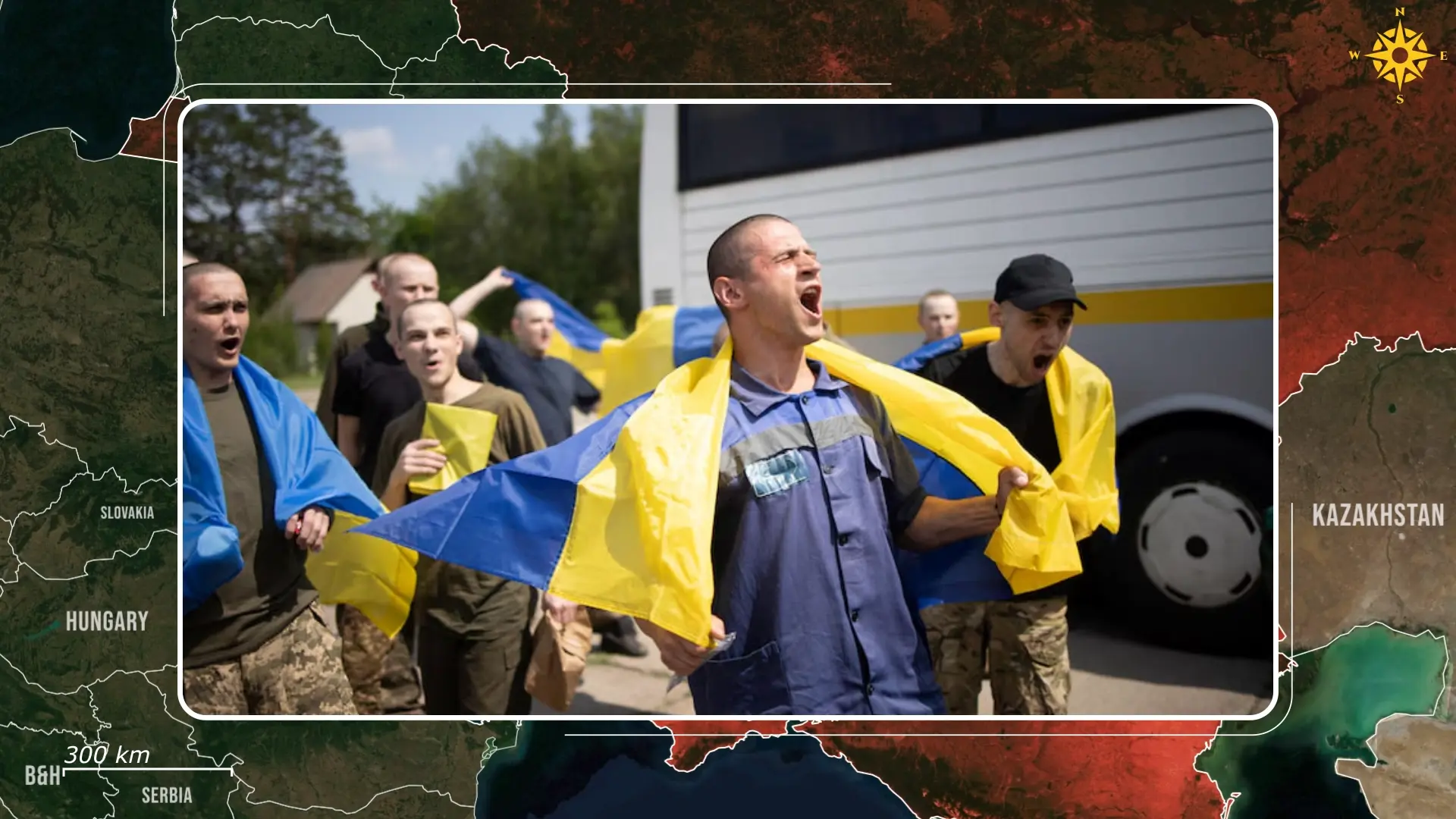
Russian prisoners, by comparison, appear stiff, anxious, and performatively enthusiastic. Video sequences often reveal inconsistencies: in one frame, a prisoner quickly removes the Russian flag the moment he boards the bus; in the next, the flag is reattached, and soldiers are told to cheer for the camera.
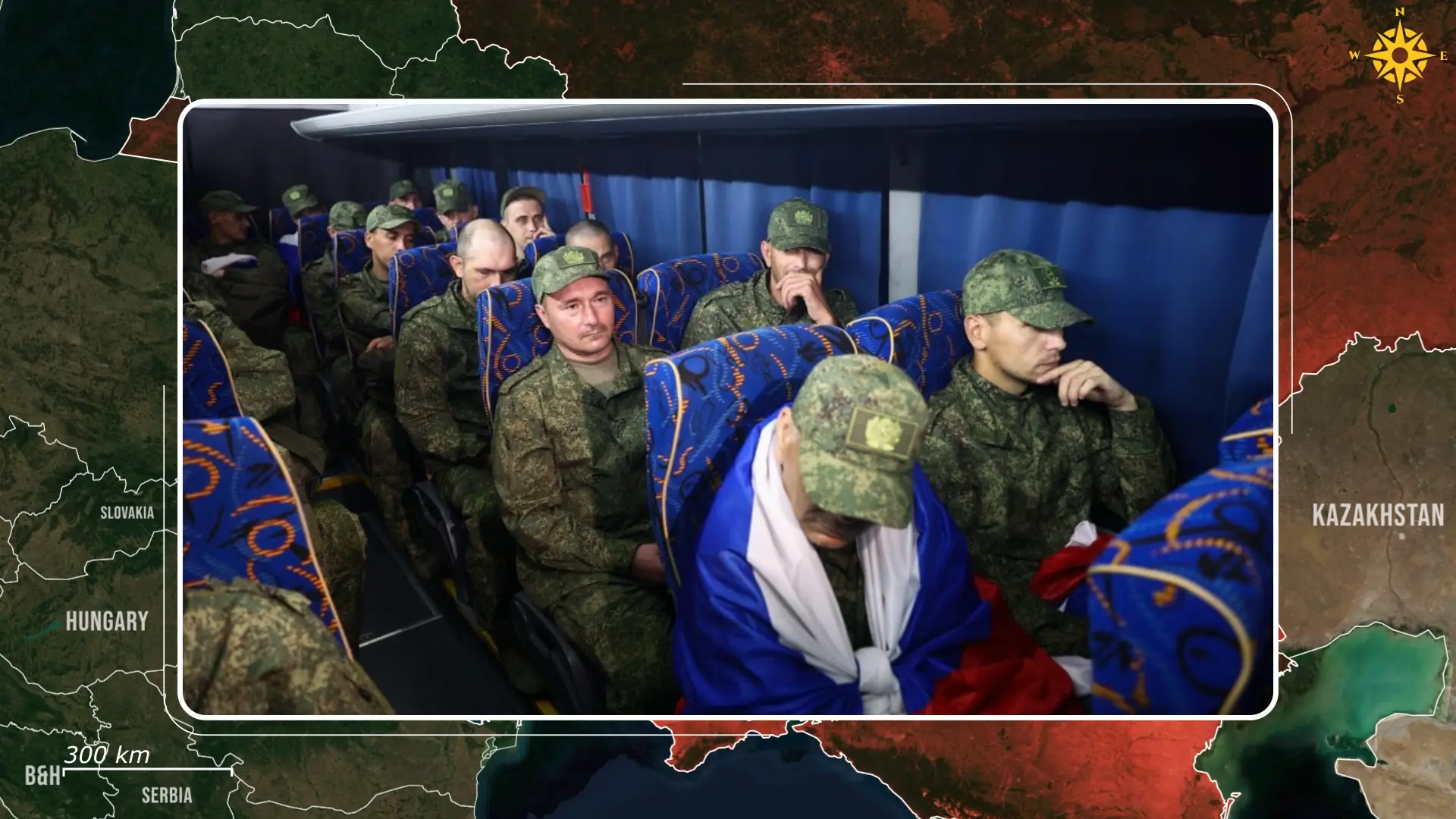
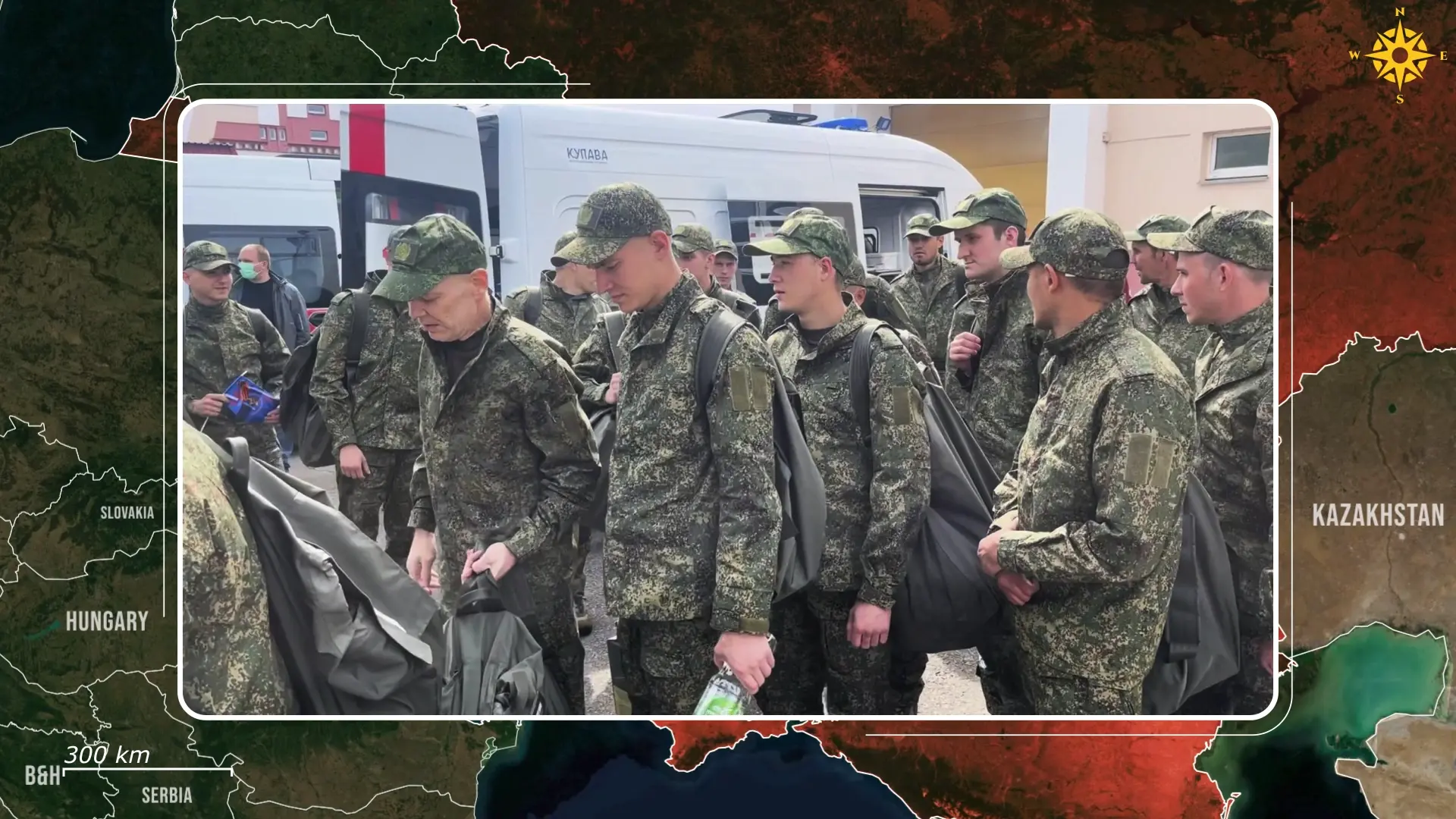
Overall, the rising number of surrenders and violent incidents involving repatriated Russian prisoners of war exposes how Russian soldiers increasingly understand that they are disposable to their commanders. Instead of being cannon fodder in a war that grinds their lives away, many prefer Ukrainian captivity, and when forced back through exchanges, some choose vengeance over submission. As the war drags on, such cases will likely multiply, revealing deep fractures inside Russian society and the collapsing cohesion of its military machine.
.jpg)

Comments