

.svg)
In this video, we will analyze how the Ukrainians have forced Russia into an emergency crisis.
Here, the situation escalated, as long lines at fuel stations, road jams, and restrictions on fuel purchases are now happening at the very heart of Russia. These are the visible consequences of the growing number of Ukrainian long-range strikes on key Russian infrastructure.
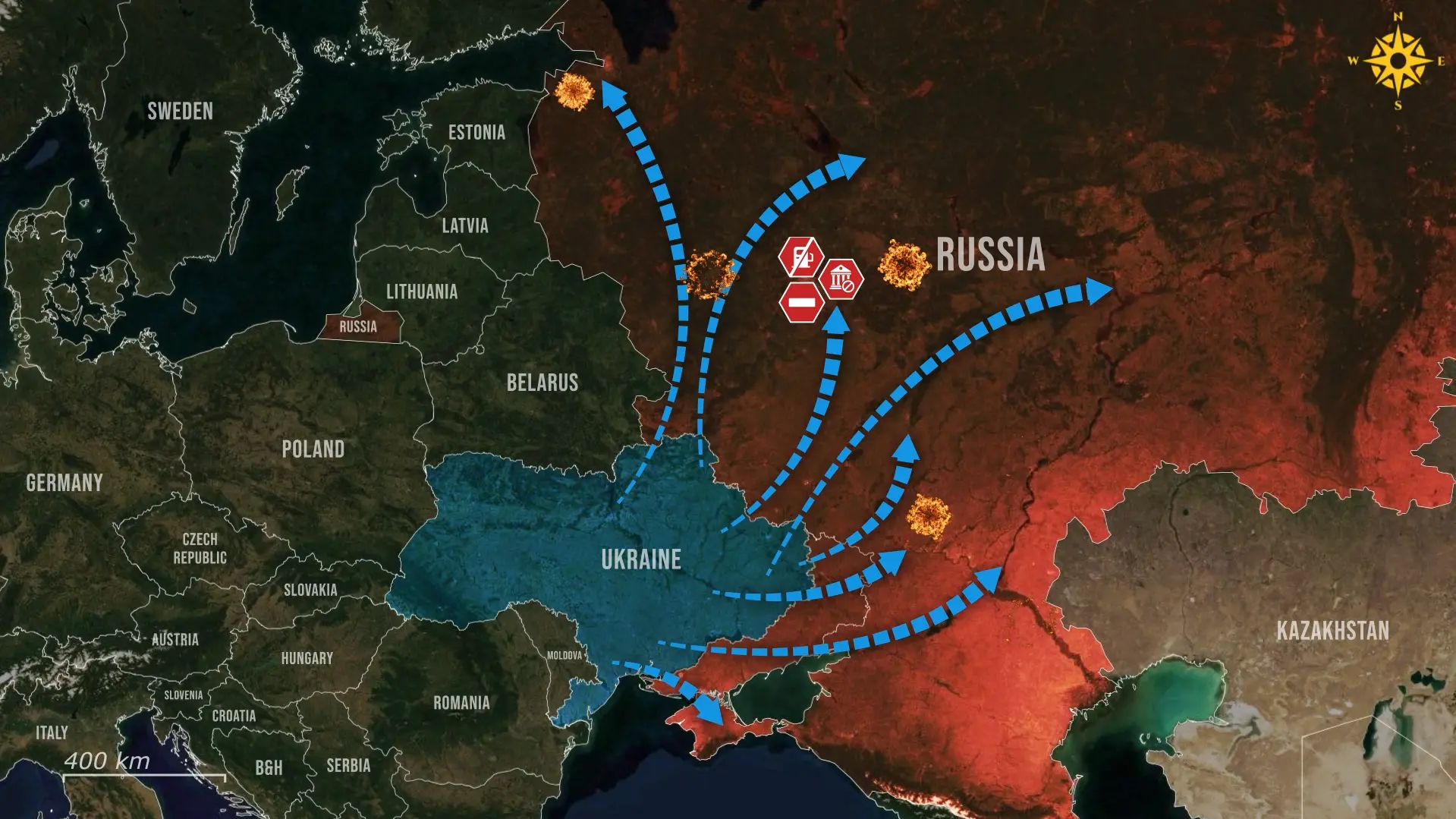
Across Moscow, major traffic queues have formed as drivers rush to secure fuel before it runs out, as Russians even in Moscow are fearing the rising trend of fuel shortages sweeping the country. Several fuel companies have already introduced limits on purchases, restricting customers to sixty liters of gasoline or one hundred liters of diesel trying to prevent panic. Such panic stockpiling can easily turn into major chaos that can spill over into other sectors of the economy. The result has been widespread congestion as Moscow residents are afraid that they won’t have access to basic fuel necessities soon, so their instinctive reaction is to stockpile in advance.
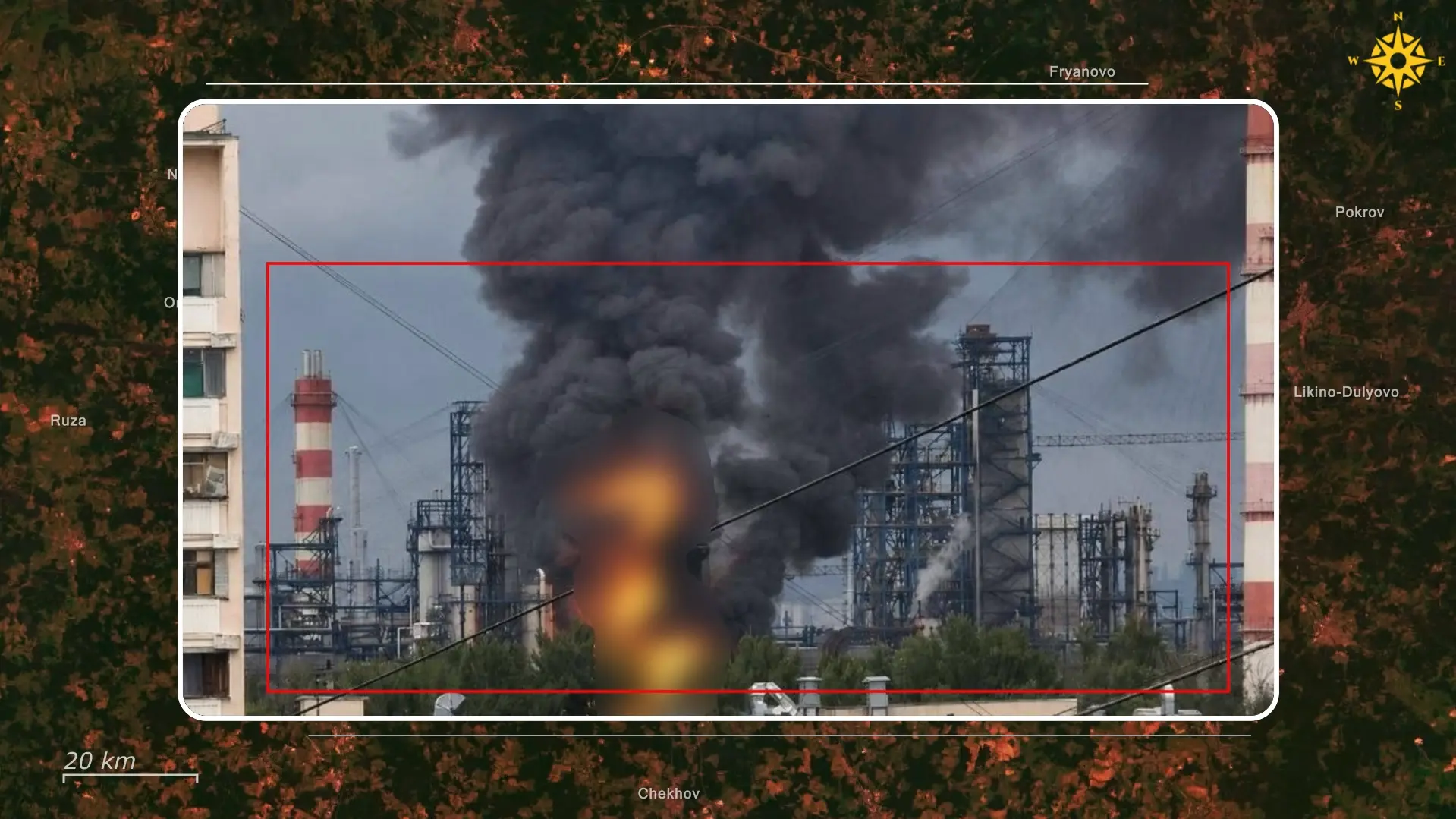
The immediate cause lies in a series of Ukrainian strikes targeting the infrastructure that keeps fuel flowing into the capital. One of the most important attacks struck the Moscow Oil Refinery in the Kapotnya district. This facility is the largest fuel supplier serving the Moscow region and is responsible for providing fuel used by roughly forty to fifty percent of the vehicles operating in the area. Geolocated footage shows Ukrainian drones damaging the refinery's primary processing unit, forcing a halt in operations and reducing its output by up to sixty percent. The refinery is also a major supplier of aviation fuel for several Moscow airports, making the consequences extend well beyond road transportation.
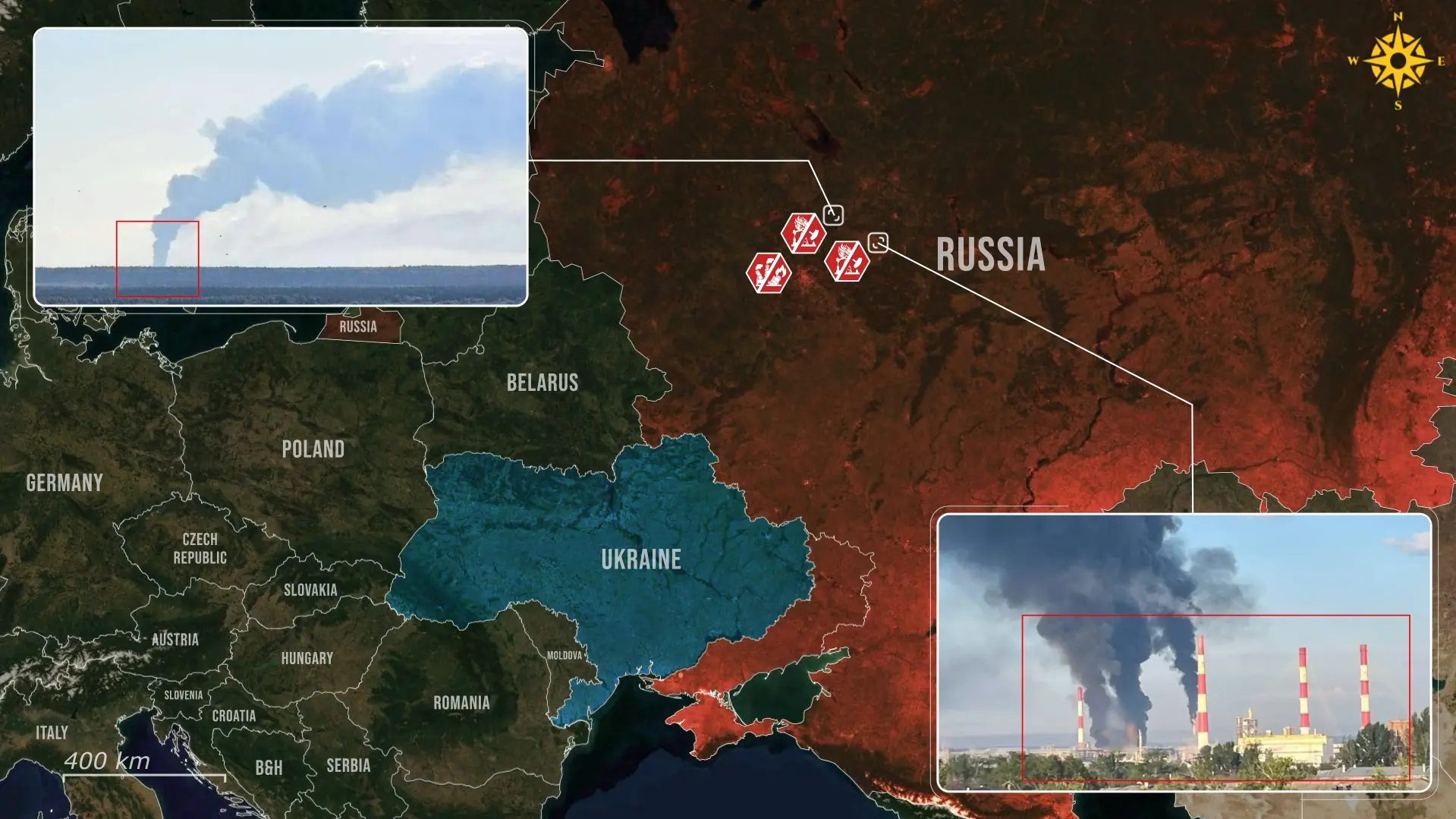
However, the refinery strike was only the final straw, as Ukrainian forces had previously targeted the Vtorovo and Lobkovo pumping stations in Vladimir Region multiple times. These facilities play a crucial role in moving crude oil toward refineries supplying Moscow. Fires were reported at both sites after drone strikes, including a major attack on Vtorovo at the end of May and additional strikes in June, limiting the steady flow of crude oil, without which refineries cannot produce fuel. By attacking pumping stations feeding the system and then striking the refinery itself, Ukraine is targeting both the beginning and the end of the production chain simultaneously. Even if oil arrives, damaged refineries struggle to process it. Even if refineries remain operational, disrupted pumping infrastructure limits the amount of crude reaching them. Together, these attacks created the compounding effect that is now visible on the roads of Moscow, with thousands of cars paralyzing the traffic.
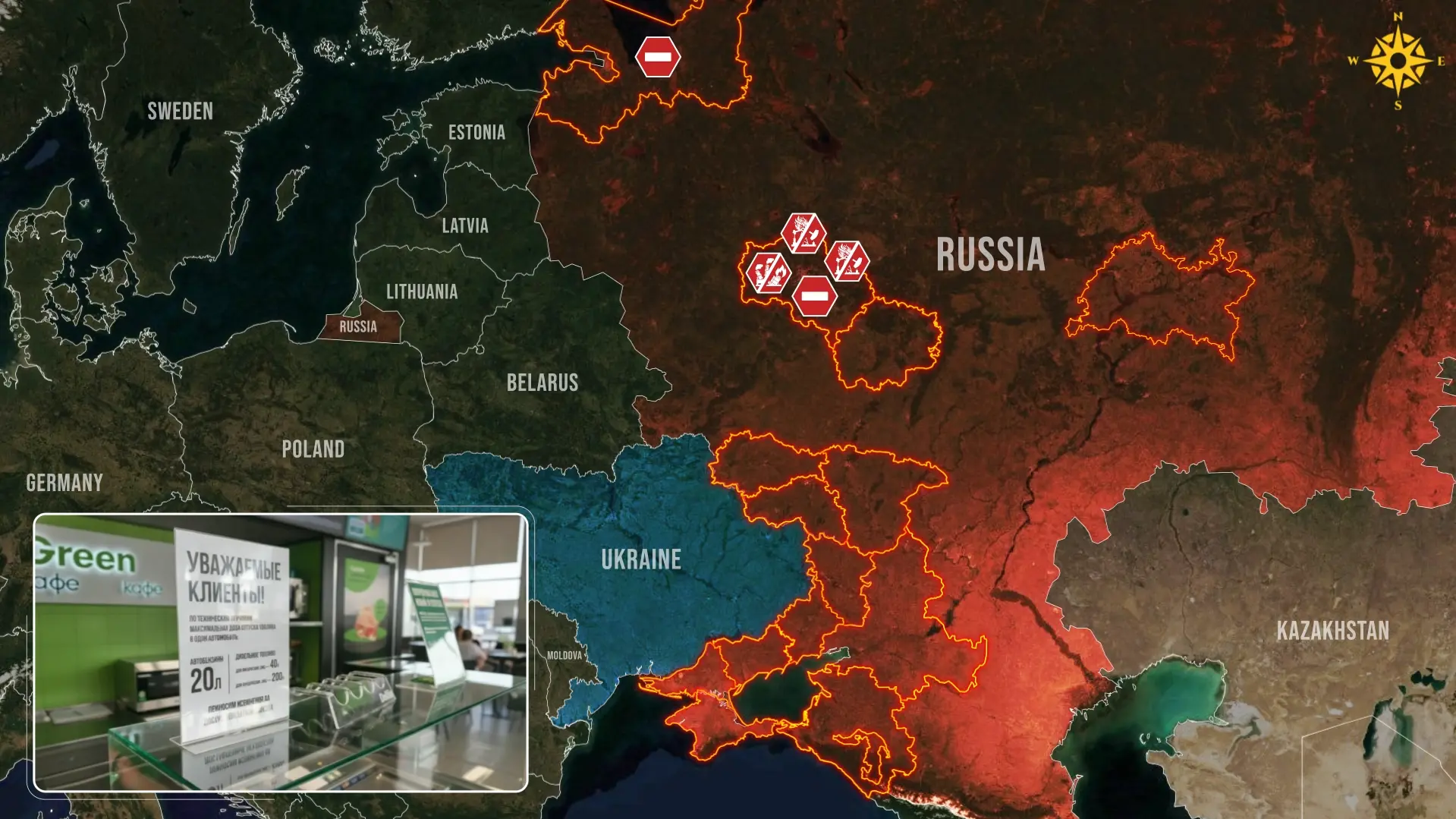
However, the consequences are spreading far beyond Moscow, as fuel restrictions have appeared across at least fifteen Russian regions and Russian-controlled territories of Ukraine. Saint Petersburg has introduced limits ranging from fifty to ninety-five liters per customer depending on the supplier to prevent stockpiling and even bigger crisis. Tatarstan, Belgorod, Kursk, Rostov, Voronezh, Ryazan, Krasnodar, and other regions are reporting similar measures, as fuel deliveries are becoming increasingly uneven with regions competing for reduced supplies. Russia has sharply increased imports from Belarus up to forty nine thousand metric tons of gasoline and thirty-three thousand metric tons of diesel, but even this dramatic increase cannot compensate for Russian consumption levels and the developing nationwide strain.
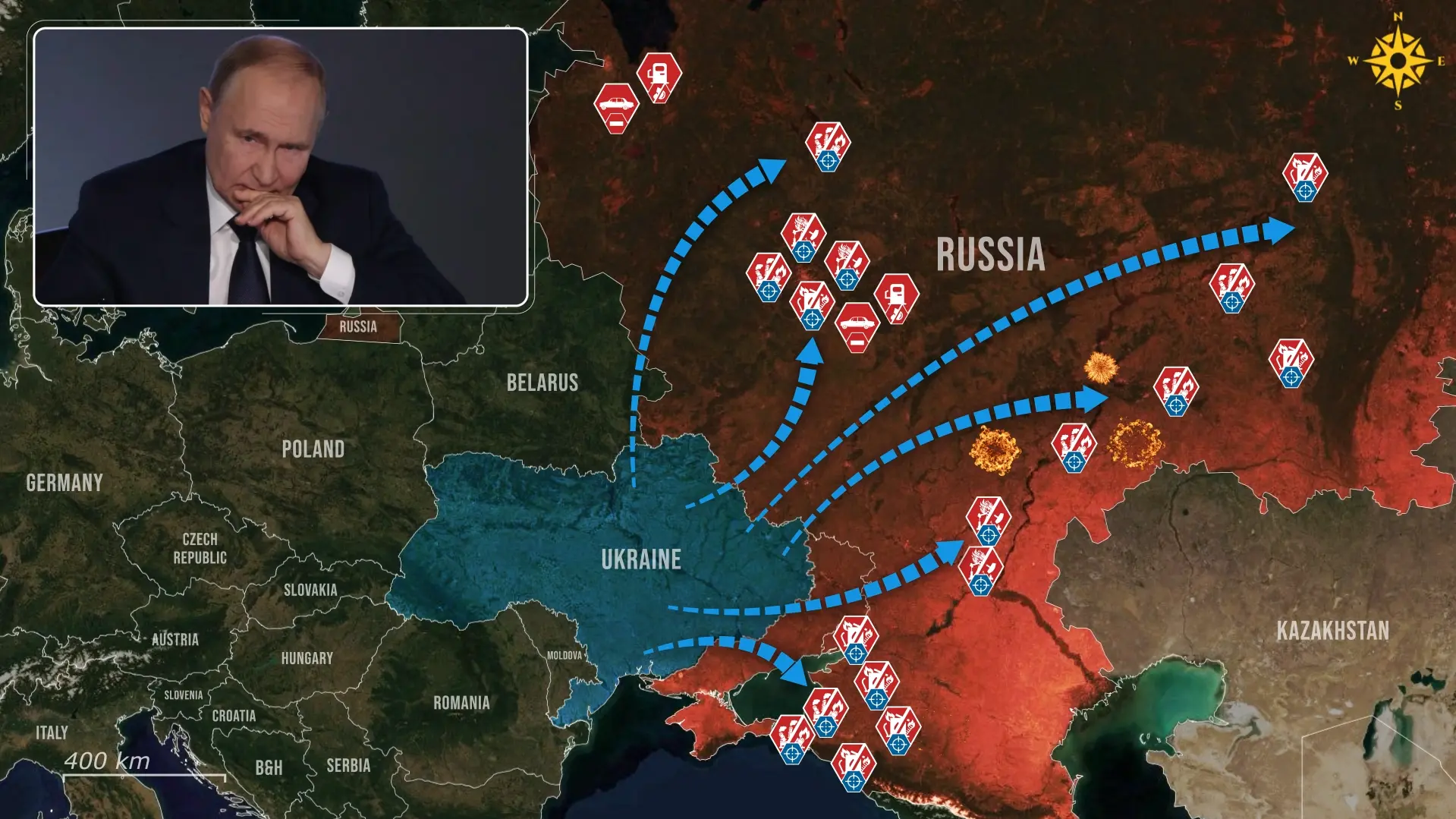
This situation has been amplified by continued Ukrainian strikes against energy infrastructure throughout Russia, with repeated targeting of facilities supplying fuel to the regions. Ukrainian drones struck the Krasny Yar pipeline station and Yefimovka pumping infrastructure in Volgograd Region, targeting critical facilities responsible for moving crude oil through Russia's fuel supply network. They also attacked the Afipsky and Ilsky refineries in Krasnodar Krai, the Taneco refinery in Tatarstan, the Kuibyshev refinery in Samara Region, the Yaroslavl refinery north of Moscow, and the Saratov refinery, targeting key refining facilities responsible for converting crude oil into fuel products. Additional strikes have targeted fuel depots and storage facilities near Moscow, Taganrog, Ust-Labinsk, Novorossiysk, Perm, Krasnodar, and Bashkortostan. The Ukrainian attacks against storage sites also serve an important purpose. While damaged refineries reduce production, stored reserves can temporarily compensate. By targeting depots and storage facilities as well, Ukraine is reducing Russia's ability to offset lost refining capacity.
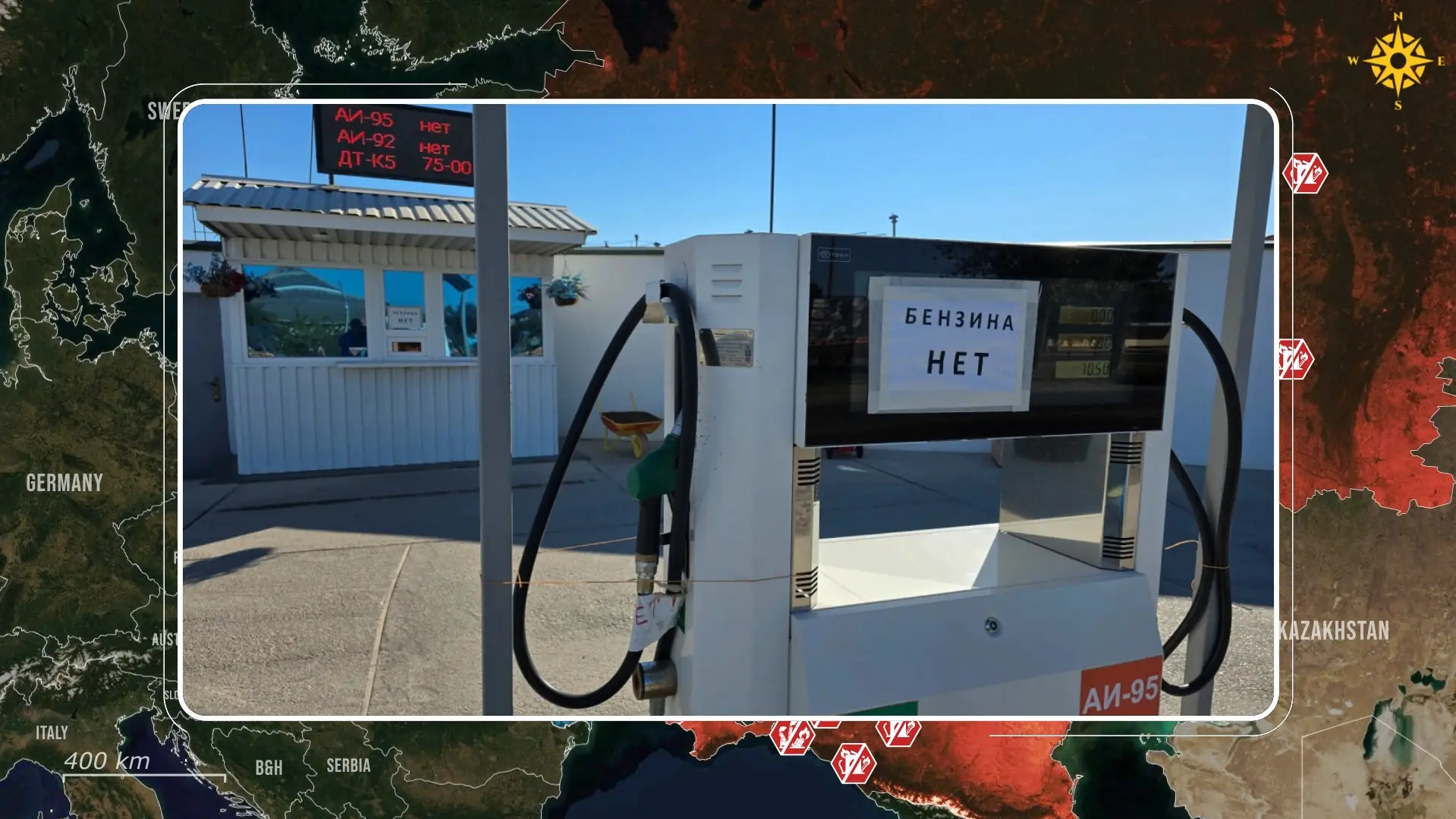
Overall, Ukraine's campaign has evolved into a systematic effort against every major element of Russia's fuel infrastructure. Pumping stations supplying crude oil have been struck repeatedly, while refineries responsible for processing fuel have been damaged or temporarily halted. Fuel depots intended to provide reserves are being targeted as well, as the result is becoming increasingly difficult to conceal. Long queues, fuel rationing, and transportation disruptions are now appearing in Moscow and St. Petersburg themselves. As Ukrainian strikes continue and more facilities come under pressure, the strain on Russia's fuel network is growing, bringing even greater problems for the country's leadership.

.jpg)

Comments