

.svg)
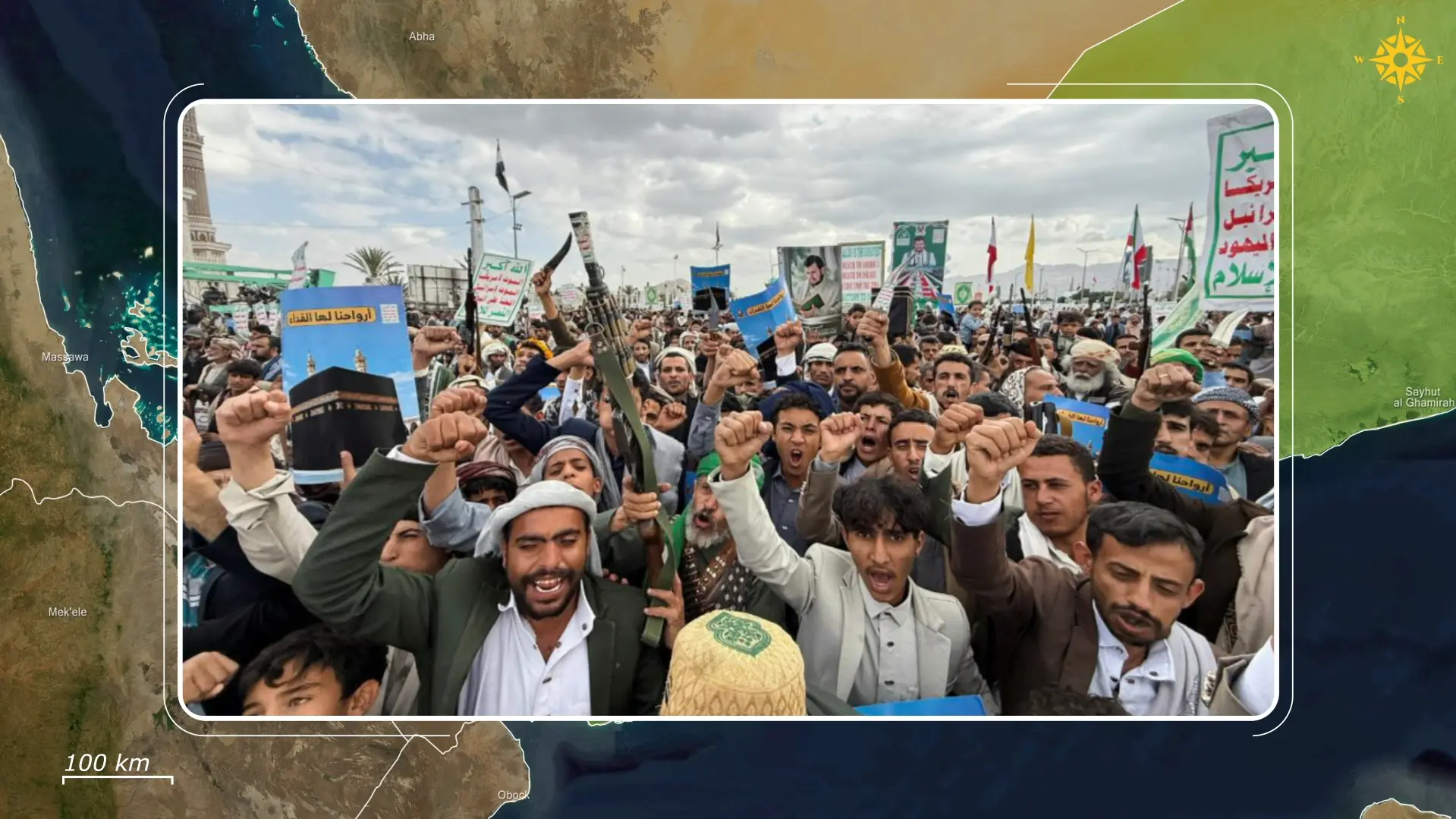
Today, there are important updates from the Middle East.
Here, after Ukrainian troops arrived to enhance the local air defense, reports show that they immediately increased the interception rate of Iranian drones substantially. The sky above four of the Gulf states started gradually closing, disrupting Iran’s operations and escalating its narrative against Ukraine.
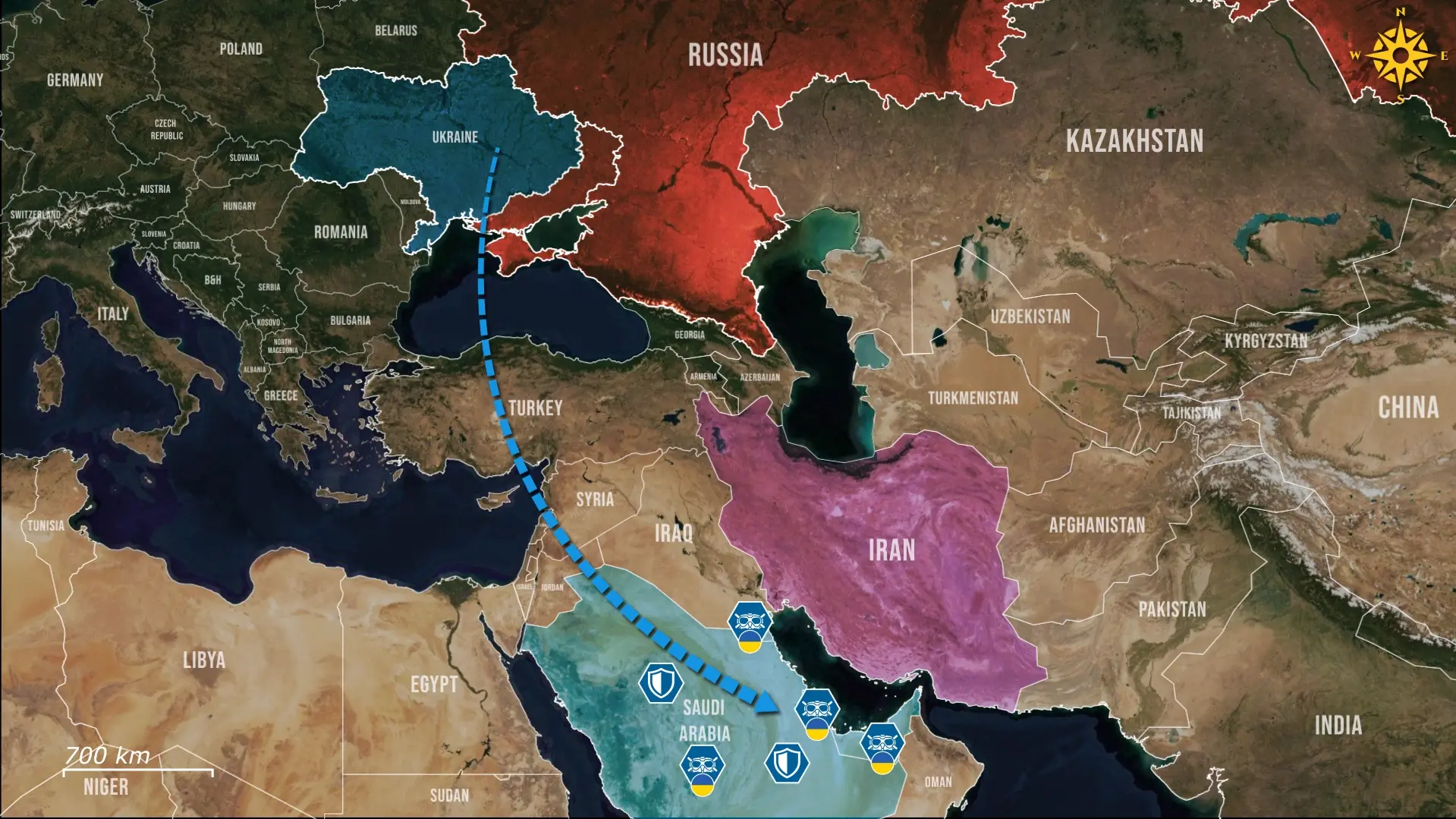
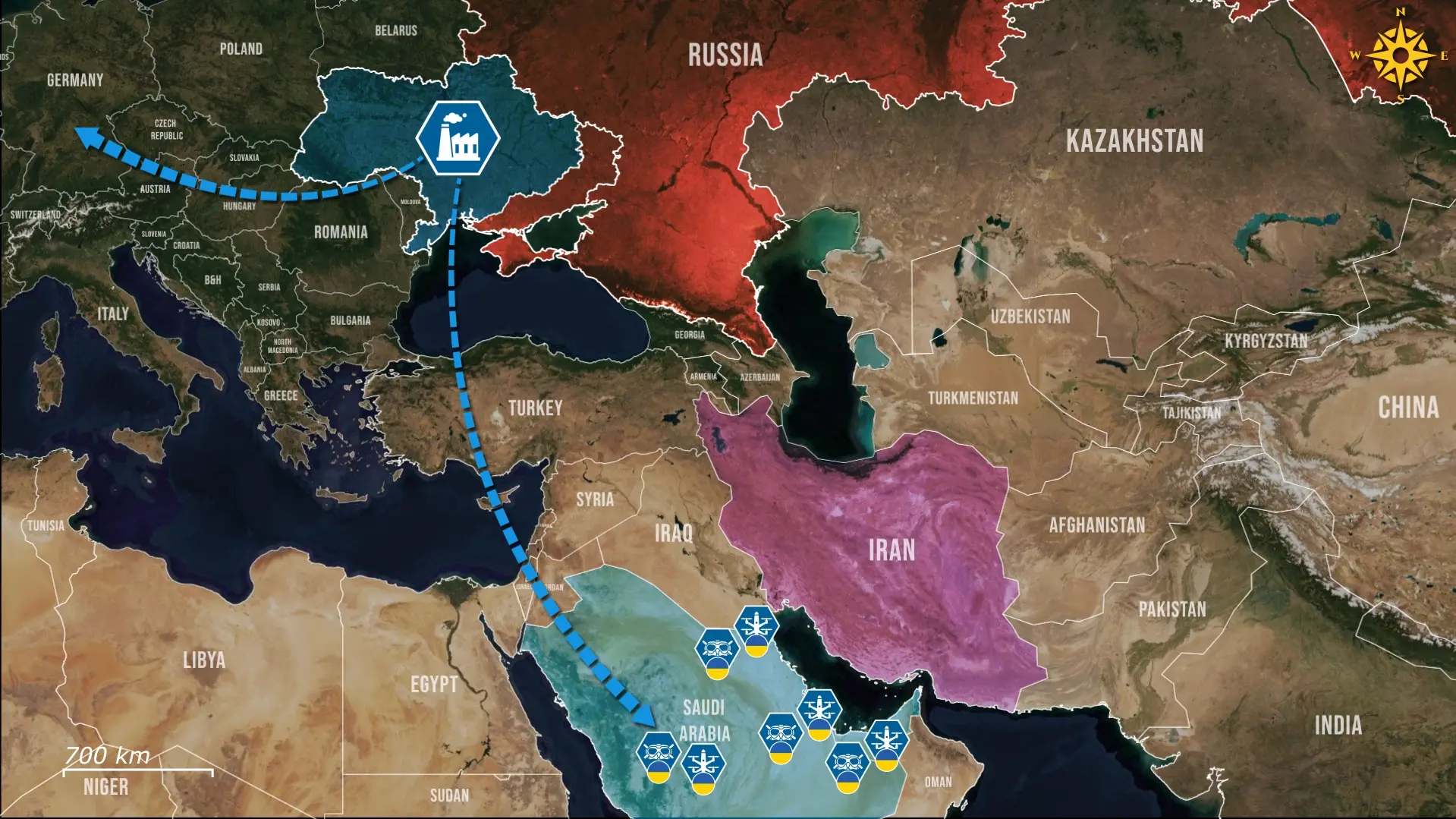
Recently, Ukraine has dispatched more than 200 specialists in counter-Shahed drone defense to the UAE, Qatar, Saudi Arabia, and Kuwait, and Ukrainian President Zelensky noted that they have already delivered concrete results by providing both expertise and operational support, successfully starting to intercept Shahed drones in the area, limiting Iran’s advantage in using cheap drones to overload local air defenses.
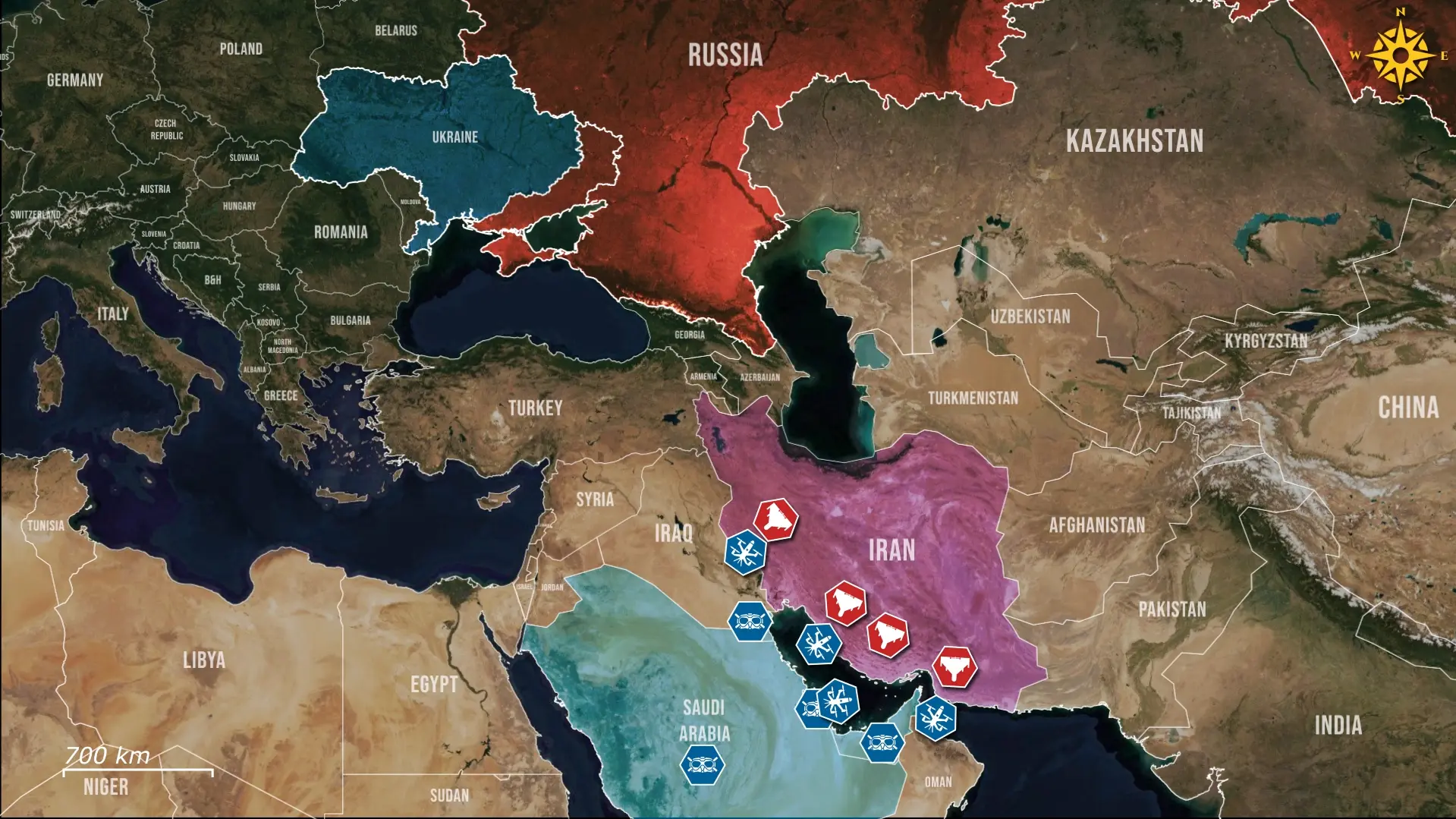
The United States Central Command has invited Ukrainian specialists to the Middle East to provide expertise, despite public remarks by Donald Trump suggesting assistance is not needed. They likely deployed to the Al Dhafra Air Base in the UAE, which hosts the American 380th Air Expeditionary Wing, which is responsible for high-altitude, all-weather intelligence, surveillance, airborne command and control, and aerial refueling, making it crucial for the campaign against Iran.
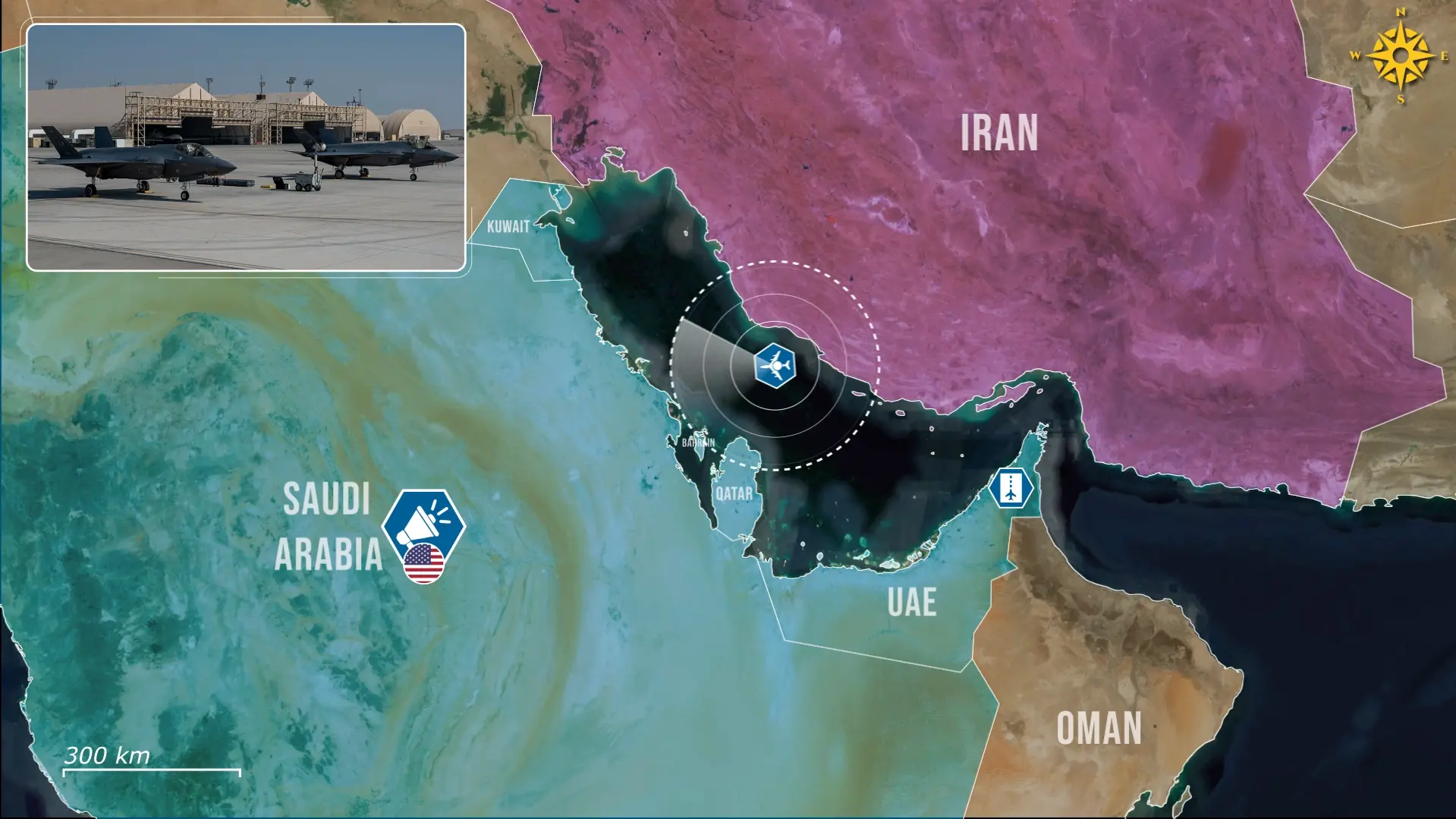
In Qatar, the Al Udeid Air Base serves as the largest US military installation in the Middle East, with around 10,000 personnel, hosting the forward headquarters of the Central Command. The base also functions as a critical hub for command, control, logistics, intelligence, and airpower projection, supporting assets including B-52 Stratofortress and B-1 Lancer bombers, as well as F-35, F-22, and F-16 fighter jets.
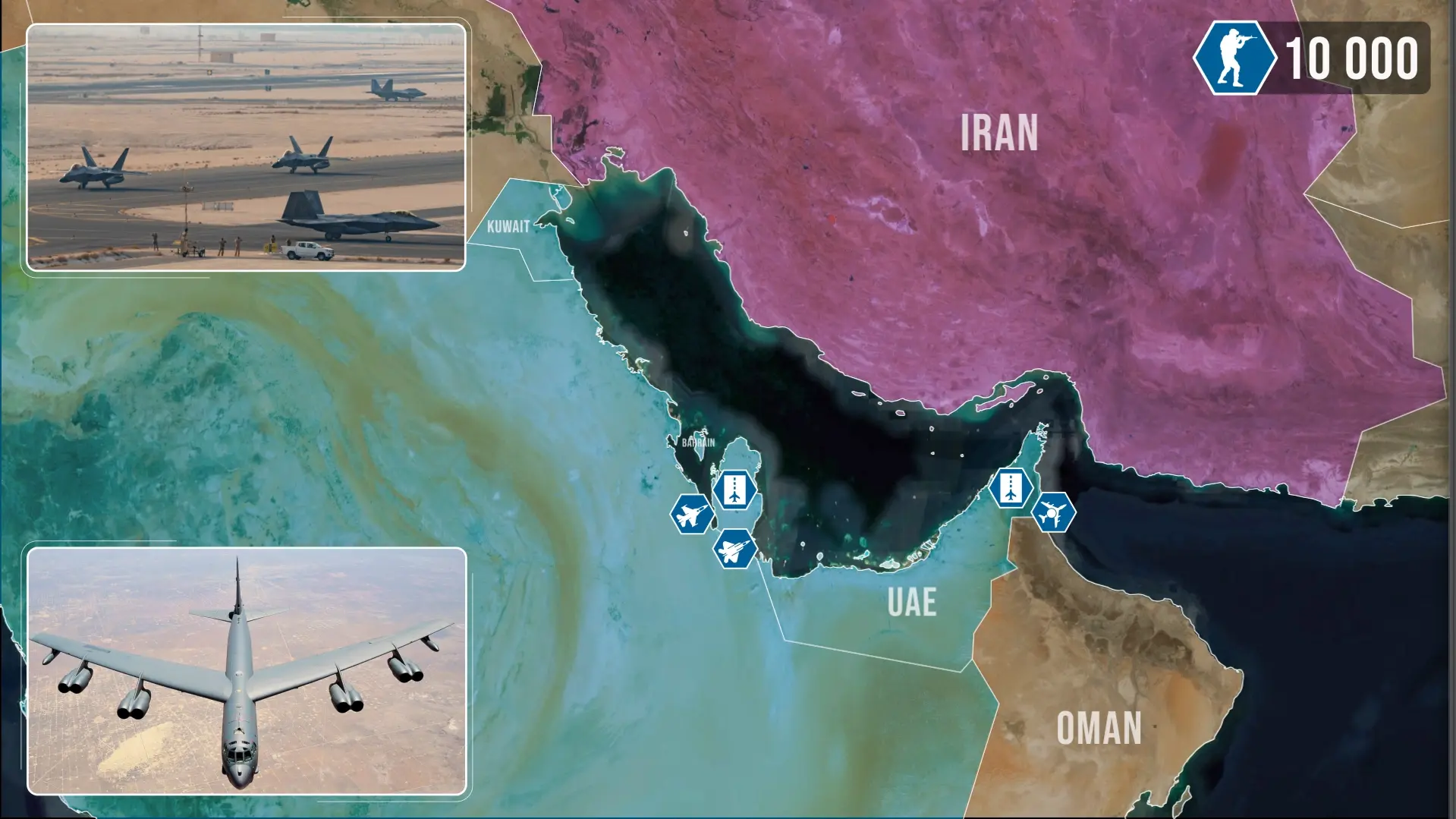
In Saudi Arabia, approximately 2,300 US troops are stationed at two air bases, primarily focused on air and missile defense and aircraft support. Kuwait hosts one of the largest US military presences in the region, with roughly 13,500 personnel stationed at Camp Arifjan, which serves as a key logistics, sustainment, command, and supply hub, while the Ali Al Salem Air Base functions primarily as an airlift center, operating C-130 and C-17 aircraft.
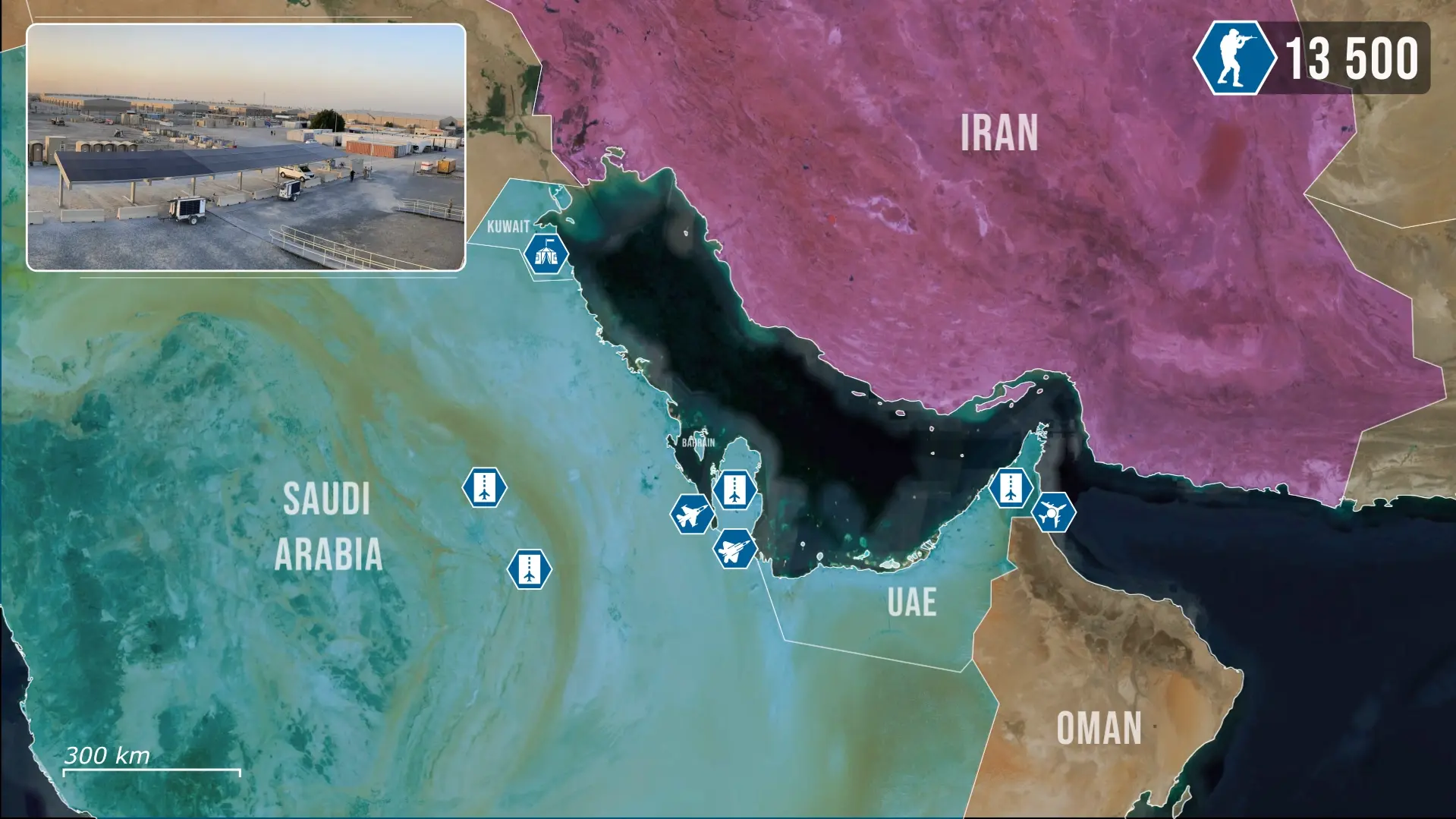
Despite their extensive capabilities, these bases have had limited dedicated defenses against Iranian drone threats, as their primary protection systems, such as Patriot and Thaad batteries, are optimized for intercepting missiles rather than smaller unmanned aerial systems, which made them vulnerable in the first days of the war and in need of the Ukrainian know-how.
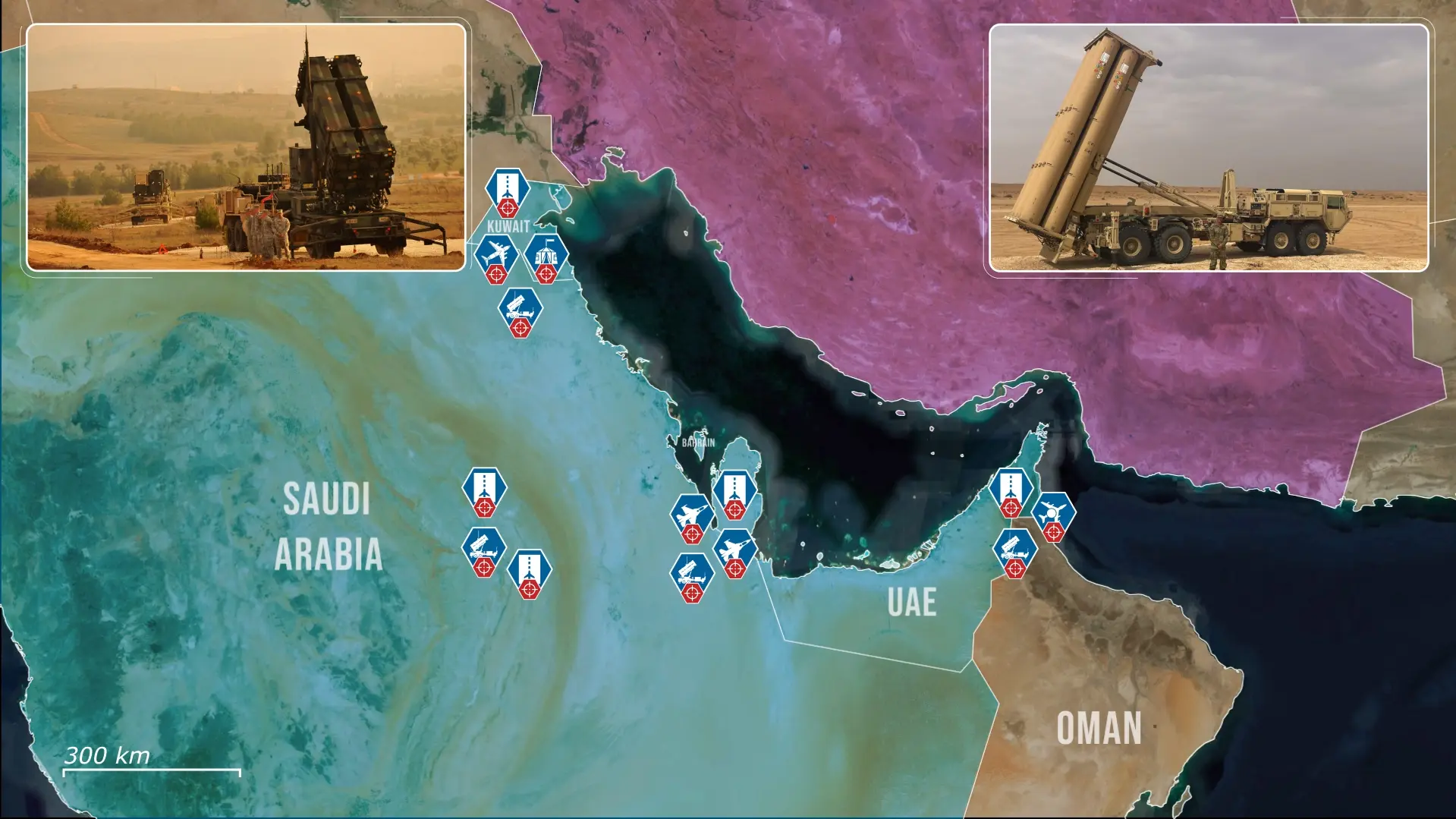
Once deployed, Ukrainian specialists were shocked by how air defense operations are conducted in many units. One incident in early March over Kuwait, where three F-15 aircraft were downed by friendly fire, was viewed by Ukrainian personnel as a case of clear negligence rather than an unavoidable wartime error. Analysts attribute this friendly fire in part to operational protocols in which air defense crews abandon their positions during incoming attacks, leaving systems like Patriot batteries in automatic mode.
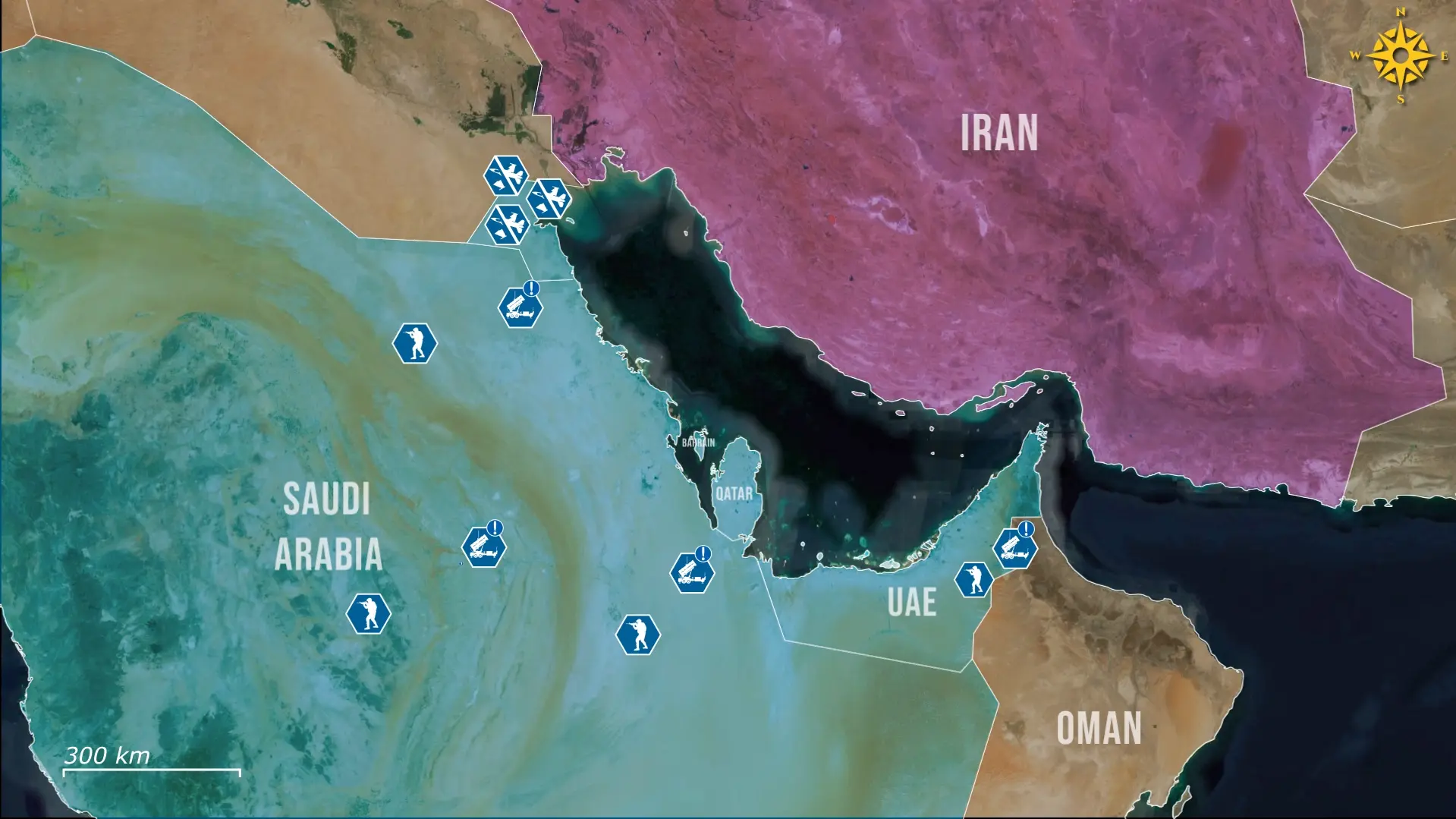
In contrast, Ukrainian operators remain at their posts even under extreme risk, enabling last-second interceptions that often make the difference between success and failure. Ukrainian forces have also emphasized more efficient use of interceptor resources. They note that Gulf and US units have at times used Patriot, which costs a minimum of 3 million dollars, or even SM-6 interceptors deployed from warships, which cost 6 million dollars, against drones. These Shaheds cost up to 50,000 dollars, which makes this approach unsustainable given the cost disparities and the fact that only 850 Patriot missiles are being produced yearly.
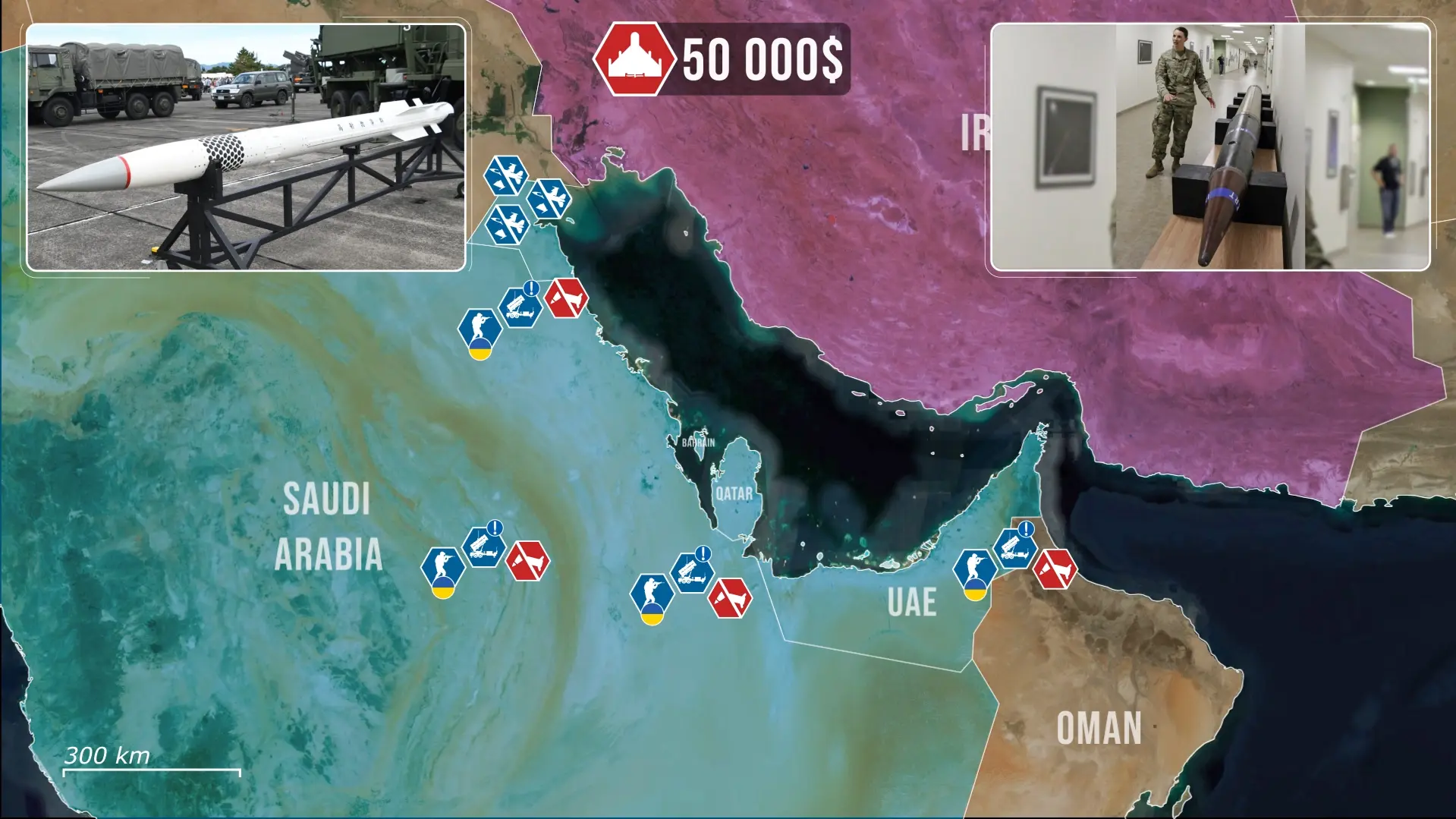
In one reported case, eight Patriot missiles were used against a single target, while Ukraine typically limits Patriot launches to one or two missiles per incoming ballistic target. By comparison, Ukraine has increasingly relied on low-cost interceptor drones, costing up to 2,000 dollars, produced in large numbers, to counter such threats more economically.
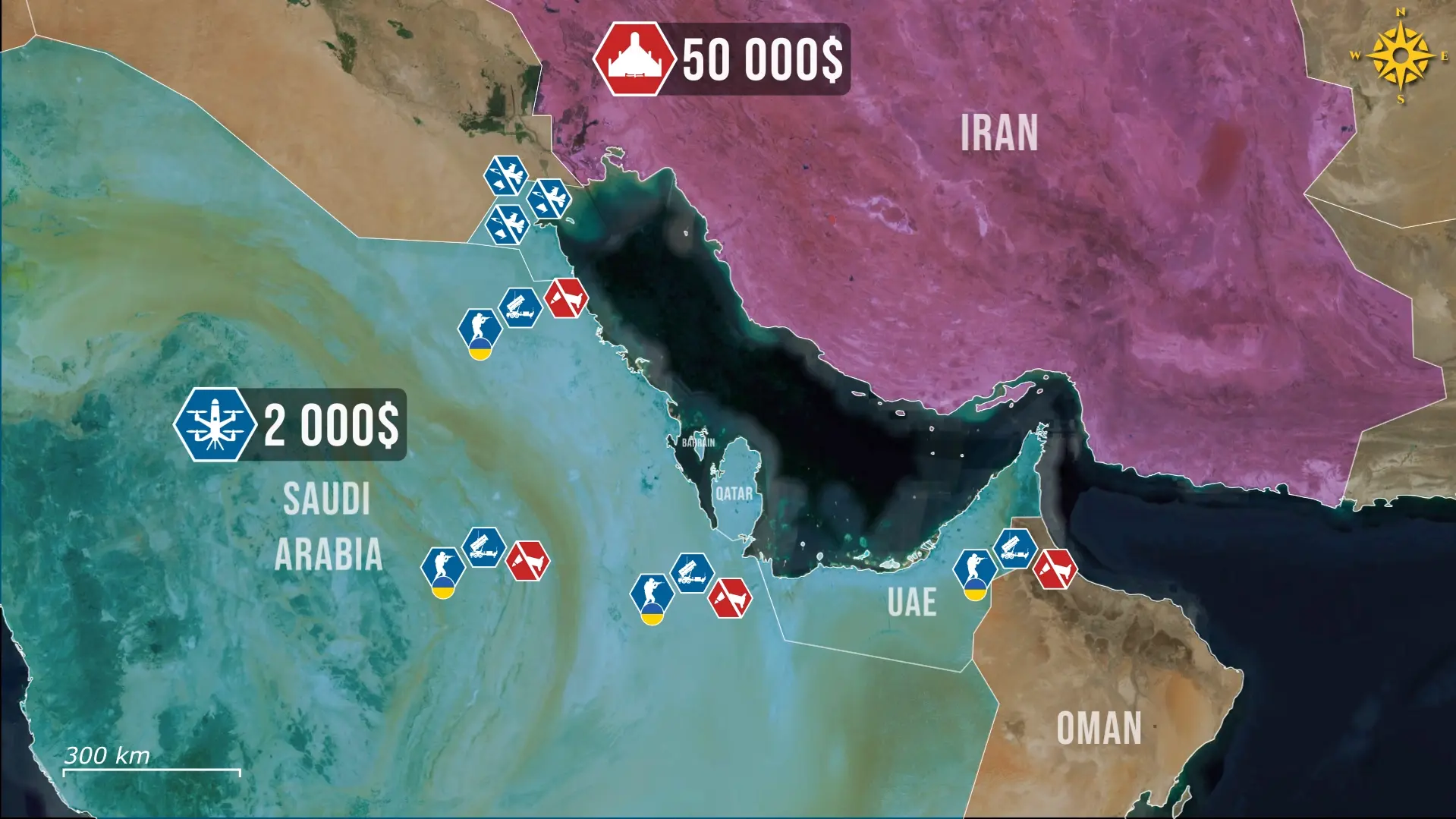
Additionally, Ukrainian advisers highlighted other air defense vulnerabilities, with fixed radar systems, often left in the same positions for extended periods without proper camouflage, have proven easy targets for the Iranians. A notable example involved a Thaad radar, which was struck after remaining stationary for weeks despite being clearly visible in satellite imagery.
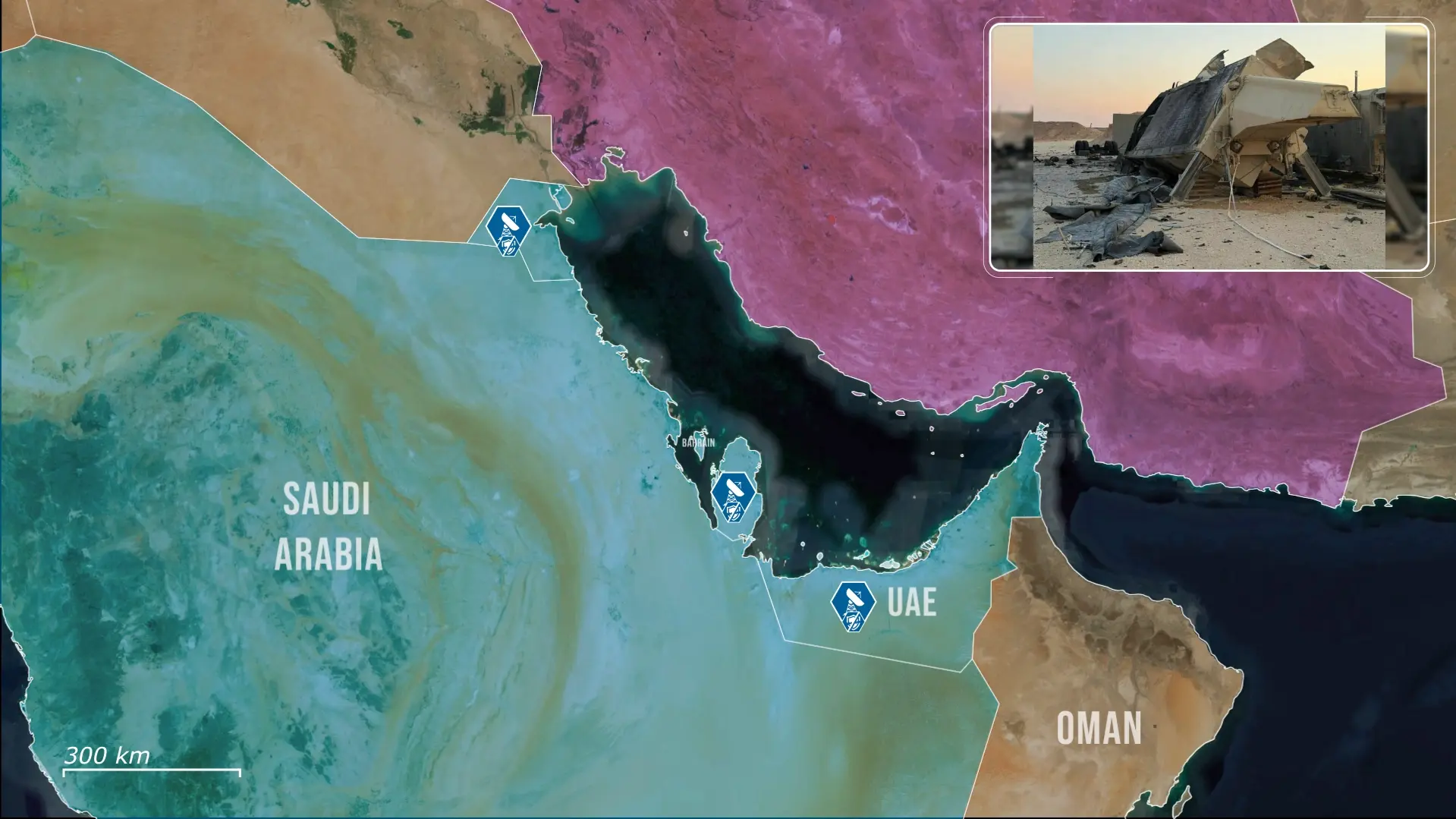
Ukrainians, on the other hand, rely on constant repositioning, concealment, and active protection of high-value assets like radars and launchers. Drawing on their own wartime experience, Ukraine has developed a highly adaptive and layered air defense model that integrates Soviet and Western-made systems, electronic warfare, aviation assets, mobile fire teams, and interceptor drones. This approach emphasizes flexibility, cost-efficiency, and human oversight in critical moments, including disciplined use of high-end interceptors.
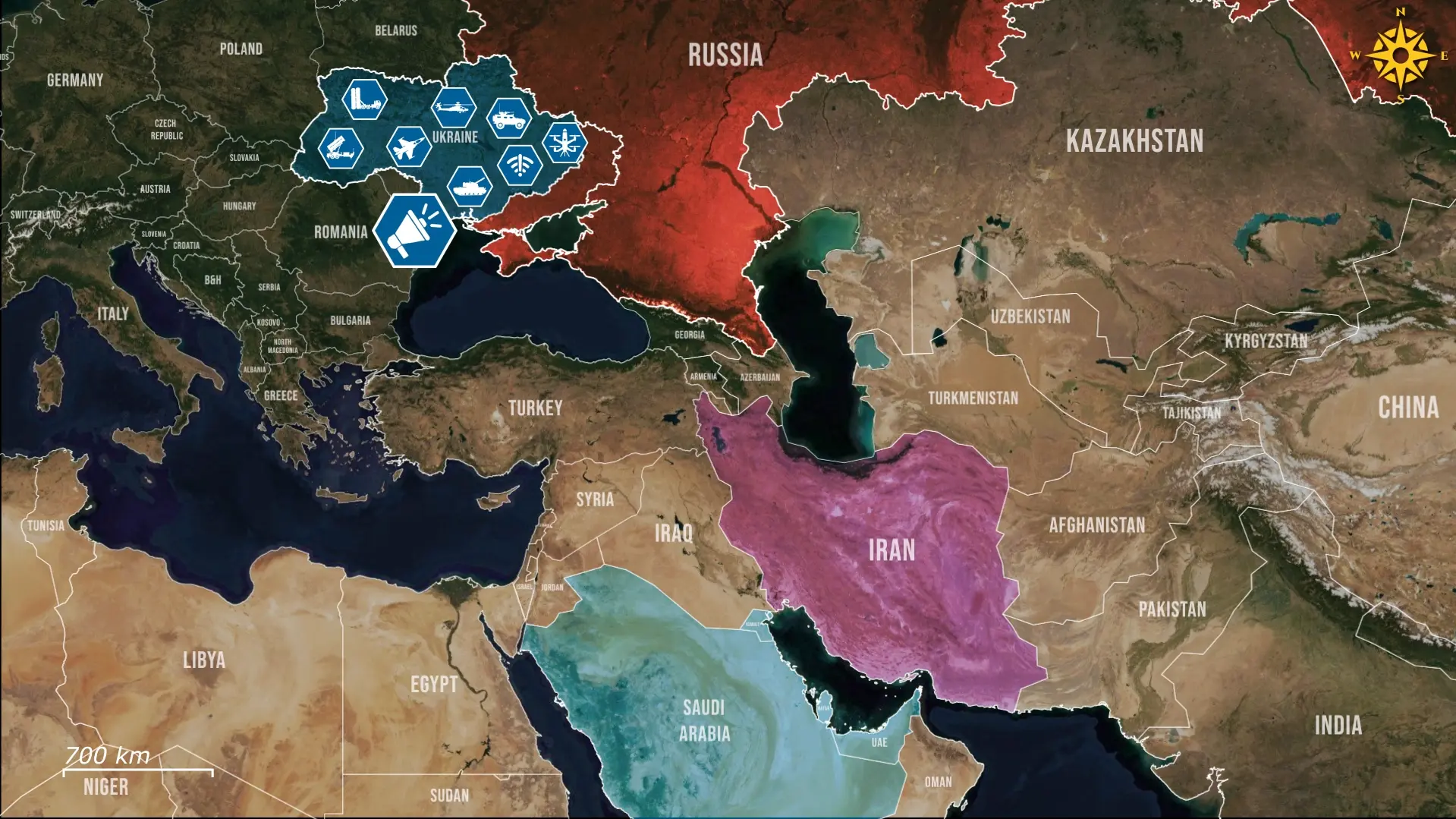
Overall, these instances show how critical Ukrainian expertise is even for countries with significantly more resources. These shortcomings in drone defense can be solved by Ukrainian specialists, who are now actively defending Middle Eastern countries. Because of Ukraine’s cutting-edge technology and high-tech defense industrial base, Ukraine is becoming an important player on the world stage, which it can leverage to gain more support.

.jpg)

Comments