

.svg)
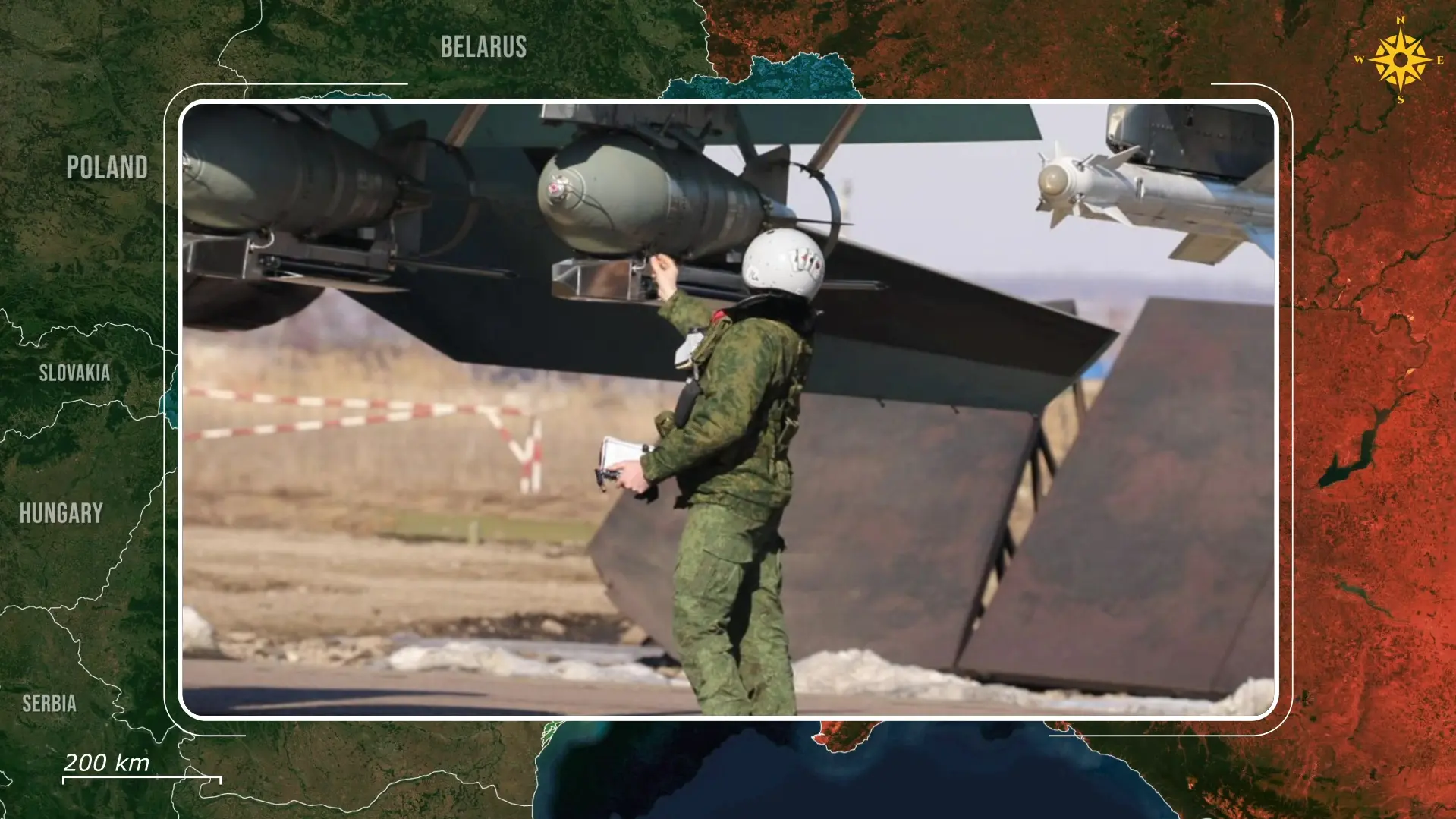
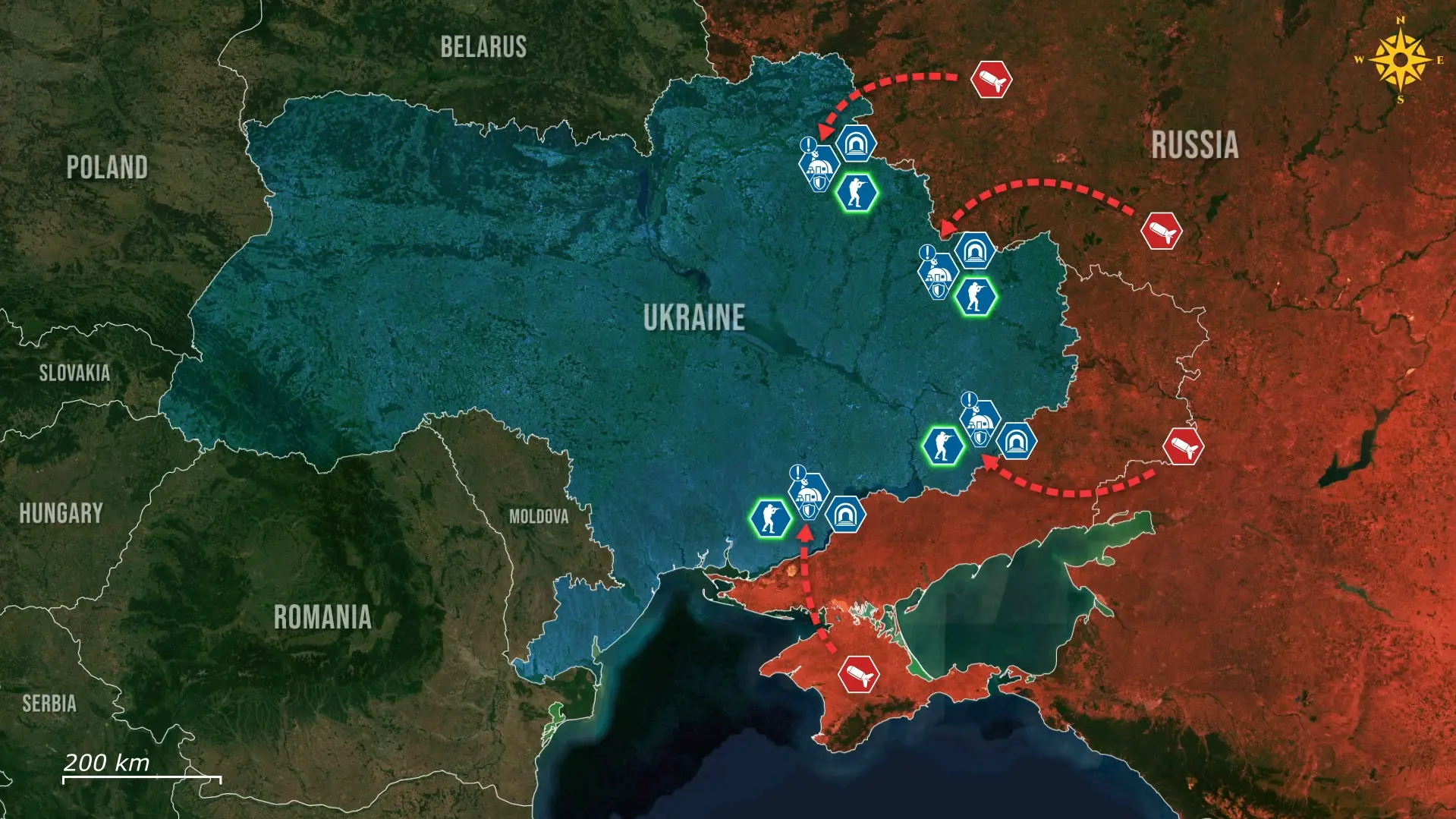
Russian forces have increasingly relied on KAB’s, or guided aerial bombs, to deliver large quantities of explosive power against Ukrainian defensive positions. Many are based on Soviet era FAB blind glide bombs fitted with guidance and glide kits, turning relatively simple gravity bombs into stand-off weapons. The main advantage is that Russian aircraft can release them from considerable distances, reducing the need to enter the most dangerous part of Ukrainian airspace.
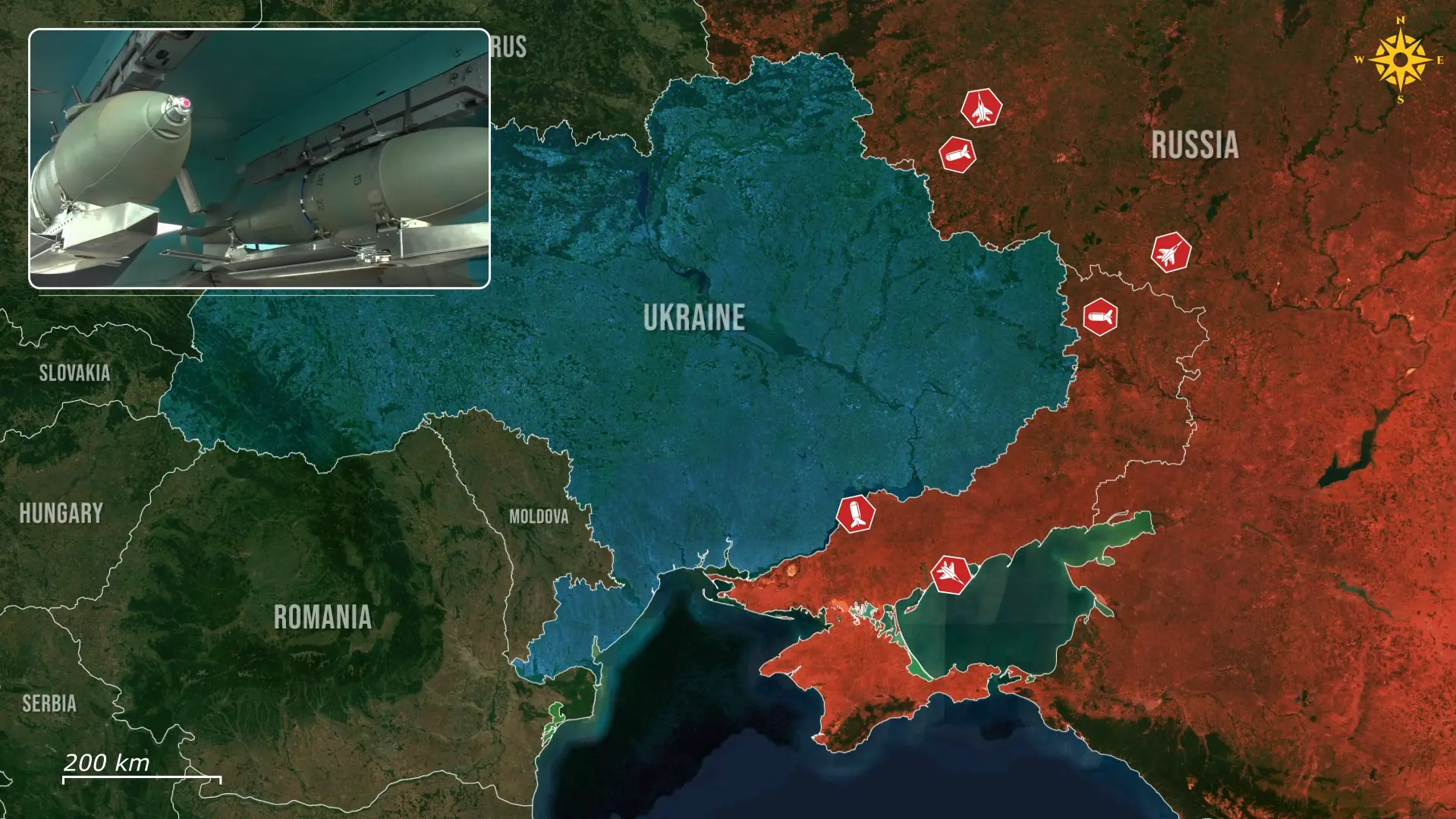
This makes KAB’s particularly useful against fortified positions and other targets that are difficult to destroy with smaller weapons. Their growing use is also enabled by Russia’s ability to produce and modify large numbers of bombs at comparatively low cost. Reports indicate that Russian glide bomb employment reached record levels of almost eight thousand glide bombs used in March two-thousand-twenty-six, demonstrating that KAB’s have become a central component of Russia’s method for applying sustained pressure to Ukrainian defensive lines.
Despite FPV’s effective use against personnel and vehicles, they cannot fully replace KAB’s for attacking hardened defensive lines. Their main limitation is the relatively small explosive payload they can carry compared to a guided bomb. An FPV can destroy a specific target, but it is much less suited to collapsing fortified positions, underground entrances or extensive trench systems. FPV’s are also constrained by their limited range and dependence on a stable control link.
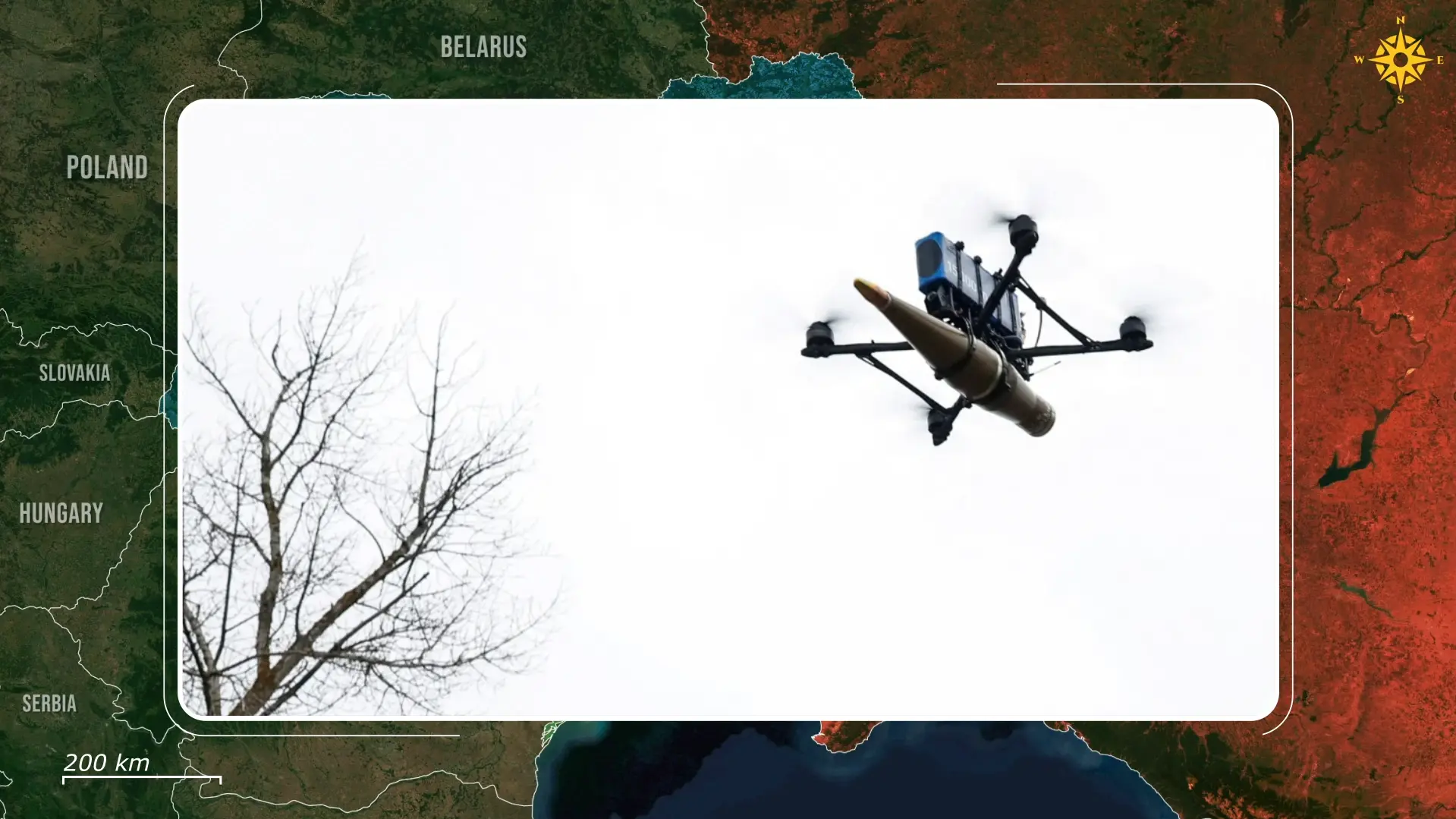
KAB’s offer a fundamentally different capability, as they allow Russia to deliver a much larger warhead from stand-off distances. The two systems therefore complement each other, rather than FPV’s providing a complete substitute for aerial bombardment.
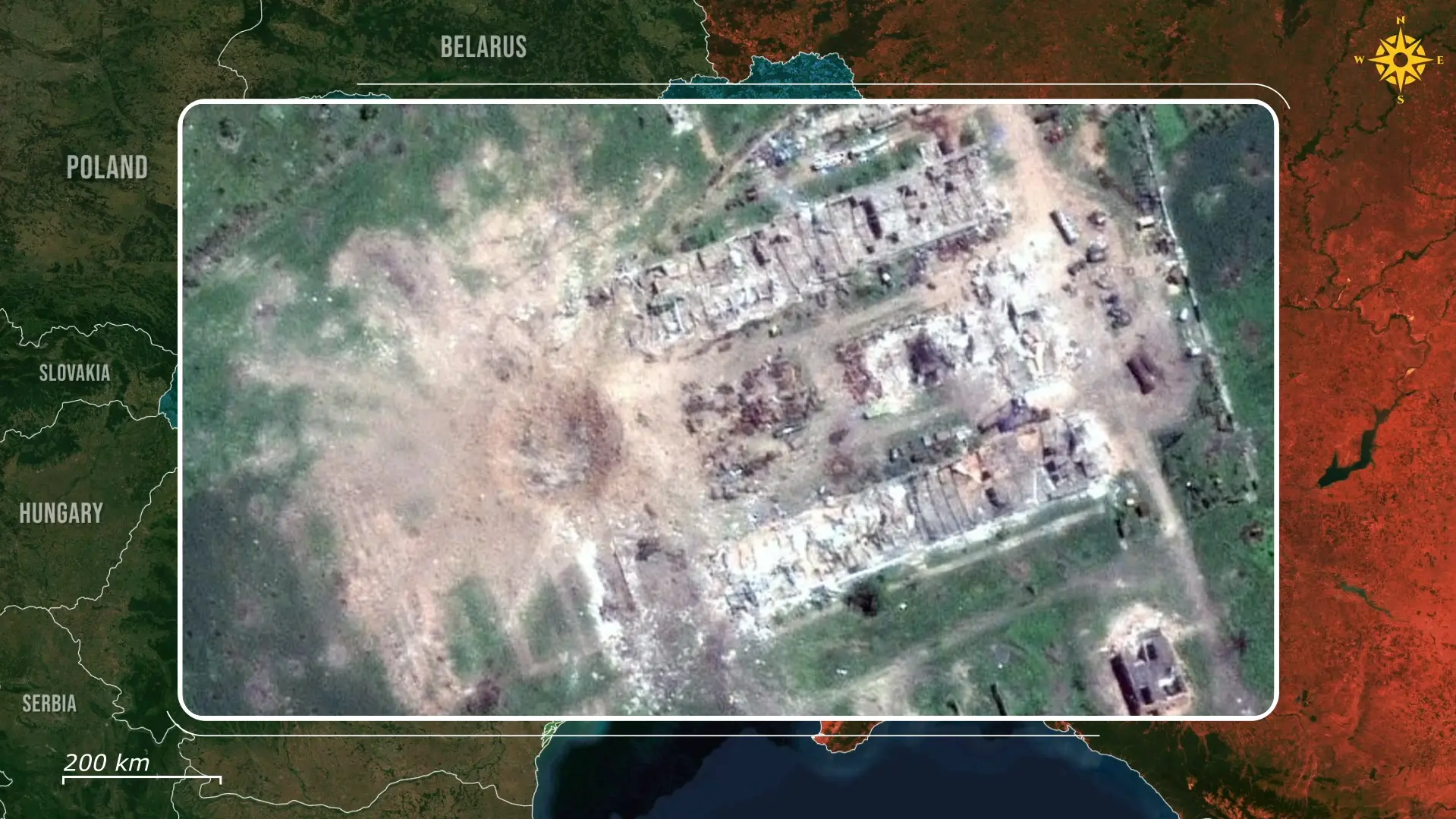
Ukraine cannot realistically stop every KAB, so its most important counter is to make the target harder to destroy in the first place. KAB’s are highly destructive against exposed trenches, bunkers and buildings, but their guidance is not precise enough to guarantee a direct hit on every individual position. Ukrainian assessments estimate the accuracy at roughly ten to fifteen meters in normal conditions, with electronic warfare able to increase the error.
This creates an important distinction between destroying a defensive area and destroying the force occupying it. A near miss can devastate a shallow field position, while a sufficiently deep shelter can leave its occupants alive, even if they suffer severe concussion. A direct hit remains potentially catastrophic, meaning underground protection is not invulnerability. Its value is instead that it reduces the probability that a single bomb will eliminate the personnel and functions inside. Command posts, personnel and movement routes can therefore be moved below ground, allowing the defensive line to absorb bombardment without losing its ability to continue fighting.
In fields and tree lines, this adaptation produces a layered defensive system in which the surface position becomes increasingly temporary. Trenches and firing positions remain necessary for observation and combat, but personnel can spend more time in dugouts or underground passages and emerge when required. Tree lines provide concealment for entrances and movement, although they cannot protect positions from repeated aerial observation and bombardment.

The key advantage is therefore not concealment alone, but reducing exposure to the blast itself. In urban areas, the same principle can be taken further because basements and existing underground structures provide greater depth and stronger physical protection. Buildings also allow defensive activity to be dispersed vertically rather than concentrated at ground level. This is particularly important against KAB’s because Russia can destroy entire buildings without necessarily eliminating forces sheltering beneath them. The battlefield consequently becomes layered, with Russia being able to dominate the surface with firepower while Ukraine attempts to preserve its combat power below it.
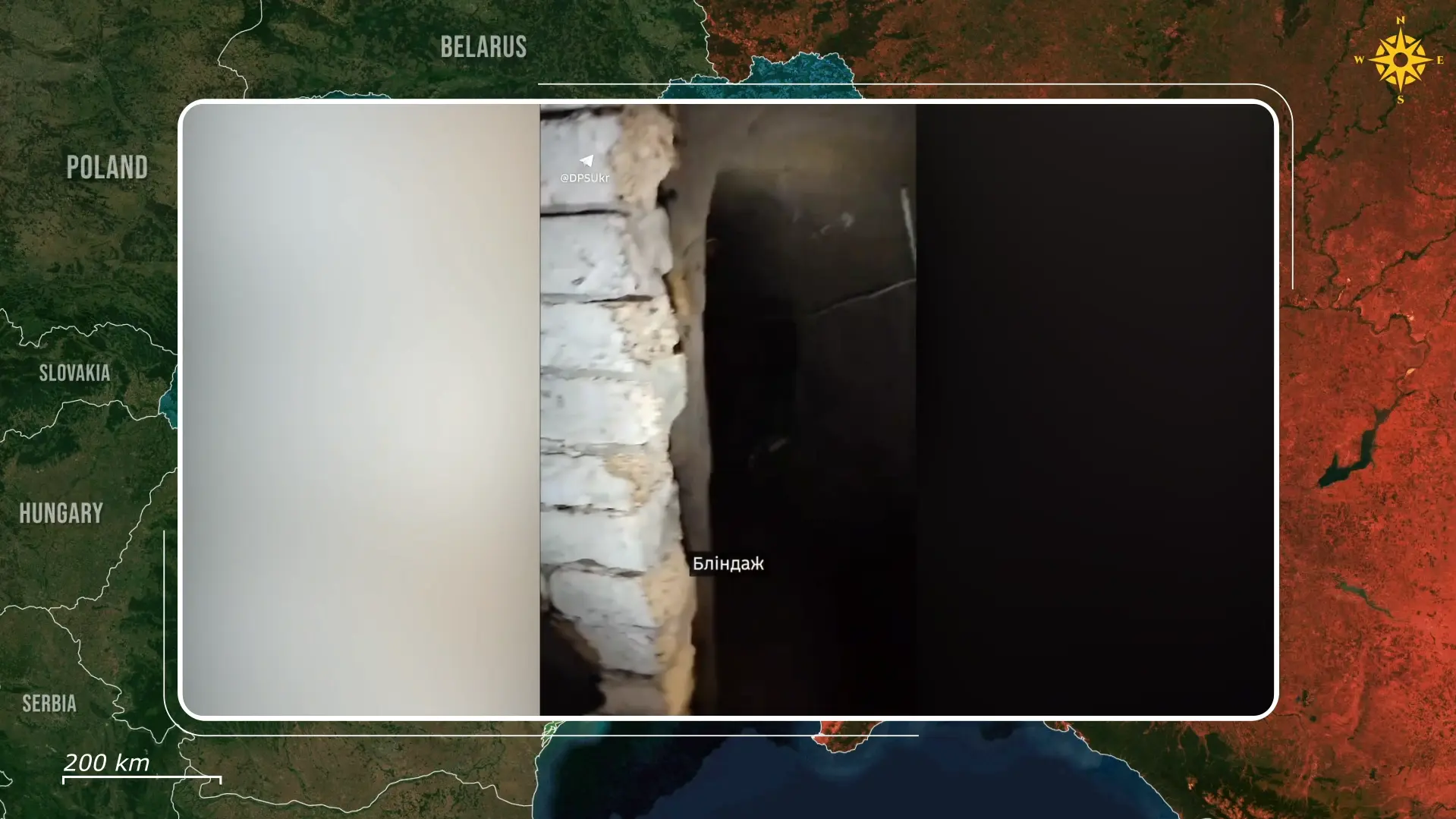
Overall, KAB’s have become effective not because they guarantee precision destruction of every target, but because their combination of large warheads, stand-off delivery and mass employment allows Russia to repeatedly damage exposed defensive infrastructure. Ukraine’s answer is therefore not to make the defensive line impervious, but to reduce the relationship between bombardment and personnel losses by moving critical functions underground. This changes the purpose of Russian air strikes, as destroying the surface becomes easier, while converting that destruction into the complete neutralization of Ukrainian forces becomes harder. The resulting contest is therefore one of adaptation, in which Russia seeks to increase the destructive scale and frequency of KAB strikes while Ukraine seeks to place more of its combat power beyond the bombs’ most effective reach.

.jpg)



Comments