

.svg)
Today, there is important news from the Russian Federation.
Here, the situation in southern Russia has turned into a humanitarian disaster, as severe flooding in Dagestan has exposed deep structural failures and Russia’s failure to take care of its citizens. This triggered an unexpected international response with the citizens of Africa’s poorest countries offering their support to the abandoned Russian citizens.
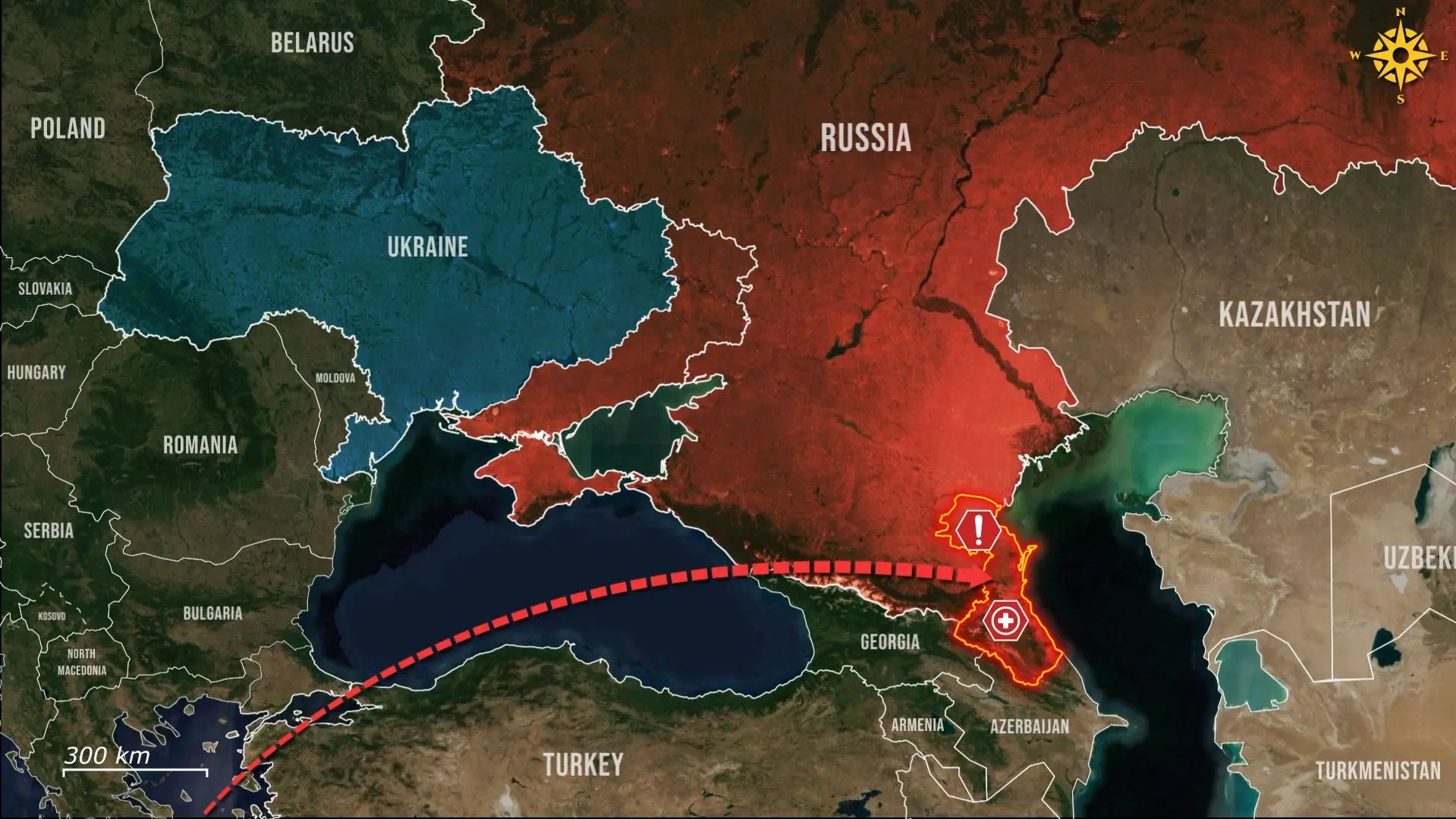
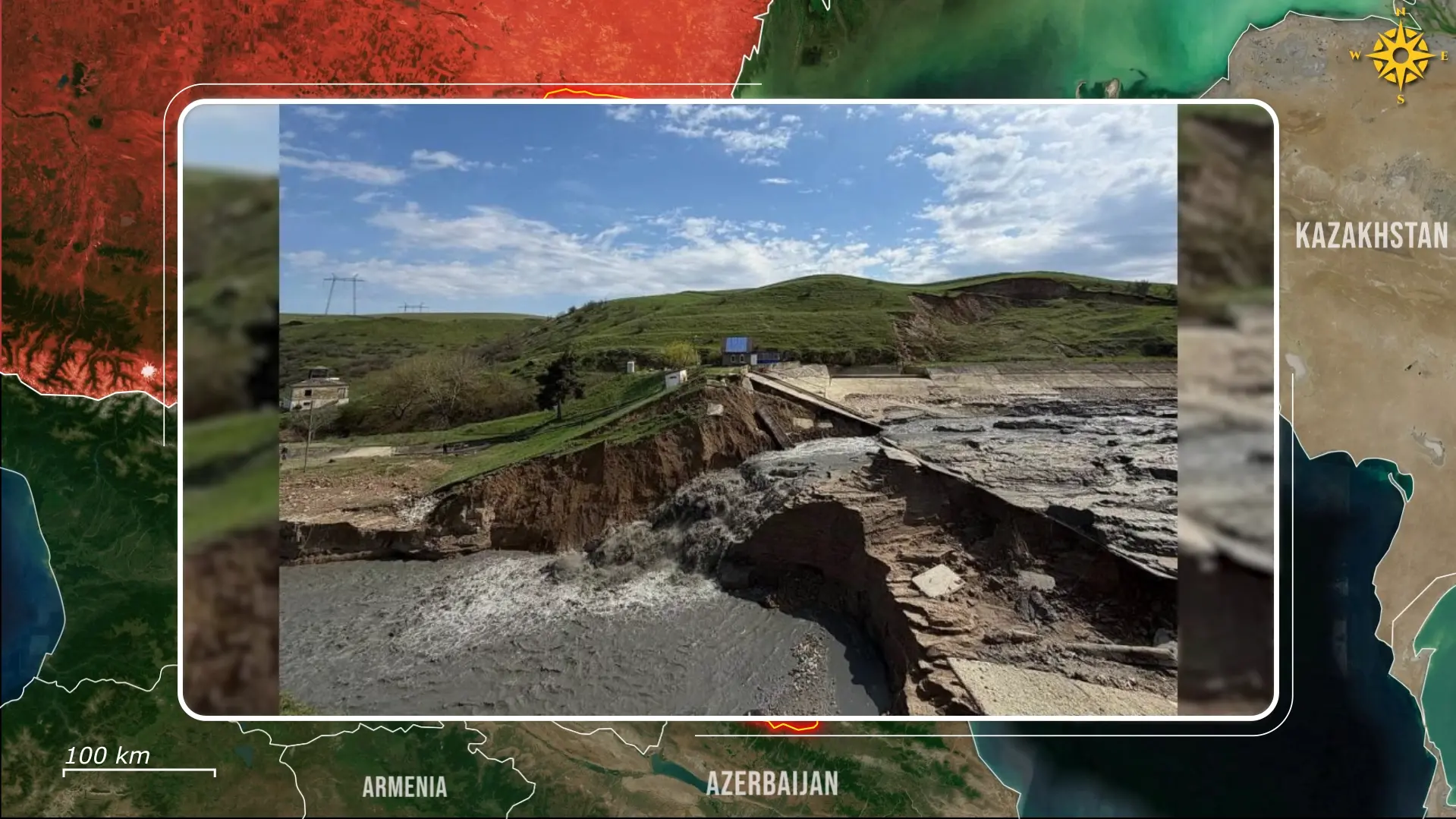
Recently, torrential rains and landslides devastated the region of Dagestan, leaving at least six people dead and forcing thousands from their homes. Entire neighborhoods were submerged, with over one thousand three hundred residential buildings and more than one thousand six hundred household plots flooded across multiple municipalities. Roads, power stations, and transport links were knocked out, while hundreds of residents were evacuated to temporary shelters.
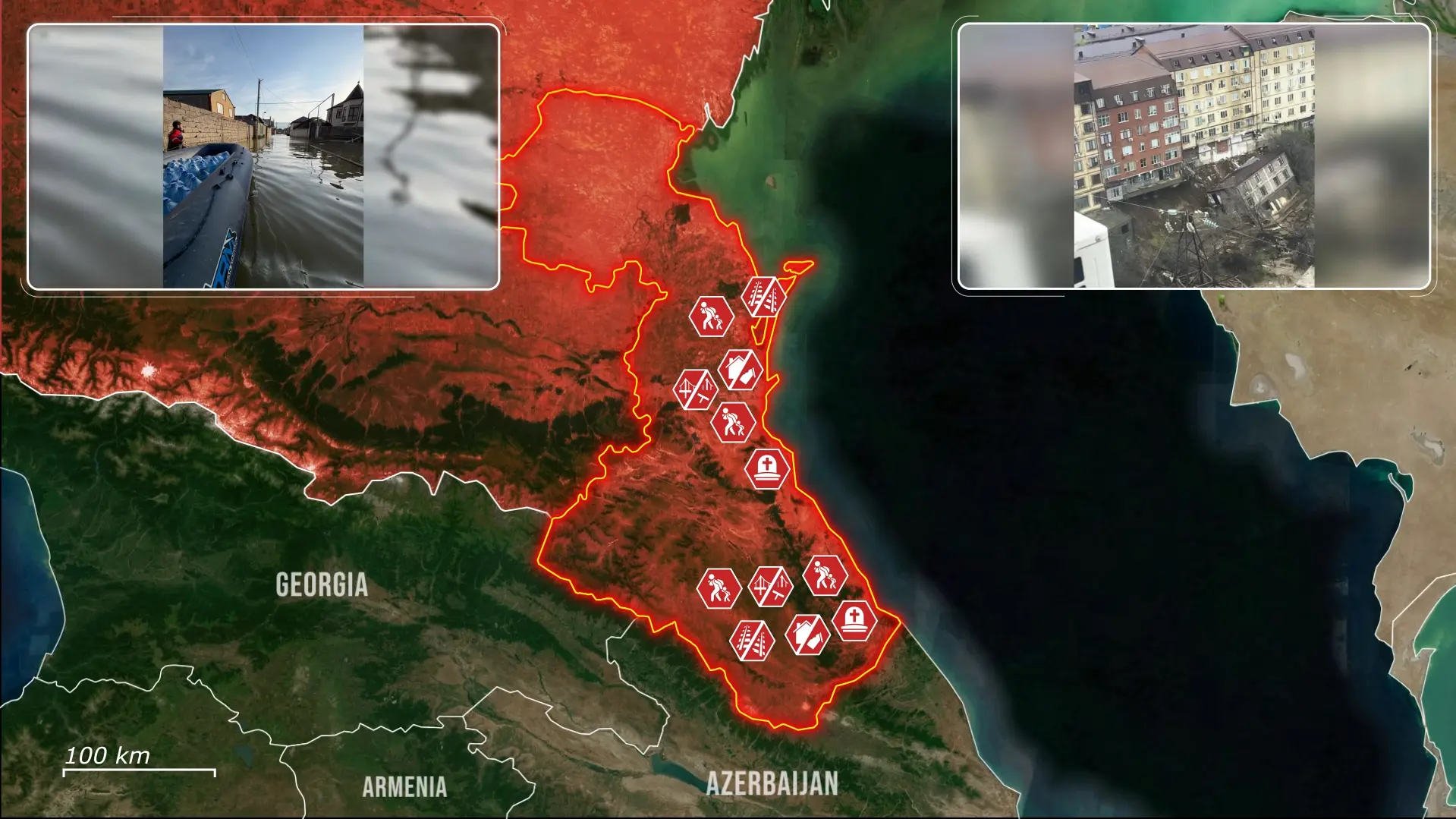
Yet what makes this disaster particularly striking is how it has been amplified by years of neglect. Regional authorities openly admitted that reckless construction in riverbeds worsened the situation, with buildings blocking natural water flow and redirecting floodwater into residential areas. At the same time, outdated Soviet-era infrastructure in the form of drainage systems, dams, and canals proved completely incapable of handling annual weather extremes.
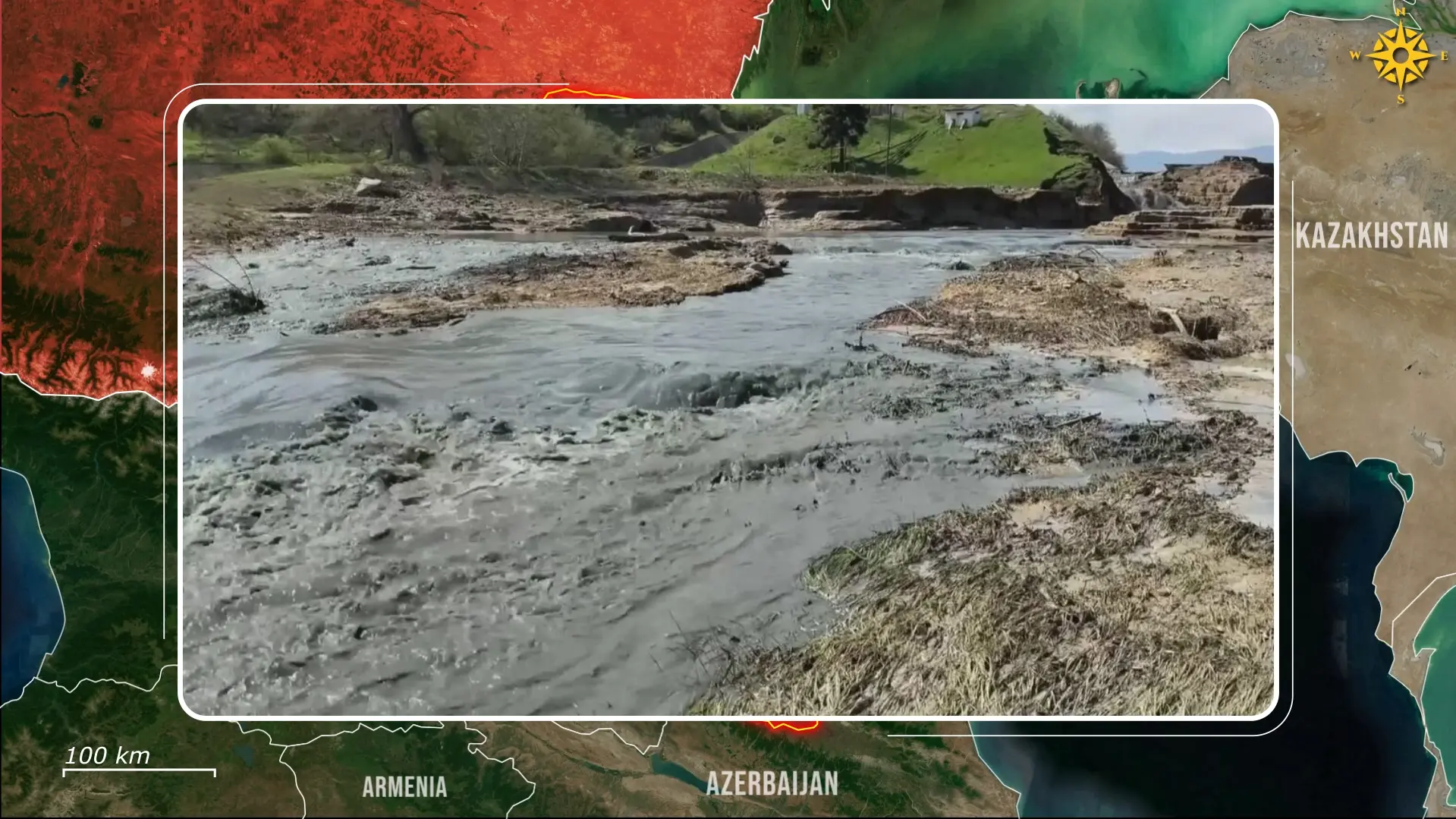
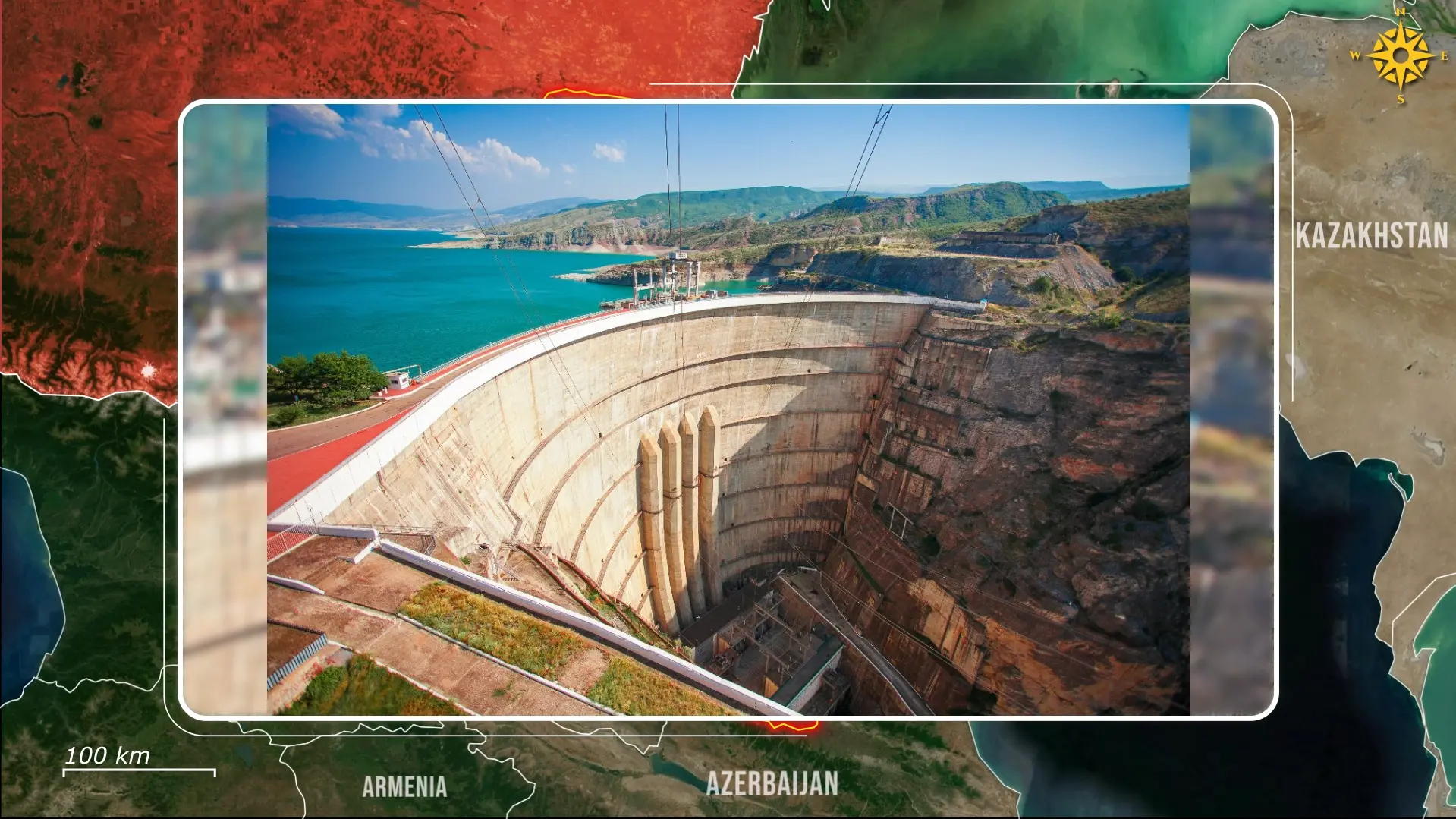
The result was predictable: reservoirs burst, water systems failed, and entire settlements were being washed away. Residents were even warned not to drink tap water after contamination led to hospitalizations, further underlining the breakdown of basic services and needs of the Russian people.
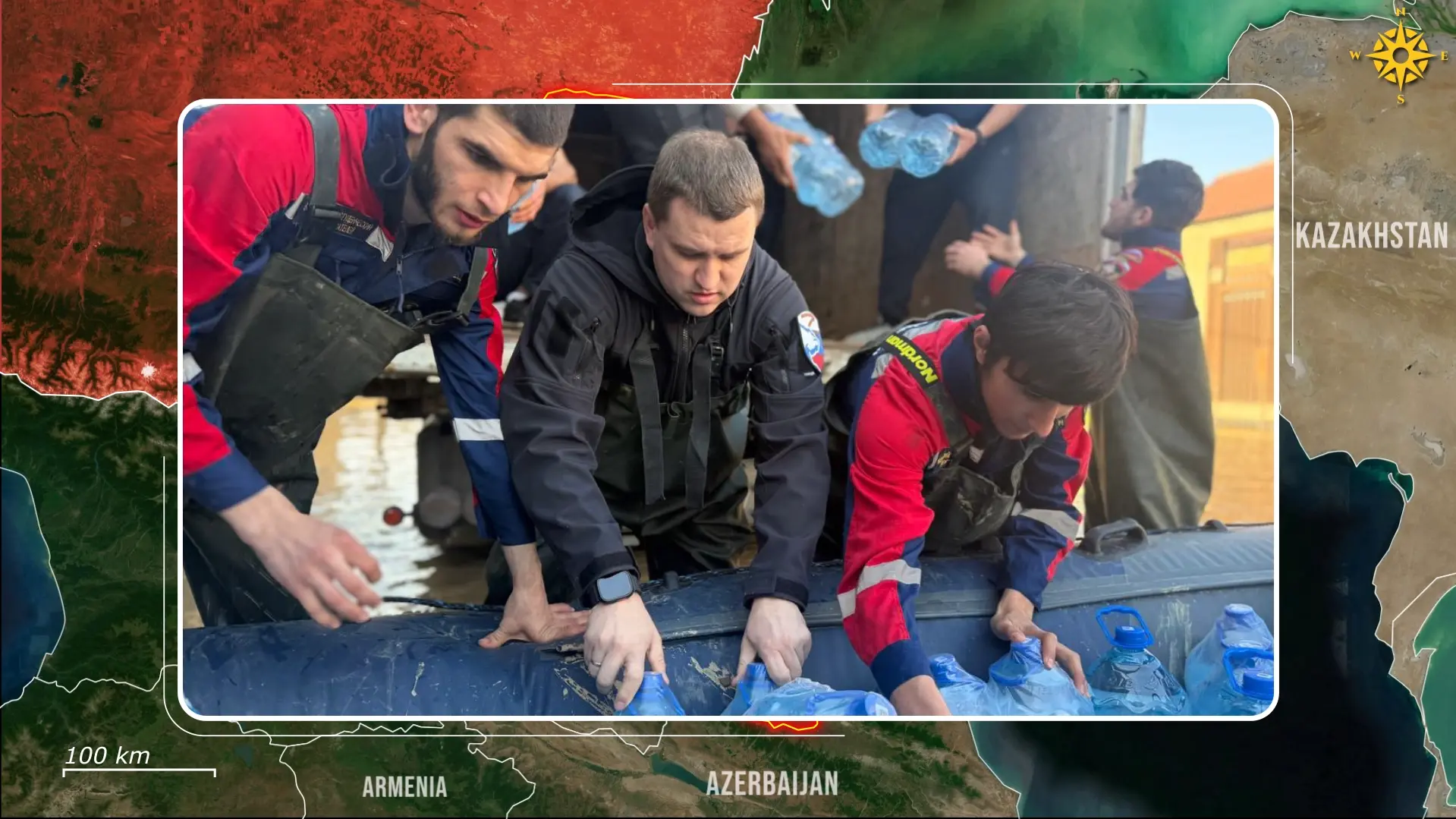
Outside of neglected infrastructure, failures in the Russian state’s response point to the deeper issue of the limited commitment to peripheral and rural regions like Dagestan. Emergency responses have been slow in the critical first hours, so many residents were forced to self-evacuate, which contributed to even more chaos due to insufficient or lacking evacuation planning.
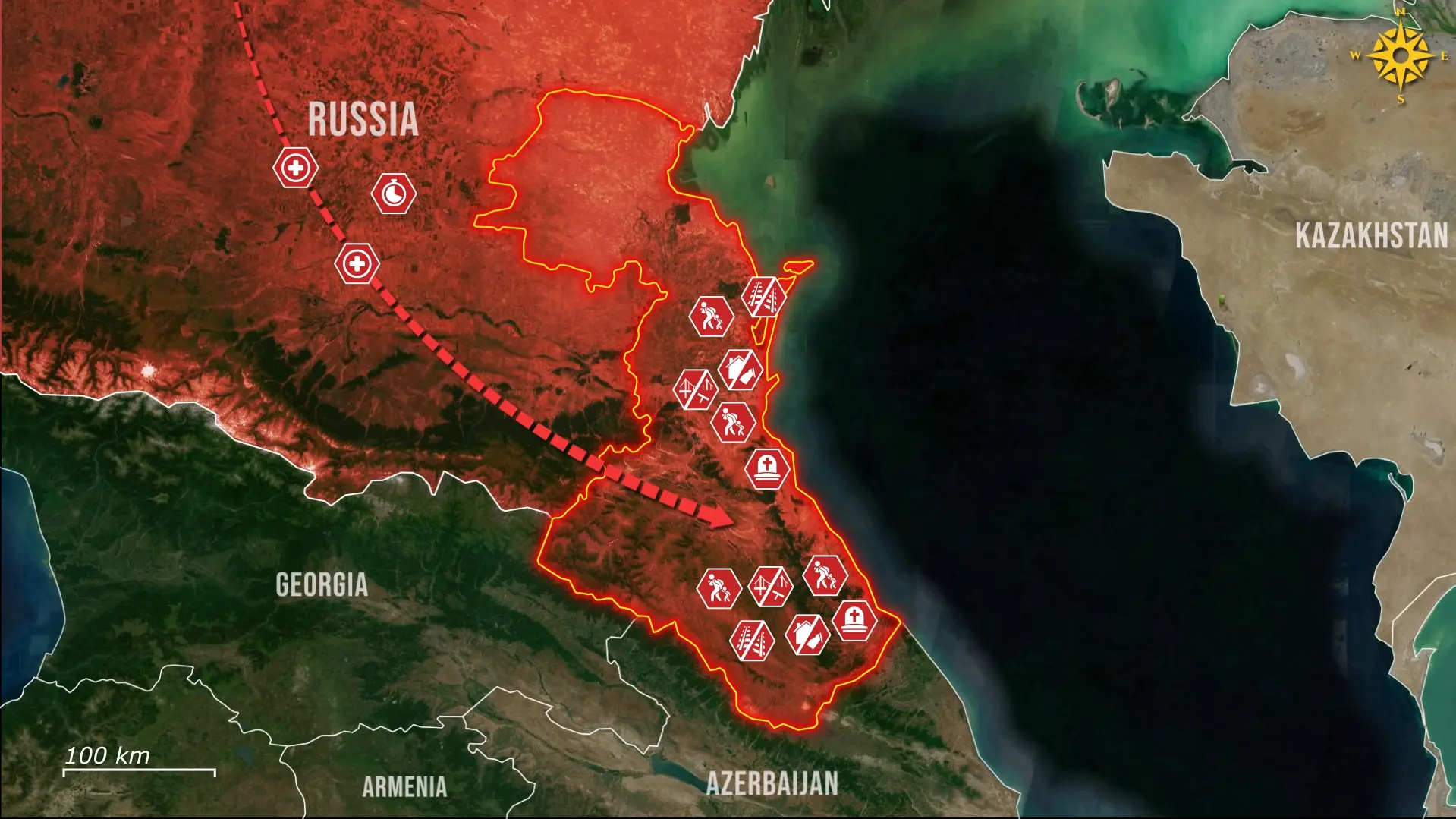
At the same time, those who were rescued rely on volunteers and charities, while long-term recovery programs and state-supplied aid remain uncertain, with power and water supply disruptions lasting for days. Together, these factors turn what could have been manageable into a recurring humanitarian crisis, and even though there will be charity during any natural disaster, people in Dagestan are gathering funds even for food, water, and medical supplies that should have been provided by the government.
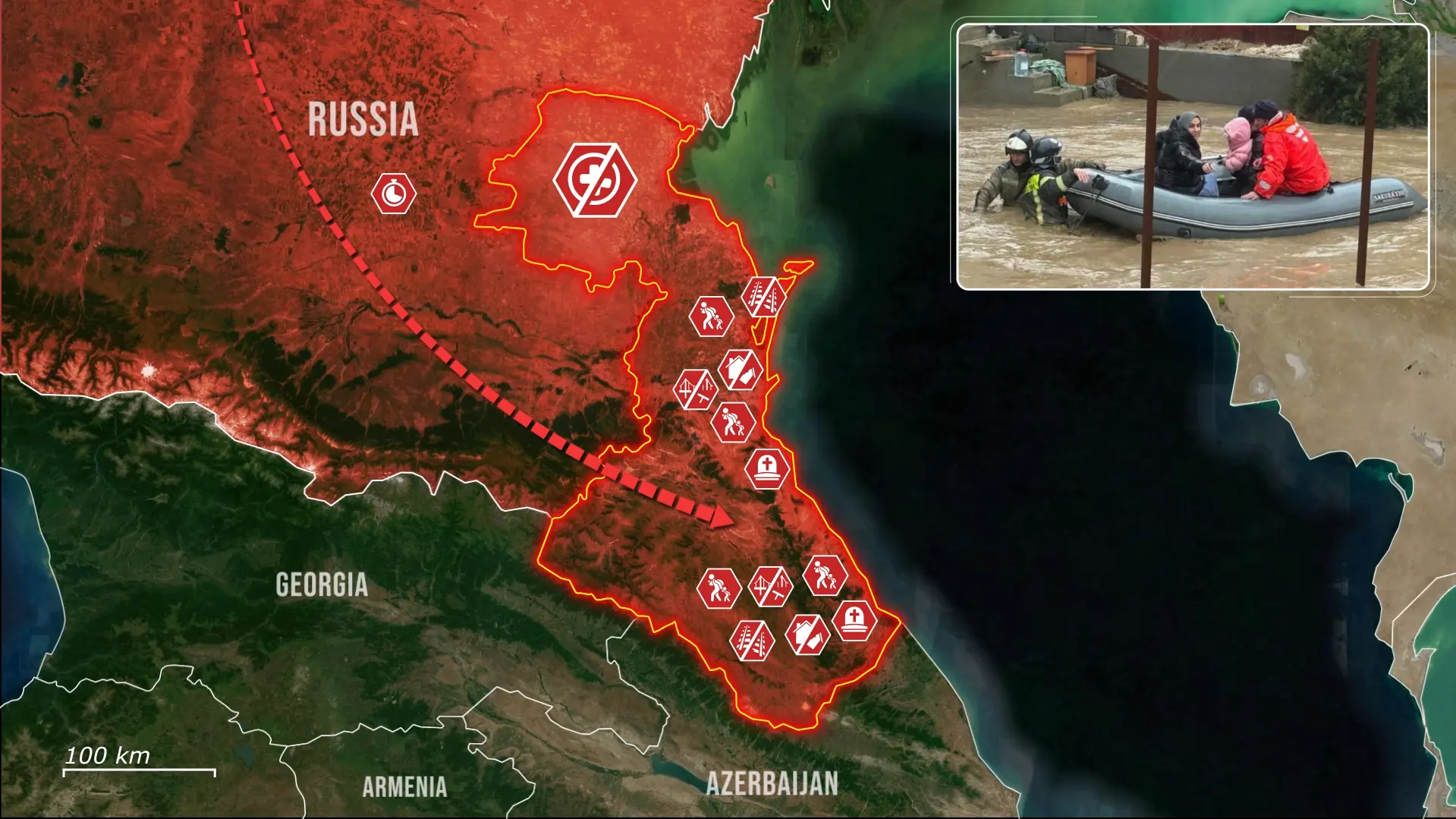
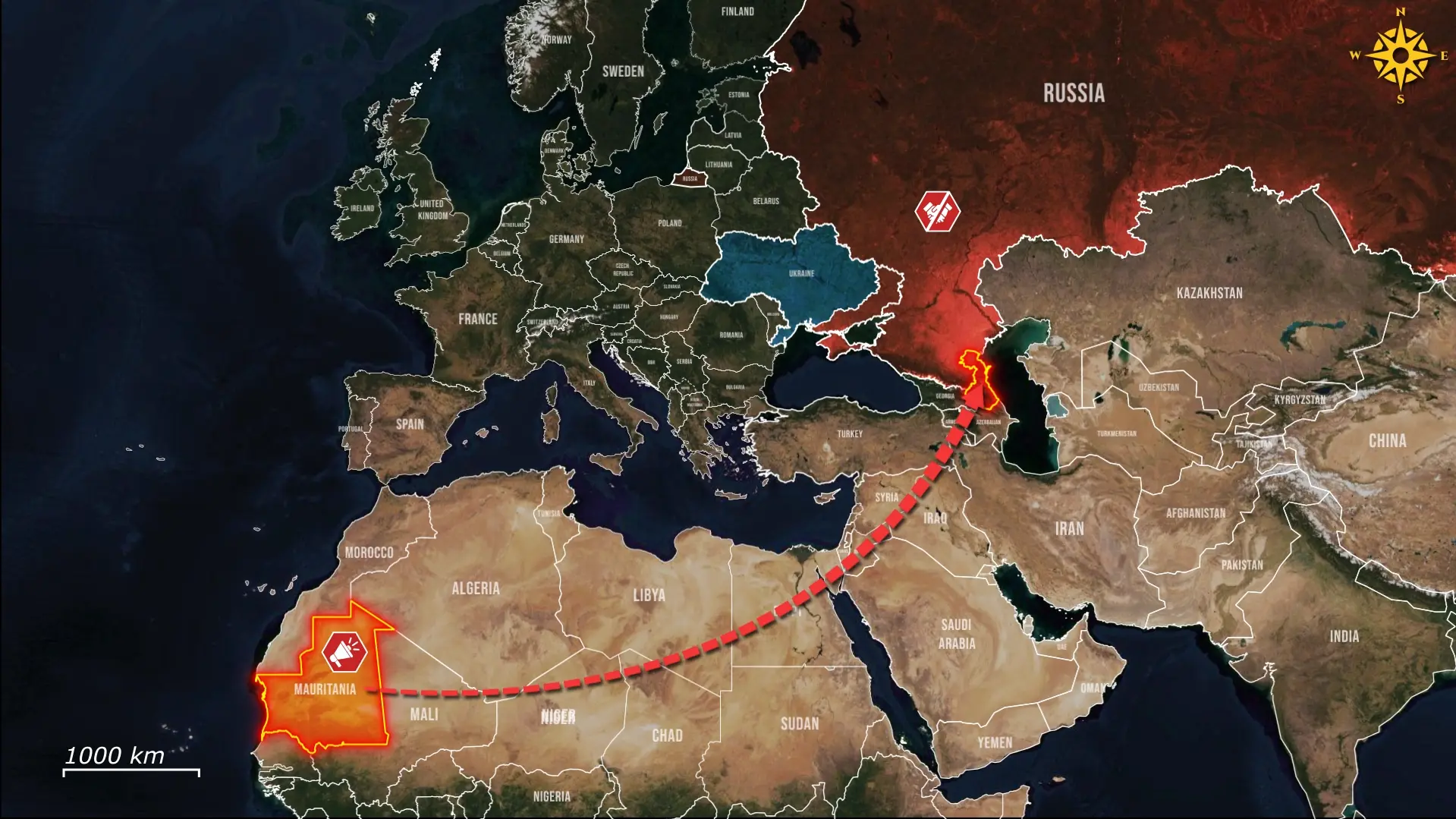
The situation has become so dire that it has drawn assistance from an unlikely source. In a striking and almost surreal development, even communities in the West African country of Mauritania have launched crowdfunding efforts to support flood victims in Dagestan after what they have seen online.
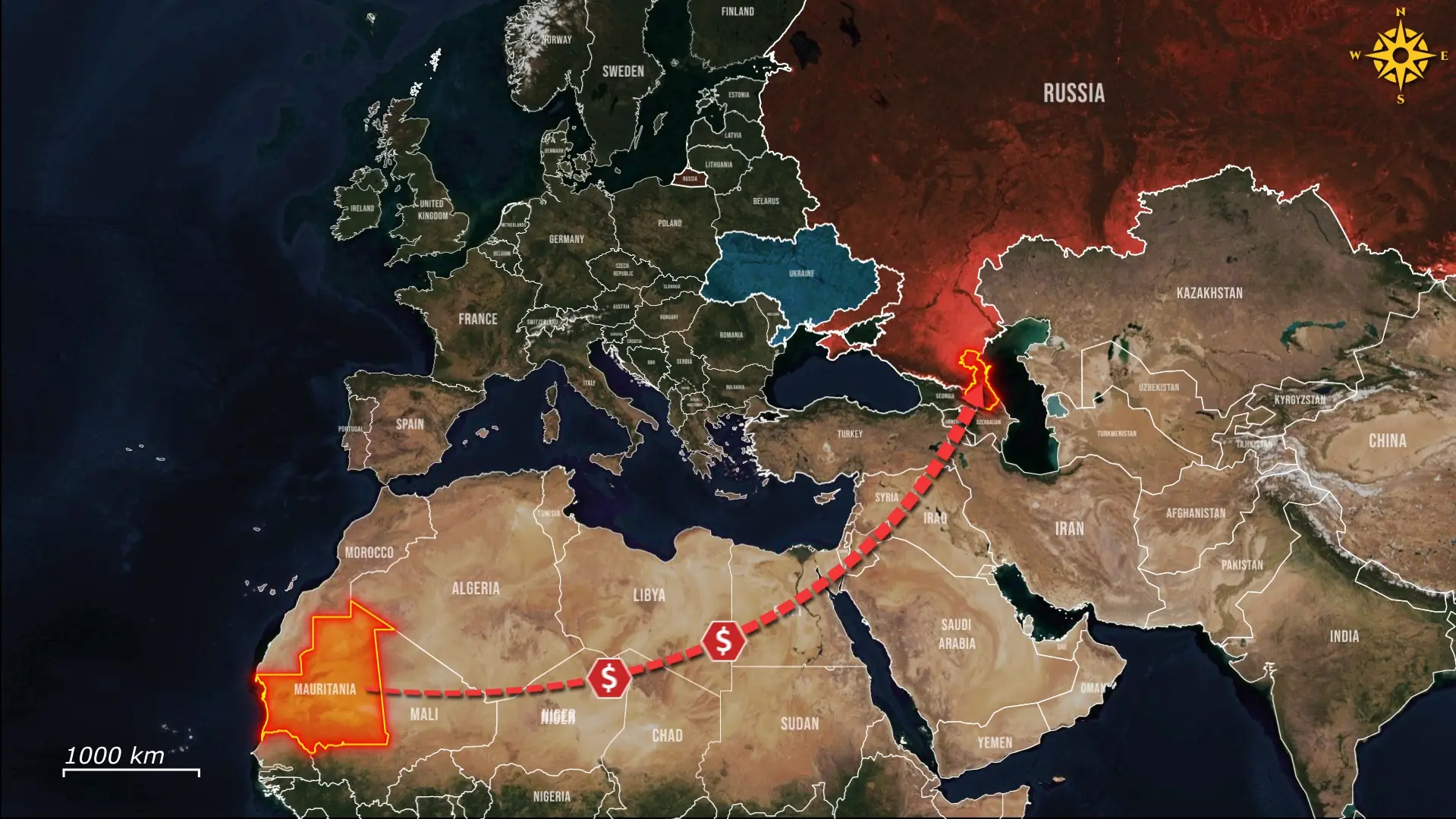
In one case, villagers collected small donations like money, clothes, even sandals, for what they described as their brothers in another country. The symbolism is powerful, as the people of a far less wealthy nation are stepping in to help citizens of a nuclear-armed state with vast energy resources. While Russia and Mauritania maintain diplomatic and economic ties, this aid is driven largely by individual religious and cultural solidarity to the abandoned Russian people rather than geopolitics, making the contrast even more stark.
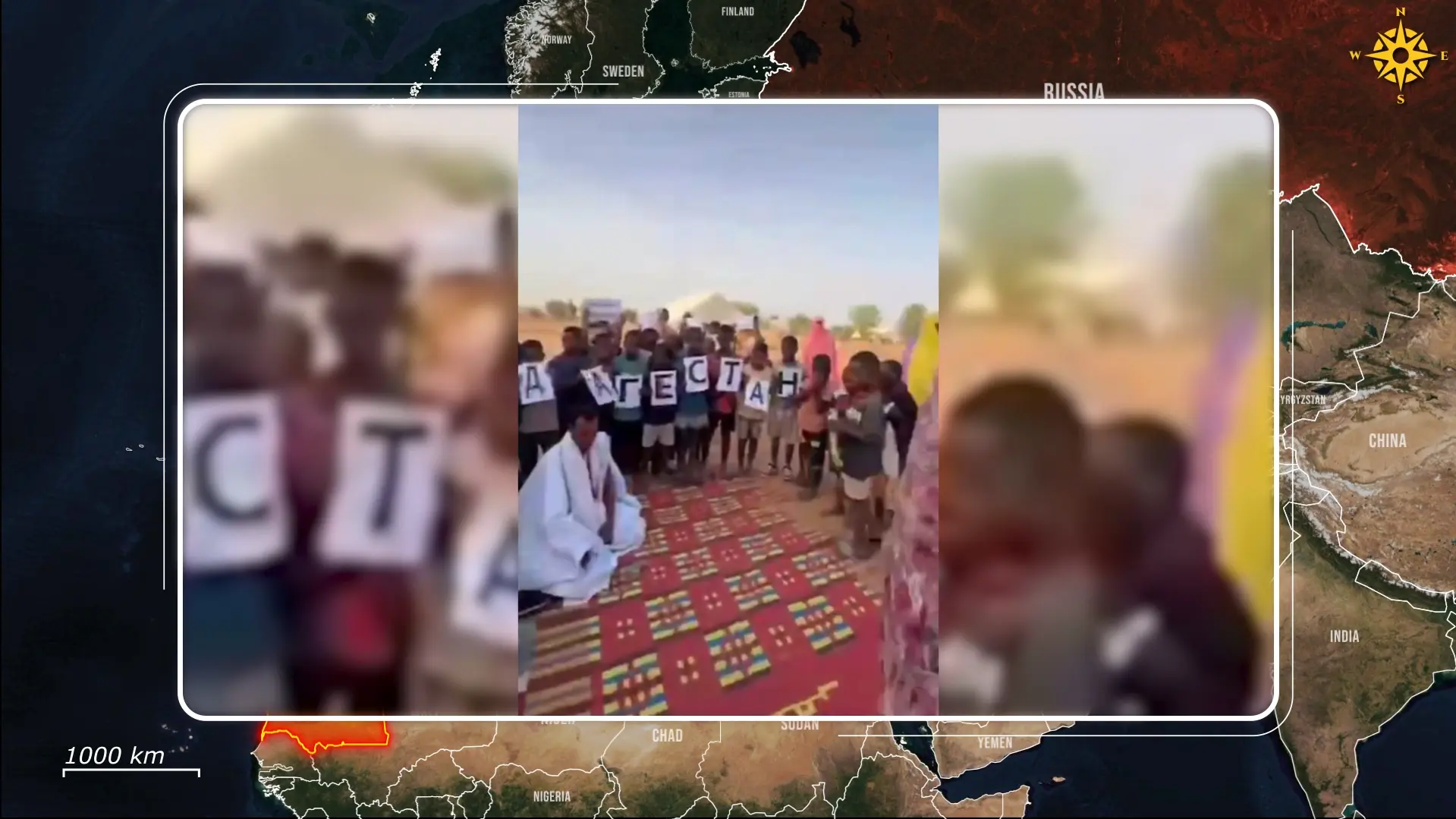
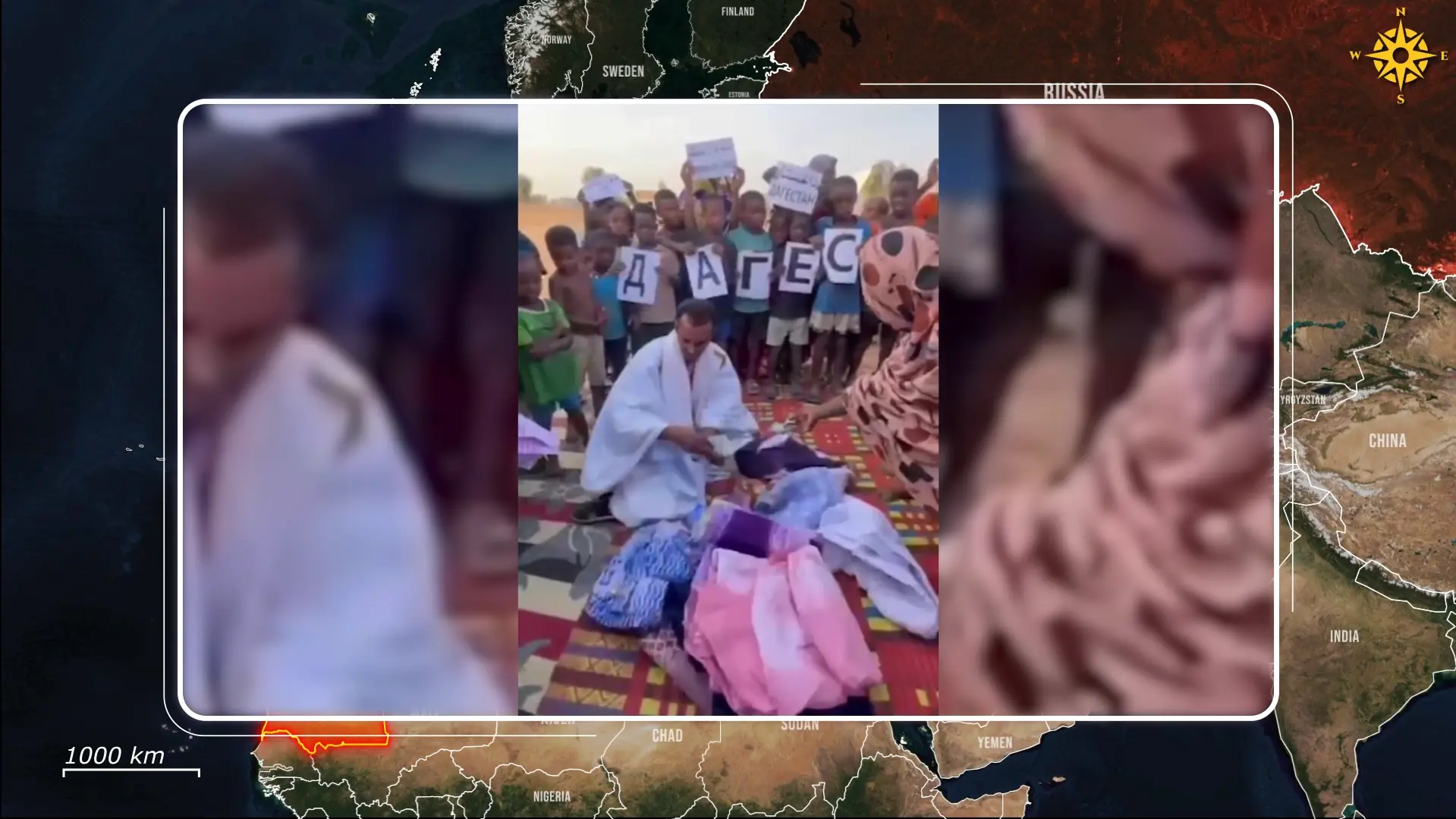
It underscores how the crisis has become not just a domestic failure, but an international embarrassment for the Russian government, along with an amazing example of the generosity and goodwill of the Mauritanian people.
What went wrong in Dagestan reveals systemic inequality within Russia, and even though the immediate trigger was the extreme rainfall, the underlying causes are structural. The Gedzhukh reservoir dam, never properly modernized or even maintained, failed under pressure, unleashing torrents that destroyed villages and infrastructure. Corruption further compounded the problem, with funds intended for infrastructure repairs reportedly misused and disappearing into corruption.
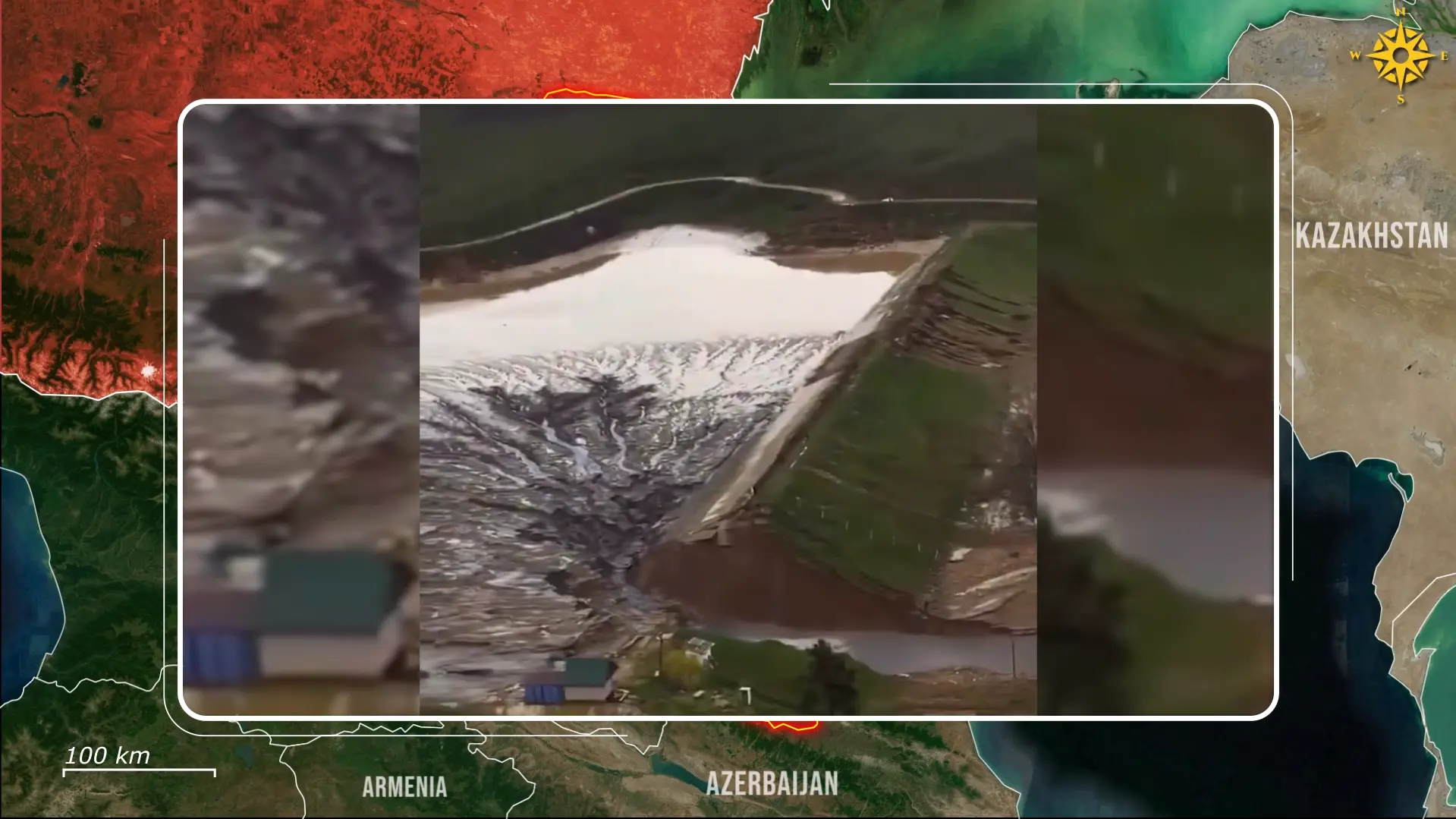
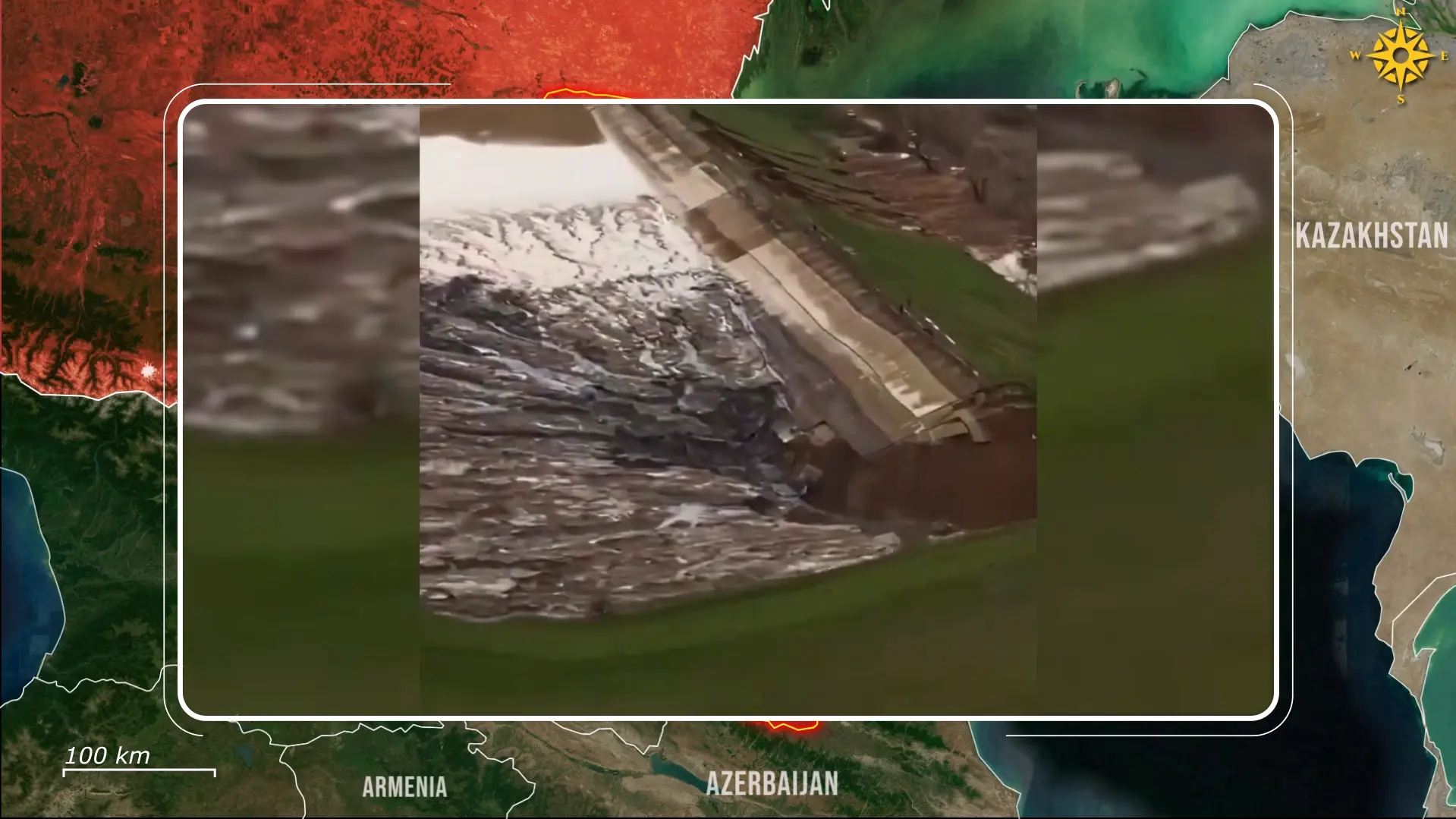
Dagestan, a multi-ethnic and predominantly Muslim republic, depends heavily on Russian federal subsidies, yet ranks among the lowest in infrastructure development, reflecting a broader pattern of neglect toward non-central regions.
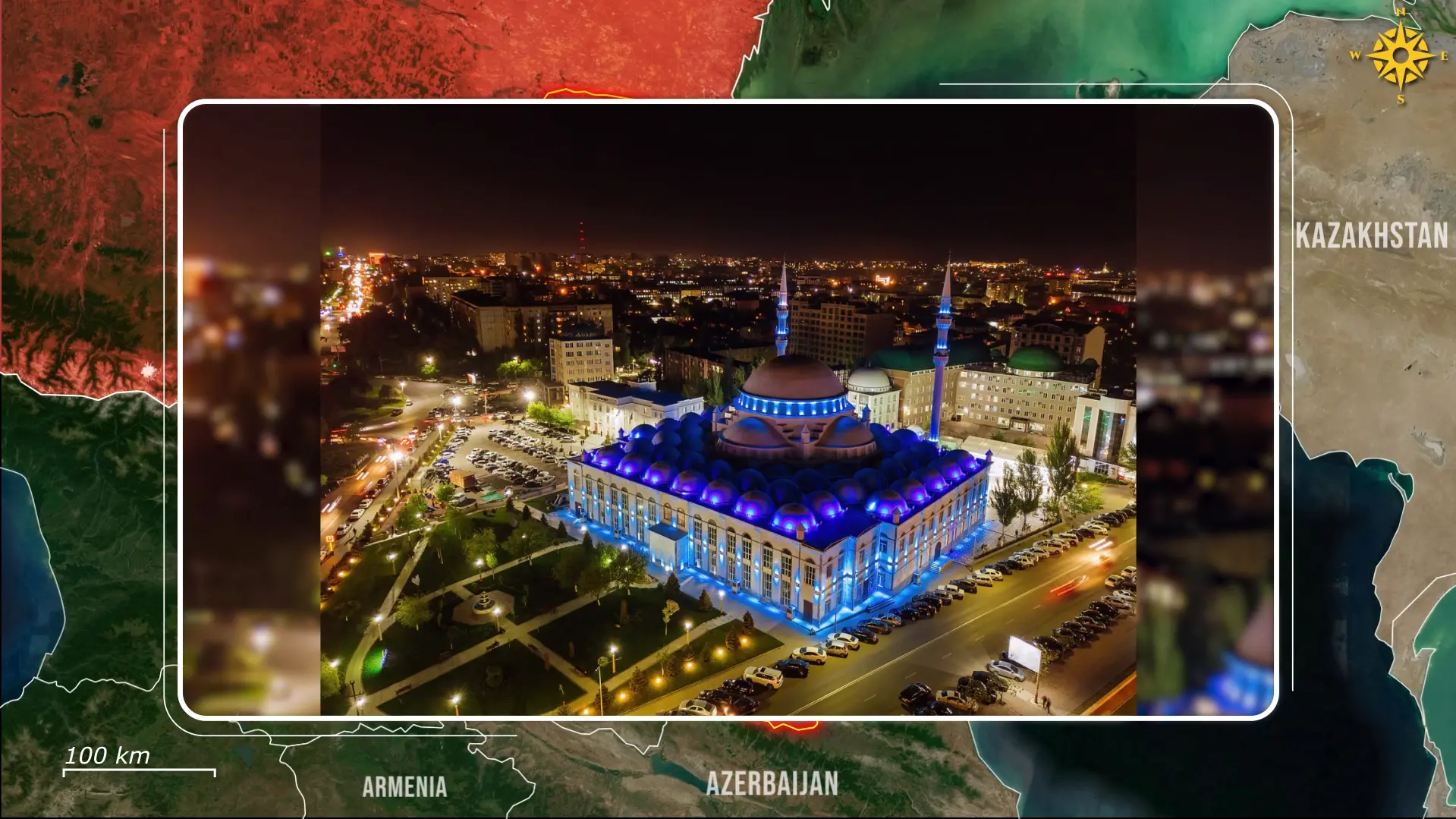
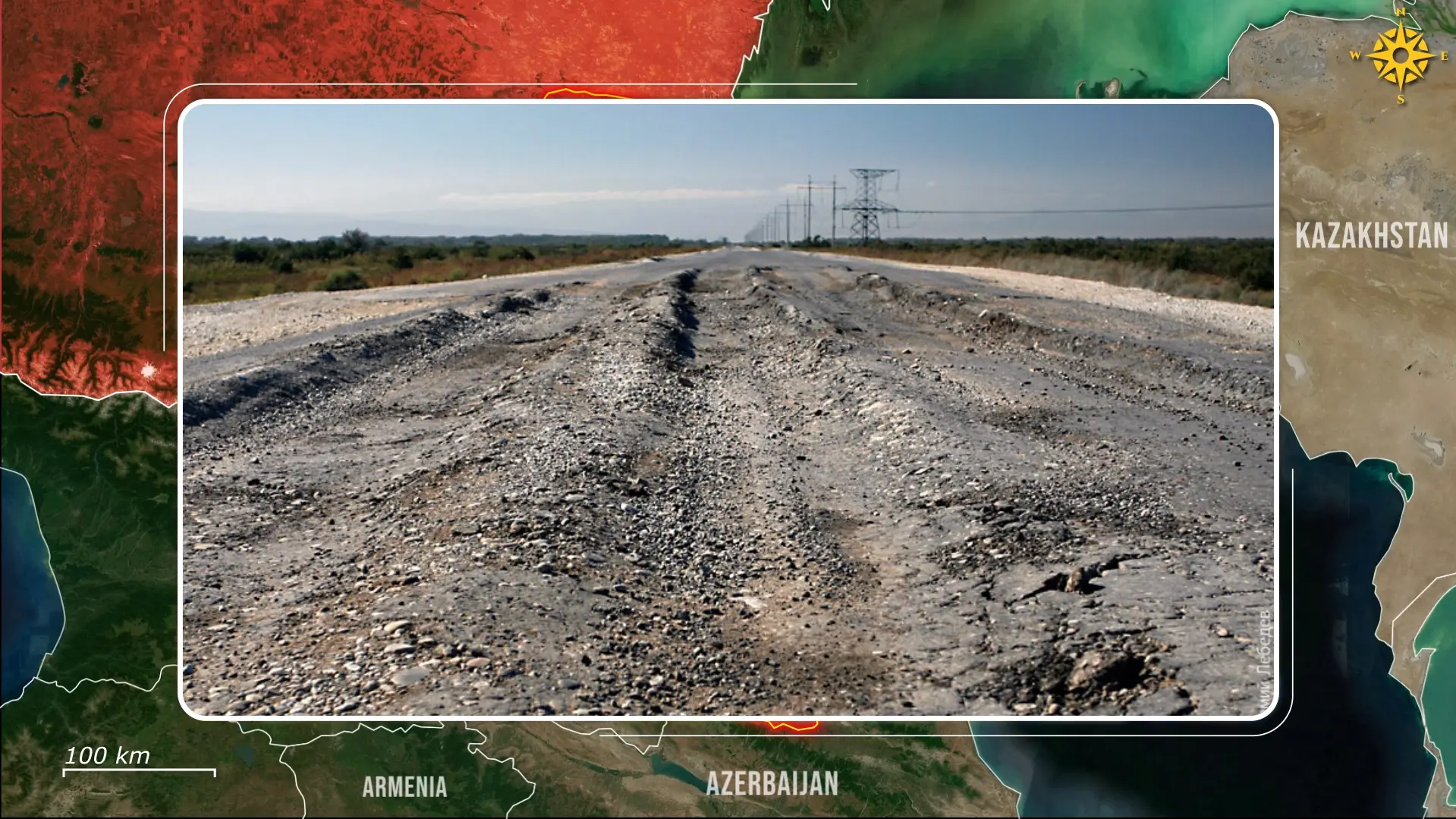
This neglect becomes even more evident when compared to Russia’s military spending, as in two thousand twenty five alone, Moscow allocated around one hundred eighty six billion US dollars to war efforts, nearly forty percent of its federal budget, while Dagestan’s entire annual budget stands at roughly one point one billion dollars, meant to maintain infrastructure, schools, and government services to over three million people. In fact, just one week of Russia’s war spending exceeds the republic’s yearly funding, while even redirecting a small fraction of this expenditure could have transformed the region’s resilience by modernizing dams, upgrading drainage systems, reinforcing riverbanks, and implementing early-warning systems.
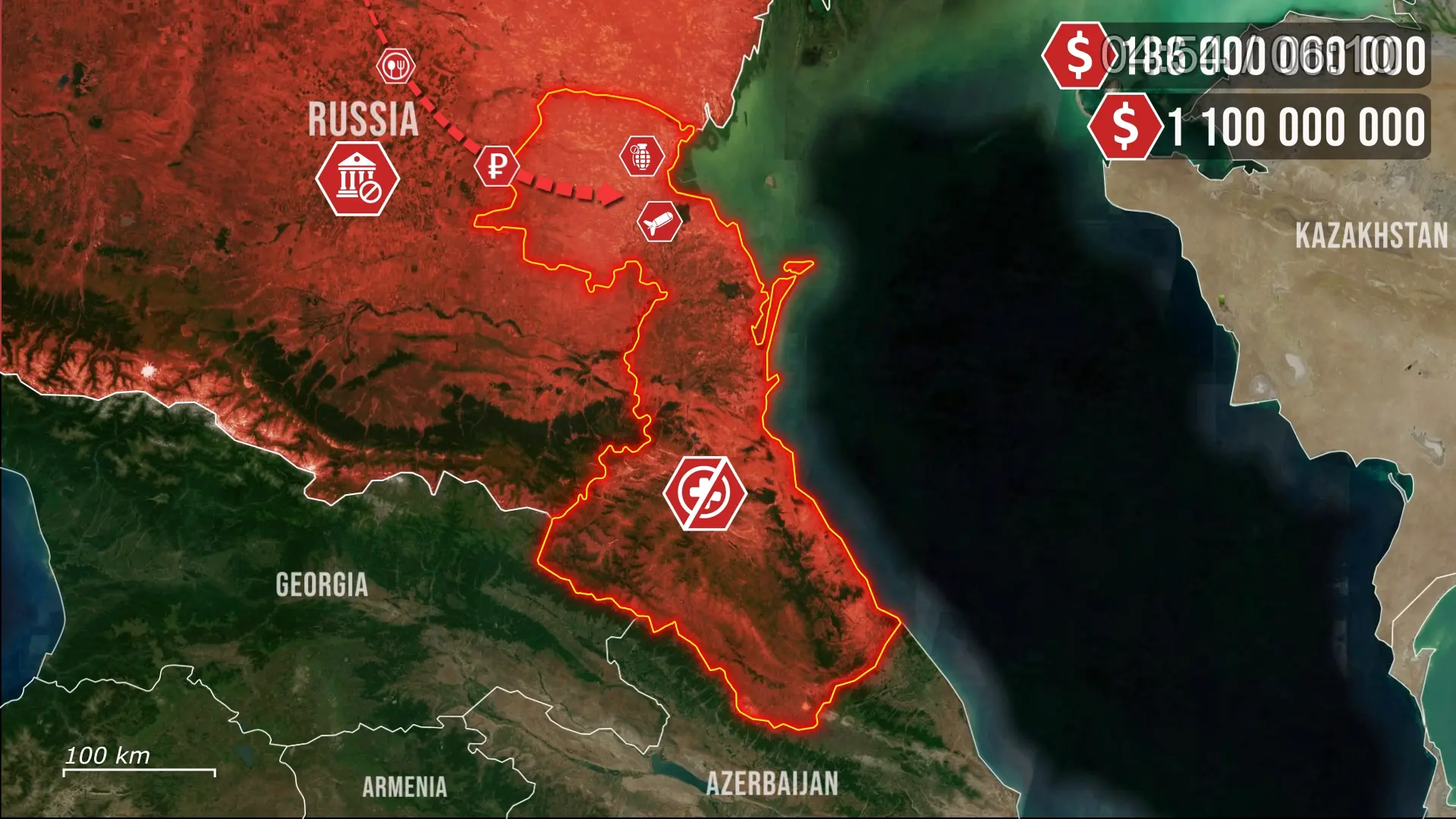
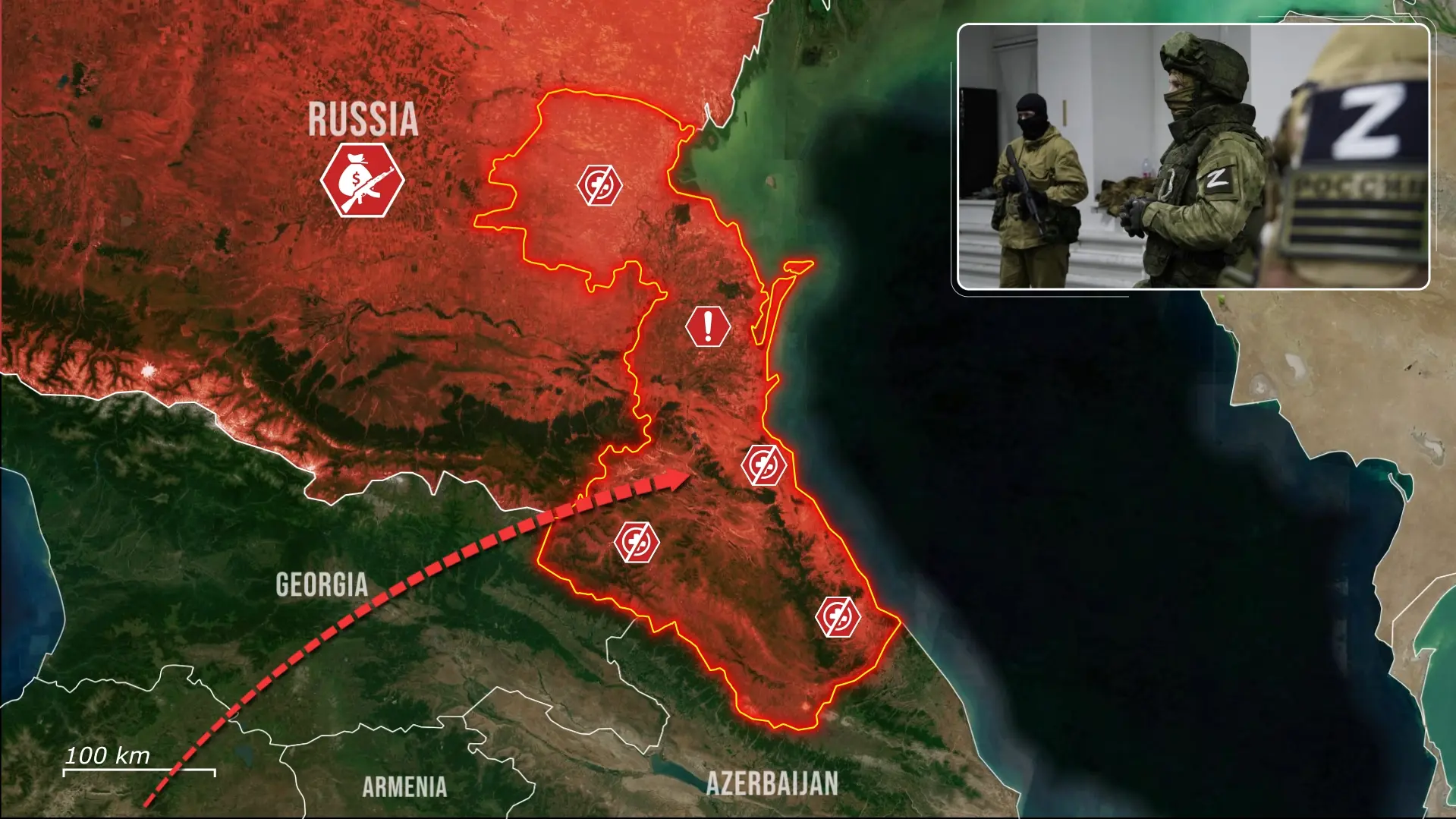
Instead, these investments were never made, leaving the region exposed to disaster, while many of its citizens have volunteered and lost their lives in the Russian government’s war in Ukraine.
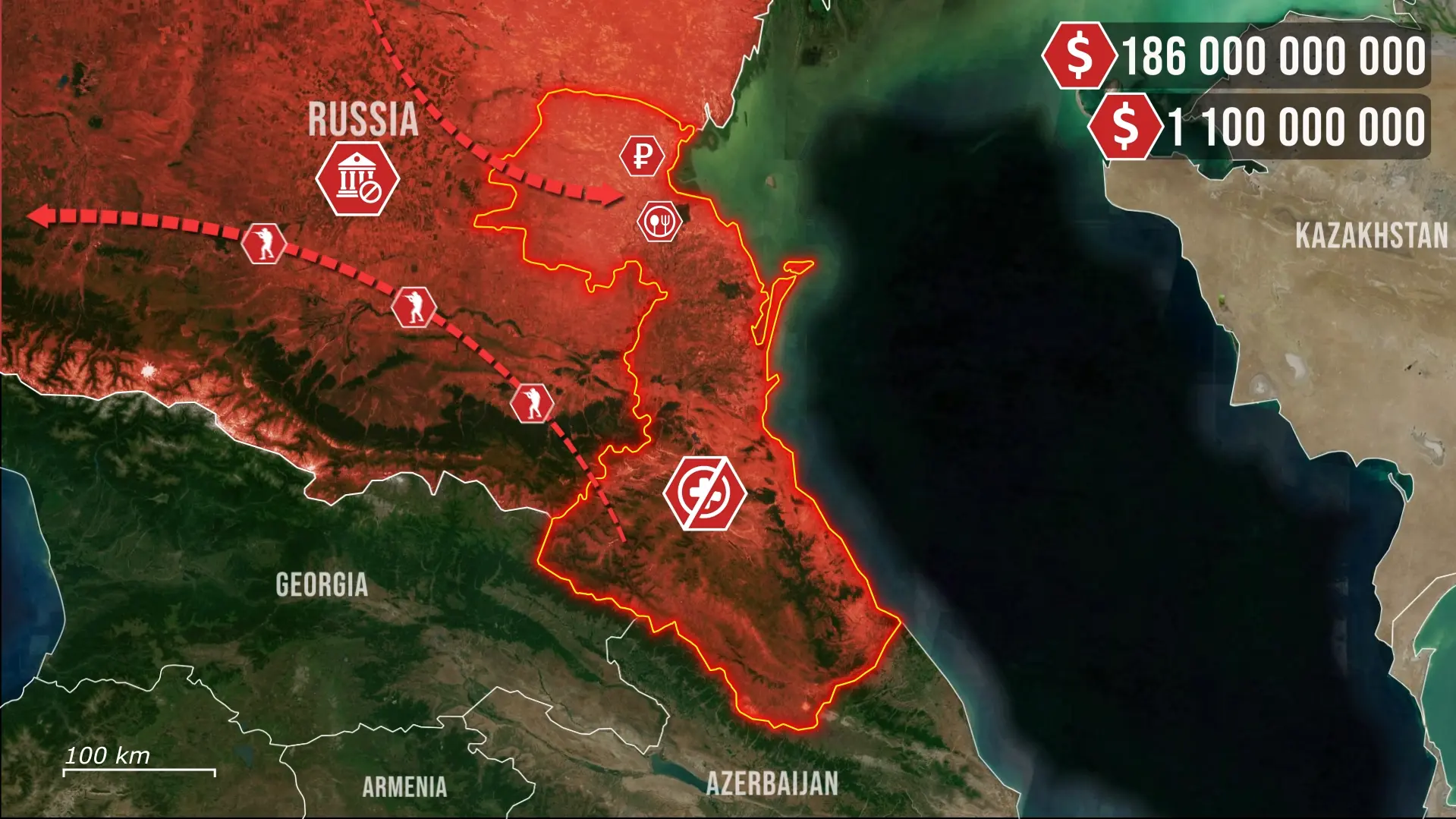
Overall, while natural disasters cannot always be prevented, the scale of devastation in Dagestan was far from inevitable. Years of underinvestment, poor planning, and systemic neglect turned heavy rainfall into a full-scale humanitarian crisis. The fact that external aid is now coming from one of the world’s poorer regions highlights the extent of the failure. Ultimately, the tragedy in Dagestan is not just about flooding, it is about priorities and the consequences of choosing war over the well-being of citizens.

.jpg)

Comments