

.svg)
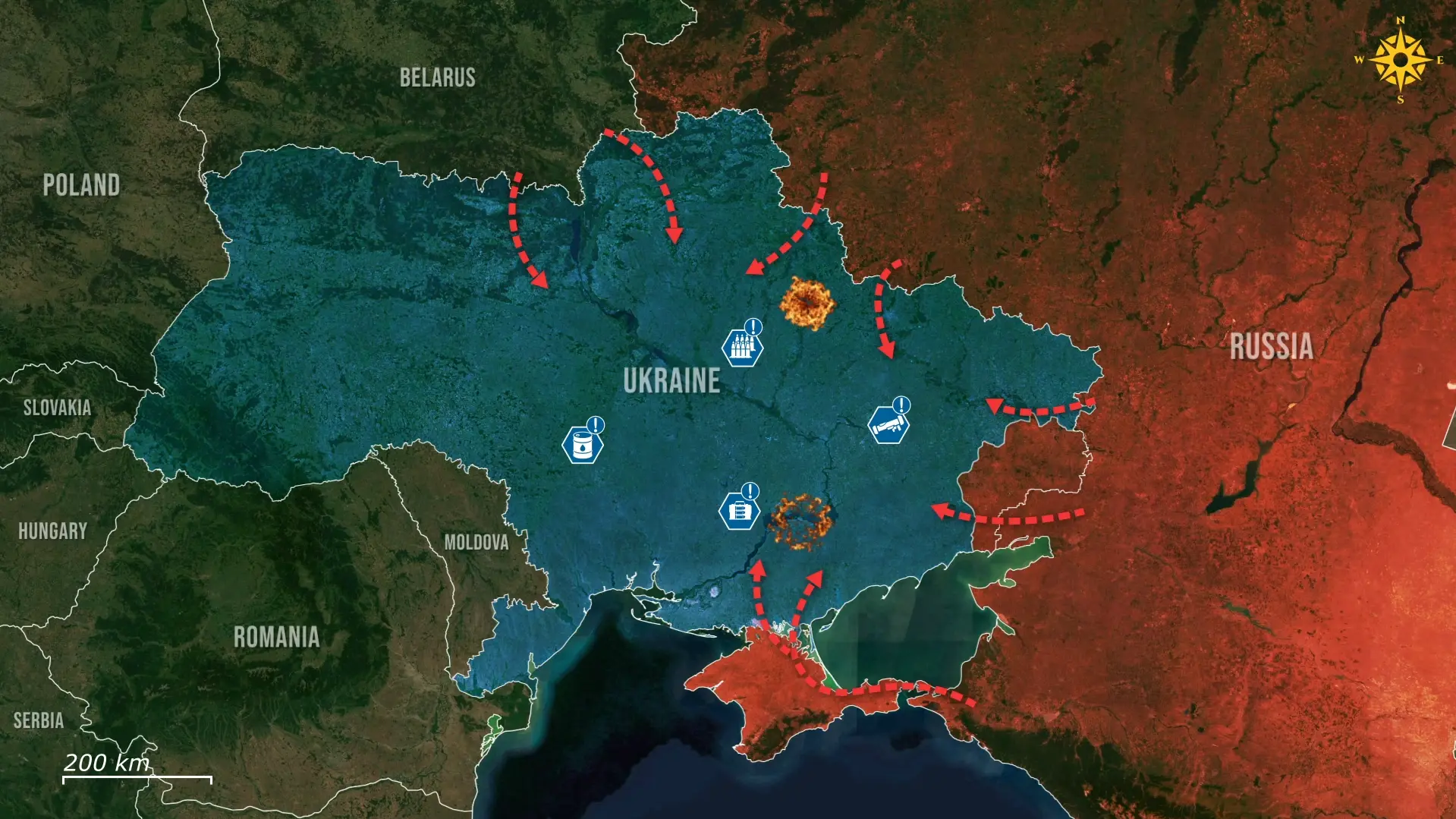
When Russia launched its full scale invasion in February two thousand twenty two, Ukraine was still fighting largely with Soviet designed weapons, which created an immediate need for artillery shells, small arms ammunition, anti tank weapons, and fuel that Western suppliers could not replace overnight.
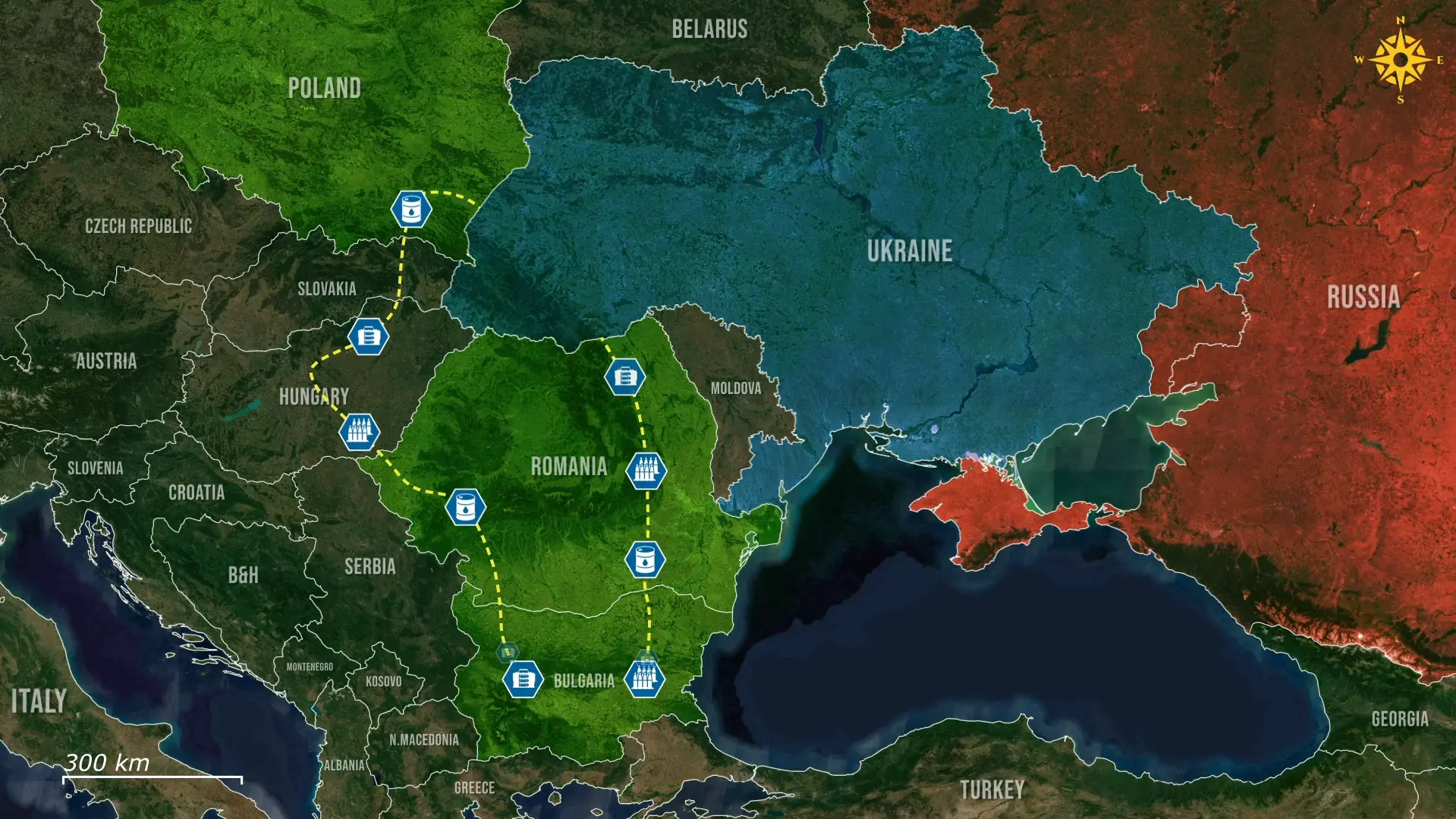
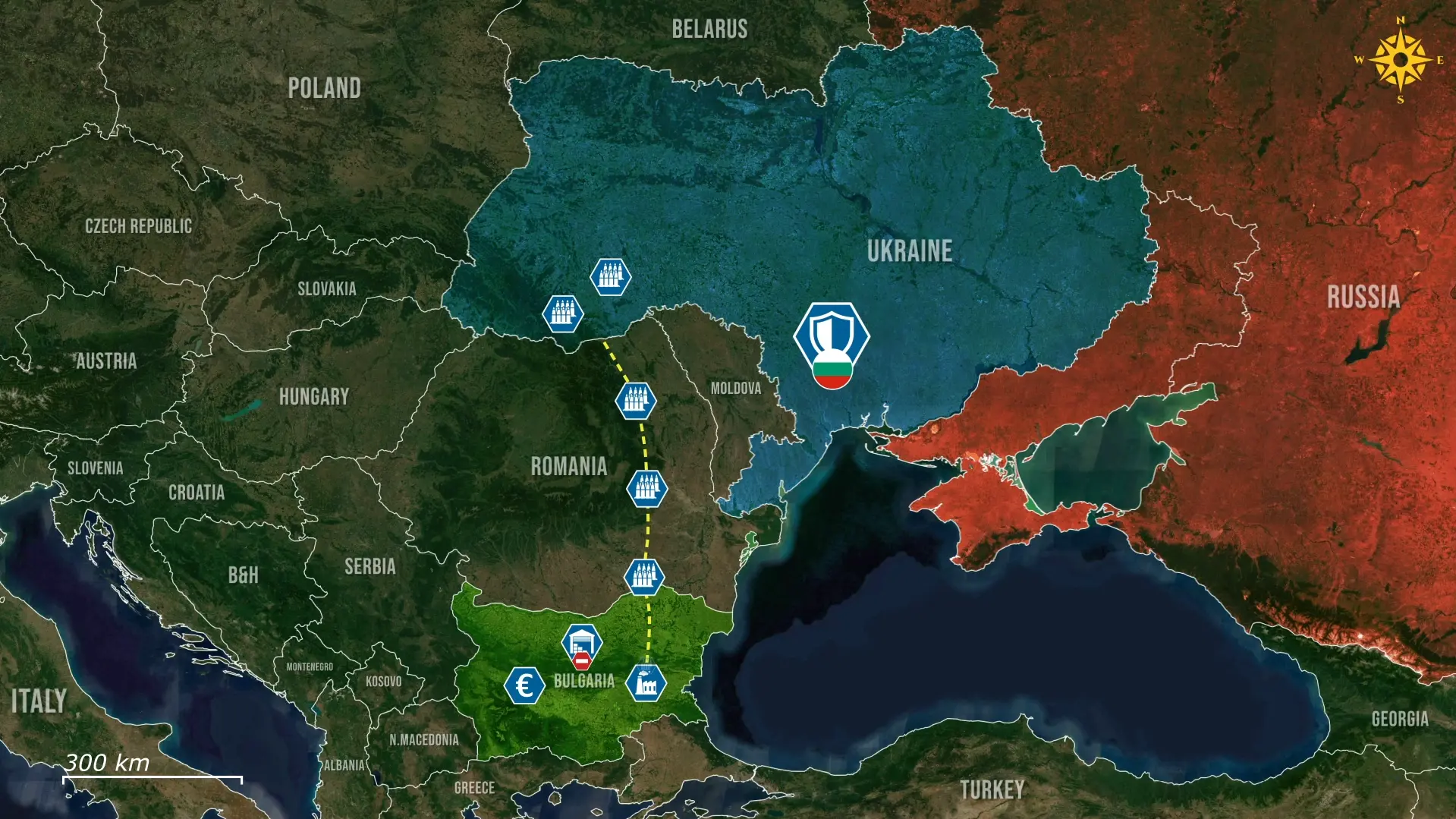
Bulgaria quickly became one of Ukraine’s major wartime suppliers, even as sending weapons openly to Kyiv remained deeply controversial inside the country. Ammunition and fuel still found their way to Ukrainian forces through intermediaries, with shipments moving through countries such as Poland and Romania before crossing into Ukraine. This allowed Bulgaria to keep its political distance while its industry quietly supplied Ukraine, covering around one third of its ammunition needs and roughly forty percent of its diesel needs during certain periods, turning the country into a lifeline during the most vulnerable stage of the war.
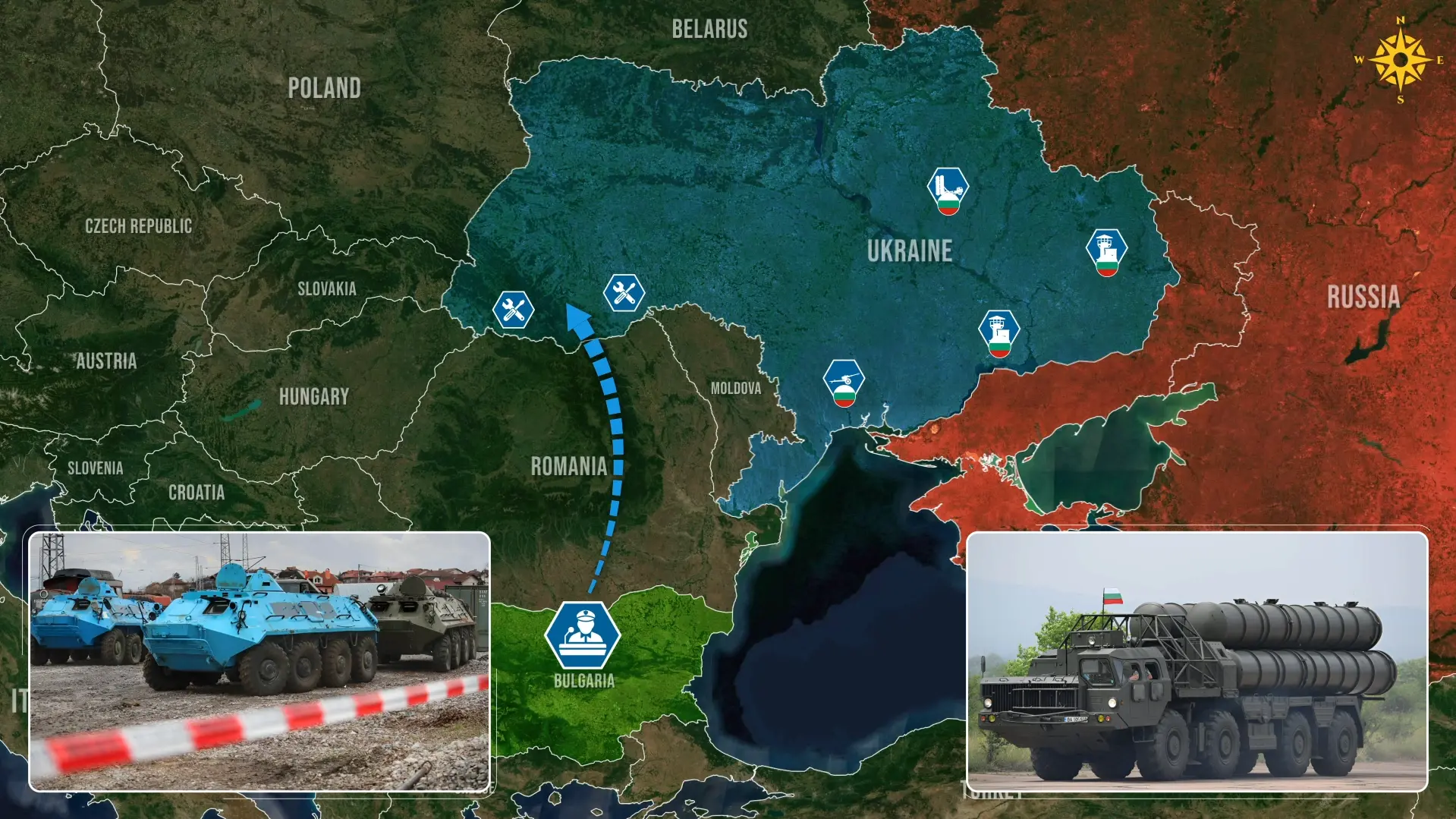
By the end of two thousand twenty two, Bulgaria shifted toward official military support, allowing Kyiv to receive Bulgarian weapons openly and in larger packages. Multiple Bulgarian aid packages then provided Ukraine with armored vehicles, artillery shells, anti tank weapons, machine guns, small arms, and equipment for Soviet designed air defense systems. In two thousand twenty three, Bulgaria also approved the transfer of around one hundred BTR sixty armored personnel carriers from Interior Ministry stocks, giving Ukrainian infantry more protected transport. Bulgaria later transferred defective missiles used by the S three hundred air defense system, which Ukraine could use for spare parts or potentially repair and return to service. Because Ukrainian forces already operated many of these Soviet designed systems, Bulgarian equipment could be put to use immediately without lengthy retraining or major changes to existing logistics.
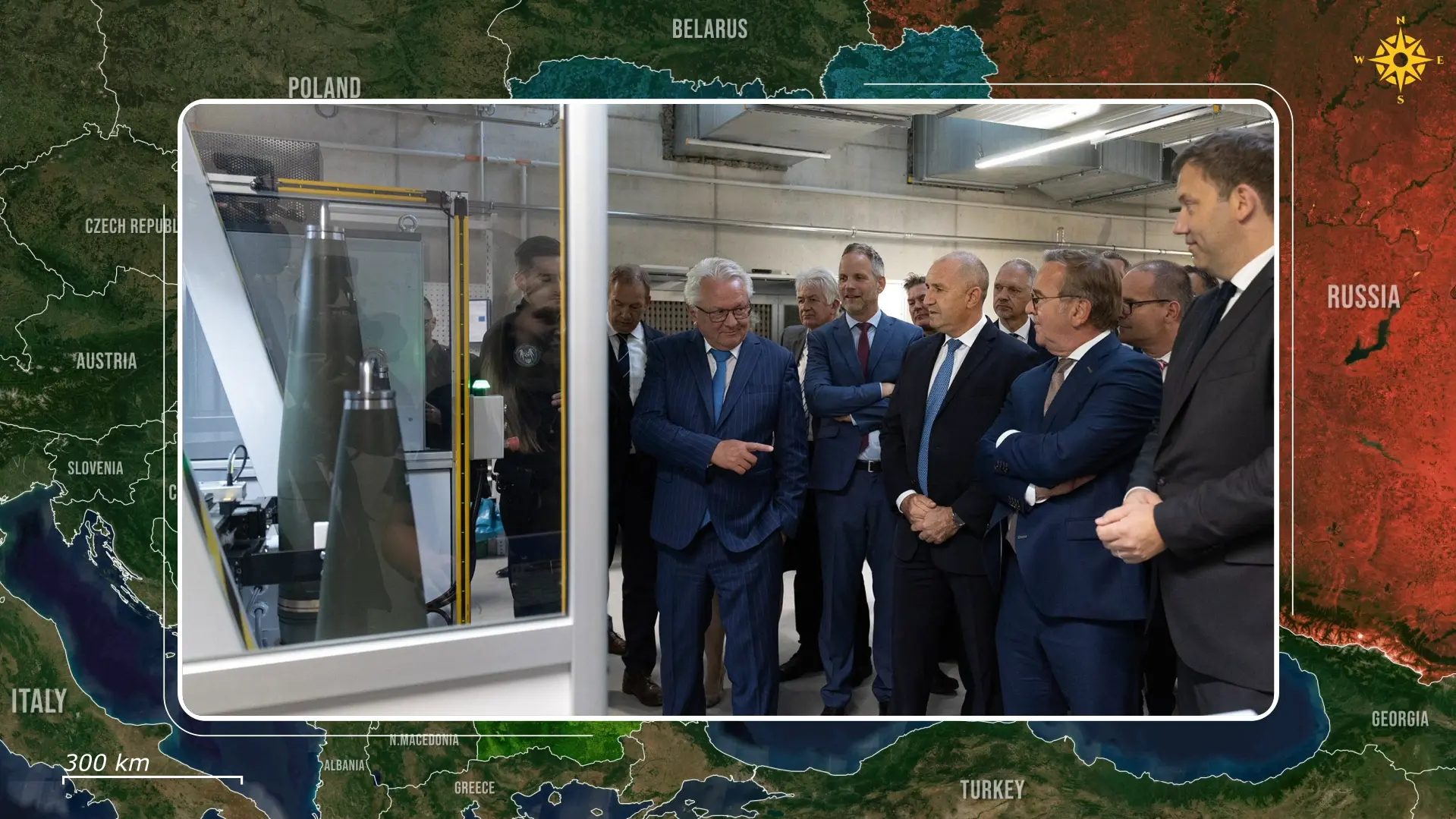
Bulgaria could sustain this support because it already had a large defense industry producing Soviet standard ammunition and weapons in places such as Sopot, Pleven, Pazardzhik, and Varna. As the war drove ammunition consumption to enormous levels, demand for these products surged and Bulgarian manufacturers expanded production to keep pace. That industrial expansion was expected to continue after Bulgaria and Rheinmetall agreed in two thousand twenty five on a roughly one billion euro project for new gunpowder and artillery ammunition facilities near Sopot. The project was originally planned to create around one thousand jobs and begin shell production in two thousand twenty seven, but after the new government took office it said the financing had not been secured and reopened negotiations with Rheinmetall. By late July, Bulgaria and Rheinmetall were still negotiating the project’s structure and financing, because although an initial agreement had already been signed, the joint company had not yet been formally established and the financing was still unresolved
The relationship held even as Bulgarian politics became more divided over how far support for Ukraine should go, with military aid repeatedly becoming a point of confrontation between pro Ukrainian parties and political forces opposed to deeper involvement in the war. The political split became even clearer in June two thousand twenty six, when the new government stopped further transfers from Bulgarian Army stocks after thirteen aid packages, saying additional donations would reduce the country’s own military reserves below required levels. The ten year security agreement with Ukraine remained in force after the June decision, although the practical distinction had become clearer, with the Bulgarian government stopping further donations from army stocks while Bulgarian defense companies could still sell ammunition commercially and pursue joint production projects with Ukrainian industry.
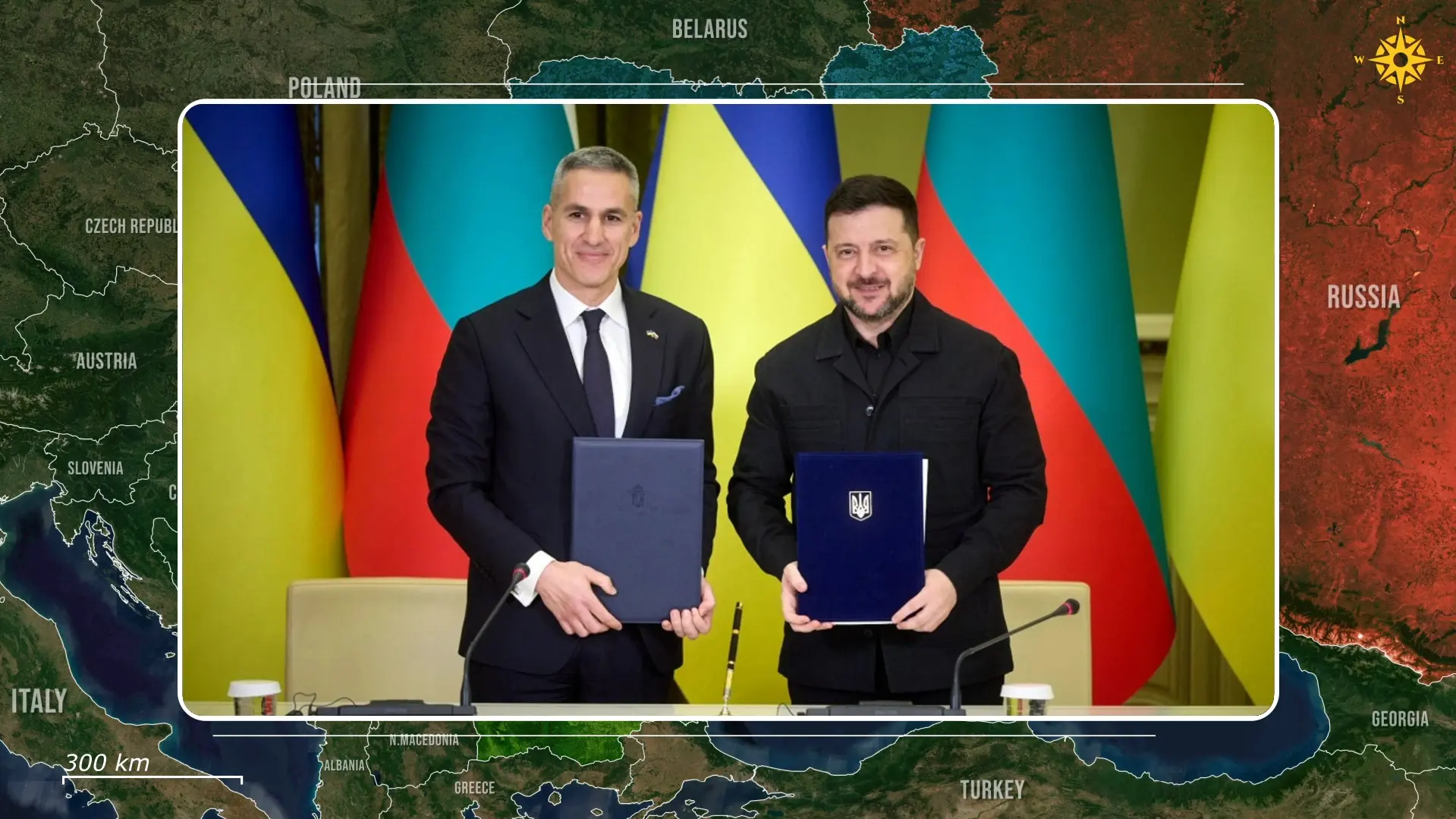
Overall, Bulgaria can remain strategically important to Ukraine even if future governments become less willing to provide direct military aid from state stockpiles. Commercial contracts and joint production allow Bulgarian companies to keep supplying Ukraine through weapons sales and shared manufacturing projects, even when political support in Sofia weakens or official donations are reduced. For Ukraine, this creates a more reliable source of ammunition and other military supplies, while Bulgaria gains long term orders, new investment, and a stronger defense industry that can keep expanding its production capacity. Bulgaria could therefore remain Ukraine’s secret supplier in a new form, with direct government aid becoming more limited while commercial arms sales continue wherever contracts and production capacity allow.
.jpg)

Comments