

.svg)
In this video, we will analyze the historical reversal that just happened in Russia.
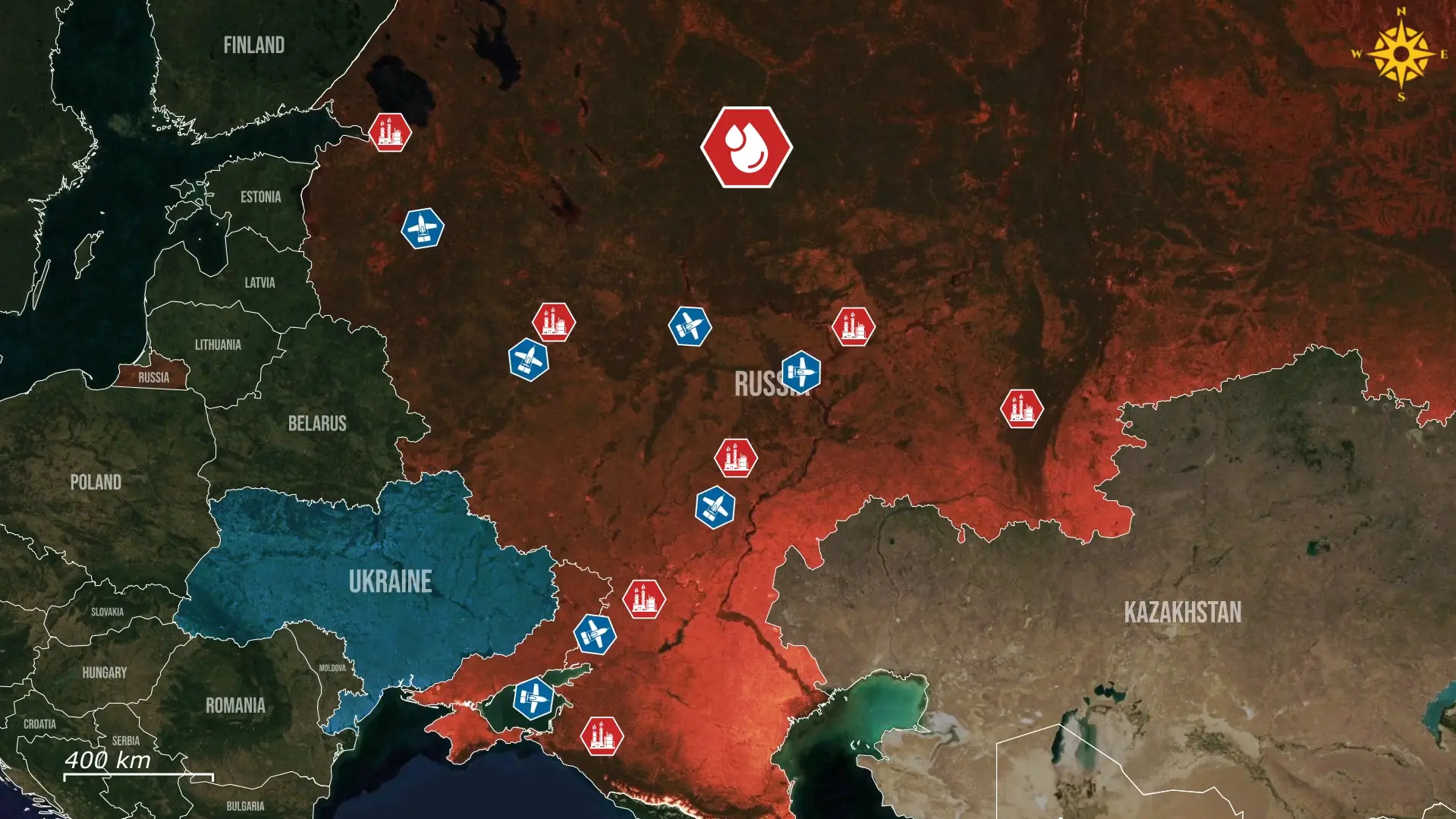
Russia has historically been an energy superpower, not simply self-sufficient, but one of the world’s largest exporters of refined fuel. However, the continuous Ukrainian attacks on Russian oil refineries have caused so much havoc that they have reversed the situation entirely.
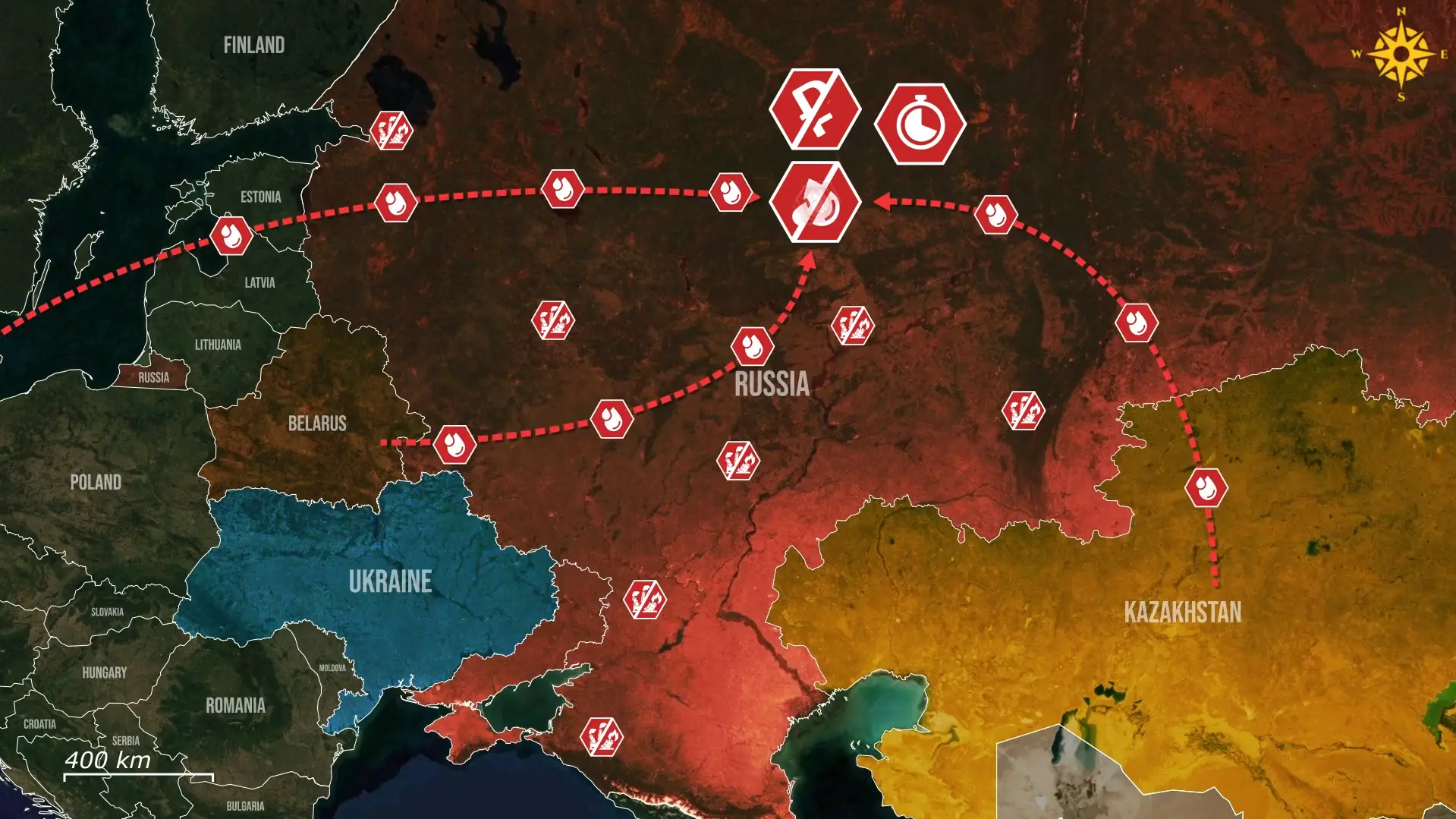
The first clear sign of this shift came when tankers coming from India appeared in Russian ports carrying gasoline for the domestic market, on top of the ongoing imports from Belarus that begun earlier in 2024 after the first disruptions. These shipments show that Russia can no longer rely on its own refining network to process its crude oil to meet internal demand. Russia had quietly prepared for this scenario months earlier by lowering import duties and offering subsidies to companies willing to bring in foreign fuel, even though those measures were presented as precautionary steps rather than a response to an emergency. The fact that Russia is now importing processed fuel from the same countries that buy its crude oil highlights how badly its refining system has been hit.
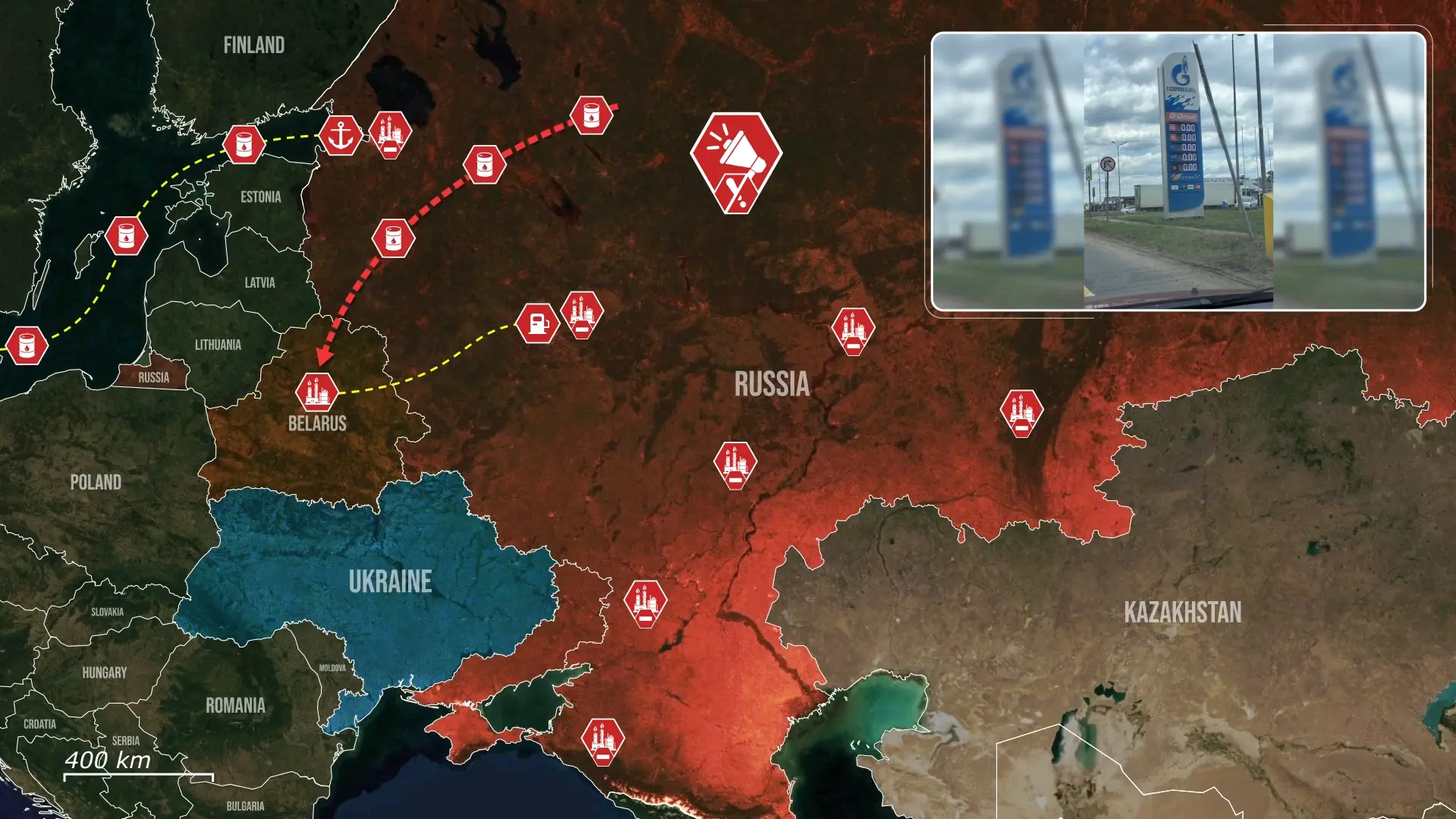
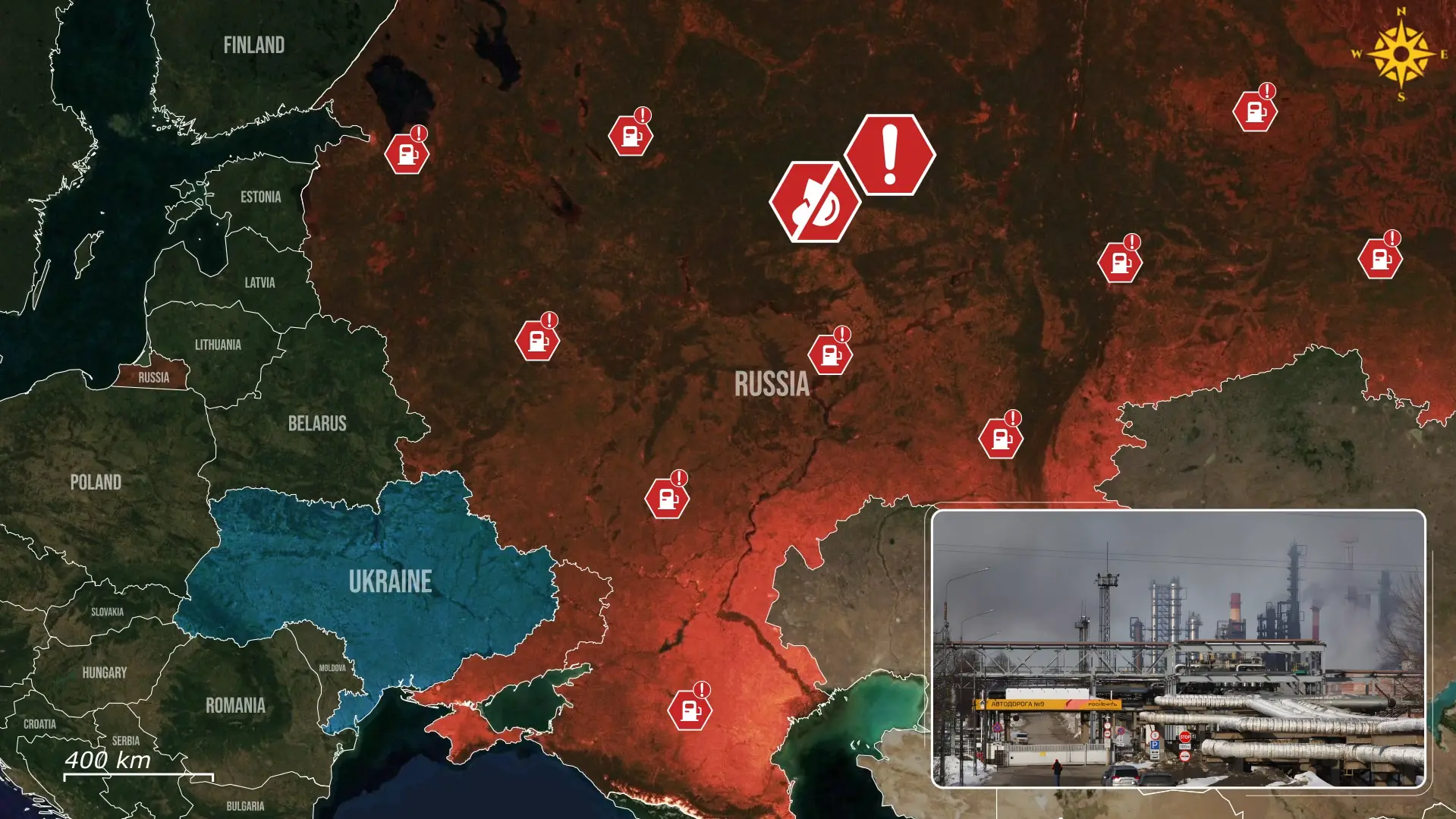
Now, for the first time since the nineteen fifties, Russia cannot supply itself with enough gasoline. Gasoline production has dropped by about a quarter compared with last year, prompting the government to ban gasoline exports until the end of July. However, even with the ban in place, shortages continue to spread across the country. In fact, these shortages are no longer affecting areas closer to the Ukrainian front line, but they are visible in Moscow and even the far east of Russia, signaling a problem that is not localized but systemic.
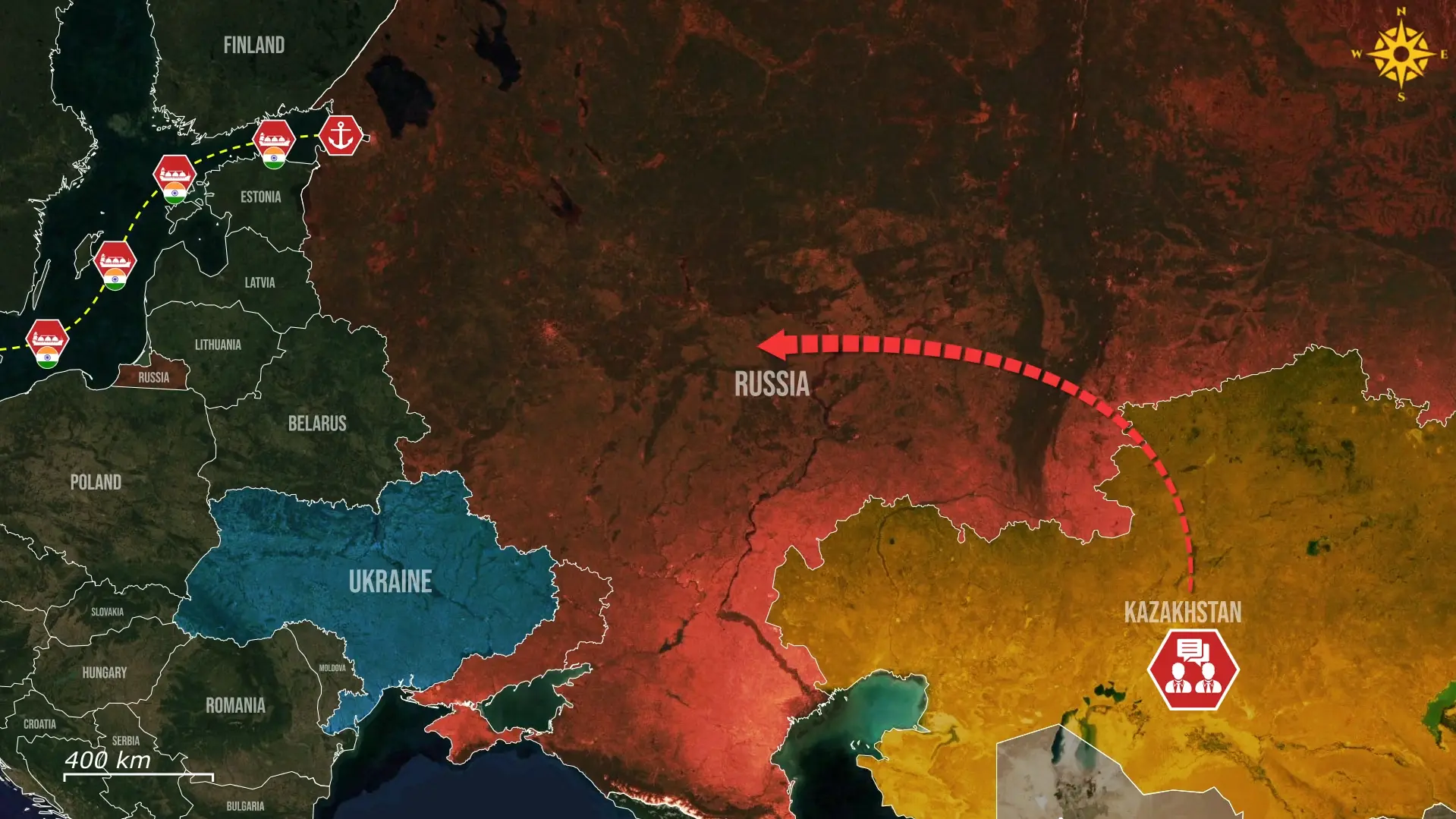
The crisis has pushed Russia to seek fuel wherever it can, as evidenced by its request to Kazakhstan to sell fifty thousand tons of gasoline. Kazakhstan is a neighbor that Russia usually treats as a junior partner in energy matters, and turning to it for emergency supplies signals a major reversal of roles. The request also makes clear that the Asian tanker deliveries alone cannot stabilize the situation.
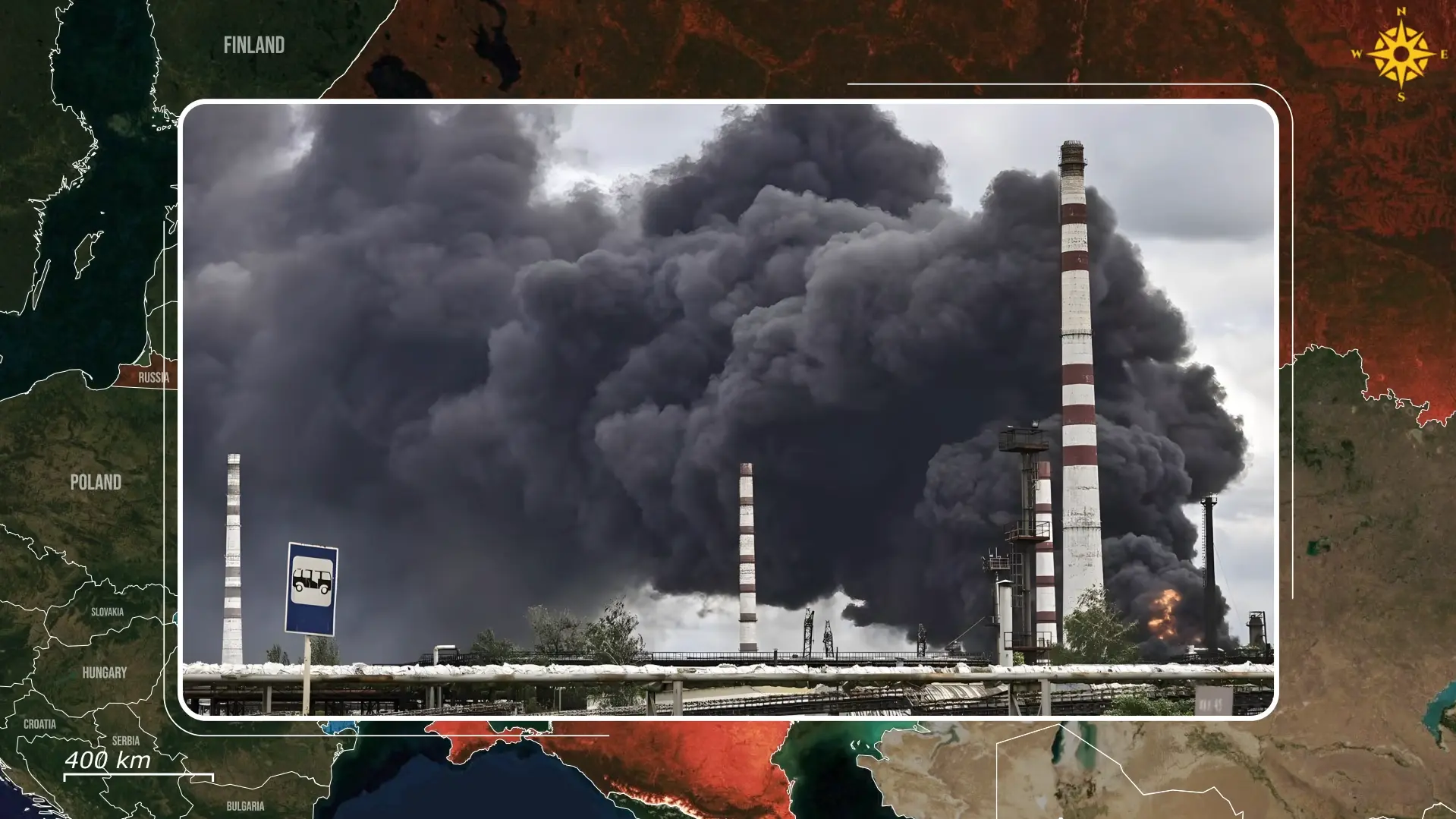
The core reason behind the crisis is the sustained Ukrainian campaign against Russian refineries and export terminals. Ukrainian strikes have damaged sixteen major facilities, cutting more than thirty percent of Russia’s refining capacity and shutting down over forty processing units. These are central parts of the system that turn crude oil into usable fuel, and that take a long time to repair. As a result, full gas restrictions are in place across Russia, and long queues at gas stations are becoming a common sight. The situation is becoming so dire that Russia is set to ban diesel exports as well, which have so far continued because it produces them in large surplus and they constitute an important source of revenue.
The geopolitical impact is particularly significant, as Russia has long built its international influence on the idea that it possesses vast natural resources and can supply others even in difficult times. Now, a country that once shaped global energy markets is suddenly dependent on foreign suppliers to keep its own vehicles running. In addition to signaling vulnerability to rivals, the shift reduces Russia’s bargaining power with Asian buyers, who now see a supplier becoming a client.
The economic consequences are also very serious since Russia’s income depends heavily on energy exports, which have long compensated for weaknesses in other sectors, and that before the war contributed to over one third of the state budget. Buying gasoline at international prices while losing export revenue puts further pressure on government finances, already strained by war spending. If the refining knockouts and export bans persist, the economy will suffer even more from high prices, reduced foreign currency earnings, and a budget deficit that already sits in the tens of billions of dollars and continues to widen.
Overall, Russia’s shift from exporter to importer marks a historic break that exposes how serious the internal consequences of the invasion of Ukraine are becoming. At present, the country that once claimed unmatched resource strength now struggles to meet its own basic fuel needs. In addition to affecting both its geopolitical position and economic stability, the gasoline shortages are shaping Russia’s internal perception of the war, as the population is confronted with a new reality. As the Ukrainians' attacks on refineries continue, the Russian image of an energy superpower will continue to fade, and the consequences of the war for Russia are set to become even worse.

.jpg)

Comments