

.svg)
Today, the biggest news comes from Ukraine.
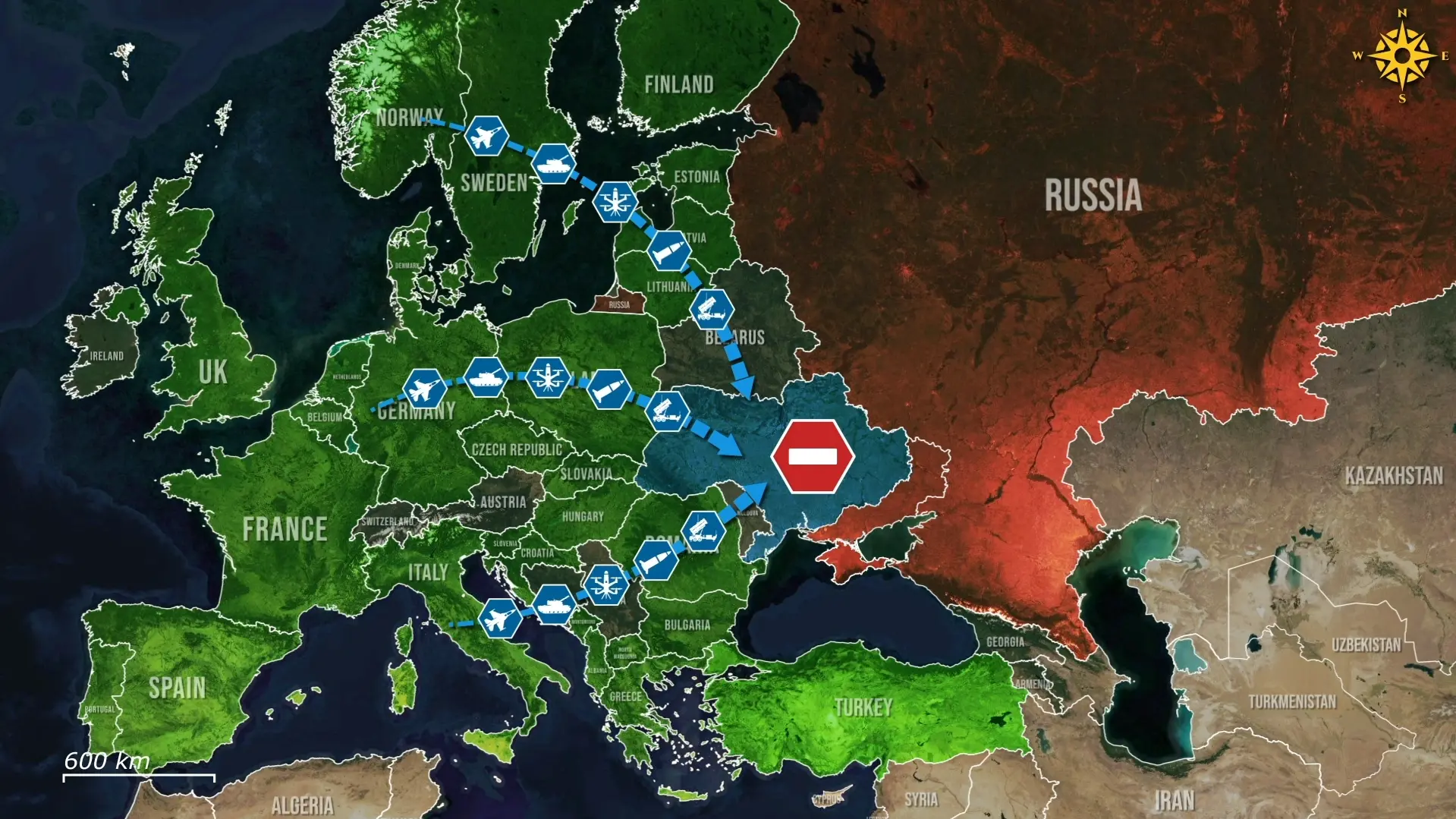
The growing challenges of modern warfare and rising security risks are compelling Ukraine to reconsider its military planning. As part of this effort, Ukraine has adopted a long-term strategy to modernize its future air force and air defense systems, aligning them with advanced technologies and Western standards.
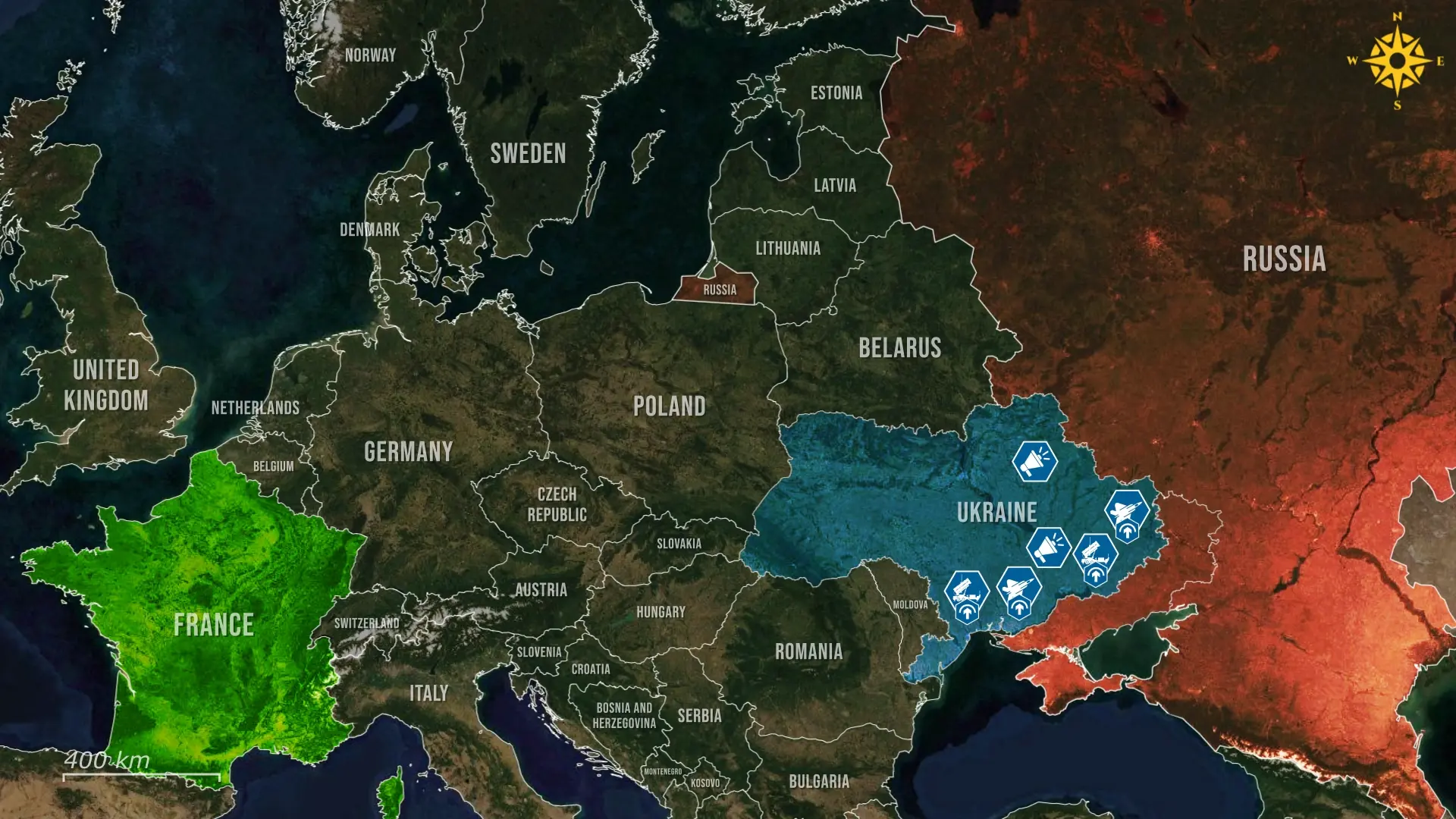
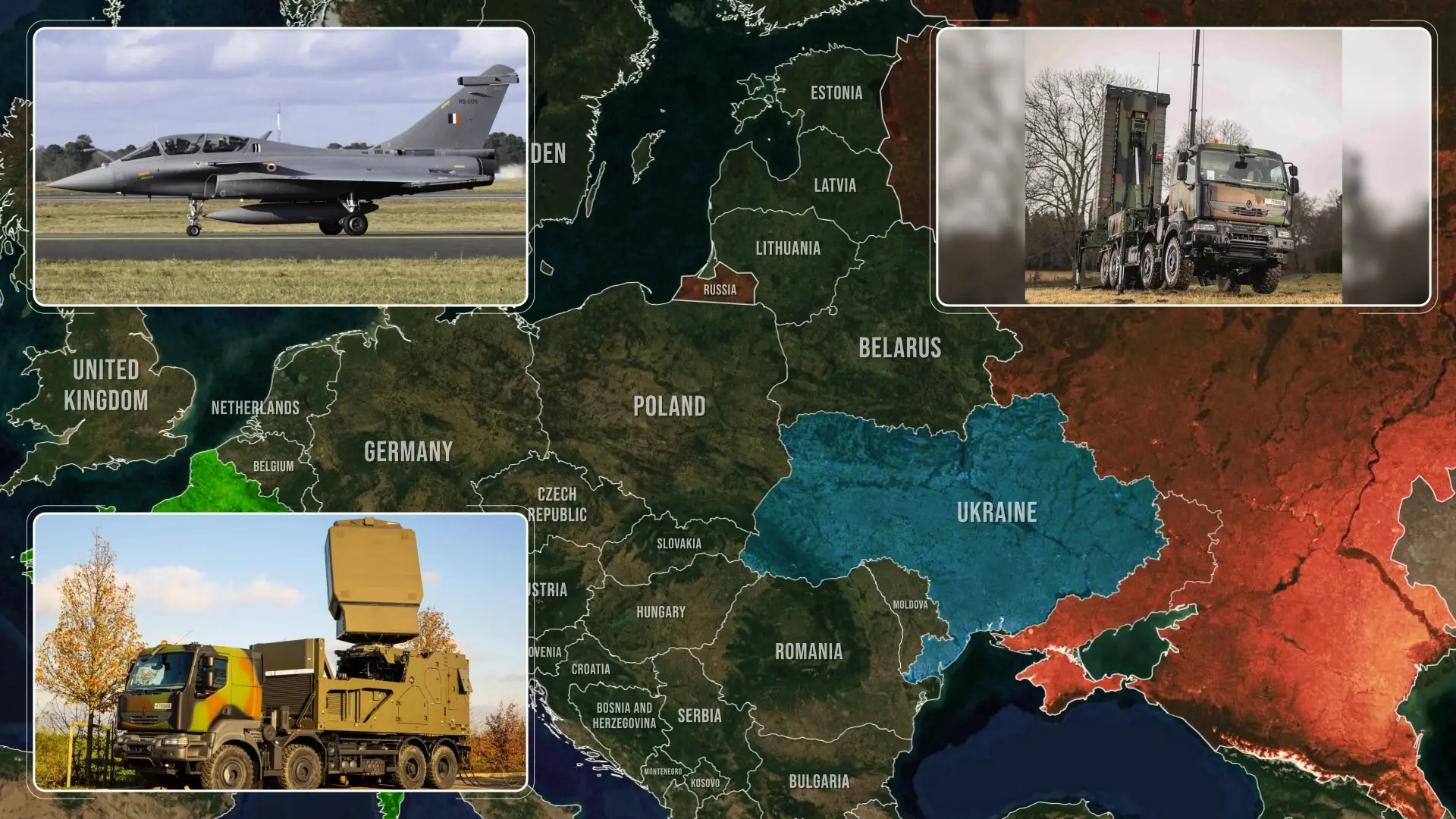
Ukrainian President Volodymyr Zelenskyy signed a letter of intent with France to purchase 100 Rafale jets, Samp-T-NG systems with Aster 30 B1NT missiles, Ground Fire 300 radars, and UAV’s.
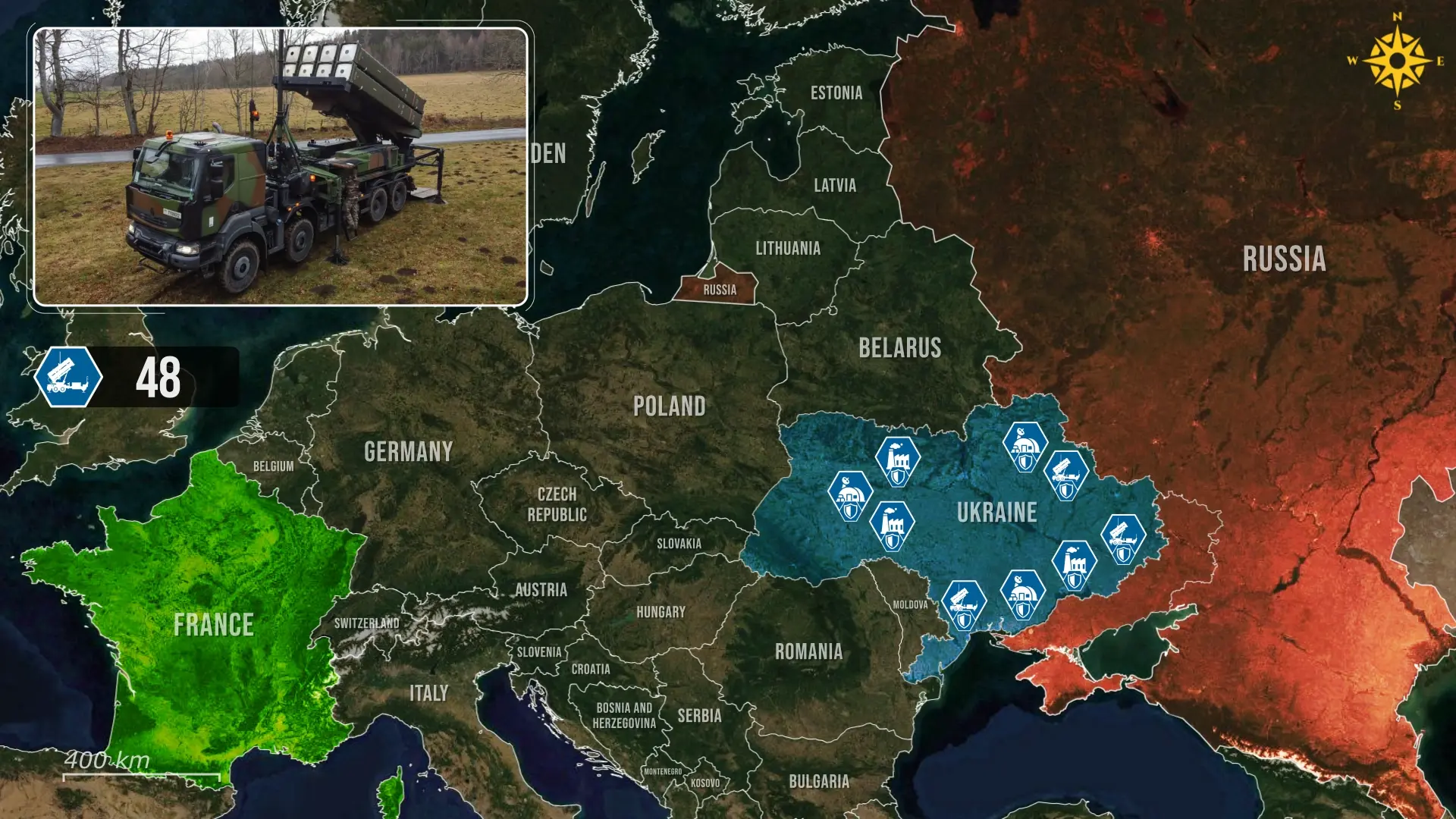
In the first phase, Ukraine will receive eight Samp-T-NG air-defense batteries equipped with advanced French radar systems. Each battery contains six independent launchers, bringing the total to 48. This package will significantly reinforce Ukraine’s medium-range air operations, improving its ability to intercept missiles, protect critical infrastructure, and project power in the air.
Rafale is an advanced 4.5 generation multirole fighter developed by France’s Dassault Aviation. Built on a single platform, it can conduct air-superiority, ground-attack, reconnaissance, anti-ship, and even nuclear-deterrence missions. Its RBE2 AESA radar detects and tracks multiple targets at long range with high accuracy, even under intense electronic warfare.
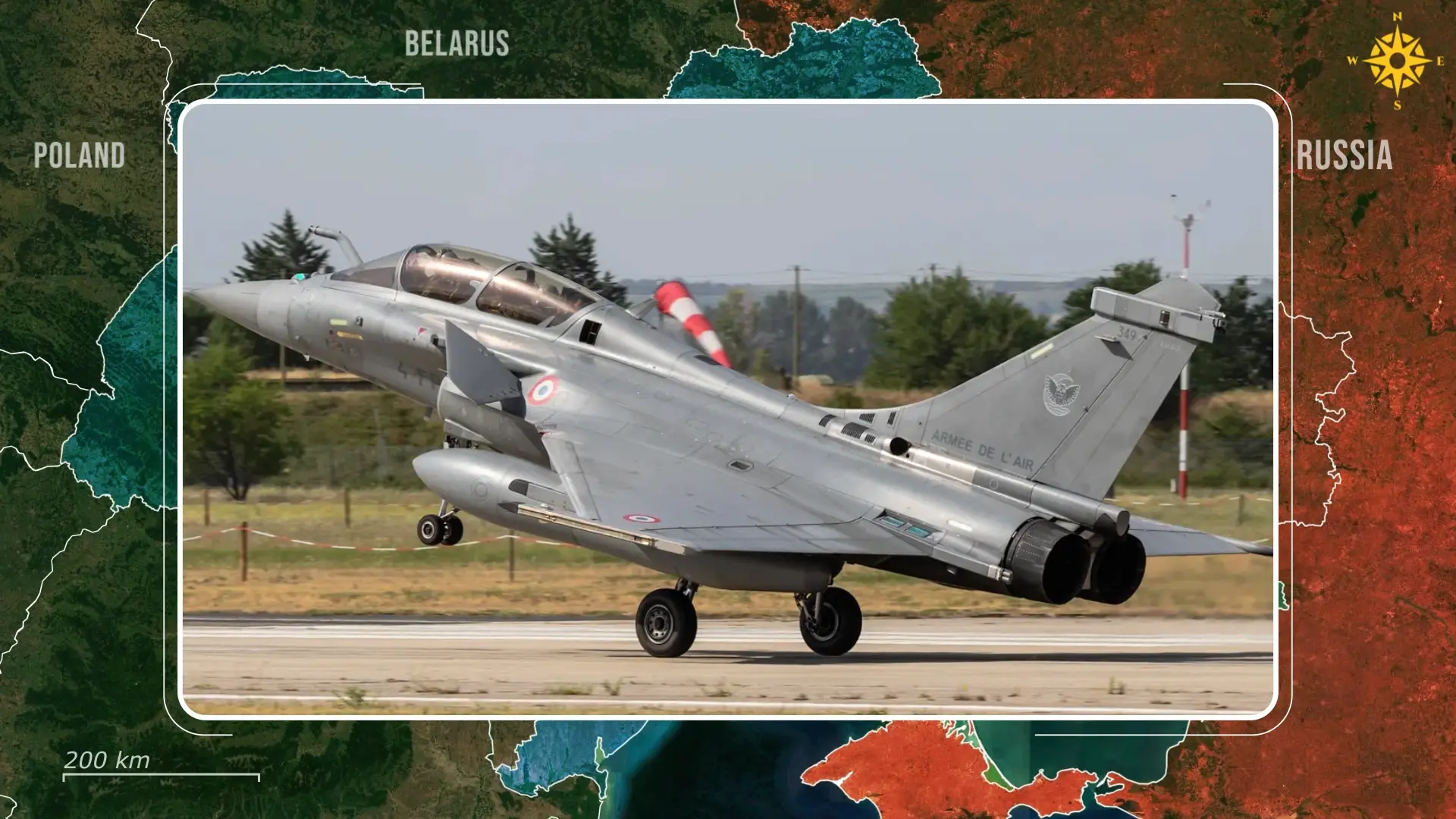
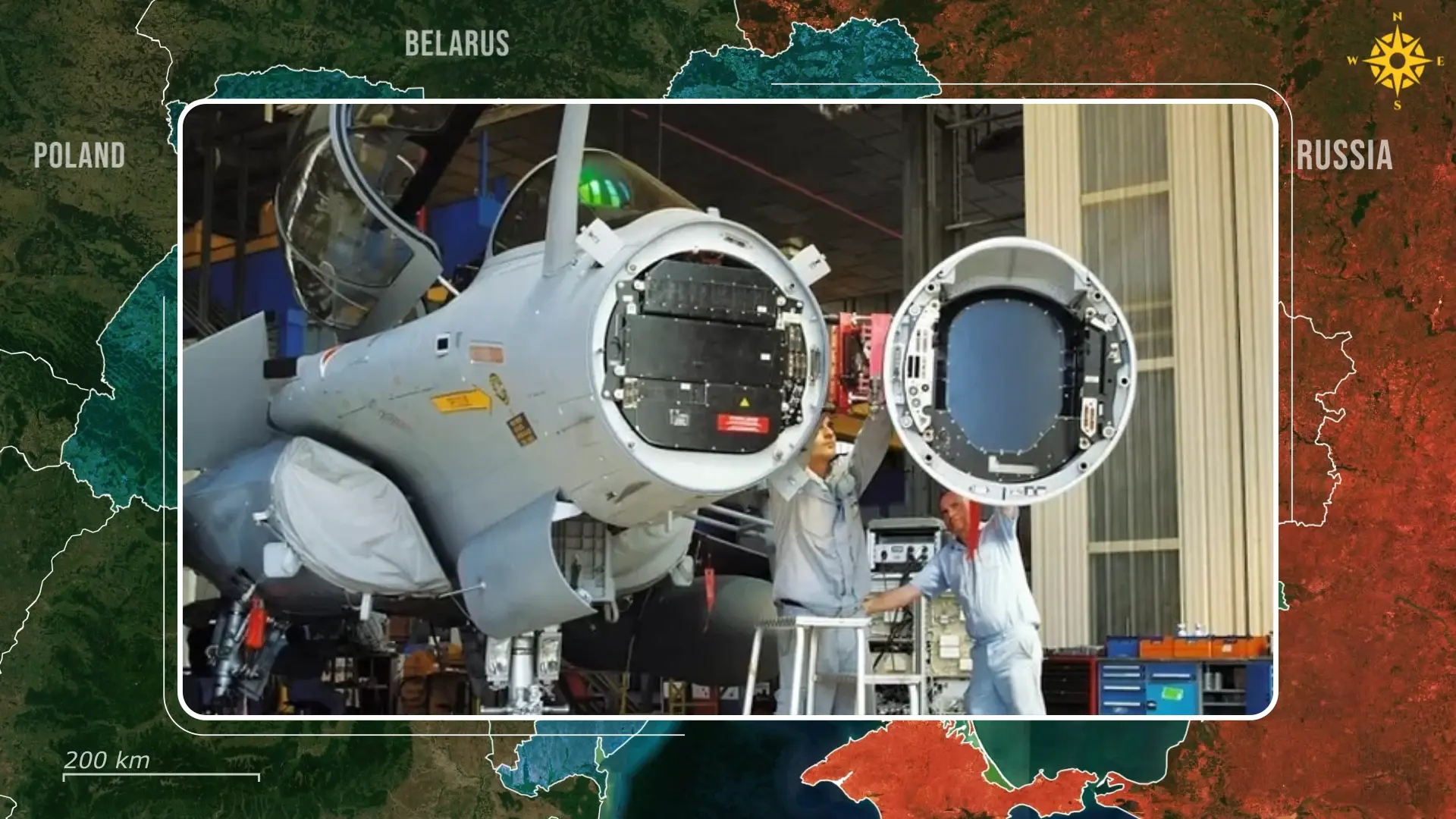
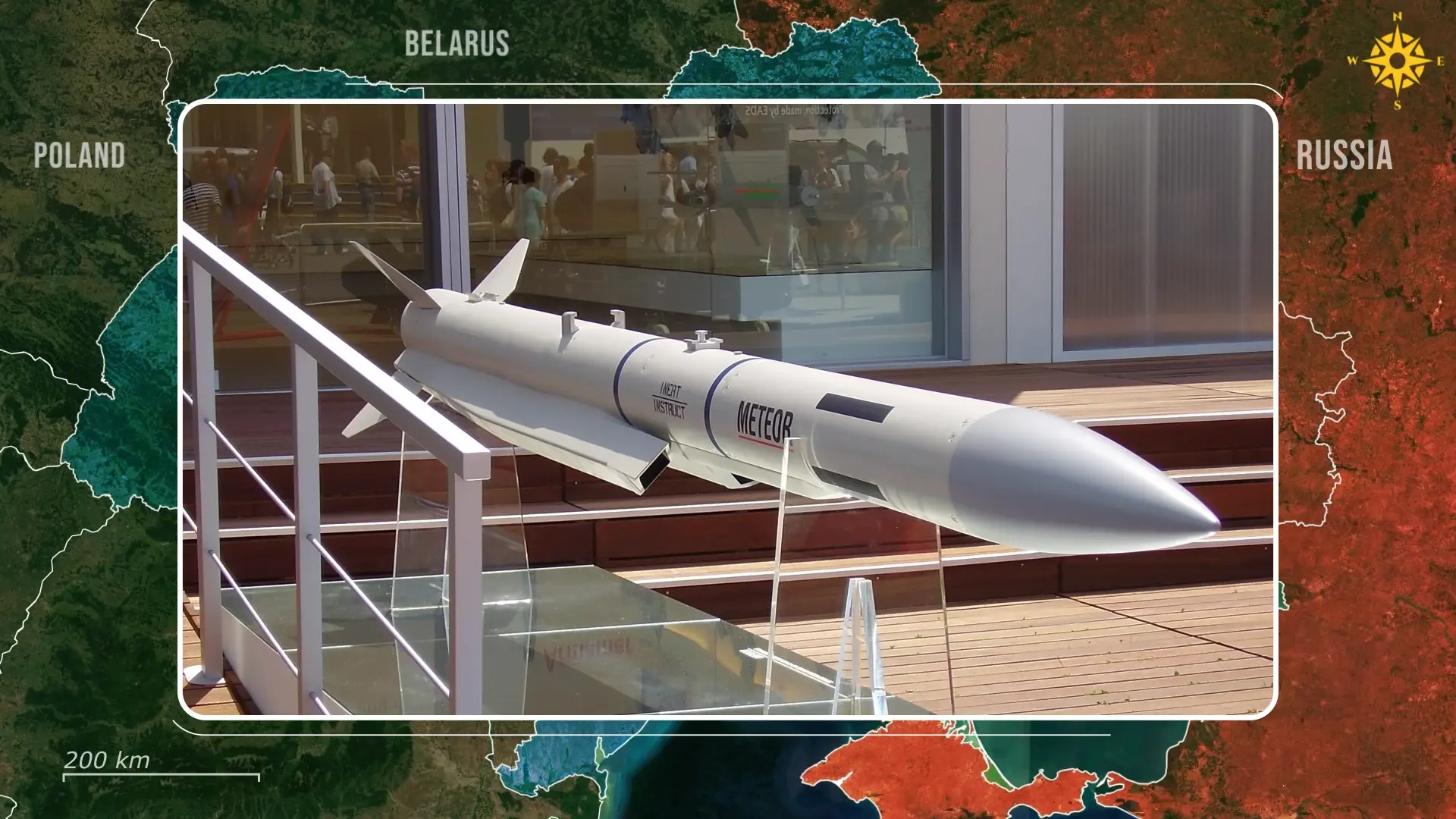
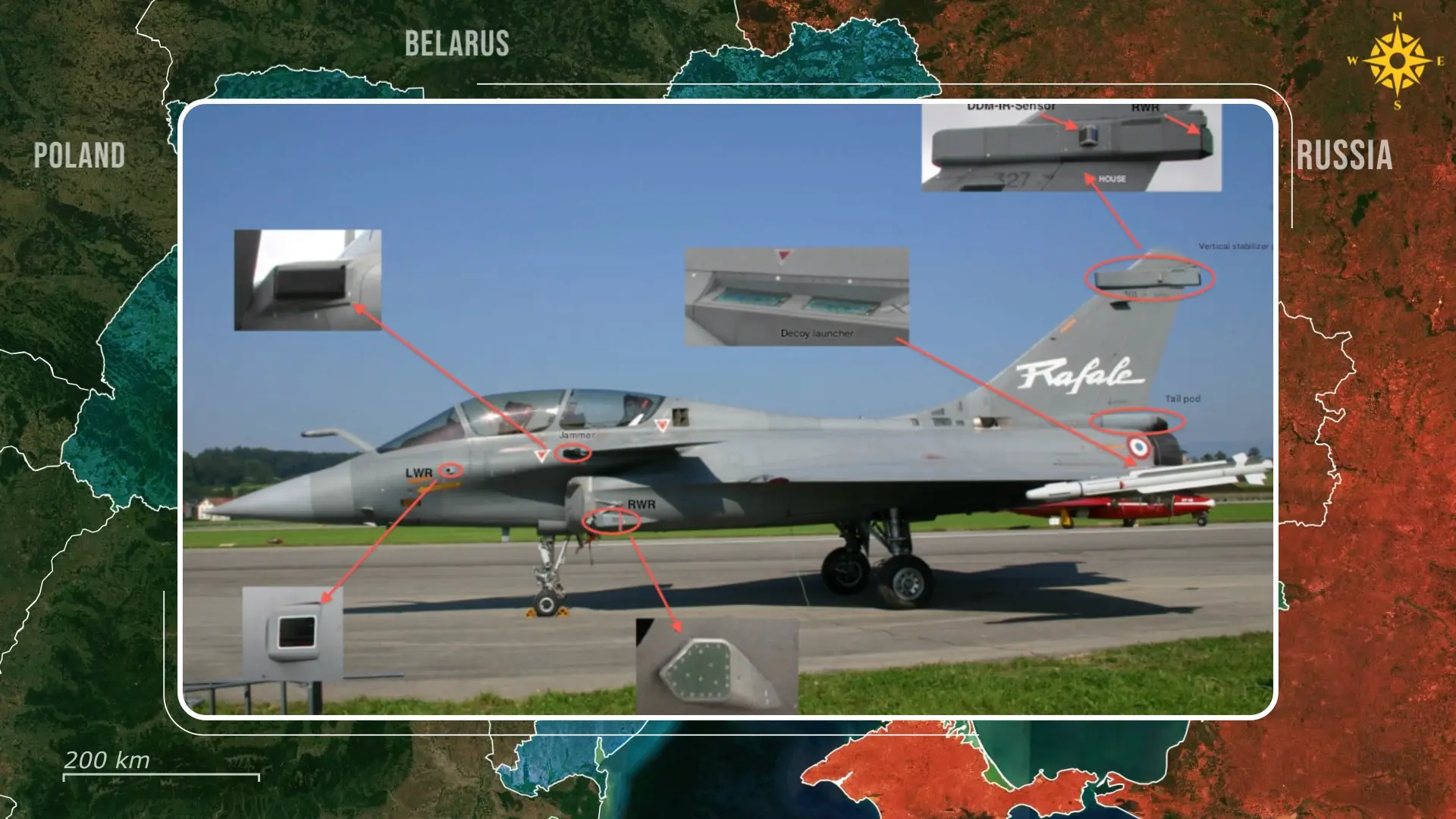
Rafale also carries the Meteor long-range air-to-air missile, allowing effective engagements well beyond visual range. The aircraft’s Spectra electronic-warfare suite significantly increases survivability by countering radar and missile threats, while its modern sensor-fusion system integrates data from multiple onboard sensors, enabling rapid and precise tactical decisions in complex combat.
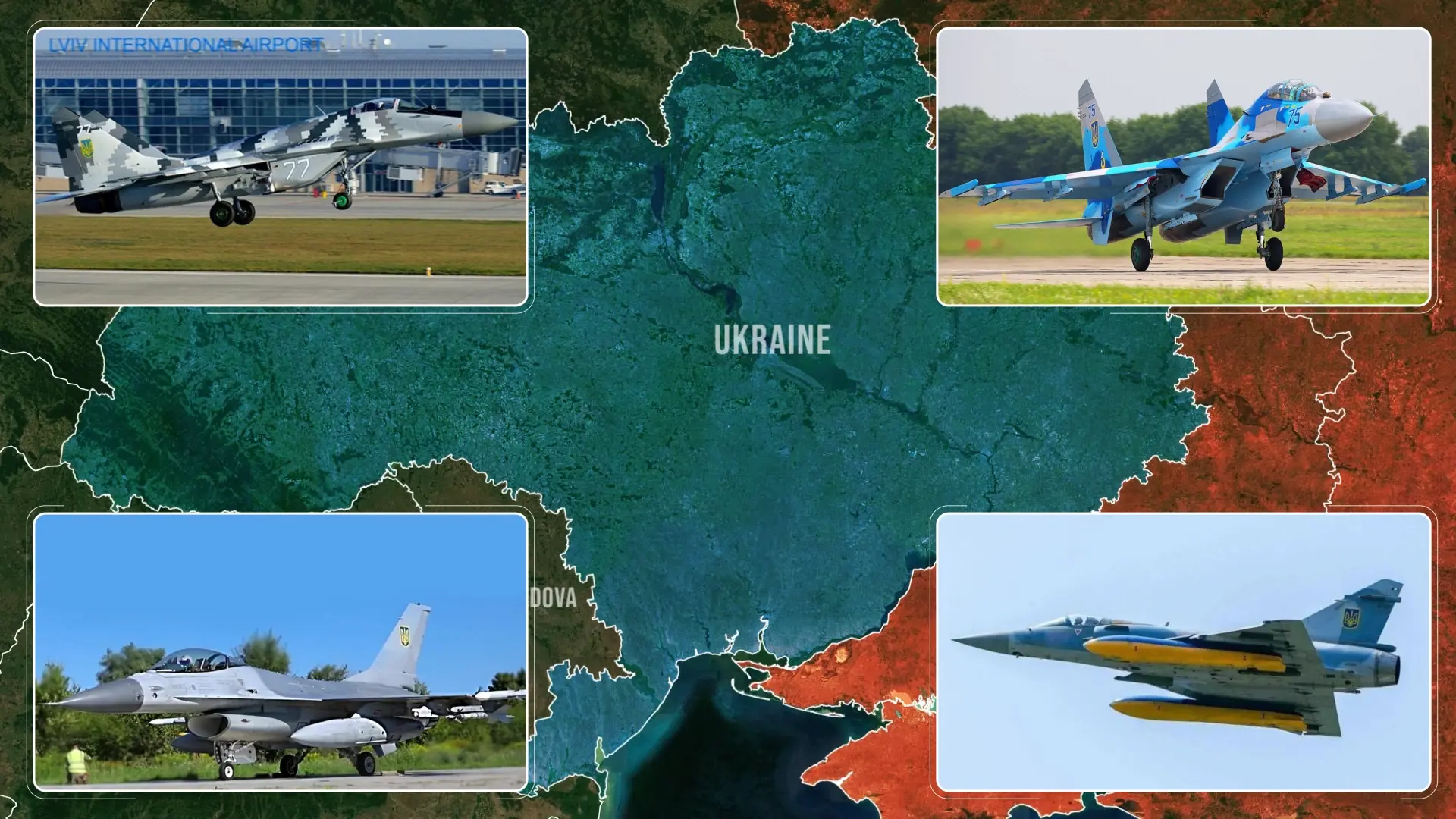
Although Ukraine’s Soviet-era Mig-29 and Su-27 remain capable in close-range dogfights, and Western fighters such as the F-16 and Mirage-2000 are more advanced overall, Rafale surpasses them all-particularly in sensor fusion, electronic-defense systems, and its exceptional ability to perform multiple mission roles within a single sortie.
Rafale jets will assume several critical strategic roles in Ukraine’s airspace. First, the aircraft can process radar returns, electronic emissions, and optical inputs under a unified analytical system, generating a clear operational picture that reveals enemy presence and movement far earlier than Soviet-era jets.
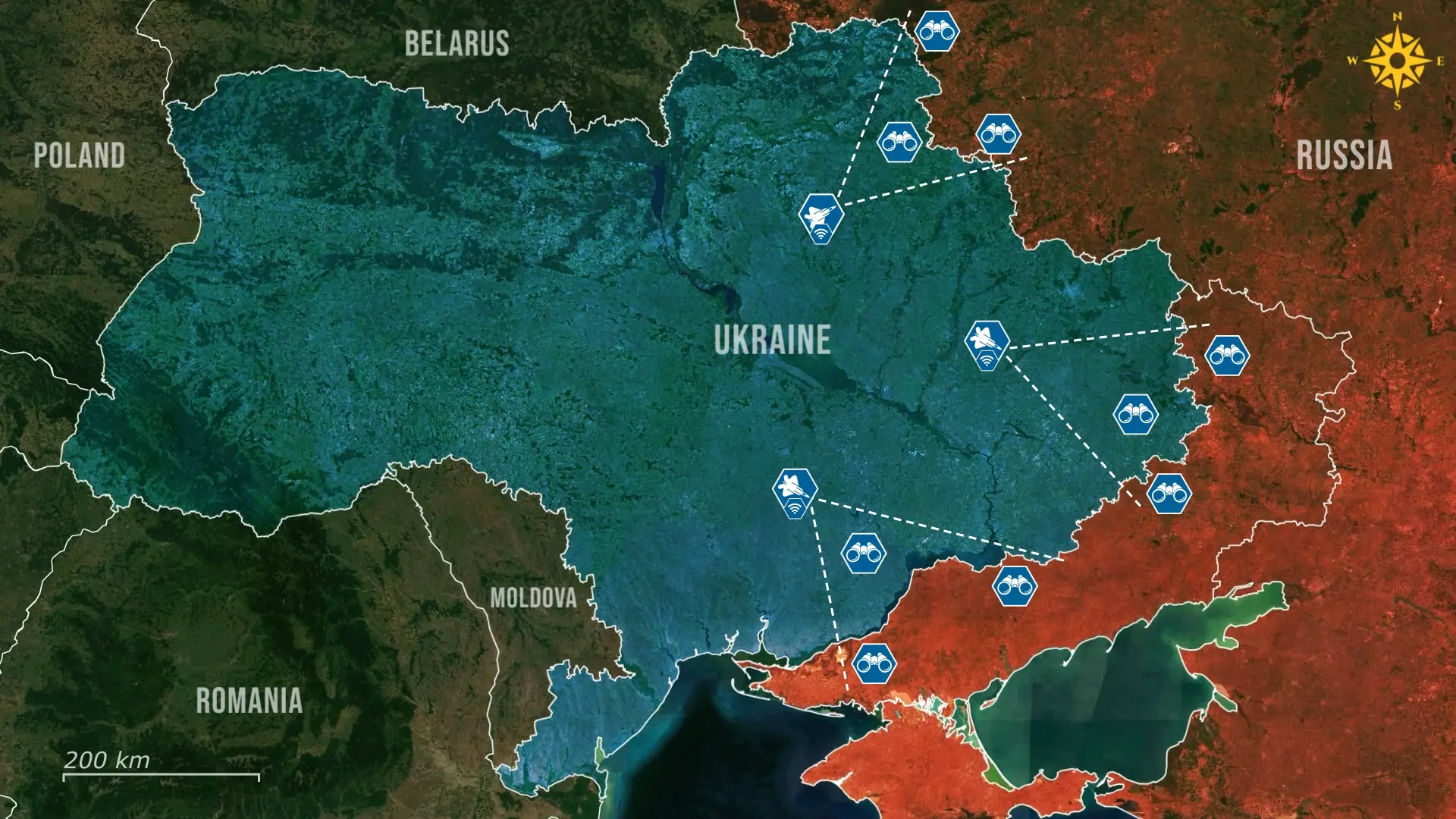
This superior situational awareness will allow Ukrainian pilots to make rapid decisions on every mission and sharply reduce operational errors by relying on an accurate, real-time threat picture, and strike Russians in kind.
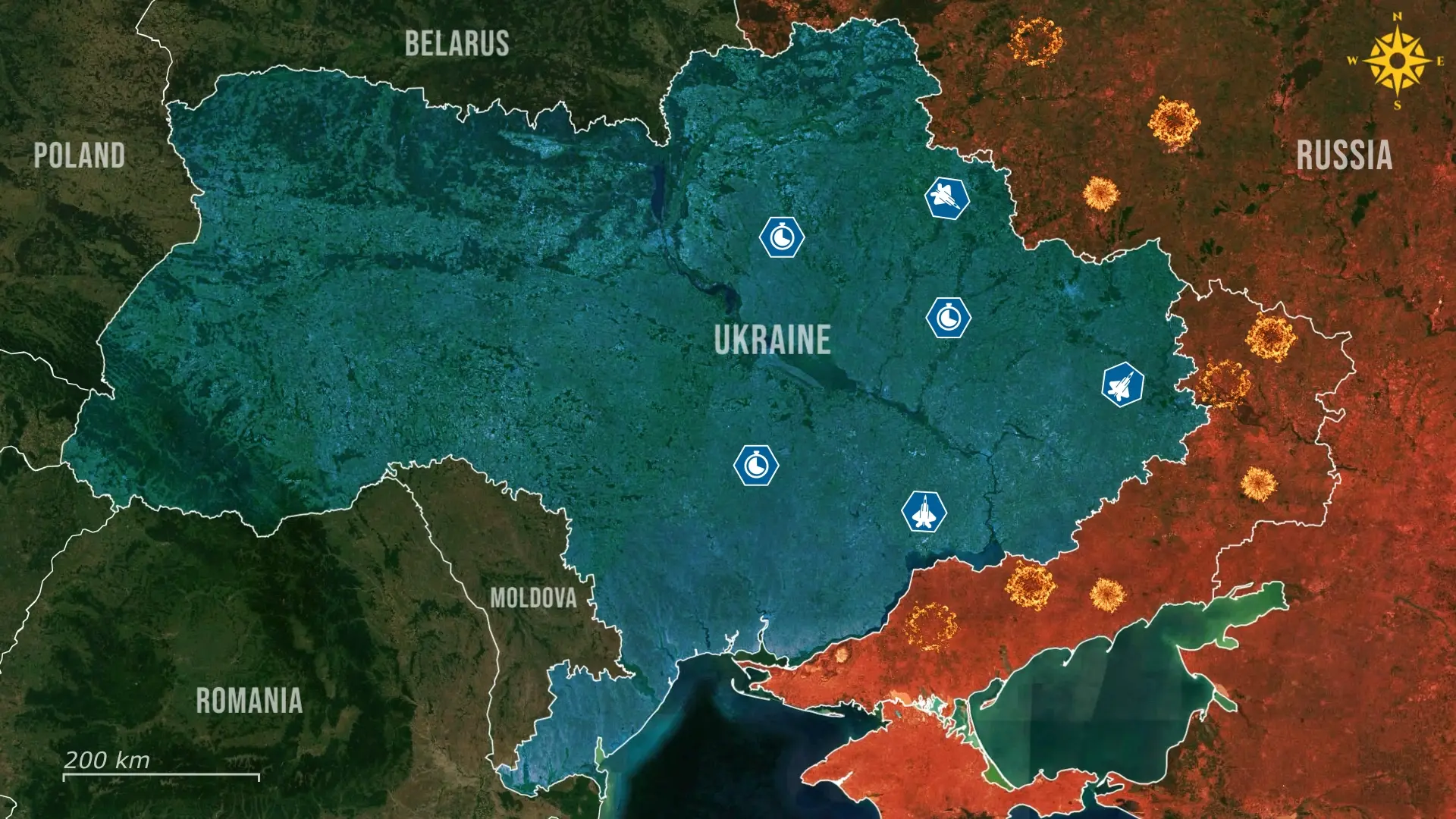
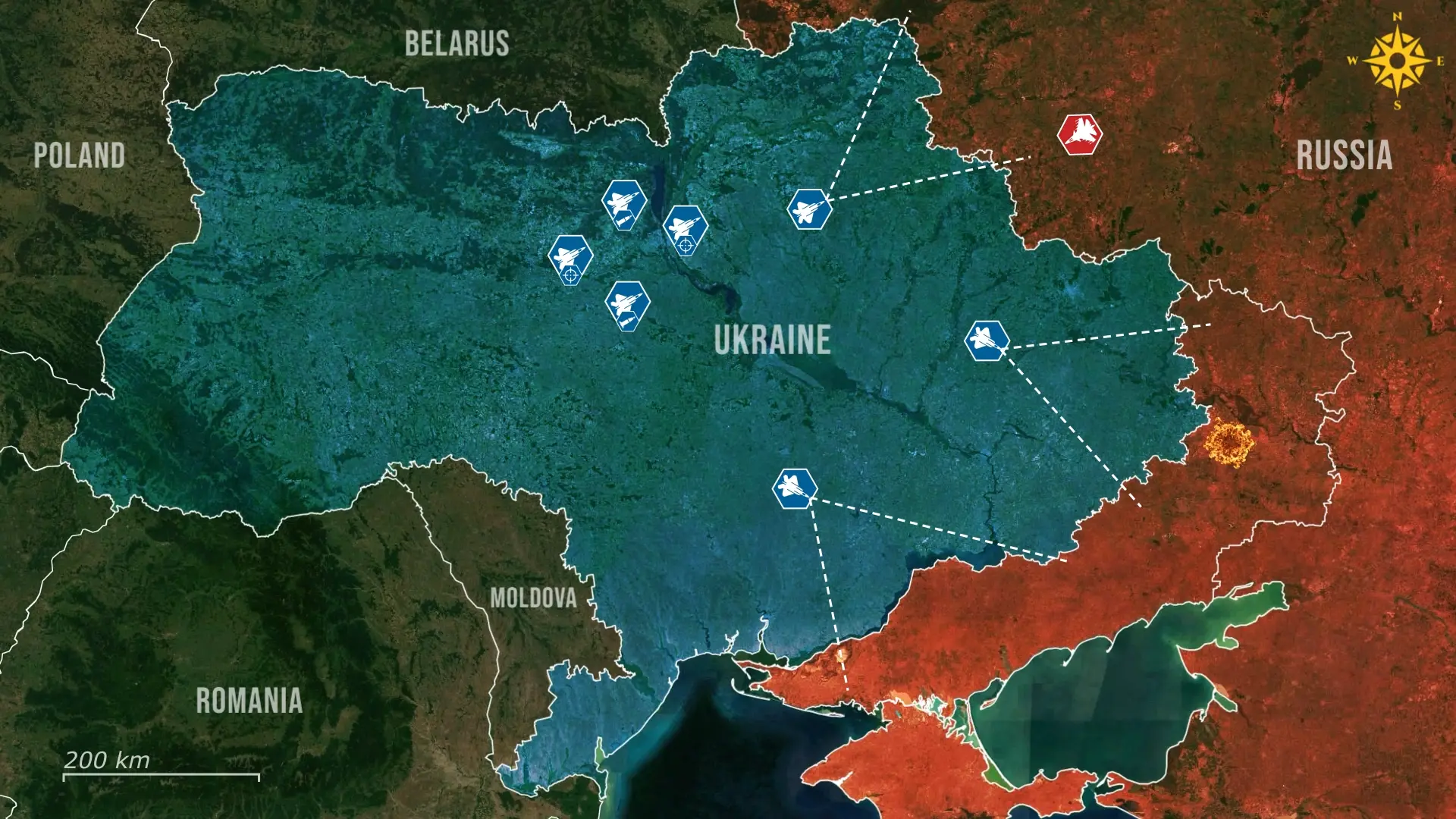
Second, Rafale’s highly stable target-tracking and long-range engagement capabilities fundamentally change mission execution by limiting the need for risky close-range dogfights. By striking from standoff distances, Ukrainian pilots will be able to restrict enemy freedom of movement and control larger airspace sectors with fewer aircraft.
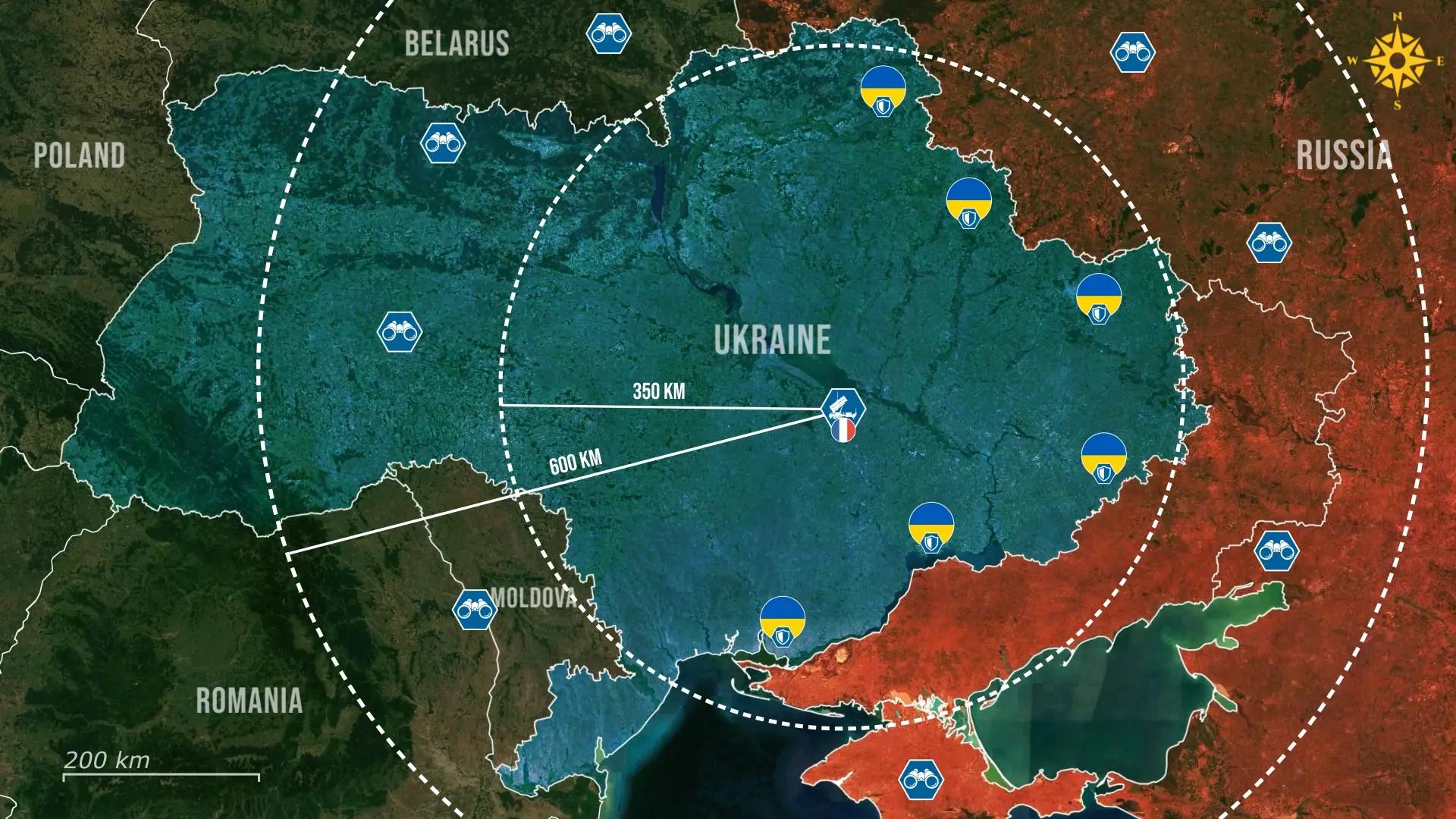
The Samp-T-NG system that Ukraine will receive is a highly automated French-Italian air-defense platform capable of operating independently or within an integrated network. It defends against medium- and long-range threats, protects high-value assets, and employs sensors that can detect breathing targets beyond 350 kilometers and engage them past 150 kilometers, while also tracking and intercepting maneuvering ballistic missiles with ranges above 600 kilometers. Together, Rafale’s advanced sensors and identification systems and the Samp-T-NG’s powerful missile-defense capabilities will create a more stable, flexible, and multilayered air-defense shield for Ukraine in real combat conditions.
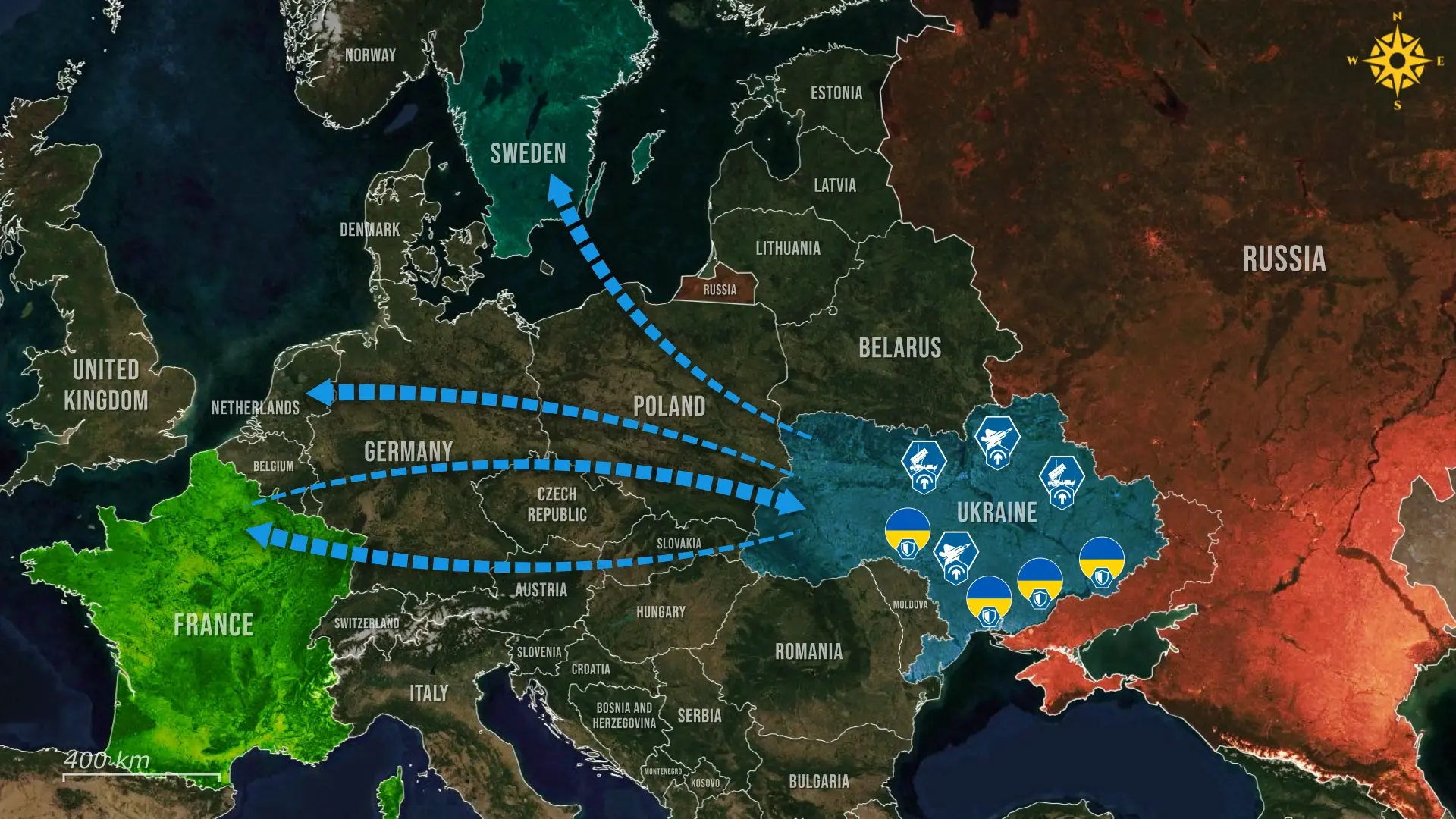
Ukraine recently signed two major fighter-jet procurement agreements in late 2025: one with France on November 17 for up to 100 Rafale aircraft, and another with Sweden on October 22 for up to 150 Gripen E jets. Under the French contract, Rafale deliveries will begin in 2026 and continue through 2035. Meanwhile, the Swedish agreement schedules the first Gripen E deliveries for around 2028, with local assembly and production in Ukraine beginning in 2033, meaning full completion will likely take 10 to 15 years. These timelines show that Ukraine is not only seeking immediate wartime improvements as deliveries trickle in, but is building a long-term, Nato-compatible, and sustainable post-war air force.
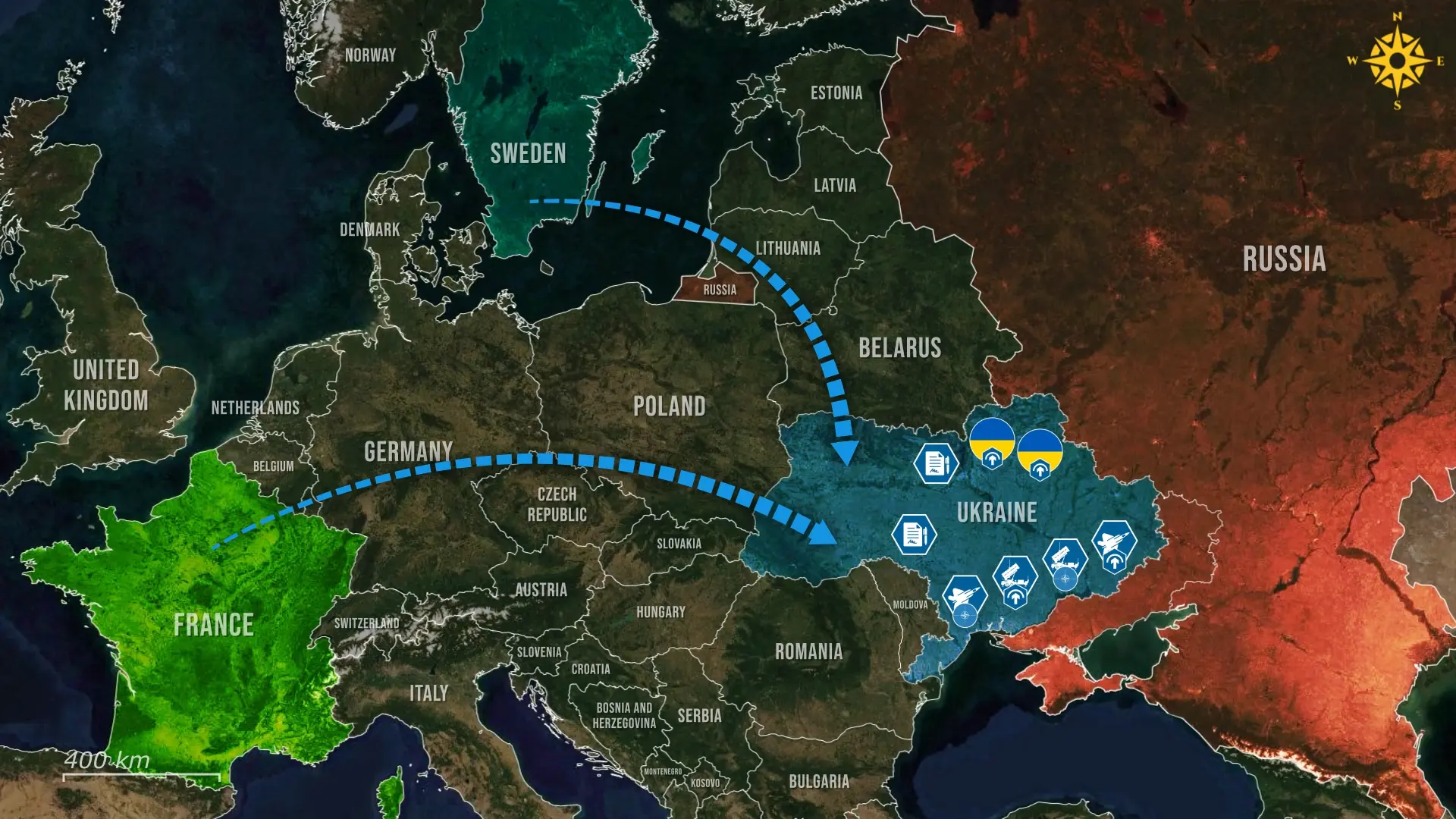
Rafale’s advanced sensor fusion and multirole performance will enhance situational awareness and mission effectiveness, while Gripen E’s electronic-warfare suite and operational flexibility will improve survivability and support rapid mobile operations. Together, these programs will gradually shape a more adaptable and capable Ukrainian air force-strengthening long-term defense against Russian threats, deepening integration into Europe’s security architecture, and reinforcing the foundation of future Nato-Ukraine cooperation and regional stability.

Overall, Ukraine is pursuing a long-term strategy to modernize its air force and air defense capabilities, rather than focusing solely on immediate wartime needs. The procurement of advanced Rafale and Gripen E fighters, together with the Samp-T-NG systems, demonstrates a firm commitment to creating a technologically superior and highly interoperable air power. This strategic shift will position Ukraine as a stable, adaptable, and credible pillar of modern air capability-one that will significantly strengthen national security and support lasting stability across Europe.
.jpg)

Comments