

.svg)
Today, there is important news from the Russian Federation.
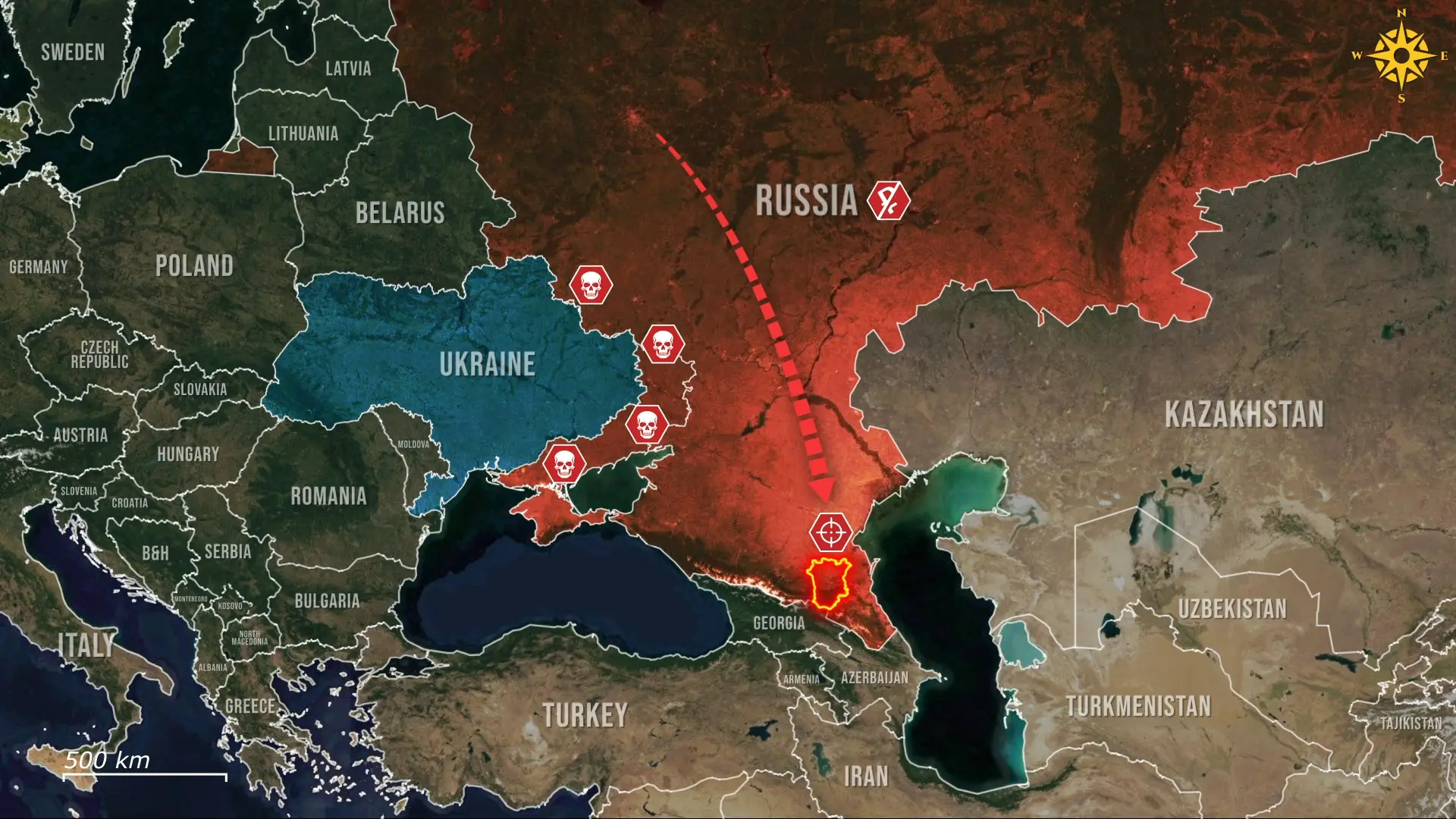
Here, Russia is balancing a tightrope to keep the turbulent Chechnya and the traditionally rebellious region stable and under control. Now, as the health of the leader of the small republic has taken a turn for the worse, a power struggle has erupted that could forbode a new conflict in it, as there is now a real risk that Moscow could lose control.
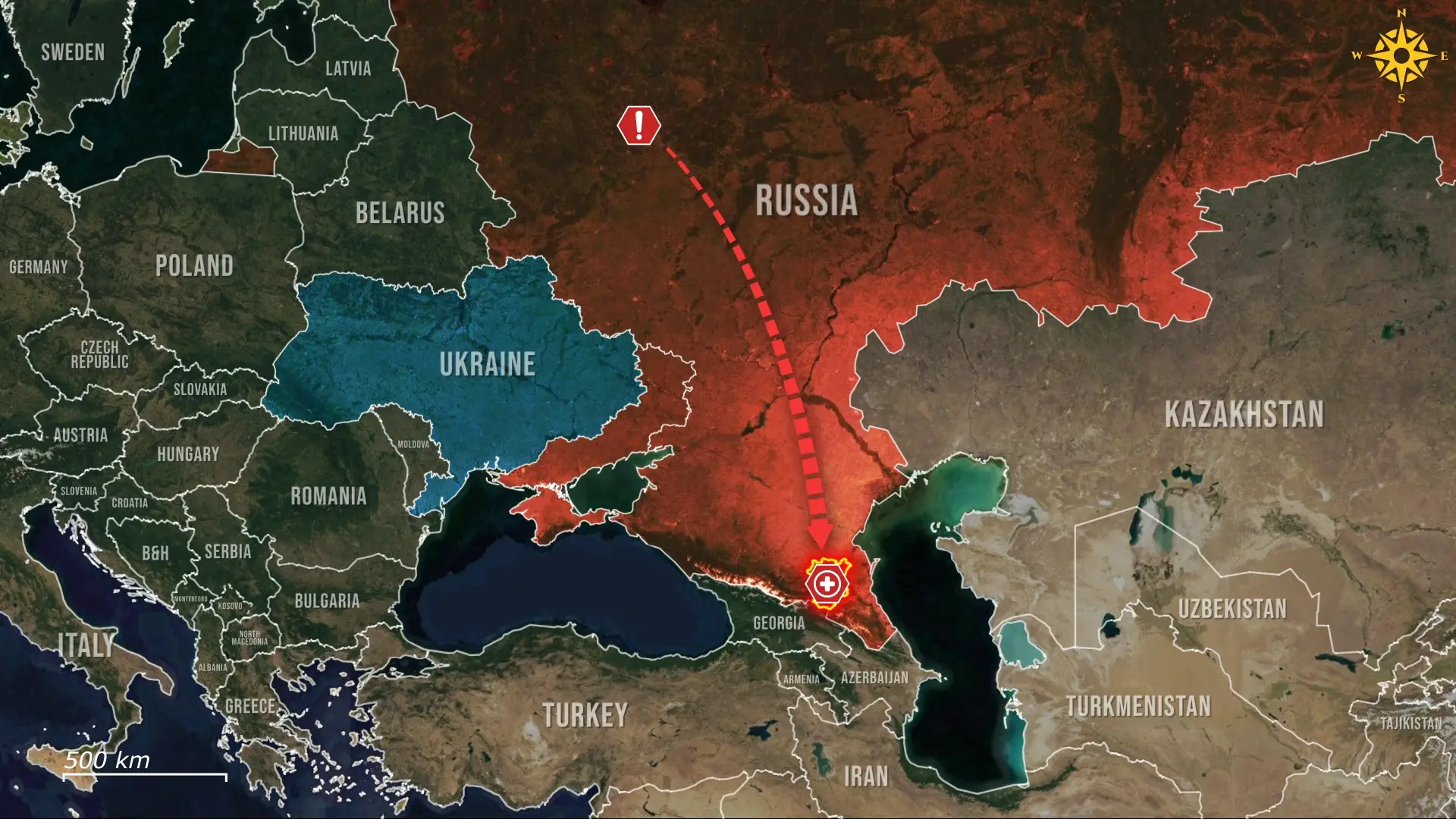
Ramzan Kadyrov’s long-rumored health decline has resurfaced amid reports of renewed hospitalization and severe kidney failure. In late December 2025, he missed key events and required intensive treatment in Moscow, with claims that he is now undergoing dialysis back in Chechnya.
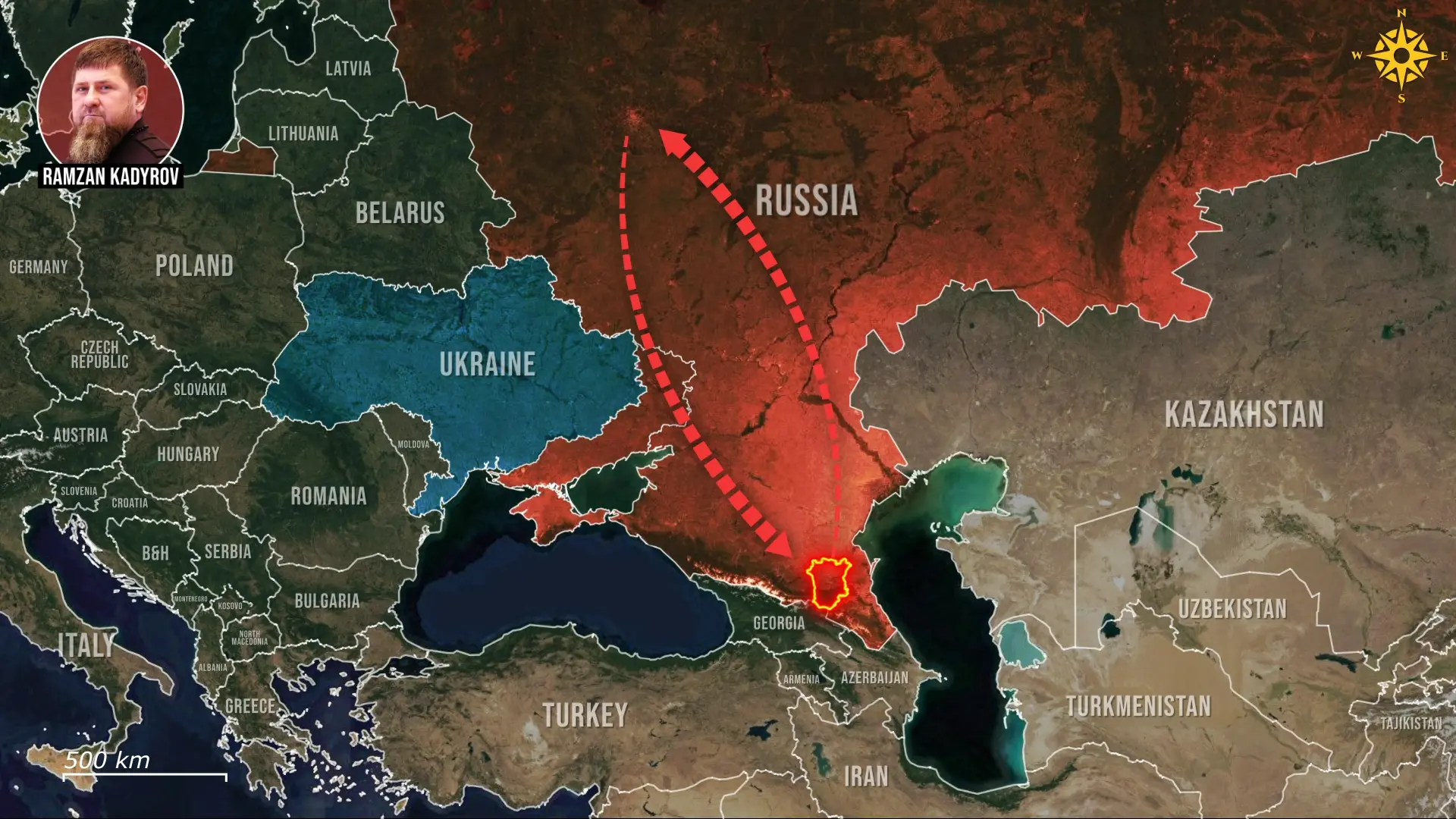
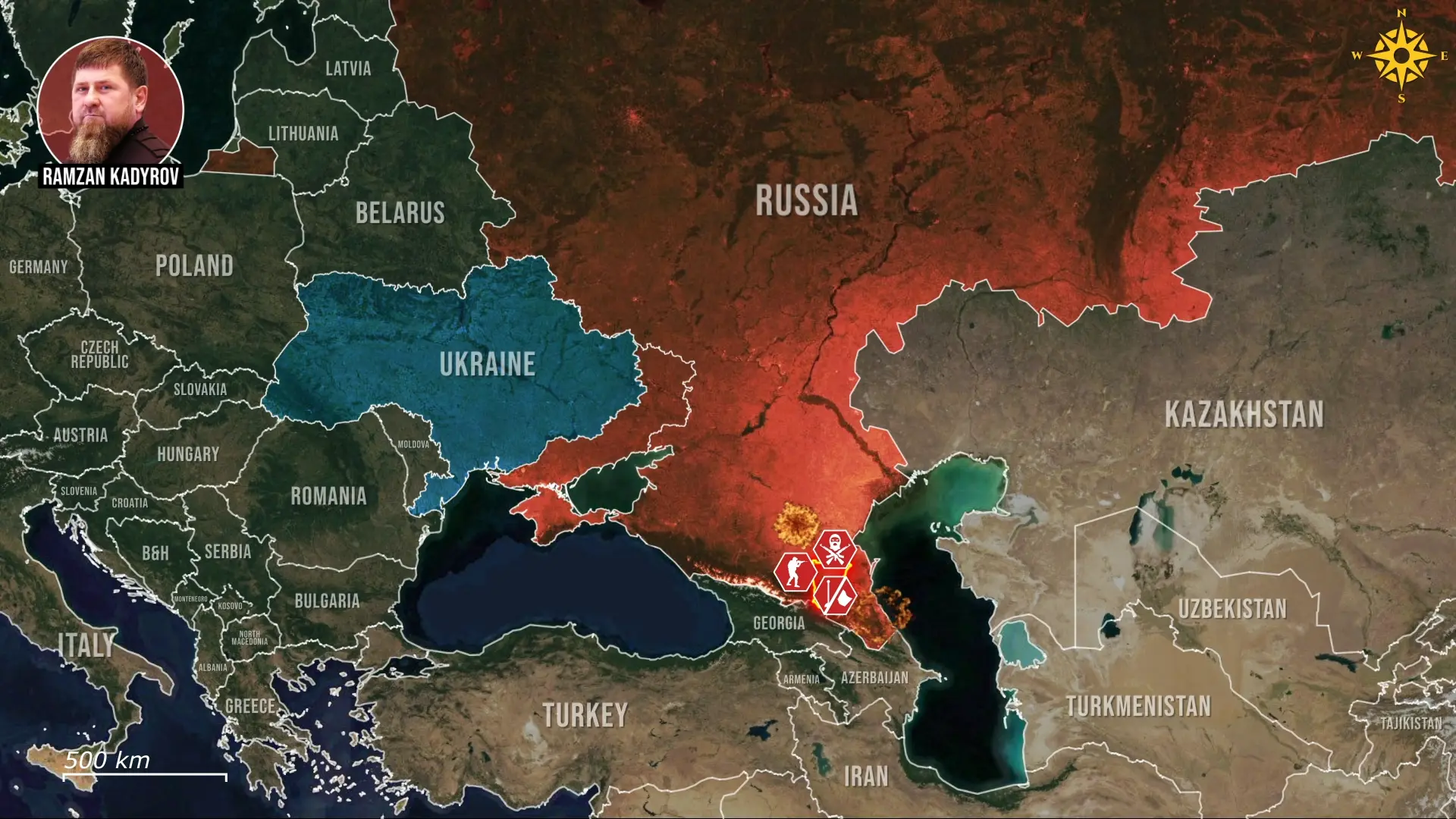
Kadyrov is regarded as the single authority holding Chechnya in line, as he personally controls security forces, suppresses rival clans, enforces loyalty to Moscow, and prevents a return to separatism and insurgency. This stability is personalized and coercive, and if his capacity weakens, long-suppressed competition could re-emerge, risking fragmentation and forcing Kremlin intervention to maintain control.
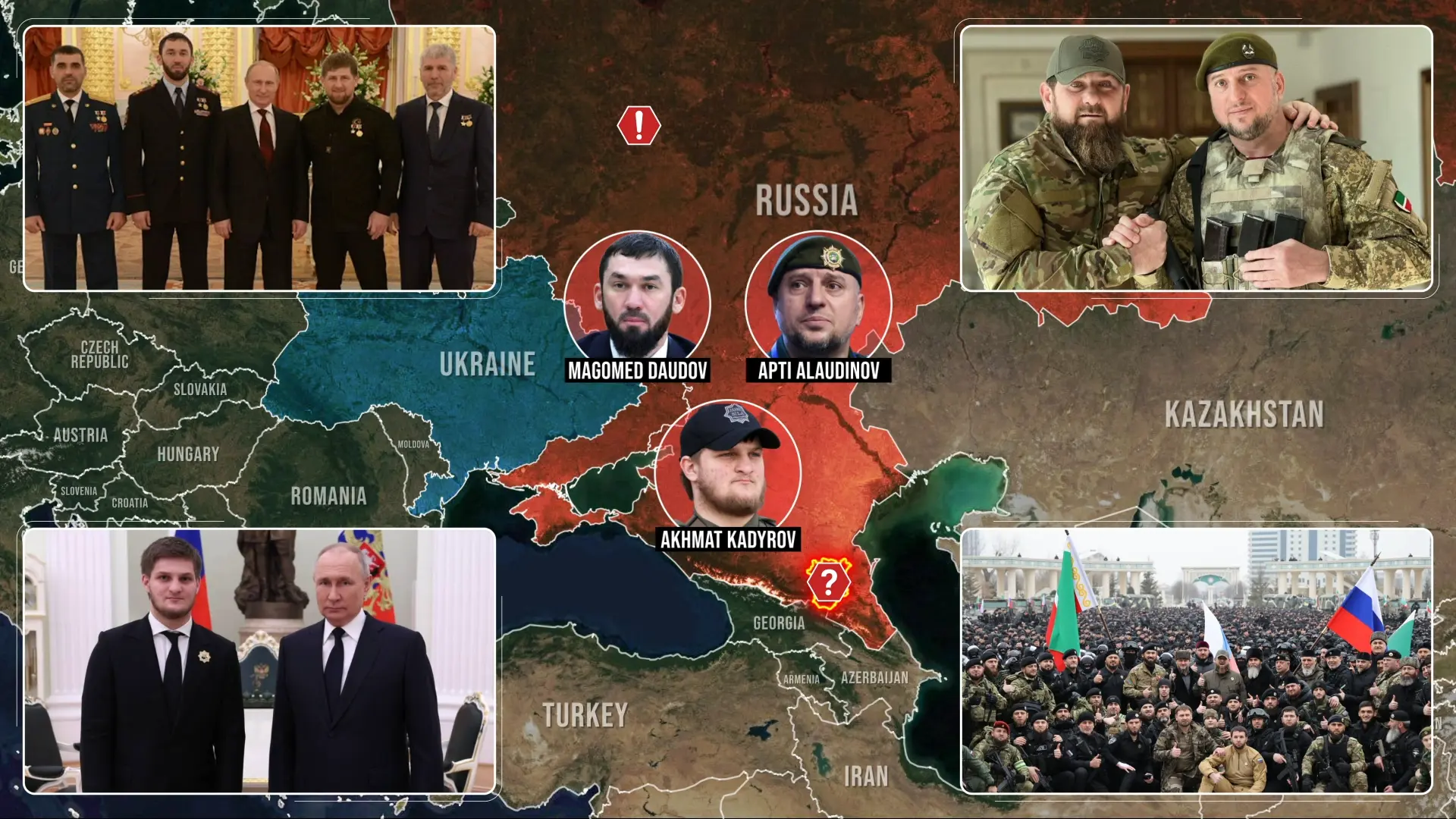
The potential contenders to succeed Ramzan Kadyrov span family members, security elites, and Moscow-aligned administrators. Magomed Daudov, speaker of the Chechen parliament and prime minister, manages internal political machinery and repression, presenting continuity and institutional control attractive to the Kremlin, so he is viewed as someone capable of maintaining institutional continuity. Apti Alaudinov, commander of the Akhmat special forces, leads Chechen units in Ukraine and carries battlefield responsibility, making him popular among militaristic circles, and signaling reliability and visible loyalty to Moscow. Akhmat Kadyrov, Ramzan's 20-year-old eldest son, serves as acting deputy prime minister and sports minister, appealing to Moscow as a dynastic option to preserve the Kadyrov clan's grip without immediate upheaval. If the most popular option, Kadyrov’s son, is chosen, it will help keep the power balance. Many people in Chechnya fear that if the ruling clan is changed, it will change their financial situation, and elites have benefited from Kadyrov being in power, however notably this makes them more loyal to him personally, than to Putin or Moscow. Despite rivalry among contenders, Moscow is the place where it will be decided who will inherit Ramzan Kadyrov's position of power.
The precedent is explicit, as Ramzan Kadyrov’s father, Akhmat Kadyrov, initially fought Russia, then switched sides, and was later assassinated with rumored tacit acceptance from Moscow. Ramzan accepted the bargain that was then offered to him: power and resources in exchange for absolute loyalty. Legitimacy in Chechnya is therefore constructed, not inherited, and rests on Kremlin endorsement. The Russian state prioritizes obedience over popularity or lineage, and no matter who is chosen, they will be framed as the rightful heir by Russian state media.
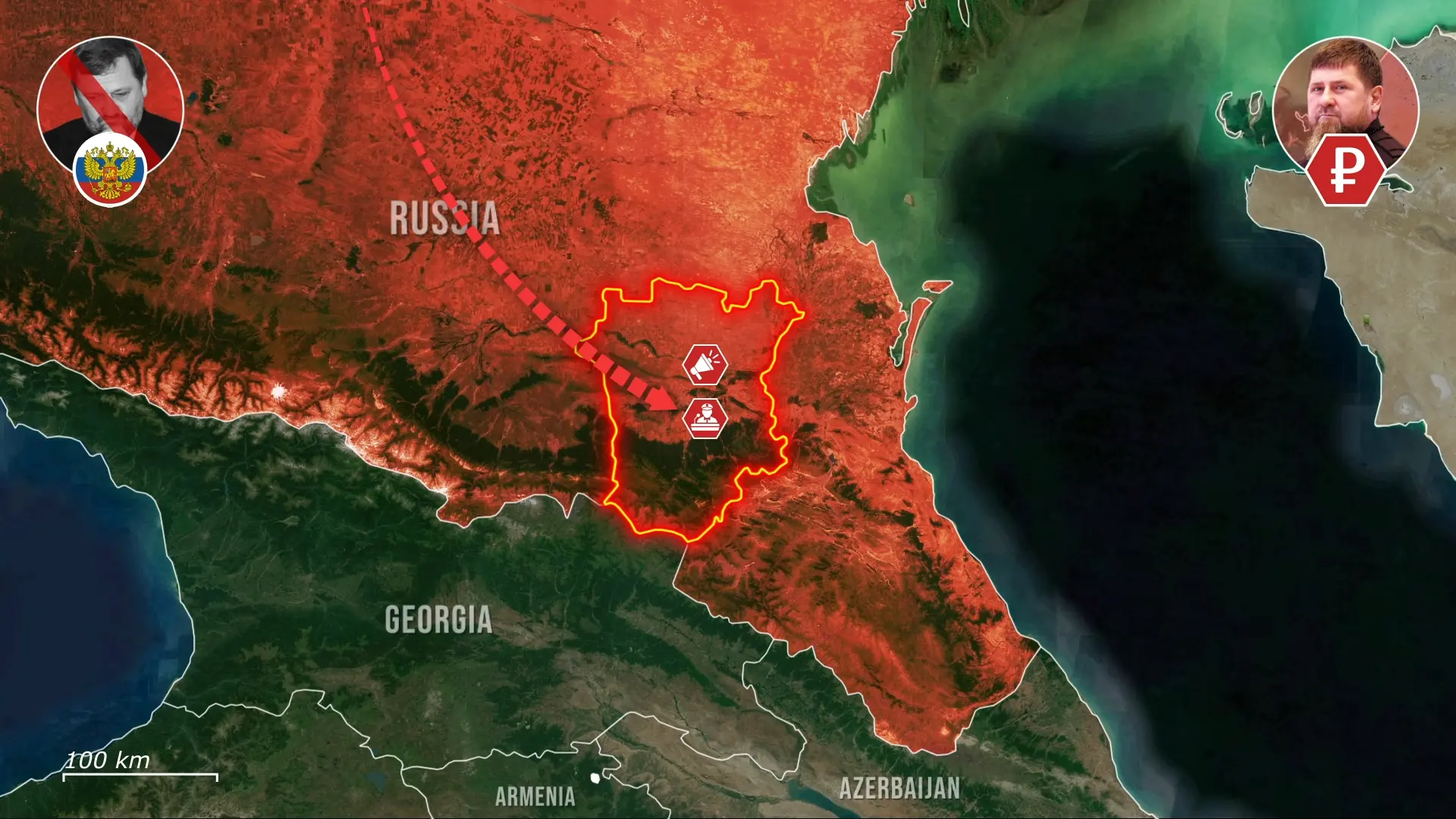
Despite this, a clash could emerge if Chechen elites or popular forces elevate a locally favored successor whom Moscow rejects, creating a split in authority. Conversely, a Kremlin-imposed leader may be resisted by networks still harboring pro-Kadyrovite or anti-Russian sentiment despite years of repression. Either mismatch risks fragmenting power, reviving clan rivalries, and compelling direct Kremlin intervention. Such outcomes would expose the fragility of stability once Kadyrov’s personal control is removed and raise the probability of a renewed conflict.
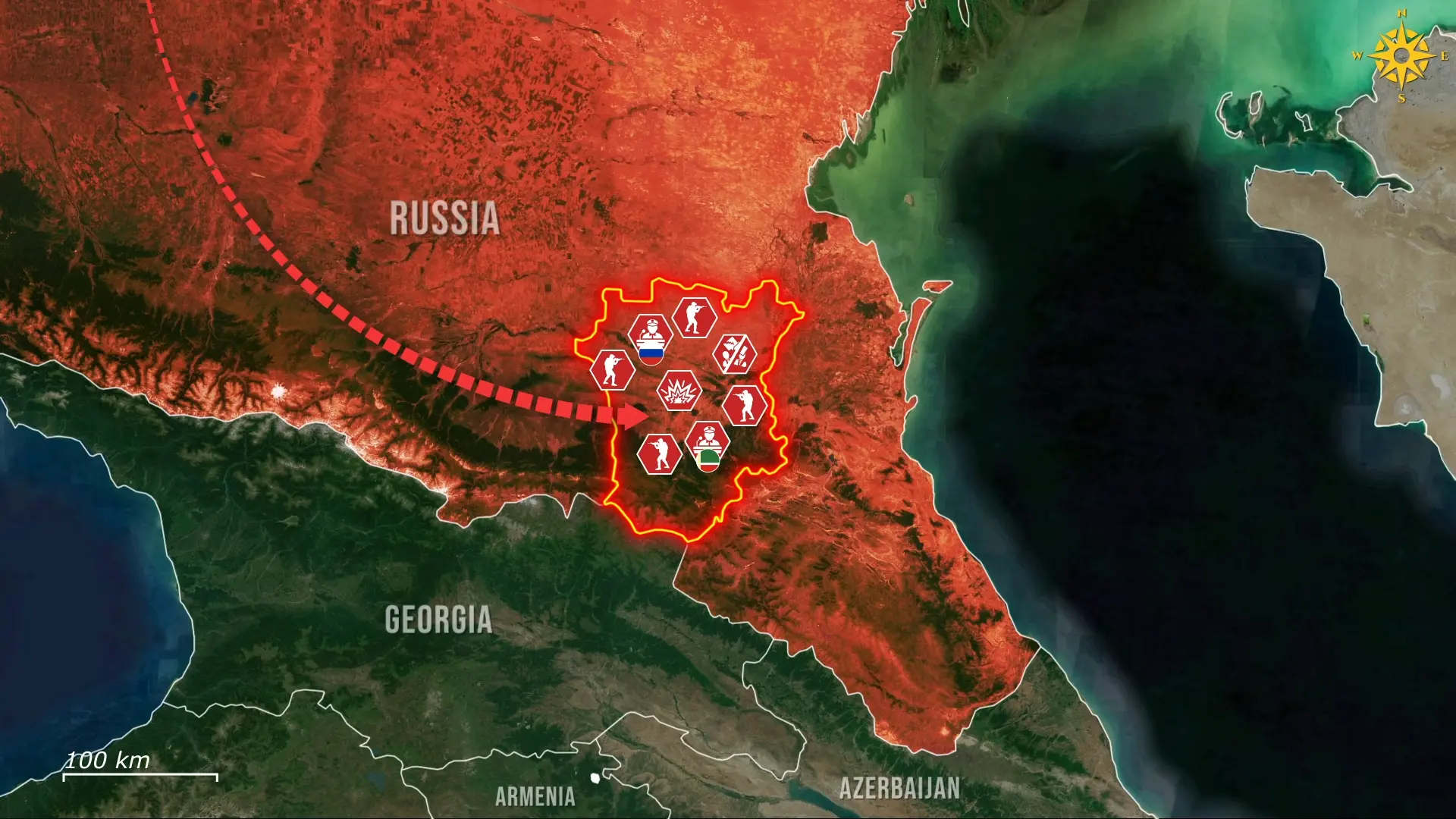
Disputed succession could escalate rapidly into assassinations, elite purges, and protests met by force. In a more radical scenario, armed factions may mobilize their own supporters, transforming political conflict into open violence and raising the specter of a third Chechen war. The Kadyrov’s or rival groups could redeploy battle-hardened fighters from Ukraine to challenge any decision, echoing Wagner’s attempted coup dynamics. Targeted killings, crackdowns, and possible insurgent revival would destabilize the republic and strain Moscow’s capacity to contain any potential spillover, especially in light of the war in Ukraine entering its fourth year very soon.
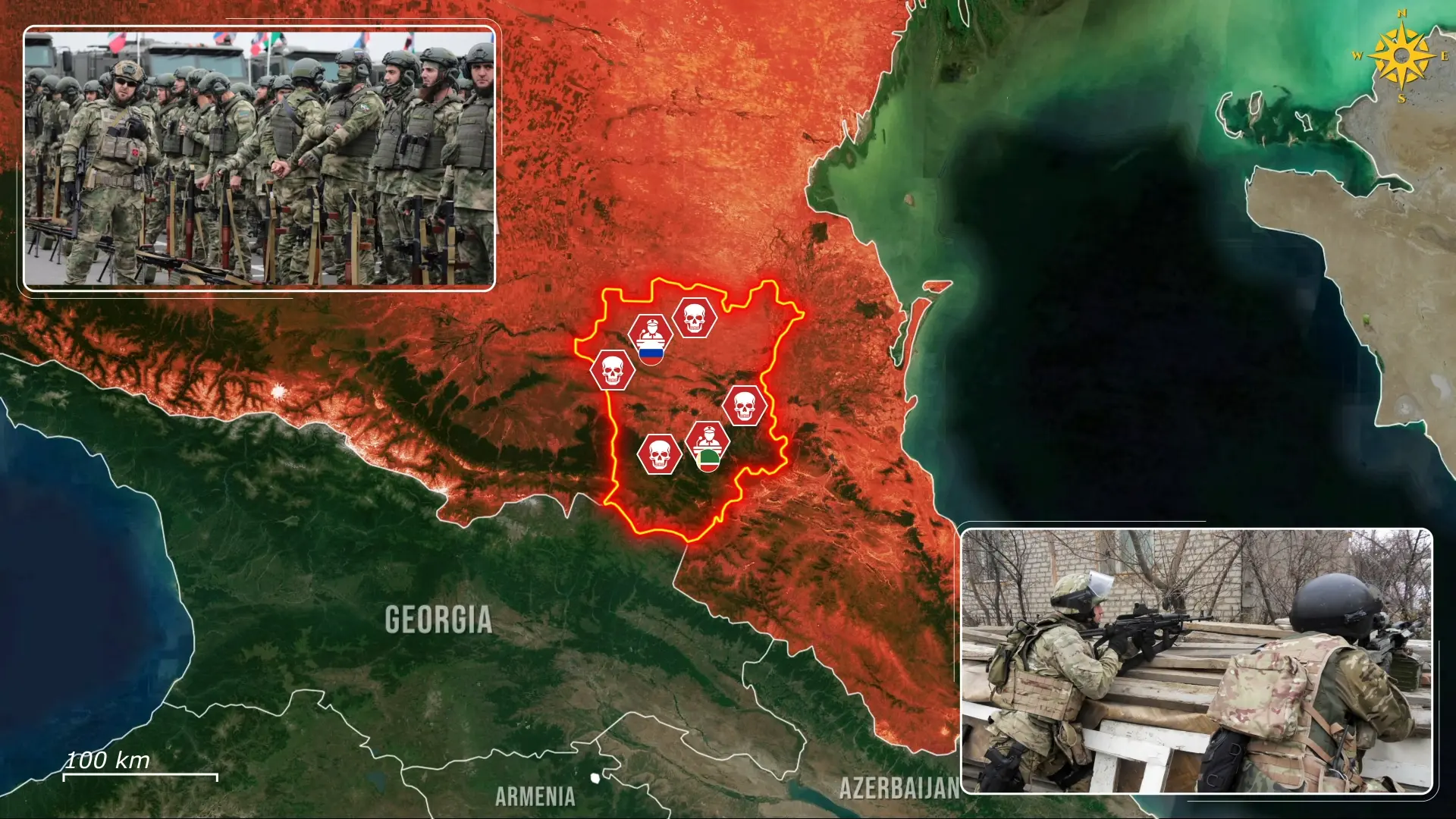
Overall, regardless of whether events stop short of a third Chechen war, a leadership struggle in Chechnya carries an enormous risk. The region’s stability depends on a personalized coercive system that lacks durable institutions. Any transition will test Moscow’s ability to balance clans, security forces, and patronage without provoking violence.
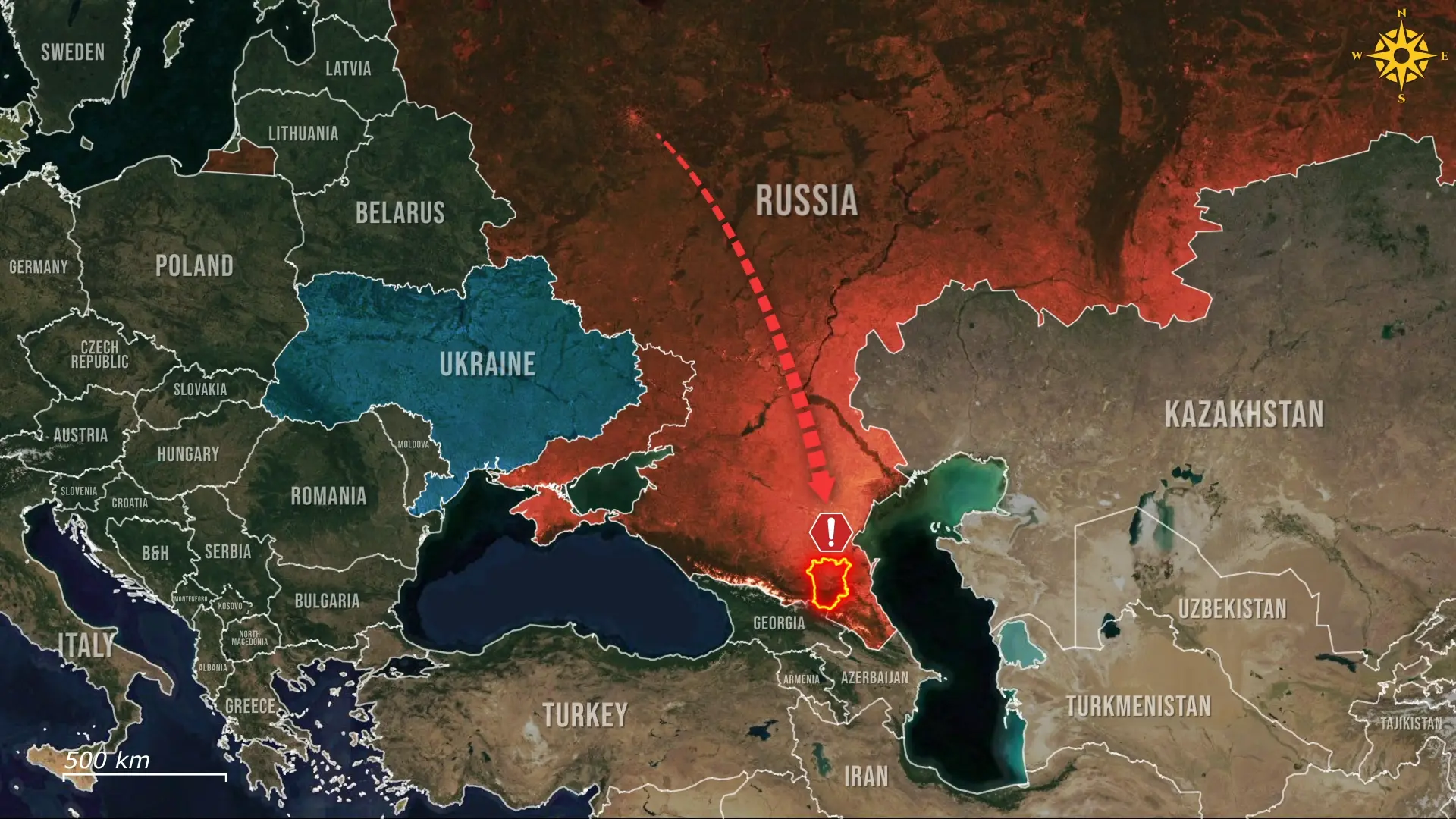
At a time when Russia is already overstretched, militarily, economically, and politically, succession turmoil in Chechnya threatens to divert attention and resources. Even a managed transition will demand sustained oversight, while a mismanaged one could ignite a new internal conflict at the worst possible moment for the Kremlin.

.jpg)

Comments