

.svg)
In this video, we will analyze why the Houthis refused to open the second front in the Iran War.
In the middle of a regional war shaped by alliances and expectations of coordinated pressure, many expected the Houthis, Iran’s most dangerous and disruptive regional partner, to play a major role when the decisive phase of the fighting arrived. Yet as the conflict intensified and the stakes rose, their limited presence created a contrast that would cast a shadow far beyond the battlefield itself.
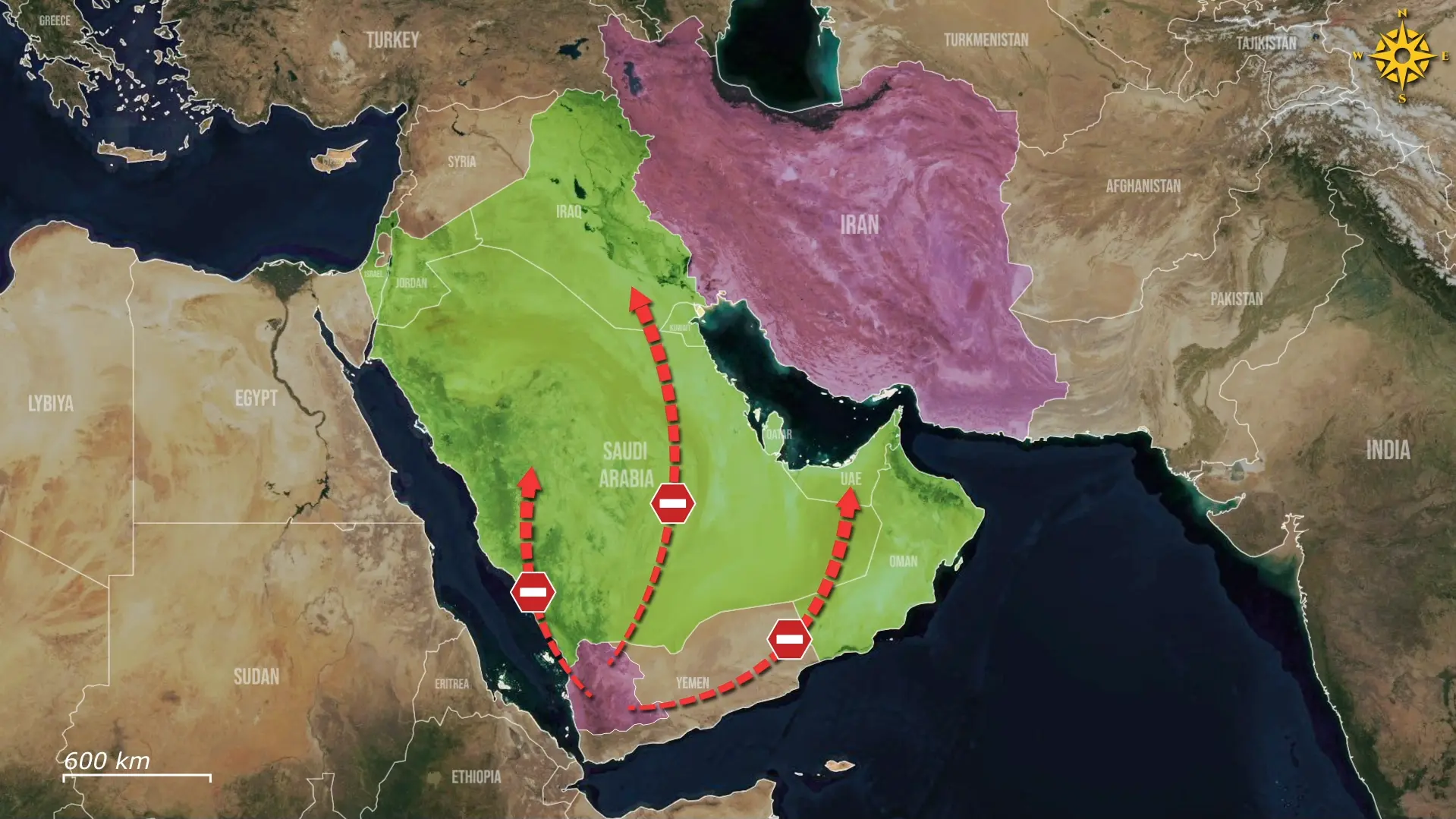
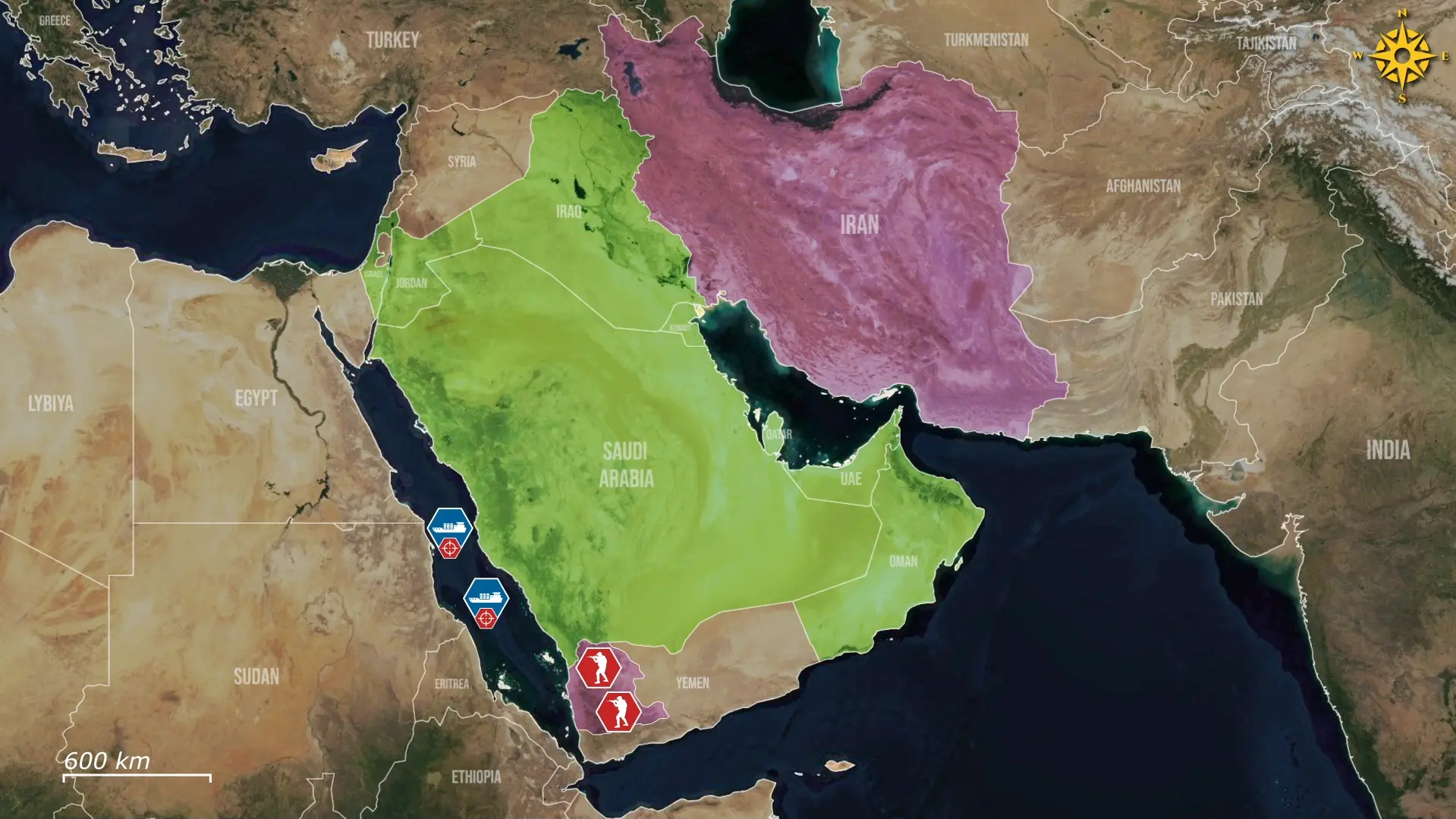
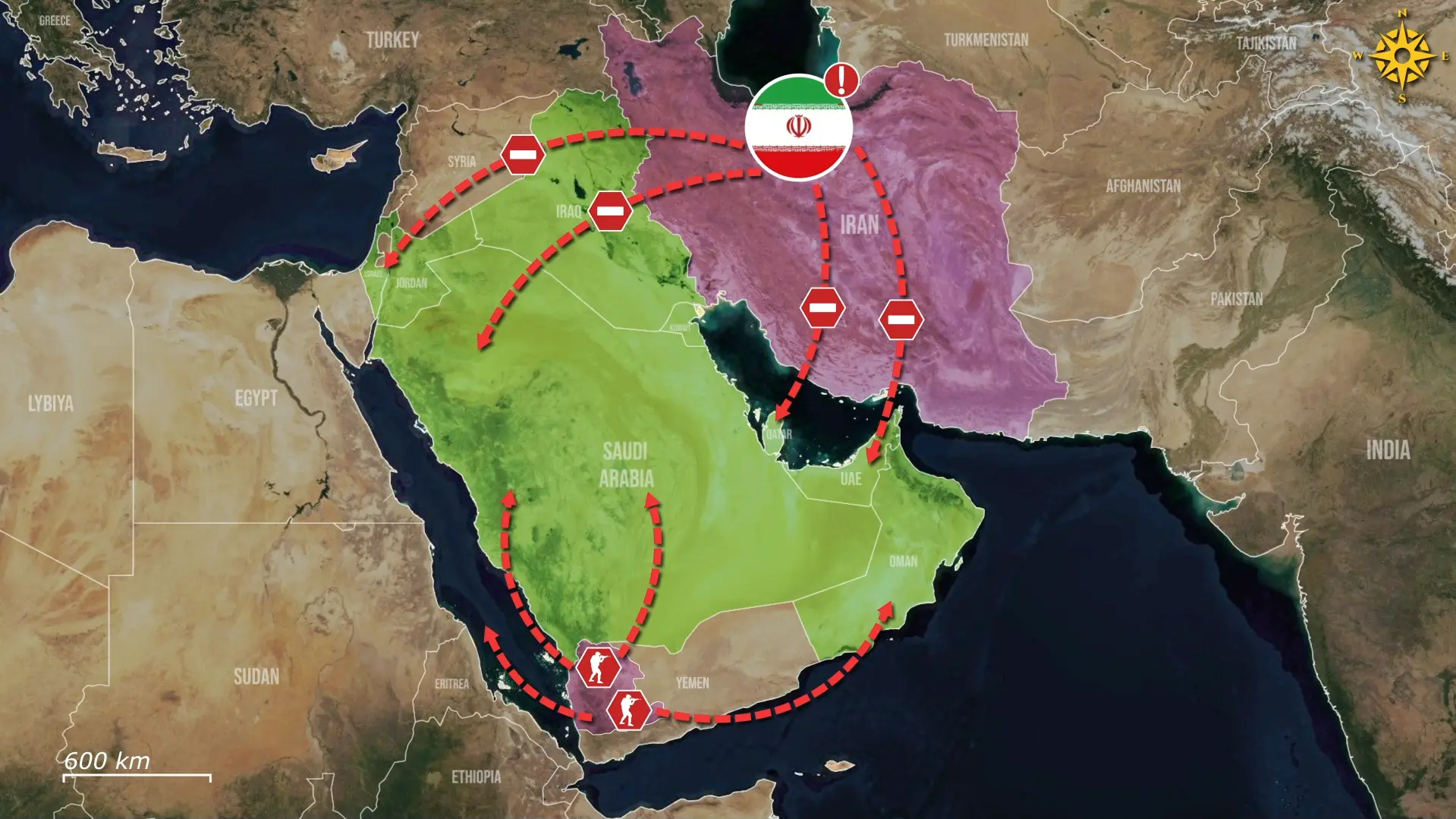
The Houthis did not stay completely outside the war, as in late March they formally announced their entry on Iran’s side and opened a new front from Yemen. They launched several ballistic missiles and drone attacks toward Israeli territory and claimed strikes against military targets in southern and central Israel. However, the practical results remained limited, as some projectiles were intercepted, while others reportedly failed to even reach their intended targets. They also announced a maritime blockade against Israeli shipping in the Red Sea and warned that vessels linked to Israel could become military targets. Houthi officials repeatedly threatened expanded operations around the Bab-el-Mandeb strait and later claimed the downing of an American Reaper drone before striking a ship near the same area. These actions created disruption and forced security responses, but they never developed into sustained attack waves or a broader campaign capable of fundamentally changing the course of the conflict.
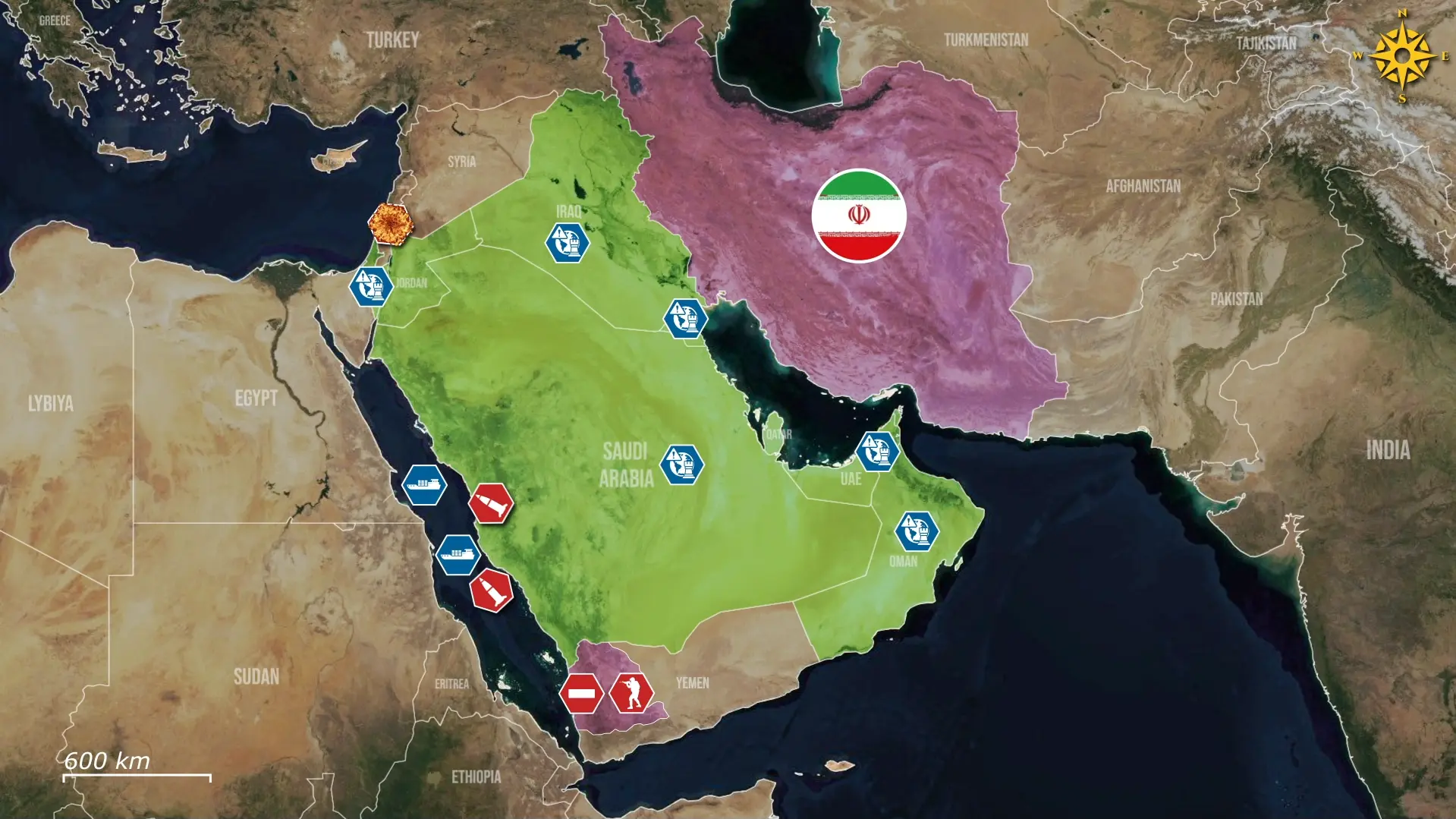
However, the limited scale of Houthi involvement stood out because this was precisely the type of conflict where many expected them to play a decisive role. Iran’s regional strategy depended on allied groups creating pressure across multiple fronts at the same time in order to complicate military planning and raise the costs for its opponents. The Houthis were considered one of the most dangerous parts of that network because they had already demonstrated the ability to launch ballistic missiles, long-range drones and sustained attacks against major maritime routes. A larger intervention created fears that the war could rapidly expand beyond its primary battlefield. Security planners expected repeated missile waves toward Israel, intensified attacks on commercial shipping and major disruptions across the Bab-el-Mandeb strait and the Red Sea corridor. There were also concerns that American naval forces could become drawn into broader engagements while shipping costs and energy markets came under pressure. Instead of opening a wider regional crisis, the expected second front never fully emerged.
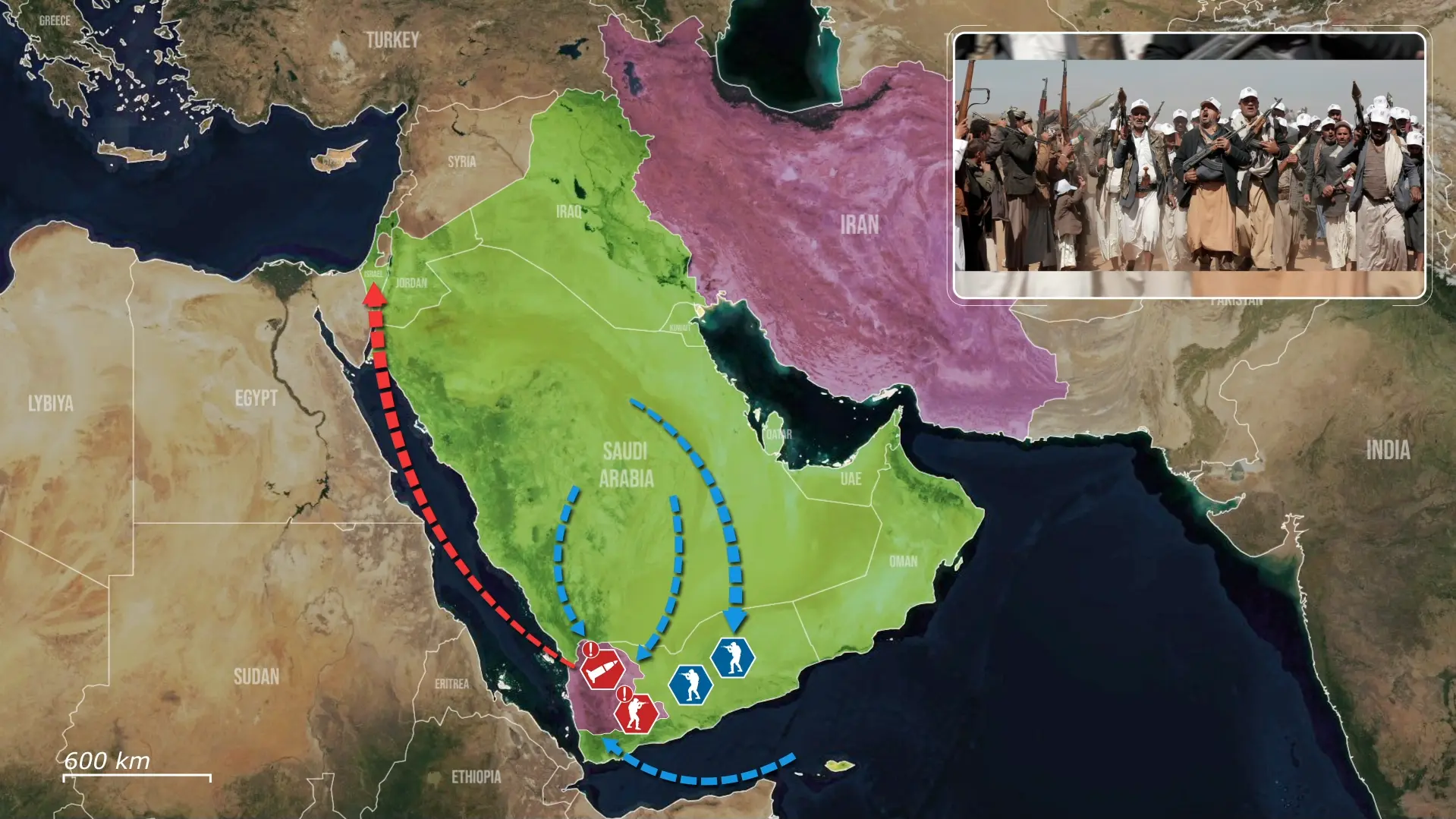
The two most important factors behind limited Houthi involvement were geography and local priorities inside Yemen itself. Yemen is distant from Israel’s main theater of operations, which naturally reduced the scale and speed of sustained military pressure despite the use of missiles and drones. Distance also makes larger campaigns more demanding because repeated long-range attacks require stockpiles, logistics networks and launch infrastructure that can become depleted or exposed over time. Domestic considerations created another major limitation, as the Houthis still operate inside an unresolved Yemeni conflict and therefore cannot fully redirect their attention and resources toward an external war without creating risks at home. This was not only a theoretical concern because internal tensions remained active during the same period, including clashes involving Saudi-backed forces and unrest linked to competing factions inside southern Yemen. Other factors likely reinforced these constraints, as a broader campaign could have triggered heavier American and allied military responses against Houthi positions and strategic assets, while limited participation could still demonstrate political support for Iran without accepting the costs of full-scale regional escalation.
Overall, the most important development was not that the Houthis participated in the conflict, but that their participation remained limited despite expectations of a much broader role. Iran’s regional strategy has long relied on the perception that pressure applied through allied movements could multiply the costs for its opponents across several fronts at the same time. When one of the network’s most feared and disruptive actors remains restrained during a decisive period, questions emerge about the reliability and practical limits of that strategy under real wartime conditions. The issue, therefore, extends beyond Yemen because it affects perceptions of deterrence, alliance credibility, and the ability of Iran’s broader regional architecture to function as originally expected.

.jpg)

Comments