

.svg)
Today, there is important news from South America.
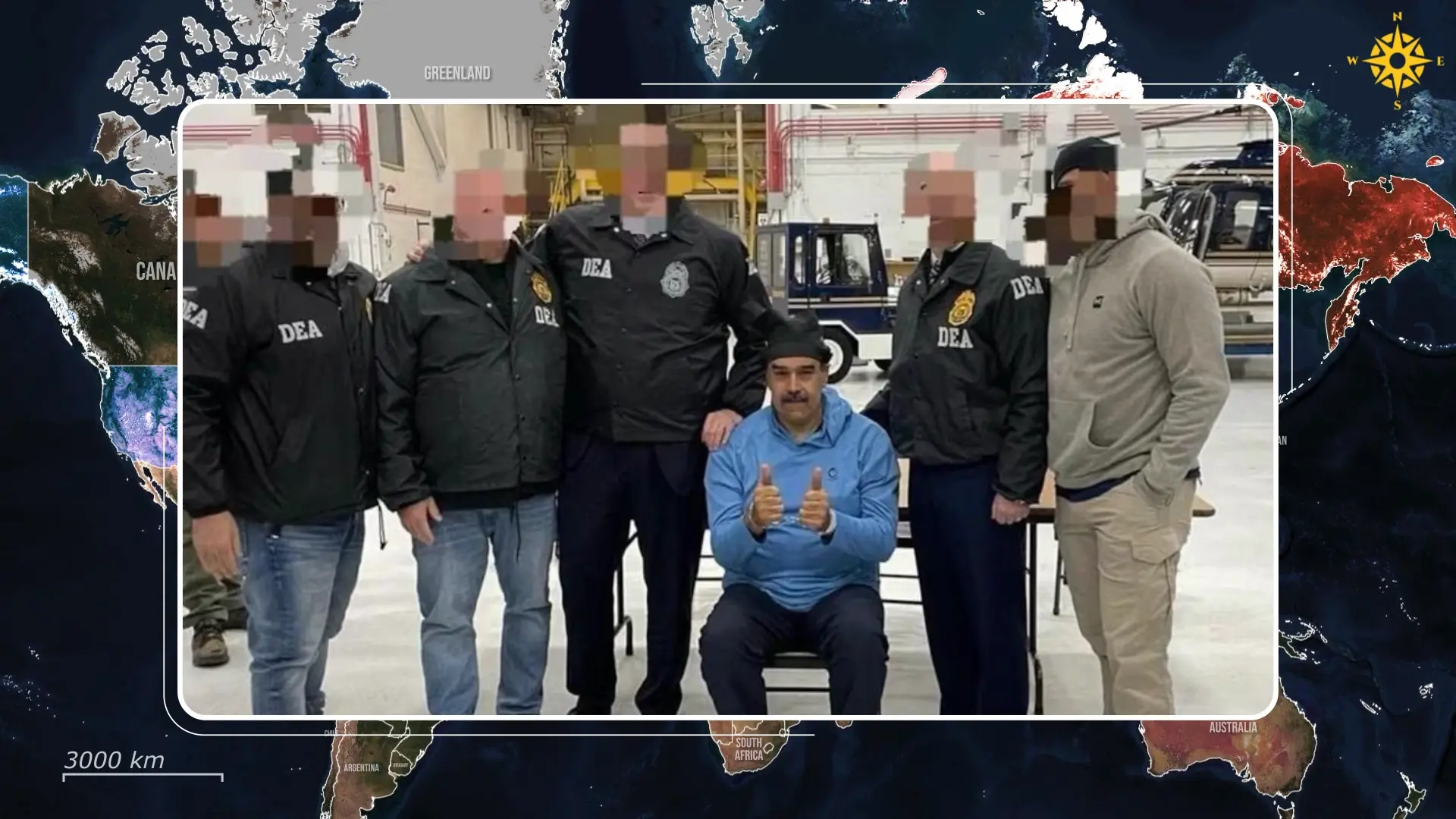
Here, the United States conducted a stealth operation to capture the Venezuelan President Nicolas Maduro and extracted him for a trial. With empty words of support and no real reaction from Russia, Maduro loyalists understood that they had been left alone, becoming the latest betrayed Russian ally.
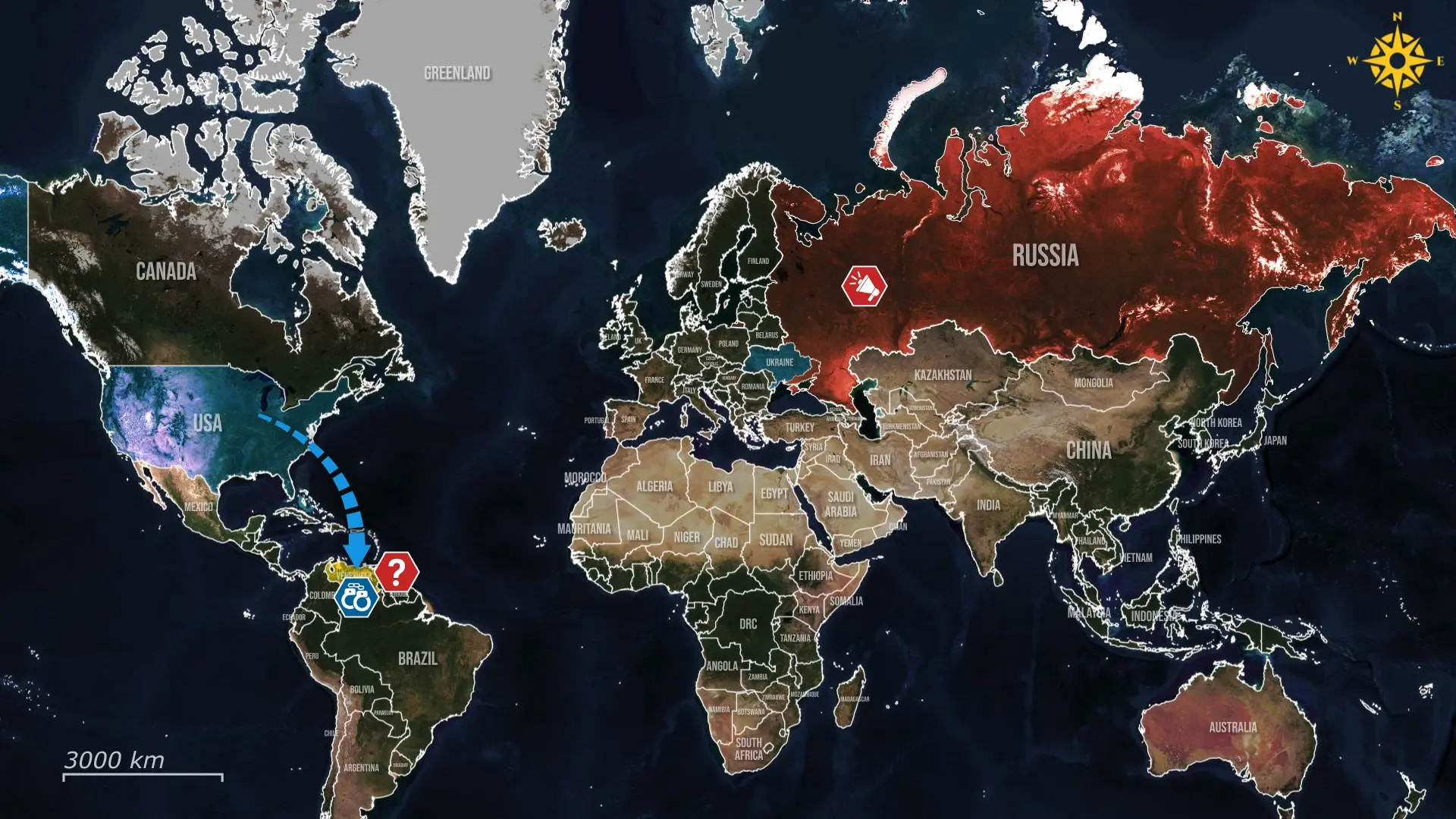
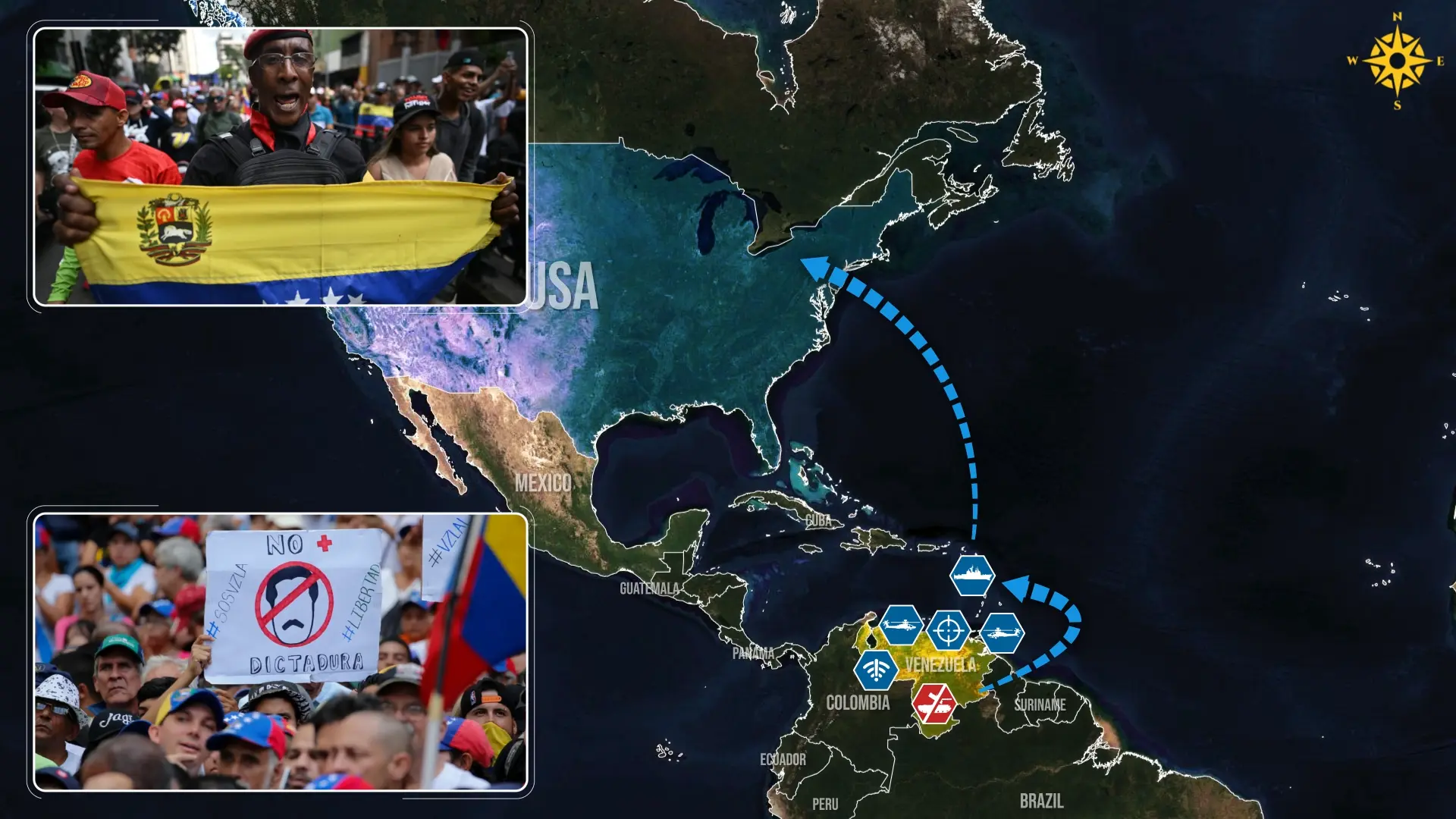
On January 3, 2026, US forces carried out a rapid, precision snatch and grab operation in Venezuela, overrunning key defenses and capturing Nicolas Maduro and his wife, Cilia Flores. The raid reportedly involved radar jamming, the suppression of air defenses including Buk-M2E systems, and coordinated special operations strikes in Caracas and several other regions. Maduro was flown to the USS Iwo Jima and later extradited to New York on various charges. The operation shattered the regime’s command structure for hours, plunging the country into chaos, with riots by loyalists contrasted by thousands cheering the removal of the dictator and deep uncertainty over who governs now.
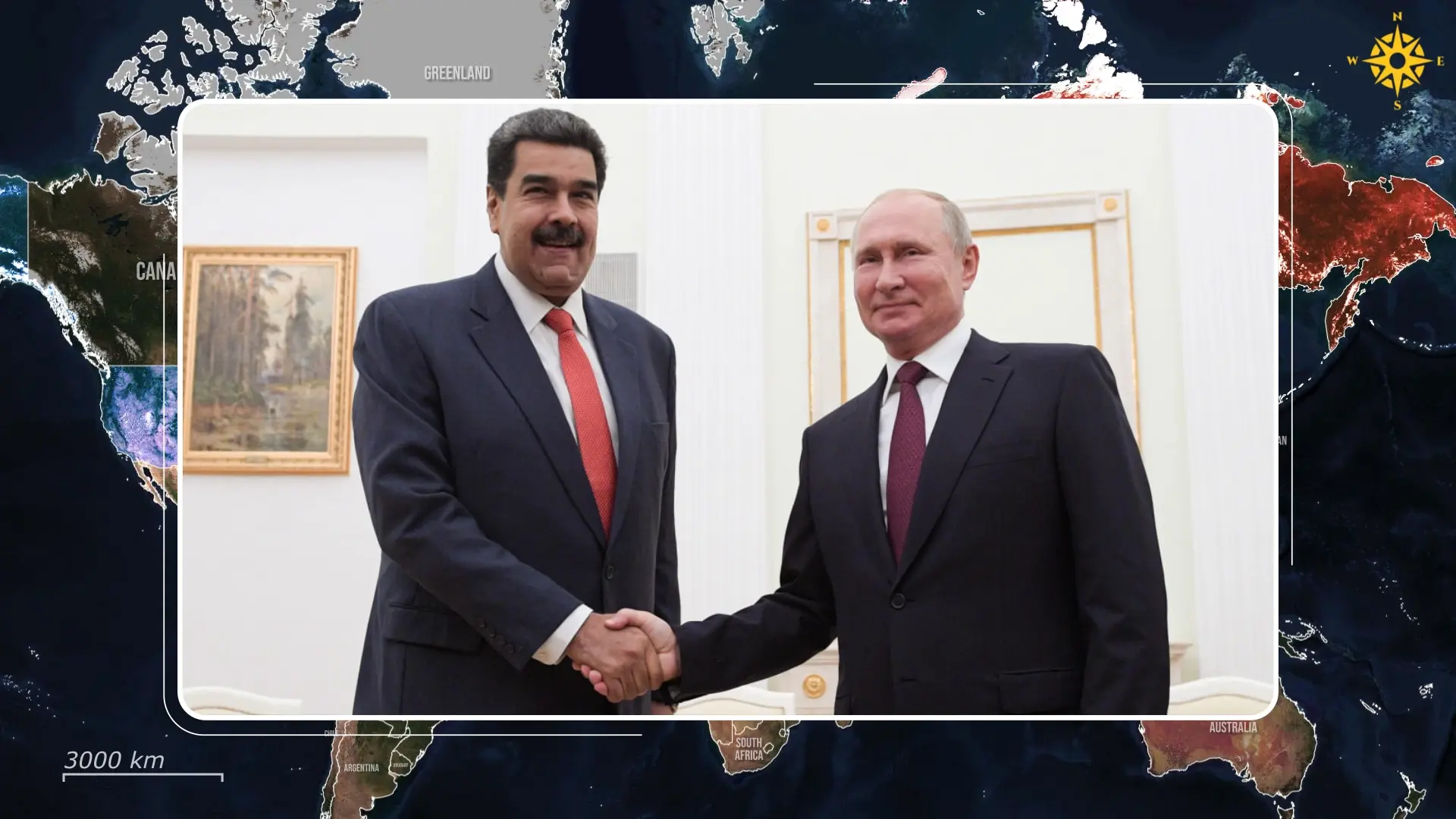
What makes Maduro’s fall especially striking is that it was not sudden or unforeseen. For months, the Venezuelan leader had been warning of an impending confrontation and openly begging Moscow for help, its primary strategic ally since the year 2000. In October 2025, Maduro sent an urgent letter to Vladimir Putin, delivered in person by a senior aide in Moscow. He requested concrete military assistance, including restoration of Su-30MK2 fighter jets, overhauls of engines and radars, delivery of missile systems, and logistical support to shore up Venezuela’s defenses.
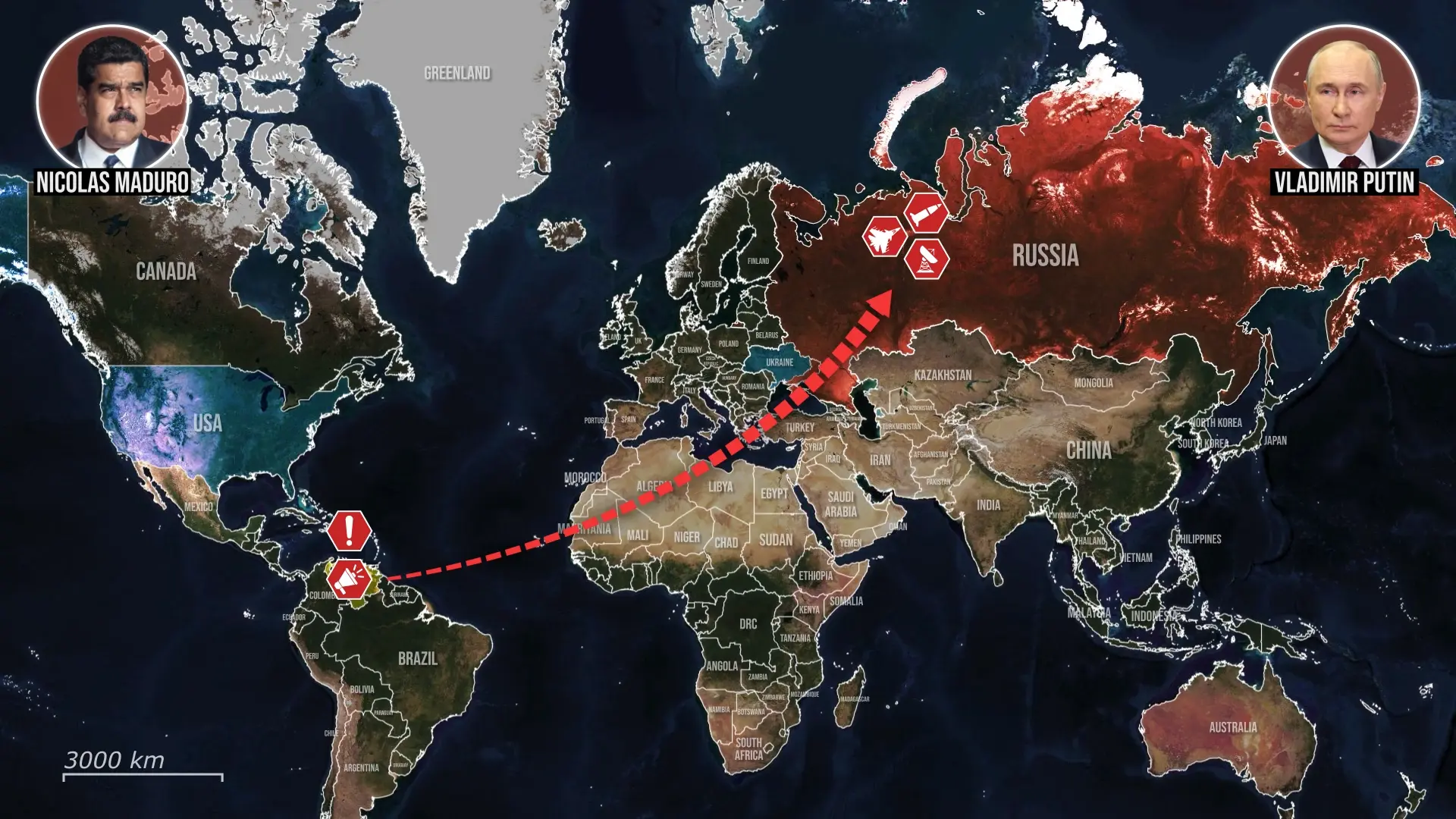
Despite years of rhetoric about brotherhood and resistance to US imperialism, Russia chose to do nothing, and none of the requested aid ever arrived. Maduro’s pleas went unanswered, exposing how hollow Moscow’s commitments had already become long before the decisive moment early this month.
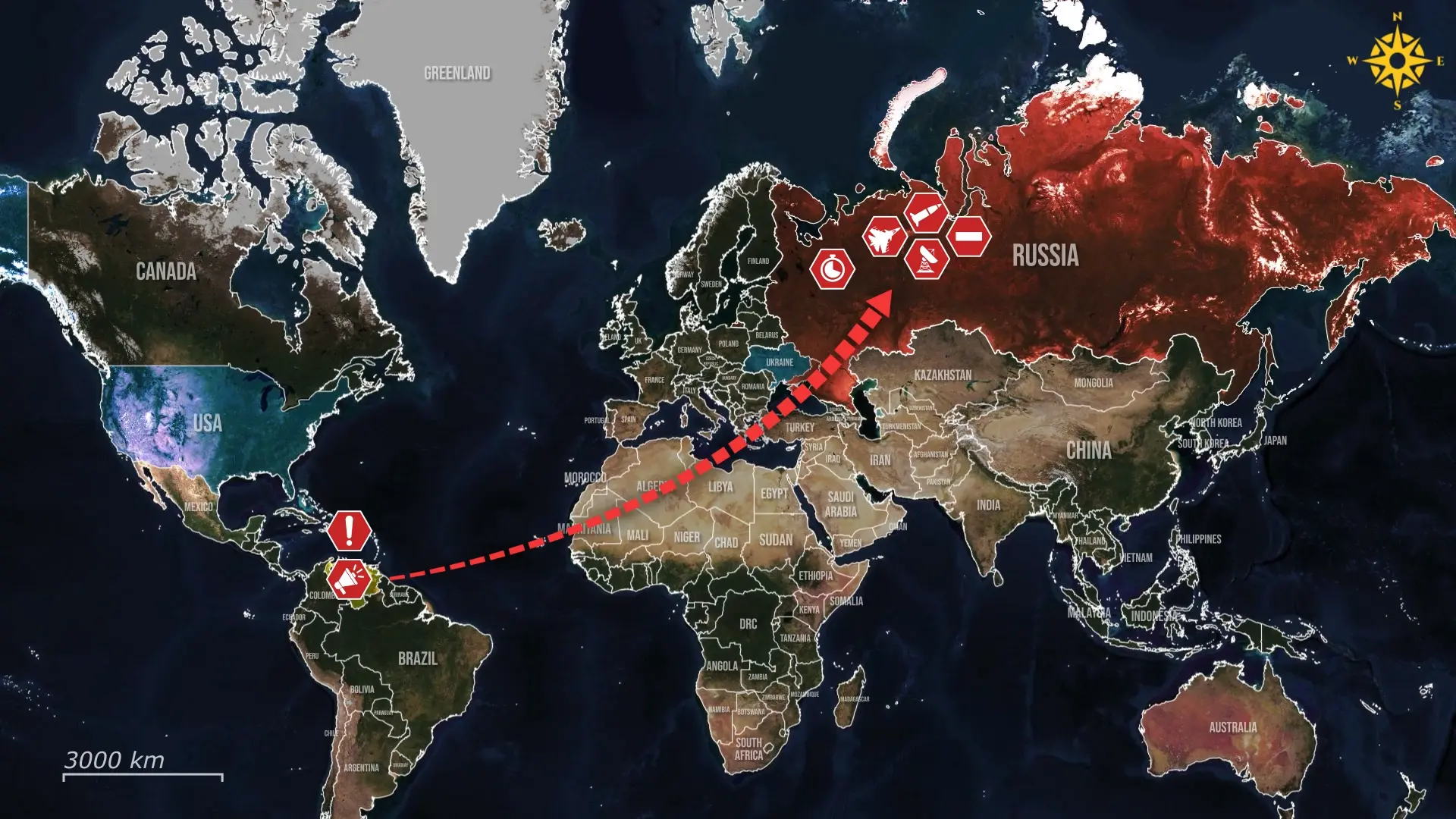
When that moment arrived, Russia’s response was once again stunning in its emptiness, with Moscow’s most visible contribution to the so-called axis of resistance amounting to polite social-media posts and phone calls. The Russian Foreign Ministry asked Washington on X to reconsider and free Maduro, while Foreign Minister Sergey Lavrov called Venezuela’s vice president to express concern and promise to prevent further escalation.
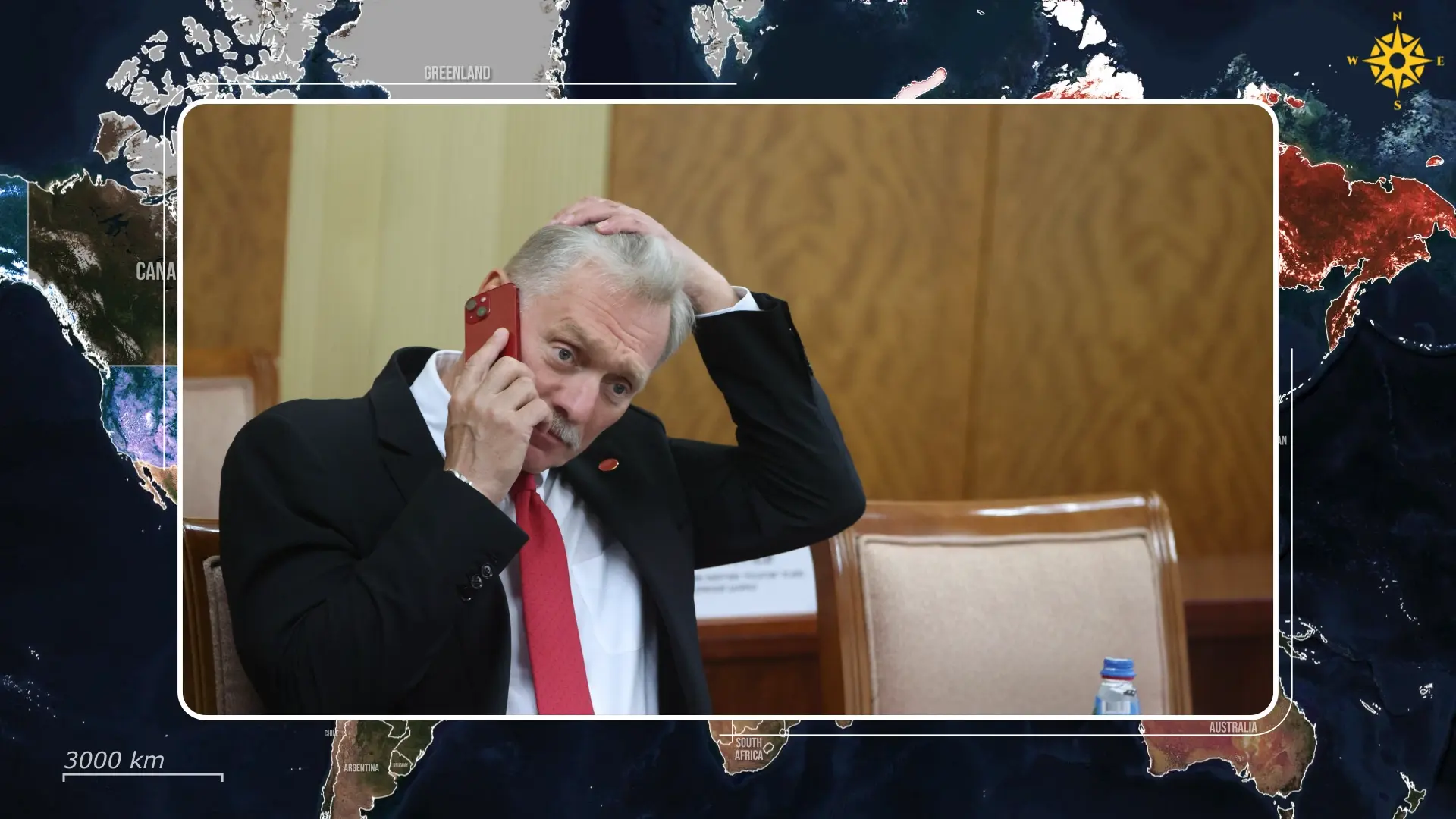
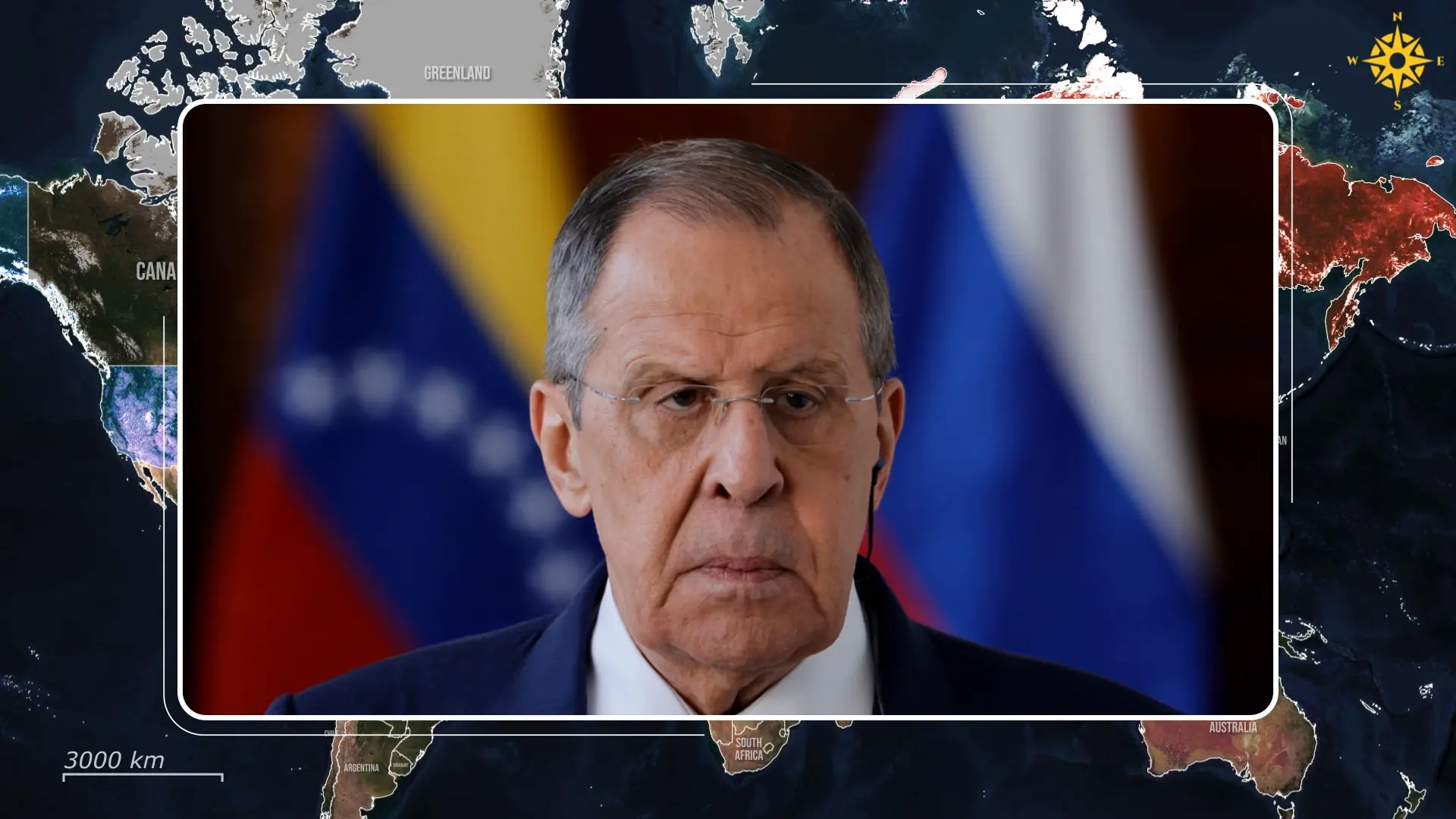
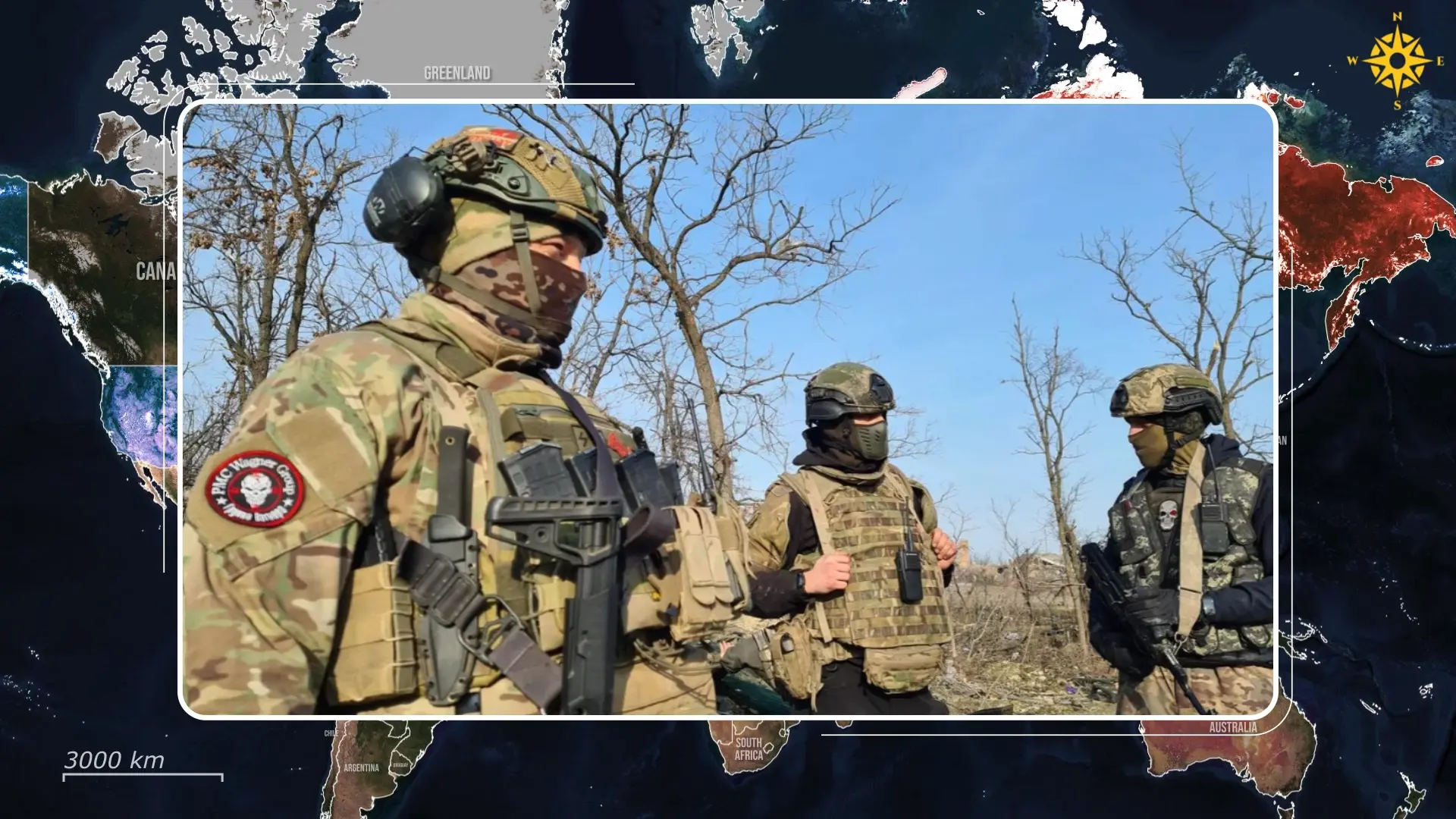
In practical terms, this was an admission of total Russian impotence and surrender. Years of promises, including a Strategic Partnership Treaty signed in May of 2025, repeated vows of full support, arms deliveries, and Wagner deployments for training, collapsed into tweets and condolences once action was required.
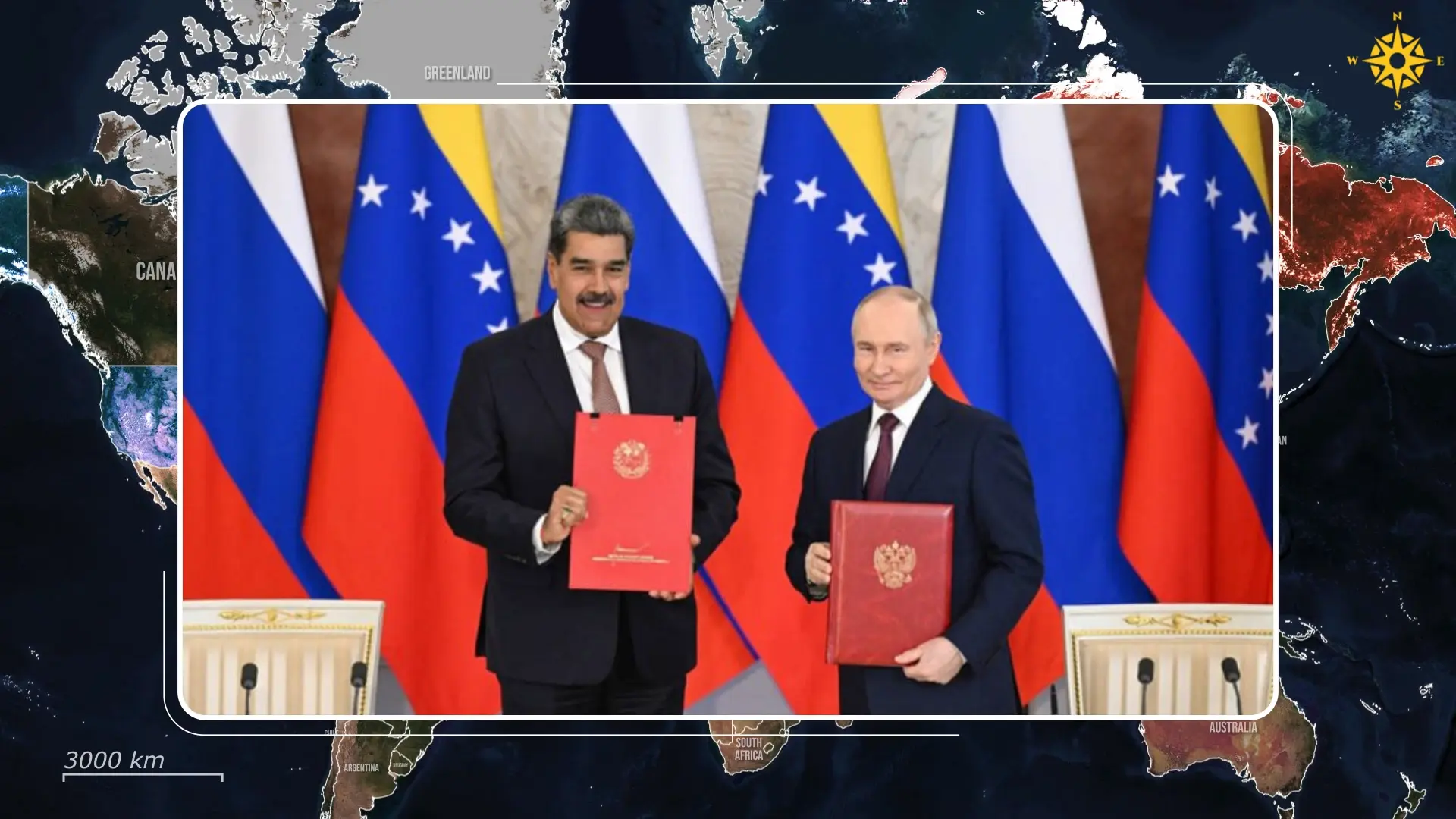
For Venezuela, the shock ran deeper because the country had treated Russia as a strategic guarantor. Maduro believed Moscow’s presence would deter direct US intervention, leveraging its status as a nuclear power and improved relations with US leadership to provide a shield for Maduro against sanctions and kinetic pressure. That assumption has now been destroyed, as Russia’s failure to act was not the result of caution or diplomacy, but of incapacity and abandonment.
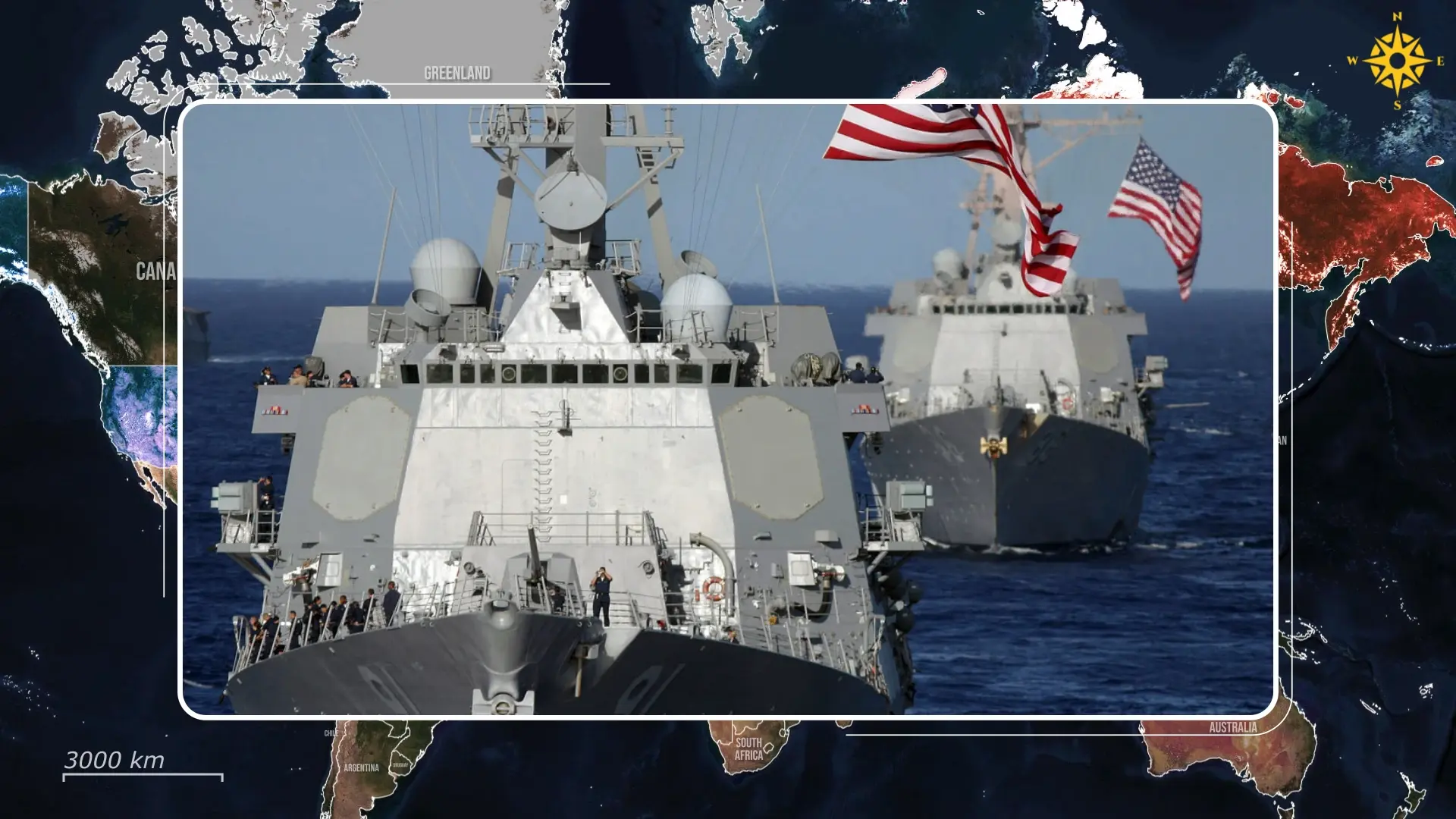
Consumed by the war in Ukraine, economically strained, and militarily overstretched, Moscow simply cannot project power into the Caribbean or defend distant allies. When pressure intensified through naval interdictions and sanctions enforcement, Venezuela was left completely exposed, and Russian shadow fleet tankers that could have provided a lifeline to Maduro simply turned back around.
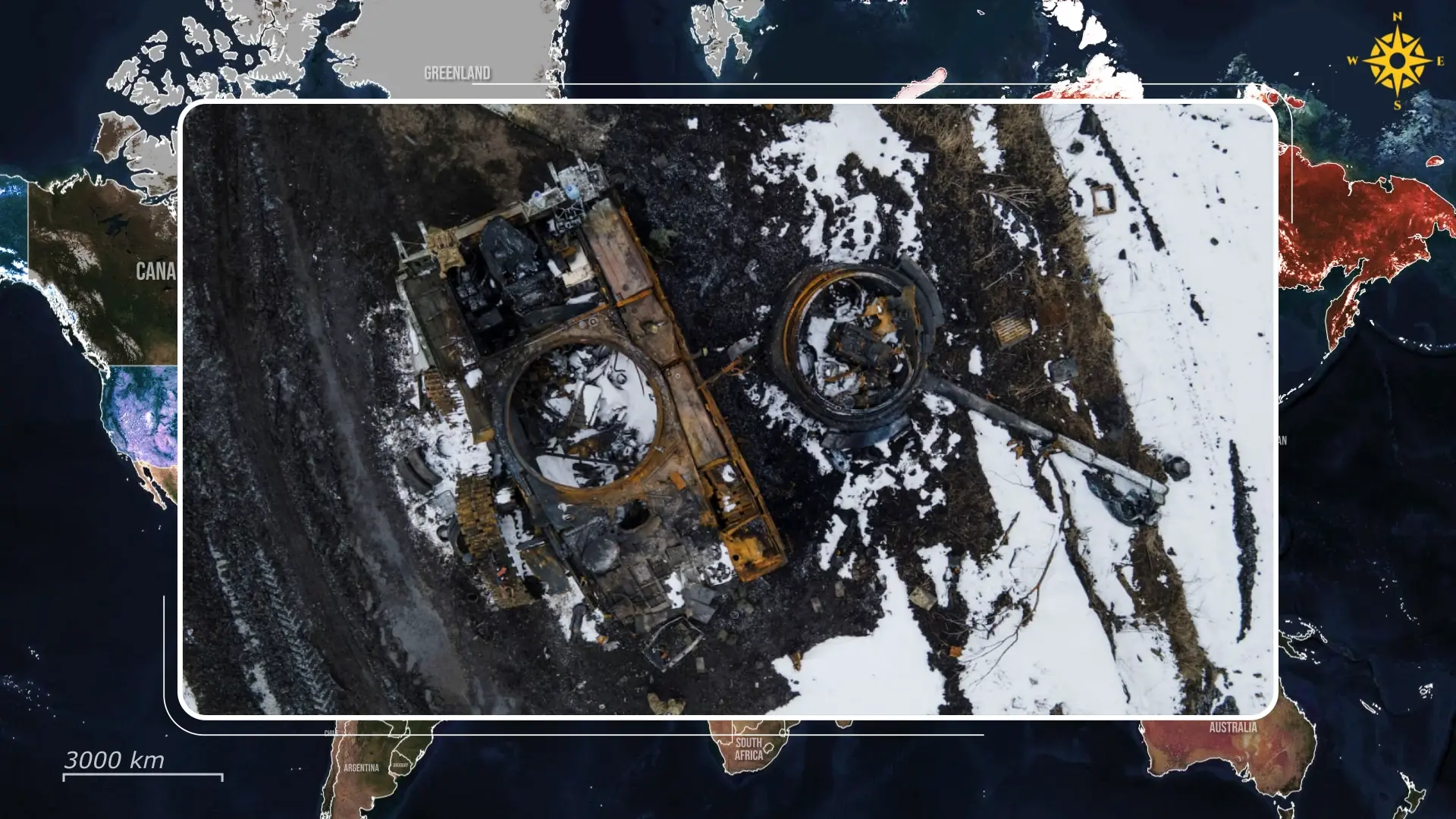
This is not an isolated collapse but part of a broader pattern in how Russia treats its so-called allies. In Syria, Russia failed to uphold its security guarantees as Israeli strikes continued unchecked and rebel forces gained momentum, ultimately leaving Bashar al-Assad with no option but exile. In Armenia, Moscow stood aside as its ally lost territory and Russian peacekeeping forces proved meaningless against several major Azerbaijani offensives. Iran receives weapons and rhetoric, but no real strategic shield when confronted directly, which has caused the country huge losses in its 12-day war against Israel. Now Venezuela joins this list, with its leader captured while Russia watches from afar. Each case reinforces the same conclusion: Russian alliances are loud in words but empty in deeds.
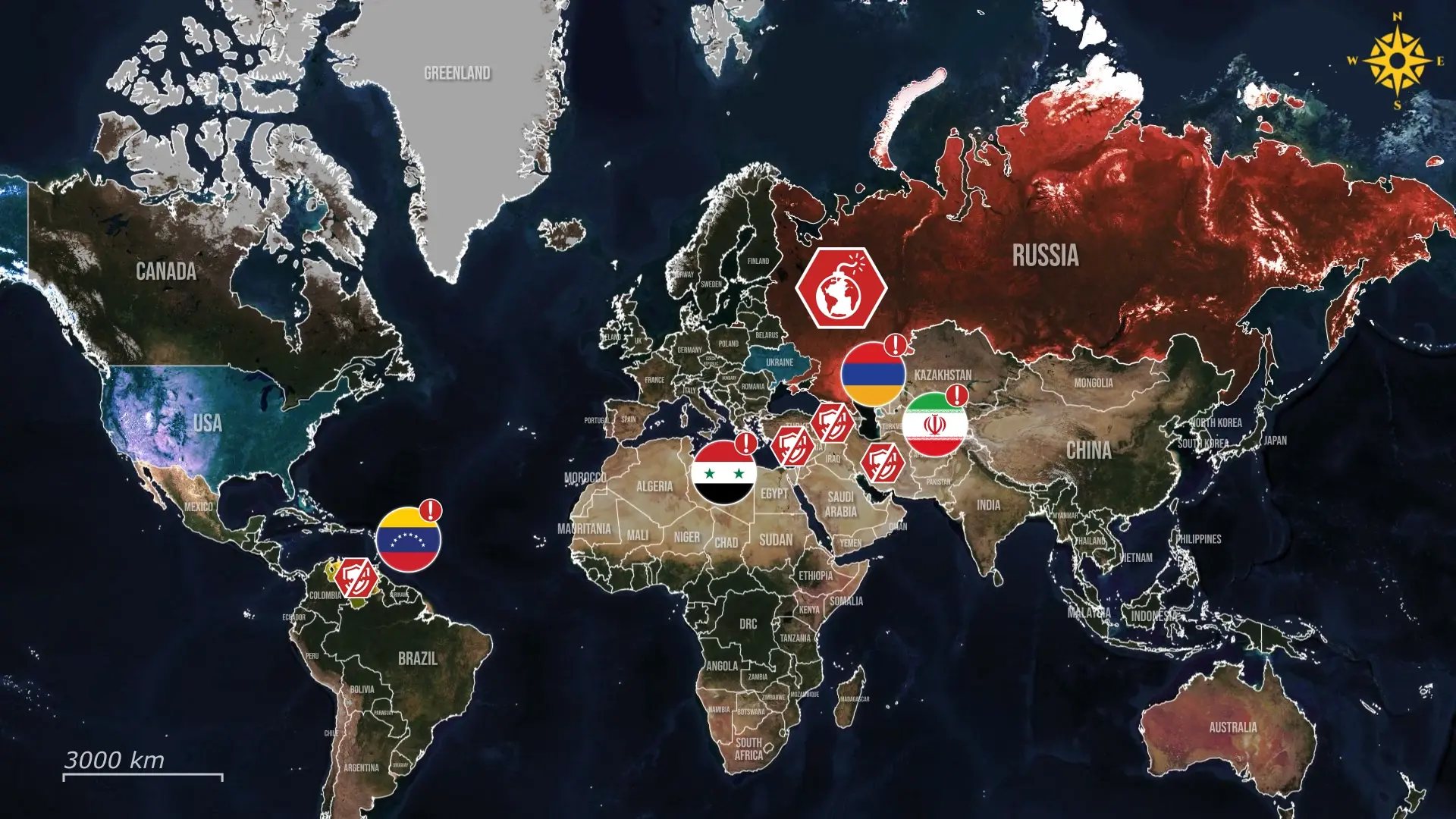
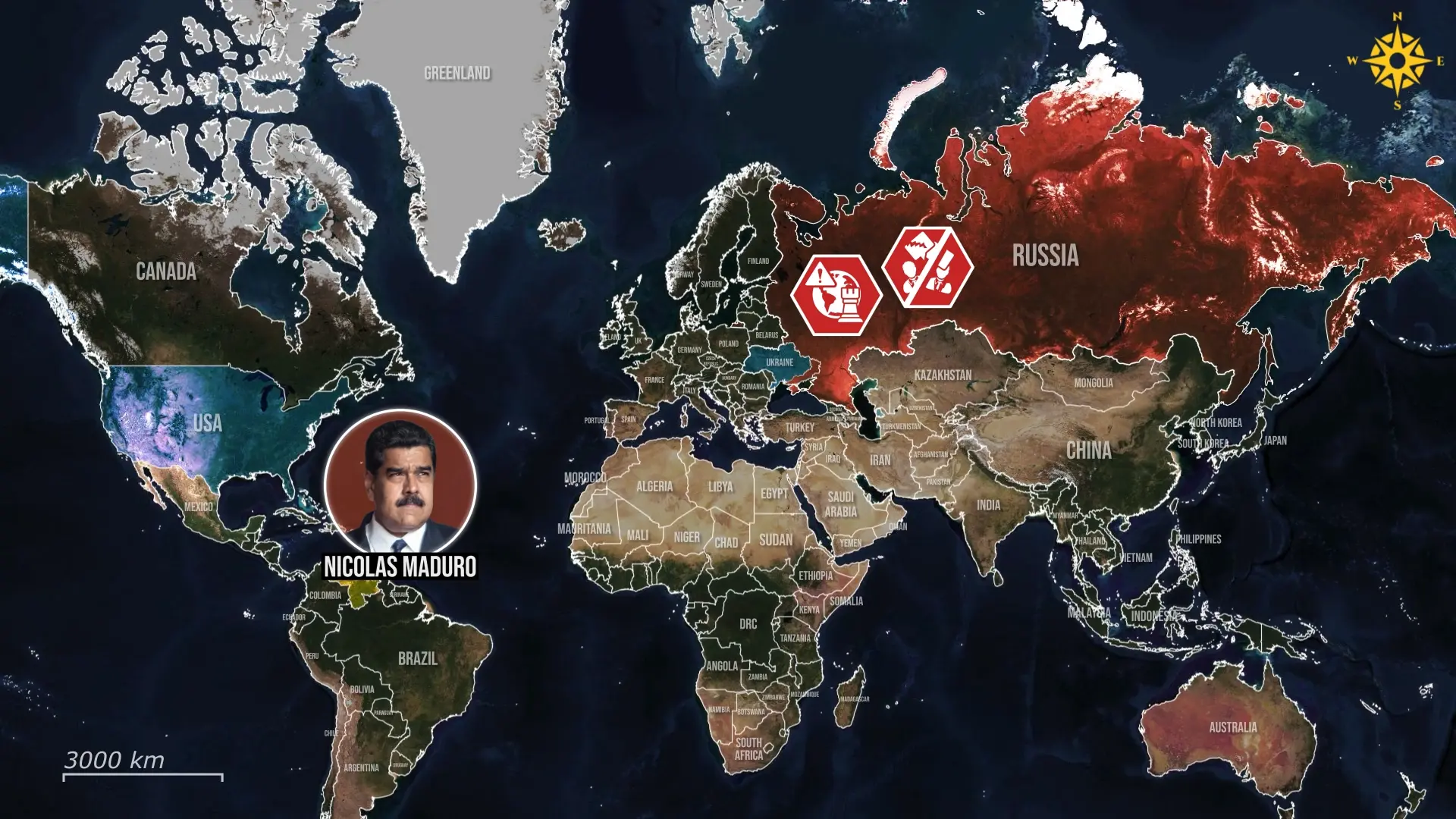
Overall, the fall of Maduro resonates far beyond Caracas, as it signals to partners worldwide that Russian protection is unreliable precisely when it matters most. With Venezuela effectively abandoned, Moscow loses credibility not only with its remaining allies but around the globe as a whole.
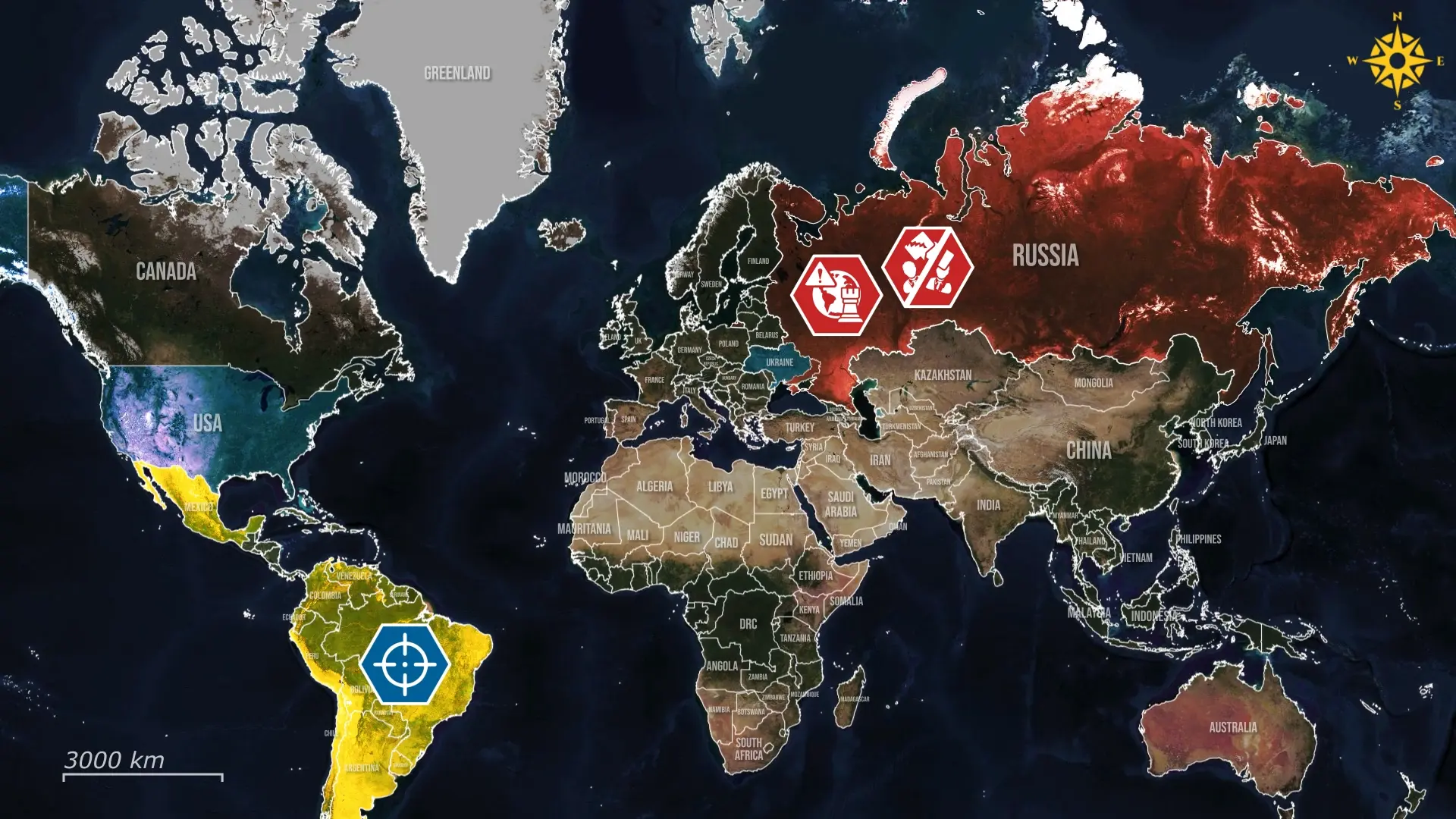
Countries in South America watching these events unfold now have a clear example before their eyes: when the crisis comes, Russia will not step up save them.

.jpg)

Comments