

.svg)
For the first time, forces from Libya’s eastern based Libyan National Army and the western based Government of National Unity trained together during the United States led Flintlock two thousand twenty six exercise in Sirte. The development is significant because the two sides were once bitter enemies who fought each other during Libya’s civil war.
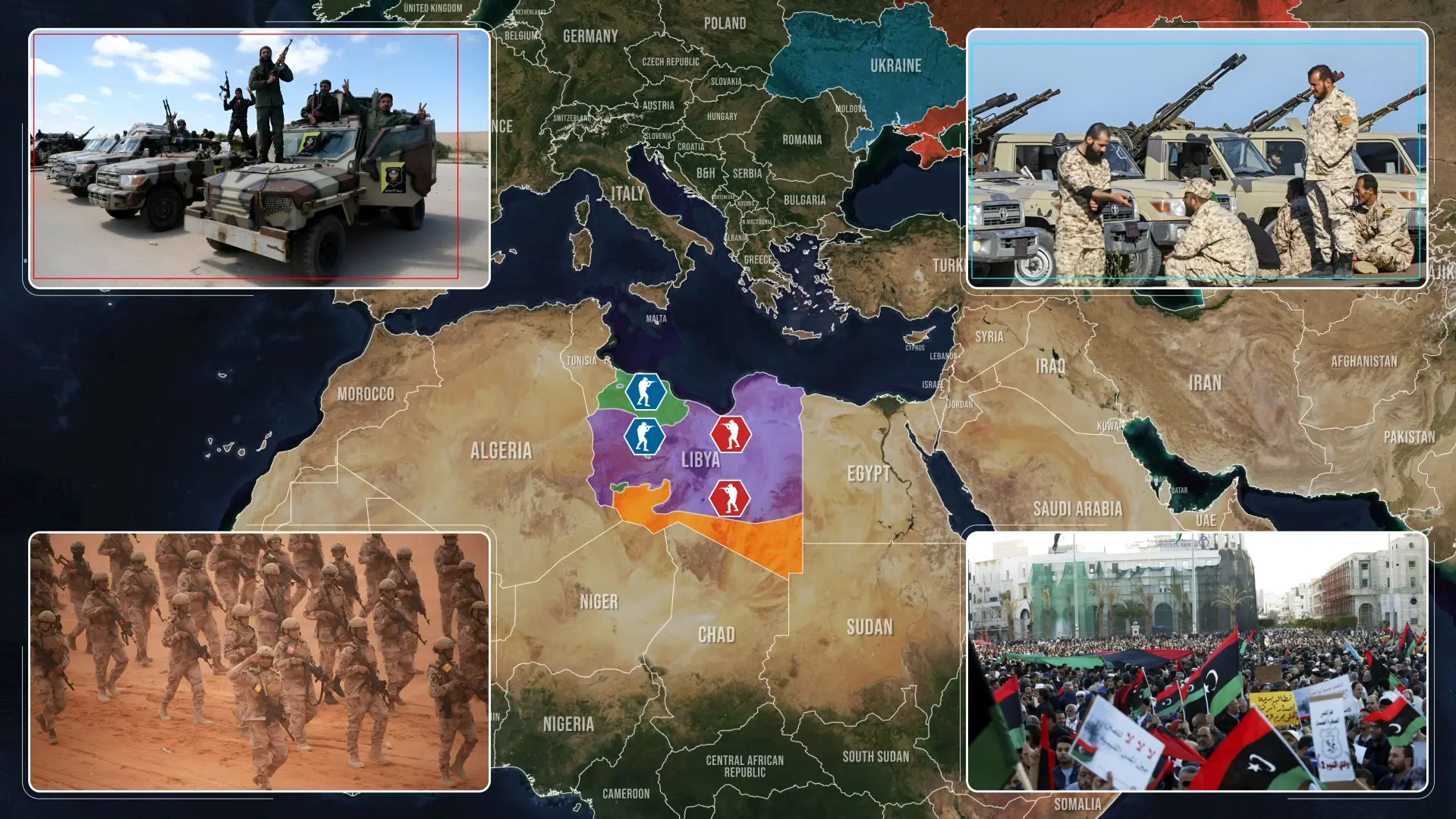
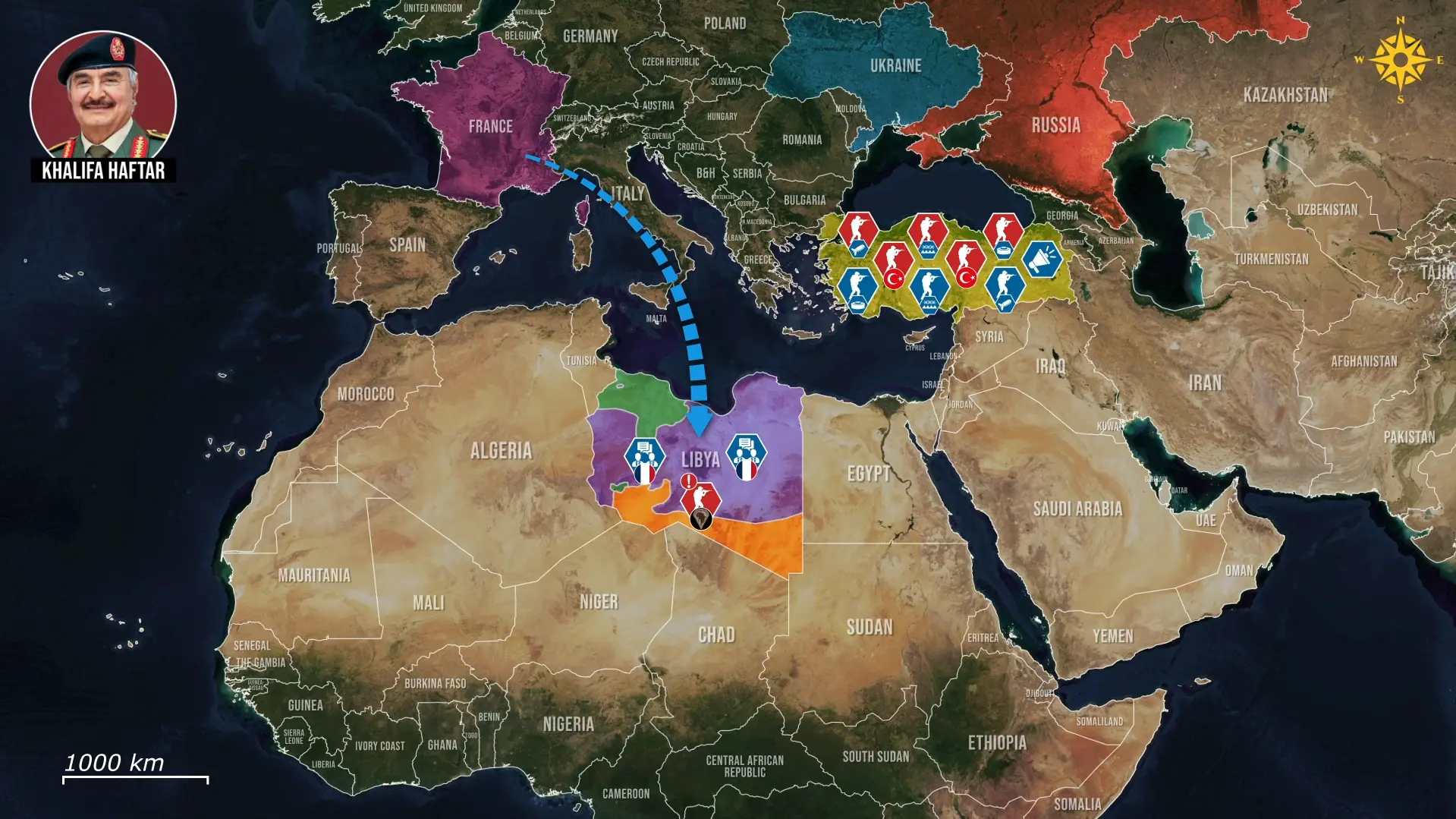
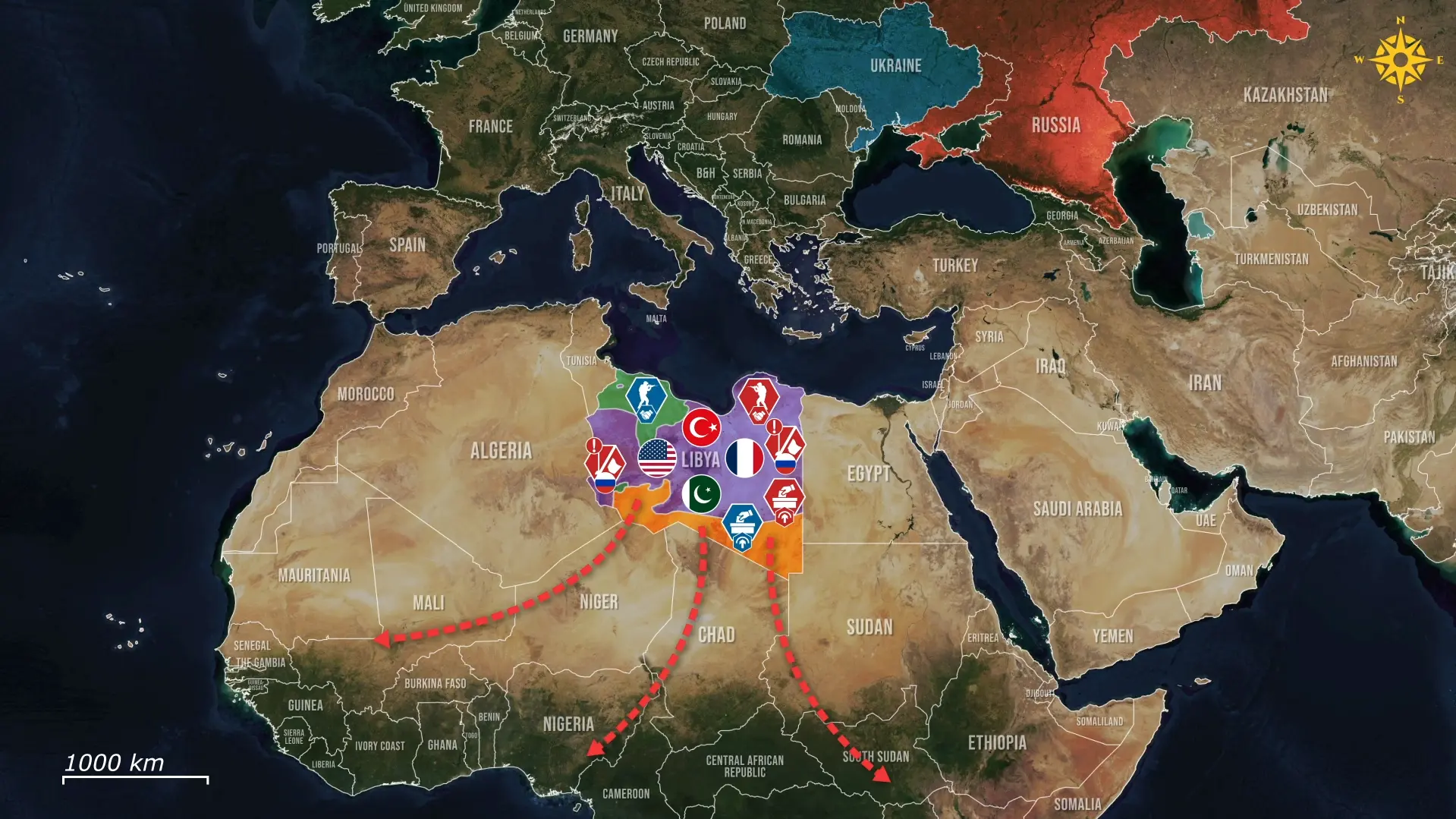
After training together in Sirte, the Libyan National Army and the Government of National Unity continued expanding their joint activities. Their cooperation soon extended beyond Libya when both sides participated in the Efes two thousand twenty six exercise in Turkey. A total of three hundred thirty one personnel from the LNA and one hundred seventy one personnel from the GNU took part, training together under a single Libyan banner. During the exercise, Turkish instructors trained them in amphibious landings, clearing mines and roadside bombs, building field defenses, and special forces techniques. But Turkey is not the only country seeking to bring Libya’s rival forces closer together. France has also proposed creating a unified Libyan Corps to counter the growing influence of Russia’s Africa Corps in Libya. To advance the proposal, Paris is stepping up direct contacts with Khalifa Haftar.
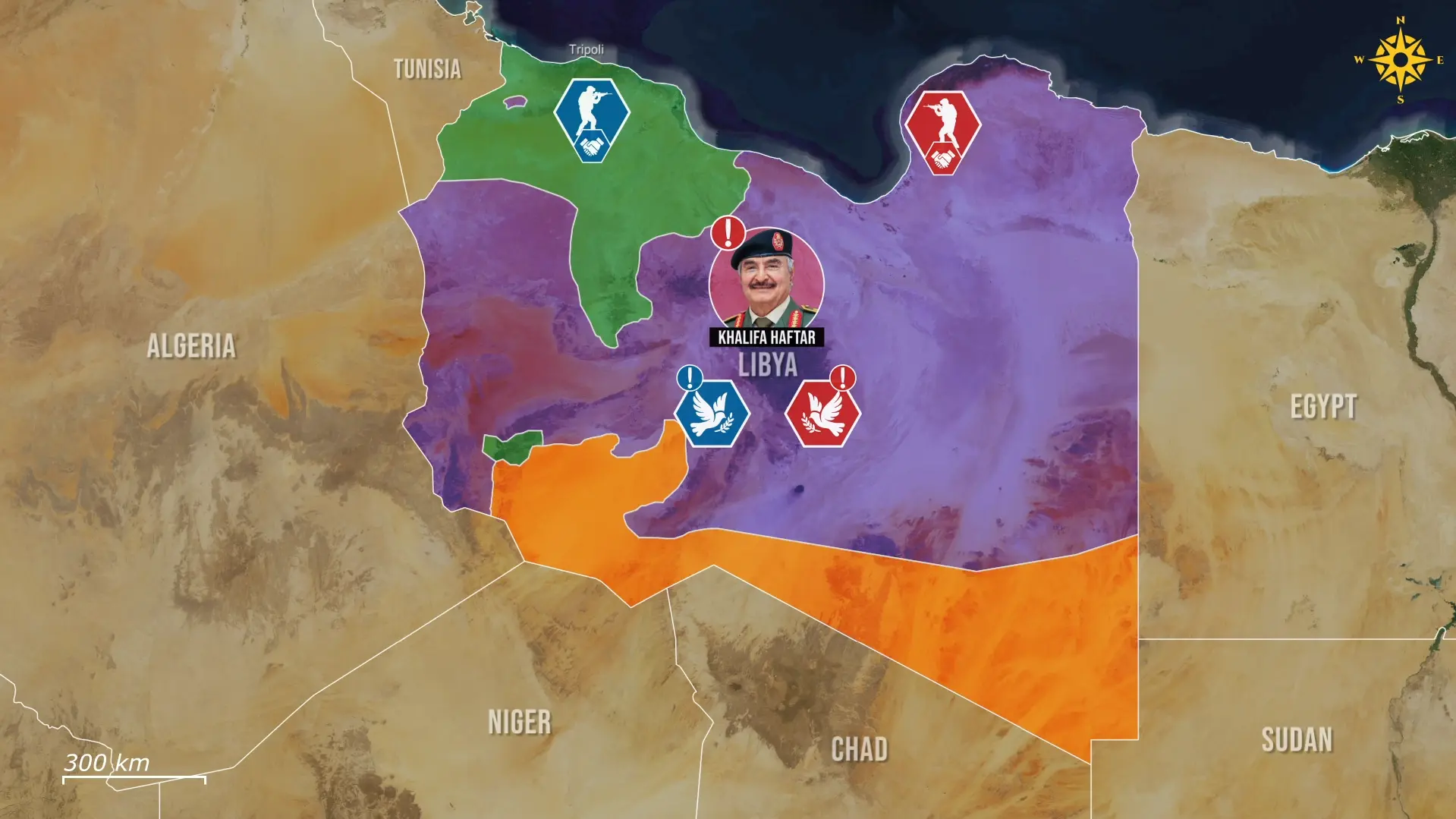
The rivalry between the Libyan National Army and the Government of National Unity began after Muammar Gaddafi’s regime fell during the Nato backed uprising in two thousand eleven. As they competed for political and military power, they established separate centers of authority, dividing Libya into eastern and western camps. The internationally recognized government controlled the west with military backing from Turkey, while forces led by Khalifa Haftar controlled much of the east with support from Russia. In two thousand nineteen, Haftar launched an attempt to capture Tripoli, but the offensive continued into two thousand twenty. Following Haftar’s failed offensive and months of negotiations between representatives of the rival sides, they signed a ceasefire agreement that year. The ceasefire reduced large scale fighting, but it failed to resolve Libya’s underlying political and military divisions. However, after years of rivalry, an improvement in relations between the two groups can now be observed.
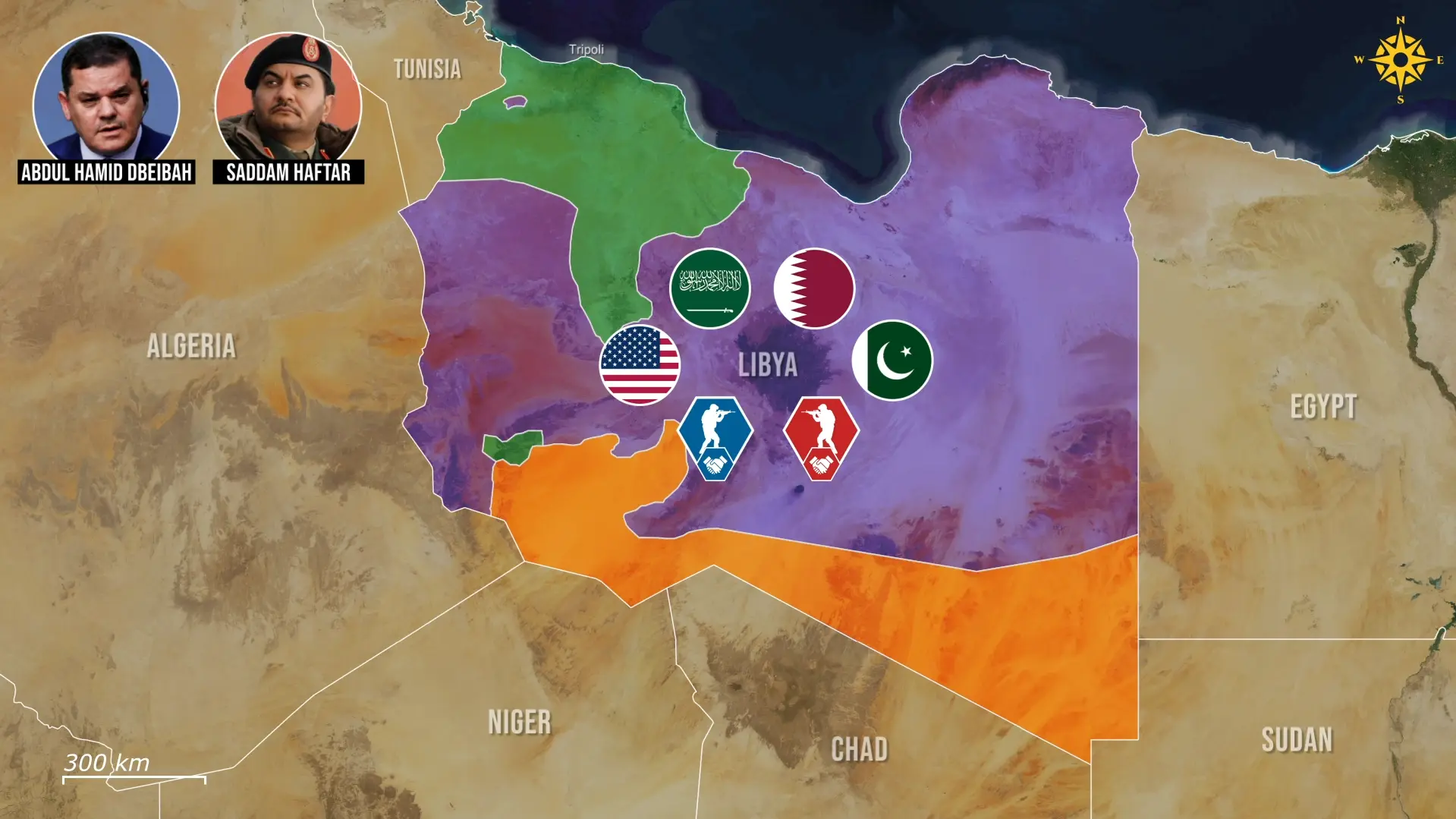
Currently, Libya’s eastern based LNA and western based GNU are moving toward political reconciliation alongside military cooperation. Through mediation led by United States representative Massad Boulos, the two sides agreed in April to Libya’s first unified national budget since two thousand thirteen. At the same time, the United States has been supporting Libya’s efforts to establish a new Presidential Council and prepare for nationwide elections. In addition, with the support of the United States, Saudi Arabia, and Qatar, Pakistan has been working on a thirty six month power sharing framework between the two rival sides. Under the proposed plan, Government of National Unity’s Abdul Hamid Dbeibah would be Prime Minister, while Saddam Haftar of the Libyan National Army would head the Presidential Council.
Moscow has long benefited from Libya’s political and military division, as well as its natural resources. Since two thousand eighteen, the Wagner Group, and later its successor, the Africa Corps, has provided military and political support to Khalifa Haftar’s forces, allowing Russia to establish a strong foothold in eastern Libya in return. Russia has leveraged this position to turn Libya into a major corridor for transporting Russian troops, weapons, and military equipment to Mali, Burkina Faso, Niger, and the Central African Republic. As a result, if eastern and western Libya genuinely unite and establish a single national army, the Haftar camp’s dependence on Russian military support will decrease significantly. This, in turn, will weaken Russia’s ability to maintain its military bases and supply lines in Libya, potentially undermining the very foundation of Moscow’s broader strategy in sub Saharan Africa.
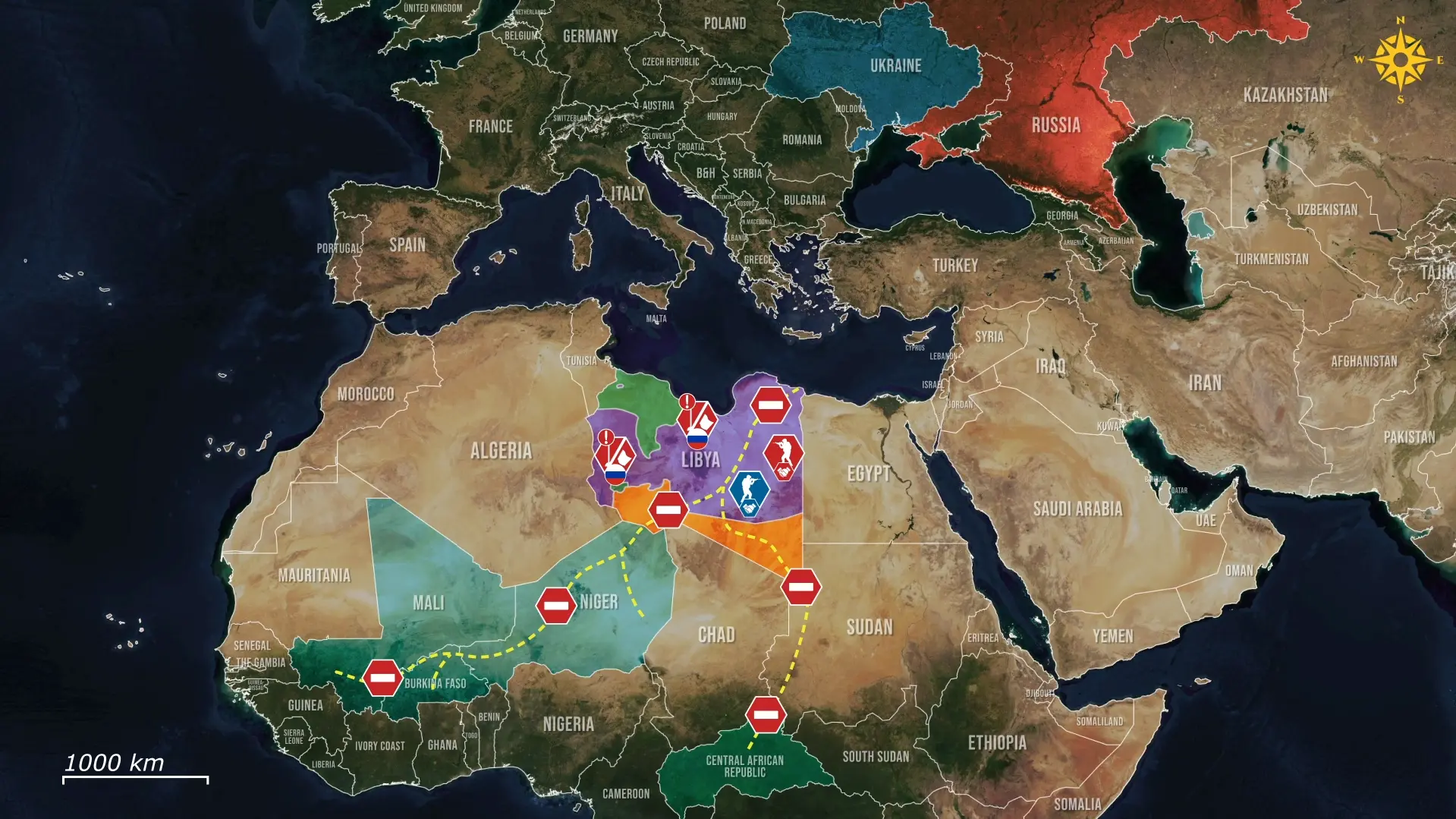
Overall, the participation of Libya’s two rival forces in these two exercises, held in Sirte and Izmir, shows that the longstanding military divide between them is gradually narrowing. At the same time, international powers such as the United States, Turkey, France, and Pakistan are working together to help reunite Libya’s rival eastern and western camps. If this cooperation continues, it will also pave the way for a political process to resolve disputes over power sharing and state institutions, ultimately allowing Libya to form a government through peaceful elections. If this potential rapprochement succeeds, Moscow will lose its strategic foothold in Libya, which will weakening its ability to project power into the Sahel and wider Africa.
.jpg)


Comments