

.svg)
Today, the biggest news comes from Iran.
Here, Iran’s air force is completely out of play, with hostile aircraft and drones able to operate freely even over the skies of the capital Teheran. However, at the start of the war, Iran’s air force still looked capable of threatening any rapid strike plan aimed at catching the regime off guard, as a genius plan was devised to trap the regime’s craft on the ground once and for all.
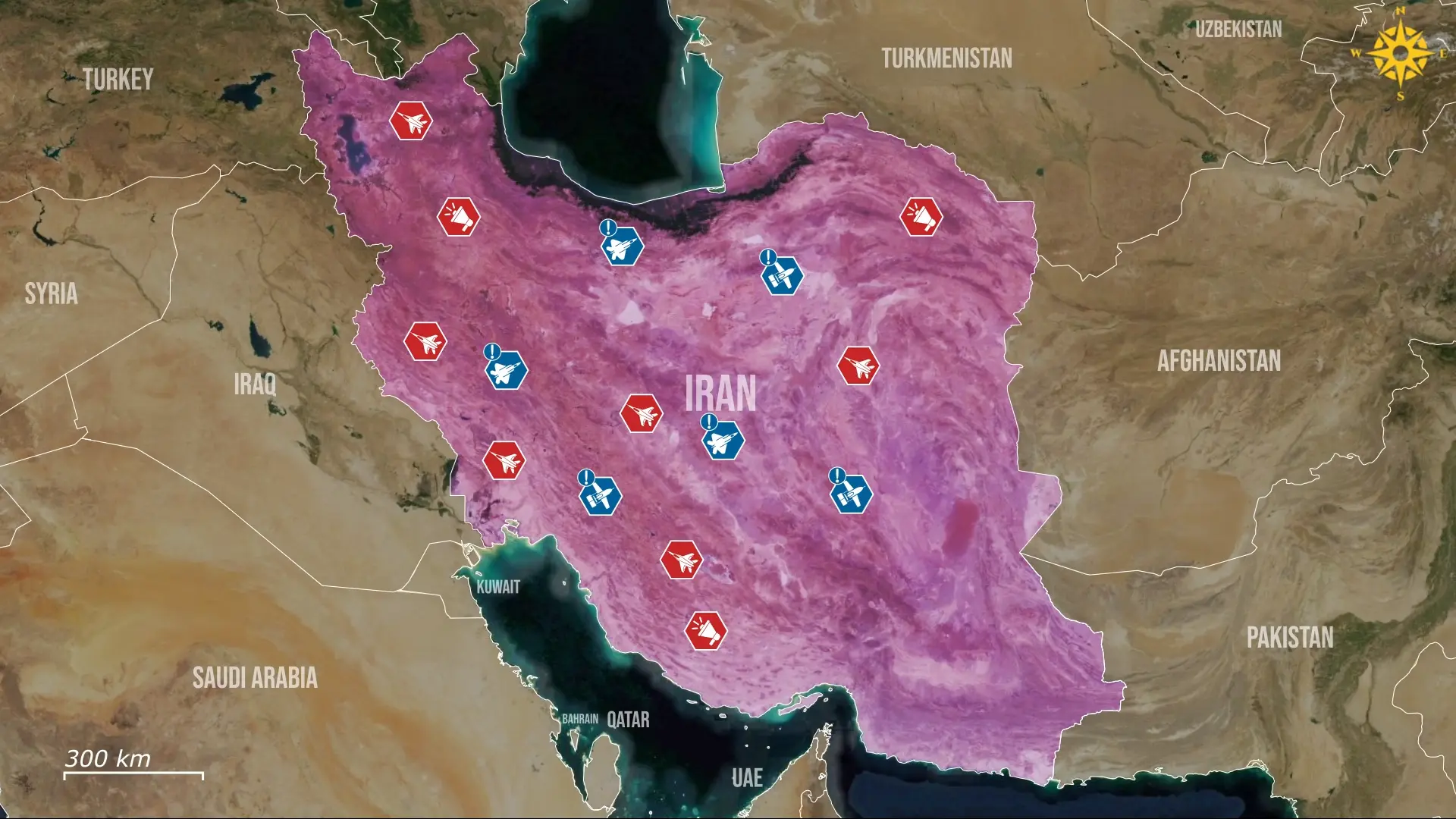
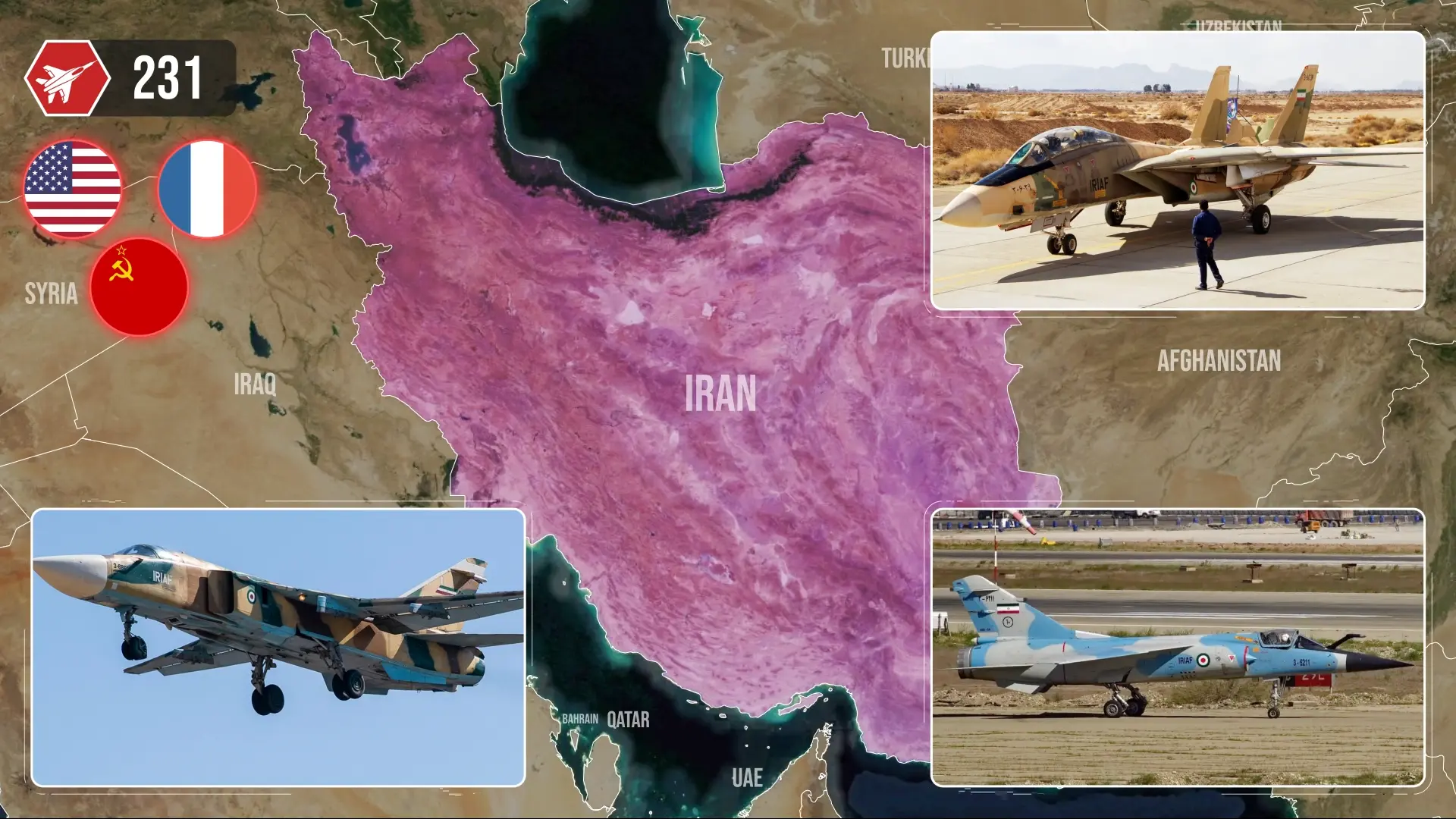
According to the World Directory of Modern Military Aircraft, the Iranian Air Force operates around four hundred active aircraft, including approximately two-hundred-thirty-one air-to-air capable fighter jets. However, most of these are aging Cold War-era platforms, primarily acquired from the United States, with smaller numbers from the Soviet Union, along with several French-built fighters. In combat operations, Iran relies on F fourteen Tomcats and Mig twenty-nine Fulcrums for air superiority, while SU twenty-fours conduct ground-attack missions. Iran’s Mirage F one, F four Phantom twos, and F five Tiger twos are used in supporting roles to reinforce both air defense and strike capabilities.
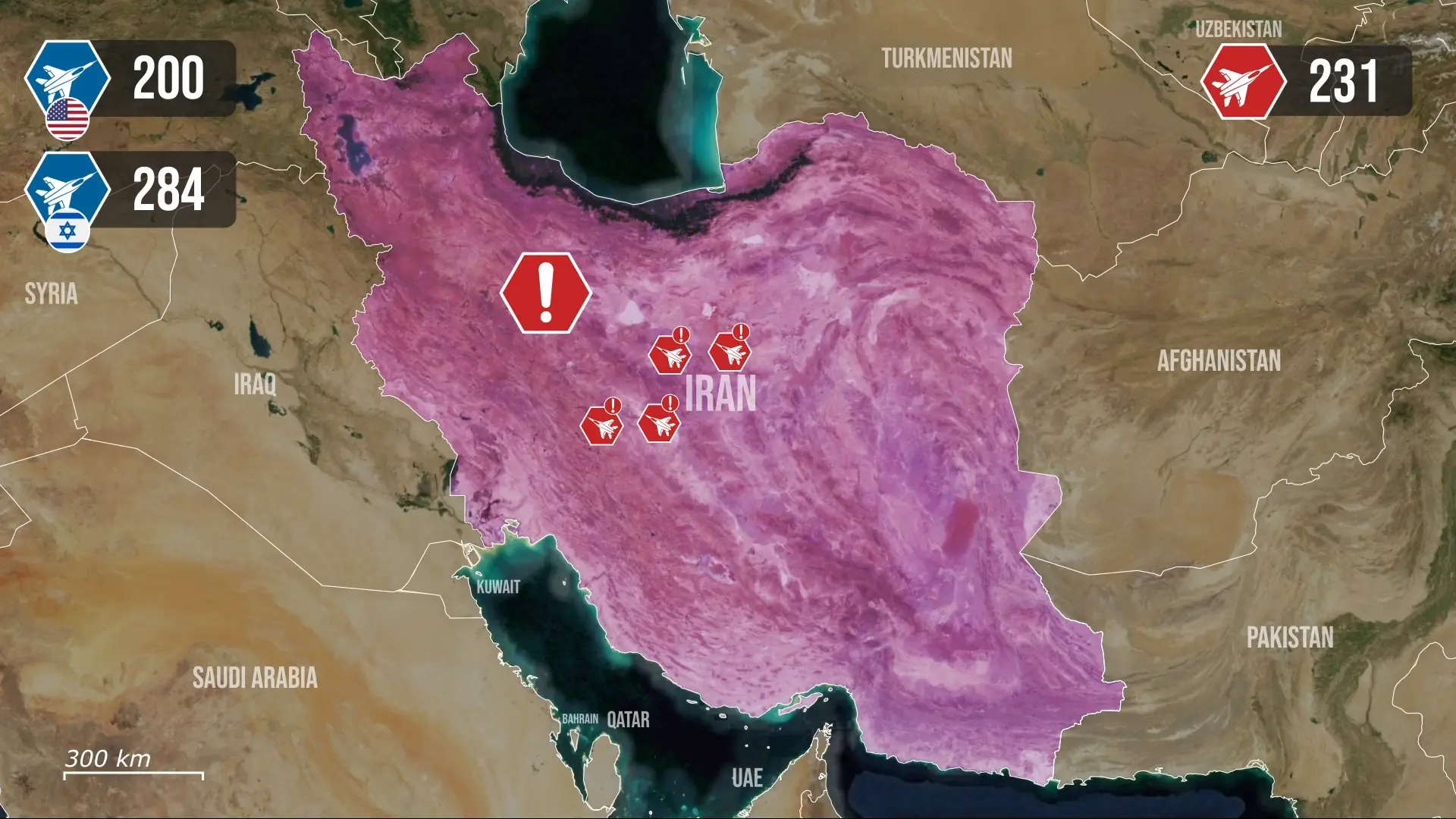
In quantitative terms, Iran’s fighter fleet remains extremely limited compared to its primary adversaries. The United States alone has currently positioned around two-hundred fighter jets for potential strikes on Iran, while Israel fields approximately two-hundred-eighty-four combat aircraft, outnumbering Iran’s available air-to-air fighting force two-to-one, on top of fielding far more advanced aircraft such as the fifth-generation F thirty-five.
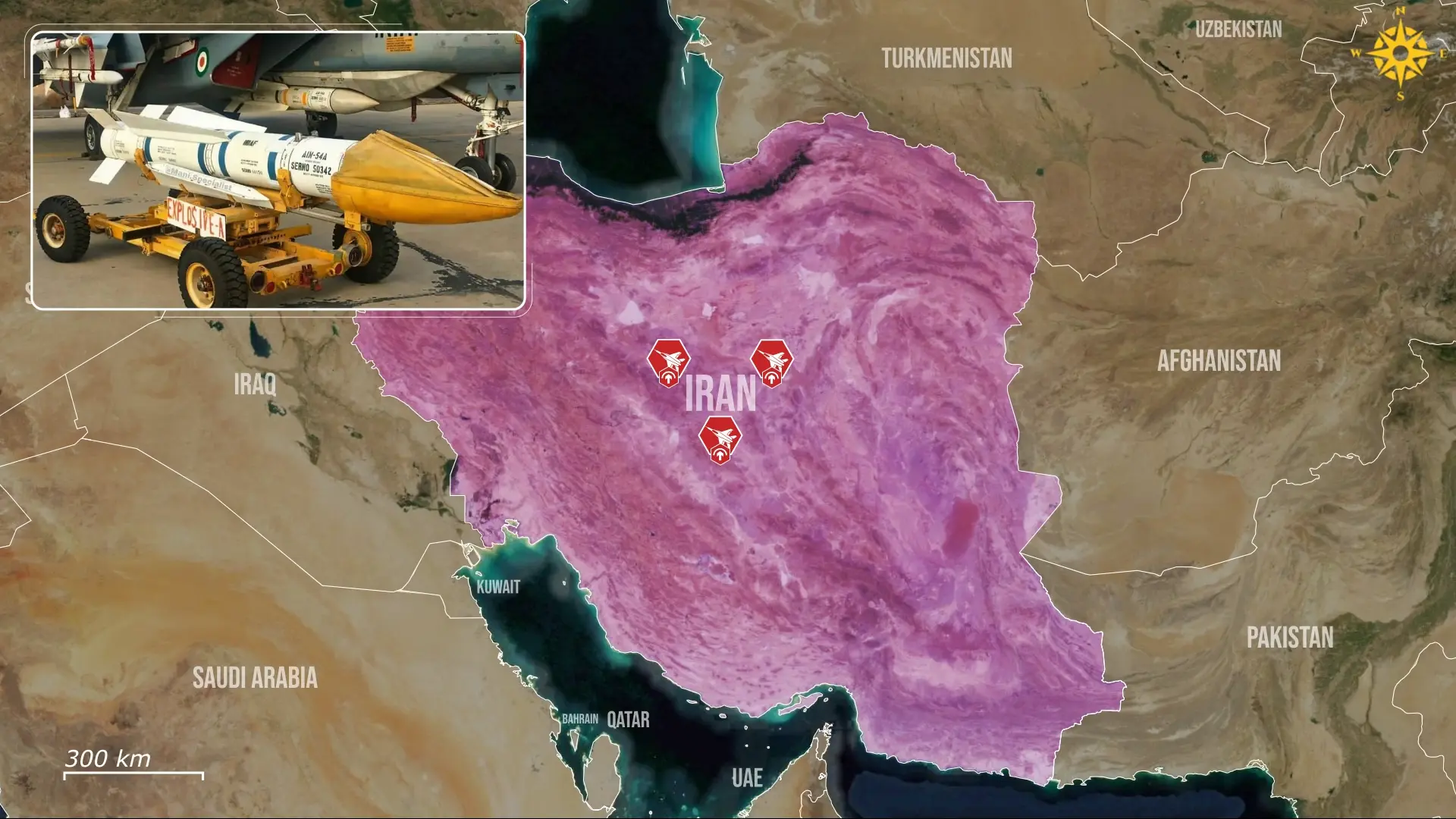
However, despite its smaller size, Iran’s fleet still posed a credible threat. Notably, its Tomcats can carry up to six aim fifty-four Phoenix air-to-air missiles, capable engaging targets at ranges of up to one-hundred-eighty-five kilometers and speeds reaching Mach five.
This meant that, although technologically and numerically outmatched, Iranian aircraft could still challenge hostile air operations. This factor became particularly important given the importance of maintaining the element of surprise in order to rapidly decapitate Iran’s leadership before they could go underground.
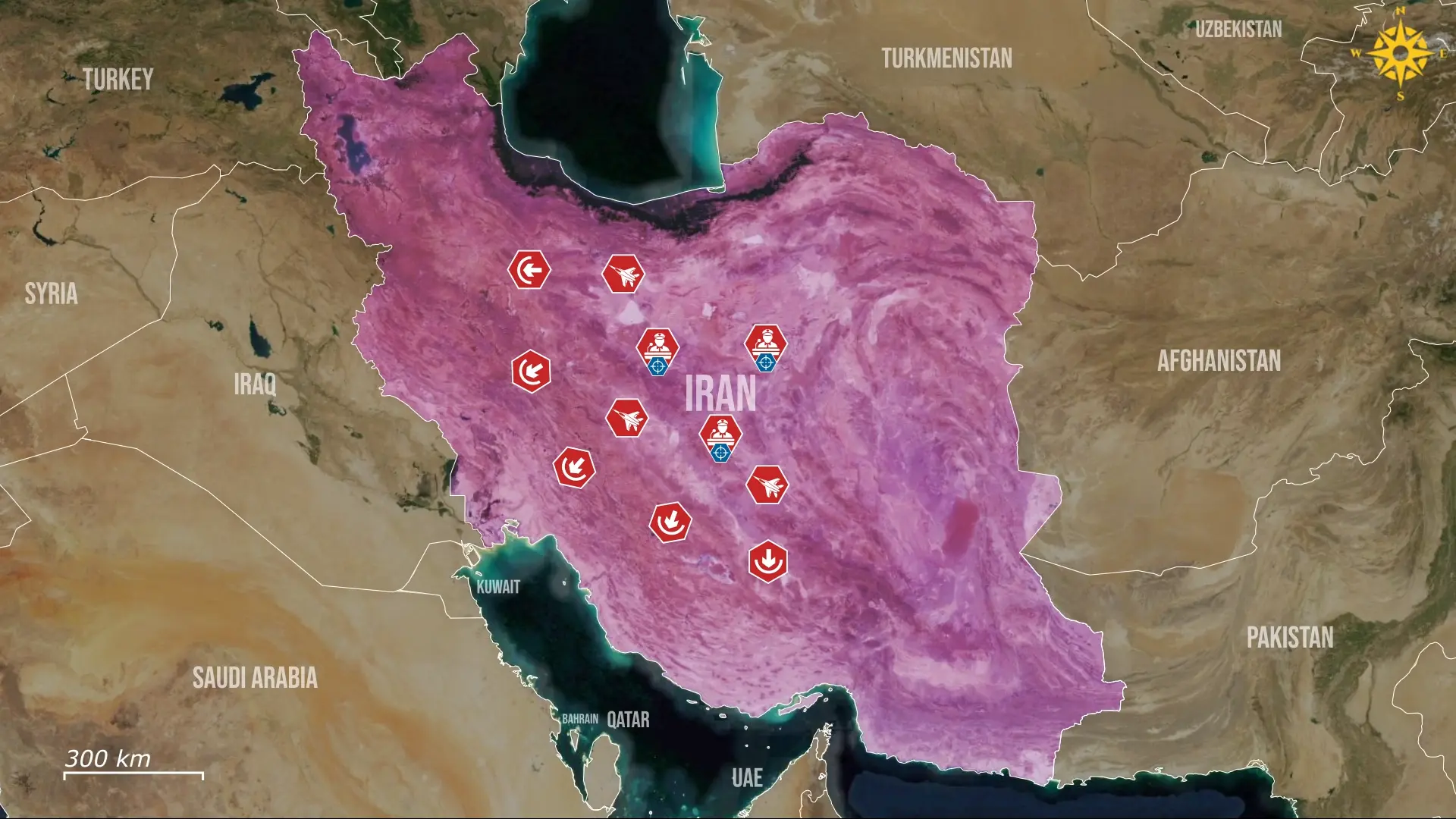
Wasting time on engaging even aging but capable aircraft risked disrupting this objective. As a result, the United States and Israel adopted specific measures to neutralize the Iranian Air Force before it could effectively participate in the conflict.
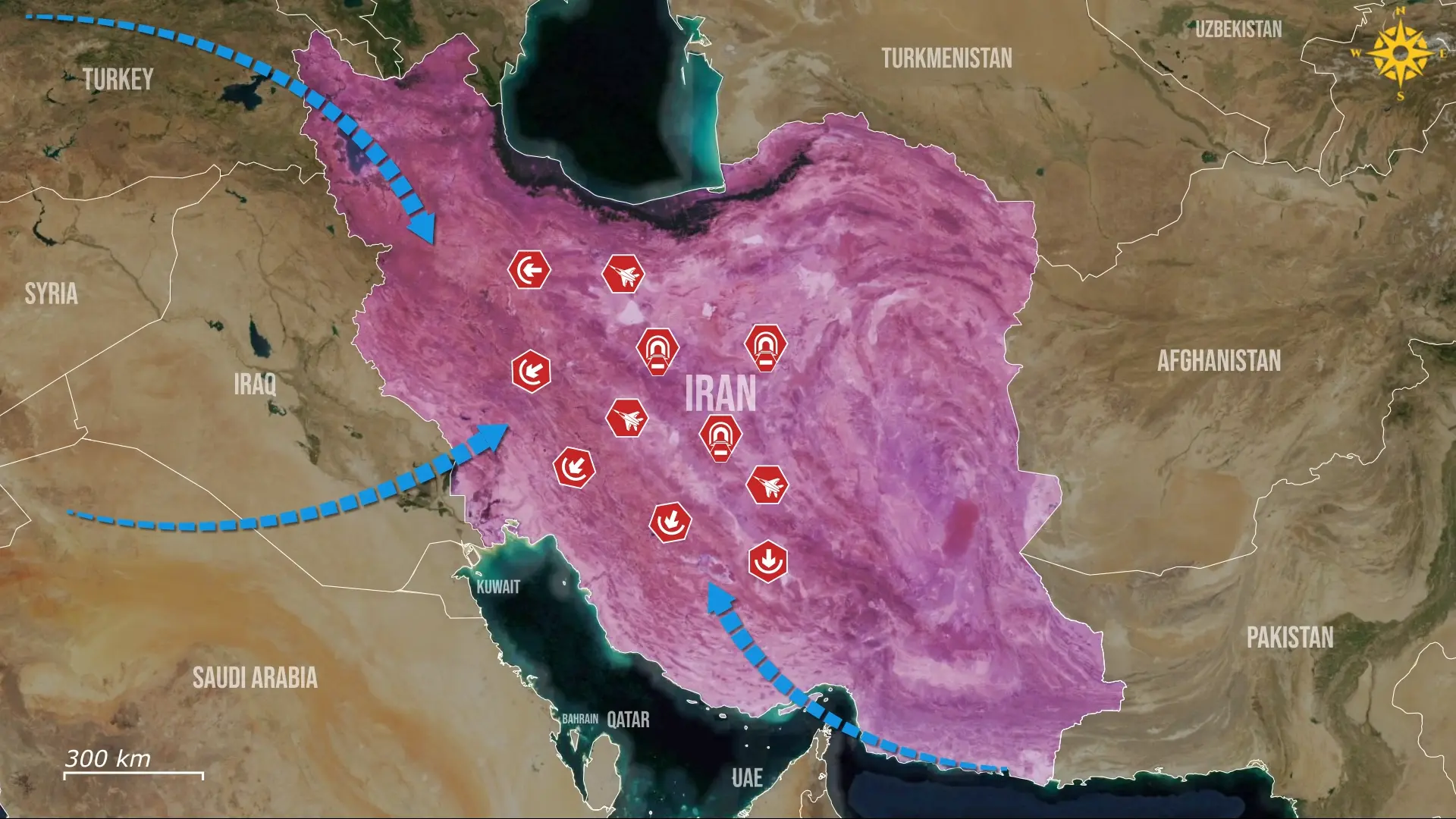
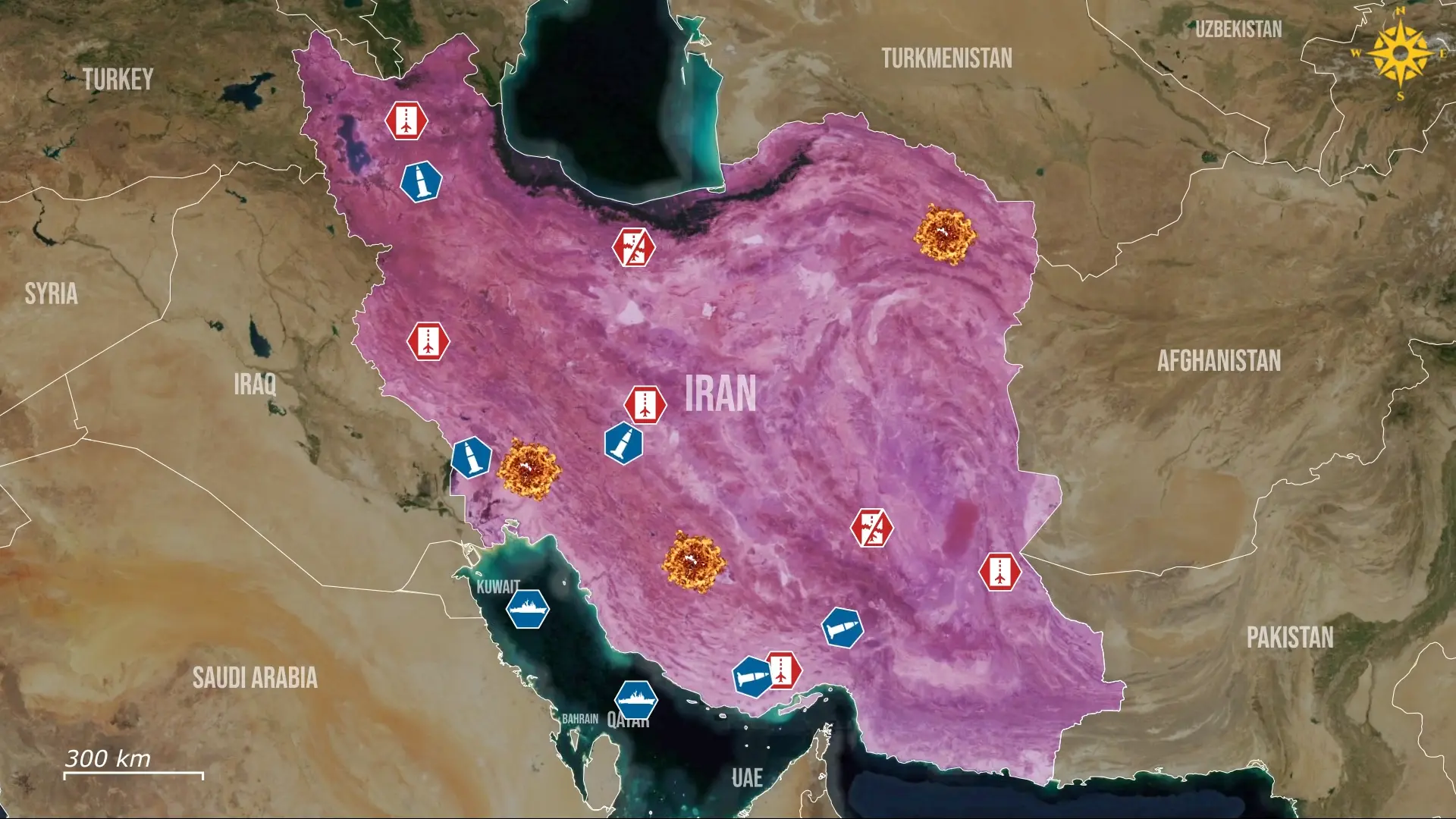
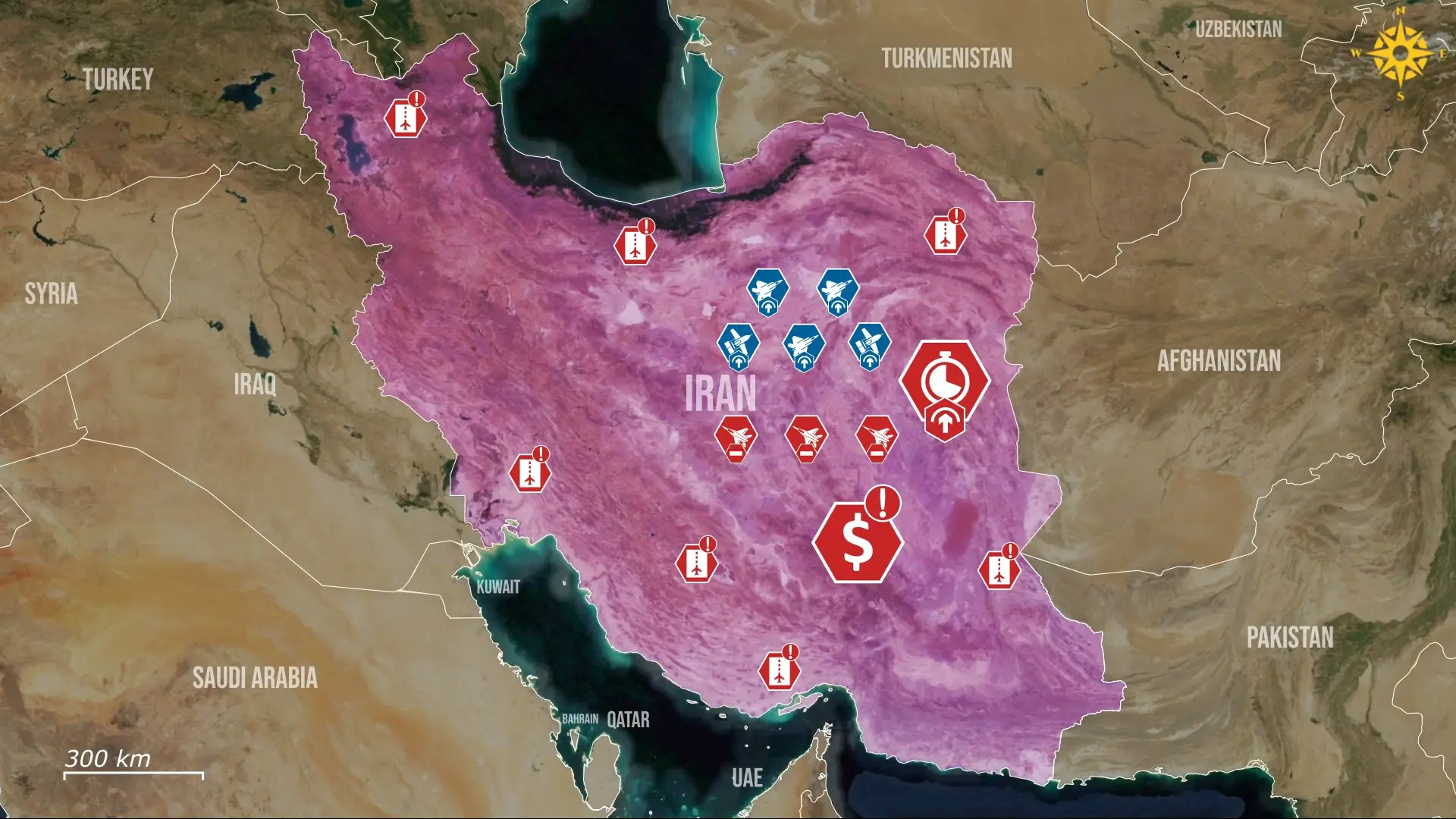
To reduce vulnerability to enemy strikes, Iran disperses its aircraft across multiple locations. Their air force operates from seventeen tactical airbases, along with one underground facility in the mountains. This reflects the core idea of Iran’s air force doctrine, focusing on continuity of operations rather than contesting for direct air superiority, dictating that if an airbase comes under attack, any aircraft should attempt to quickly relocate to another for safety.
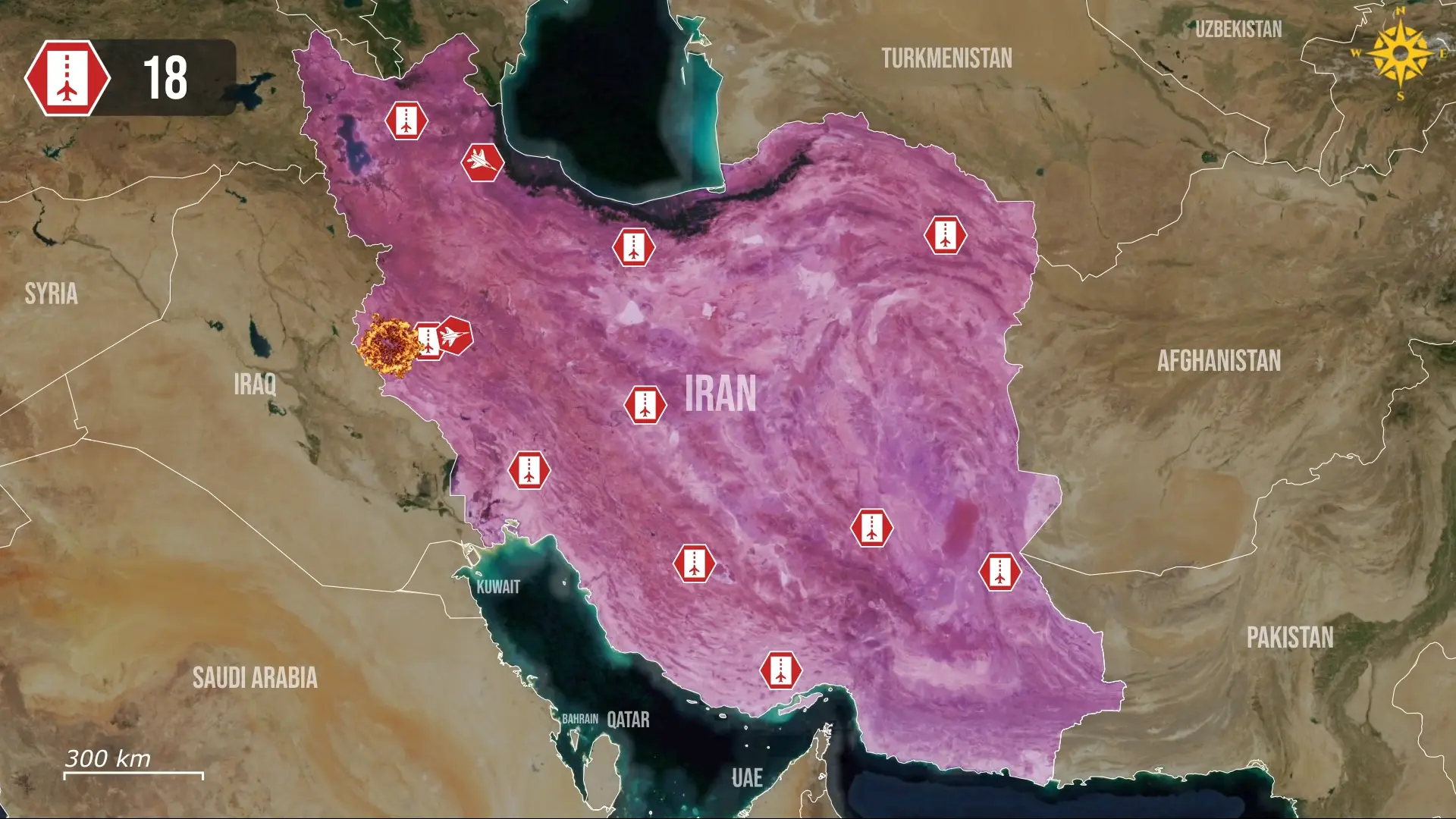
However, it is important to note that even Iran’s excavated underground airbases only function as hangars, designed to shield aircraft from attack, with aircraft still having to taxi onto runways in the open air to take off. To take Iran’s air force out of action before they could take to the skies, the combined US and Israeli plan focused on cratering runways and taxiways to effectively prevent aircraft from taking off or landing. This would disrupt Iran’s ability to deploy its air force or evacuate to other airbases, undermining the core principle of its air doctrine.
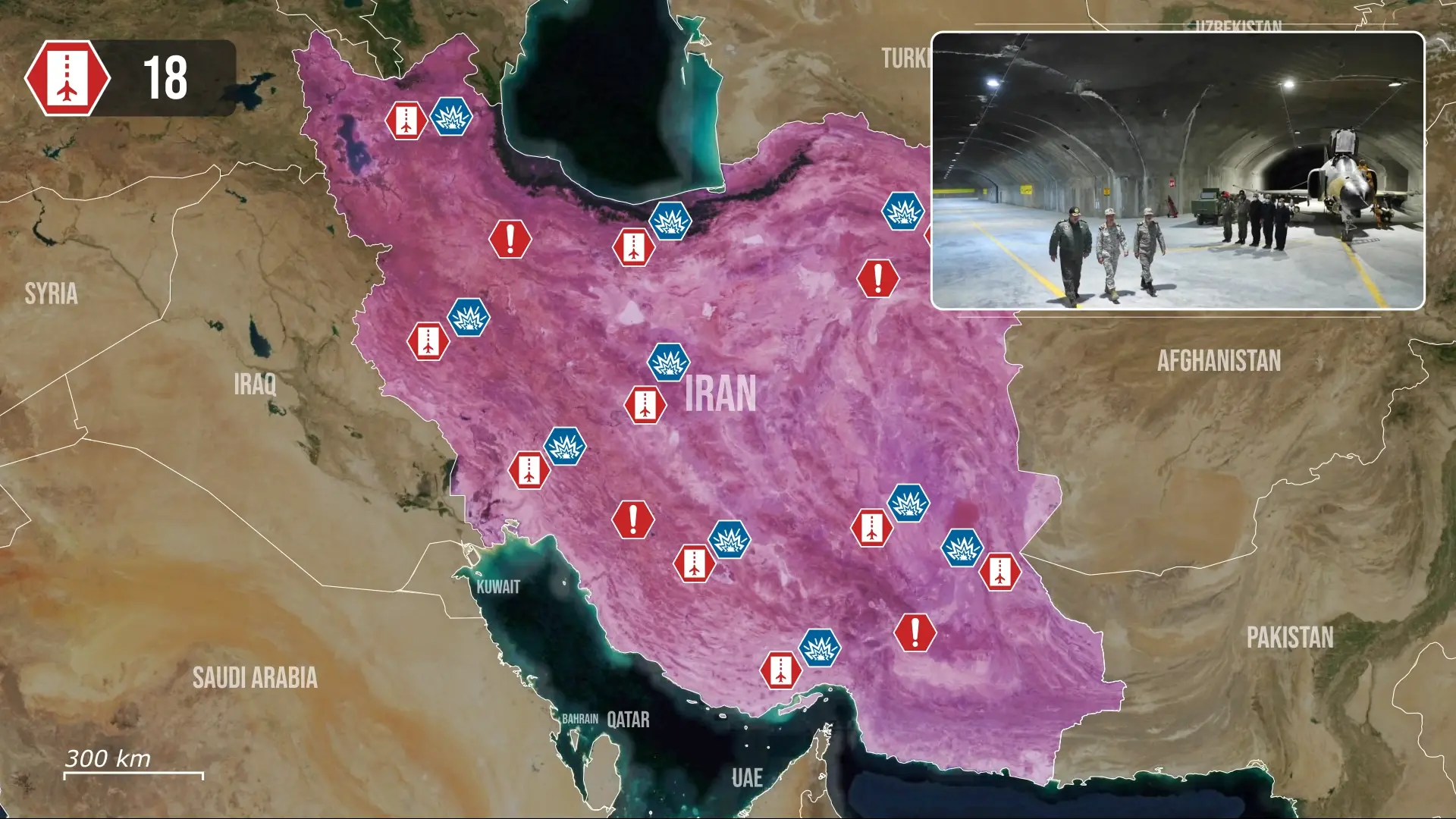
To execute this plan, the United States and Israel conducted coordinated strikes on ten Iranian tactical airbases, inflicting varying levels of damage.
Zooming in to one example, the United States and Israel targeted Hamadan Airbase with thirteen GBU thirty-nine guided bombs. The impacts all hit with high precision, severely damaging the airbase’s runways, taxiways, and access roads. Satellite imagery indicates that areas previously repaired after Israel’s 2025 strike were hit again, with craters placed on almost the same points exactly.
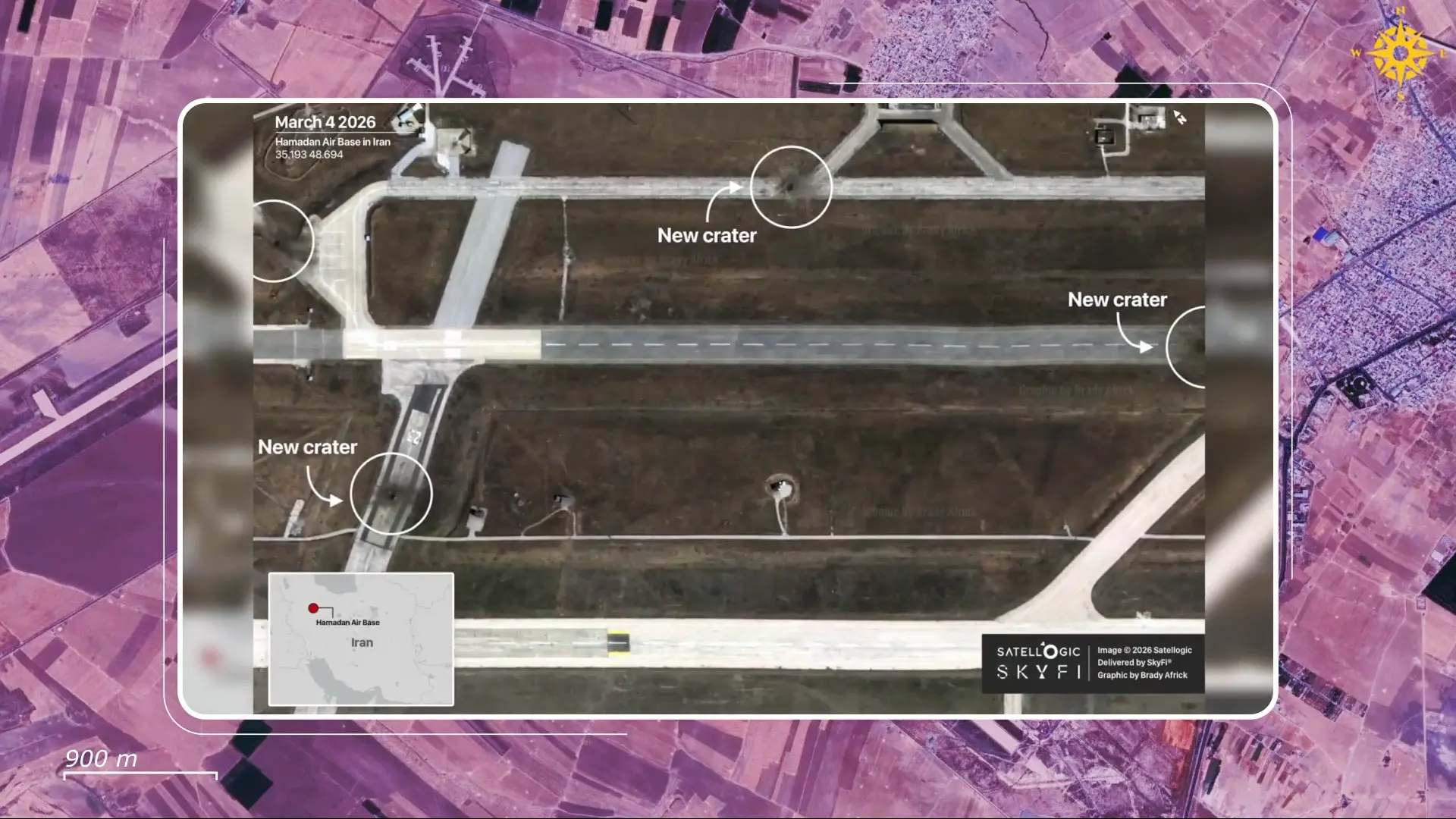
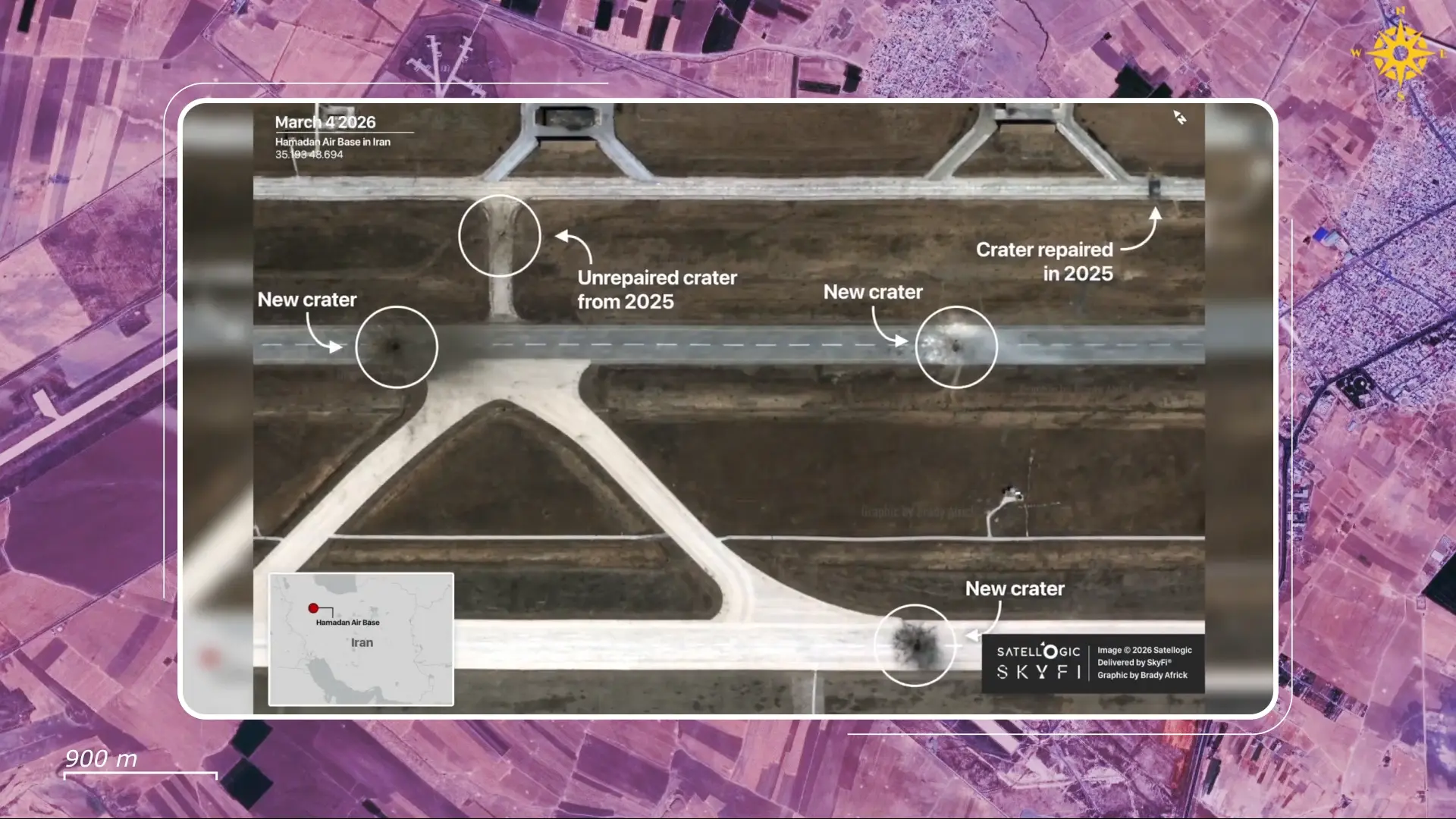
As a result, no continuous paved section over one-thousand meters remains usable at Hamadan, effectively rendering the airbase inoperable for Iranian air operations. This trapped aircraft inside from exiting and those outside from re-entering, leaving exposed jets vulnerable to follow-on strikes.
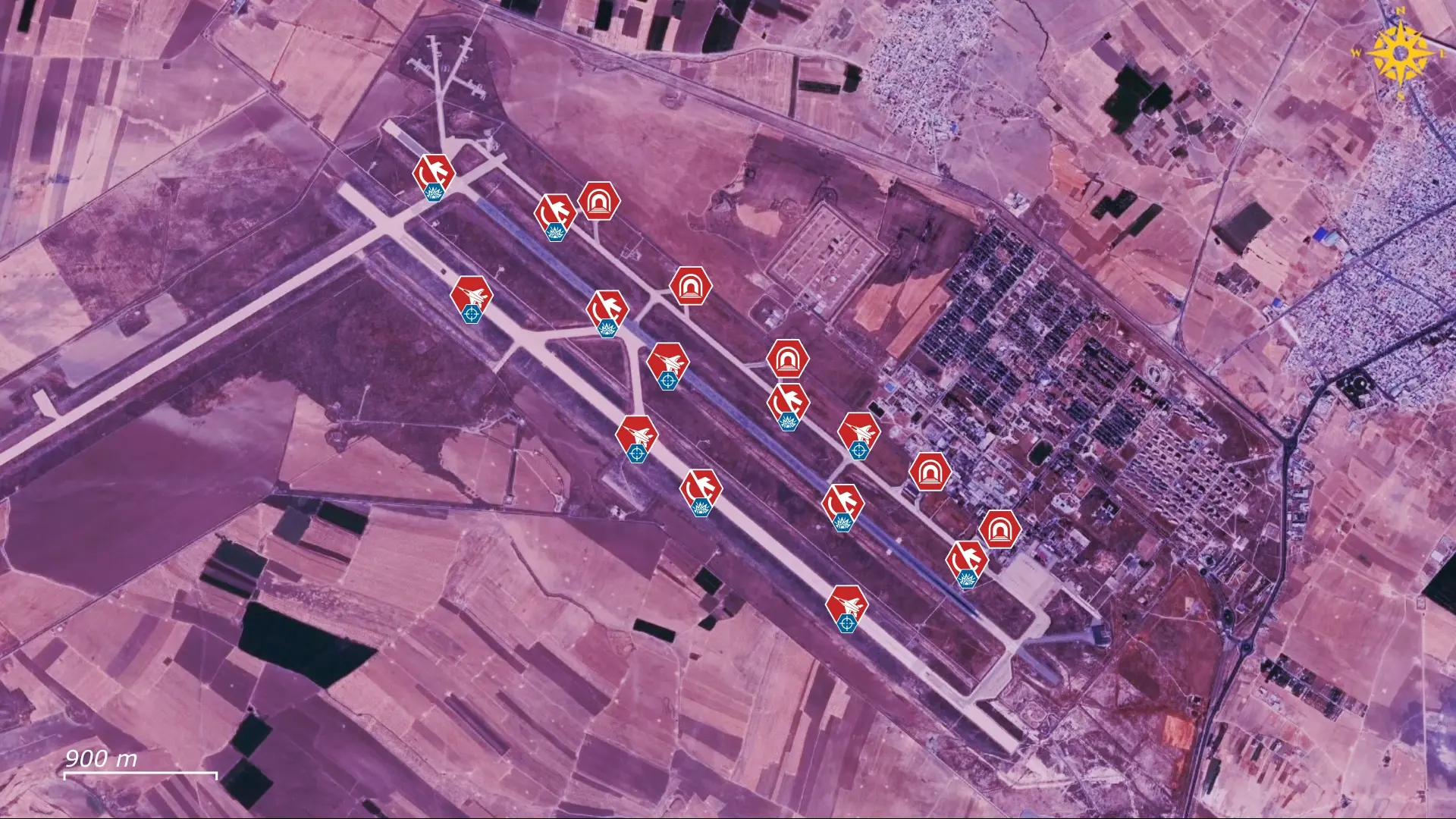
With runways destroyed, Iran was unable to relocate grounded aircraft, leaving them exposed. US and Israeli forces then destroyed forty-one fighter jets and cargo planes on the ground, inflicting significant military and financial losses. It is important to note that Iran successfully executed deception tactics, painting aircraft and helicopter silhouettes on runways to divert incoming strikes.
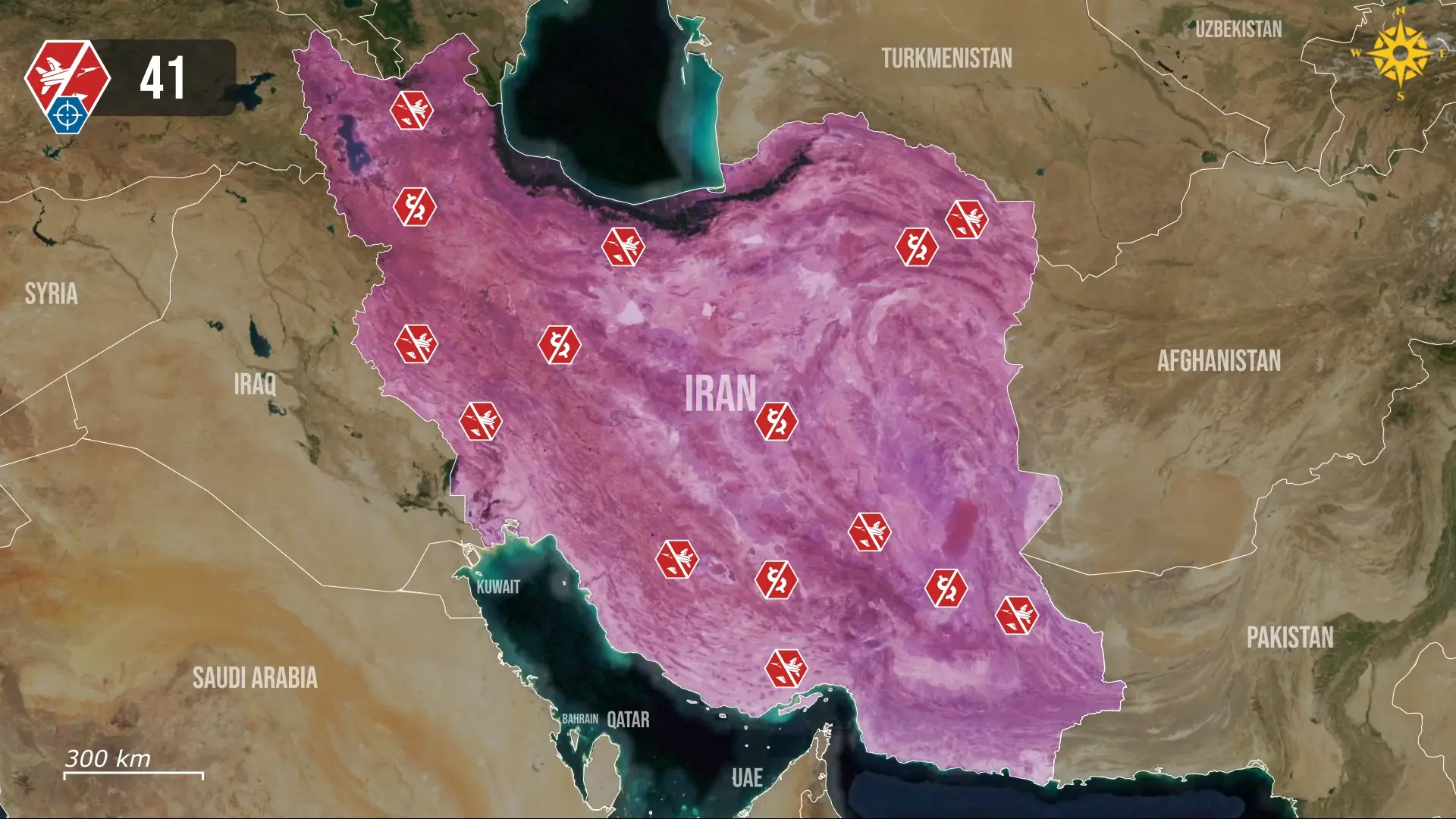
However, this resulted in only a small number of wasted munitions, which were insignificant in the broader picture of strikes and stockpiles, while Iran still failed to preserve its real aircraft.
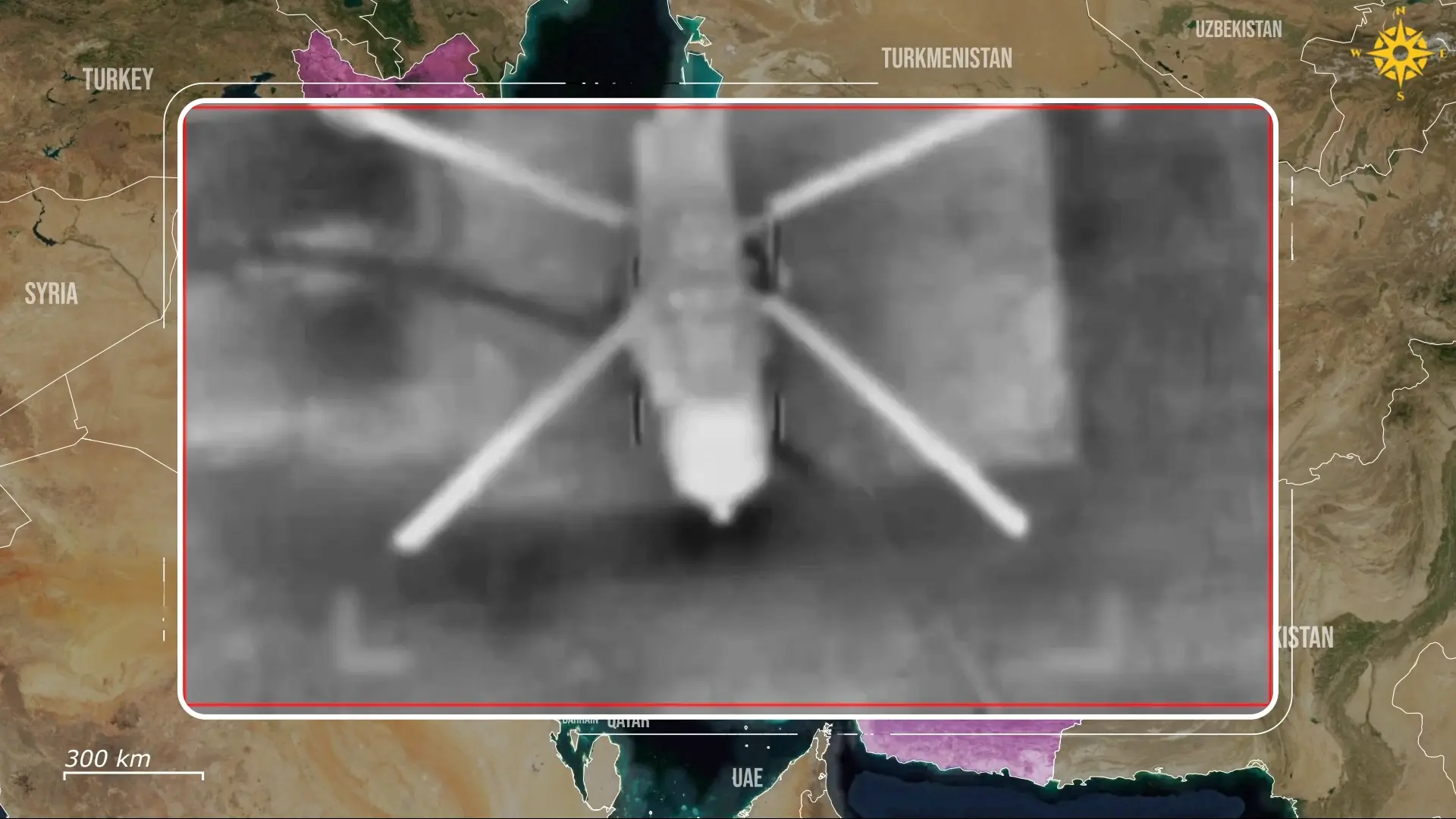
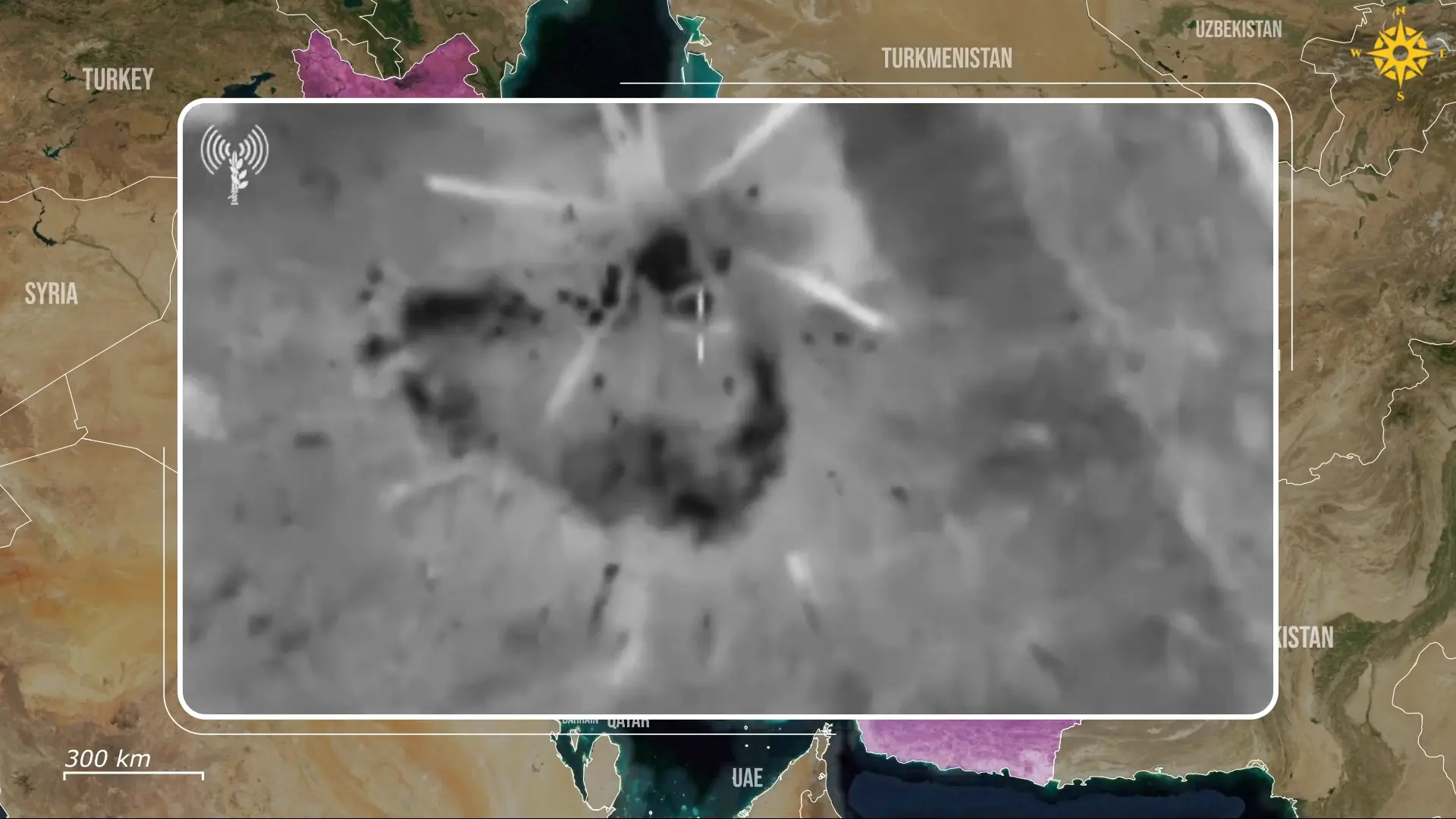
With its fleet now largely inactive, US and Israeli drones and fighter jets are operating freely in Iranian airspace; although a few drones have been shot down, this has again had a negligible impact on the significantly larger opposing forces.
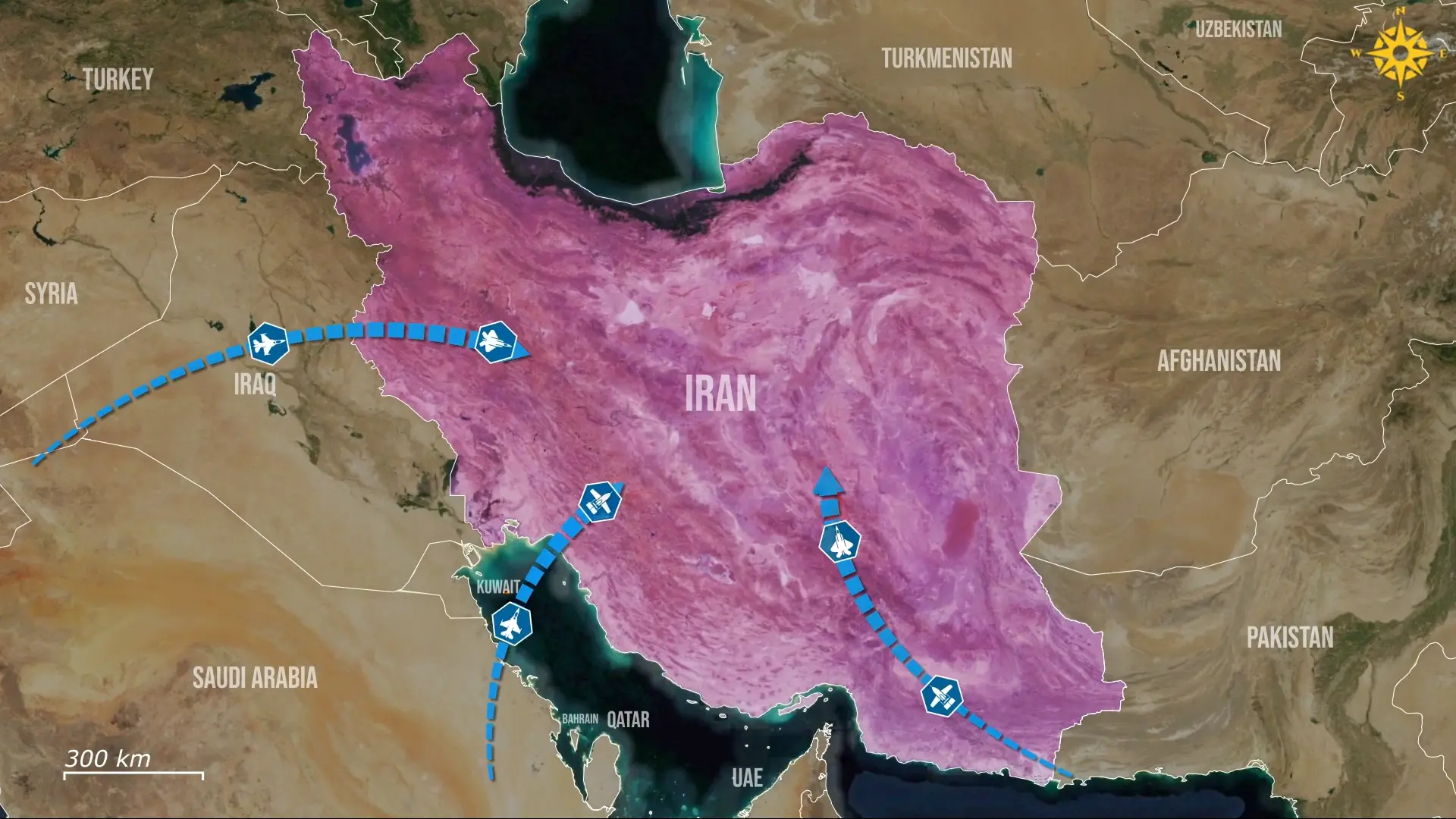
Overall, the United States and Israel managed to obliterate Iran’s long-developed air capabilities from the get-go. This is because the United States and Israel possess highly advanced fighter jets and state-of-the-art air defense systems, which are vastly superior to Iran’s military capabilities, leaving Iran completely unable to effectively resist American and Israeli attacks. Given Iran’s current situation, it may be able to prolong the duration of this war, but the long-term outcome will be unfavorable, severely damaging Iran’s military and production.

.jpg)

Comments