

.svg)
Today, the biggest news comes from Russia.
Russia entered its full-scale invasion, expecting speed and a predictable path to victory, convinced that its military structure and intelligence picture would guarantee success. What had emerged instead was a battlefield shaped by misjudgment, unpreparedness, and unexpected resistance, a reality that Russian officials had been reluctant to admit publicly.
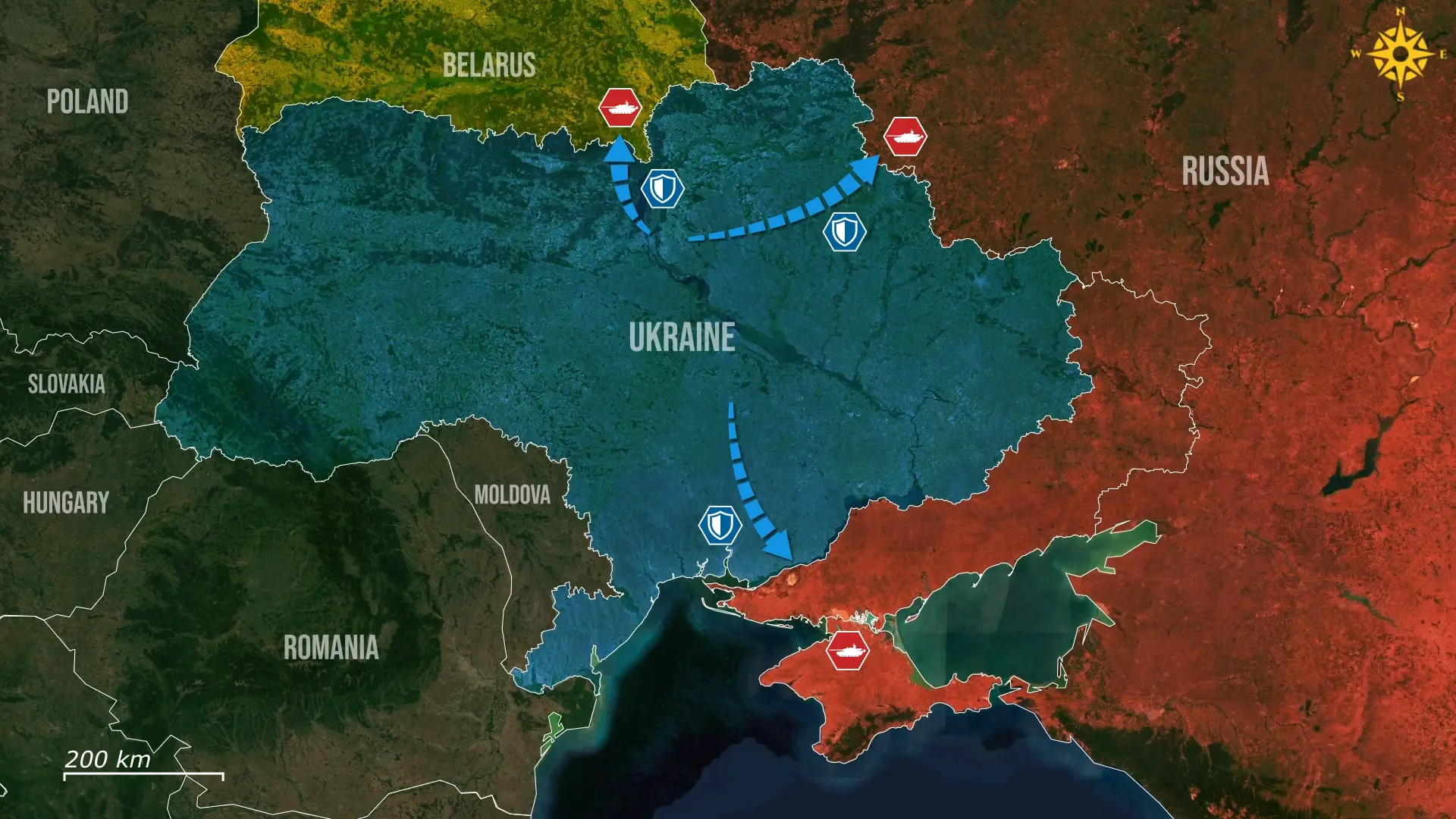
In a recent statement, Former Ground Forces Commander Vladimir Chirkin acknowledged the scale of the misjudgment behind the campaign, offering one of the clearest confessions about how flawed the Kremlin’s assumptions were. Chirkin’s remarks stand out because Russian officials rarely speak with such candor or contradict the state narrative. He stated outright that Russia went to war unprepared and misinformed, describing the invasion as a major strategic error shaped by intelligence that he now calls fantasy-driven.
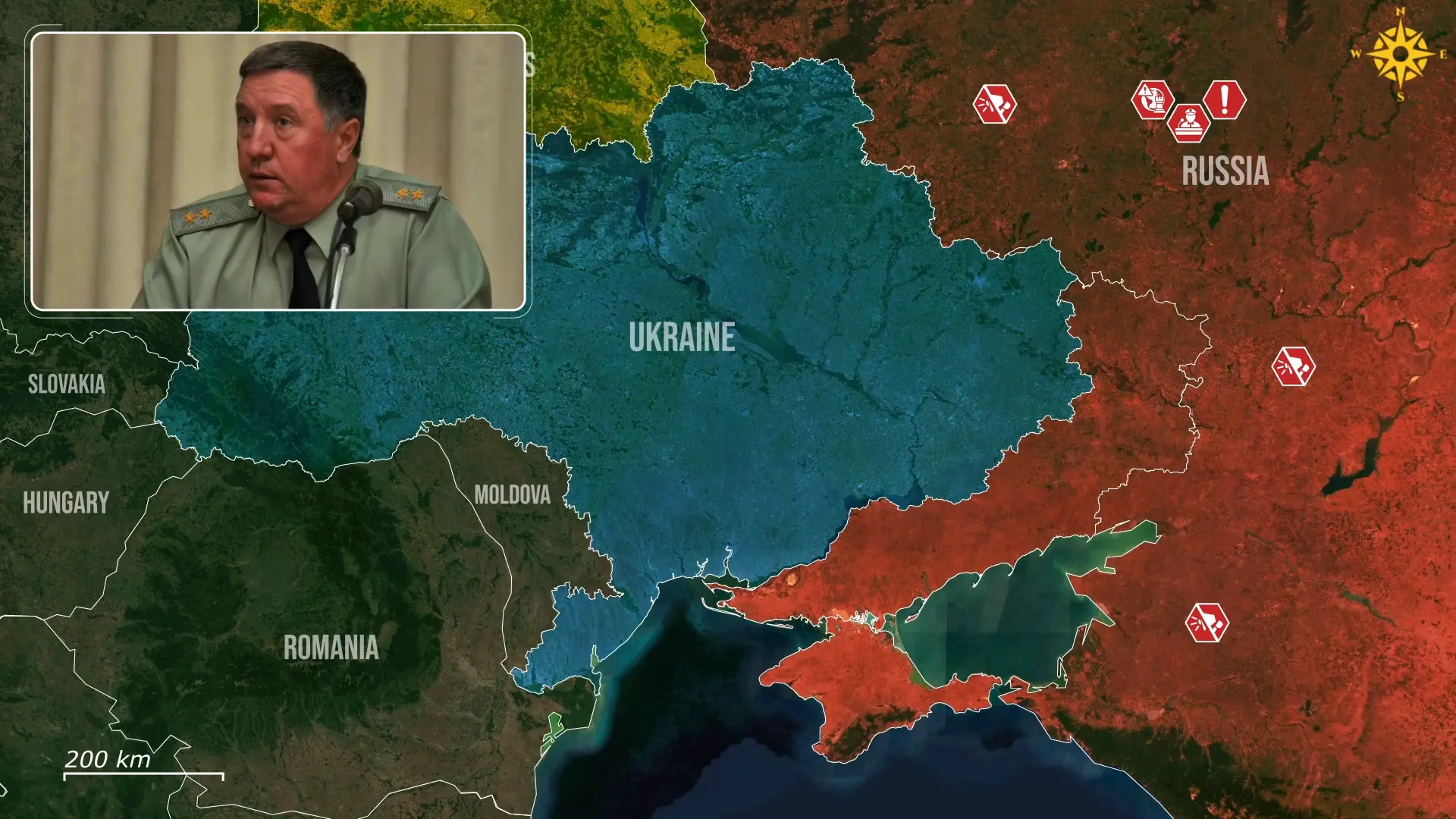
According to him, senior leaders were told that around 70 percent of Ukrainians would support a pro-Russian government and would either welcome or tolerate advancing Russian forces. Chirkin says the reality was exactly the opposite, and he describes this misreading as one of the decisive mistakes that set the entire campaign on the wrong trajectory.
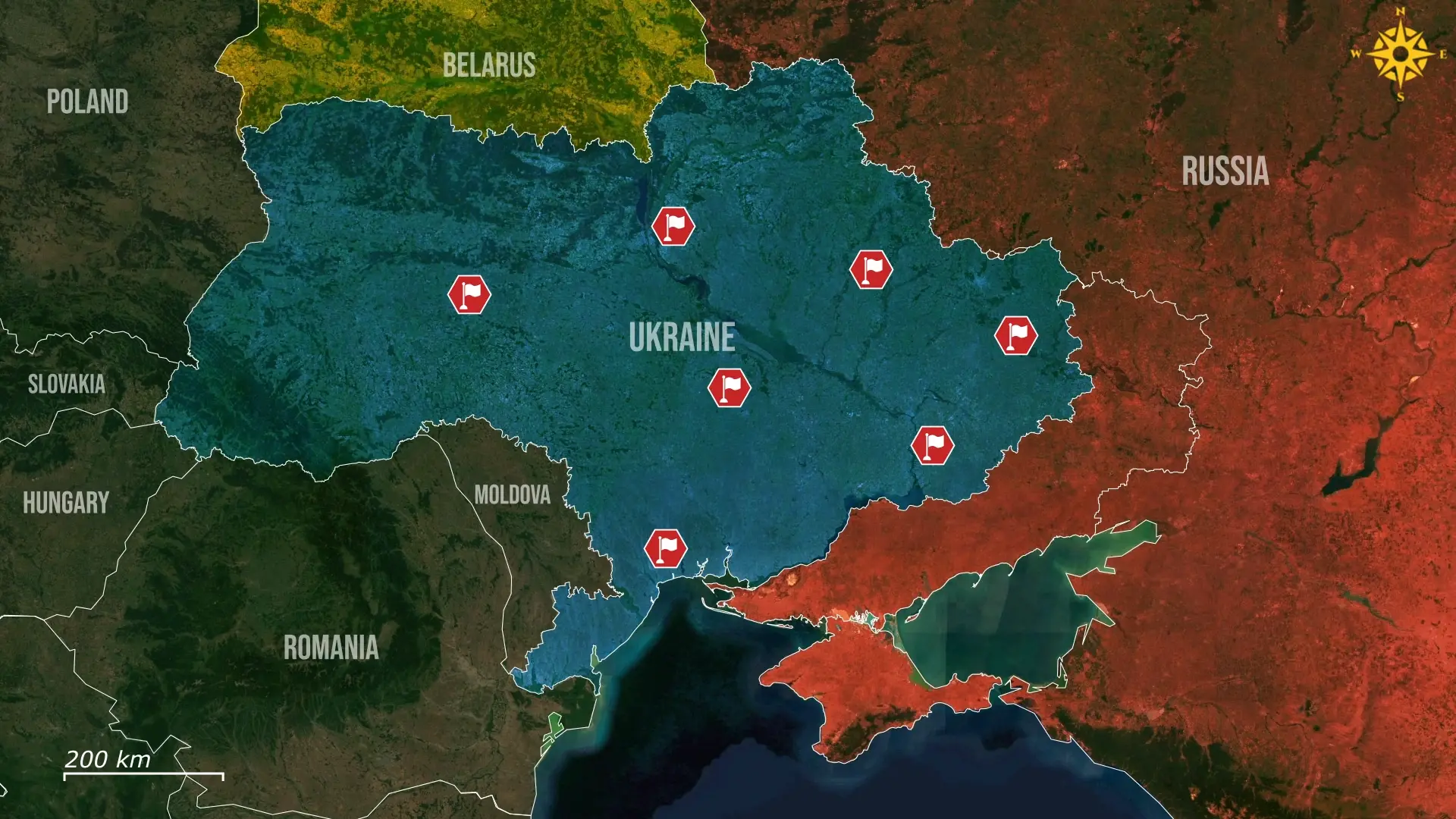
For this reason, he said he would give the entire Russian intelligence services a failing grade, as the advisers echoed what political leaders wanted to hear. This distorted understanding left Moscow convinced that resistance would be limited, that Kyiv would fracture under pressure, and that Western reaction would be slow or symbolic.
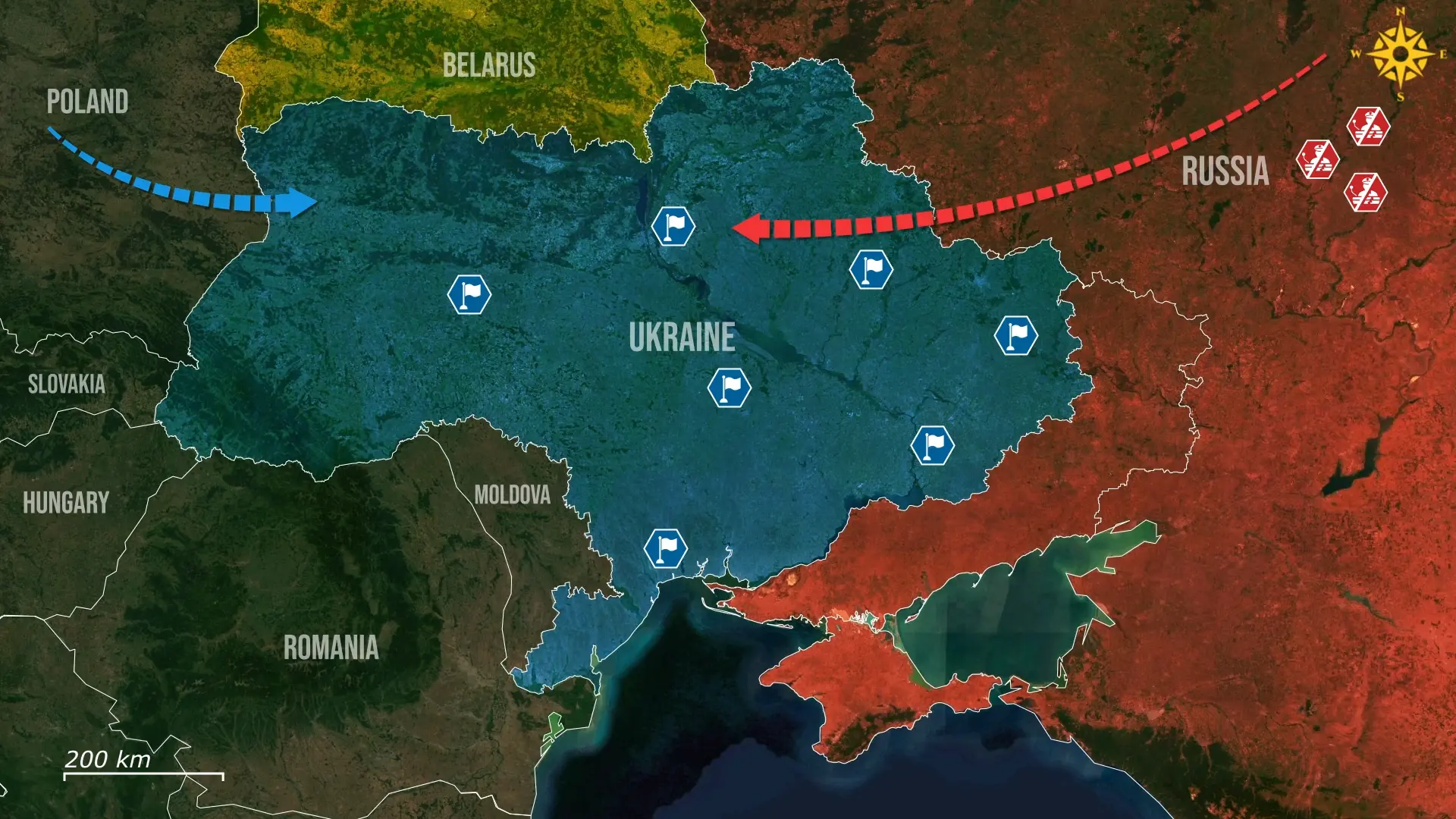
Chirkin’s comments reveal that preparation for the invasion reflected overconfidence rather than rigorous planning. He recalls that many in Russia believed the war would last three days, and he says this atmosphere shaped the entire approach to February 2022.
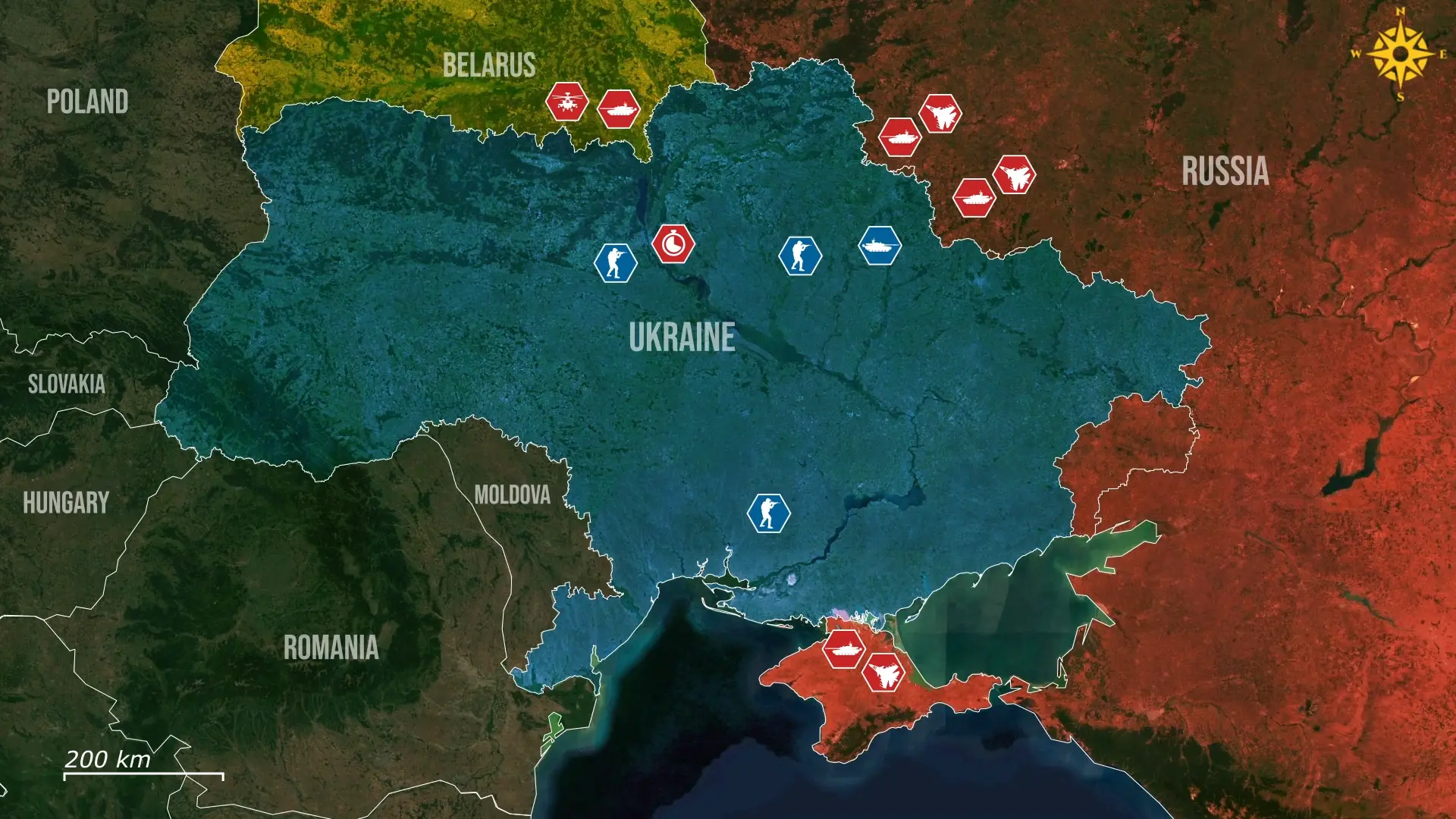
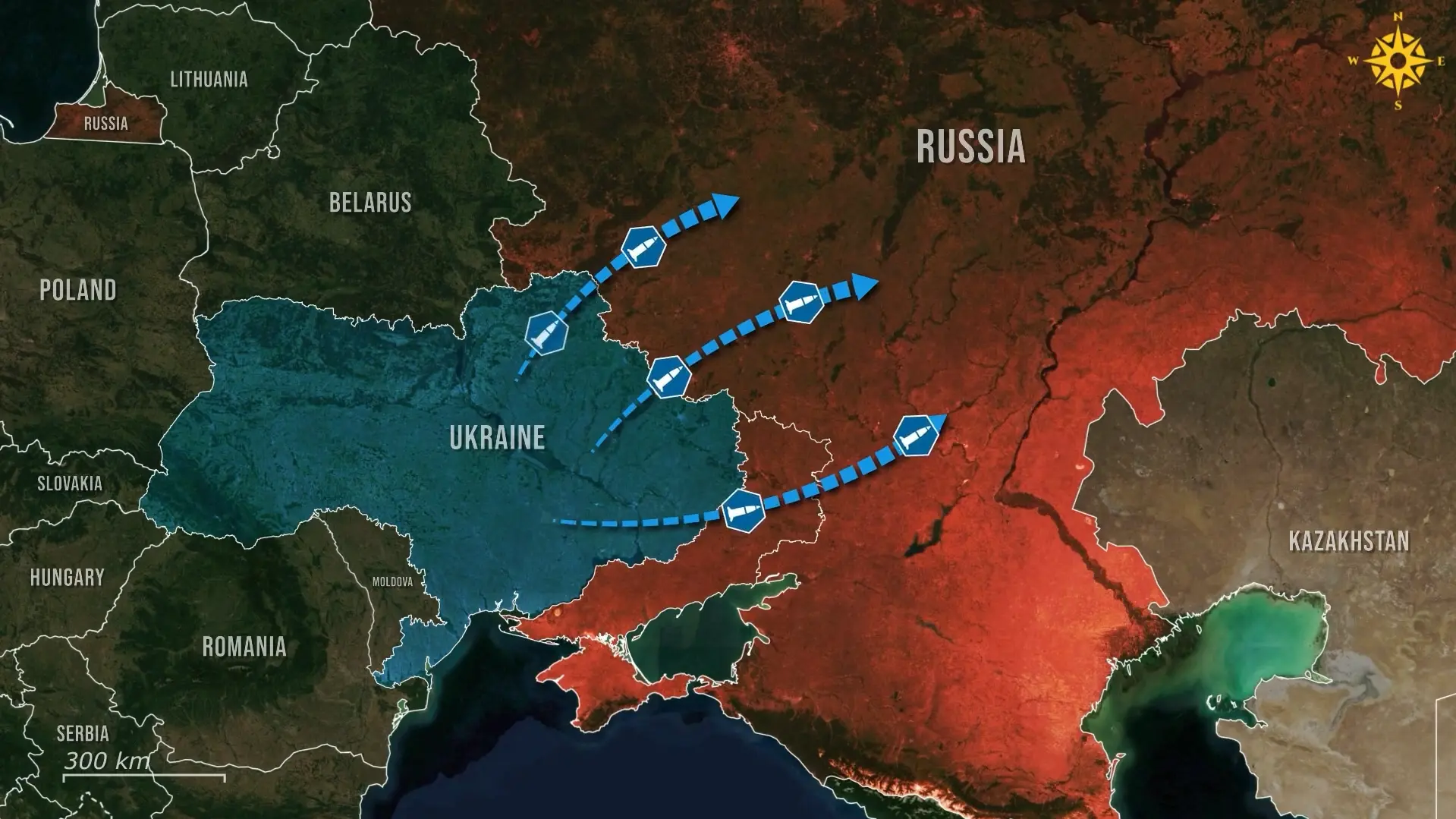
Russia focused on a rapid thrust toward Kyiv, assuming Ukrainian forces would disintegrate after the initial shock. He notes that Russia entered the conflict unprepared again, due to structural issues that had persisted since earlier wars.
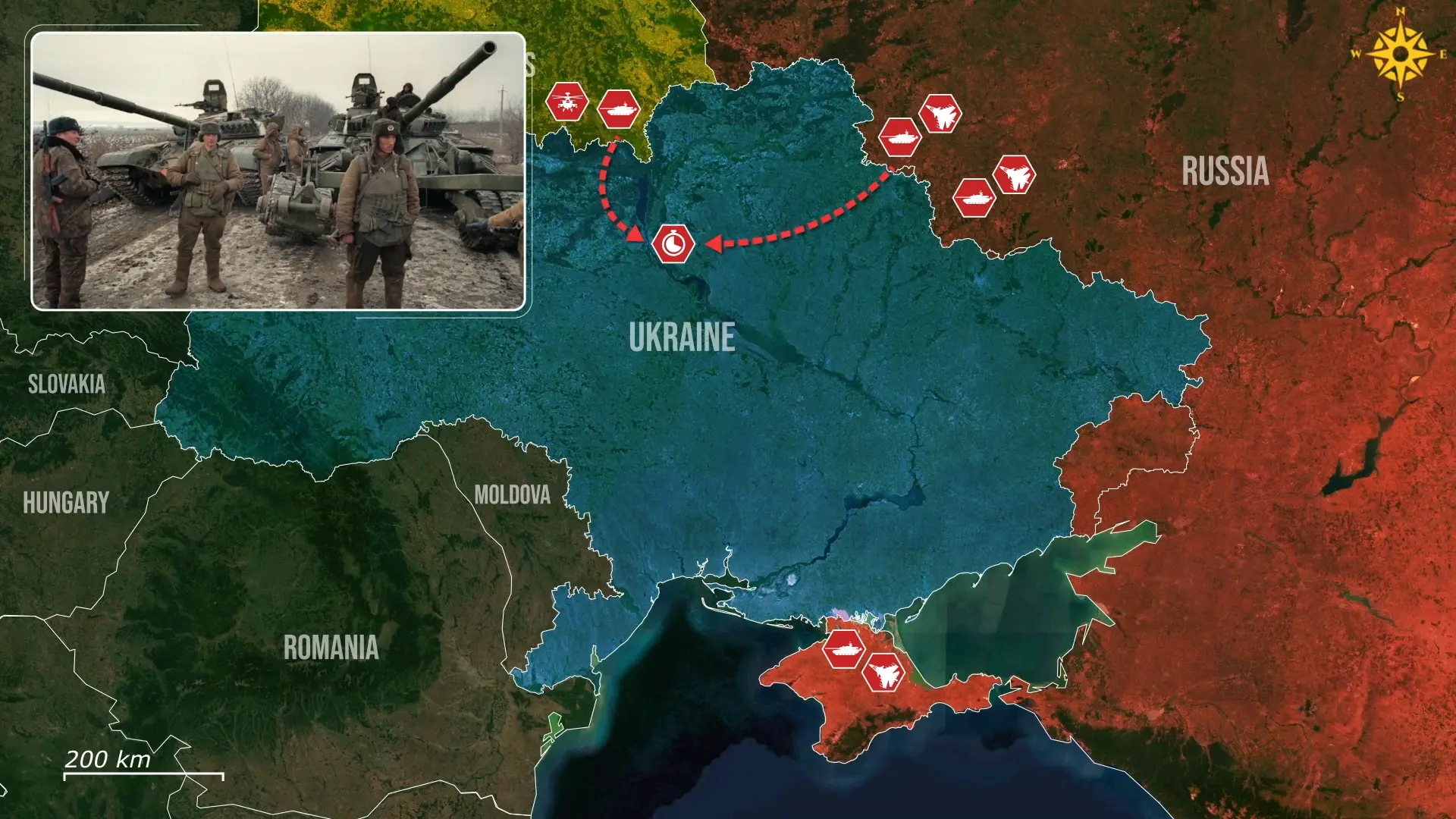
These include what he calls Tbilisi syndrome, in which officers hesitate to act without an explicit order. This rigidity directly contributed to slow responses, missed opportunities, and confusion during the opening phase. Chirkin suggests that senior leaders believed psychological pressure, fast maneuvers, and narrative dominance would suffice, which explains why logistical depth, protected supply lines, and contingency structures received little attention. The military prepared for a short and dramatic operation because it was convinced that prolonged fighting was almost impossible.
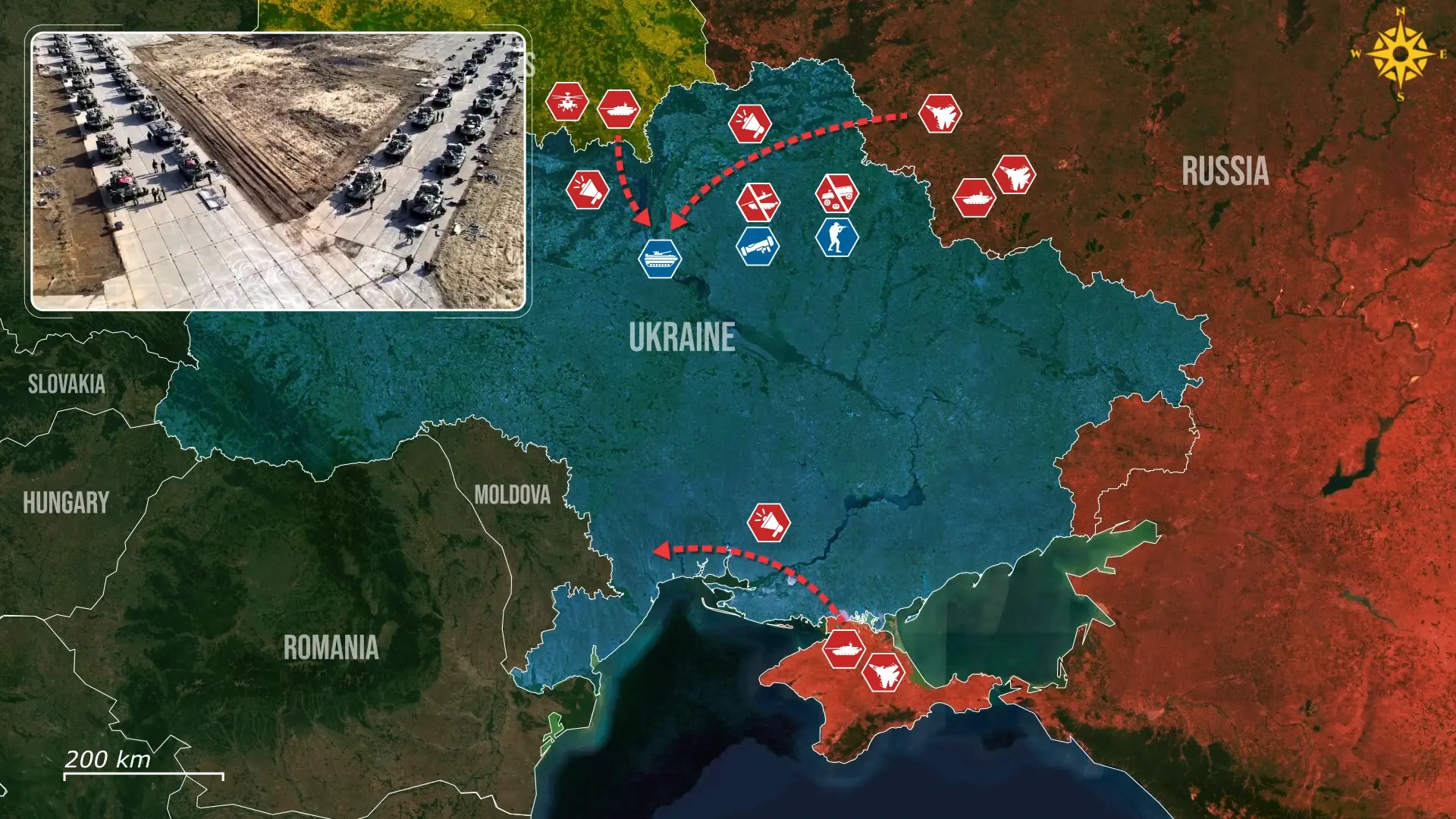
Chirkin’s comments clarify that the core of the plan rested on assumptions treated as facts, such as that the Ukrainian political leadership would splinter under pressure, and that these beliefs became entrenched within Russian planning circles. Other assumptions were that most Ukrainians would avoid active resistance and that the Western governments would take time to mobilize a meaningful response. Intelligence reports reinforced this outlook by portraying Ukrainian morale as fragile and the armed forces as unprepared for coordinated defense.
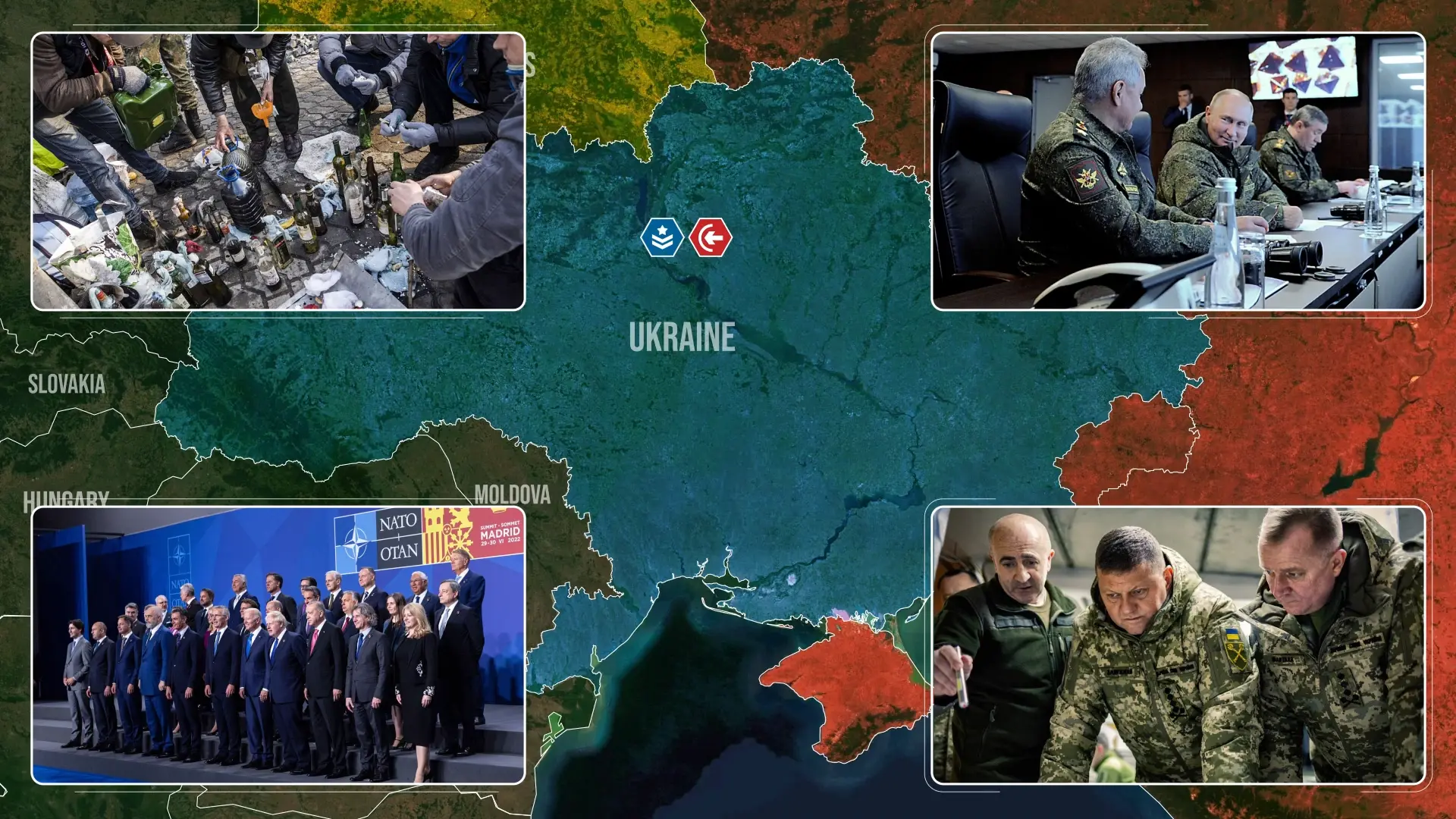
He adds that senior leaders believed speed alone would create a sense of inevitability, discouraging mobilization. This belief drove the decision to push armored formations deep into Ukrainian territory along narrow routes with minimal protection. Chirkin makes clear that political expectations shaped military design and that no one seriously considered that Ukraine could recover from a first strike and counterattack effectively.
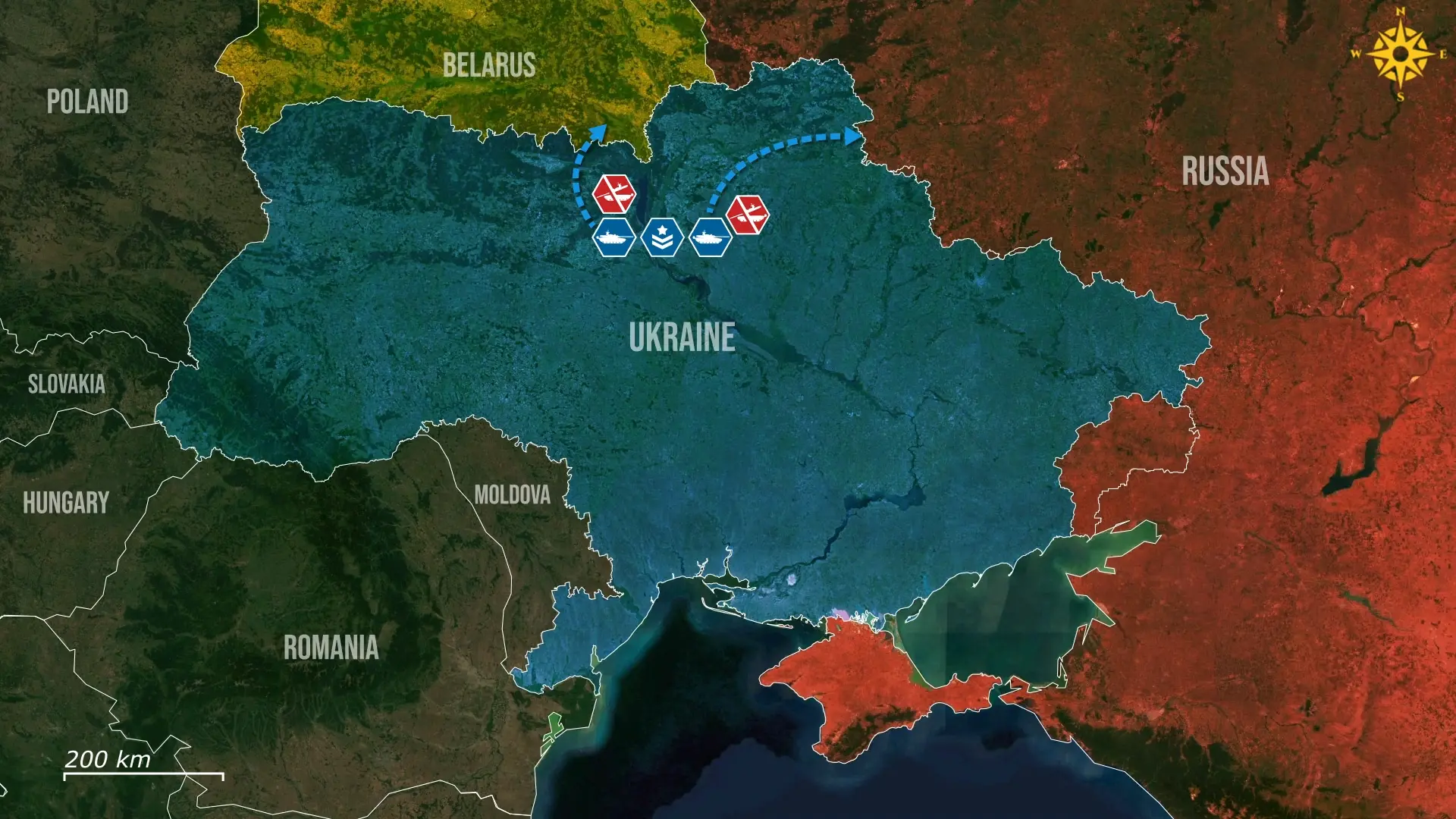
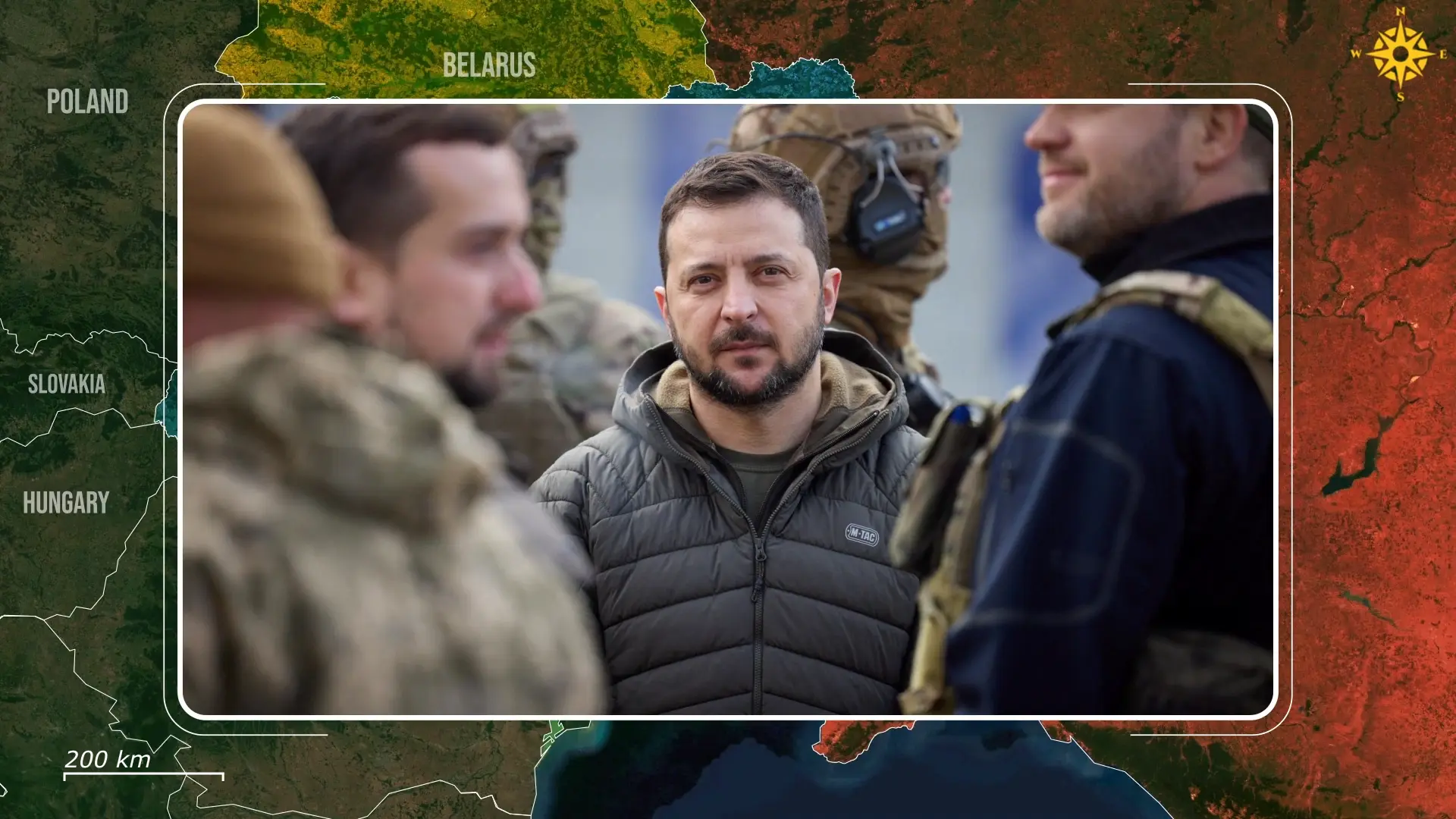
Chirkin’s statements shed light on how these assumptions collapsed together with the offensive plan, once Ukrainian resistance held and officials in Kyiv remained in place.
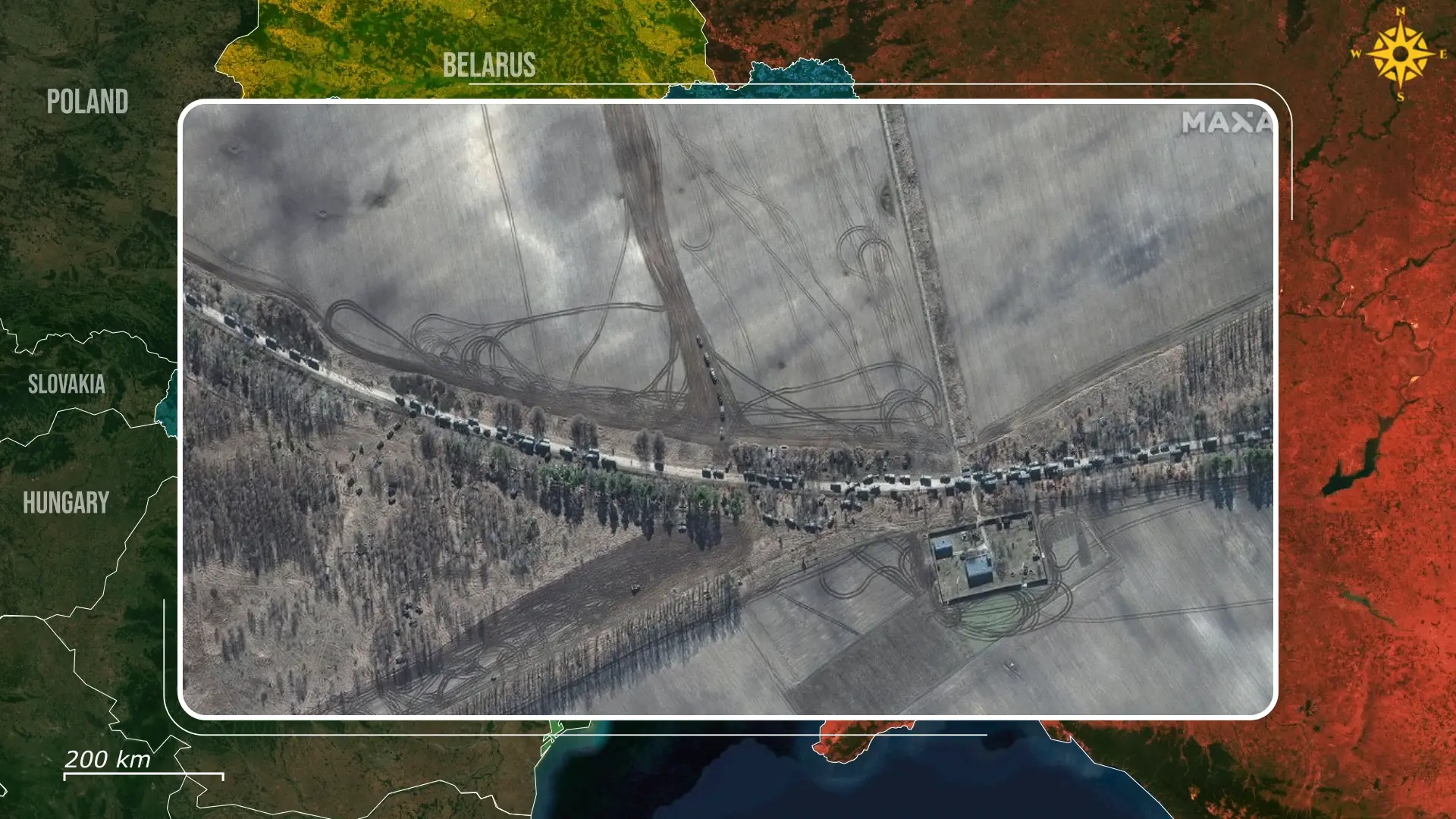
He acknowledges that Russia had no meaningful fallback option and, as a result, logistics collapsed almost immediately. Long convoys stalled because supply routes were overstretched and contested, and units waited for orders that never came due to command inertia.
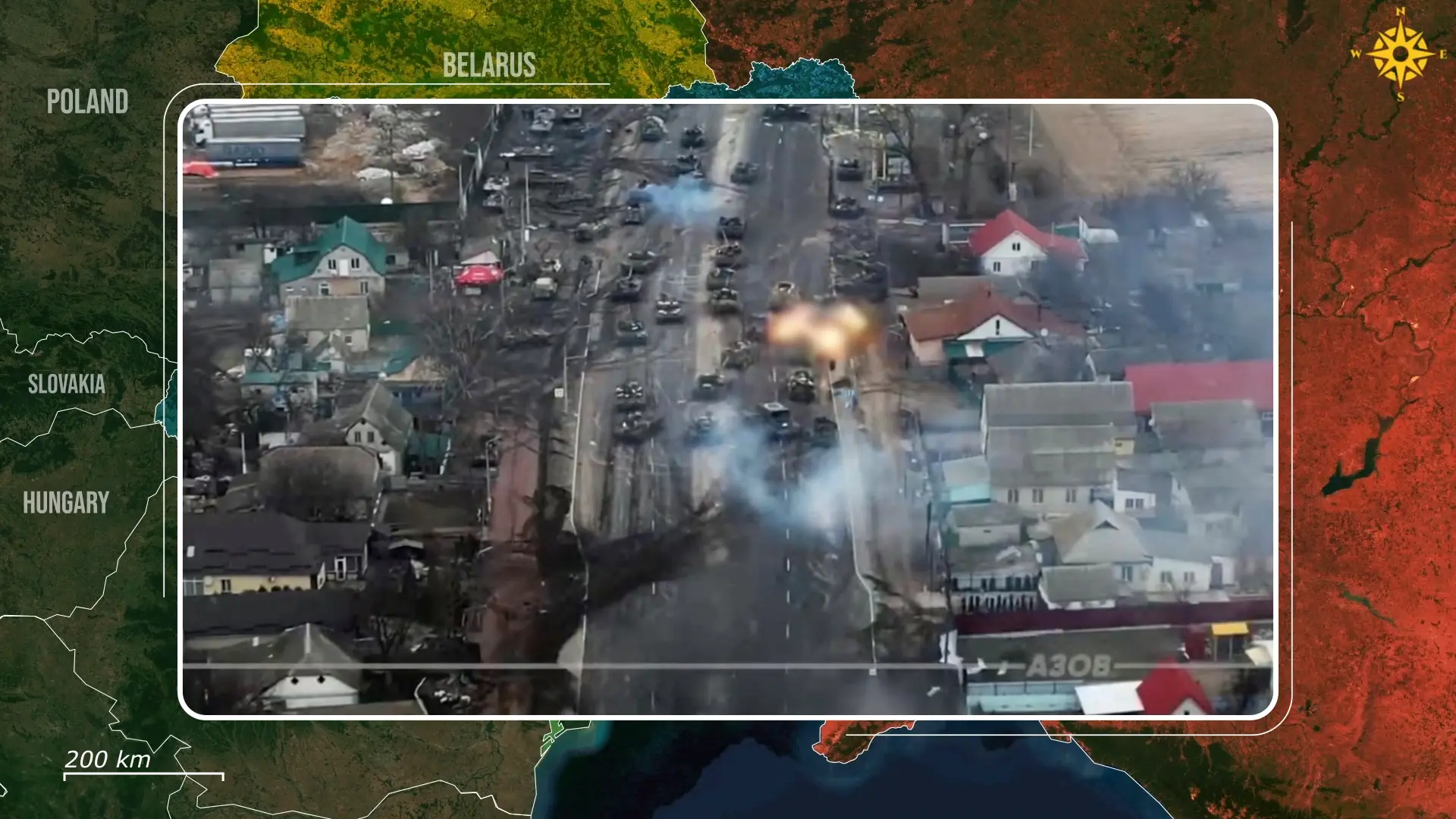
He also notes that the narrative presented after the retreat from Kyiv, described by Russia's leadership as a gesture of goodwill, sought to mask a military setback. Chirkin’s account confirms what observers had already noted: Russian forces withdrew because the advance had become impossible to sustain, casualties were high, and Ukrainian counterattacks were inflicting significant damage.
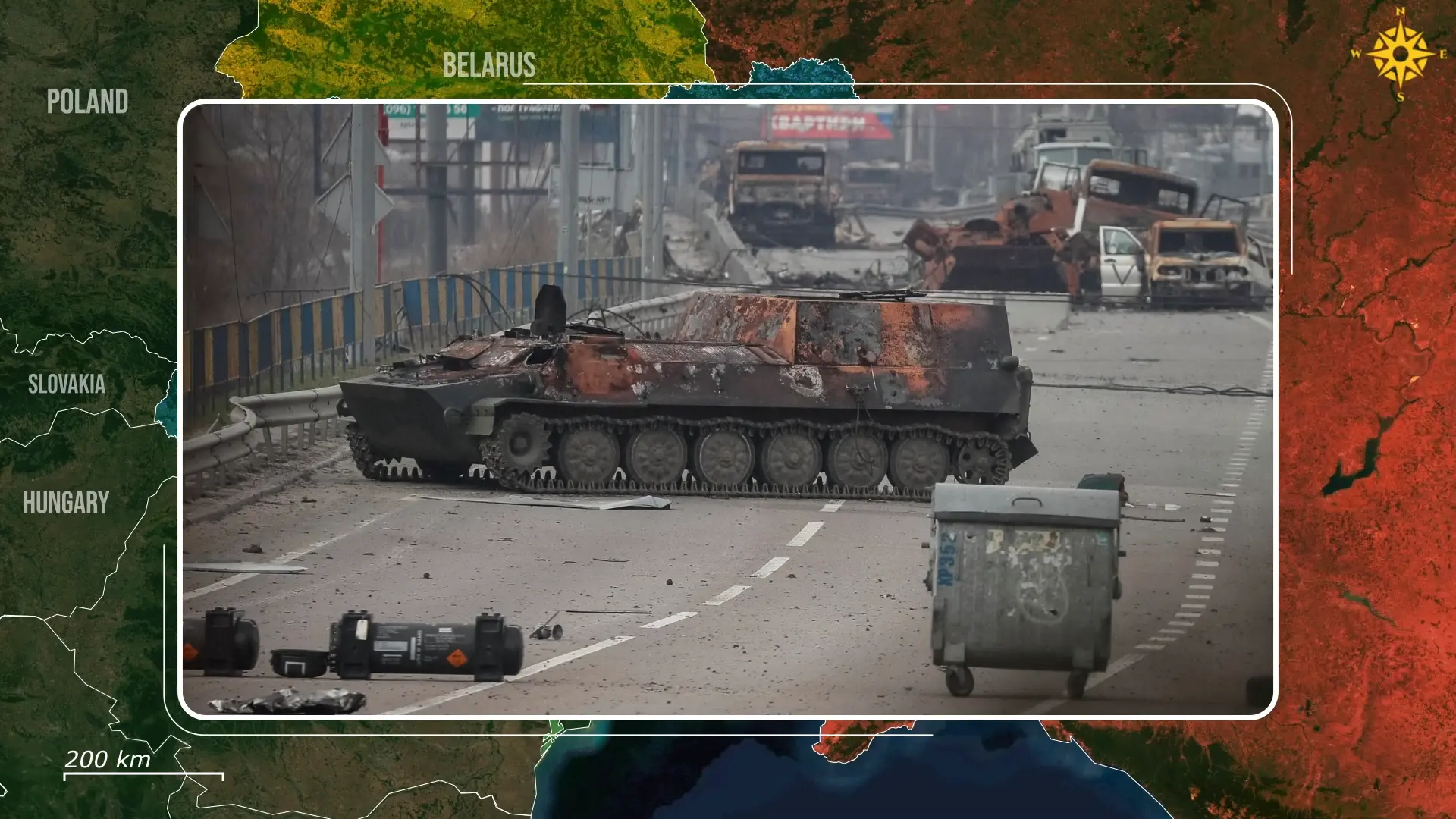
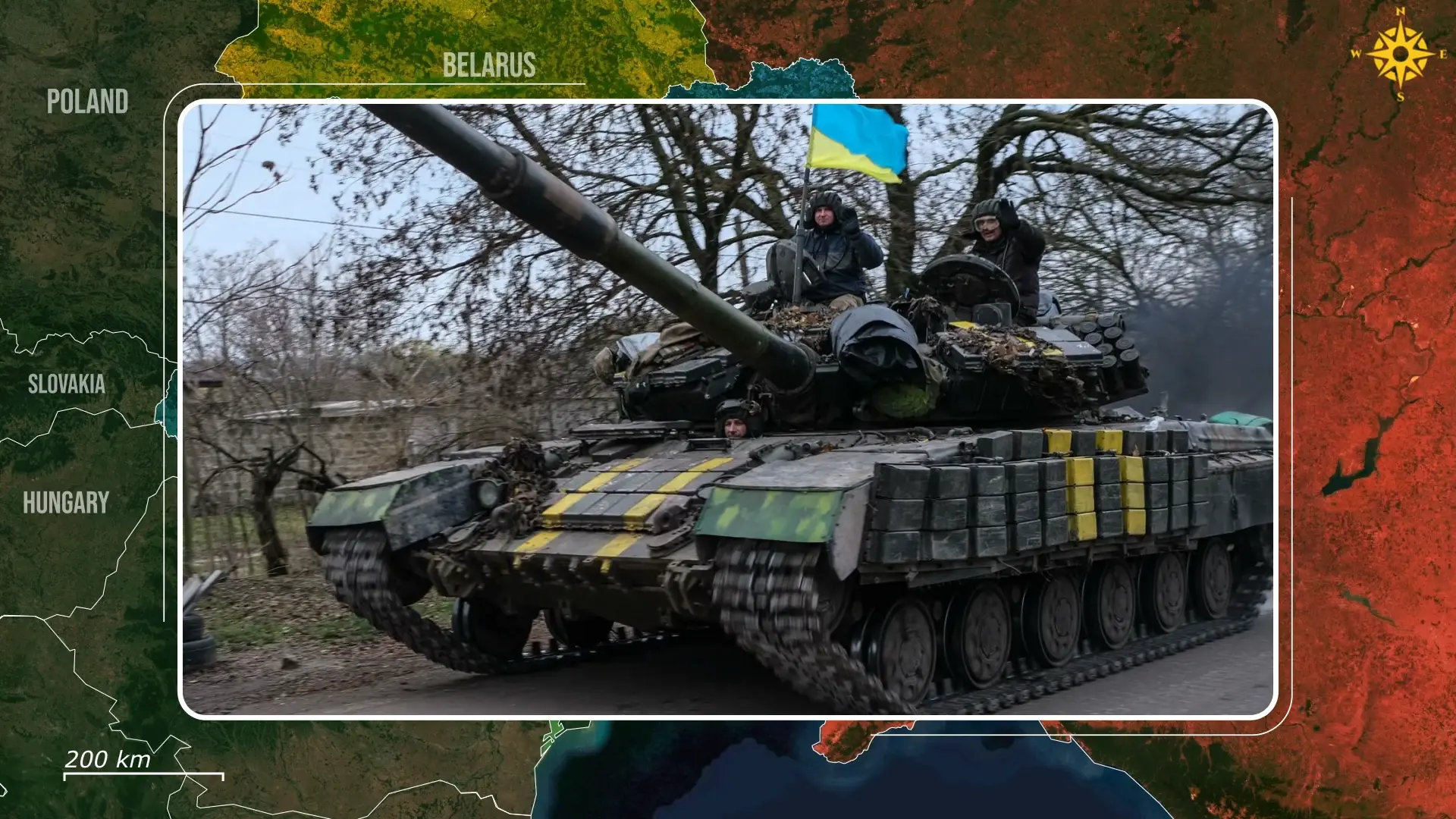
Overall, Chirkin’s public assessment exposes the internal flaws behind one of Russia’s most consequential strategic miscalculations in decades. His remarks confirm that the invasion was based on inaccurate intelligence, unrealistic political assumptions, and an outdated military structure. It is a reminder that misjudgment at the strategic level can set in motion a sequence of failures with long-lasting consequences, which constrained Russia in a long war of attrition.

.jpg)

Comments