

.svg)
Today, the most interesting news comes from Ukraine.
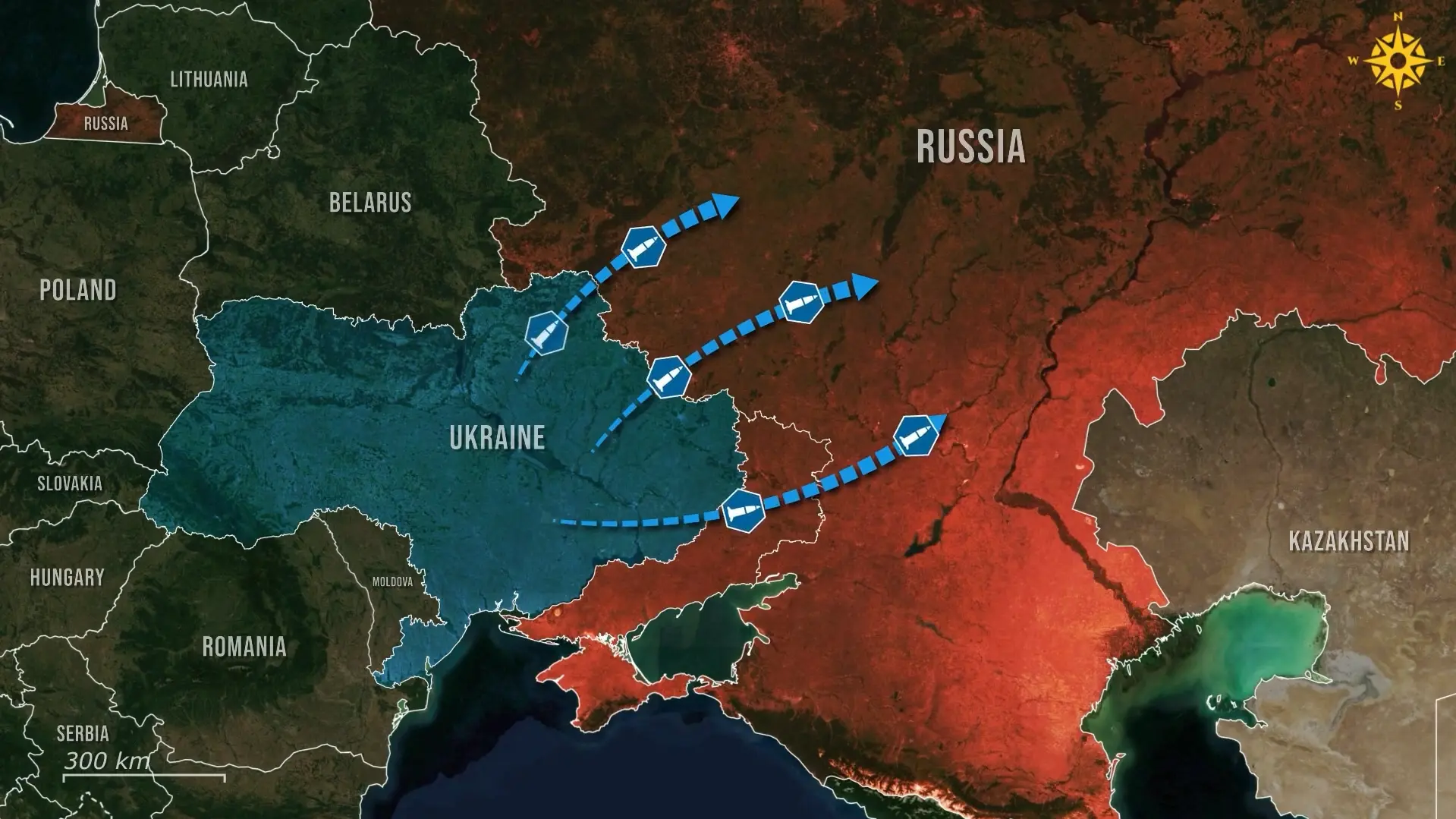
Fall and winter always come with the usual problems in modern warfare, especially for mechanized operations. However, the major changes in how this war has been fought in the past year will have a much different and unprecedented impact on military operations.
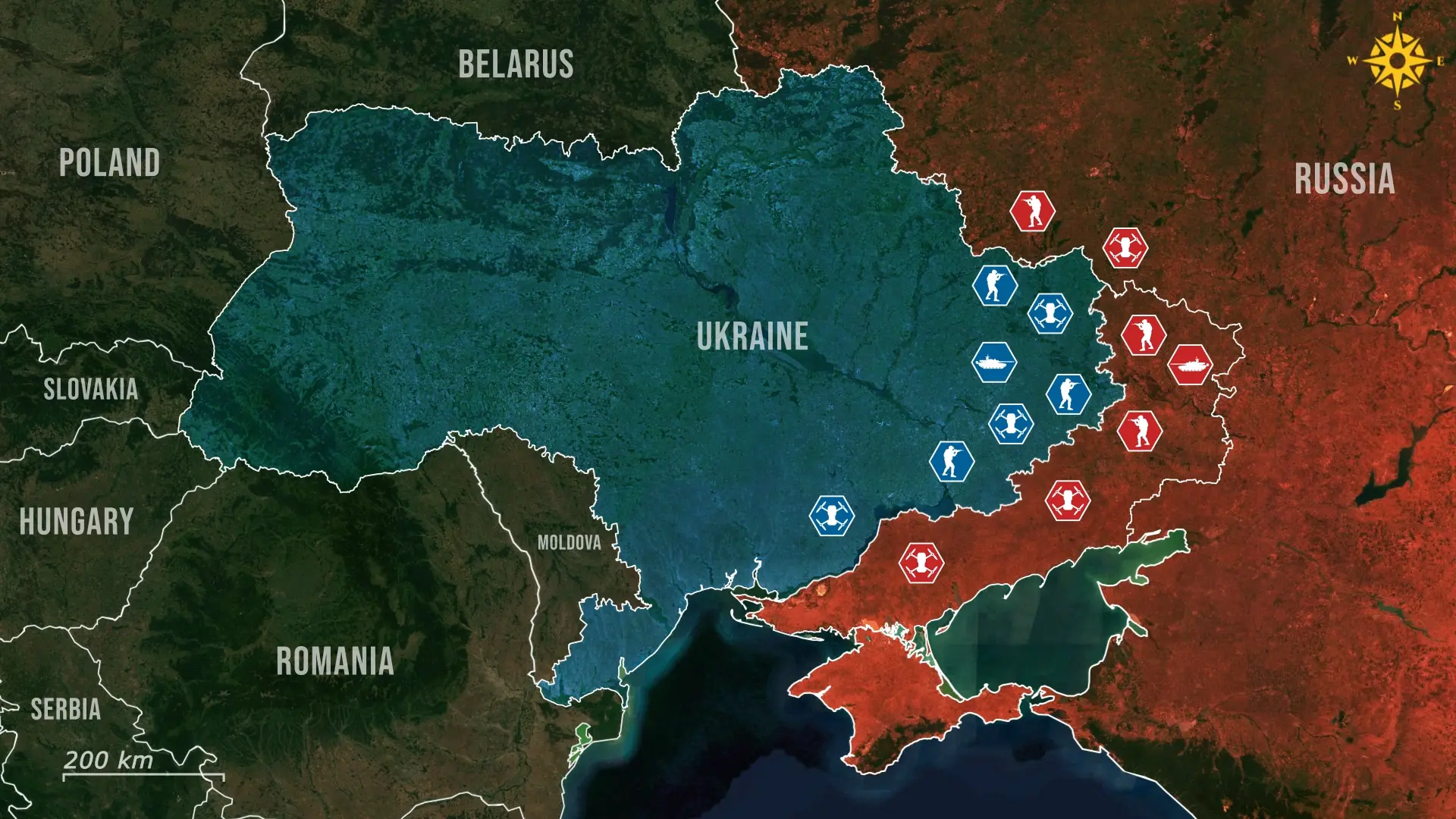
Weather conditions bring a set of challenges in modern warfare, as visible in the war in Ukraine since its beginning. Autumn rains saturate the soil, creating the infamous rasputitsa or bezdorizhia mud that bogs down tanks, armoured vehicles, and even basic transport trucks.


In winter, the mud eventually freezes, but this brings its own problems: ice makes movement treacherous, soldiers face frostbite if not properly equipped, while extreme cold stresses engines, batteries, weapons, and lubricants. Traditionally, these conditions complicate offensive operations and increase attrition through exposure and equipment breakdown.
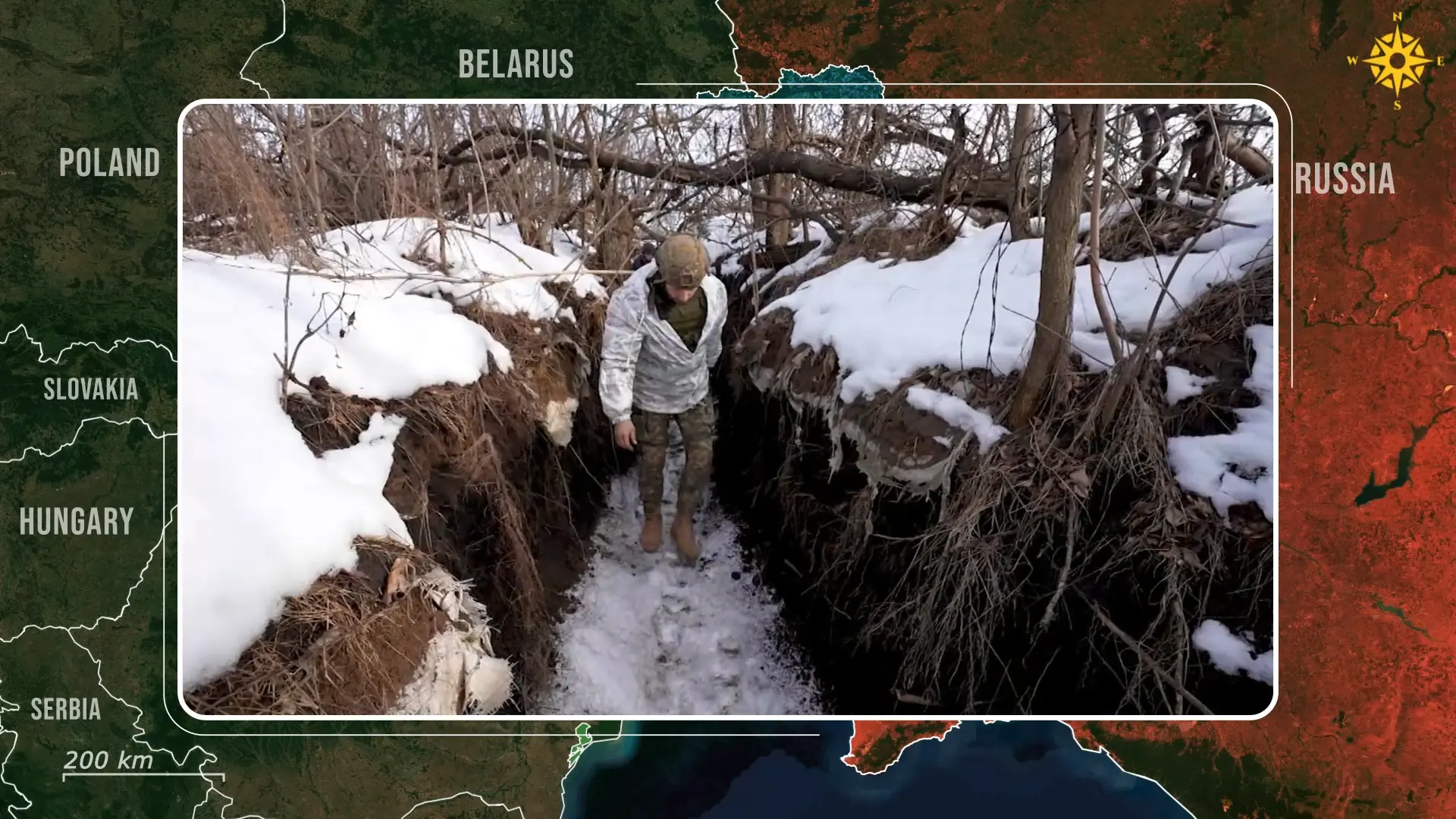
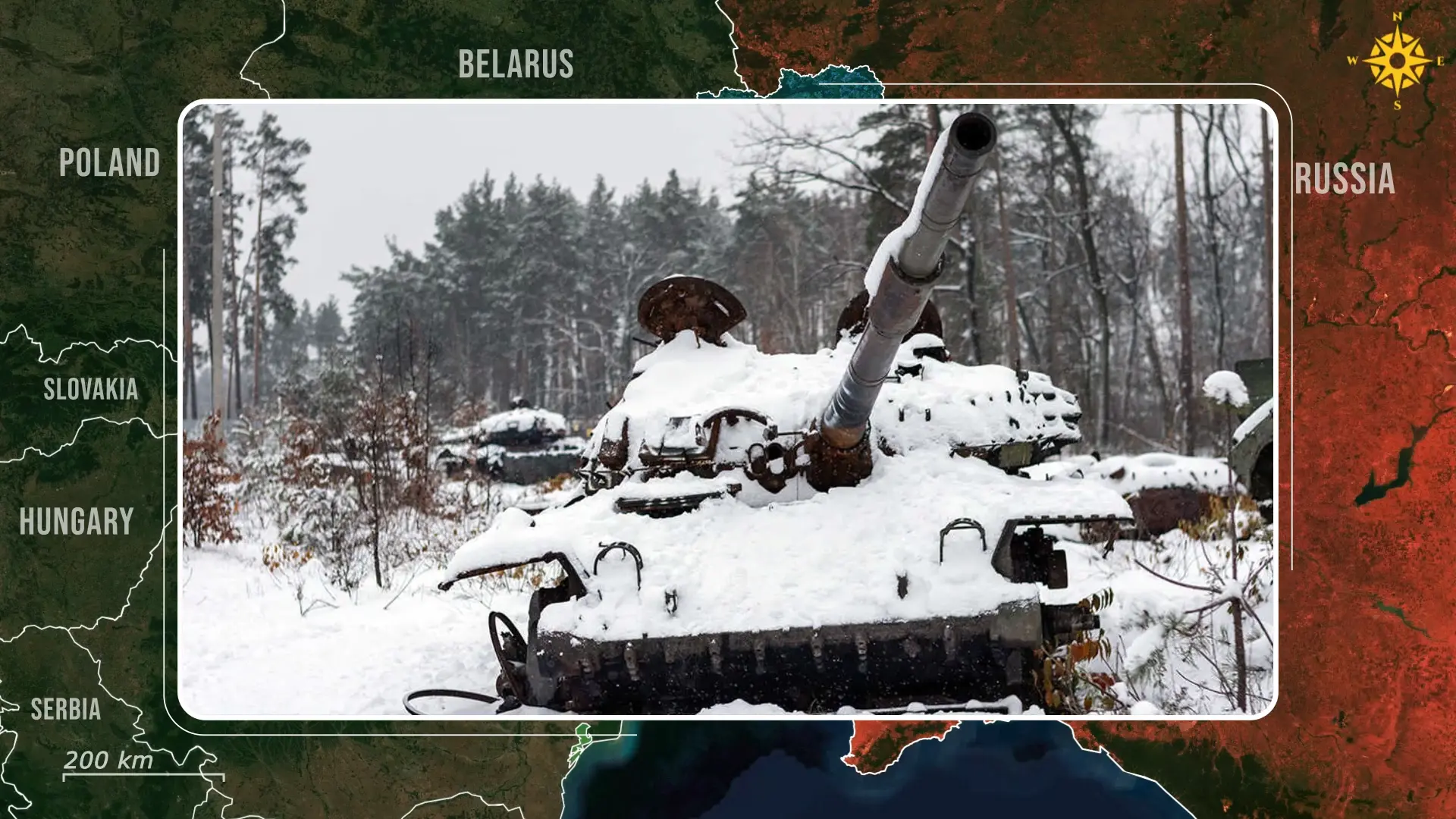
However, the Ukraine war has evolved in ways that make these upcoming weather conditions interact very differently from the past, due to new technologies and tactics that have appeared and scaled remarkably this year. Both sides now rely heavily on drones, ranging from small quadcopters for reconnaissance and artillery targeting to larger loitering munitions for precision strikes.
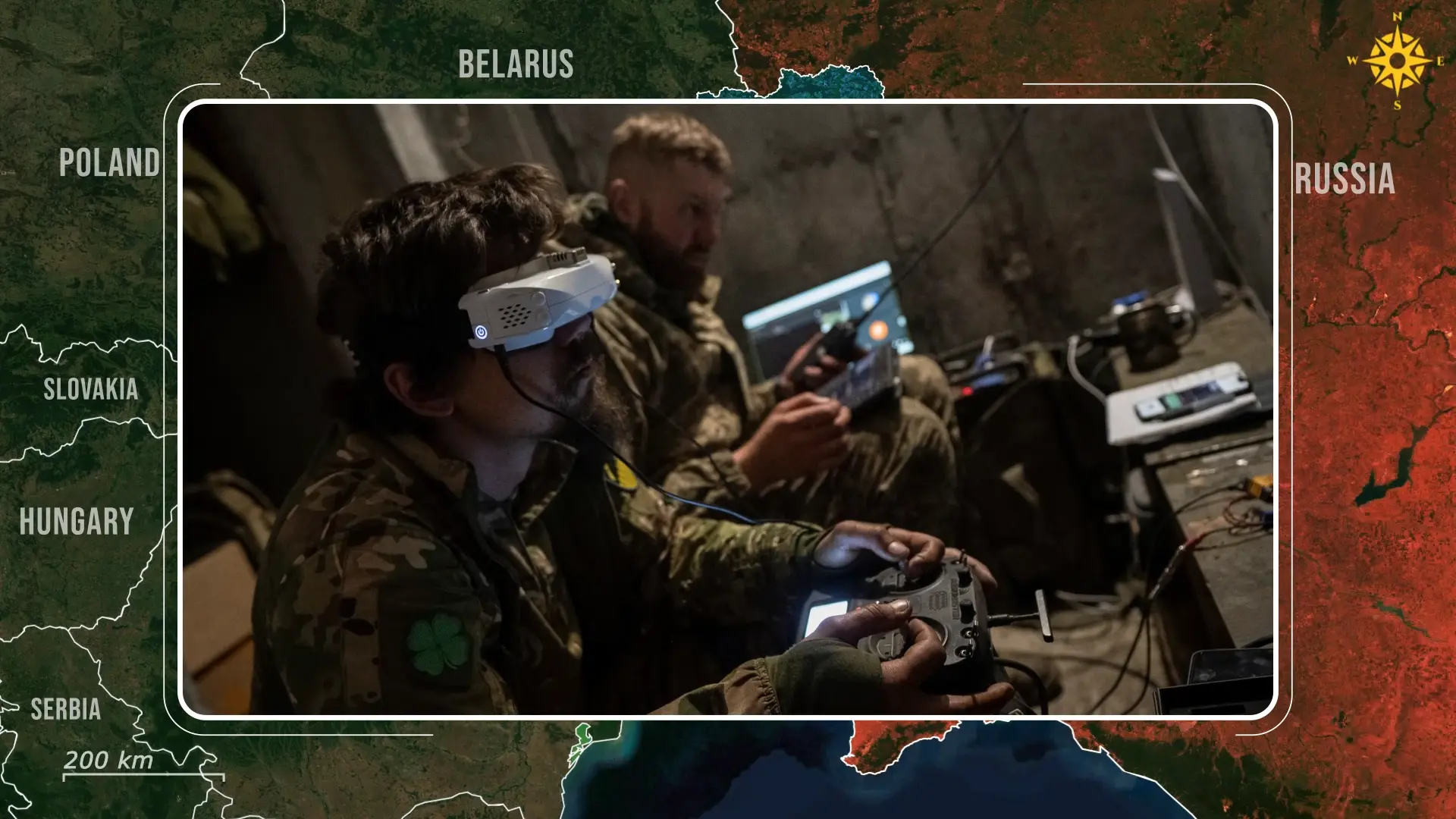
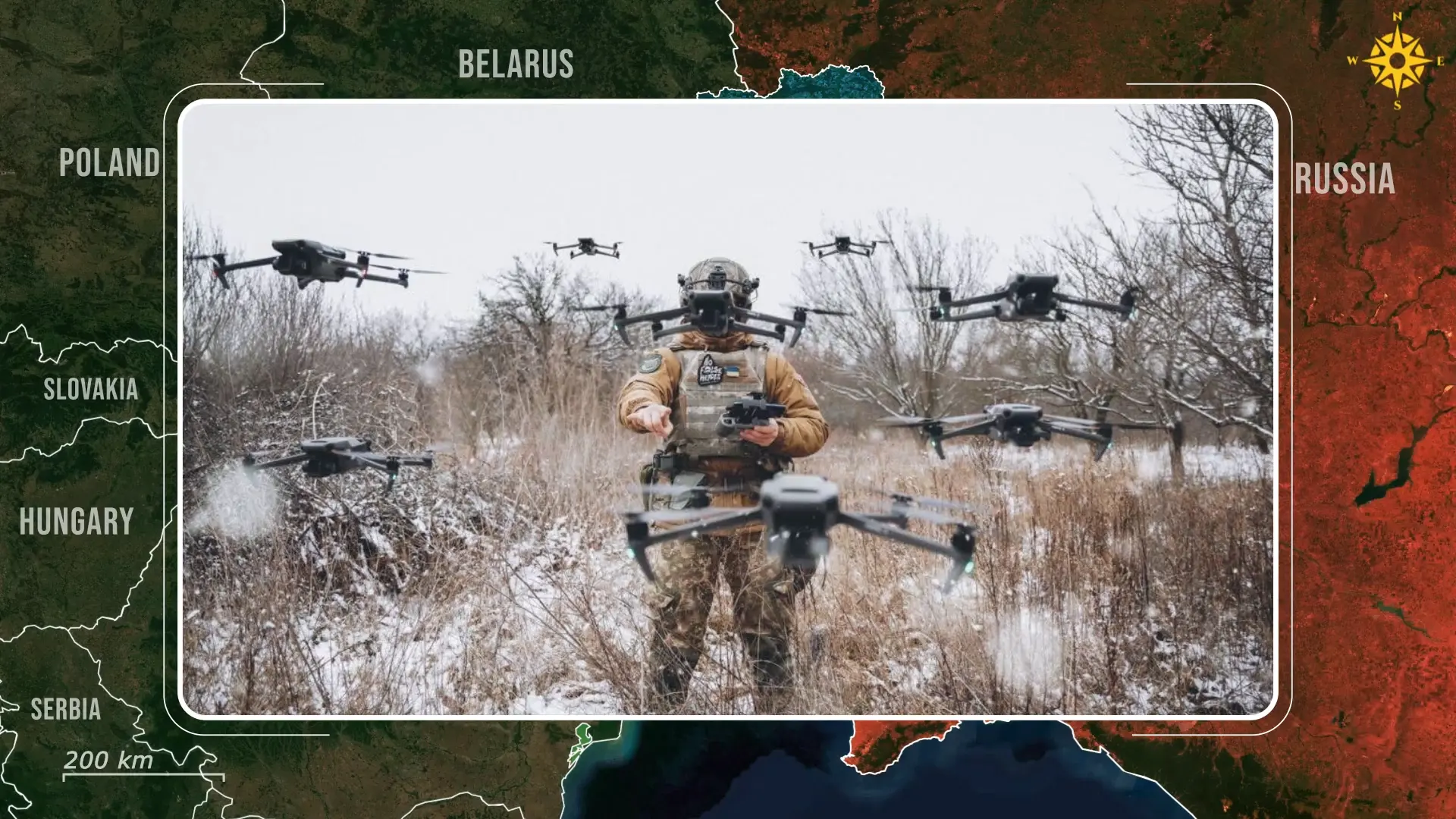
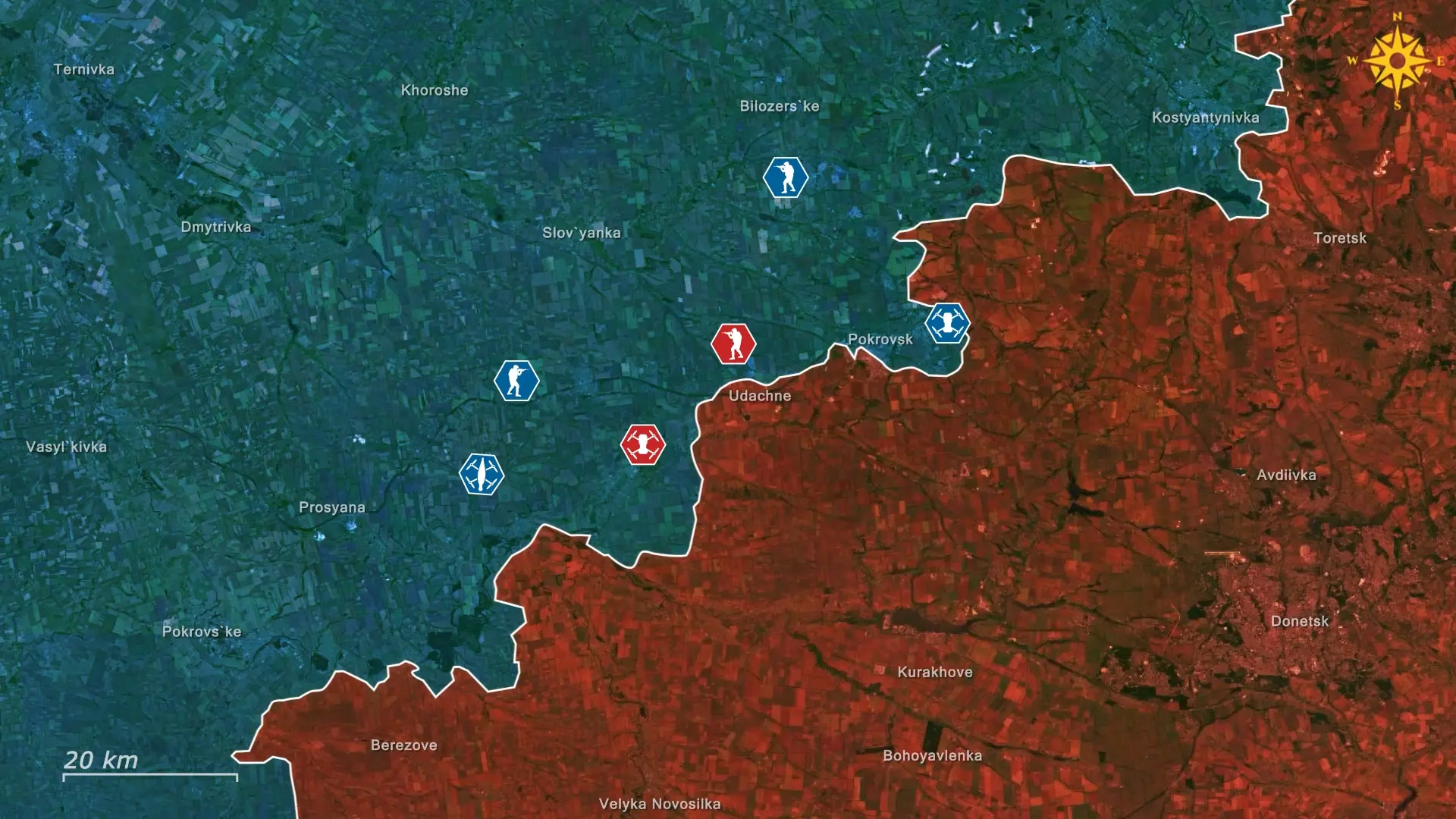
Since drones make large, mechanized assaults nearly impossible, small-unit tactics have become more prominent, as notable by Russian forces often attempting infiltration through wooded areas, and when possible, exploiting poor visibility caused by bad weather conditions. In the meantime, the Ukrainians also deploy unit-sized patrols to eliminate these small-scale assaults and conduct drone hunting missions to deny Russian aerial surveillance.
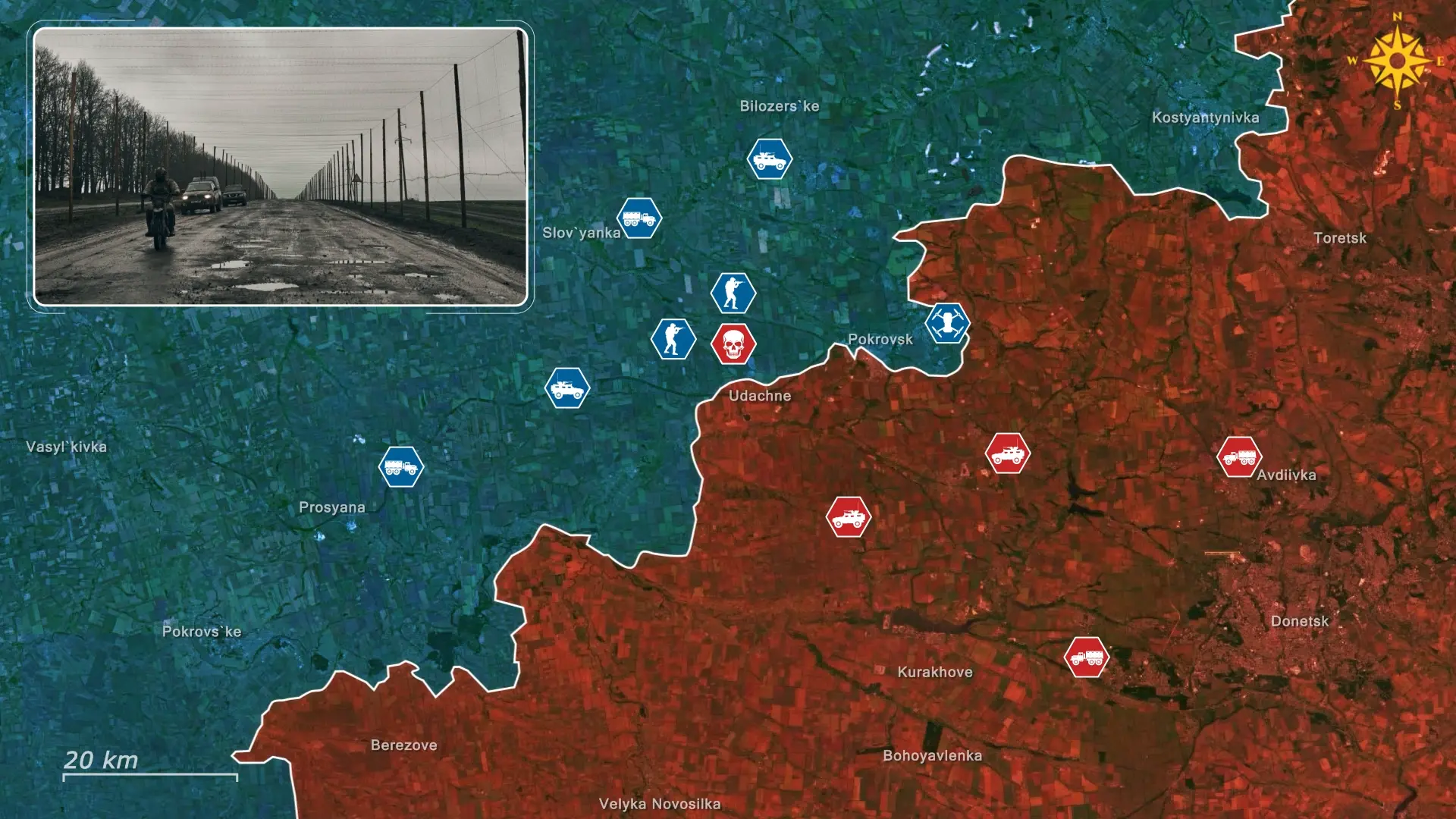
In addition, logistics have become more decentralized, with smaller convoys and dispersed supply nodes to reduce vulnerability, and roads protected by anti-drone nets.
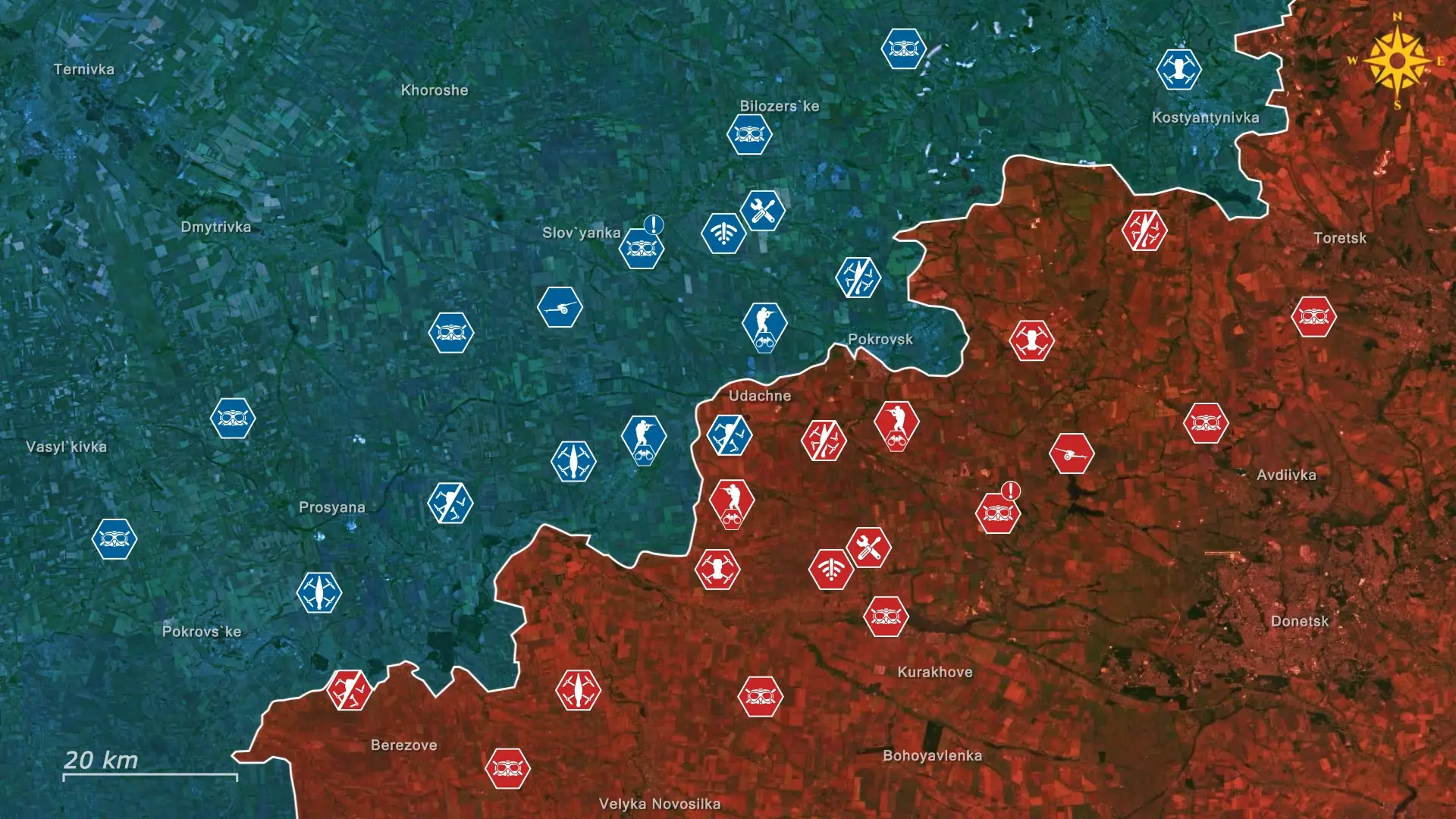
As the number of drones scaled dramatically, slowed-down tanks and trucks are no longer the primary concern of weather conditions. Never has a war relied so heavily on drones, and never has weather posed such a direct threat to their reliability and the tactics that define this stage of the war. Drone effectiveness will decline in rain, snow, and freezing temperatures, reducing battlefield awareness and artillery accuracy. Although drones will continue to be used, both sides will be forced to rely more on infantry scouts when drone reconnaissance falters with poor weather. In the meantime, electronic warfare systems will strain under cold-weather maintenance demands.
Logistics will suffer as icy roads can paralyze convoys, while protective structures like anti-drone tunnels risk collapsing under the weight of ice and obstructing the movement they were meant to shield. Attrition will rise in trenches, while morale will be tested even more than in past years, as drone presence makes troop rotation very risky.
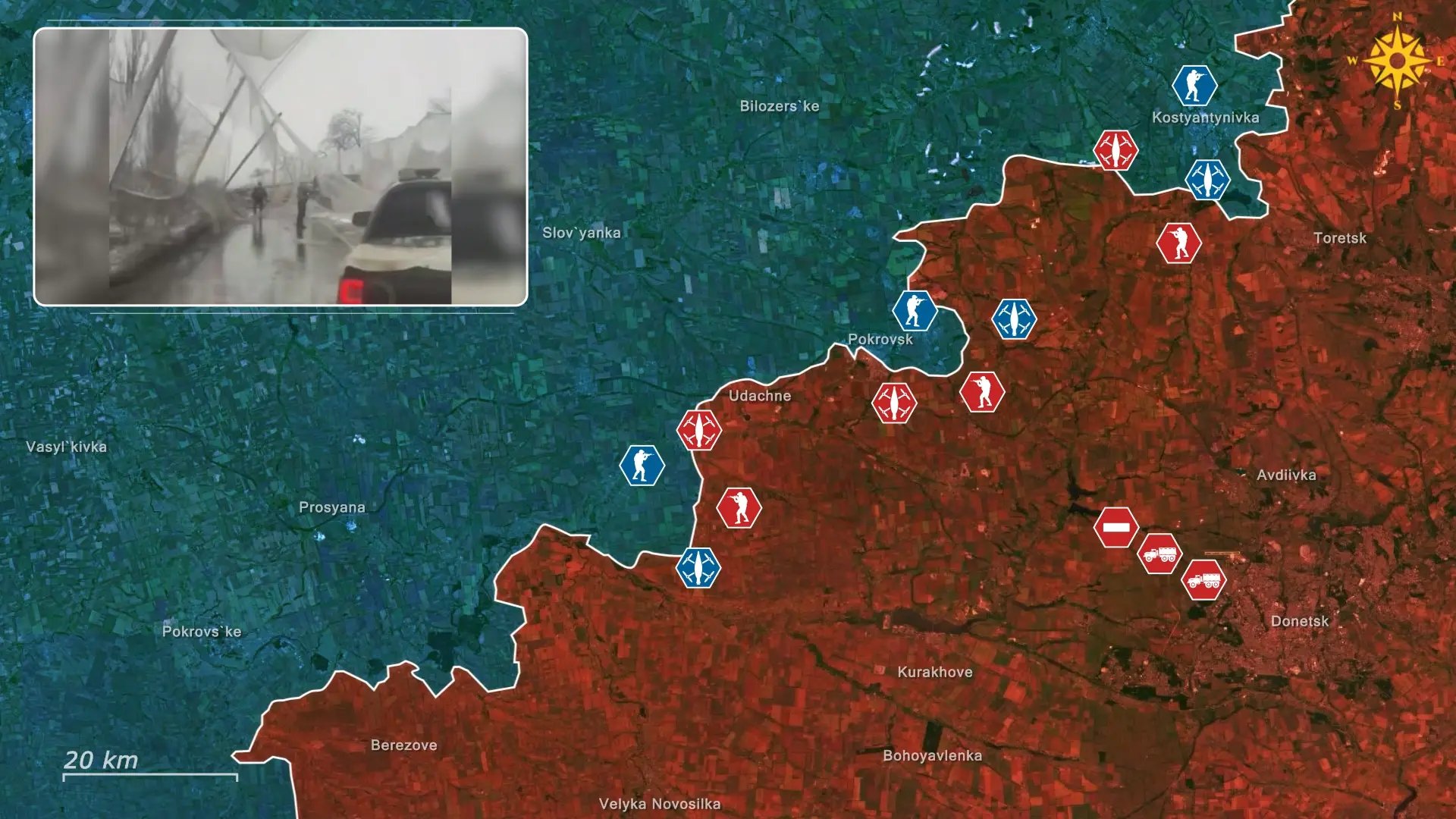
For Russia, the biggest change will be the loss of concealment as it tries to push forward. In autumn, movement will be predictable while there is mud, as it is more stable on hills and tree lines. However, with foliage gone, stealth infiltration through tree lines becomes nearly impossible, exposing small-unit tactics to direct Ukrainian observation, drones, and artillery. During winter, although the terrain improves, snow cover makes troop movements visible, leaving tracks that betray positions.
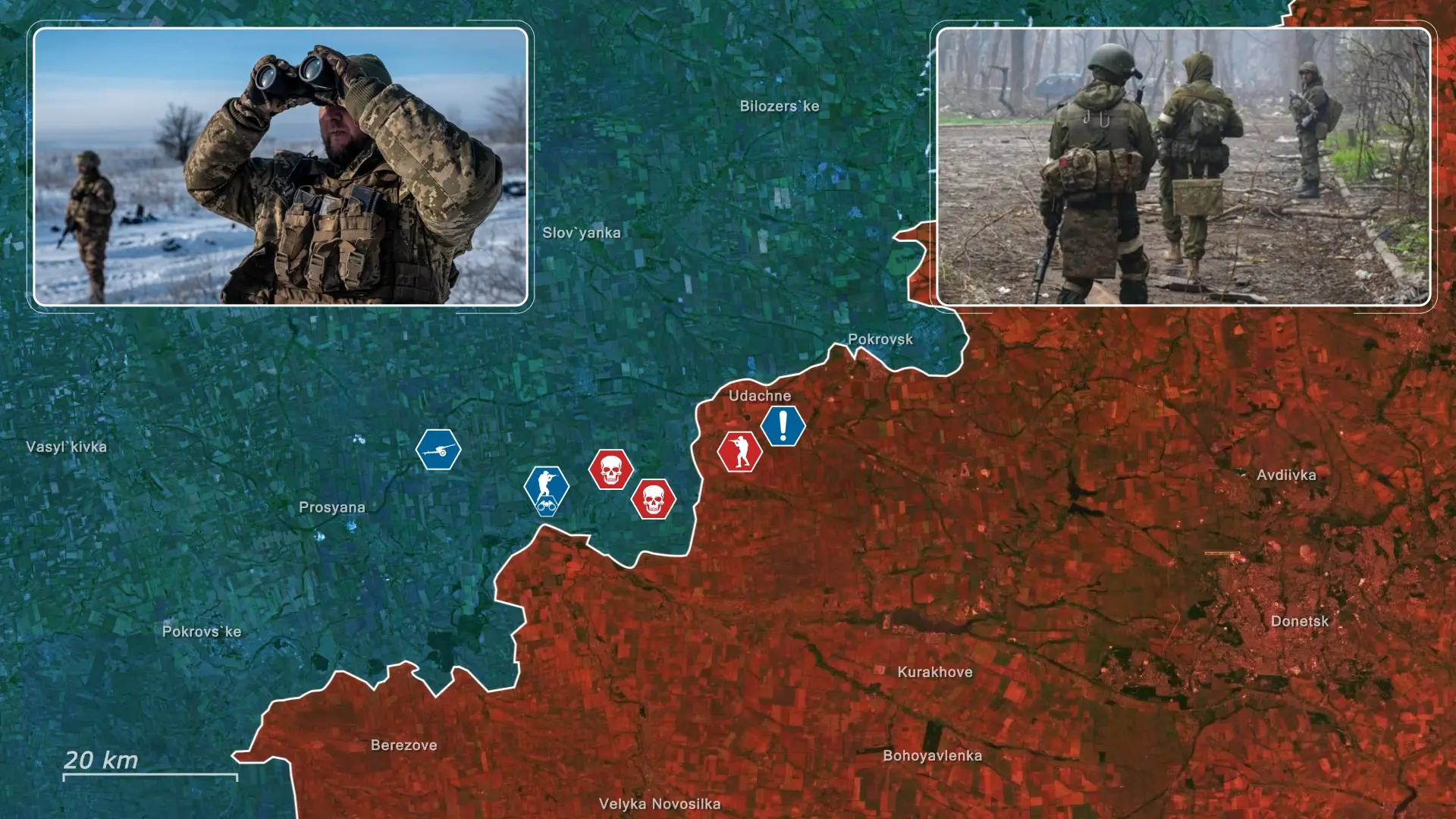
Russian forces are expected to continue offensive operations, but poorly trained personnel and high desertion rates will struggle in freezing conditions. Logistics chains moving shells and fuel across long distances will be slowed by mud and ice. The combination of reduced concealment and logistical strain will force Russia to adapt, likely weakening infiltration tactics and increasing reliance on frontal assaults, and further increasing their already severe losses.

For Ukraine, the greatest challenge will be the impact of the weather on drone operations. Personnel shortages mean Ukraine often holds defensive lines with drones providing surveillance and precision strikes. Bad weather reduces drone flight times, complicates targeting, and undermines this technological offset. Ukraine’s strength and reliance on precision warfare may be blunted, forcing greater focus on infantry and artillery endurance, as well as static defences once again.
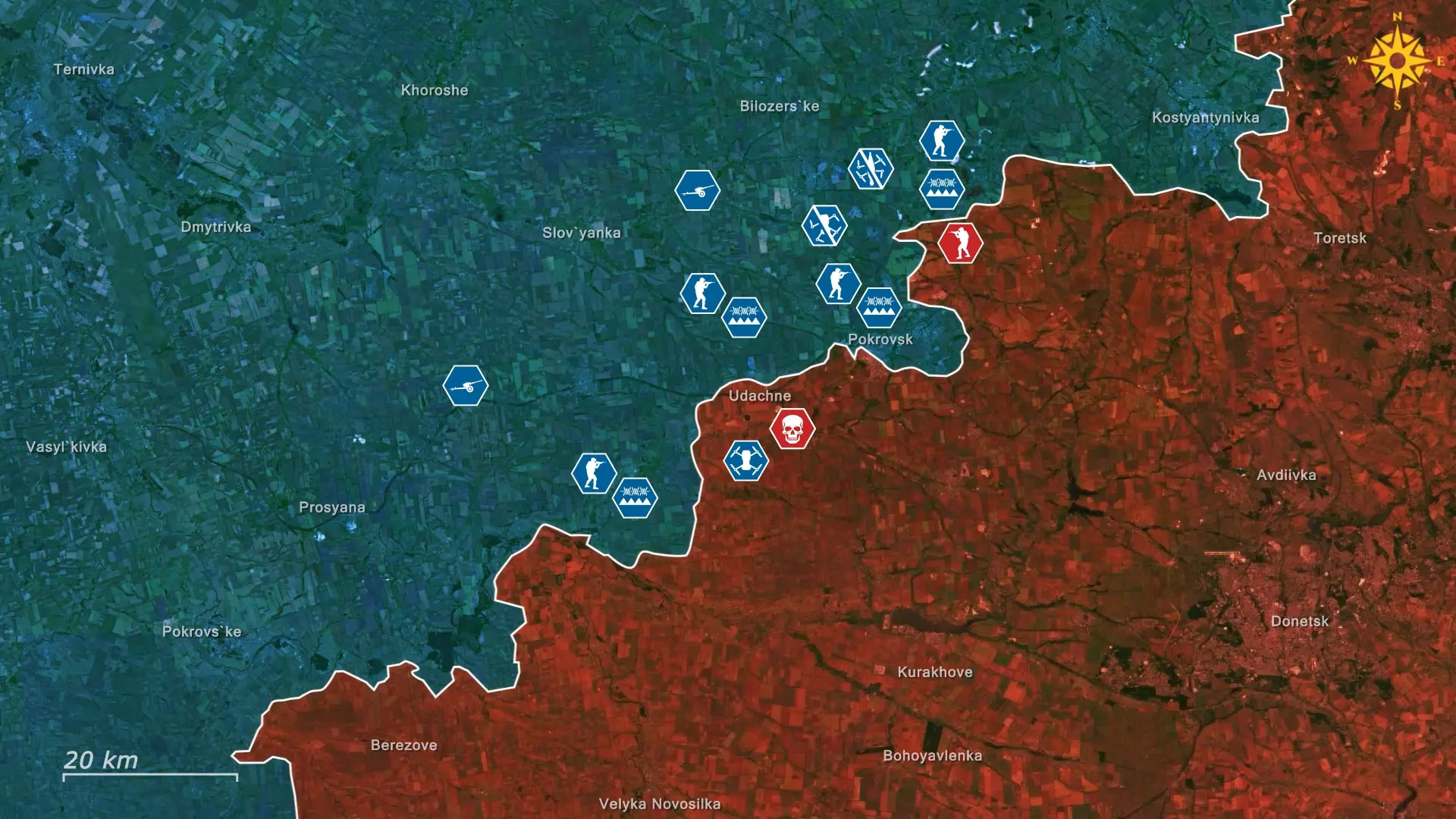
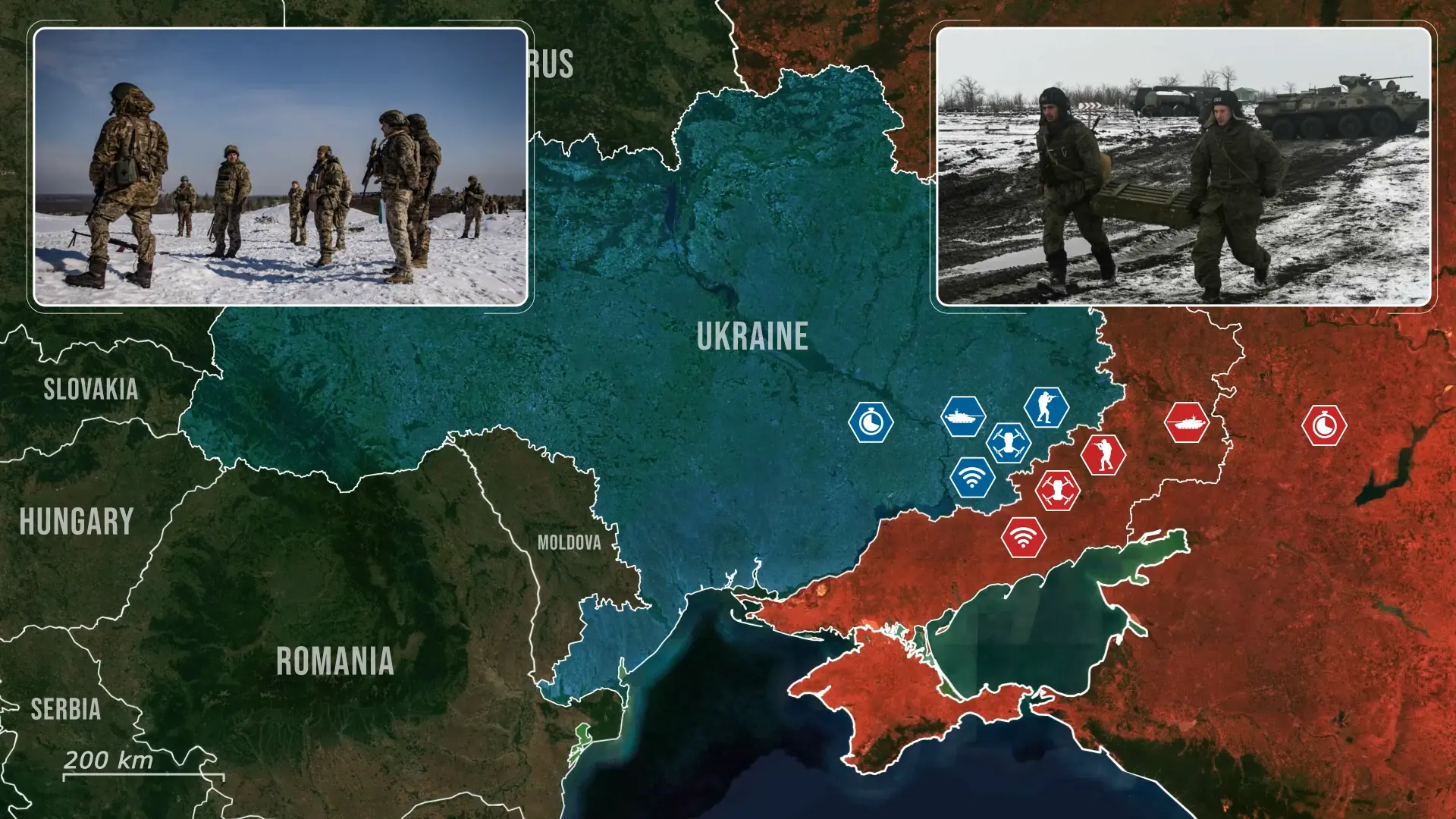
Overall, this fall will not simply repeat the problems of past years with cold, mud, and mechanized warfare. The battlefield will be reshaped uniquely because both sides now depend on drones, sensors, and small-unit tactics that the weather directly undermines. The war will not stop for winter, but this season will mark a complete change compared to other winters, demanding critical adaptations from both armies.

.jpg)

Comments