

.svg)
Today, the most important news is coming from the European border.
Here, Russia has begun massively intensifying its strikes on the Ukrainian border with its neighboring Nato allies. Aside from disrupting crossings and transport of civilian and military logistics, the most recent strike nearly killed several prominent Western figures.
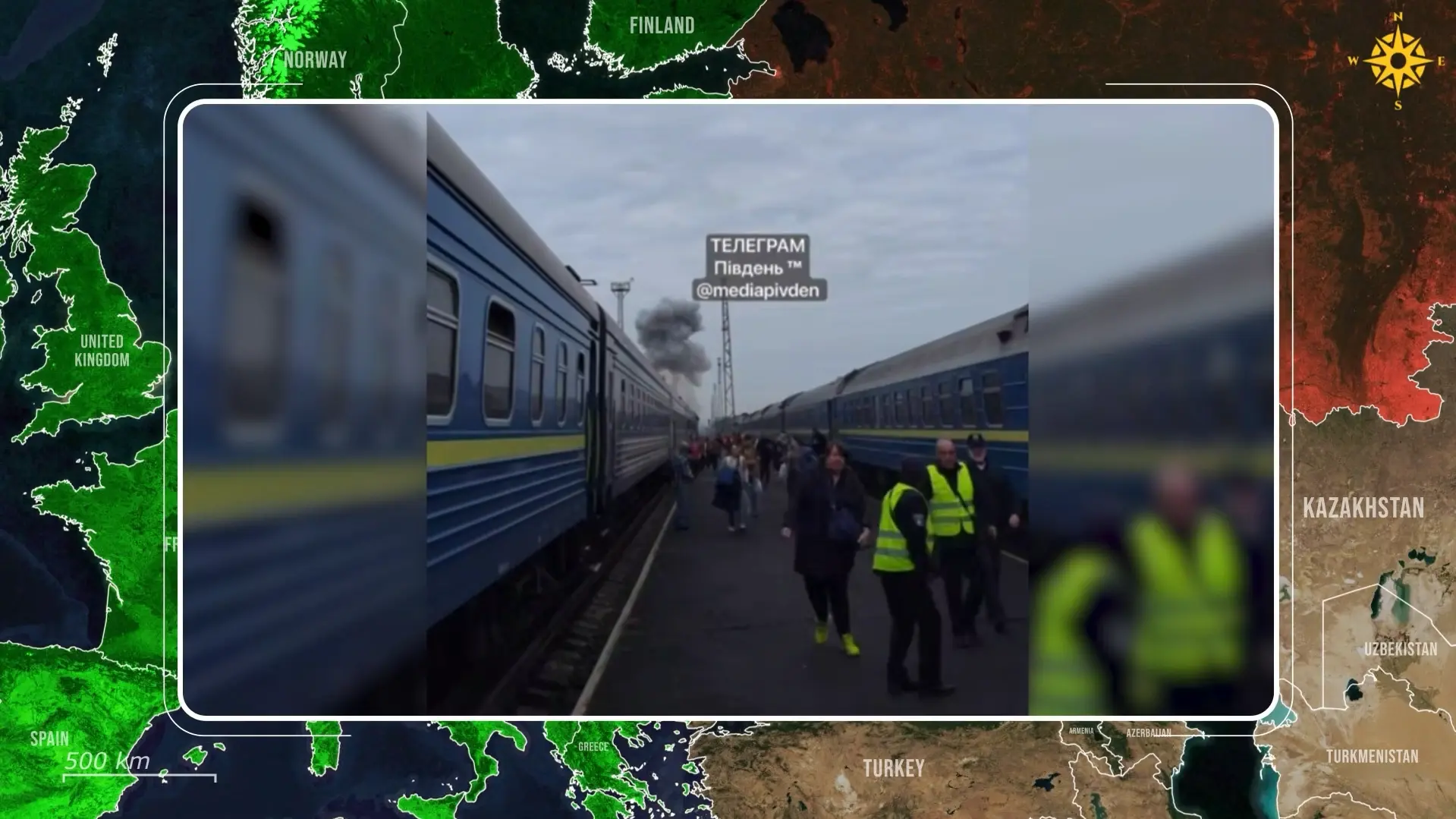
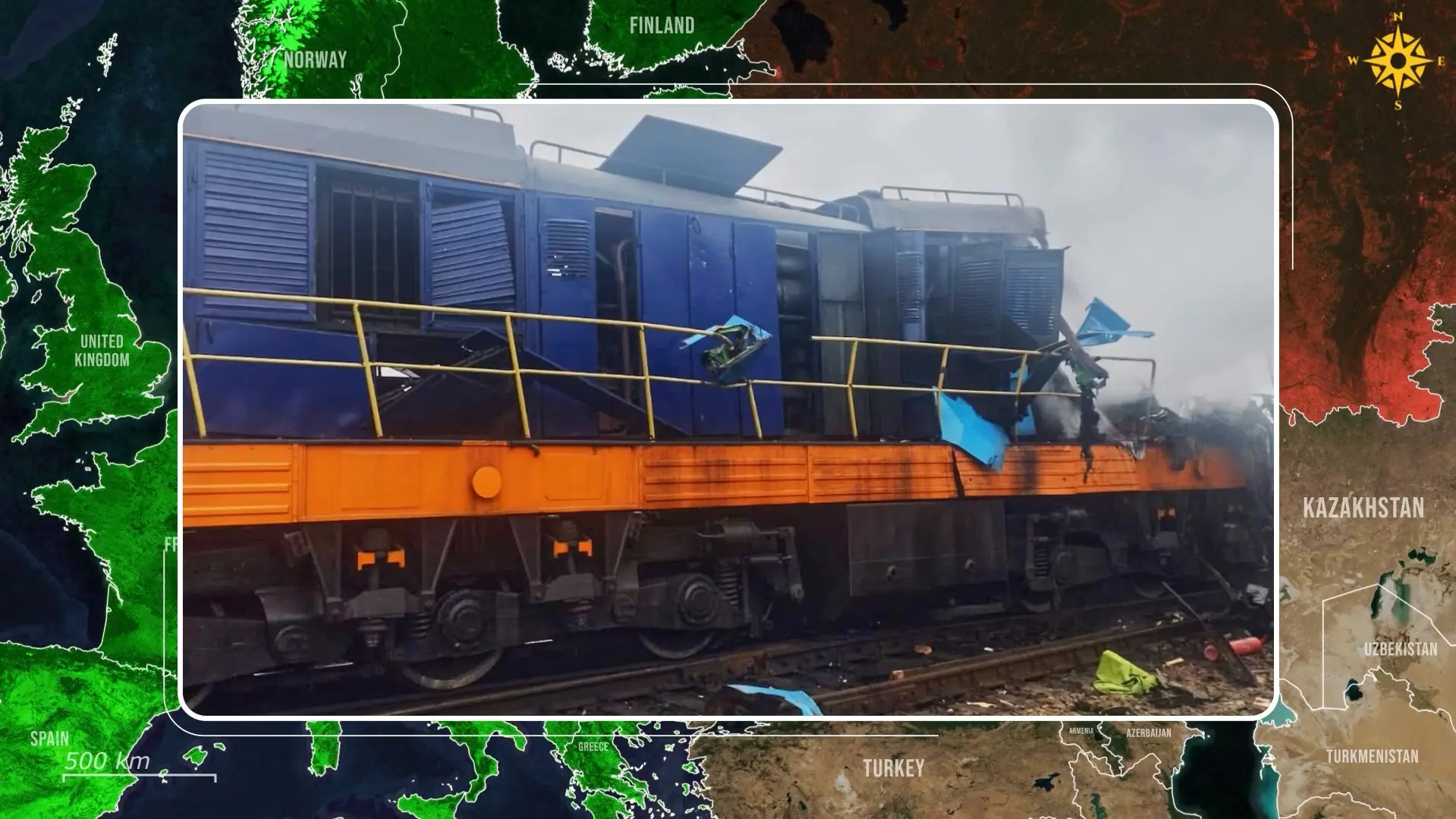
A train carrying former Western political leaders returning from a conference in Kyiv nearly escaped the Russian strike, with a drone hitting the train only a few minutes behind it. Ukraine’s national railway company stated that the likely target of the Russian drone strike was indeed the Western diplomats, as the departure time of their train had been switched at the last moment to avoid such an exact strike. While the train that was hit had been evacuated as soon as Russian drones approached and no civilians were killed, the attempted murder of former Swedish and British prime ministers by drone strike is a new level of escalation.
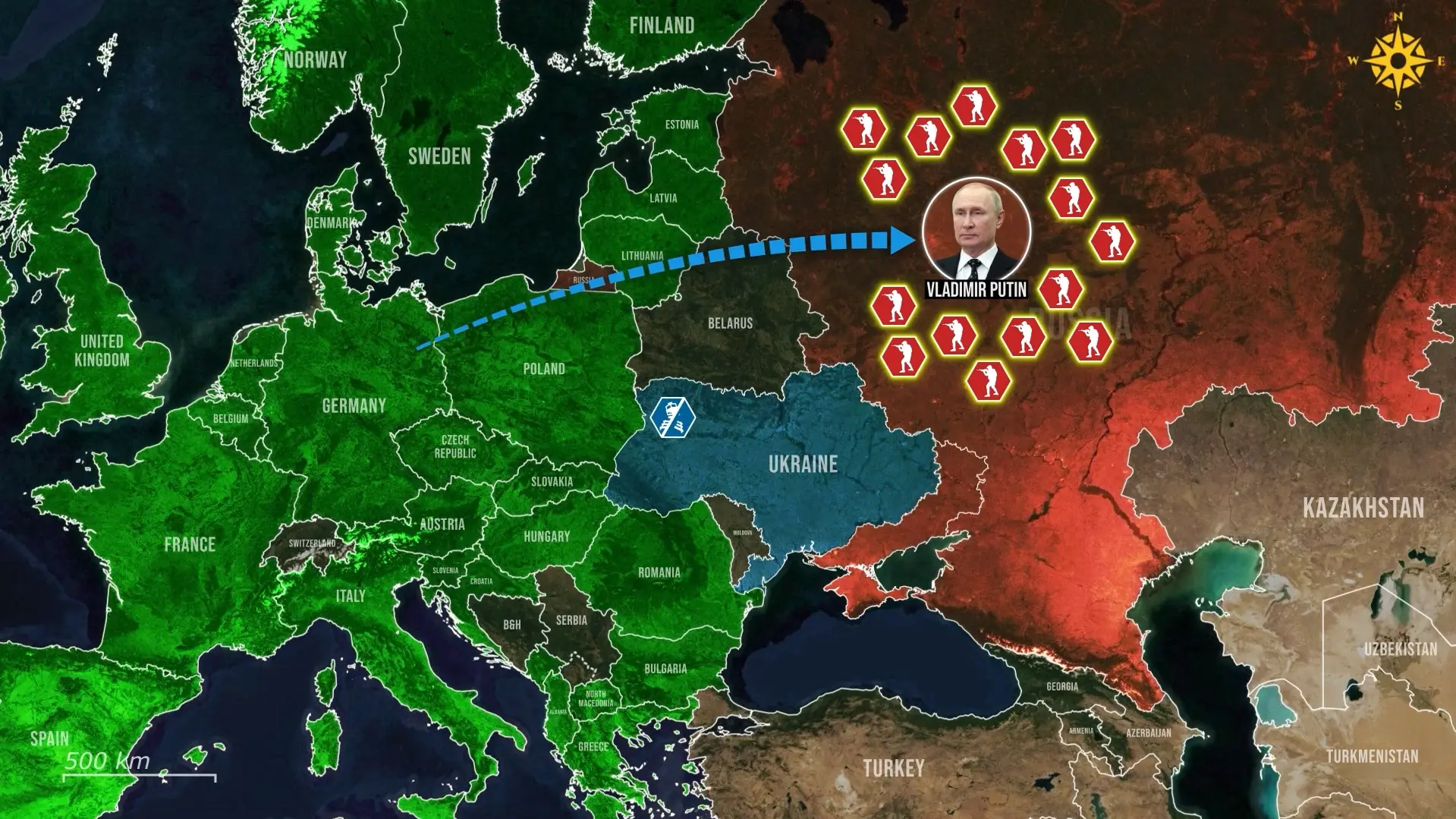
Recently, Russian provocations against Nato have been massively intensifying, both in number and severity. Russian strikes are now frequently landing within a few hundred meters of Nato territory, and airspace violations by Shahed drones are happening on an almost weekly basis. Notably, geopolitical experts believe that this is by design; Russia wants Nato to respond. They argue that Putin is looking for a defining Nato action against Russia, to create a rally-around-the-flag effect and use it to garner support for a new round of mobilization. Notably, the Kremlin is deathly afraid of calling up another round, and has taken extensive measures to prevent and quell unrest, to the point of experimenting with Iran-style nationwide internet blackouts to undermine protesters’ ability to coordinate. However, if Nato attacks Russia in some way, major unrest against a mobilization can be avoided if the Kremlin plays their cards right, and it is becoming more transparent by the day that this is exactly what they intend to provoke.
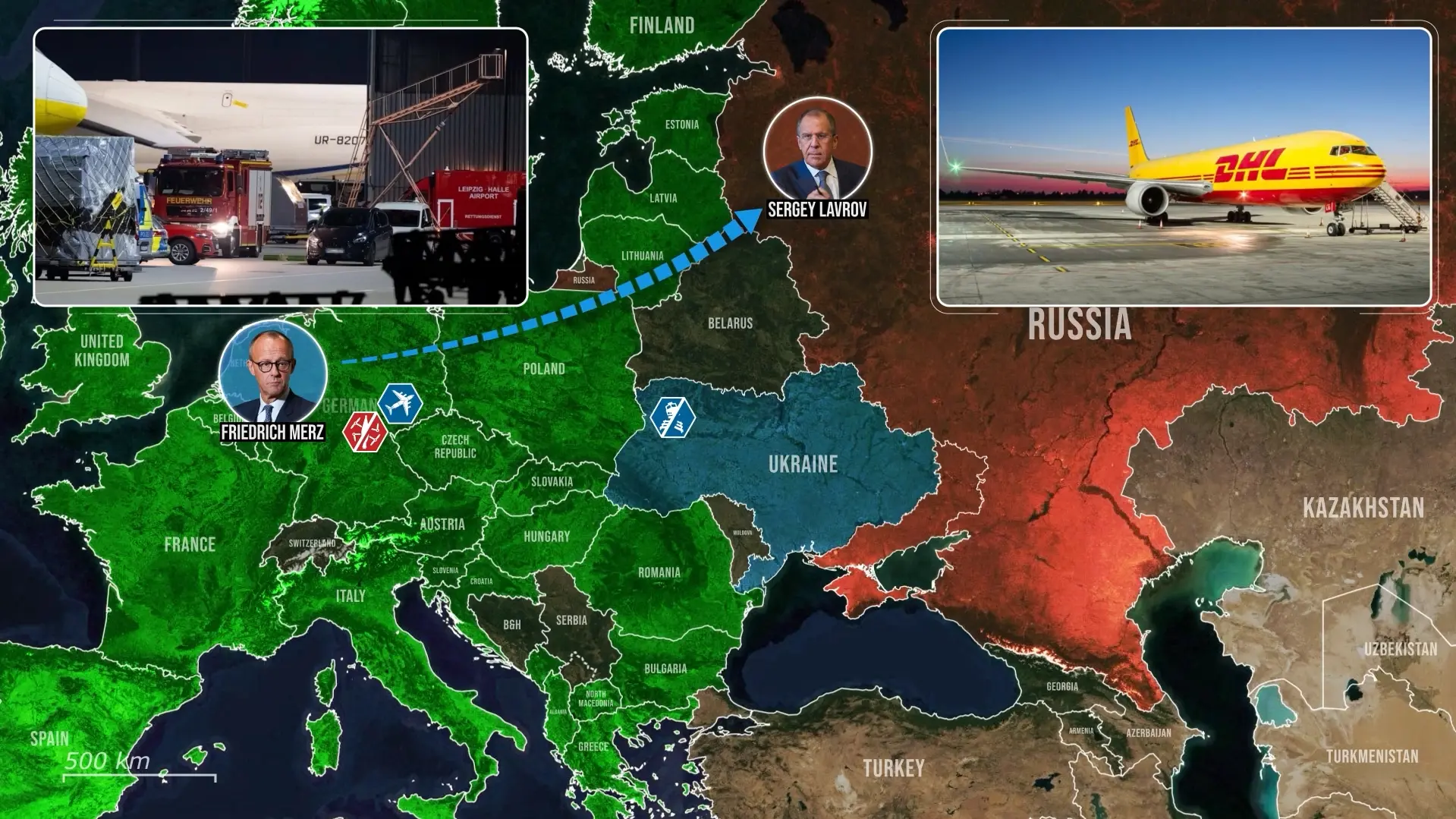
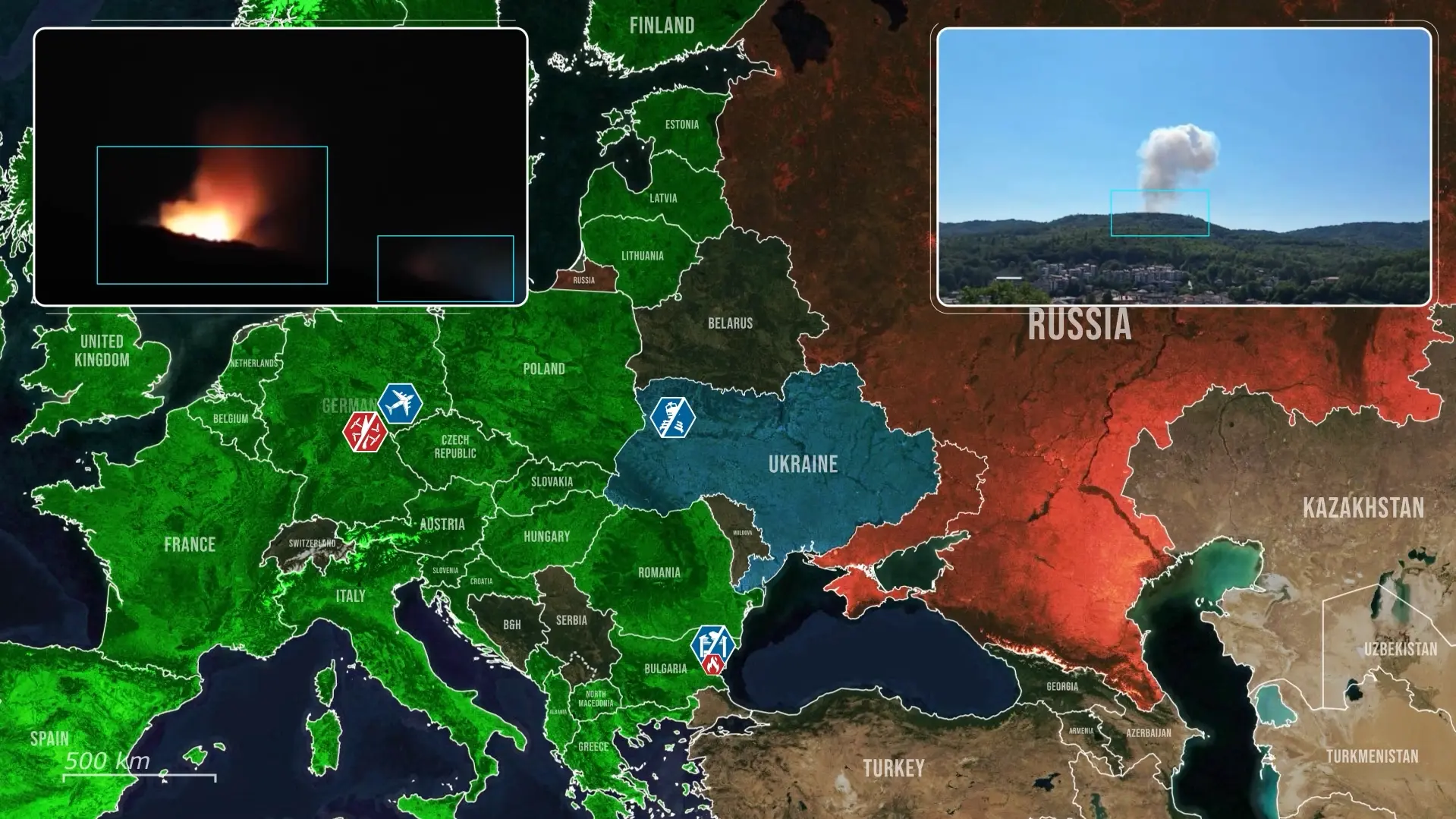
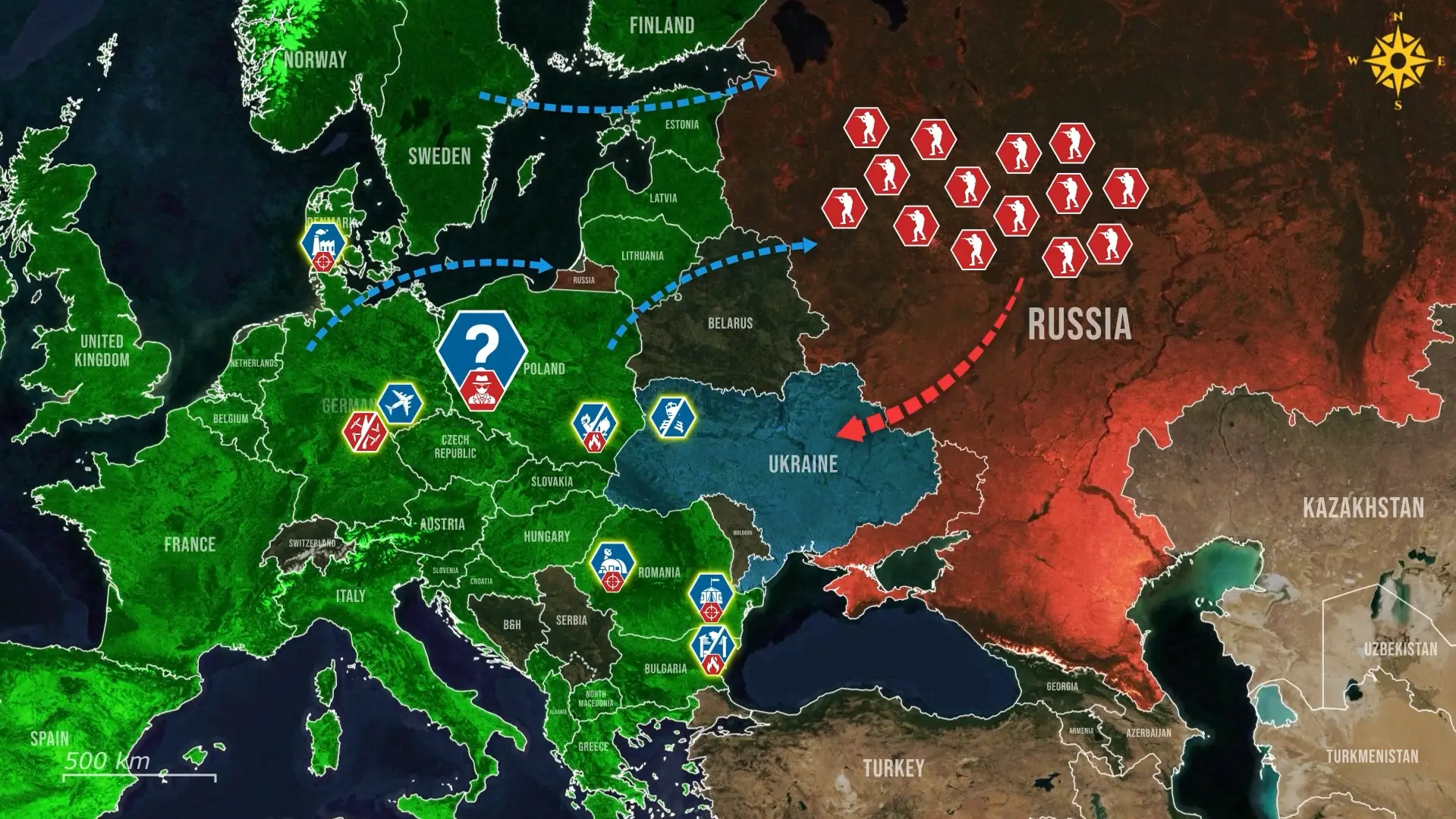
The most notable attempt of this was the failed kamikaze drone strike on a Ukrainian cargo plane at Leipzig airport. The aircraft was meant to transport military supplies gathered at a depot near the city, and fly it to the border with Ukraine for further transportation. The saving grace occurred when the FPV drone carrying eight-hundred grams of explosives failed to detonate and crashed against the wing of the plane. Later, a suspected reconnaissance drone investigating the failed attack crashed against another aircraft that was diverted after the earlier drone wreckage was found and the airport was closed. Despite the tame official response of the German government, closing a consulate, Russian culture house, and establishing a special police unit to counter drones and protect critical infrastructure, Lavrov called the response the beginning of a real war, adding that Germany is now moving toward war with Russia. The disproportionality of the Russian reactions only further underscores the theory that the Kremlin is trying to fabricate an excuse for mobilization that the Russian public will accept.
Additionally, Bulgaria is investigating the second major fire at a weapons storage facility run by Bulgaria’s largest military producer, which also sells weapons to Ukraine. This is the second fire and explosion to hit an EMCO facility in recent weeks, as investigations center around uncovering ties with Russia. In turn, Romanian intelligence recently stated that they spoiled a Russian sabotage operation targeting Romanian and Nato military bases, headquarters, and critical infrastructure, along with another Ukrainian Antonov transport plane. Danish intelligence also released a report detailing how Russia is actively preparing sabotage operations against defense manufacturers and military facilities inside the country. Lastly, at the start of the month, an unknown intruder broke in and set fire to a Polish drone factory, with Prime Minister Tusk stating there is no doubt that it was sabotage, and intelligence services investigating Russian involvement.
Overall, while the Russian plan to trigger a Nato response and justify a mobilization to Russian society is extremely clear, the right course of action for the West is not. The attacks that happened only in the last two weeks are subversive and indirect; the Leipzig attack targeted a Ukrainian plane on German territory, not directly a Nato plane. Cyber, stabotage, and intelligence operations are carried out by third parties. The near-miss on the delegation train at the border did not include official diplomats or leaders, but only former politicians and unofficial VIP’s. Russian hybrid warfare is actively operating in the grey zone to create a divide and disagreement on what the adequate response against them should be. This means that what Russia would ideally want is for a few countries to take some form of hard action, which Russia would be able to survive, and then use this to rally public support in favor of renewed and possibly even more extensive mobilization, and further continuation of their war in Ukraine.
.jpg)



Comments