

.svg)
In this video, we will analyze why air defenses in Russia keep shooting down their own aircraft.
Here, what first looked like isolated incidents has turned into a pattern, stretching from combat helicopters to civilian aircraft and even into Russia’s higher value military aviation. As more Russian aircraft are lost to friendly fire, Russian air defenses are increasingly turning the very airspace they are meant to defend into a kill zone for their own aircraft.
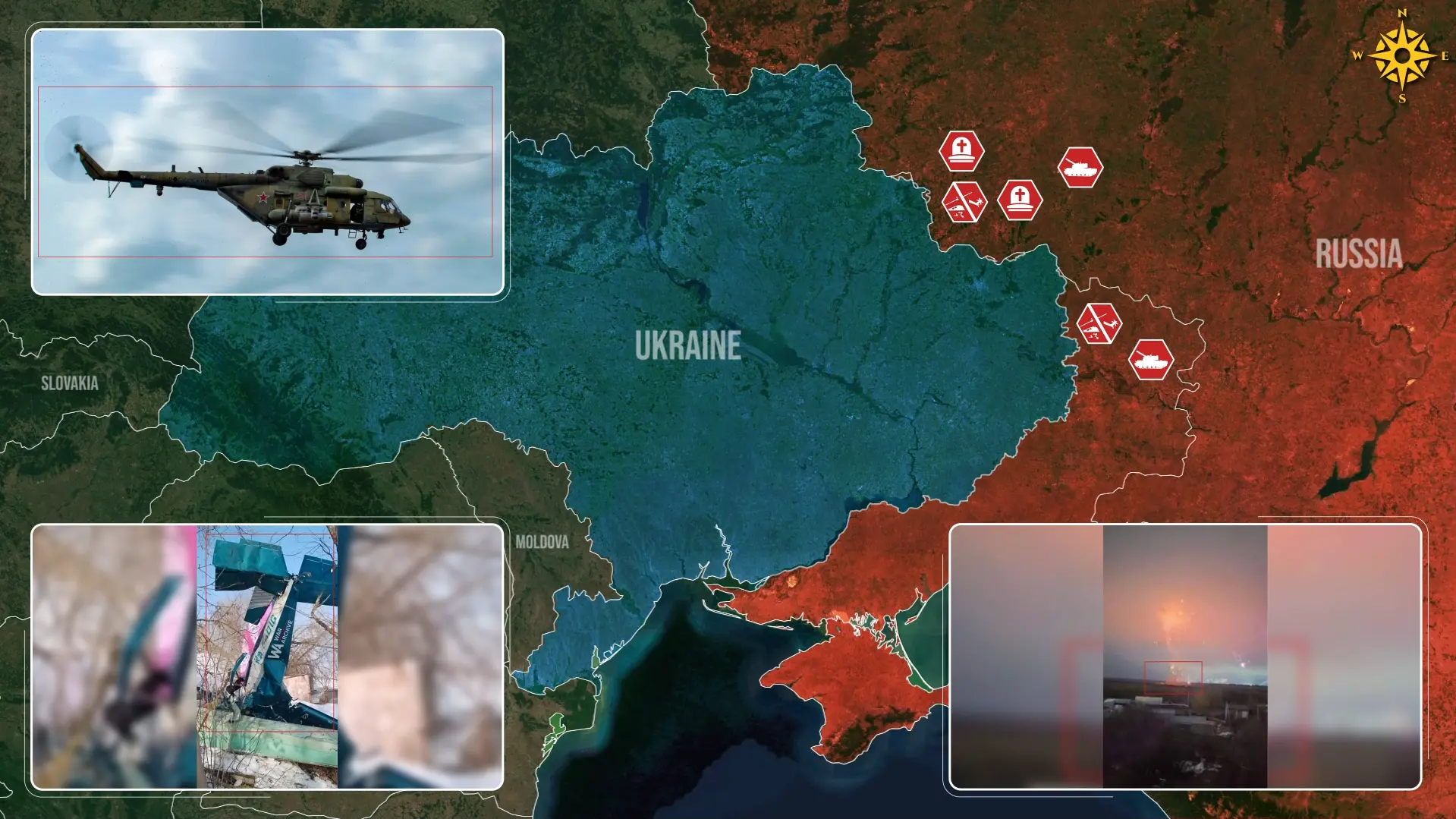
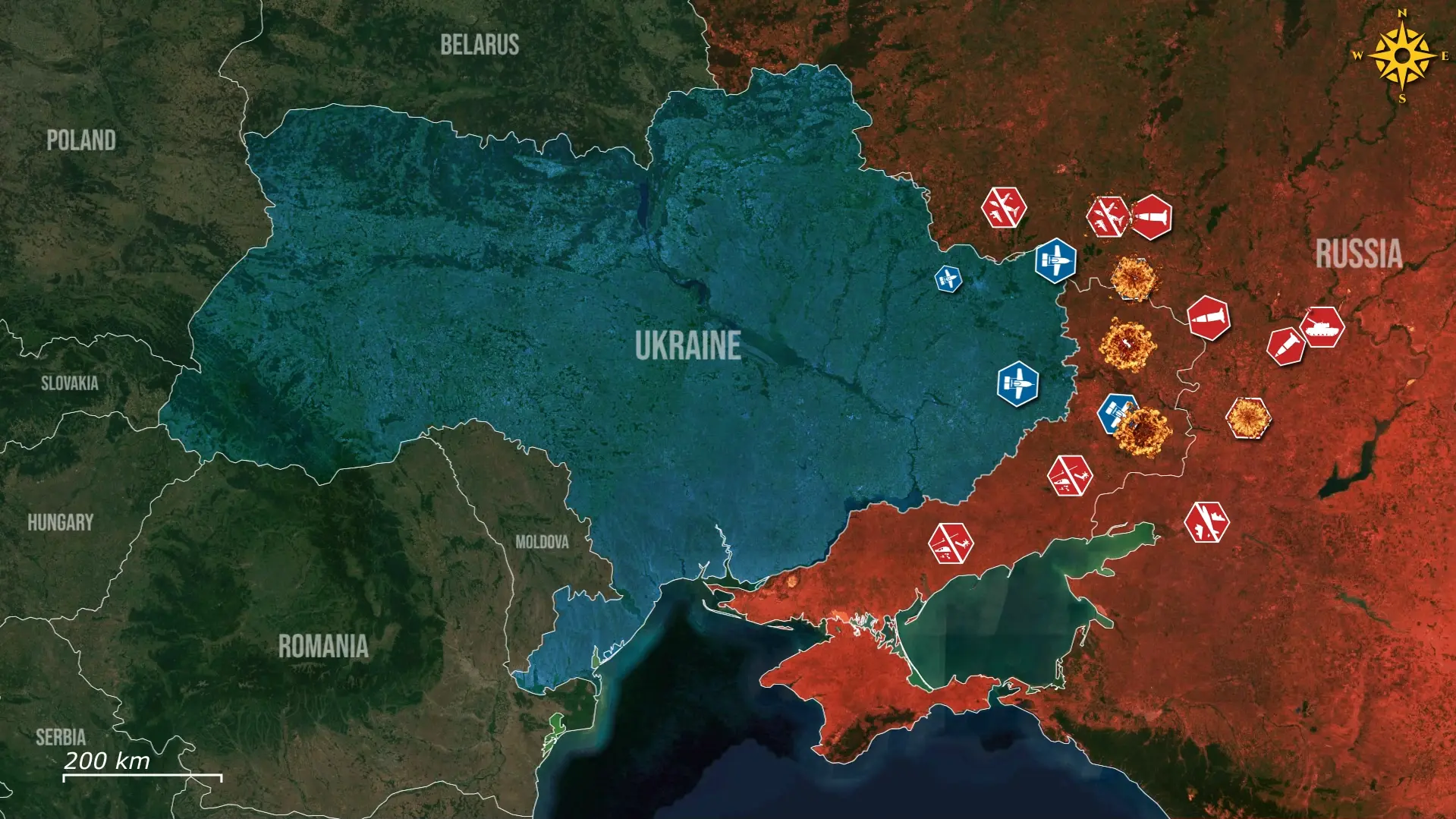
That pattern first became visible in early March over Rostov region, where Russian forces were trying to repel an incoming Ukrainian drone strike and instead destroyed one of their own helicopters, with Russian sources later confirming that the aircraft was a Mi-eight engaged against the drones before Russian air defense broughtI it down. The same case soon appeared much closer to the Russian capital, when air defense units in the Kolomna area of Moscow region reportedly mistook a civilian prop plane for a Ukrainian drone and shot it down, pushing the same danger into civilian airspace as well. By May, Russian sources were again confirming another Mi-eight loss caused by friendly fire, this time killing the crew, making the cases harder to dismiss because the same aircraft type was again brought down while Russian defenses were reacting under pressure. Together, these incidents showed that Russian air defenses are repeatedly destroying aircraft on their own side of the war.
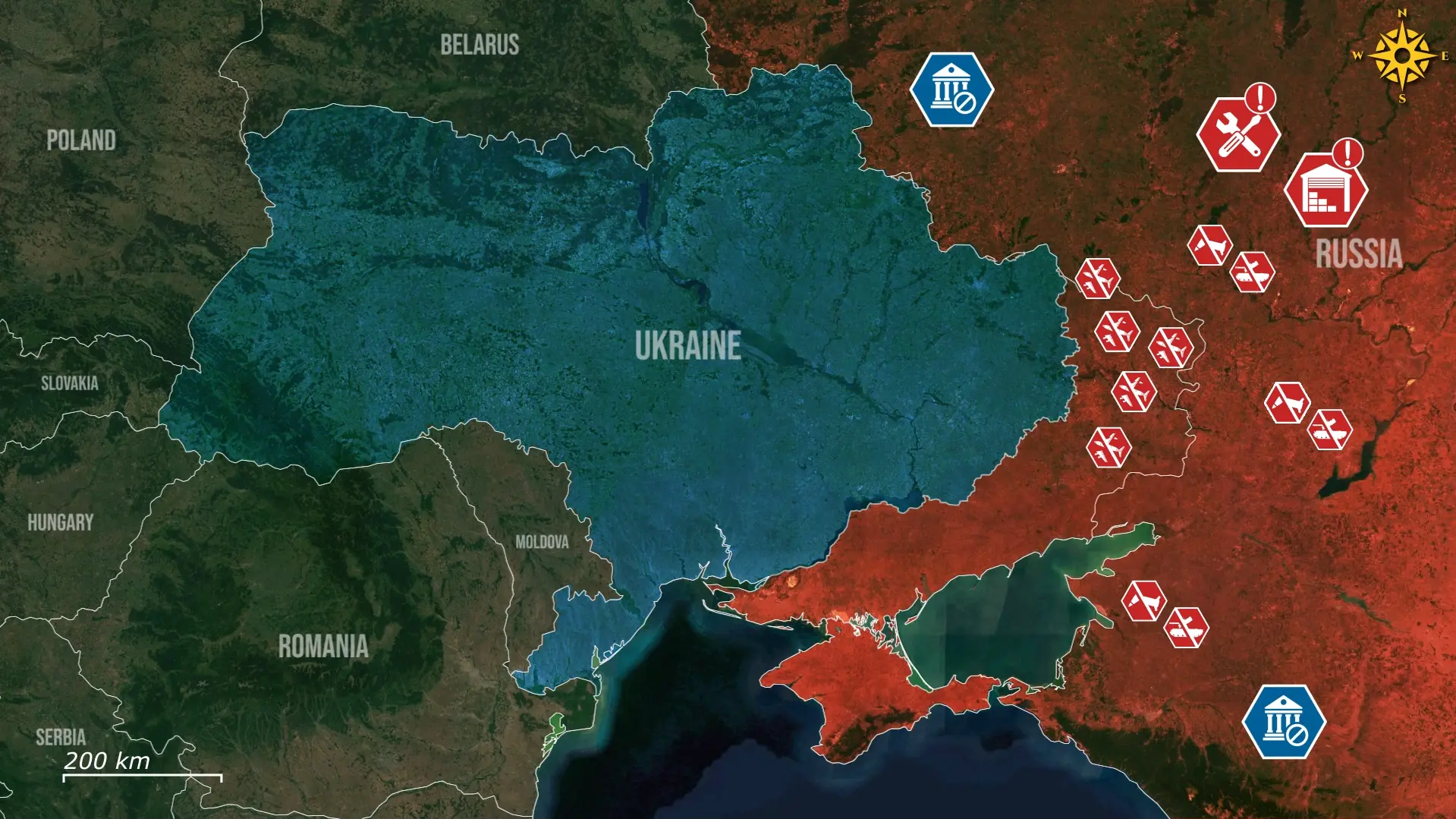
That carried a higher cost each time it happened, because Russia was already losing aviation assets to Ukrainian fire and then losing more of the same fleet to its own air defenses. An aircraft shot down by Ukraine or by friendly fire still removed the same capability from service and had to be replaced from the same shrinking pool of crews, spare parts, and maintenance capacity. Sanctions had cut access to foreign components and support, while domestic production was still falling short, leaving Russia with fewer ways to replace losses and fewer resources to keep the existing fleet flying. That meant each friendly fire loss was doing the same damage as a Ukrainian kill while also wasting an air defense missile in the process.
Civilian aviation was starting to feel the consequences as well, because once Russia began losing aircraft to Ukrainian fire and to its own air defenses at the same time, the demand for spare parts, repairs, and maintenance crews kept rising, leaving less support for planes and helicopters still flying domestic routes. In mid June, that strain showed up on a domestic passenger route, when a Smartavia Boeing seven-three-seven eight-hundred flying from Sochi to Arkhangelsk declared an in flight emergency over the Black Sea, with one hundred eighty nine people on board and had to return for an emergency landing. Then, on twenty six June, a civilian Mi-eight made a hard landing in Krasnoyarsk Krai, with authorities giving no clear cause, extending the same pattern of aviation strain beyond the military sphere.
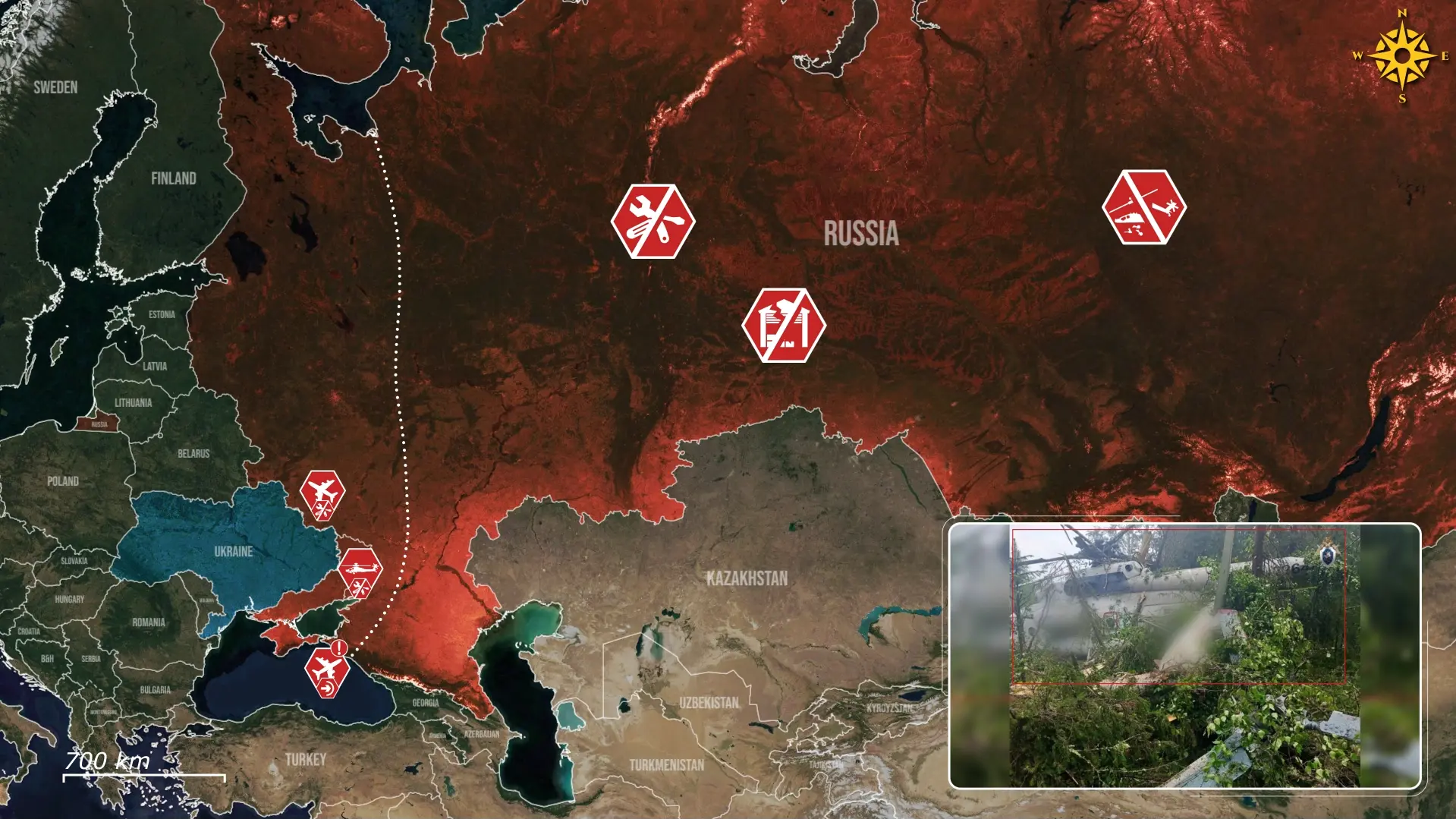
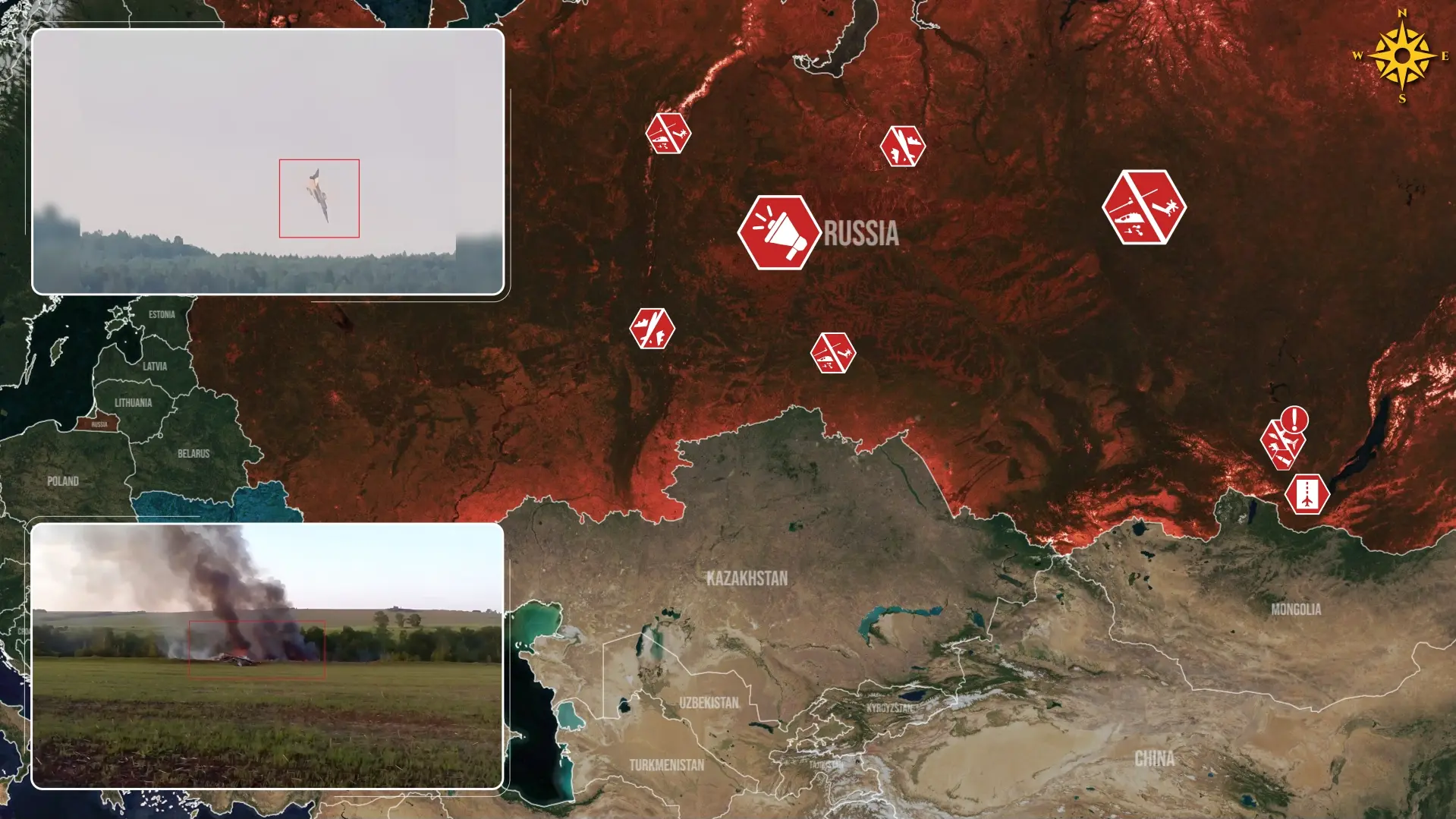
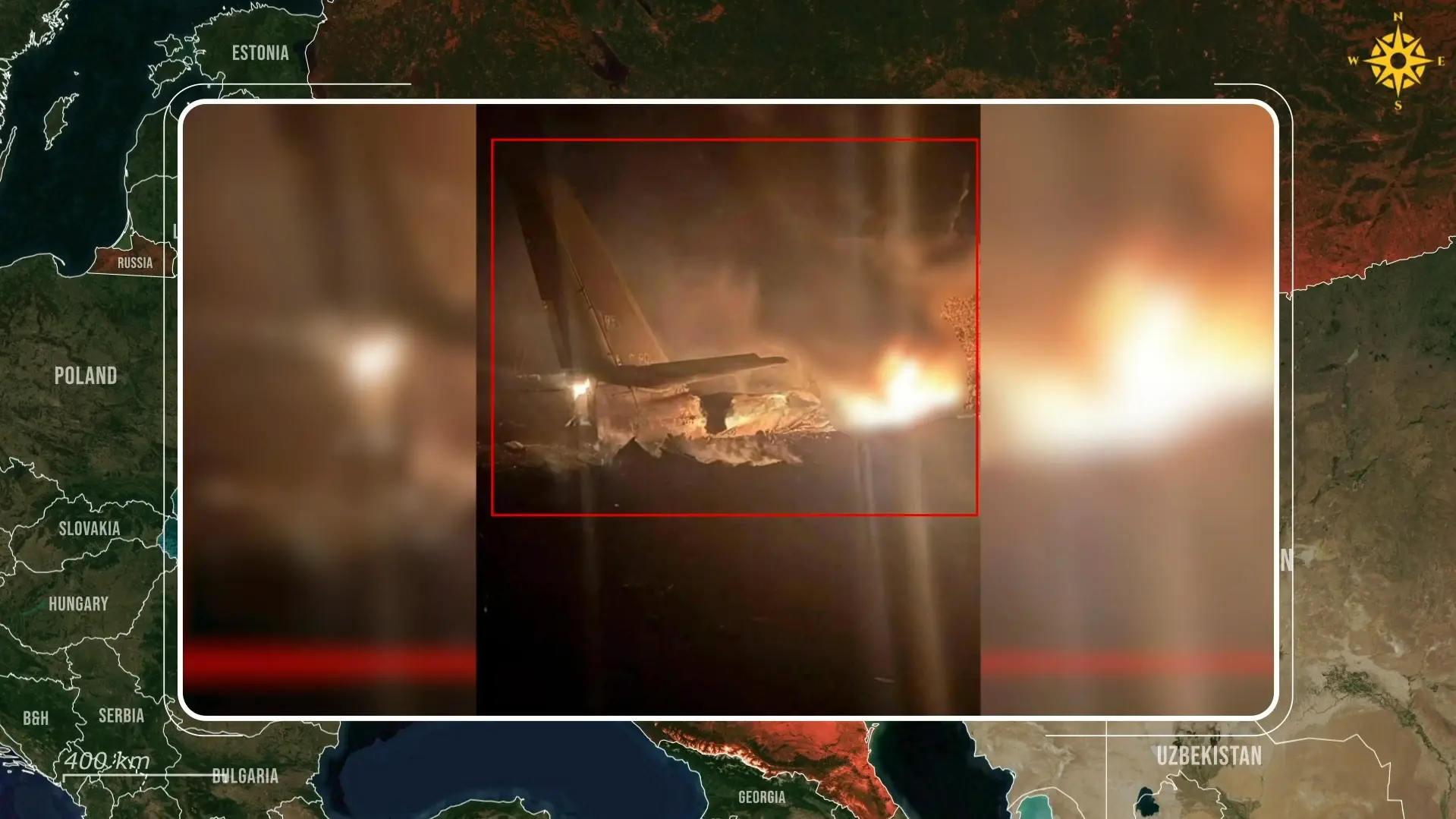
Now, even Russia’s heavy military aviation was being drawn into the same chain of losses, as the aircraft falling from the sky were no longer just civilian planes or transport helicopters. On sixteen June, a Tu-twenty-two-M-three long range strategic bomber crashed in Irkutsk Oblast after taking off from Belaya airbase, immediately placing one of Russia’s most important military aircraft inside that growing record of losses. The loss carried much wider significance, because the Tu-twenty-two-M-three is part of Russia’s long range attack capability, sits inside its conventional and nuclear strike forces, and belongs to an aging Soviet era bomber fleet that Russia cannot easily rebuild. Footage captured the bomber hitting the ground, while later images from the crash site showed it lying as a burning wreck. Once a strategic bomber had joined that list, some of Russia’s most valuable military assets were now going down as well.
Overall, Russia is moving toward an aviation problem that will become harder to contain, because every further loss now cuts into the same fleet already being worn down by war, friendly fire, and mounting failures. As Ukraine keeps increasing the pressure with drone attacks, Russian air defenses will be forced into more rushed engagement decisions, raising the chance that even more aircraft are lost inside the same airspace Russia is trying to protect. If this continues, Russia will keep feeding aircraft into the war while the aviation system behind it starts coming apart.

.jpg)

Comments