

.svg)
In this video, we will analyze important developments in the Baltic Sea.
Here, Ukraine has just started to demolish Russia’s Baltic Fleet with long-range drone strikes. The targets of the devastating blow have become the warships responsible for protecting Russian tanker routes.
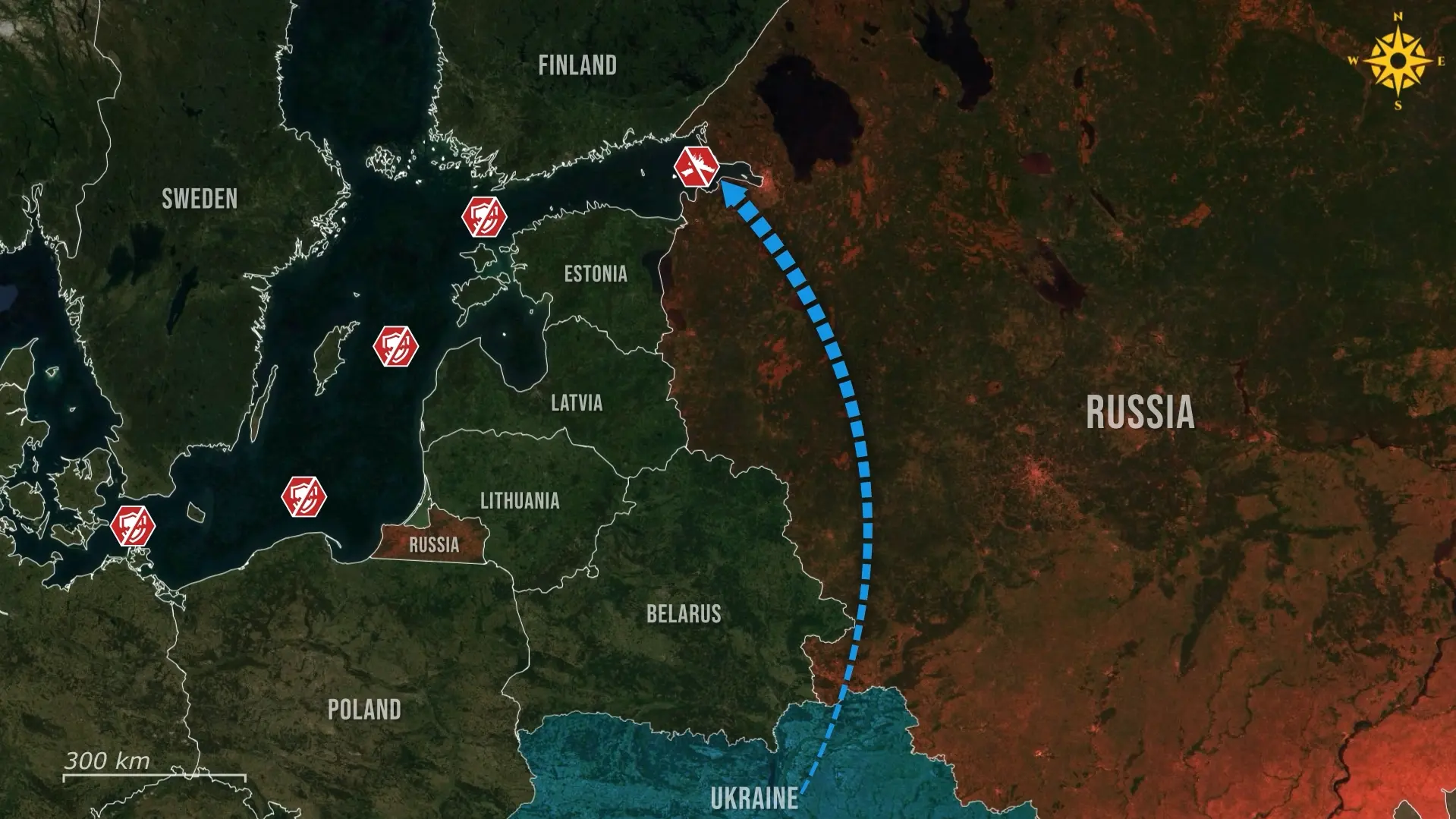
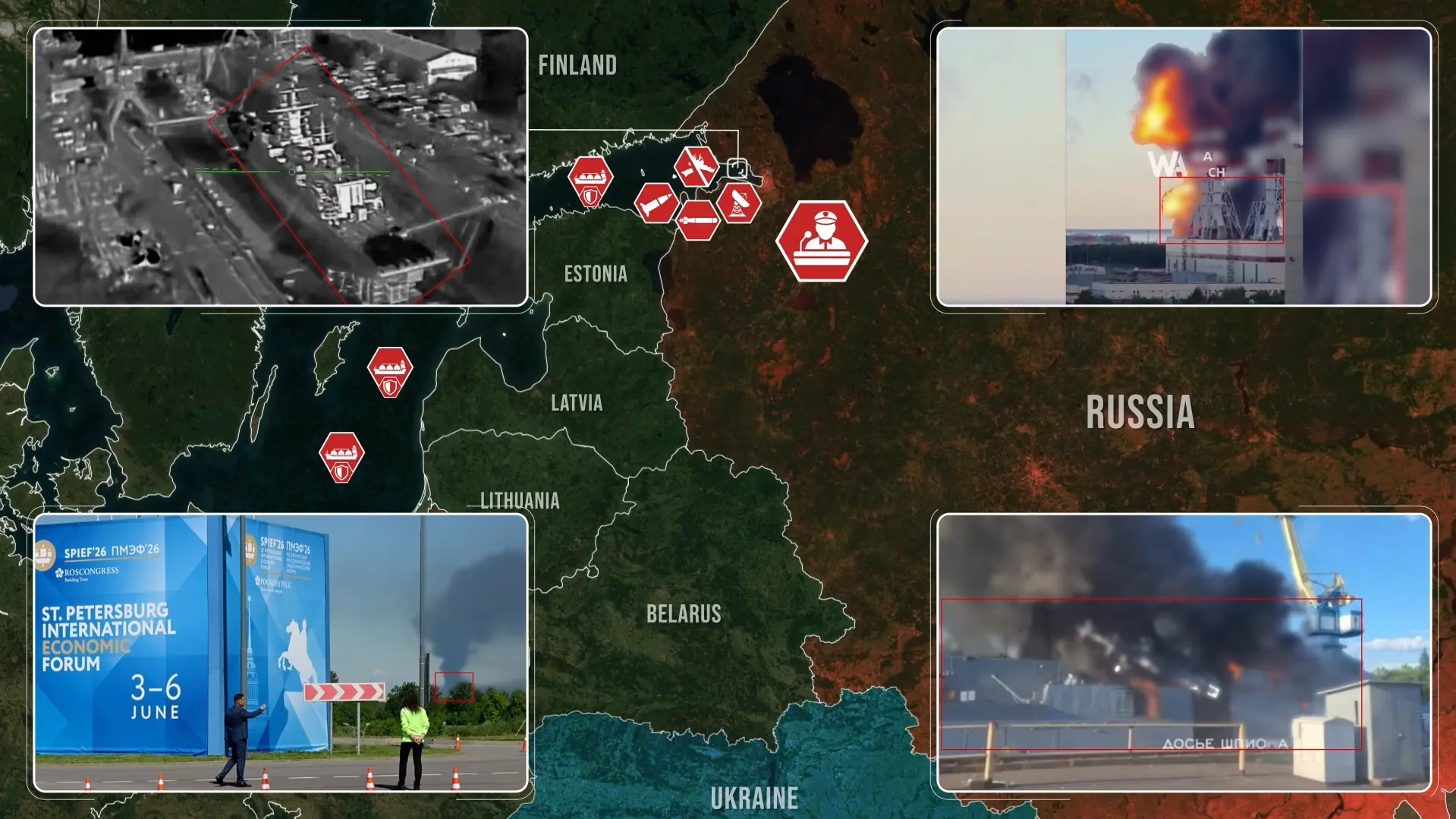
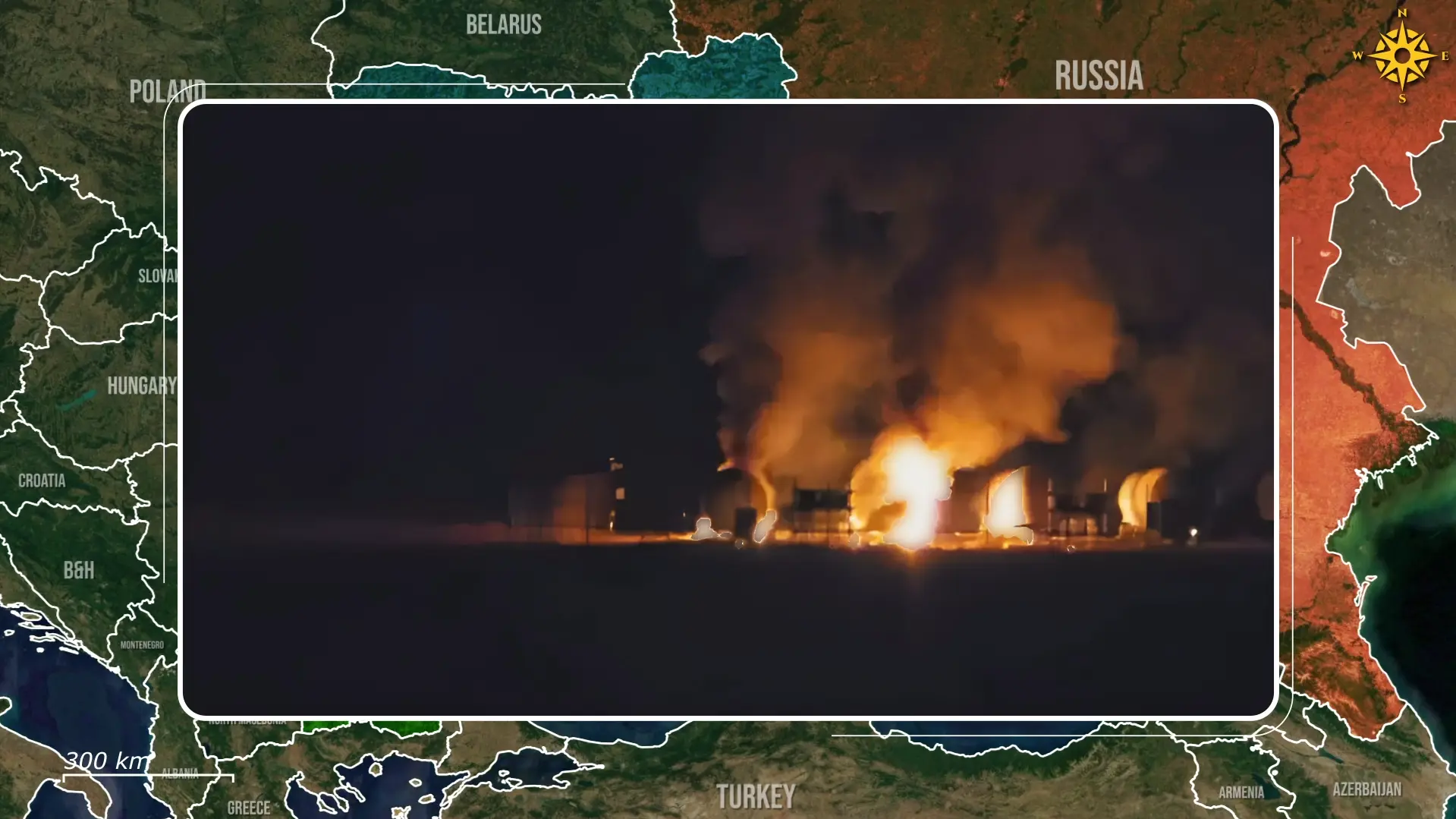
Recent footage shows a large-scale Ukrainian drone strike reaching beyond Saint Petersburg, more than one thousand and one hundred kilometers from the Ukrainian border. During it, Ukraine’s Unmanned Systems Forces hit a Russian corvette twice while it was undergoing repairs in a dry dock at Kronstadt. The attack is especially notable because the vessel is new and equipped with the latest anti-ship, anti-submarine, and air-defense systems. These capabilities allowed it to serve as an armed escort vessel for shadow fleet tankers transiting through the Baltic Sea. The timing of the strike was also embarrassing for Russia, as Saint Petersburg was hosting an economic forum where Vladimir Putin was expected to highlight the strength and stability of the Russian economy.
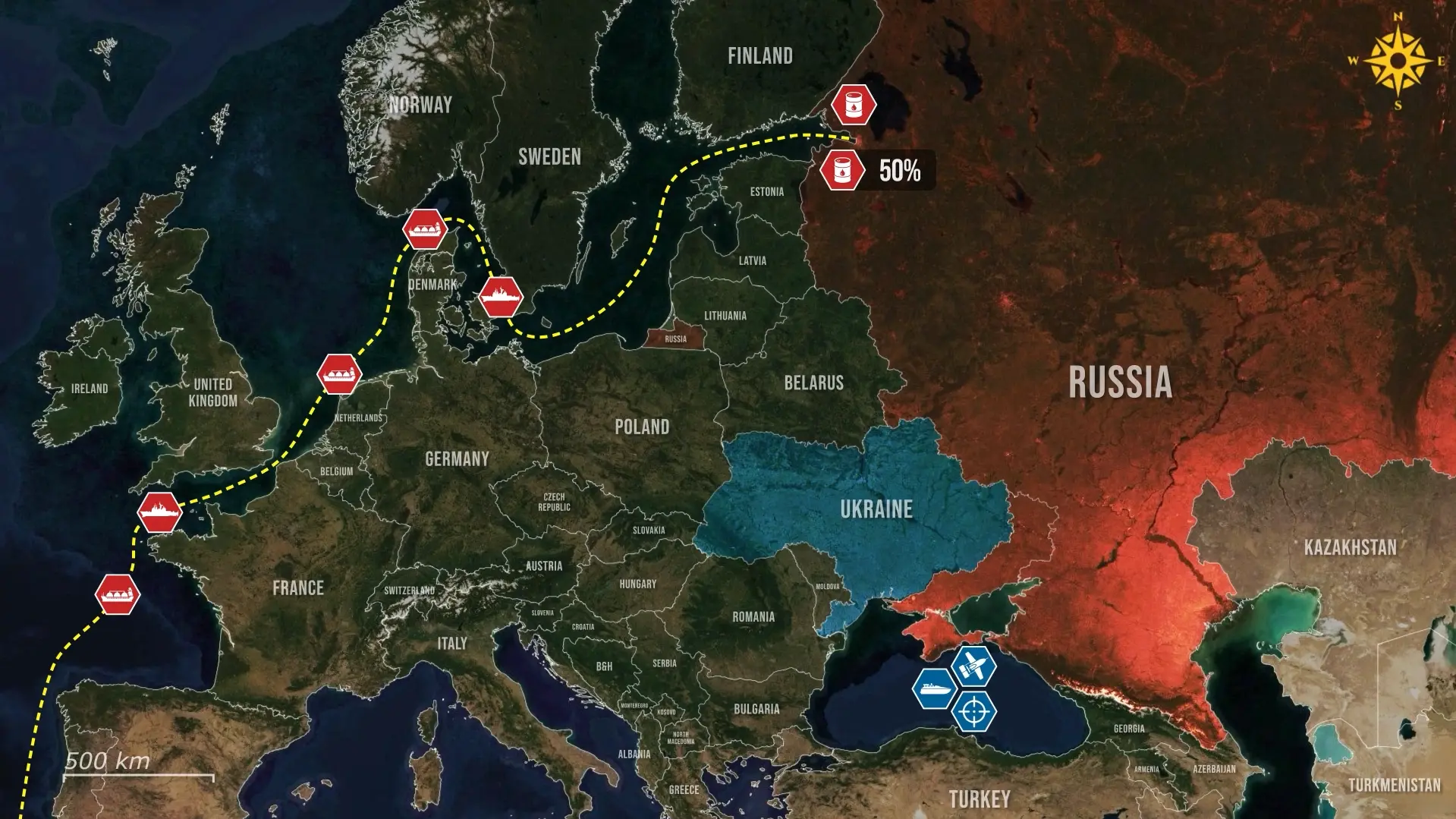
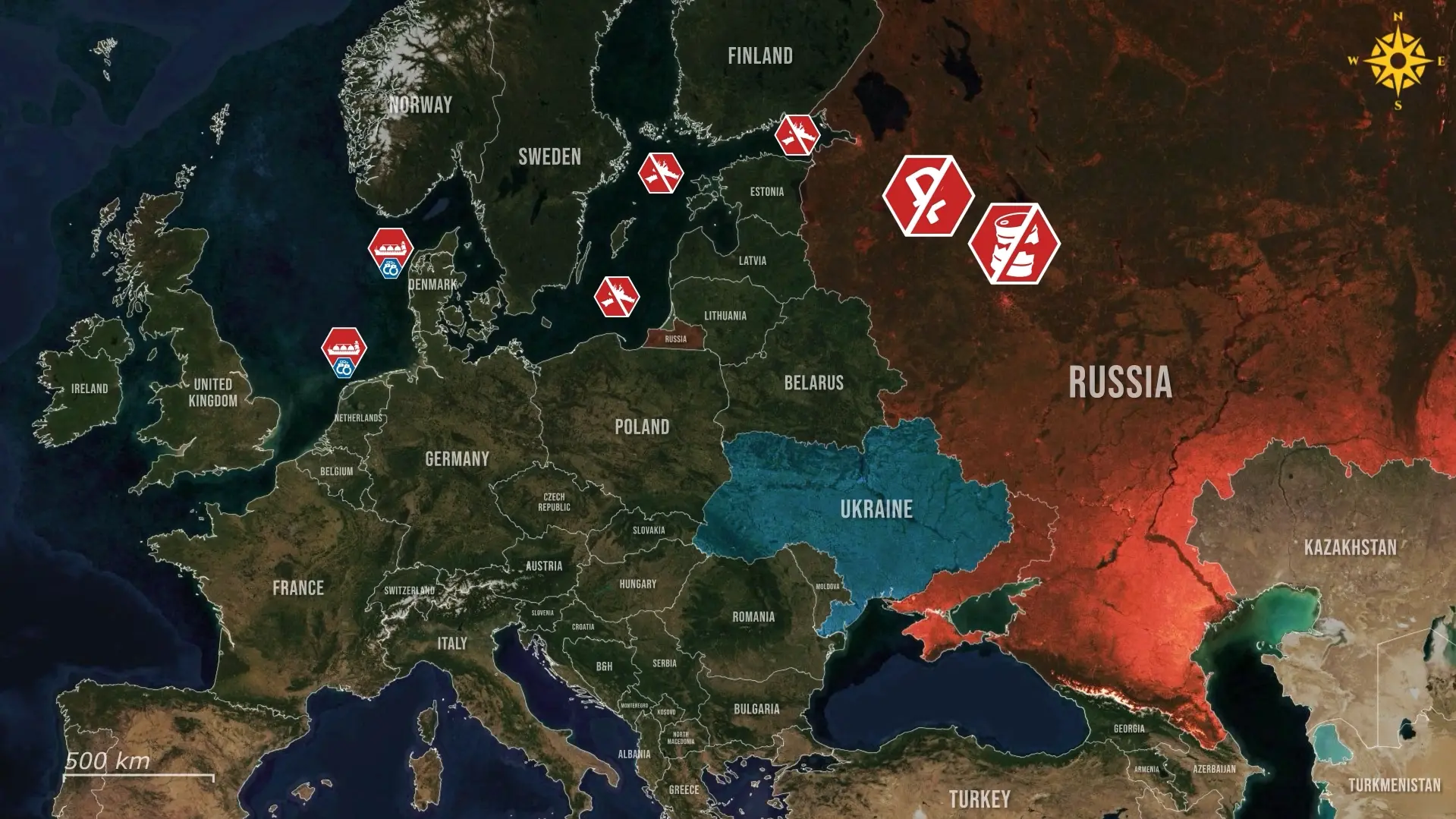
The reason why Ukrainian drone operators targeted the vessel is exactly its role in escorting tankers belonging to Russia’s shadow fleet through international waters, including the English Channel. By degrading the combat capabilities of the Baltic Fleet, Ukraine can deprive Russian cargo vessels of receiving naval escorts, a key element of Russia’s plan to deter sanction enforcement by European countries. With the limited number of ships Russia has to fulfill this role, each successful strike cripples Russian abilities to do so further. At the same time, the strike also broadens opportunities for international pressure on Russia as the effectiveness of its navy declines, so European countries can intercept the undefended Russian oil tankers without any risk of escalation. For example, French authorities capitalized on the lack of armed escorts and boarded a tanker linked to the shadow fleet and detained its captain.
The significance of the strike is that it affects the protection of tankers starting from Russia’s Baltic ports, which have become the primary export points for Russian oil. Despite also being targeted by the Ukrainians, they are still regarded as slightly more secure than those in the Black Sea, which is under Ukrainian fire control with naval and long-range drones. Now, Russia exports approximately fifty percent of its seaborne crude oil from its Baltic Sea ports, which makes it heavily reliant on this route. However, the oil tankers going through here need to be escorted by warships to dissuade interception at sea by Ukraine’s European allies, which has been happening increasingly often.
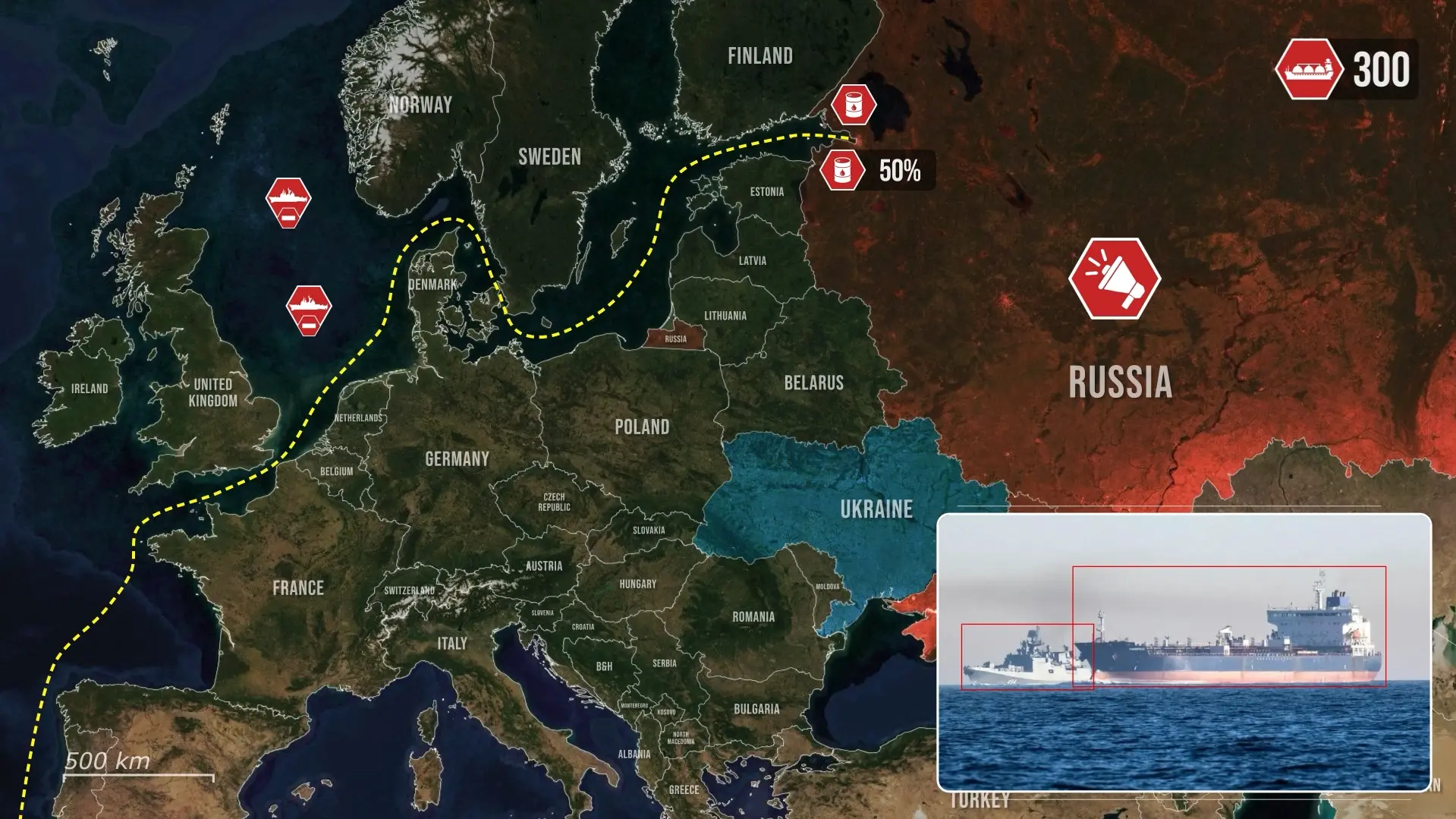
Notably, the Russian naval escorts create an effective political deterrent against boardings at sea, proven by the track record of unhindered passage of Russian tankers through European waters.
Since the end of March, approximately three hundred vessels from Russia's shadow fleet have transited through British waters, most of them via the English Channel. Despite this, not a single vessel was stopped or inspected, leading Russian commentators to boast that European countries are unwilling to intervene, and the presence of even a single Russian escort warship was enough to deter them. However, the Russian Baltic Fleet losses will change this balance of power in Europe’s and Ukraine’s favor because Russia will increasingly be unable to project power.
By targeting Russian warships and reducing their number, Ukraine is indirectly making it easier for Nato countries to take action against vessels associated with Russia's shadow fleet. Here, Ukraine is using the same strategy as it did in the Black Sea, where approximately thirty percent of Russia’s fleet has been destroyed since two thousand and twenty-two. Notably, this follows the same pattern as it is not the first successful strike against Baltic Fleet assets. At Primorsk Port, Ukrainian forces damaged a guided-missile corvette and a patrol boat. In another attack, Ukrainian drones struck a patrol icebreaker, which is a dual-purpose vessel used by the FSB Border Service that combines military capabilities with icebreaking functions.
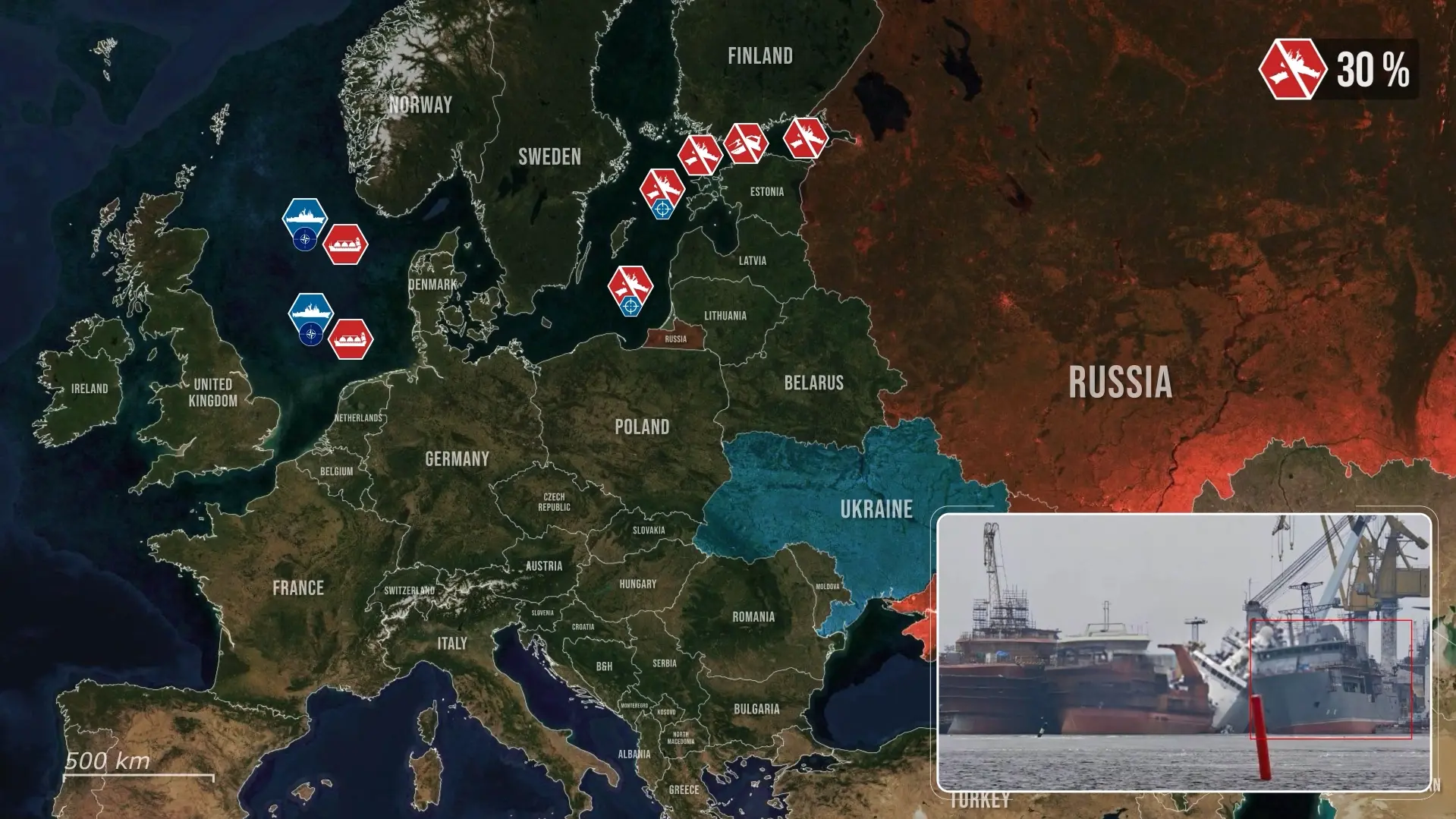
Overall, these strikes contribute to a steady erosion of Russia's naval capabilities in the Baltic region. As a result, Russia has an increasingly limited pool of warships that can be assigned to escort and protect vessels linked to its shadow fleet, enabling European countries to intercept sanctioned Russian vessels. The ultimate target is not the ships themselves, but Russia's ability to protect oil exports and generate revenue for the war effort.

.jpg)

Comments