

.svg)
In this video, we will analyze how Russian army failed to adjust to the new phase of the war in Mali.
Here, months of fighting between the junta, Russian forces, Tuareg rebels, and jihadist groups are beginning to turn a scattered insurgency into a more recognizable battlefield. As positions harden and territorial control becomes more decisive, Russia is still fighting the old war while a very different one takes shape around it.
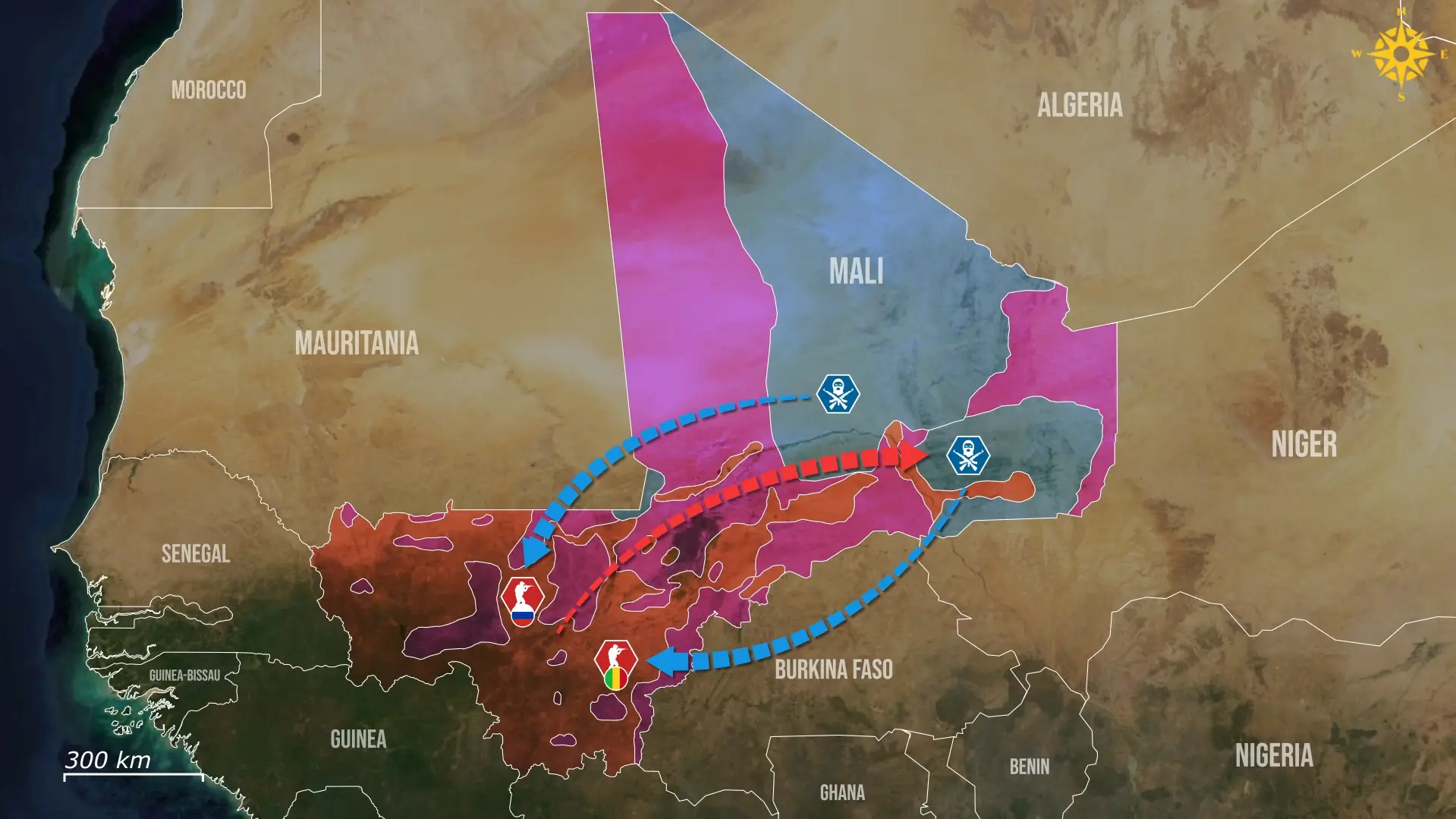
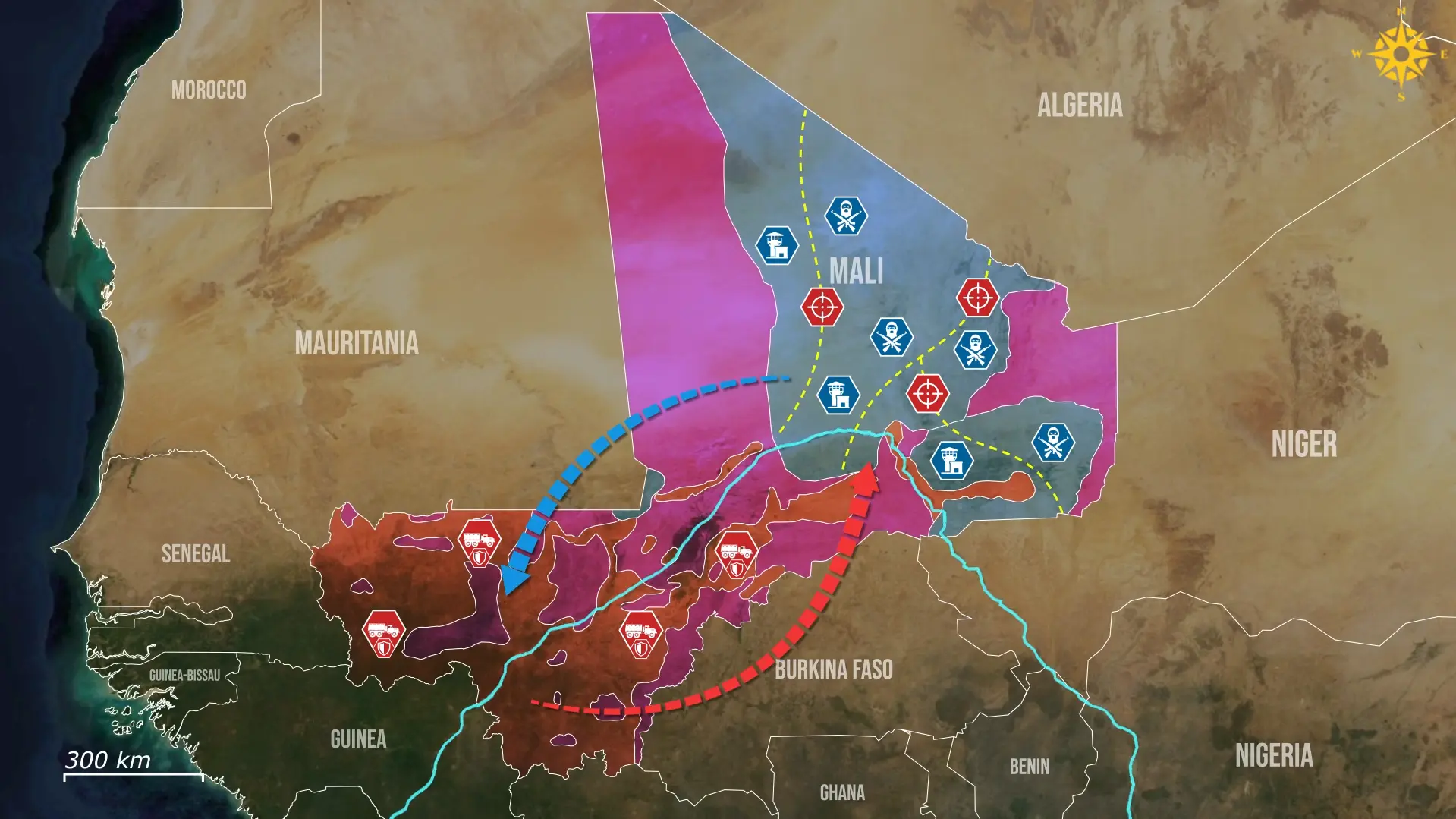
In northern Mali, Tuareg led forces, together with jihadist formations, now control most of the desert belt linking the major northern settlements, while Malian and Russian forces have fallen back toward stronger positions farther south. That gives the antigovernment side more freedom to move fighters and supplies across the north, while reducing the Malian government’s ability to push force back into those areas. The struggle over towns such as Gourma Rharous follows the same logic, because control there affects whether pressure can move south across the river line or be blocked before it spreads deeper into central Mali. This is why the Niger River is becoming a real front line, as once hostile forces cross it, the government must defend fixed positions instead of chasing scattered raids.
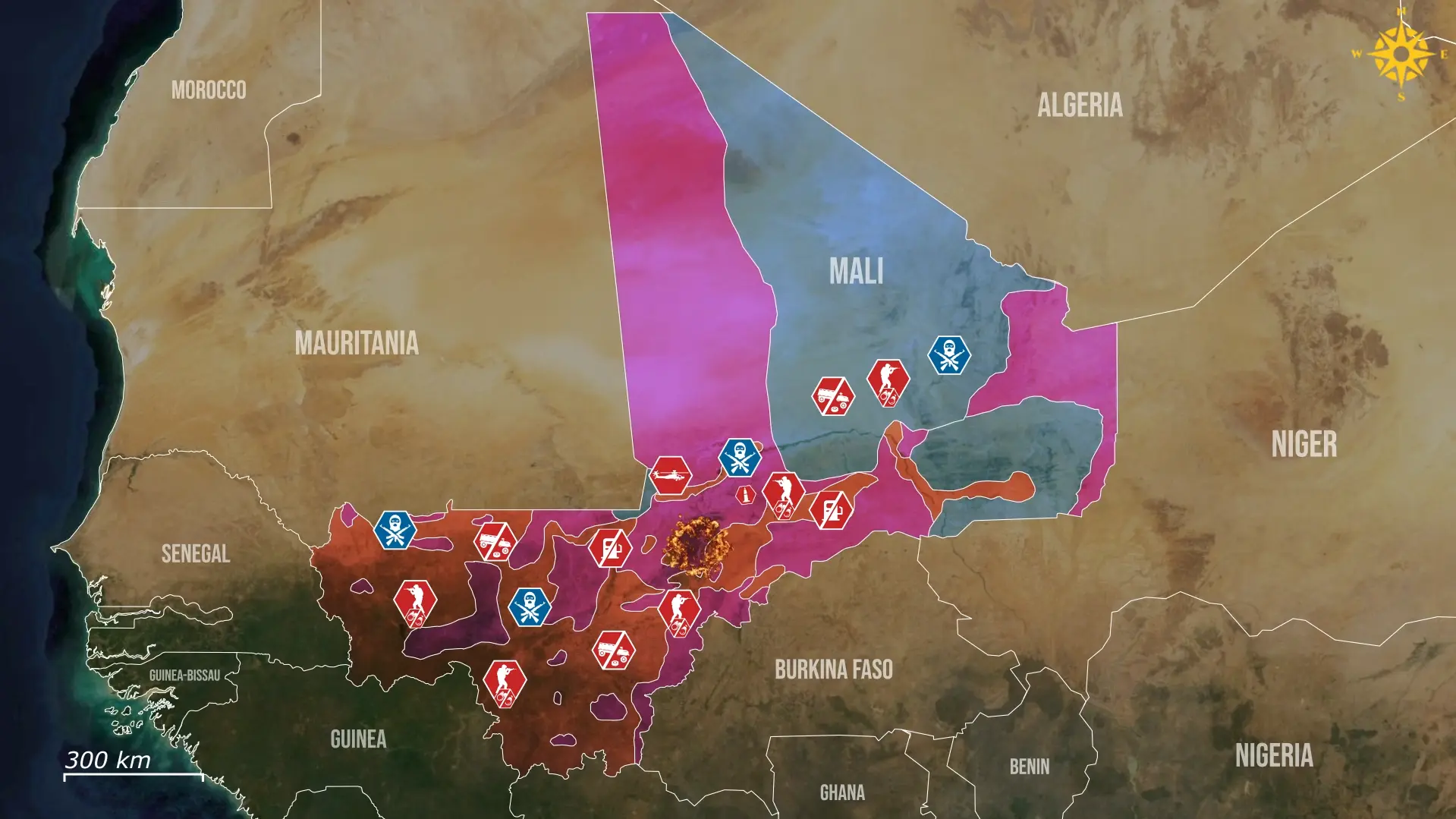
Earlier this year, the war looked very different because Mali was still fighting without a real front or a clearly defined battle space. Armed groups moved across villages, roads, and rear areas in several regions, striking quickly and disappearing before government forces could pin them down. They hit convoys to isolate positions and cut fuel links, making government deployments harder to sustain across exposed areas. Airstrikes could destroy camps and temporary concentrations, but fighters quickly reopened pressure by shifting to other routes and support zones.
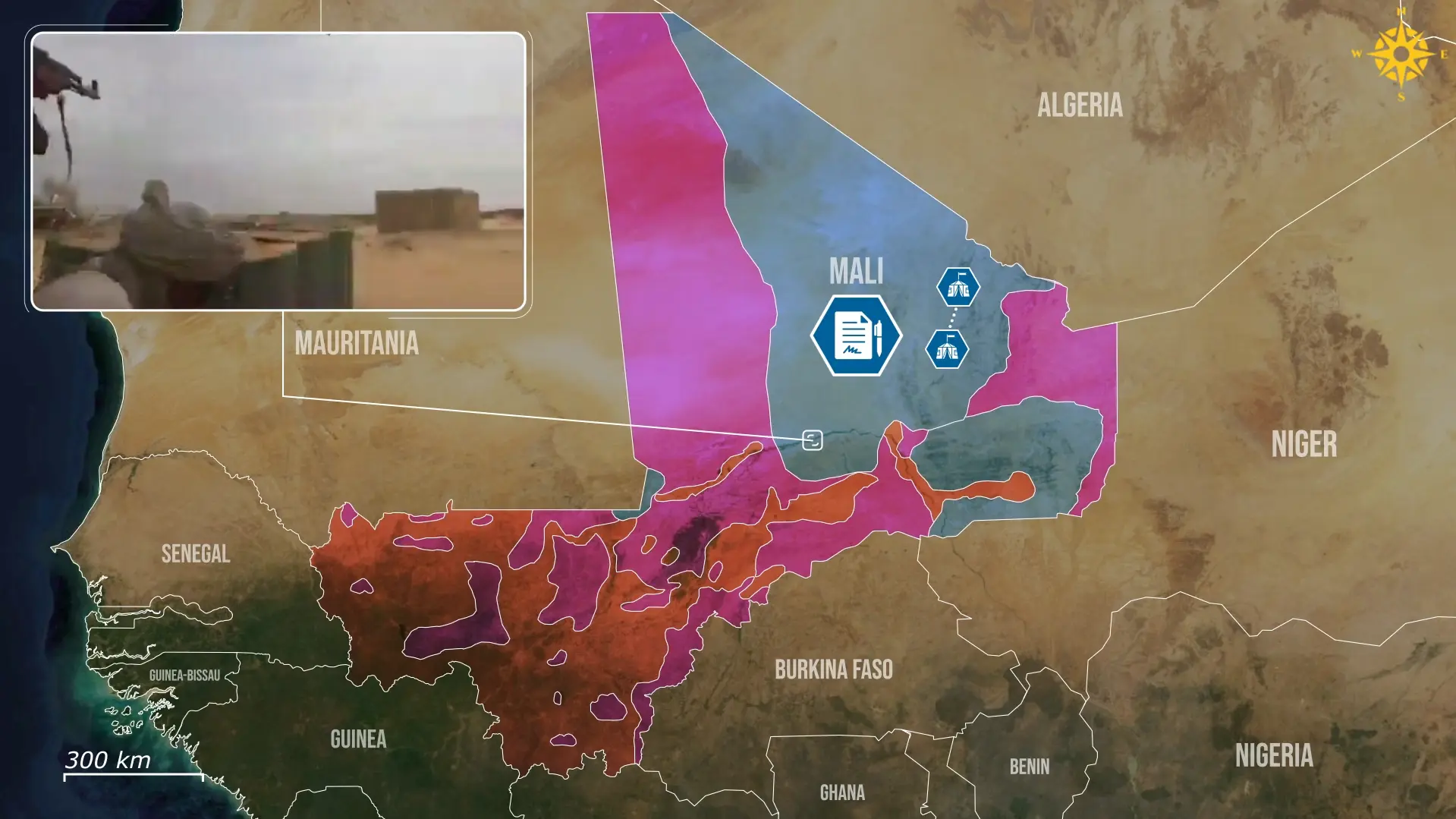
The shift toward a more territorial war began when antigovernment forces started capturing northern positions that had once stood apart on a scattered battlefield. As those positions were linked together, they stopped looking like temporary gains and began forming a broader zone of control. Russian withdrawals from key northern bases accelerated that shift, because they opened the space that allowed those gains to consolidate. That gave Tuareg aligned forces and their jihadist counterparts room to turn northern Mali into territory governed outside Bamako’s authority. From there, the conflict expanded southward, as pressure around Gourma Rharous showed that these gains were no longer isolated raids, but part of a broader push to extend control beyond the north.
In the earlier insurgent phase, government forces could focus on chasing mobile camps and striking fleeting targets, but once rival forces began holding territory, the battlefield started rewarding defended positions, reserves, and support systems that could sustain repeated operations. That changed the purpose of firepower, because strikes were no longer aimed only at dispersing mobile fighters, but also at breaking the logistics that allowed enemy control to persist. In the same way, future offensives will depend less on quick reactions and more on concentrating forces long enough to break through prepared defenses.
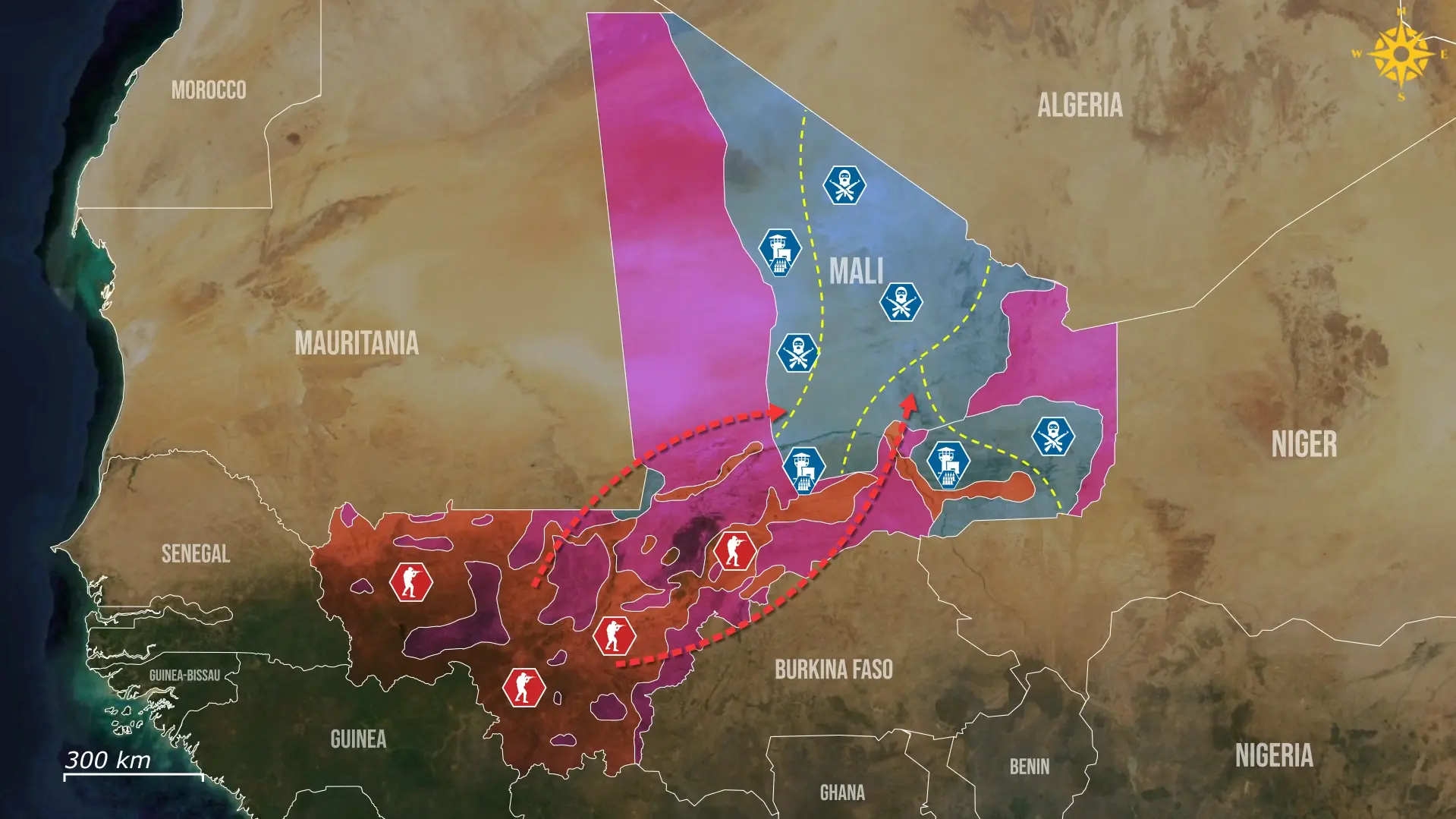
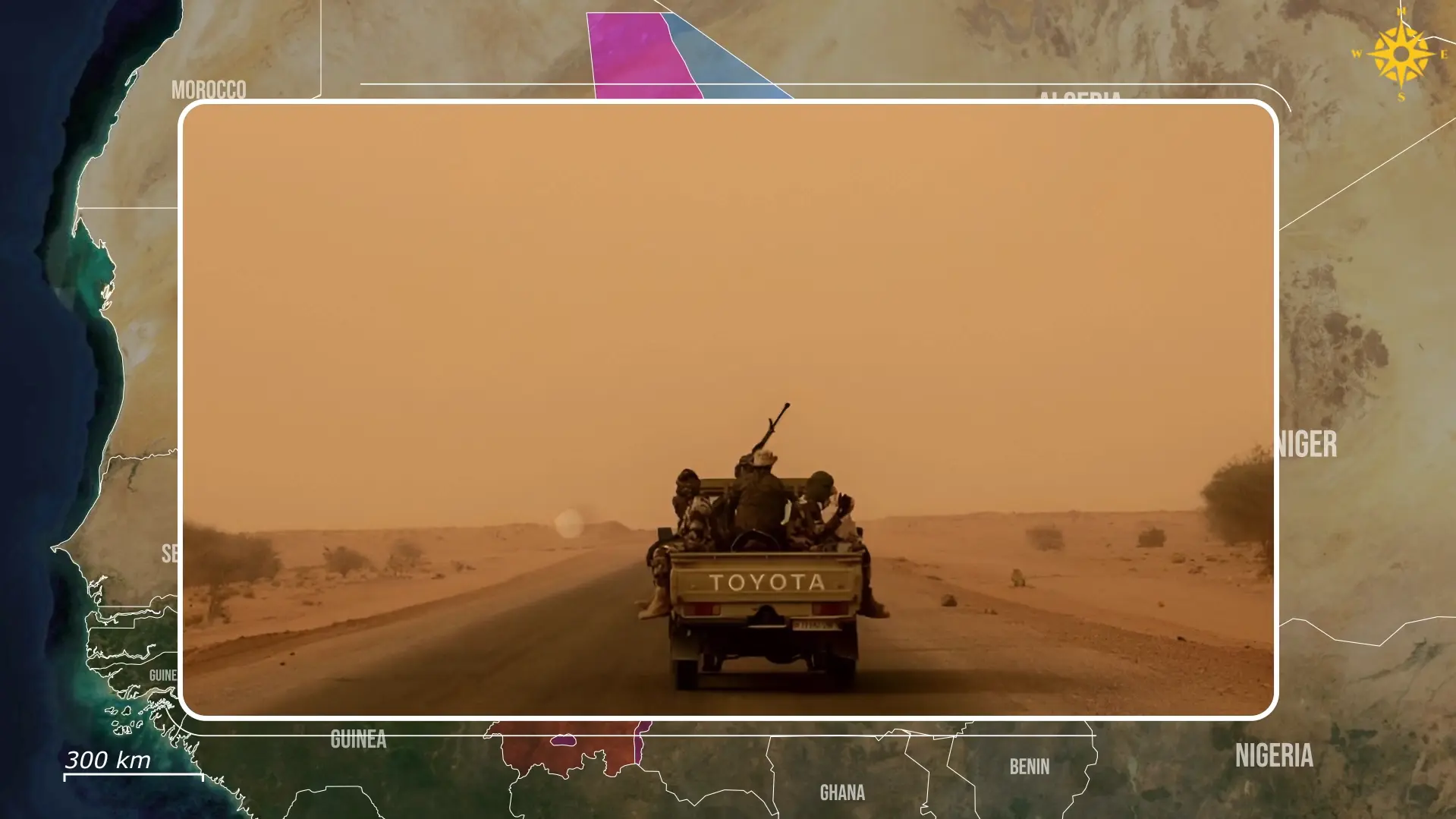
The problem for Russia’s Africa Corps is that its whole approach is still built around tactics for the earlier phase of the war. It keeps focused on patrols in quiet towns, convoy escorts, and helicopter search and destroy raids, using a force organized for rear security and mobile target hunting. That approach fits yesterday’s war of dispersed attacks, where the main goal is keeping roads open and reacting quickly to fleeting threats. Yet, this provides no benefits in the new reality, in which rebel forces exploit consolidated positions, build defended space, and force the government side to change its approach. This forms a dangerous strategic gap at the center of the events, as Russia is lagging behind, while its opponents have changed tactics and are increasingly gaining control over the ground.
Overall, Mali is moving into a new phase of war, where scattered insurgent pressure is increasingly being replaced by a more organized struggle over territory, logistics, and well-prepared positions. In that kind of warfare, success depends not only on firepower but on reserves, secured crossings, and the ability to sustain offensives after the first breakthrough. Tactical raids and convoy escorts can still delay setbacks, but they cannot reverse a battlefield that is already hardening into something more structured. If Russia and its Malian partners keep preparing for yesterday’s war, they may keep fighting hard while losing the new one taking shape in front of them.

.jpg)

Comments