

.svg)
Today, the biggest news comes from the Russian Federation.
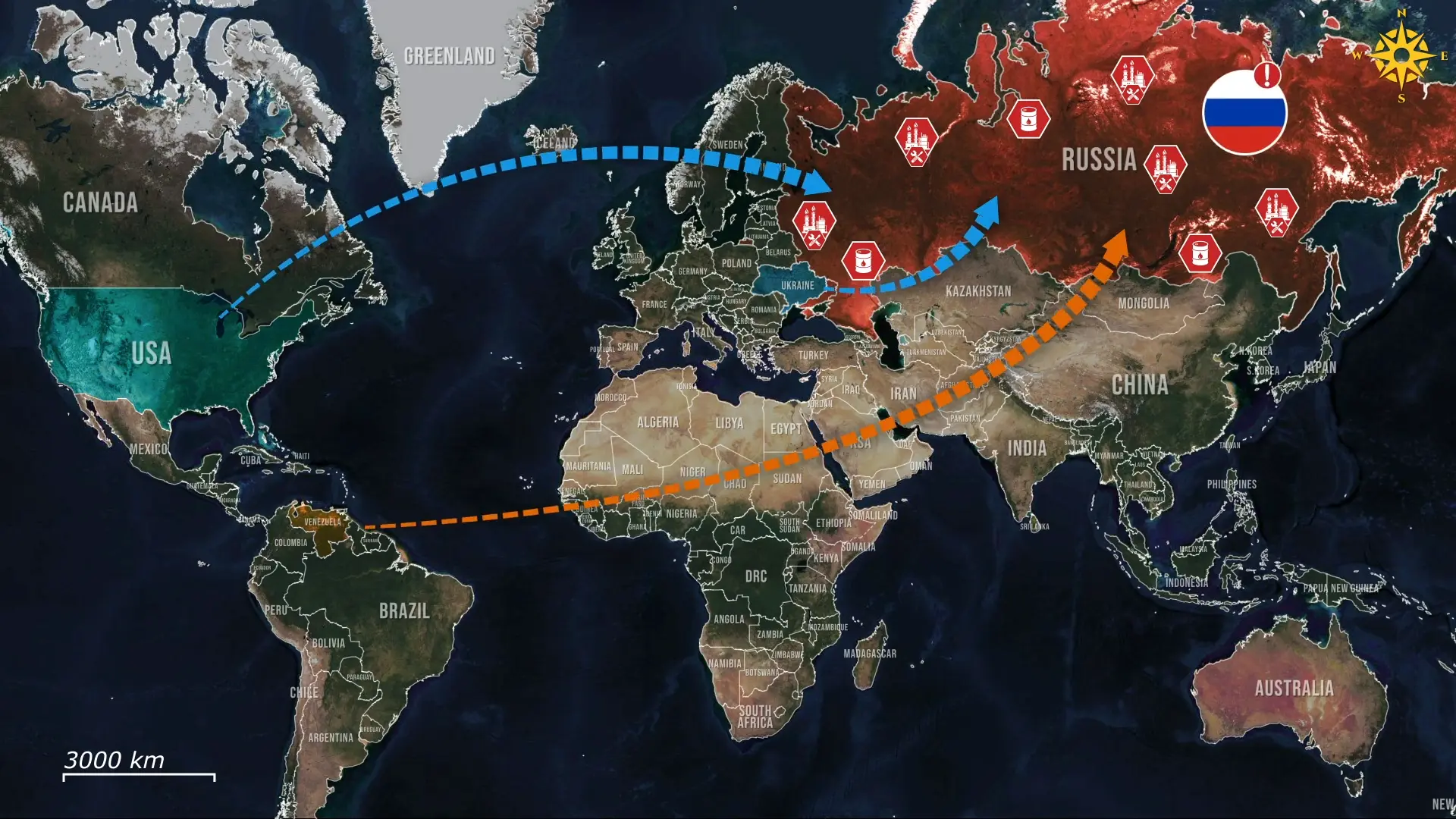
Here, the country’s oil system is under sustained strain, with production slipping, infrastructure under pressure, and export routes growing more fragile by the minute. At the same time, moves outside Russia are directly threatening one of the few remaining external supports for its oil sector.
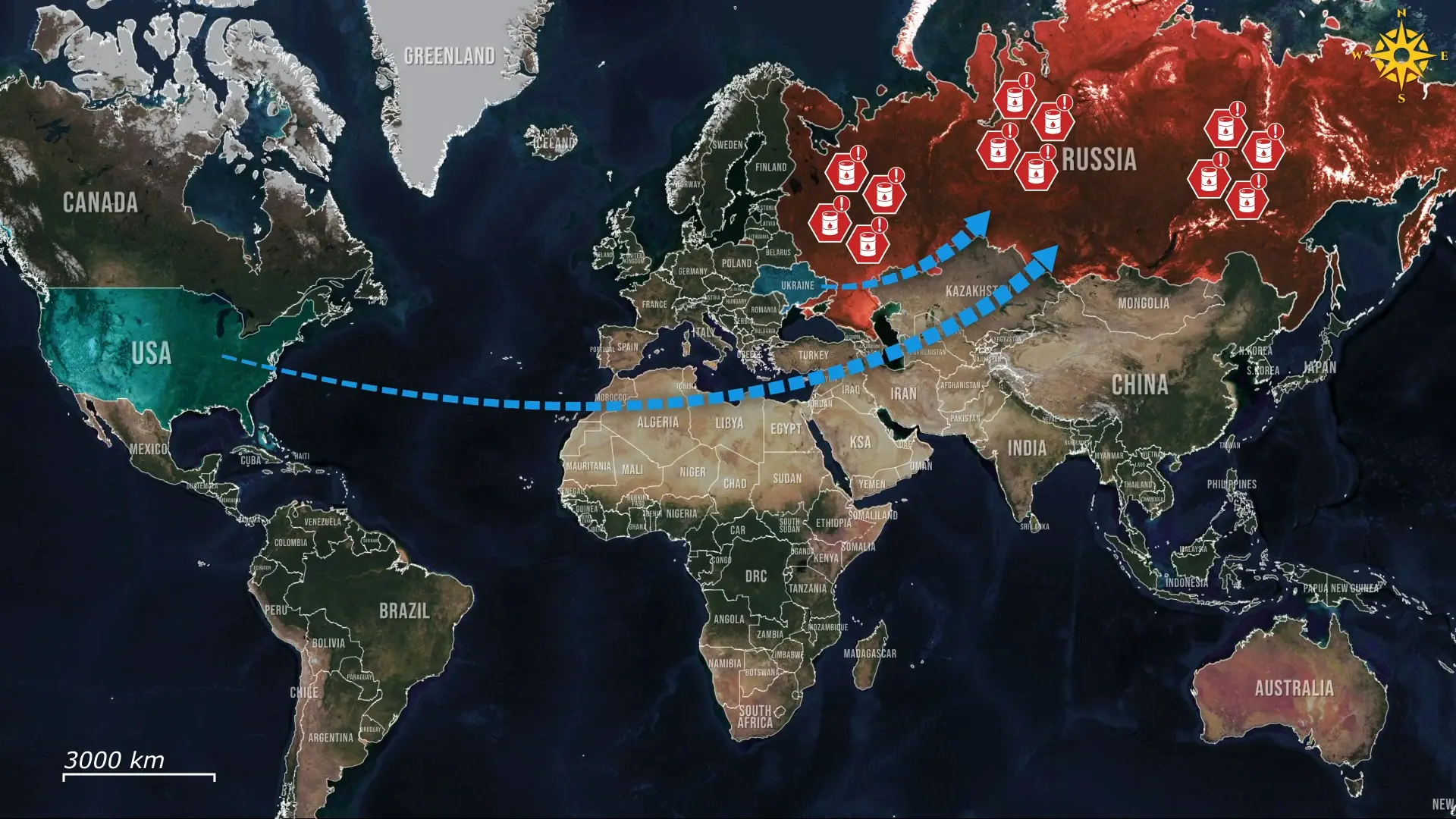
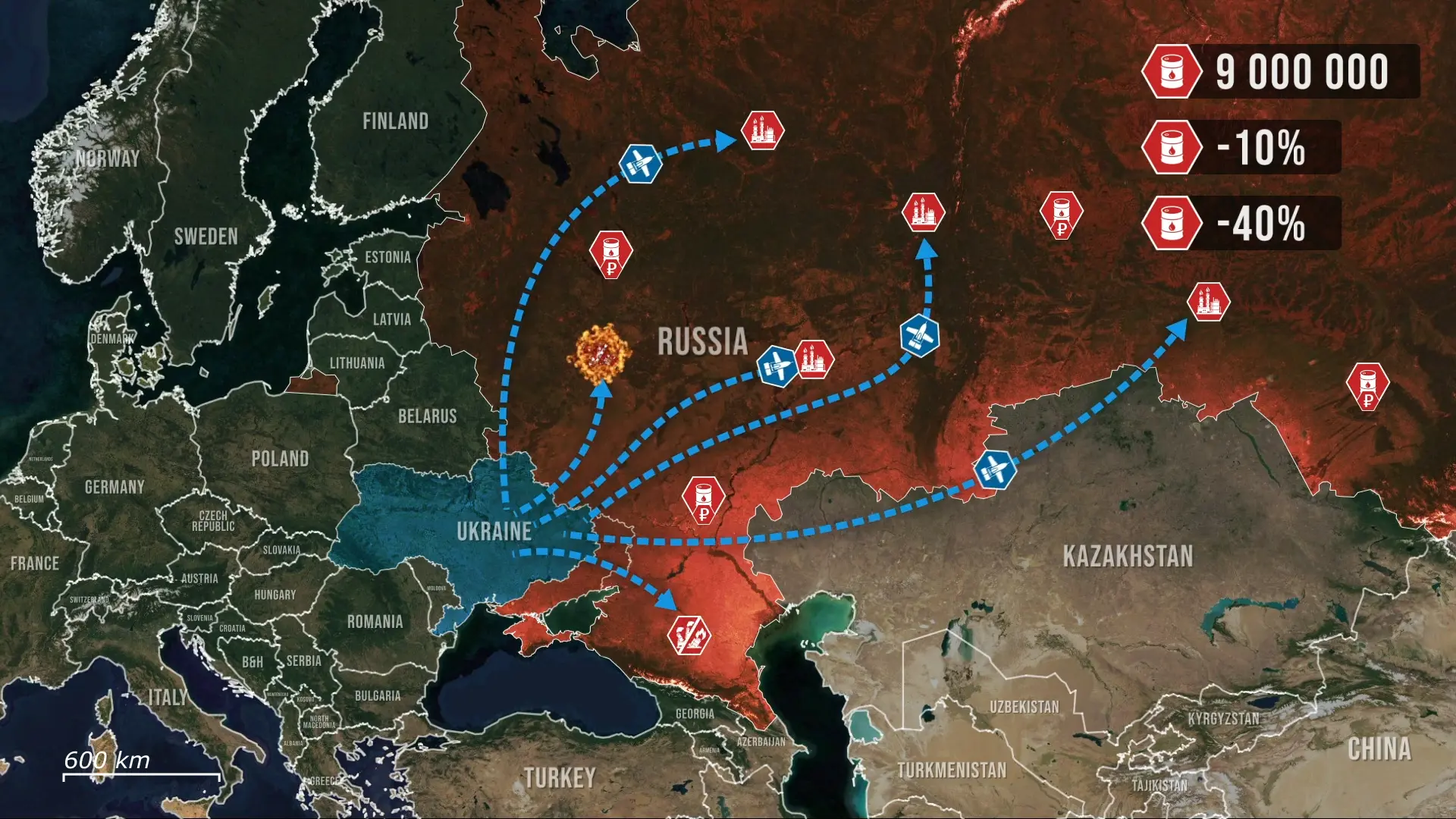
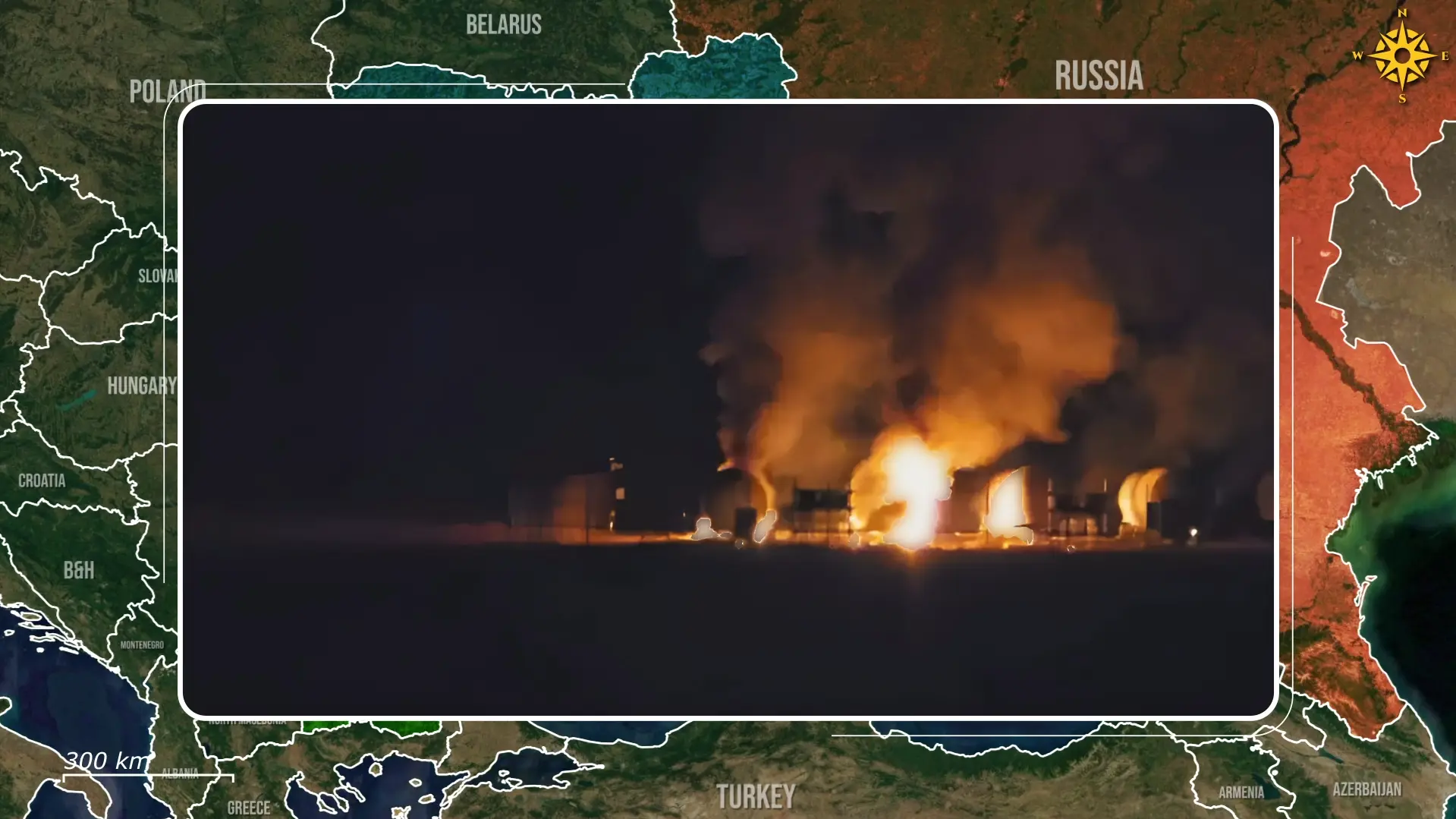
Ukrainian strikes are now affecting Russia’s headline production figures, with crude output in December falling from 10 million barrels per day to roughly 9 million, the lowest level in about 18 months. The 10% decrease in production due to strikes, combined with the 40% decrease in oil price due to price caps, has resulted in a 4.4 billion dollars monthly loss of potential revenue due to war. The more important constraint sits downstream, as repeated strikes force refineries into shutdown cycles that limit how much crude can be processed into fuel and more profitable export-ready products, steadily reducing usable capacity even when oil is still being pumped.
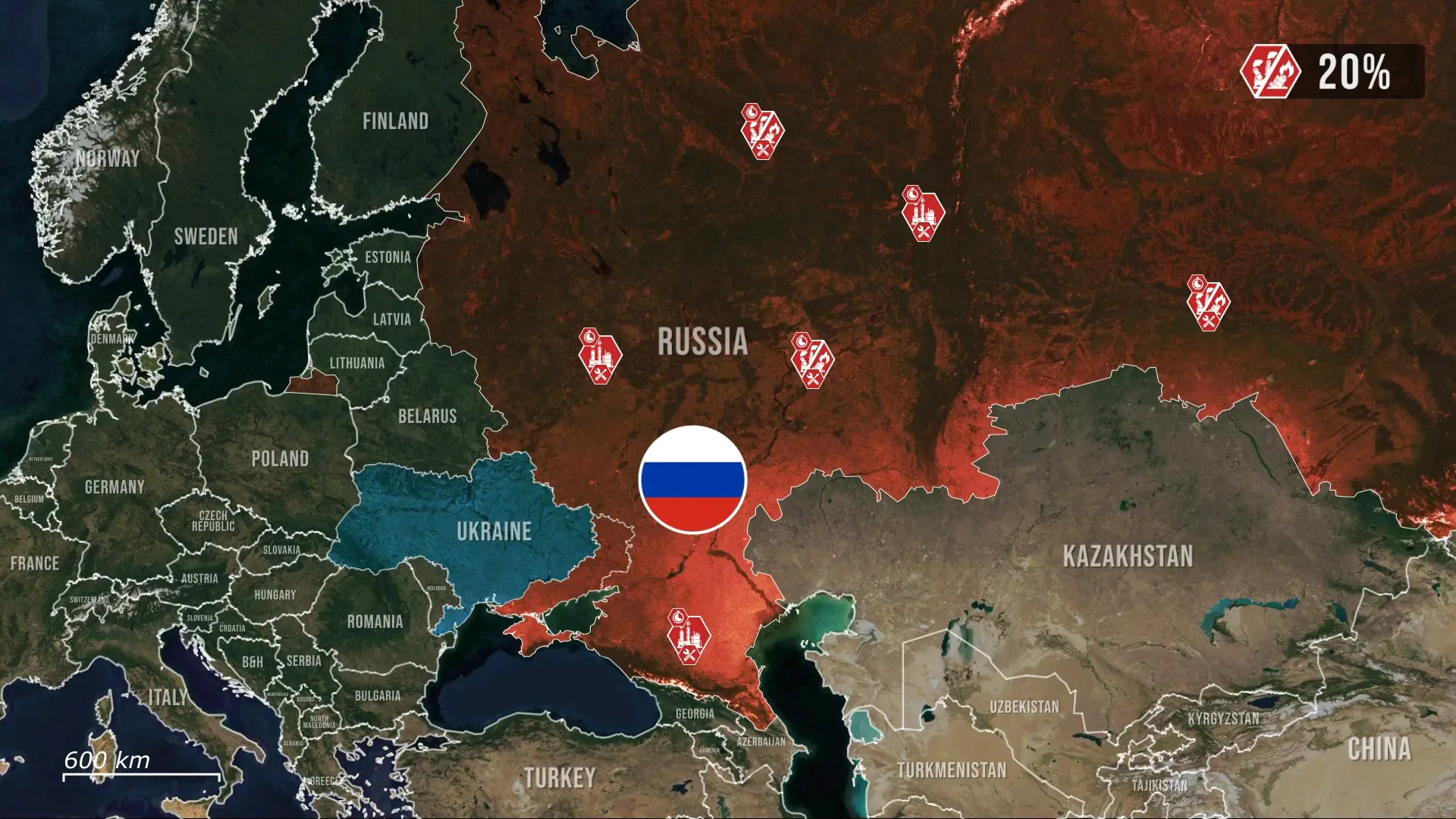
The damage is structural, with repeated strikes steadily degrading Russia’s ability to restore and sustain refining capacity. During earlier phases of the campaign, analysts estimated that nearly 20% of Russia’s refining capacity was offline at peak moments, illustrating how quickly usable output can disappear when attacks cluster across multiple facilities. Restarting a refinery is not a simple mechanical task, as it requires imported components, updated software, calibration, and experienced specialists, all of which are harder to obtain under sanctions. Facilities that do return often operate below optimal levels, with restrictions on throughput or product mix, leaving little redundancy if another strike lands. Each repair cycle stretches longer than the last, gradually pushing effective national capacity downward even without a decisive knockout blow.
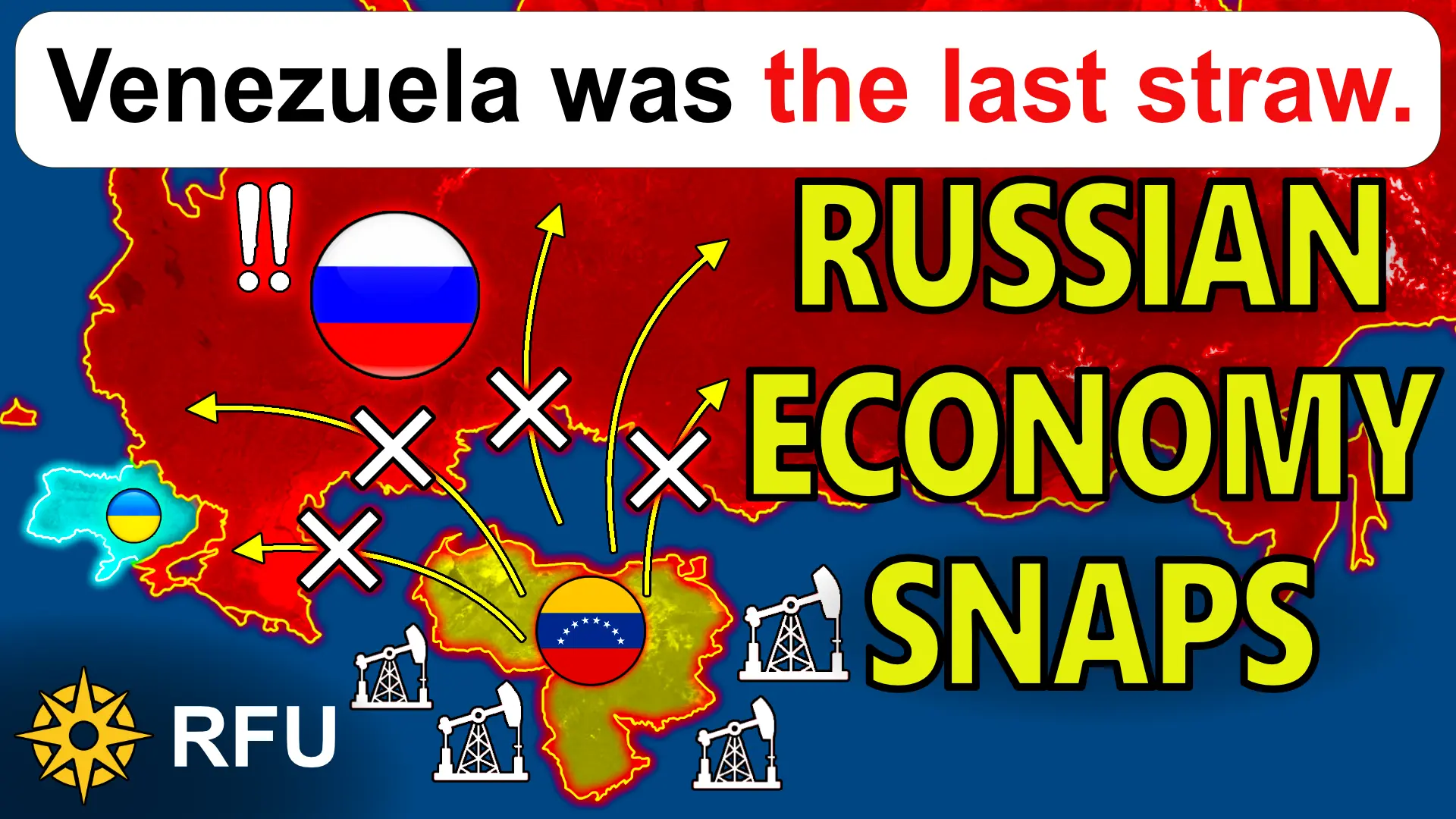
A new pressure point has now opened far from Ukraine, and it targets the same Russian vulnerability from the outside. The United States has escalated enforcement actions against Venezuelan oil exports, and if you remember from previous reports, it is actively seizing multiple tankers linked to Venezuelan shipments. In parallel, Washington has overseen Venezuelan oil sales with proceeds held under U.S. control, signaling the ability to determine not only where barrels move, but who ultimately receives the revenue. For Russia, Venezuela has functioned as a strategic rear area, offering access to non-Western production and a friendly oil source at a time when Russian exports face sanctions risk, insurance barriers, and longer, more expensive routes. The stakes are significant because Venezuelan oil directly compensates for Russia’s refining constraints, as Russian companies rely on those barrels for blending and transshipment schemes that reduce pressure on domestic refineries and help maintain export volumes.
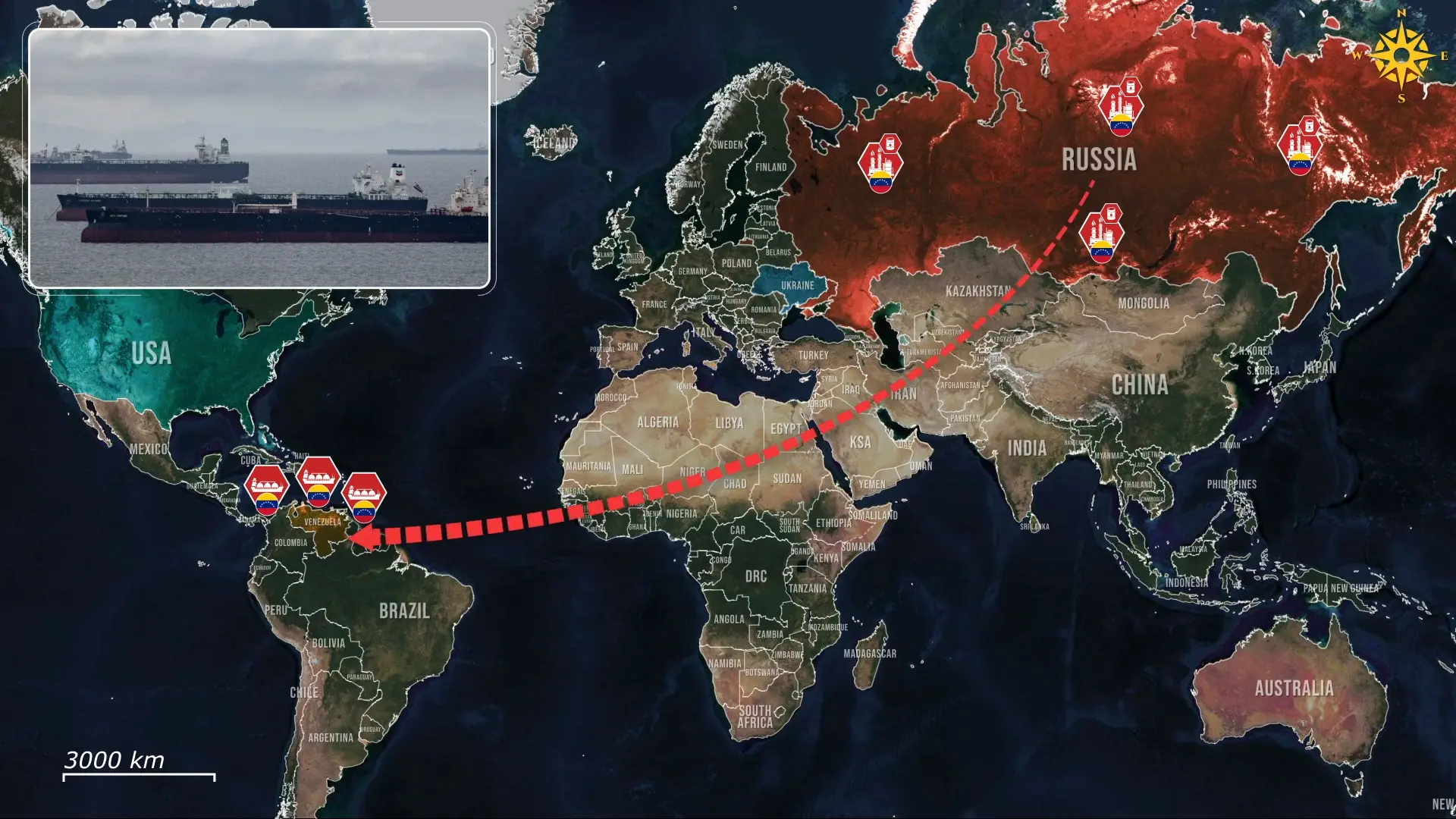
Losing access, or seeing flows redirected under U.S. supervision, removes one of the few remaining buffers that allow Russia to keep oil moving despite damage at home. It also increases exposure to price spikes at a moment when processing capacity inside Russia is already under sustained strain.

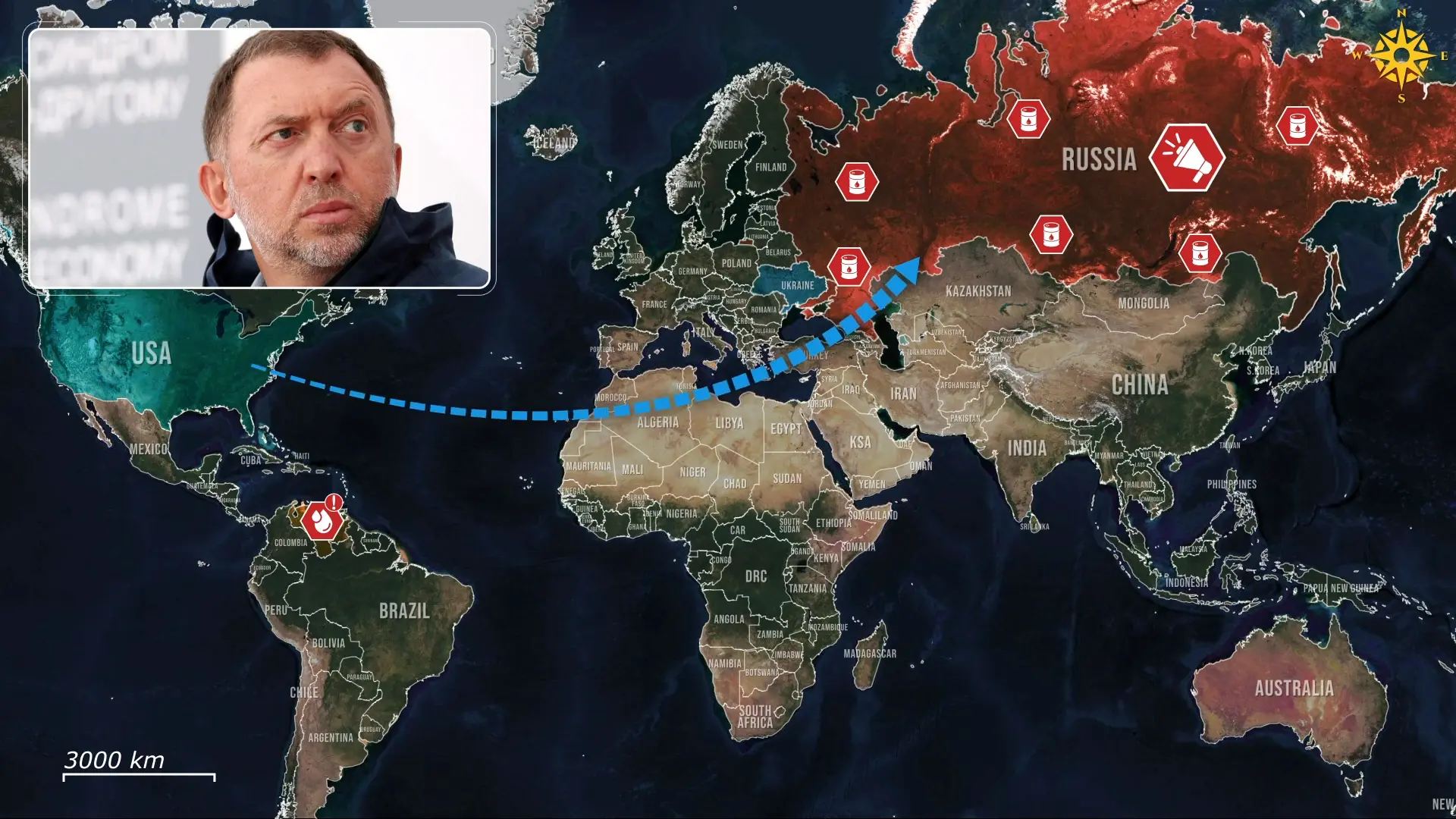
The reaction in Moscow has been immediate and anxious, even though the full cutoff has not yet begun Prominent Russian business figures have publicly warned that U.S. leverage over Venezuelan production would allow Washington to influence global supply. In reality, they are afraid of the US being able to keep Russian oil prices under sustained pressure. Russian state-linked entities in Venezuela have even publicly stressed that their assets are owned by the Kremlin, a move aimed at raising the political cost of seizure and framing any interference as a direct confrontation with Moscow rather than a commercial dispute. At the political level, Moscow has accused the United States of moving toward control over global oil flows, language that typically appears when strategic depth is disappearing, and fallback options are becoming increasingly unlikely.
Overall, pressure is being applied by Ukraine through sustained strikes on domestic oil infrastructure and by the United States through enforcement actions that threaten Russia’s external oil access. The space disappearing is Russia’s ability to fall back on domestic repairs or friendly foreign oil as backup options. Structurally, longer repair timelines, higher shipping risk, and tighter control over proceeds reduce voyages, cut export flexibility, and raise the cost of every barrel moved. Going forward, Russia’s energy problem enters a phase where capacity loss compounds faster than Moscow can replace it.
.jpg)

Comments