

.svg)
In this video, we will analyze Turkey’s growing involvement in the fight against Russia.
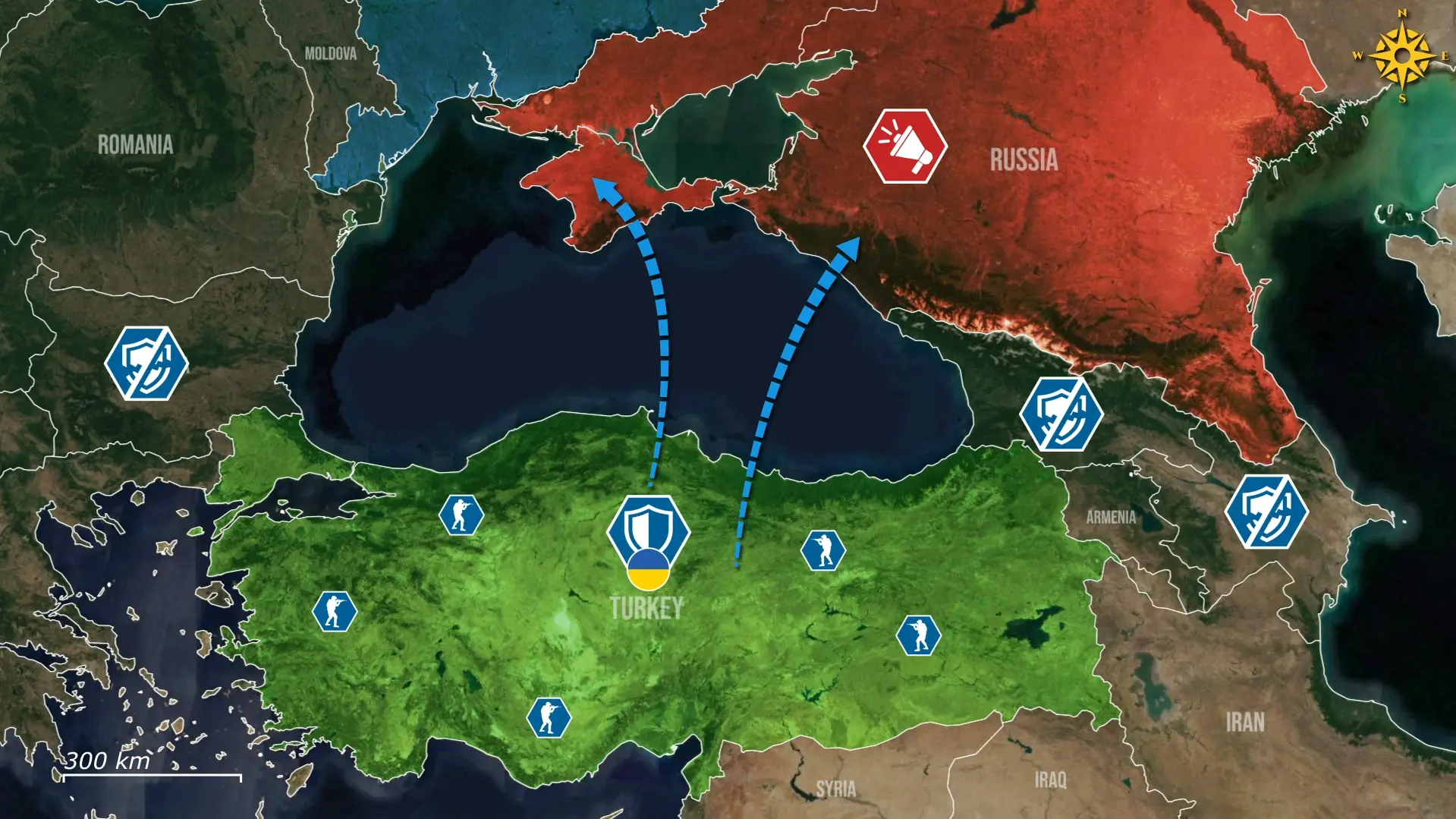
Here, Turkey is now breaking its old neutrality, as Russia accuses Ankara of helping Ukraine turn the Black Sea into a new battlefield against Moscow. For Russia, this is becoming a quiet nightmare, because after Russian forces struck Turkish-owned shipping, Turkey is moving closer to Ukraine and preparing to punish Moscow at sea.
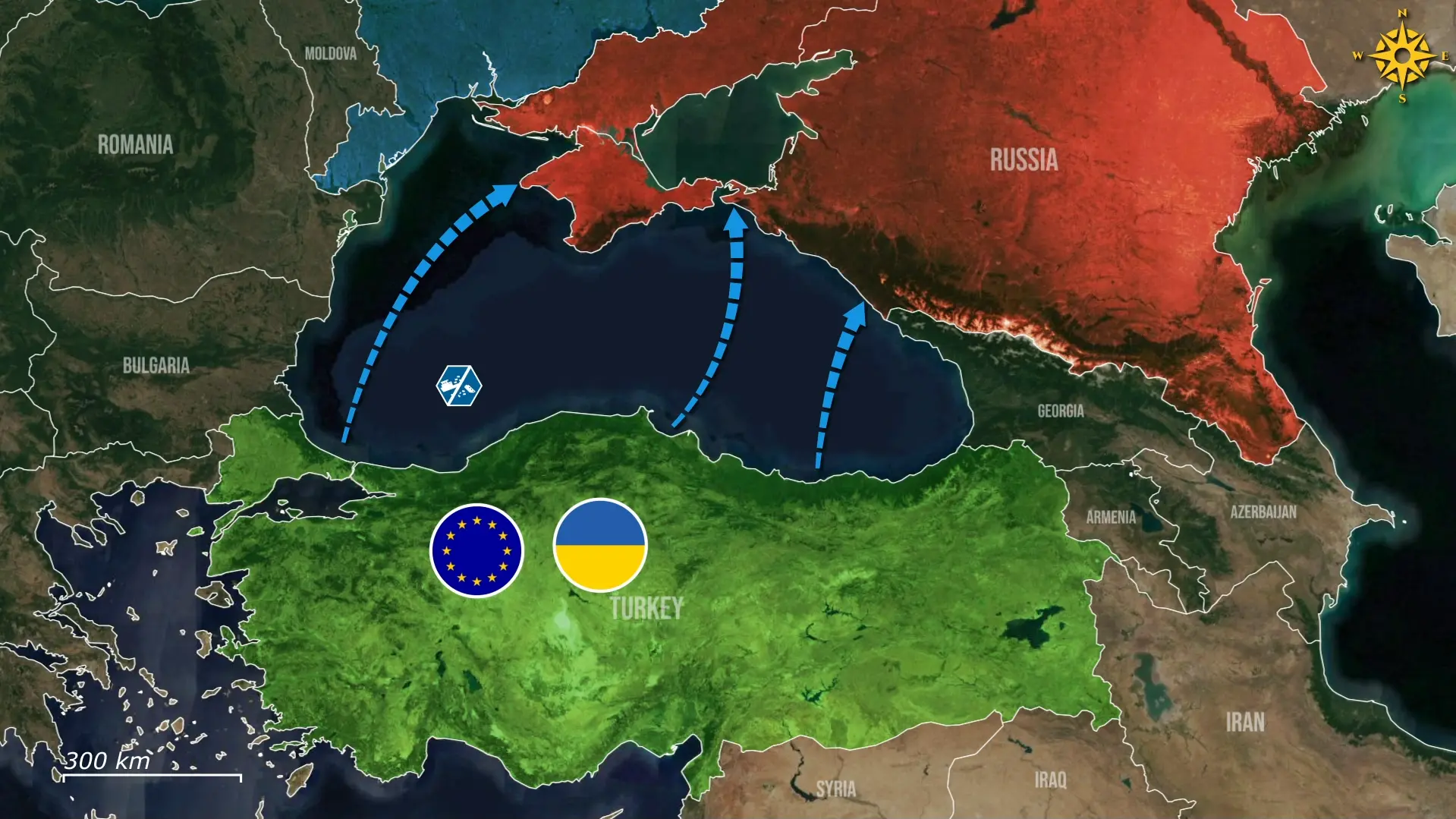
The first warning sign came from Moscow itself, when Russian sources began accusing Turkey of helping Ukraine in the Black Sea. The accusation centered on Turkish aircraft patrolling over the region, which Russia presented as activity connected to the war at sea. With that claim, Russia began shifting its language toward Turkey and started presenting Ankara as part of the campaign making Russian movement in the Black Sea more dangerous.
That concern came from Ukraine’s ability to make Russian movement across the Black Sea harder to protect. Ukrainian forces have been targeting naval assets, pressuring Russian shipping routes, and threatening the sea corridors Russia uses to connect Crimea with its coastal rear. The goal is to catch Russian vessels, escorts, and supply runs while they are still moving through exposed parts of the sea. Any extra help with tracking that movement would give Ukraine more chances to find those targets before they reach safety.
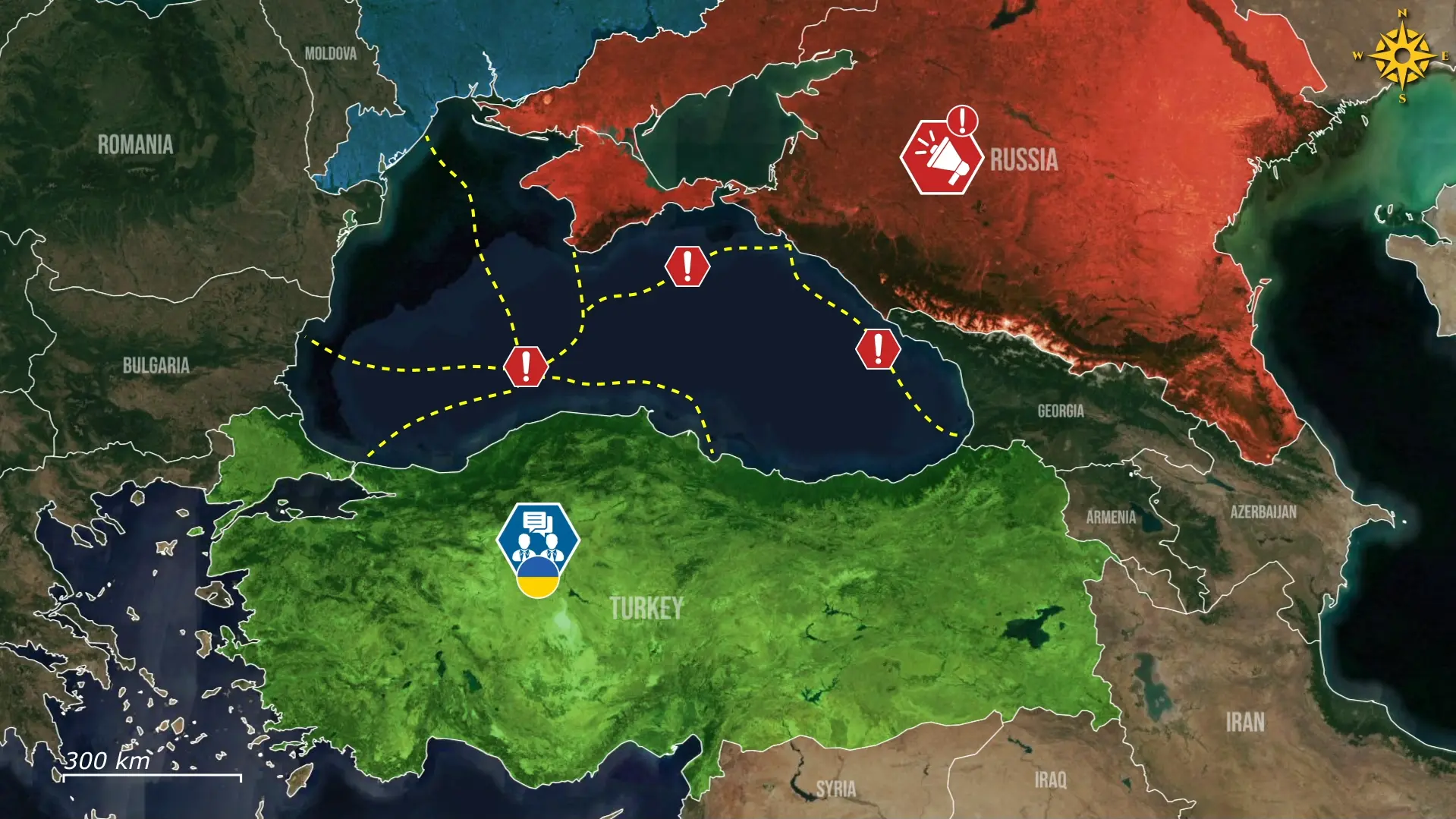
This accusation landed as Turkey was already moving away from its old position between Russia and the West. For years, Ankara traded with Moscow, remained inside Nato, and preserved room for maneuver in the Black Sea. That balance is now shifting, as Turkey again confirmed that it does not recognize Russia’s annexation of Crimea while cutting imports of Russian Urals crude from three hundred thousand barrels per day last year to around one hundred sixty thousand barrels per day this May. Relations with Washington are also improving after years of tension over Turkey’s purchase of Russia’s S-four-hundred air-defense system, which led to US sanctions and removal from the F-thirty-five program. Now, talks on F-sixteen fighter jets are resuming, and US officials are even discussing Turkey’s possible return to the F-thirty-five program.
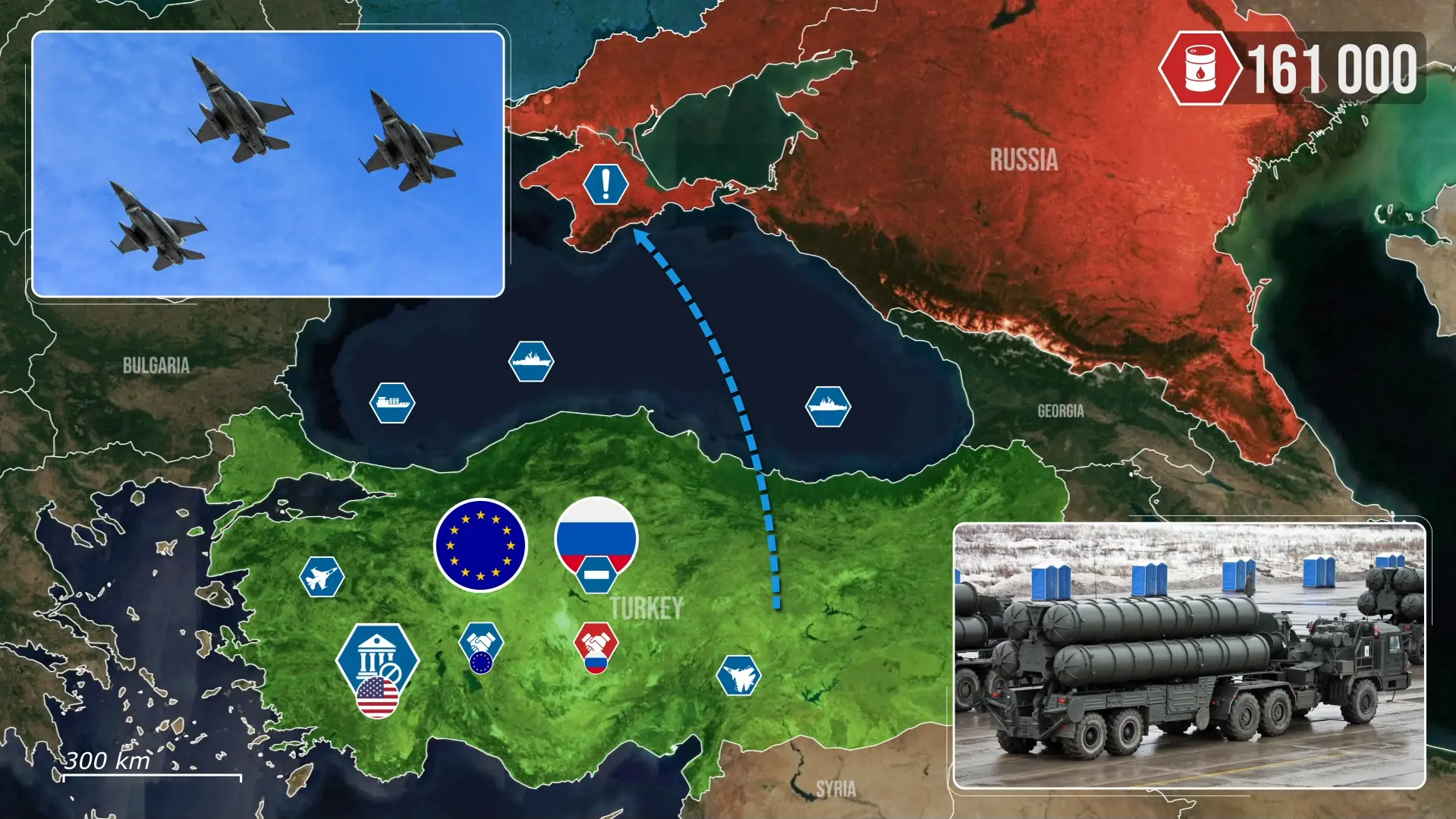
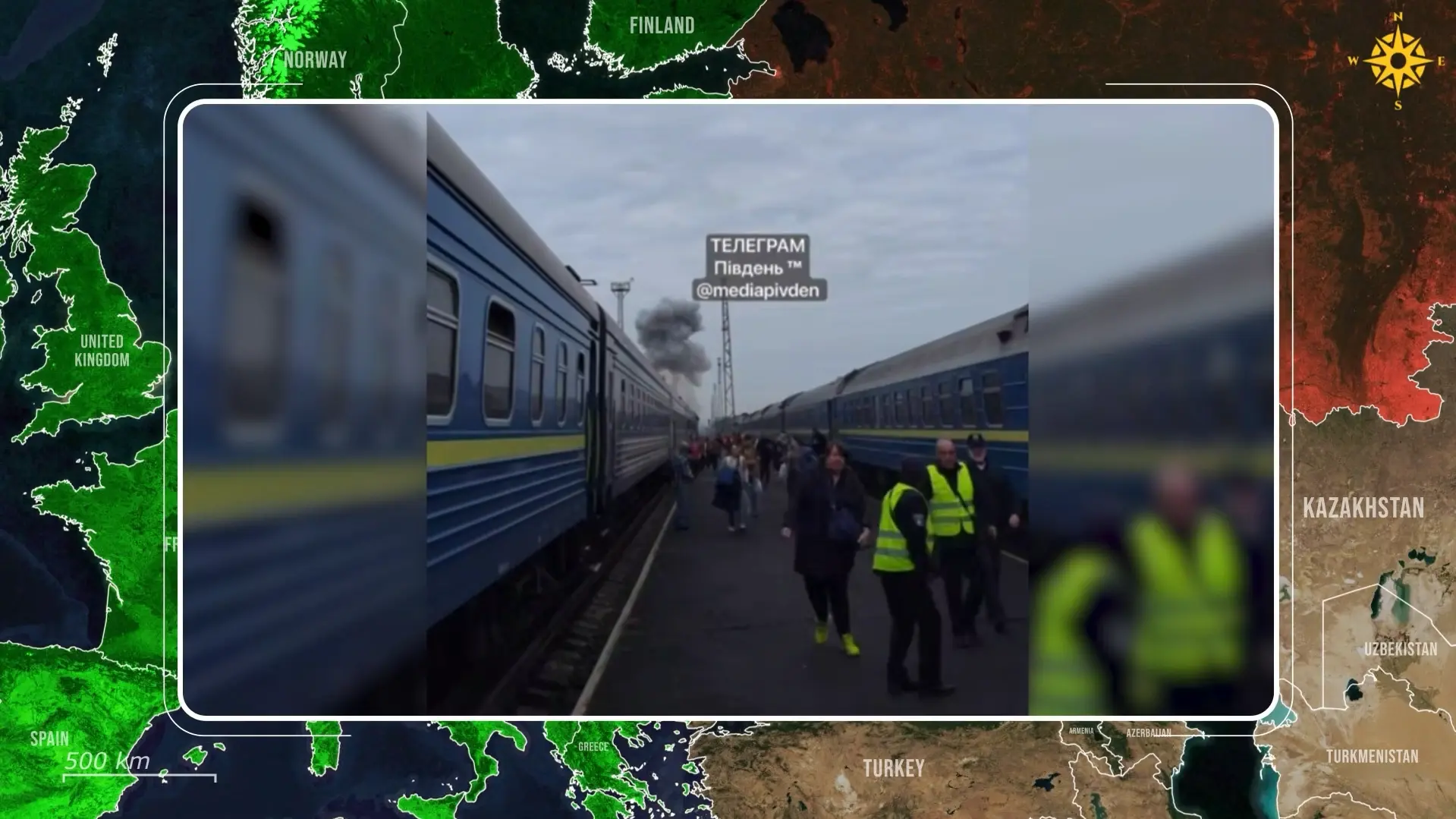
Russia’s pressure on Turkey had already moved beyond words before this accusation appeared. In late May, Russian forces struck the Turkish owned dry cargo ship ANT as it sailed from the Odesa region toward Turkey, causing a fire and wounding two crew members. The later accusation against Turkish patrol aircraft then gave Moscow a way to explain pressure that had already begun. By presenting Ankara’s activity as part of Ukraine’s Black Sea campaign, Russia was trying to blur the line between Turkish linked shipping and the wider war at sea.
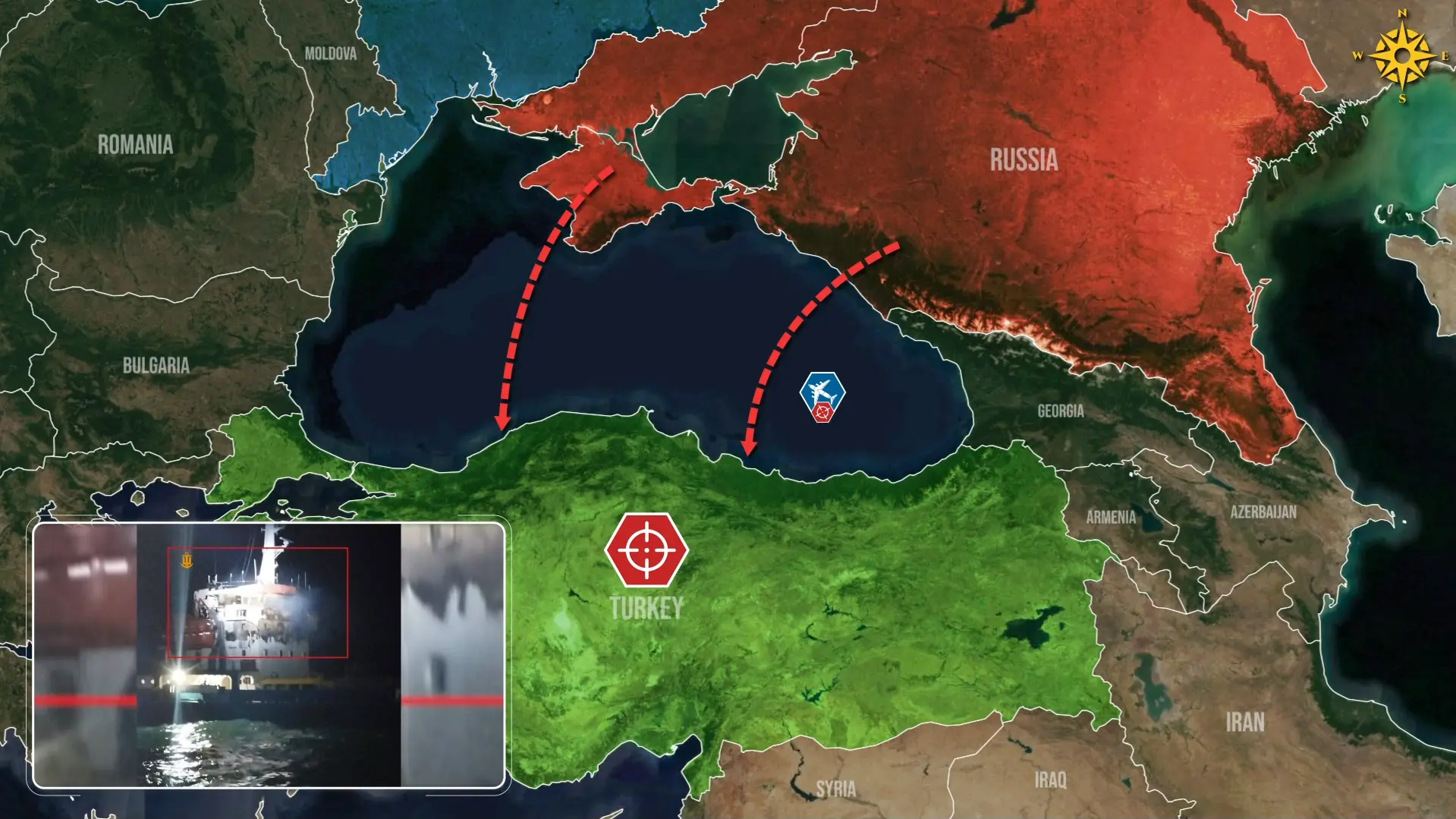
That pressure is risky because Turkey is not a country Russia can treat like an ordinary Black Sea actor. Ankara controls the straits linking the Black Sea to the Mediterranean, giving it enormous influence over movement into and out of the region. Turkey also has the naval and air power to project force across the sea, as its recent Blue Homeland exercises showed with frigates, submarines, patrol aircraft, drones, and unmanned surface vessels. If Ankara brought even part of that capability closer to Ukraine’s effort, Russia would face more surveillance, more drone pressure, and more risk around every movement it tries to make across the Black Sea. Russia would no longer face pressure only from the Ukrainian coast, but also from a powerful Nato state controlling the southern gateway of the sea.
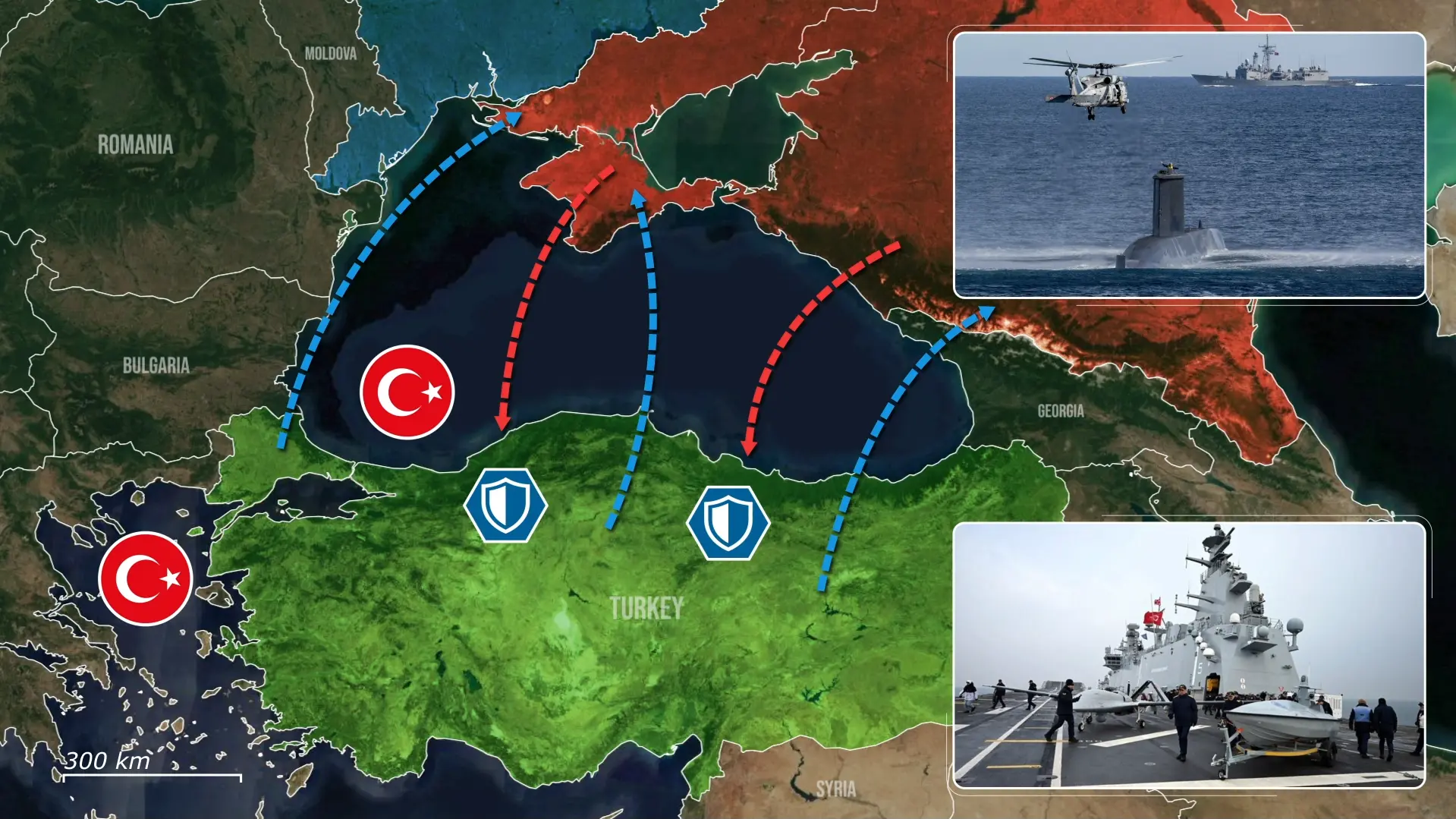
Overall, Russia is making a serious strategic mistake, because pressure that works against weaker neighbors does not work the same way against Turkey. Ankara has its own military weight, its own regional ambitions, and a long record of answering threats by increasing its leverage rather than stepping back. If Moscow keeps trying to intimidate Turkey through accusations and attacks on Turkish-linked shipping, it will push Ankara to cooperate with Ukraine more openly and lock itself into a confrontation it cannot easily control. In the coming months, Russia’s attempt to scare Turkey away from the Black Sea will instead turn Turkey into a far more active force against it.

.jpg)

Comments