

.svg)
Today, the biggest updates come from Iran.
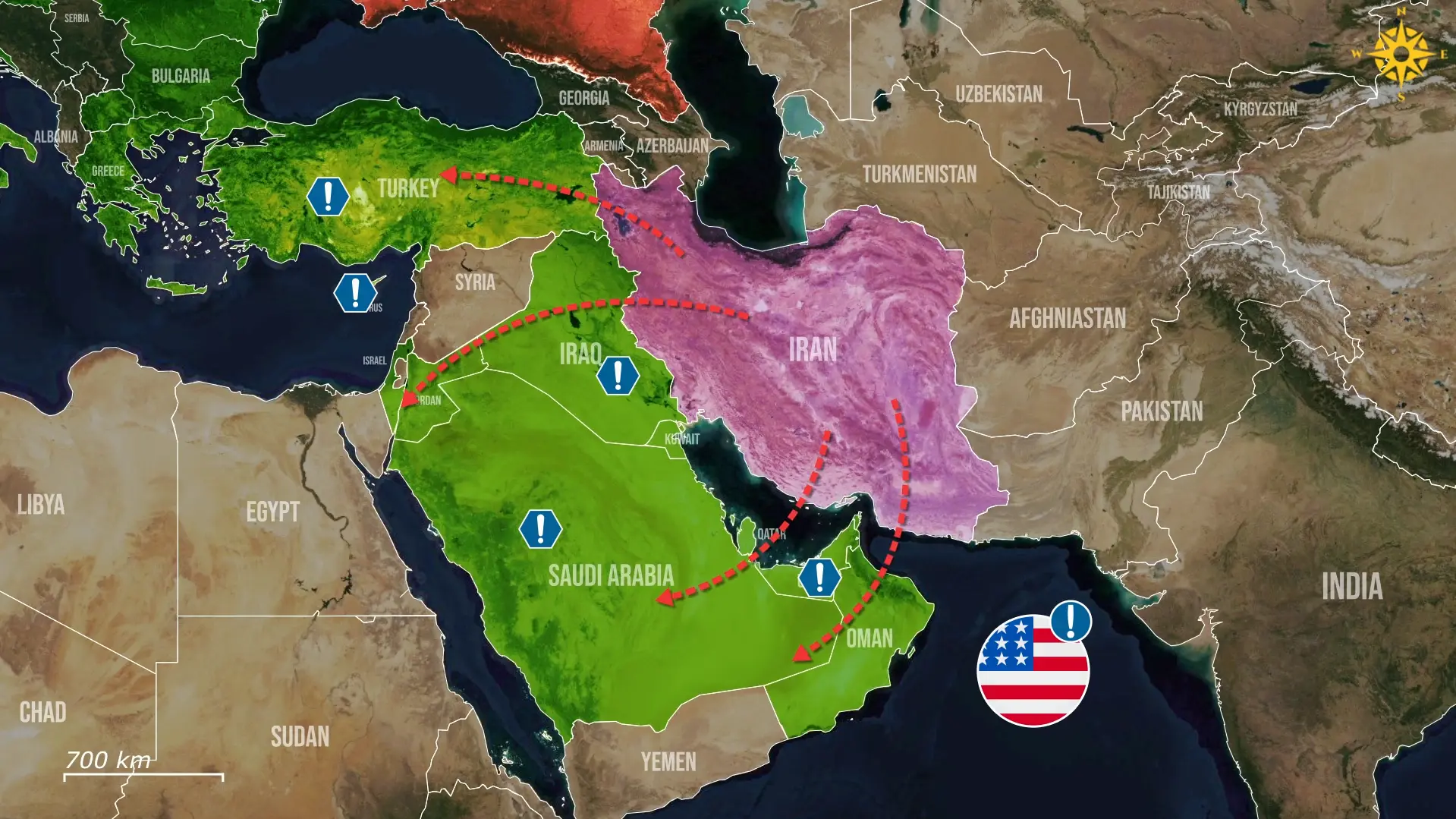
Once the war began, countries struck by Iranian missiles, drones and threats of further escalation still refused to join an American-led coalition against Tehran. Yet this was not the result of Iranian diplomacy or intimidation, but of a series of strategic decisions that left Washington unable to rally its partners behind the war.
One of the first signs that the war could spread beyond Iran came when Iranian drones crossed into Azerbaijan and struck airport terminals in the city of Nakhchivan. Despite coming under attack, Azerbaijan still refused to join an American-led coalition against Iran. The reason was not a lack of grievances, but a calculation of risk. Although Azerbaijan demanded explanations after the strikes occurred, and strengthened security cooperation with Turkey and Georgia, its leadership understood that joining the war could turn the country into a frontline state caught between Iran and Russia and invite far more destruction than had already occurred. Any meaningful protection would have depended on European Nato members entering the conflict in force, something that was far from guaranteed. As Azerbaijan signaled it would not participate offensively, Iran likewise shifted toward de-escalation and attempts at reconciliation for their initial attacks, which further reduced the reason for Azerbaijan to join the war when it became clear that Iran would not continue the attacks.
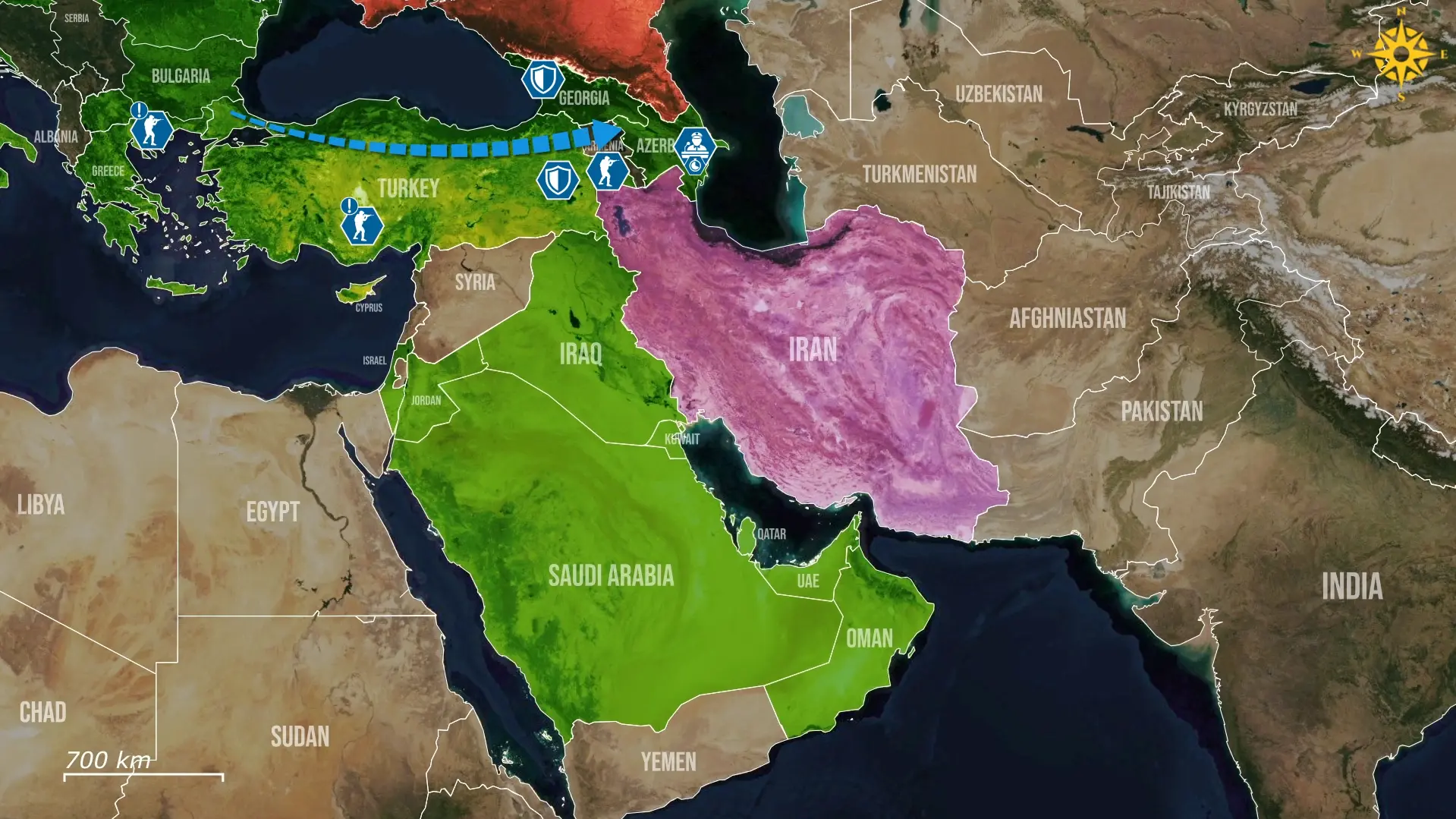
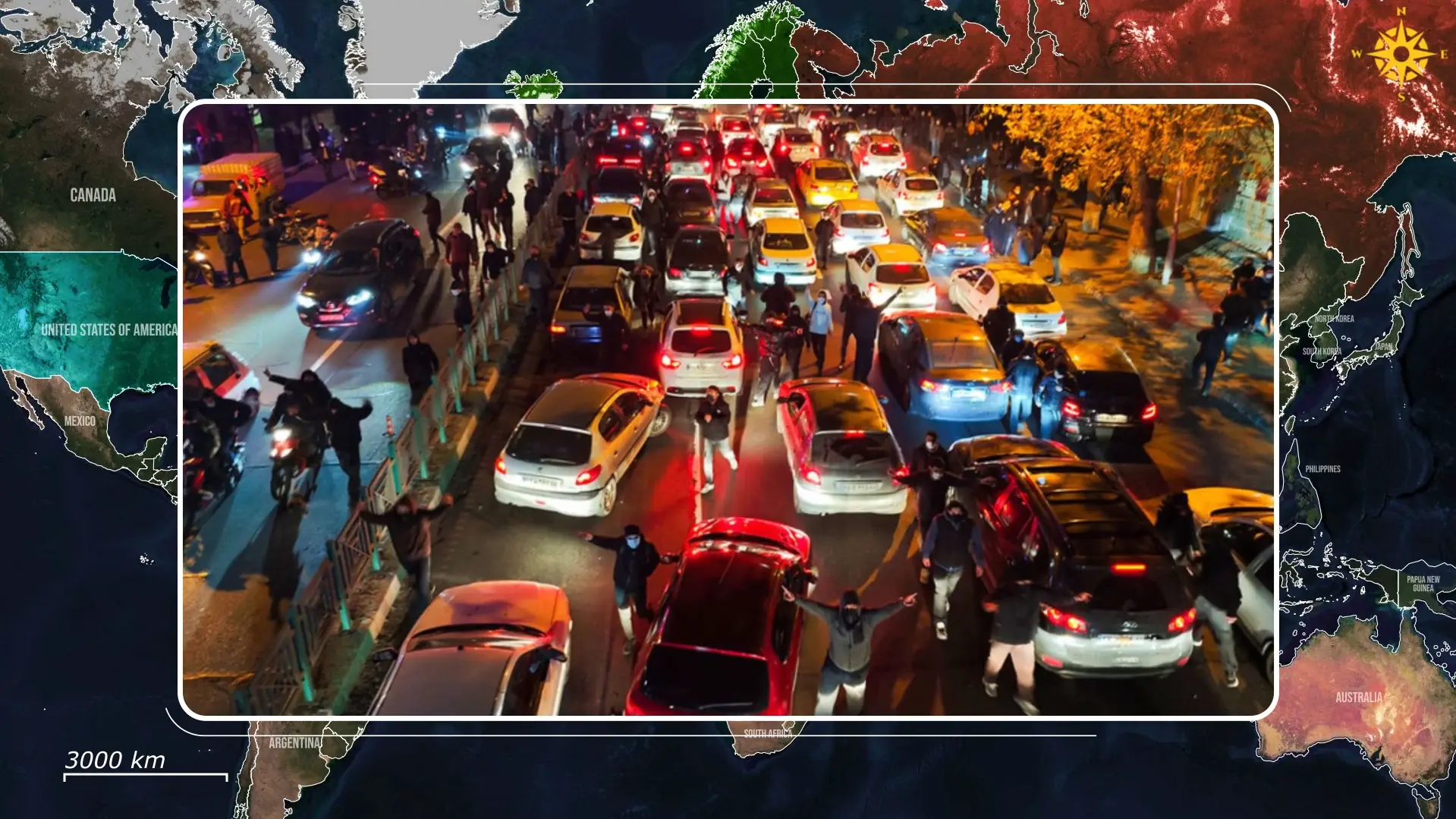
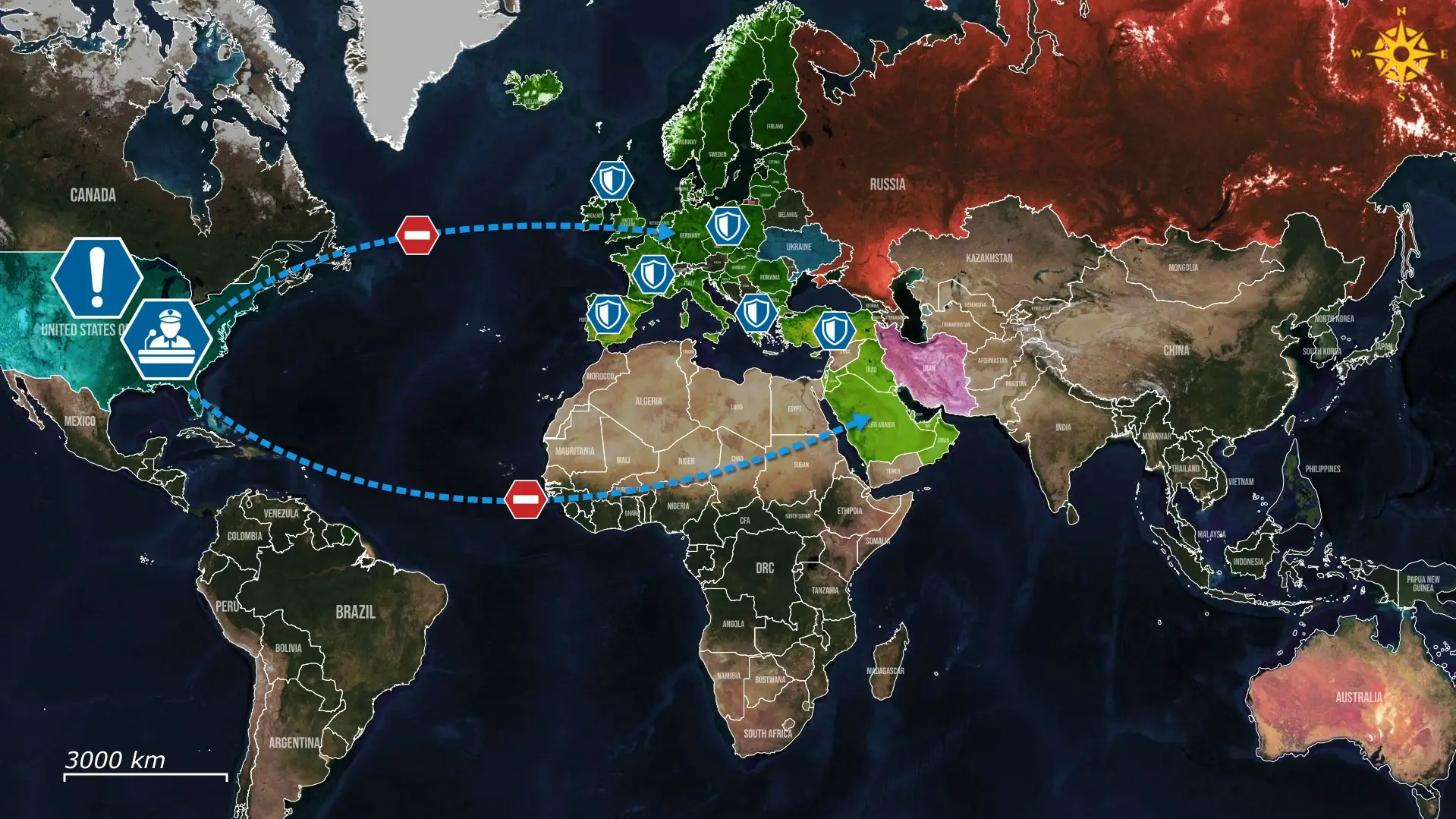
Azerbaijan's reluctance was not an exception, but an early indication of a much broader problem facing Washington. The United States launched strikes without first conducting the diplomatic coordination that normally precedes major military operations involving allies. This was notable, because Washington had already delayed intervention for two months to prepare for a confrontation with Iran, rather than act during the peak of the January protests. Yet while that time was used for military preparations, it was not used to build political consensus or coordinate a common plan with its Western allies. European governments were therefore caught off guard and forced to react to events rather than prepare for them. When Washington called on partners to join the campaign once it had already started, many of them lacked the deployed forces or the logistical arrangements necessary for military intervention in the region. Entering the war under such conditions would have required a rushed mobilization of forces and hurried joining of strike operations, increasing the risk of avoidable losses in equipment and personnel.
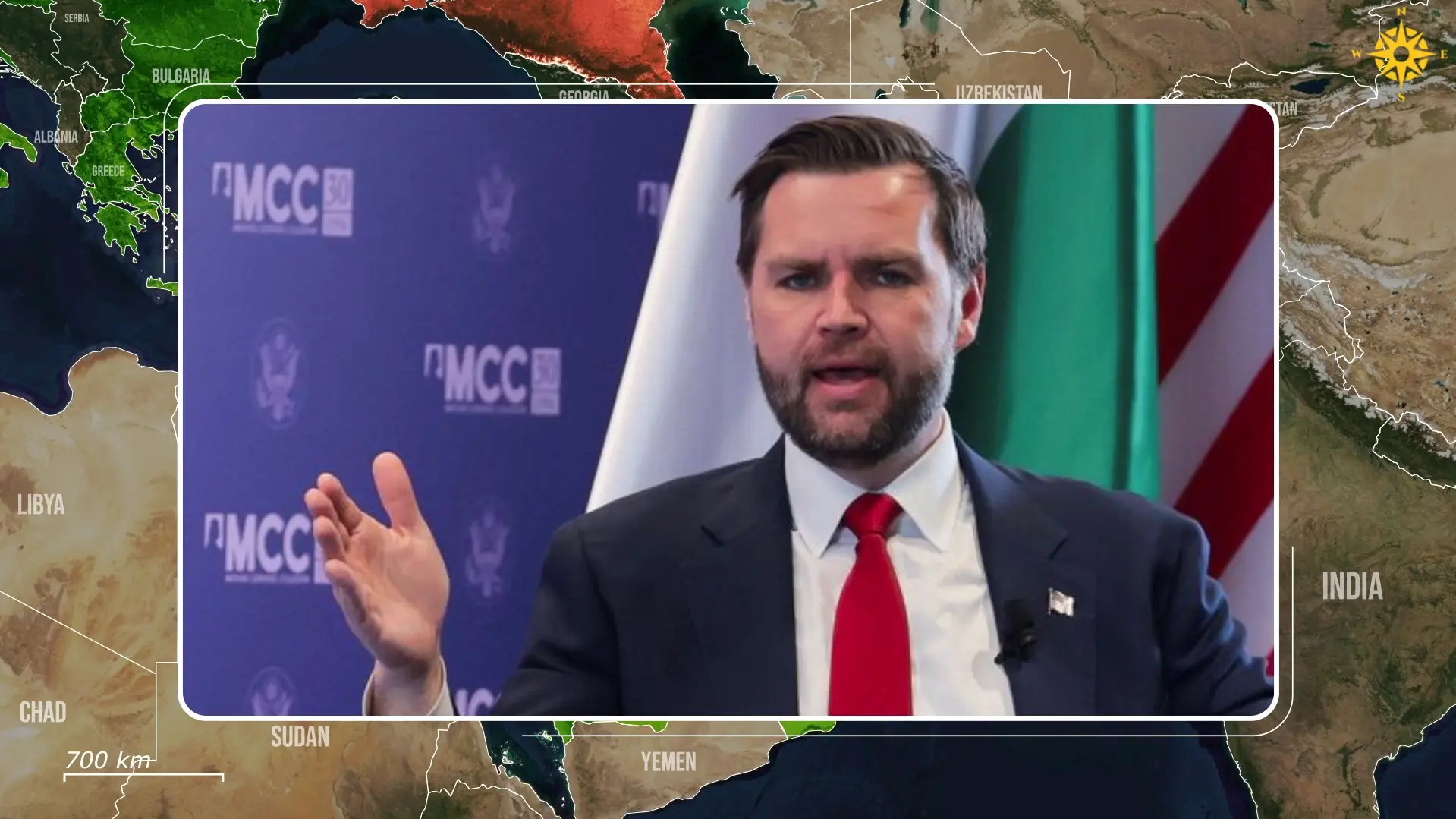
The lack of preparation was compounded by an even deeper problem, as there was no widely accepted common objective to achieve for the war itself. For all its risks and challenges, the goal of regime change in Iran would have given the war a clear and easily understood purpose, and one that many could get behind. As discussed in previous reports, the initial regime-change concept quickly proved unrealistic, removing the political foundation that could have united allies behind a common mission. This uncertainty was accelerated by earlier deterioration of US and European relations, and inconsistent and contradictory signaling from the US administration regarding the objectives of the war. Different statements alternately suggested objectives ranging from degrading Iran's military capabilities, dismantling a supposed nuclear weapons program, to broader ambitions that implied fundamental political and border changes inside Iran.
As a result, when Iranian missiles and drones began hitting European-linked positions across the Middle East, the response was defensive rather than a coalition-oriented offensive. Britain reinforced Cyprus with additional aircraft, air-defense assets, and counter-drone systems. France deployed warships, Rafale fighters, and ground-based air defenses. While Greece, Spain, Italy, and Turkey moved air-defense systems, naval assets, and aircraft to protect their own personnel, bases, and infrastructure. However none of these nations joined in on offensive operations. Turkey in particular strengthened missile defenses after multiple Iranian ballistic missiles entered its airspace and were shot down by Nato air defenses. These deployments demonstrated that European states were willing to defend themselves, but not that they were willing to join America's war against Iran.
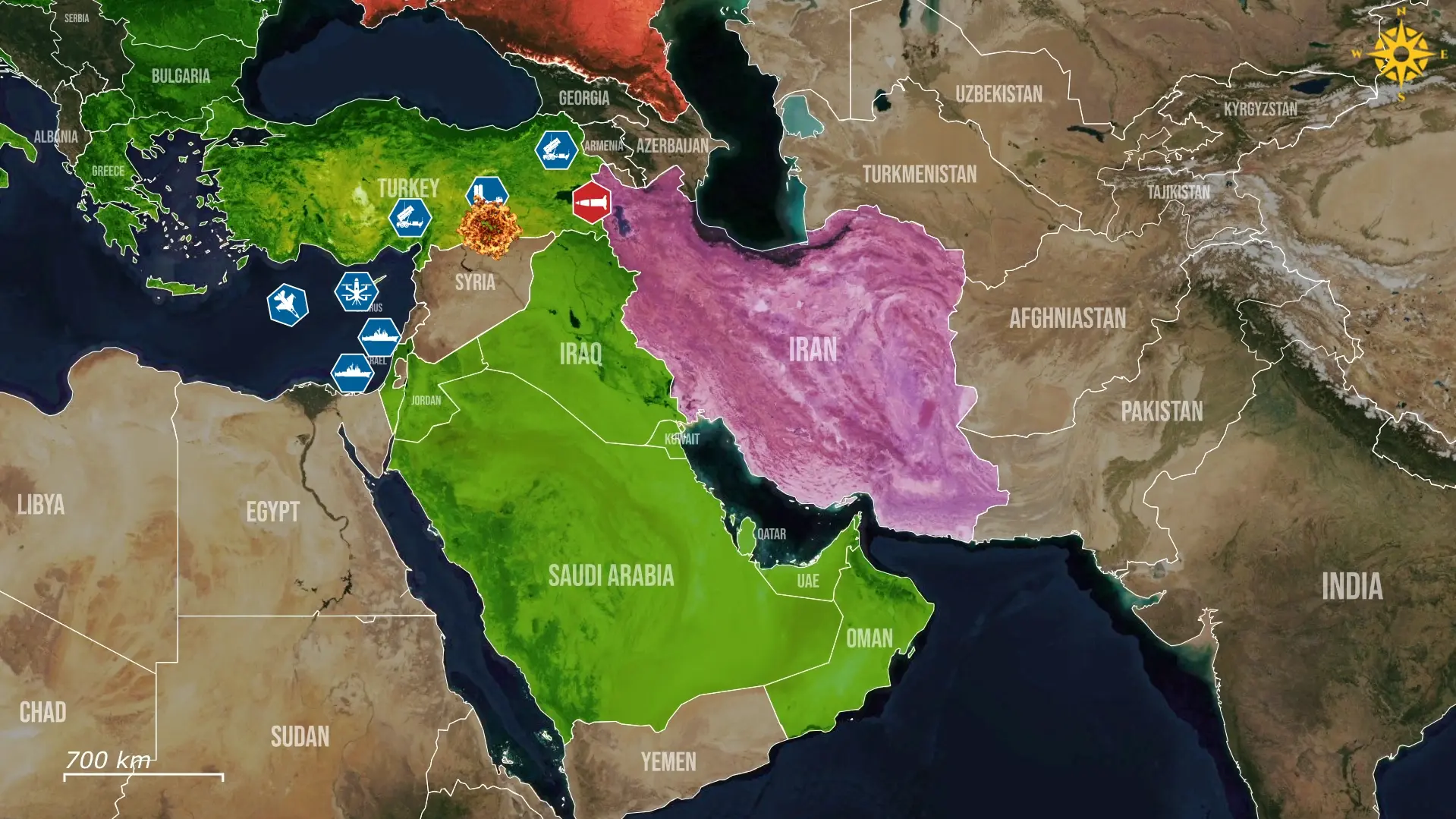
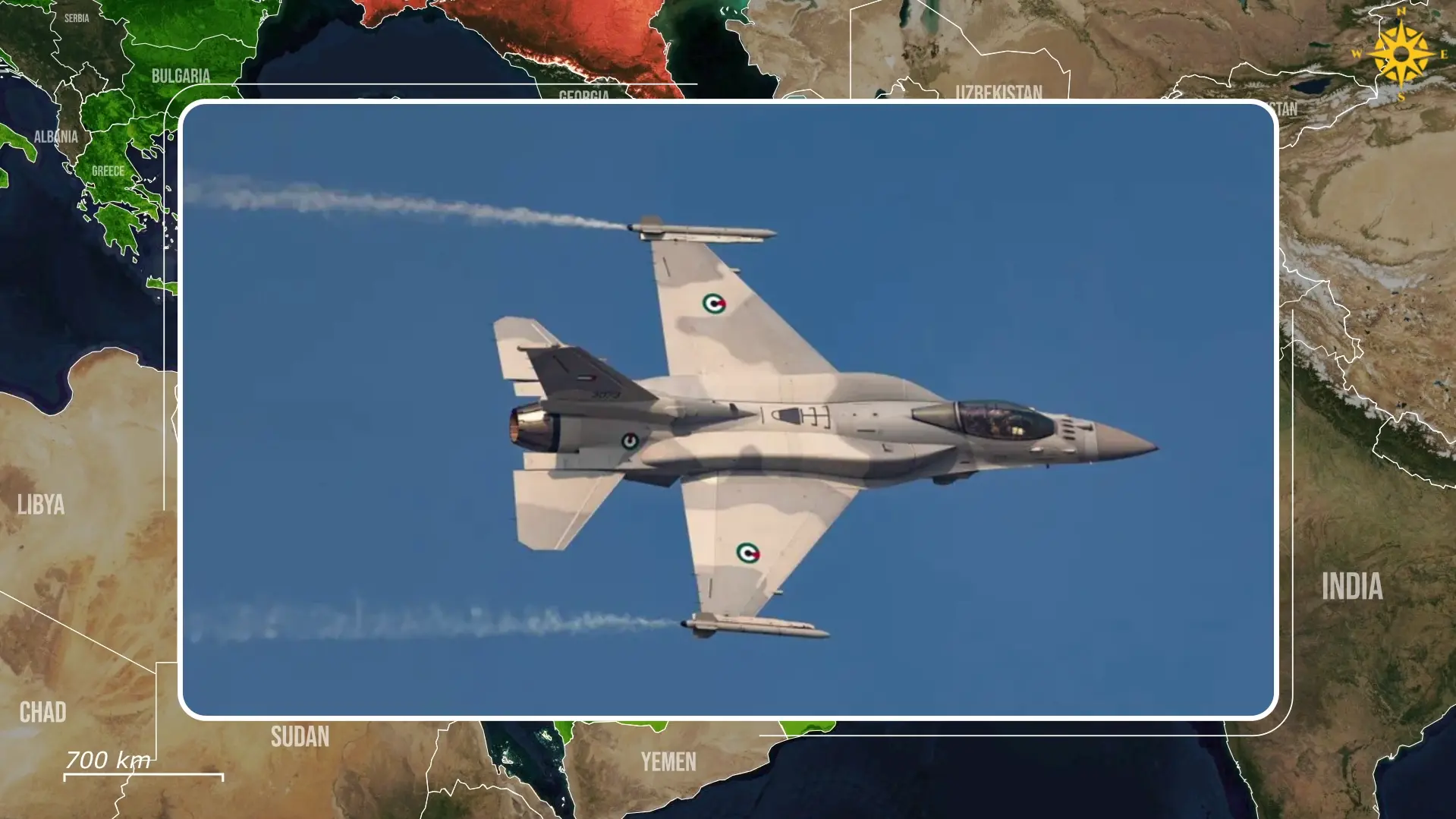
Lastly, the Gulf states faced the strongest pressure to join an anti-Iran coalition because they were among Tehran’s primary targets. Some did retaliate with limited airstrikes, yet they remained careful to avoid being openly identified as participants in a wider war. In several cases, aircraft operated with identifiable markings and flags removed or obscured, reflecting a desire to preserve plausible deniability and reduce the risk of further escalation. This caution stemmed from military realities, as Gulf armed forces are generally designed around internal security, air dominance over rebel and militia groups, and missile defense against proxy forces, rather than sustained conventional warfare against a large regional power like Iran. For them, deterrence was acceptable, while a prolonged war would have meant an unacceptable cost.
Overall, from the perspective of the American administration, the failure to form a coalition was not the result of allies lacking concerns about Iran, but of the United States failing to create the political conditions necessary for collective action. Without a clear plan and a clearly defined goal, the United States struggled to convince its partners that the risks of joining the war were worth taking. Most countries therefore focused on protecting themselves rather than contributing to a larger campaign against Iran. As a whole, the failure to organize a coalition against showed that diplomatic preparation is just as important as military preparation, and cannot be avoided in reality.

.jpg)

Comments