

.svg)
In this video, we will analyze the negative impact of the collapse of Opec on Russia.
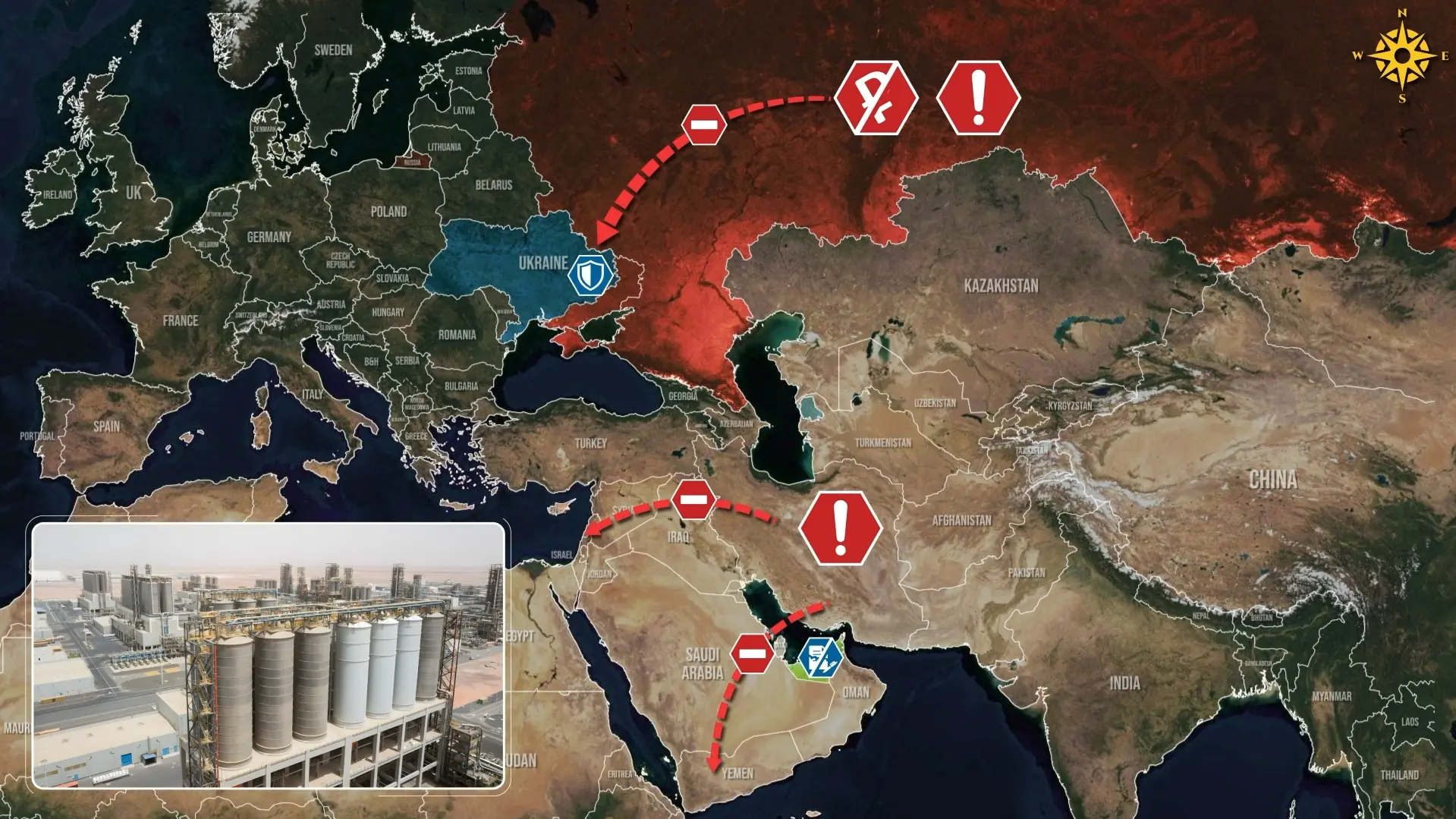
The United Arab Emirates just dealt the biggest shock to the global oil system in many years by deciding to leave Opec. However, this decision will not solely impact the core members of the Opec group in the Middle East, but is set to hurt Russia the most.
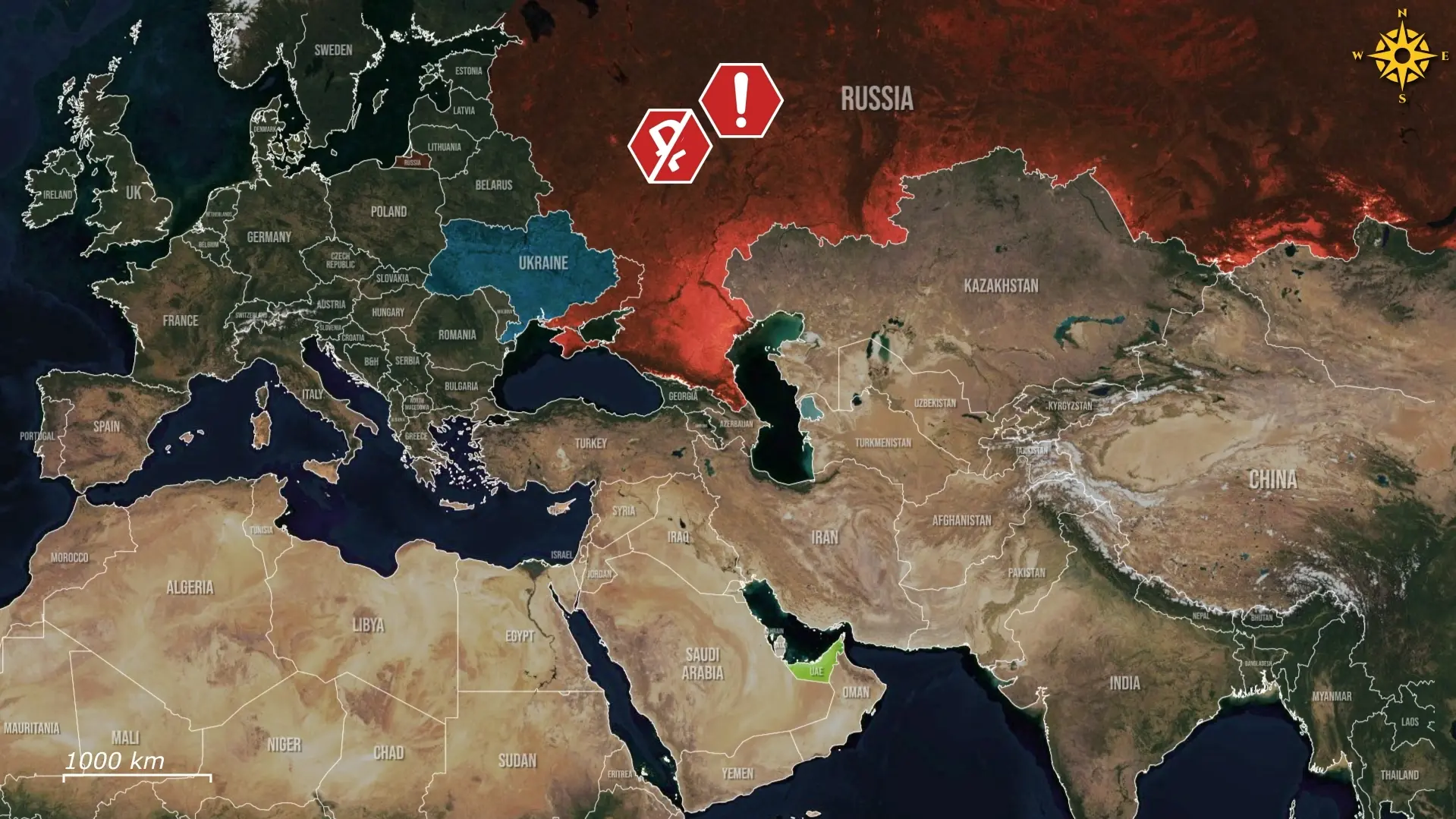
The United Arab Emirates has formally withdrawn from the Organization of the Petroleum Exporting Countries and the wider Opec‑plus alliance, ending nearly six decades inside this exclusive and powerful oil producers' club. Together, Opec and Opec‑plus nations control roughly forty percent of global oil production and around eighty percent of the world's proven oil reserves, giving the group the power to coordinate production and influence global prices. However, the United Arab Emirates’ decision is a major blow to the cartel’s cohesion and its leverage.
In fact, the United Arab Emirates holds some of the world’s largest spare oil production capacity after Saudi Arabia, and more supply output from a major Gulf producer outside the Opec quota system weakens the cartel’s ability to stabilize prices. The United Arab Emirates’ decision reflects a strategic shift driven by dissatisfaction with Opec’s quota limits, which prevented it from raising production to match the capacity it has built. The move also signals widening divisions within the bloc, which has already struggled to maintain unity amid the ongoing blockade of the Strait of Hormuz.
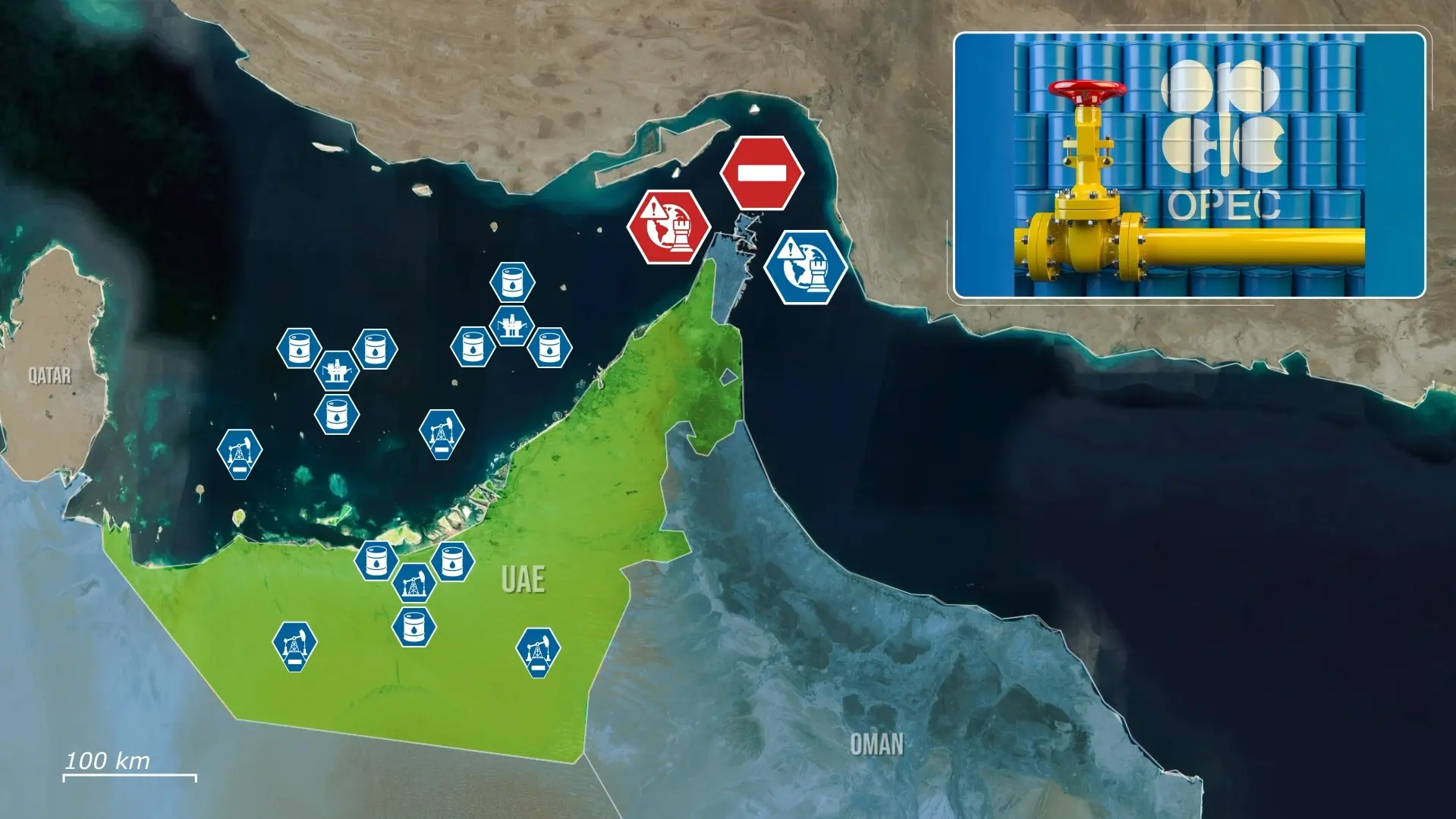
Unlike the United Arab Emirates and other Gulf countries, Russia has benefited from the Hormuz Strait blockade, as elevated oil prices have helped offset sanctions and the costs of its war in Ukraine. Russia’s export routes do not depend on the strait, and the global supply drop not only drove prices to around eighty dollars per barrel but also increased demand for the more readily available Russian oil. Iran has also benefited, as it managed to partially continue exports along its coastline despite the blockade.
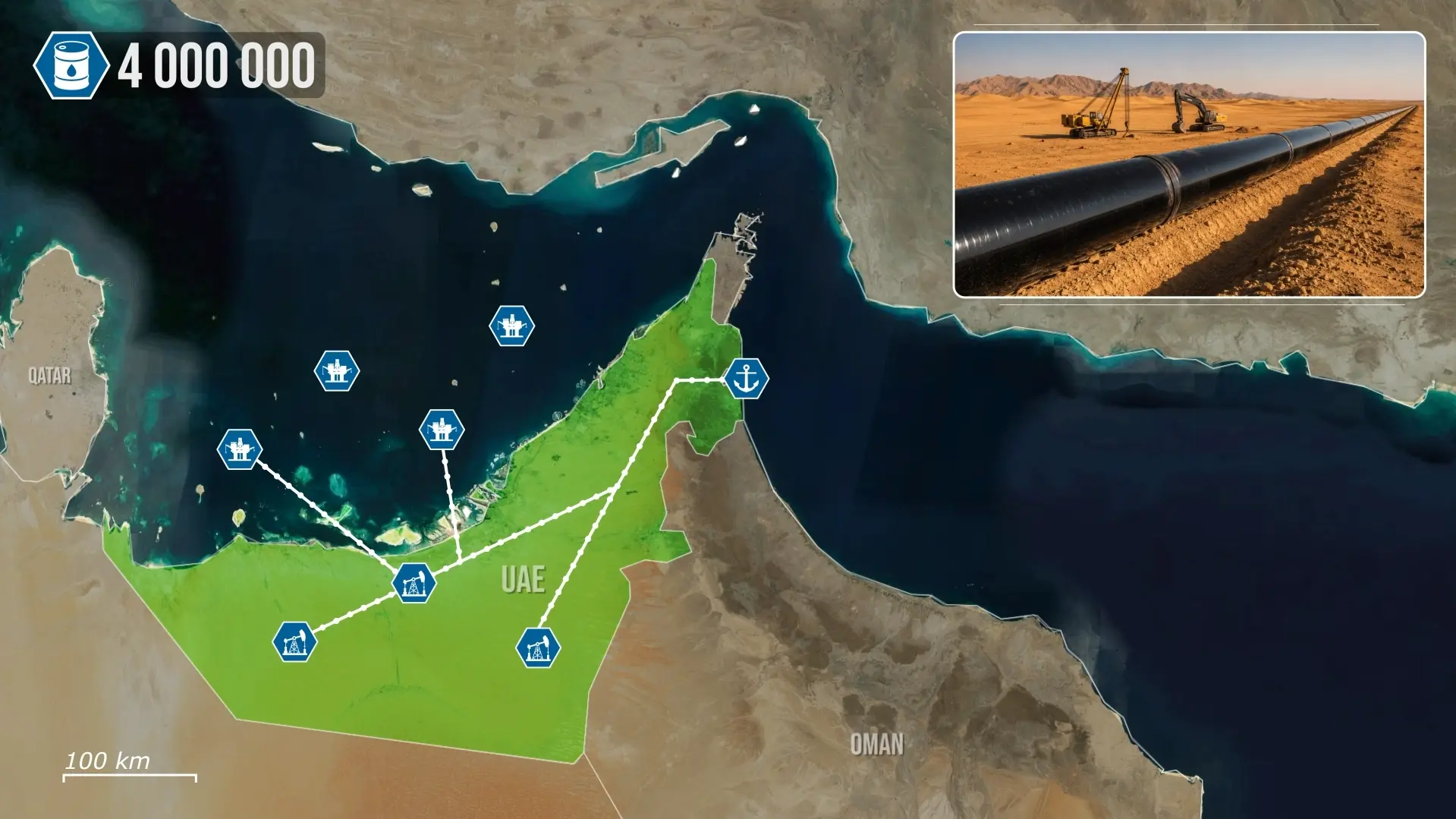
However, the United Arab Emirates’ production potential after the departure from Opec threatens these gains. Moreover, while the Strait of Hormuz remains blockaded, the United Arab Emirates is quietly constructing its west‑east pipeline system, planning to complete it by two thousand twenty seven. This infrastructure will allow the United Arab Emirates to move crude from its western fields to terminals on the eastern coast, bypassing the Strait of Hormuz, and increasing exports from one point eight to four million barrels. Additionally, once the strait reopens, the United Arab Emirates will also be able to fully exploit its port infrastructure, reaching a potential export of five million barrels per day.
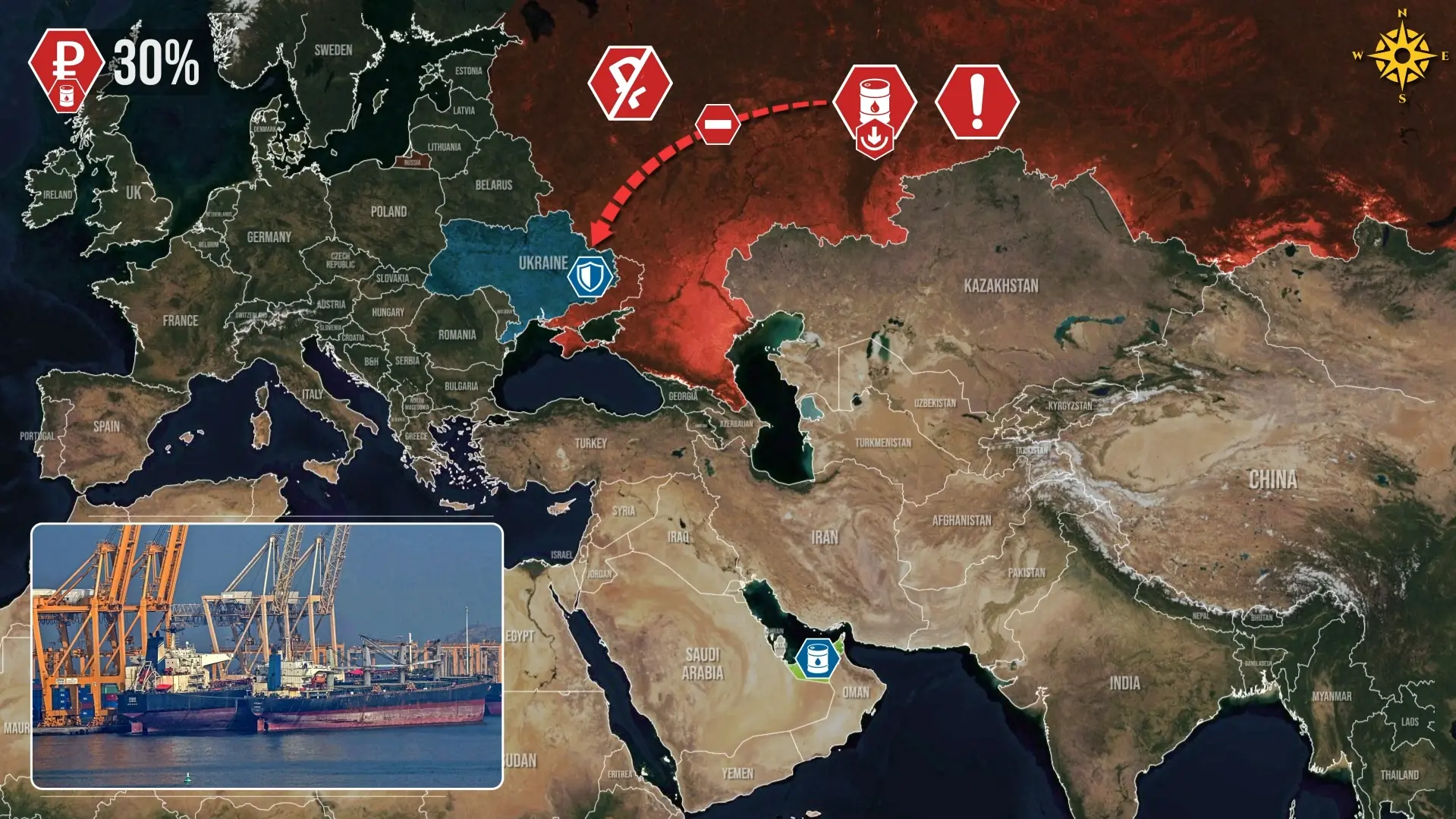
If the United Arab Emirates increases output significantly, prices will soften, and Russia stands to lose the most. Russia’s crude prices could fall by roughly twenty dollars per barrel, erasing the price spikes that had helped its finances. Because oil revenue accounts for about thirty percent of Russia’s federal budget, a price decline of that scale would erase tens of billions of dollars in annual oil‑related income, further impacting the already war‑strained budget. This means Russia would have to further cut domestic spending, reduce funding for its war effort, or borrow more at rising costs, leaving the state with far less room to manage economic shocks.
Similarly to Russia, Iran will face an immediate cut in revenue as the United Arab Emirates barrels compete directly for the same Asian buyers. This competition could cause Iran a net loss of roughly one point five to two point one billion dollars per month, as increased Emirati supply and the new west‑east pipeline will force Iran to accept deeper discounts and lose market share. That pressure is especially strong because the United Arab Emirates sells a similar type of crude oil to the same refineries, meaning every extra Emirati barrel gives buyers more leverage to demand lower prices from Iran. In the medium term, once the strait reopens, Iran is set to lose even more, as the United Arab Emirates production unleashed can run at full capacity without Opec restrictions.
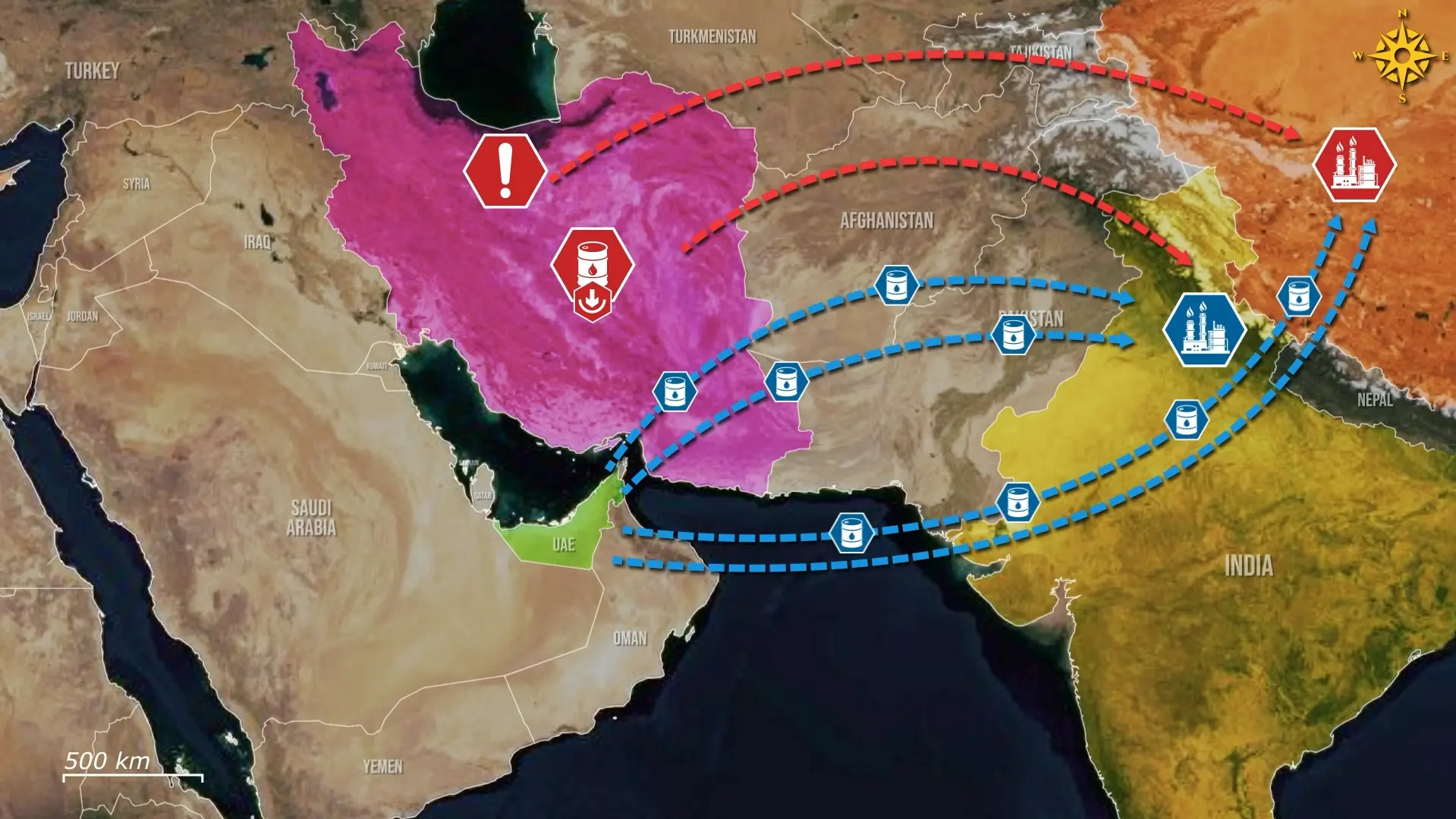
Overall, the United Arab Emirates’ break from Opec and Opec‑plus reshapes the oil market in ways that squeeze both Russia and Iran simultaneously. As the United Arab Emirates pushes more crude through new routes and ignores quota limits, the pressure from declining oil prices will only grow. For Russia, the timing is especially bad, landing just as its economy is strained by sanctions, war costs, and shrinking room to manage its budget. The combined squeeze of revenue will limit the capacity of both Russia’s war effort in Ukraine and Iran’s support for regional proxies, weakening their ability to sustain their current positions.

.jpg)

Comments